




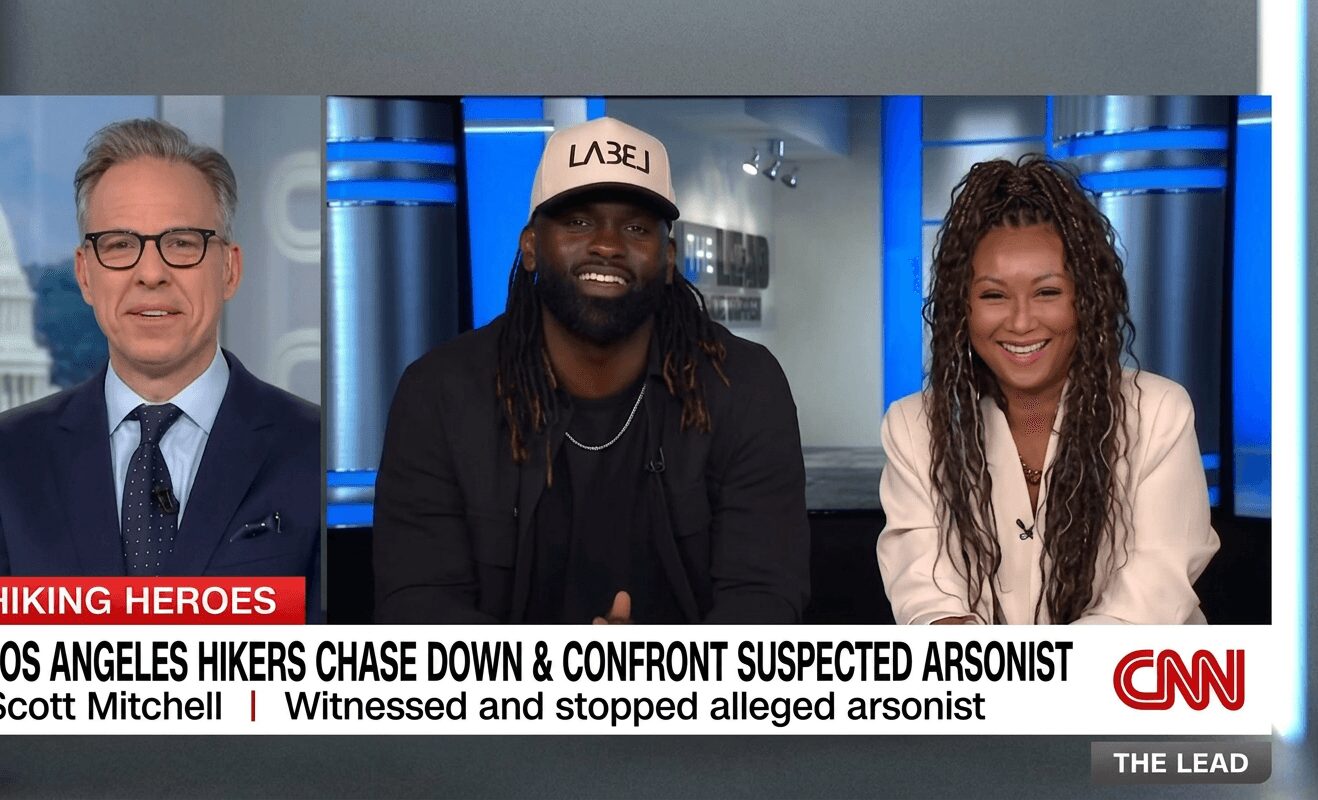
Today we’d like to introduce you to Scott ‘Scotty Franchyze’ Mitchell.
Hi Scott, it’s an honor to have you on the platform. Thanks for taking the time to share your story with us – to start maybe you can share some of your backstory with our readers?
We weren’t chasing a moment that would reach over a billion views across global media. It came from acting in real time, alongside Davanh, to prevent what we had just experienced earlier that year from happening again in Hollywood.
What happened at Runyon Canyon put us in front of a global audience overnight, but it also reinforced how I’ve always moved. My background in football took me from Southern California to the University of Kentucky and into professional play, but it also placed me in environments where culture and influence are built. I always joke that wide receivers are more entertainers than football players, and that mindset carried over. I was used to being on camera, around media, and involved in campaigns, so stepping into those spaces off the field felt natural.
Over time, that exposure turned into real involvement. I moved into talent management, strategy, and media, working both in front of the camera and behind the scenes with artists, creatives, and industry professionals. Now I operate in a space where some things are visible and others aren’t, developing opportunities across music, film, and technology, and contributing to projects that are still taking shape.
That foundation was built long before any of that. I’m originally from Southern California, with roots in Carson and Pomona, and I spent part of my early years in the Houston area before coming back to California to pursue football at a higher level.
From there, I went on to the University of New Mexico, where I redshirted before returning to Southern California to play at Mt. San Antonio College. That stretch was about recalibrating and continuing to push forward, which ultimately led me to the University of Kentucky on a football scholarship and into professional opportunities.
Alright, so let’s dig a little deeper into the story – has it been an easy path overall and if not, what were the challenges you’ve had to overcome?
It hasn’t been a smooth road, but I think that’s expected when you’re trying to build something across multiple spaces.
Coming from sports, I was already used to obstacles. Football teaches you early not to focus on the obstacle itself, because it’s always going to be there at every level. Instead, the focus is on how you respond. You’re only as good as your last performance, and nothing is ever truly enough. There’s constant pressure, evaluation, and criticism at every level. That environment builds a level of resilience that carries over into everything else.
What I found was that the challenges in entertainment and media are different. In sports, obstacles are physical and performance-based. In entertainment, they’re strategic. It’s about timing, positioning, relationships, and navigating the politics that come with it. Early on, I was told that music and entertainment is a tough place to live but a great place to visit, and that perspective stuck with me. It’s a space where you have to constantly adapt, think ahead, and understand how to move within systems that aren’t always transparent.
On top of that, I’ve had to navigate real-life setbacks that impacted everything from mobility to finances, which forced me to operate under pressure in a completely different way. Those moments test how committed you are to what you’re building.
At the same time, experiences like stopping the Runyon Canyon arsonist reinforced something important for me. No matter what’s going on, there’s still a responsibility to act, lead, and show up when it matters. That perspective shifted how I approach everything.
That experience also showed me that visibility and recognition don’t always align the way people expect, which reinforced the importance of staying focused on the work itself.
What I’ve taken from all of it is the ability to stay adaptable and intentional. Whether it’s sports, media, or business, you have to be willing to adjust, rethink strategy, and keep moving forward without losing direction. That’s been one of the biggest lessons throughout the process.
As you know, we’re big fans of Scotty Franchyze. For our readers who might not be as familiar what can you tell them about the brand?
I operate at the intersection of media, strategy, and culture, with a focus on building and positioning talent, projects, and experiences in a way that connects with the right audiences.
My background as an athlete consistently put me at the forefront of teams, both in performance and in how I was positioned within media, branding, and team campaigns. That early exposure shaped how I understand visibility, narrative, and audience engagement. While I was used to being on camera, over time I became more focused on what happens behind it, how things are structured, positioned, and scaled.
Today, my work centers on talent management, brand positioning, and strategic development. I spend a lot of time helping shape how people, ideas, and projects are presented and how they evolve beyond a single moment. That includes working with artists, creatives, and industry professionals, as well as contributing to projects across music, film, and technology.
A lot of what I do sits behind the scenes. It’s about understanding timing, relationships, and how to align the right pieces so something can actually move. I’ve been involved in ongoing conversations and development around projects with creatives and industry professionals, including work connected to Marcas Harris, also known as Mr. Robotic, along with other opportunities that are still taking shape.
At the same time, I continue to build my own platforms and initiatives that reflect that same mindset. That includes developing content, partnerships, and environments where culture and experience intersect. Some of that work is visible, and some of it is built behind the scenes, but the focus is always on creating something that has both immediate impact and long-term value.
Ultimately, my role is to connect vision with execution, whether that’s through talent, media, or strategic development, and to position things in a way that allows them to grow and resonate beyond the moment.
Networking and finding a mentor can have such a positive impact on one’s life and career. Any advice?
I think one of the biggest misconceptions about networking is that it’s supposed to be transactional. In my experience, it’s really about being open and adaptable.
Coming from sports, especially being in locker rooms with people from different backgrounds, cultures, and perspectives, I learned early how to connect with people who don’t necessarily look like me or come from the same environment. That carries over directly into networking. You have to be willing to engage across the full spectrum and not limit yourself to what feels familiar.
A lot of what has worked for me is simple but consistent. If I walk into a room where I don’t know anyone, I make it a point to introduce myself, have real conversations, and understand what people are actually working on. It sounds basic, but most people don’t do it. They stay in their comfort zone or wait for an introduction instead of creating one.
I’ve also learned that mentors don’t always come in a formal way. Sometimes it’s a single conversation, a piece of advice, or just being around the right people at the right time. Being present, listening, and knowing how to follow up has been just as important as the initial introduction.
At the end of the day, networking is less about trying to get something out of someone and more about building real relationships over time. When you approach it that way, opportunities tend to come naturally.
Contact Info:
- Website: https://www.scottyfranchyze.com
- Instagram: https://www.instagram.com/scottyfranchyze/
- Facebook: https://www.facebook.com/share/1B5vtNqPaz/
- LinkedIn: https://www.linkedin.com/in/scott-mitchell-56b6bb42
- Twitter: https://x.com/scottyfranchyze
- Youtube: https://youtube.com/@scottyfranchyze
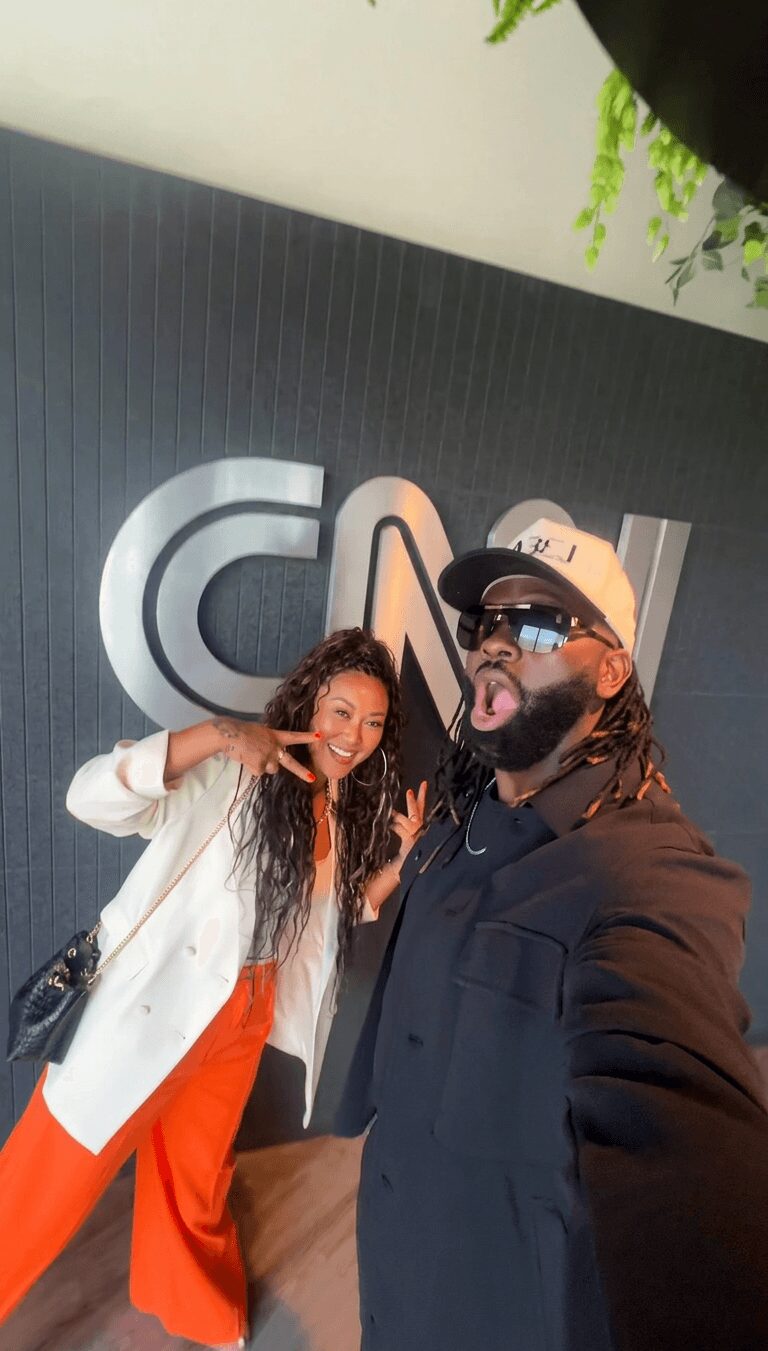
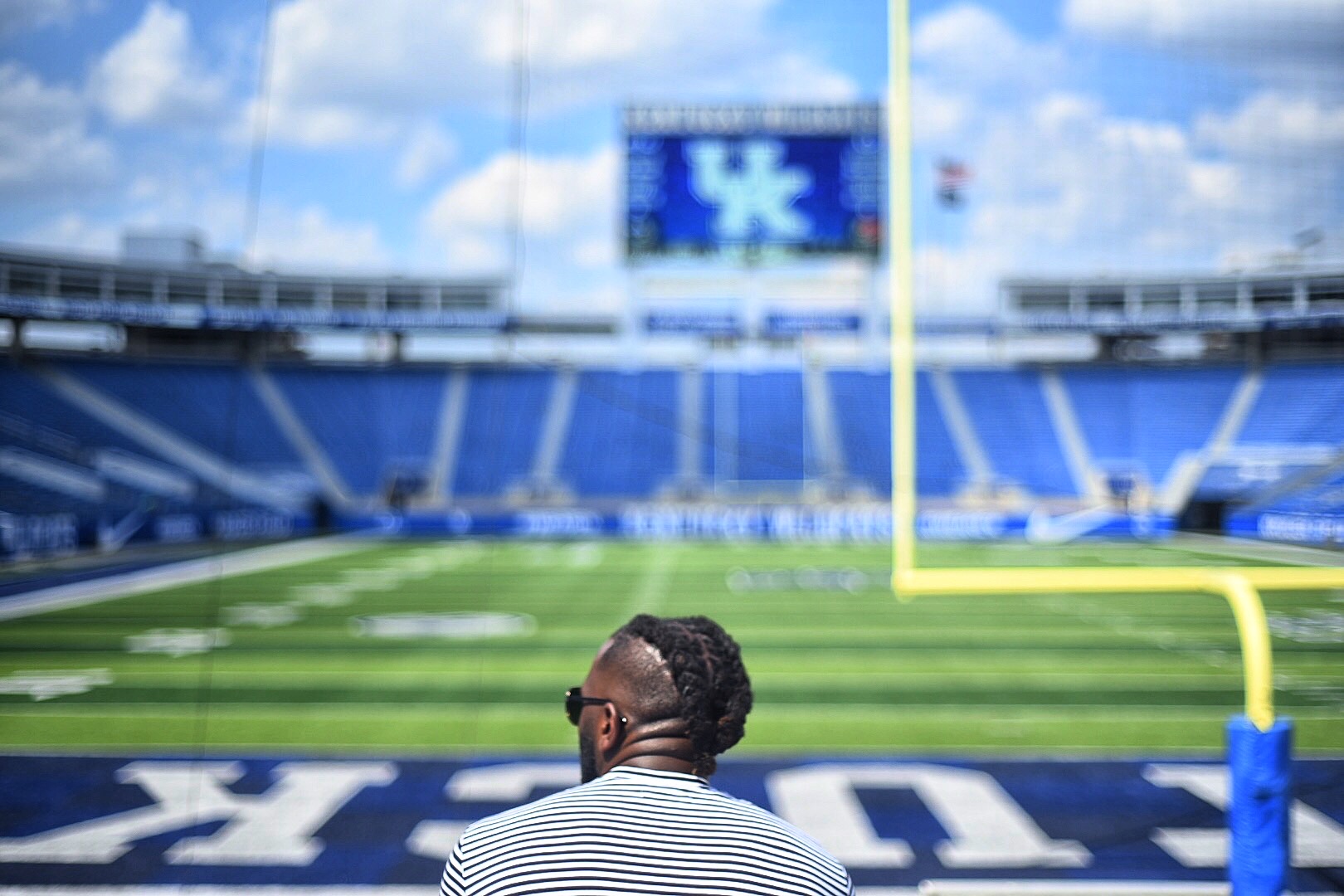
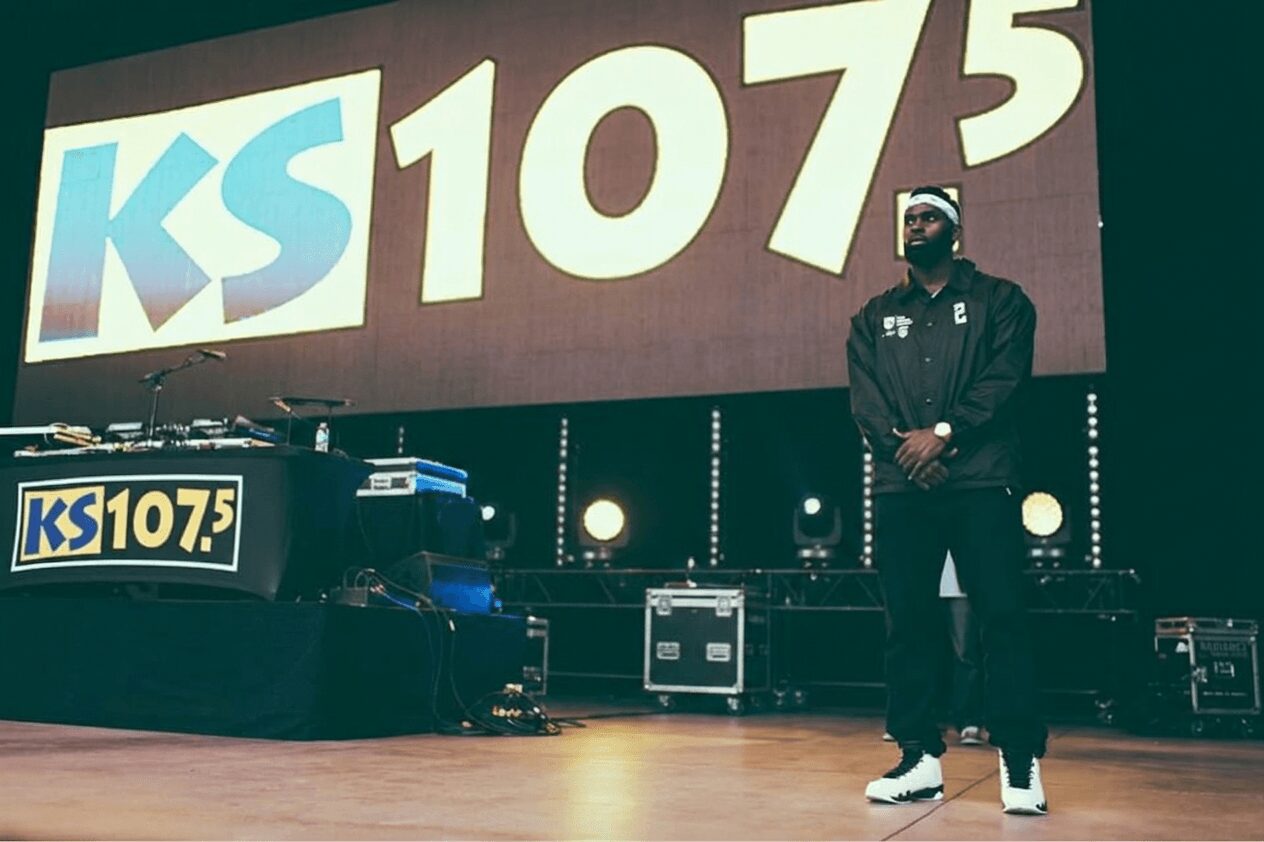
Image Credits
CNN (The Lead w/ Jake Tapper
Popular
-

Portraits of the Valley
-

LA’s Most Inspiring Stories
-

Robin Olive on Building an Inclusive Performing Arts Movement and Expanding Opportunities for Every Student
-

Que Johnson on Building Brands That Last: From Visibility to True Market Authority
-

Christina Wren Steps Into the Director’s Chair to Tell Stories That Feel Like Home
-
JordanL on ‘Breathe,’ Belief, and Building a Movement Beyond the Music


