



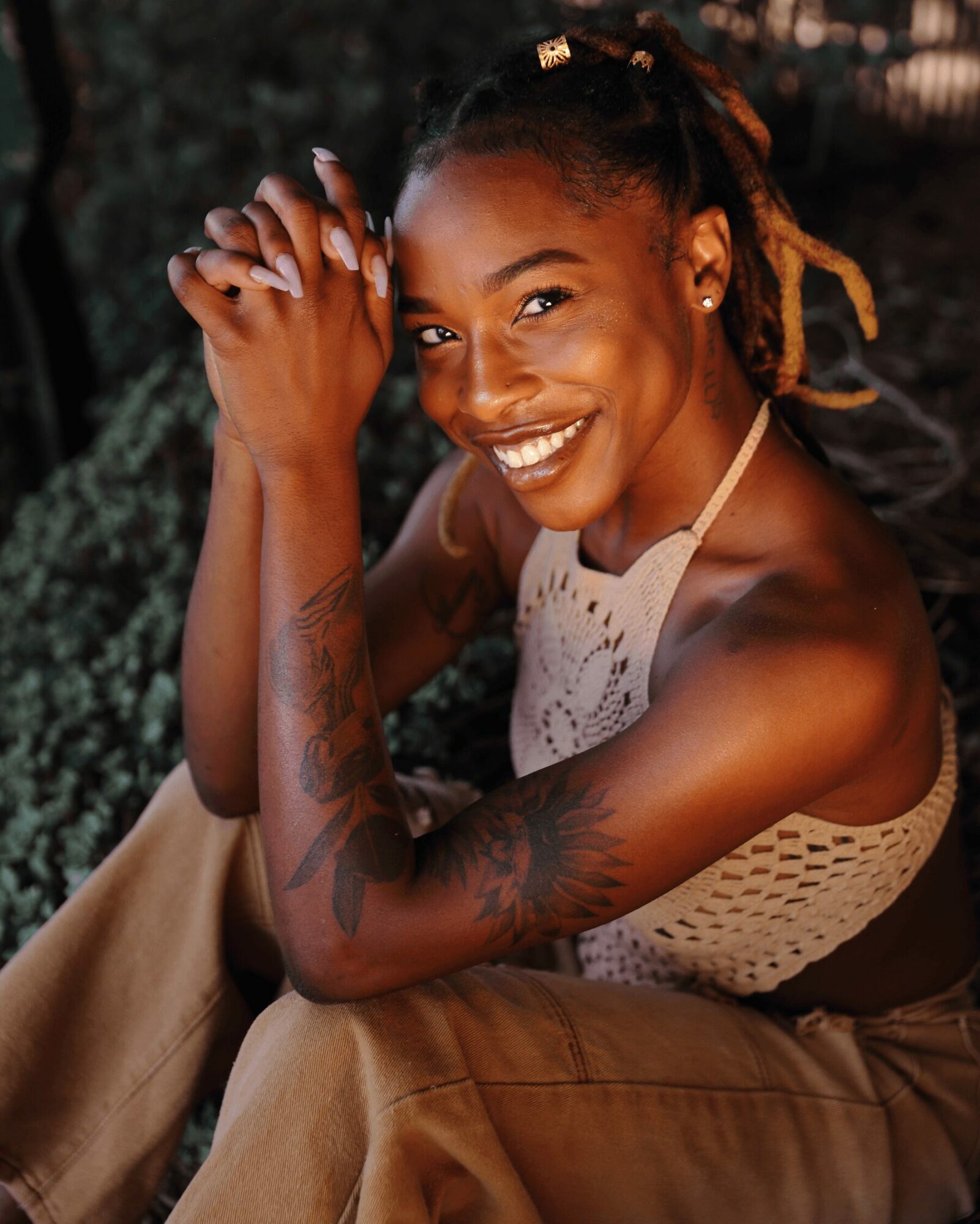
Today we’d like to introduce you to Raegan Brown.
Hi Raegan, so excited to have you on the platform. So before we get into questions about your work-life, maybe you can bring our readers up to speed on your story and how you got to where you are today?
I go by The (She.LL) and I like to say that everything that makes up who I am as a Black Queer Woman in the Creative and Technical Spaces is within my (She.LL). (She.LL) also stands for the contraction “she will” and I will. Plus, for my computer nerds, you can write code in a terminal shell. I would say my journey into being an Artist, a Creative Technologist, and Engineer really started at home. I was fortunate enough to have two very passionate parents in their respective interests. My mom is an artist, a set designer, a cosmetologist, prop builder, painter, singer, author — all the creative and artistic things. My dad is a very logical man who took an affinity to collecting electronics of all kinds, whether that be computers, phones, chargers, everything.
So I started off being invested in creativity and technology very early. My mom was responsible for building a lot of the sets for church, very theatrical and themed. She was the first person to show me what alchemy was — being able to turn nothing into something beautiful: a pool noodle and some Dollar Tree items into a whole scene of baby Jesus and a manger. I learned in my younger years what it looked like to use your gifts and your creative talents for the Lord.
Being a collector of electronics, my dad would give me his old computers and phones and challenge me to do something with them. I would take them apart and learn how to put them back together, because I didn’t have Wi-Fi at the time, being too young to be on the internet. I was just using the shell of the computers.
And so I developed a distinct interest for art and technology, but I never considered bringing those two passions together. When I got to college, I ended up revisiting those passions. I had grown up being a dancer and being in the band, playing the flute, and pouring into my creative interests like painting, sculpting, and writing. Once I got into college, I actually started as a Chemistry major at Spelman College. I wanted to be a Biomedical Engineer, and I actually ended up hating it. Chemistry was not for me. So on the phone with my dad one day, crying about my unhappiness with my current trajectory, he said, “You should try computers. You are always taking mine apart.” And I think it was one of the best decisions I’d ever made when it came to turning points in my career. I appreciate him for the push.
I then majored in computer science and took an interest in understanding computers from a software perspective, learning programming languages such as C++, JavaScript, and Java, and becoming versed in operating systems and data structures. I also took a liking for and became known for riding a scooter around campus, carrying around a Teenage Mutant Ninja Turtle Shell backpack — which I still have today, along with a few iterations of it. I carried everything important to me in there, including my laptop, thus it being my (She.LL).
From there I matriculated into the dual degree engineering program at North Carolina A&T State University and majored in computer engineering. It was actually an accident — I thought I was joining a master’s program and didn’t fully understand the program I was in. So I ended up earning a dual bachelor’s degree and came to appreciate being able to learn the front and back end of computers, especially logic design, electronics, and lower level programming like VHDL. I was very involved while on campus, empowered by clubs and organizations like National Society of Black Engineers (NSBE), Society of Women Engineers (SWE), and the Institute of Electrical and Electronics Engineers (IEEE), and I became a Spring 19 Initiate of the Alpha Mu Chapter of Delta Sigma Theta Sorority Inc.
A&T was where I had my first internship opportunity and really started taking school and my career seriously. I was granted an internship with Intel as a BIOS software engineer in 2017. That truly began my journey of professionally working in tech — though I didn’t yet have a full understanding of how I could live out my passions for art. I was getting deep into my technical skillset at the time and trying to be as informed as possible on the technical front. Being in a male-dominated space like tech, I learned over time how important it was to know my stuff.
Over a series of years, I interned multiple times with Intel as a technical graduate engineer with the IoT Federal and Aerospace group, working with IoT and AI metadata for object detection in venue simulation and tracking user behavior in Unity. I also spent time as a Project Manager for field programmable gate arrays, FPGAs, tracking bugs in Power BI and managing teams. In 2018, I spent time as a Network Engineer Intern at AT&T Inc. — my first time being in Los Angeles and really loving it. What I fell in love with in that role wasn’t the networking itself, but the enjoyment of our intern project. I was the product owner of an educational application we created that was augmented reality-based, built using Unity and Vuforia.
That experience opened my eyes to the intersection of technology and education, virtual spaces, and served as my introduction to XR and game engines.
In 2020, I interned at NASA at the Glenn Research Center, which was my first introduction to Unreal Engine. I was on the visualizations team, demoing the holocap and Z-brush experiences and creating visualizations of their W-8 Axial facility — what we would consider a digital twin — texturing and working with UV maps of a CAD model, as well as doing 3D modeling in Blender. The purpose was to create virtual onboarding experiences for employees, as access permissions for the W8 facility were very limited. We leveraged a CAVE — Cave Automatic Virtual Environment — which is an immersive, room-sized 3D virtual reality system that projects stereoscopic 3D images onto walls and floors. People wear tracked 3D glasses and can see objects appearing to float in the air, similar to augmented reality, walk around them, and experience virtual environments without distortion.
I was amazed, especially by just how real and immersed I felt. That was a true example of immersion for me, particularly because they were using that tool for a real use case. I was gradually seeing how these tools were being used to help people.
I moved to Los Angeles to pursue my master’s at University of Southern California in Computer Science: Multimedia and Creative Technologies in 2021. At the time, I didn’t fully understand what creative technologies meant, but I was desperate to find creativity in the work I did. Although I enjoyed technology, I couldn’t see myself as the kind of multi-hyphenated individual I am — someone with a deep passion for the arts — strictly coding all day.
I came to find that my program was heavily focused on the programming behind WebGL graphics, motion capture interpolation, and pixel mapping. It was very insightful and helped me from a technical standpoint to speak knowledgeably about creative technologies and understand them more deeply.
The education I received was truly valuable, though it was definitely difficult. I pursued my master’s during COVID — my first year was completely remote and my second year was on campus. I was one of three Black students out of a class of roughly 300 to graduate with a master’s in computer science, and it was a lonely experience.
Seeing that disparity in representation, and going through the process I did, was discouraging at times. But it also deepened my desire for education because I saw the need for more of us in this space. Community is so important in just getting through — it played a large part in my mental health and my relationship with school.
It was then that I met Alton Glass, founder of GRX Immersive Labs, who later became my mentor. He was working on virtual reality films, one in particular entitled “Points of View”, and I had expressed interest in continuing to work in creative technologies, with virtual reality being one of my areas of focus. I reached out to him and we began doing a lot of R&D across a range of tools. I had finally found the community I was looking for. The immersive industry is deeply collaborative — you need people you can talk to, learn from, conduct research with, and who can help you professionally navigate the industry landscape. I truly felt seen being amongst a community of diverse individuals with similar interests.
Working with GRX really helped me see the career pathways available and the ways in which I could bring my creative interests and technical skills together in the same career. I was further introduced to Unreal Engine and motion capture, gained more experience with 3D modeling, and over time built a strong working knowledge of the tools in the space.
Through GRX, we talked a lot about what was in our “DNA”. What makes us special, what drives us to create and uncover how we could use the tools to do so. Art is my drive. I hope to one day create an immersive space for others to be able to learn about their cultural histories through immersive art experiences, and create their own, The (She.LL) . I also learned about the taproot philosophy. A taproot is a large, central, and dominant root from which other roots sprout laterally — knowledge shared is power multiplied. Every person who learns has the ability to become both a creator and a teacher. By passing on skills, ideas, and insights, we grow a network of storytellers who empower one another. I became very passionate about education in that space as we grew the education program, and I became an alumna and lead instructor teaching and learning virtual production, motion capture, 360 VR, and working with LED volumes.
That was one of the most beneficial parts of my learning journey, because the work I did within this community opened doors to more professional opportunities. I saw such a need for it and developed a deep passion for it. I then got an opportunity working with Intel on their Gaming Workstations Creator group as a Systems and Software Optimization Engineer, testing creator applications — such as Unreal Engine, Adobe products, and Blender — on their systems and CPUs. I also began becoming more vocal in the space, sharing my perspectives and positions.
I continued as a mentor and an instructor with GRX and kept pursuing my passion for creating art. I completed an art residency with Level Ground, doing my first art show — mixing elements of virtual reality, sculpture, painting, cinematic design, and Unreal Engine, and truly living out my artistic interests.
Since then, I have transitioned to a company that creates immersive experiences mixing the physical and digital worlds, and I have been so grateful to collaborate on teams working on truly extraordinary immersive projects across web, virtual reality, augmented reality, location based experiences, and for some of the largest screens in the country. It has truly been an honor to be at the leading edge of technology and work in an environment that encourages creativity and human centered design. I still see a need for greater representation in this space, but I am deeply grateful to be living out my dream through the type of work I get to do, while remaining rooted in my community.
I have been able to collaborate on projects crafting engaging experiences and spatial interaction design for prominent clients in the immersive space, and that has only deepened my passion for empowering diverse communities through art, education, and immersive tools.
I believe there are new ways of leveraging creative technologies as gateways to economic enrichment, financial freedom, creativity, innovation, and unified cultural futurism. I became very passionate about unified futurism because I believe we are all going to be a part of each other’s futures, and building those futures together is essential.
I also serve as an advisory board member of the Regional Virtual Production Academy, where we provide insight on dynamic curriculum pathways into virtual production and high-demand creative and immersive technology careers for community colleges. I now facilitate my own workshop through my creative consulting agency, The (She.LL) — a creative technology workshop centered around hands-on activities, immersive technology foundations, intergenerational healing, futurism, and community co-design and showing others how they can use immersive tools based on what is in their (She.LL).
My work doesn’t stop at professional development. I am deeply passionate about bringing these tools to Black and Brown communities, queer communities, disabled people, women, and youth. I currently volunteer with Kaos Network and Kaos Kids, founded by Ben Caldwell, exposing children in the community to weekly activities centered around circuitry, gaming, motion capture, and virtual reality. It is here I have learned the values of blending analog with digital and Sankofa, learning from our past, leveraging our resources and the technologies we have in our present, in order to design a more positive future collectively.
I truly hope that through this work, more diverse communities are heard, seen, and felt in the immersive industry — using creative technologies as tools for community impact
We all face challenges, but looking back would you describe it as a relatively smooth road?
I like to believe that true growth comes from the moments we are made uncomfortable — where we learn to stretch ourselves beyond what we imagine. The road was definitely not easy, but it was always worth it. Some of the struggles I found myself in were just as internal as they were external.
Some of the more obvious challenges we talk about in this space are lack of representation, microaggressions, and lack of community — all of which impact how you are seen by others, and how you see yourself. I know these struggles well. It can feel isolated. When people look at me, I tend to get identified as just an artist, and people are usually shocked when they find out how far my interests span.
Thankfully, I attended two HBCUs, and I want to highlight the importance of HBCUs in Black student development and success. But once I began my master’s program, it was really hard to find people who were willing to study with me. All of my teachers knew me, which wasn’t necessarily a bad thing, but I definitely encountered experiences where I did not feel so welcomed or even was discourage from contributing to discussion if I didn’t know the complete answer. In the immersive industry space I often found that people didn’t know what to do with me or where to place me because my interests were so broad. I was expected to find my niche, and that led to feeling like I didn’t fit anywhere or truly belong.
But I want to speak more to the internal struggles. Those moments played a part in me becoming hypercritical of everything I did. I became a perfectionist — someone who became highly anxious with my productivity and my output would wait to show my work until it was fully complete, which added a great deal of mental stress. Second guessing myself and staying mute in conversations I knew I could contribute to.
Looking back now, I realize there was so much power and strength in simply being there and doing my job to the fullest extent that I could. I was and am enough. I start my workshops with affirmations, and “I Am Enough” is always the first one — because where we are and who we are is truly enough. You are in the room for a reason.
That was the best lesson I learned. I learned how to shift my self-doubt into confidence, to allow myself to be vulnerable in how I embraced new tools, to give myself permission to be a beginner and not be ruled by expectation. To give myself the chance to rest. To trust others with the vulnerable parts of myself in this space.
I had learned very early on to build walls to protect myself, and embracing community became one of the most powerful tools in embracing all that I was — releasing the expectation of who I felt I should be. Feeling like I had to be a mouthpiece for every intersection of my identity in the homogenous rooms that I entered.
There was so much pressure in feeling like the only person in the room, or feeling like I had to constantly show the world what I was working on, as if creating purely for the joy of it wasn’t enough. We know about the obvious external struggles in this space — institutions not built to support us, isolation experienced by people of color, queer people, disabled people, and women in the workplace. We know those spaces well.
But some of my hardest moments were moments of internal struggle, and learning to lean on those who cared about me in this space is what helped carry me through.
As you know, we’re big fans of The (She.LL) Creative . For our readers who might not be as familiar what can you tell them about the brand?
The (She.LL) Creative is an immersive and creative technology workshop series and consulting agency built around one simple but powerful idea — that everyone deserves access to the tools shaping our future. At its core, The (She.LL) is a hands-on experience that sits at the intersection of art, cultural archiving, and community impact through immersive storytelling. We explore tools like virtual reality, augmented reality, motion capture, photogrammetry, and AI — not for the sake of technology itself, but as vessels for the stories, memories, and visions that already live within our communities. During sessions we discuss futurism as a framework for healing and innovation, drawing on ancestral histories and intergenerational collaboration to redesign what our futures can look like when we build them together.
What sets The (She.LL) apart is the lens through which I approach engaging with immersive technology. I bring a mental health and spirituality-centered perspective — one rooted in Sankofa principles. We have to know where we come from in order to build where we are going. The wisdom of those who came before us is not separate from innovation — it is the foundation of it. That philosophy shows up in different ways, from the affirmations that open every workshop to the way we hold space for participants to show up exactly as they are, checking in with one another, reflecting on concepts we bring up during a workshop, and the various historical moments and figures that we learn about throughout.
I also offer consulting services for individuals, organizations, and community groups who are curious about creative and immersive technologies but don’t know where to start. We never begin with the tools — we begin by asking what’s in your (She.LL). What drives you? Who is your community? What experiences will actually resonate with them? From there, we find the right fit — grounded in community care, not just tech for tech’s sake.
I don’t have a specific target audience because I genuinely believe that everyone has the potential to engage with these tools and that everyone deserves access to them. That belief is what keeps me smiling every single day I get to do this work. The (She.LL) isn’t just a workshop — it’s a space where creativity, culture, community, and technology meet, and where people leave feeling seen, equipped, and inspired to build something beautiful.
Risk taking is a topic that people have widely differing views on – we’d love to hear your thoughts.
When I think about risk-taking, my mind immediately goes to the feeling of jumping into the unknown — surrendering control over what happens on the other side. And honestly, that’s something I’ve had to make peace with. I am someone who fully believes in alignment. The doors that open for me and the ones that close are all redirecting me toward what is truly meant for me. Everything that is mine will find me. I believe the universe is genuinely conspiring for my greatest good, and that belief has given me a kind of freedom when it comes to taking risks — because if I trust the outcome either way, the leap becomes a little less scary.
But when I think about risk in a more literal sense, I think about my impulsive and adventurous nature and the things that genuinely excite me. And skydiving has to be one of my biggest risks to date. I mean, what is riskier than putting your life in someone else’s hands and jumping out of a plane? There is something about that moment — that free fall — that just puts everything into perspective. The adrenaline, the surrender, the absolute aliveness of it.
I love the adventure of life. I am drawn to experiences that remind me what it feels like to be fully present and fully trusting. My next risk will probably be bungee jumping, because I am not done chasing that feeling of free falling into something new.
I think that’s how I approach risk in all areas of my life — with the belief that the fall is part of the journey, and that something beautiful is waiting on the other side.
Contact Info:
- Website: https://www.theshellcreative.art/
- Instagram: https://www.instagram.com/the.she.ll/
- Linkedin: https://www.linkedin.com/in/raeganjbrown/
- Youtube: https://www.youtube.com/@the_she_ll
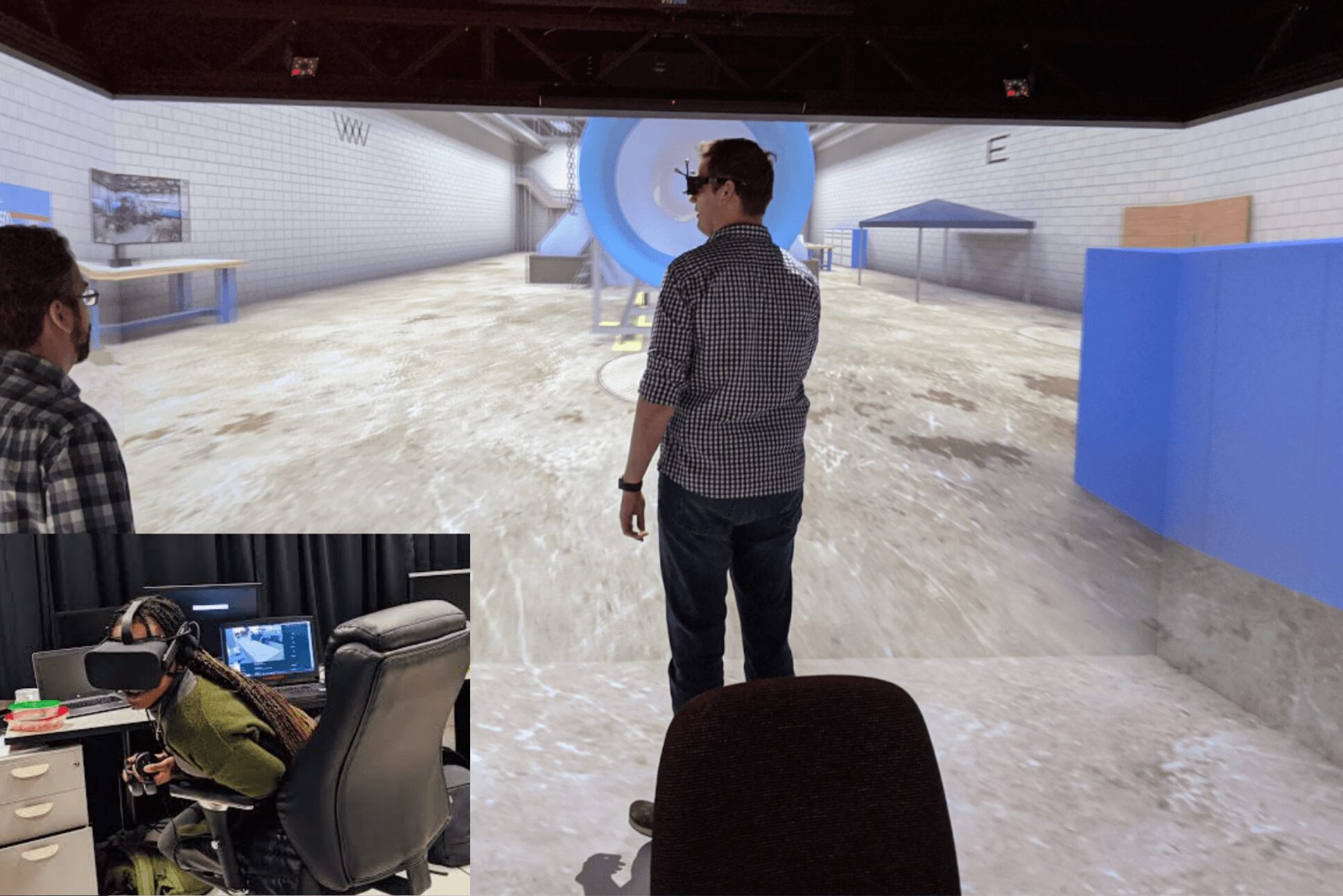
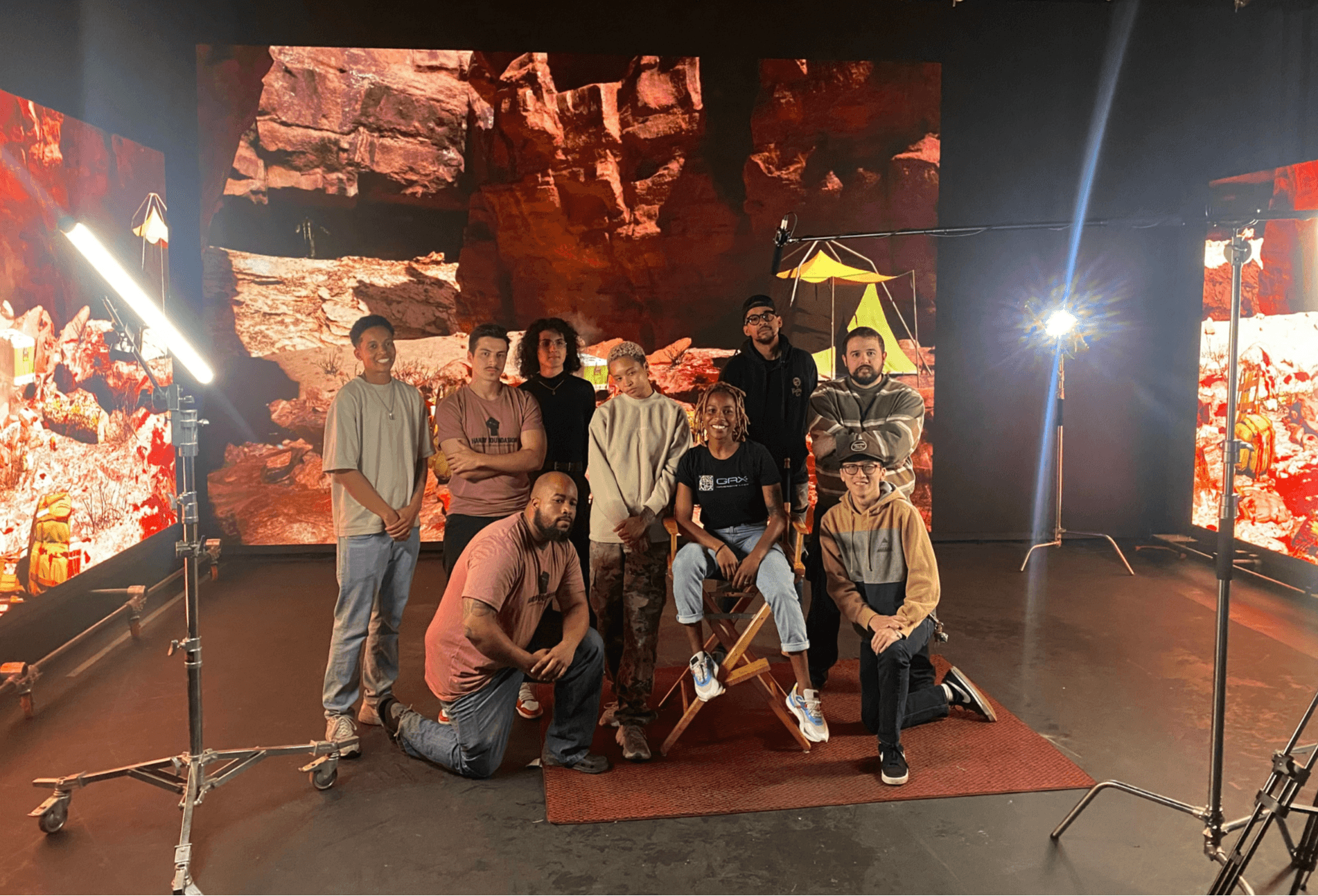
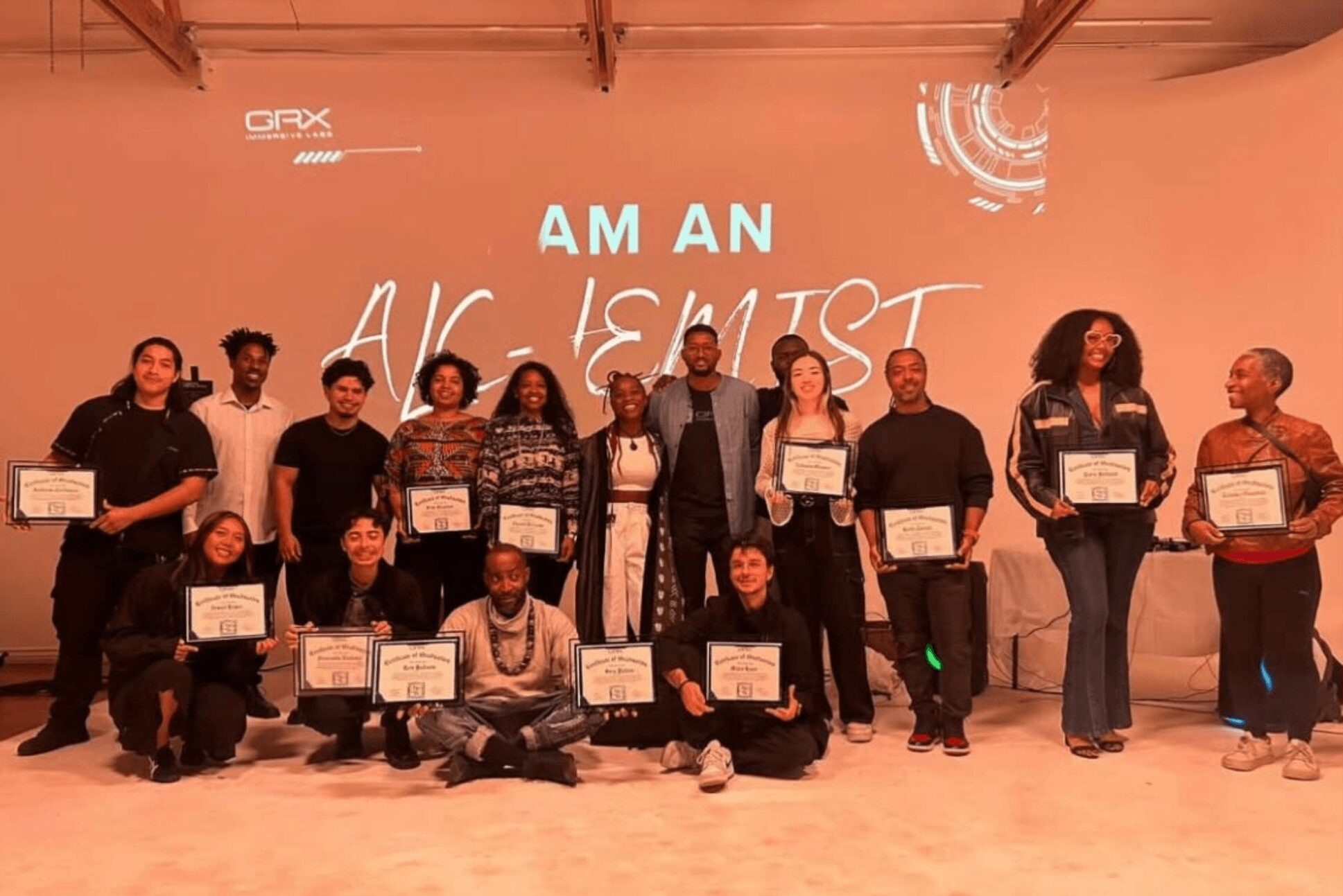
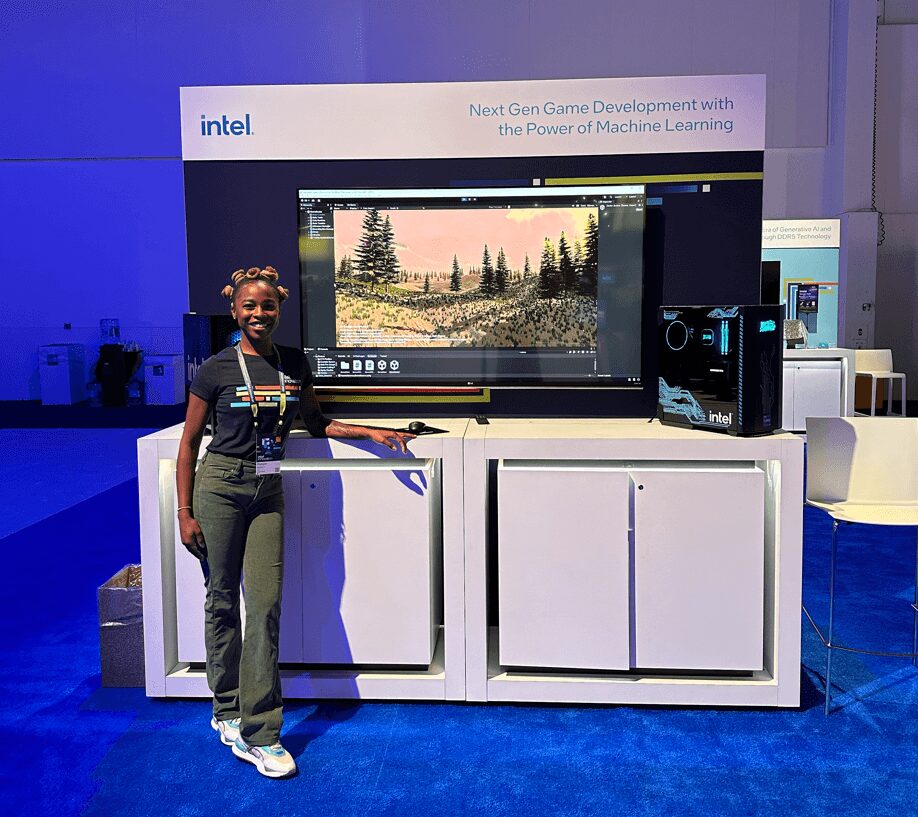
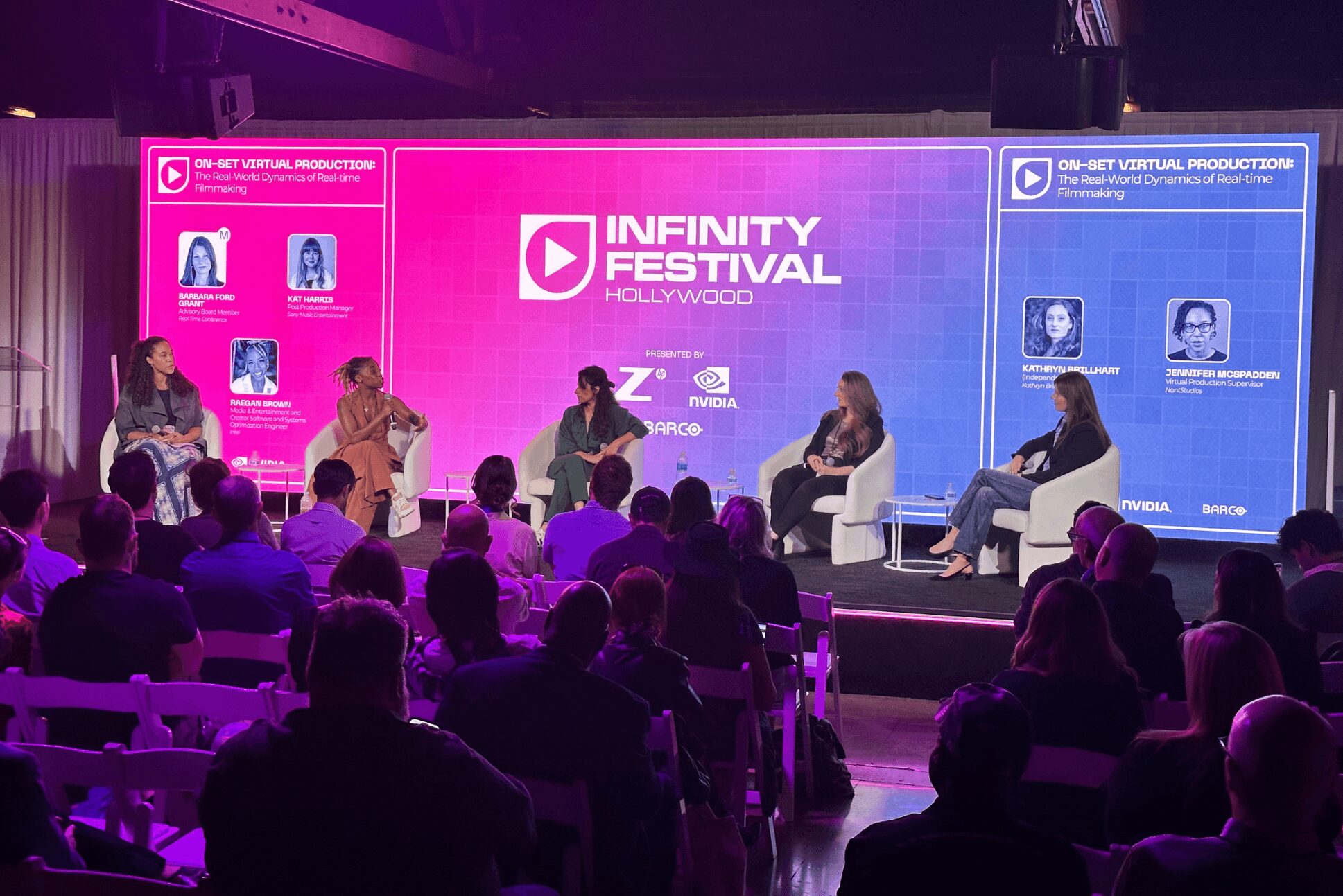
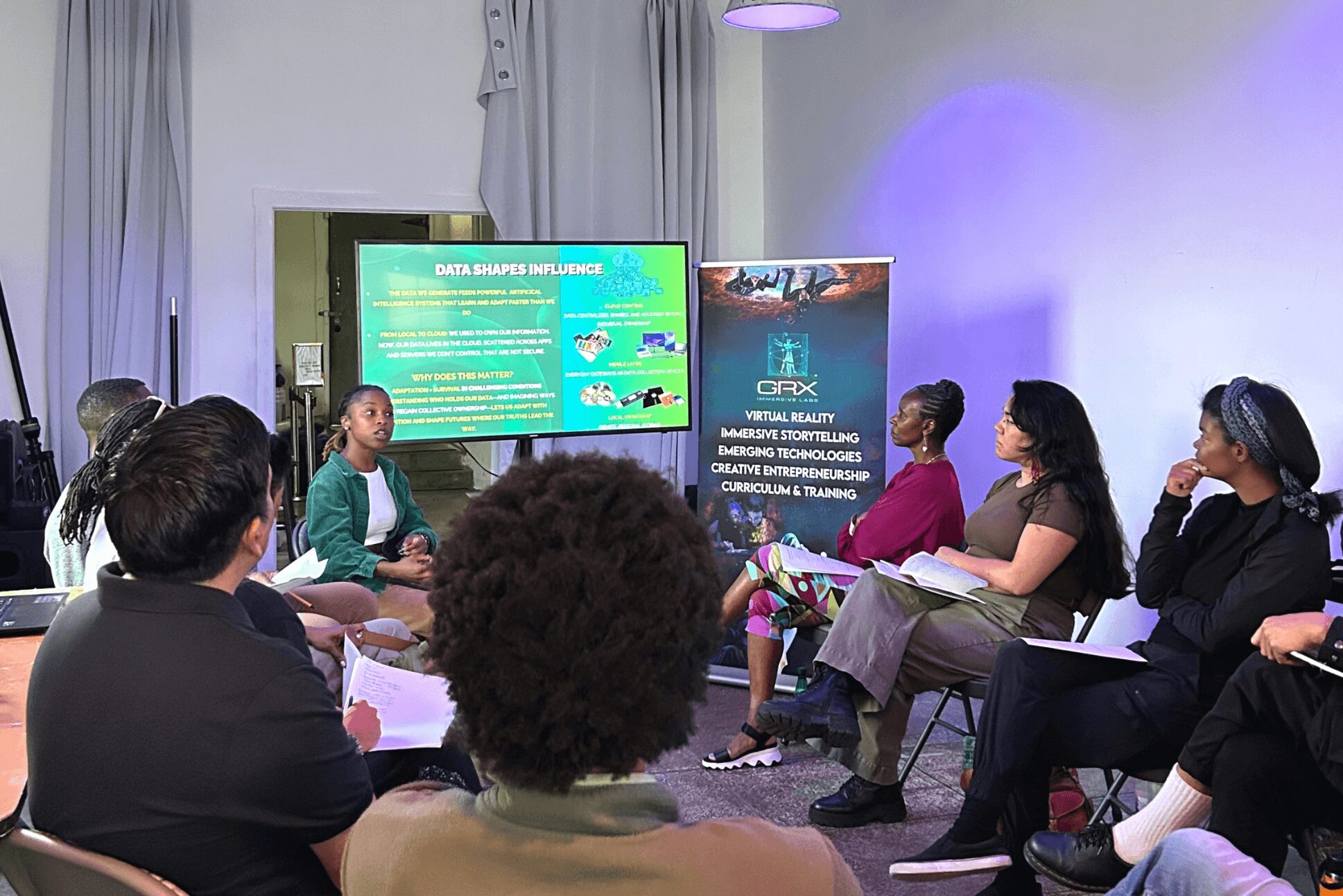
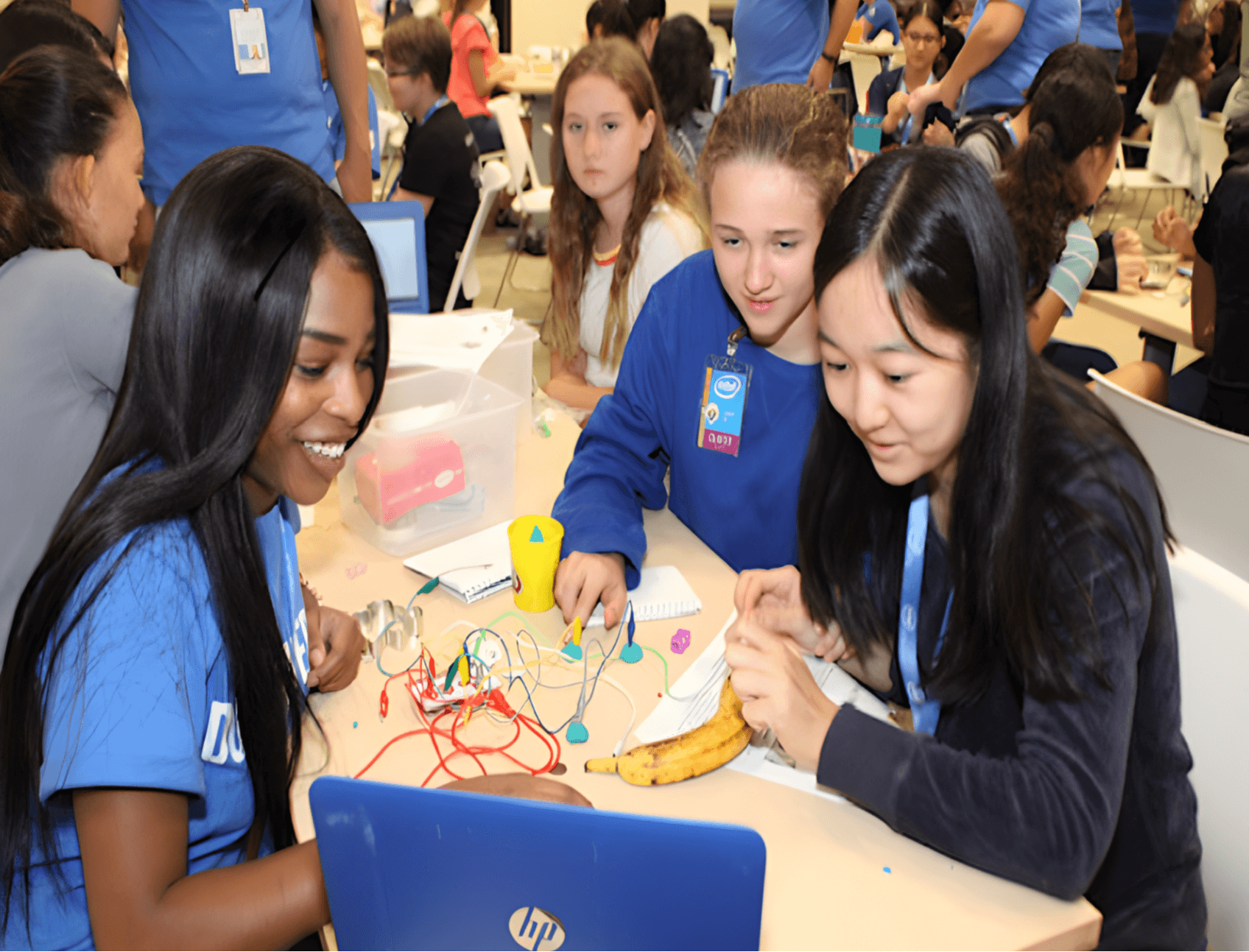
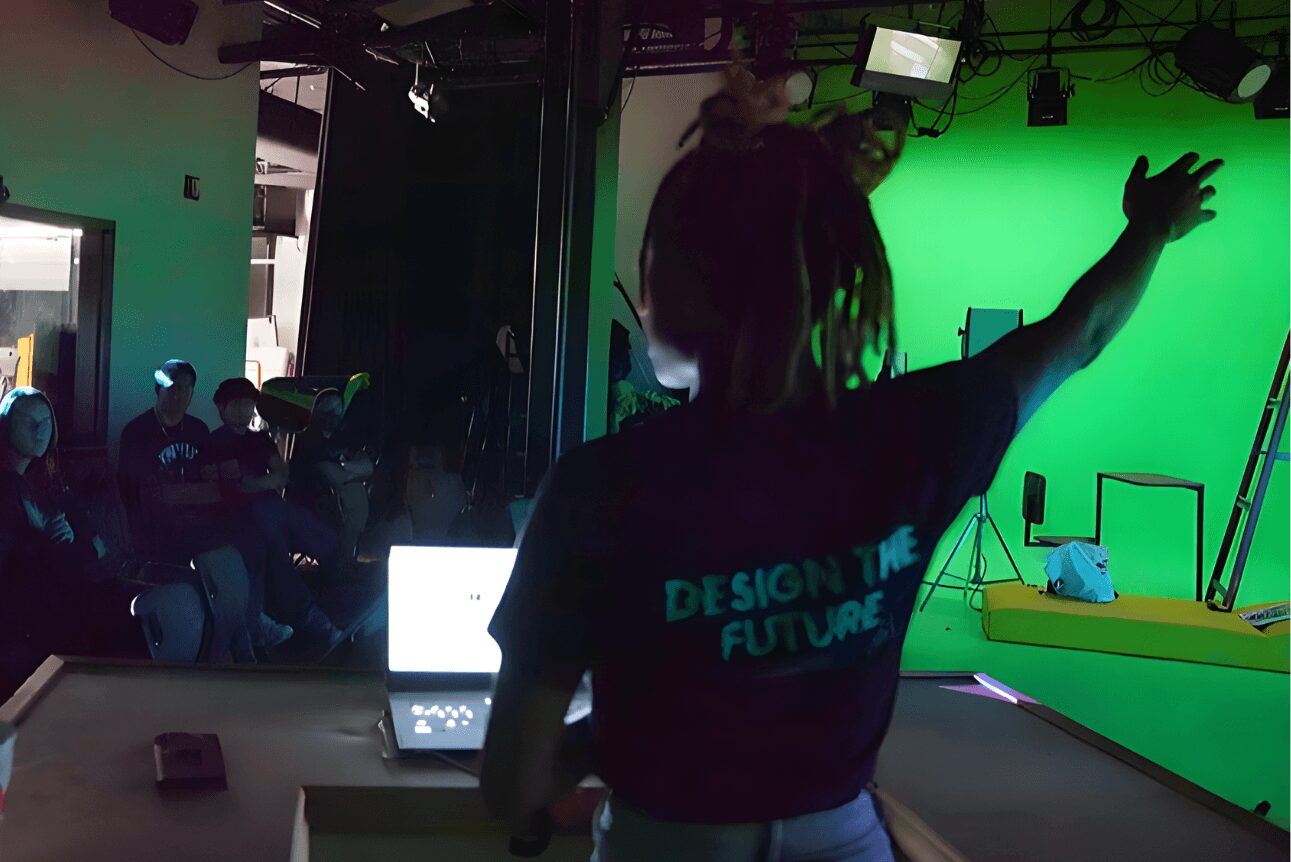
Image Credits
Tina June Malek, Roberto Hannibal
Popular
-
Robin Olive on Building an Inclusive Performing Arts Movement and Expanding Opportunities for Every Student
-

Portraits of the Valley
-

LA’s Most Inspiring Stories
-

Que Johnson on Building Brands That Last: From Visibility to True Market Authority
-

Christina Wren Steps Into the Director’s Chair to Tell Stories That Feel Like Home
-
JordanL on ‘Breathe,’ Belief, and Building a Movement Beyond the Music


