




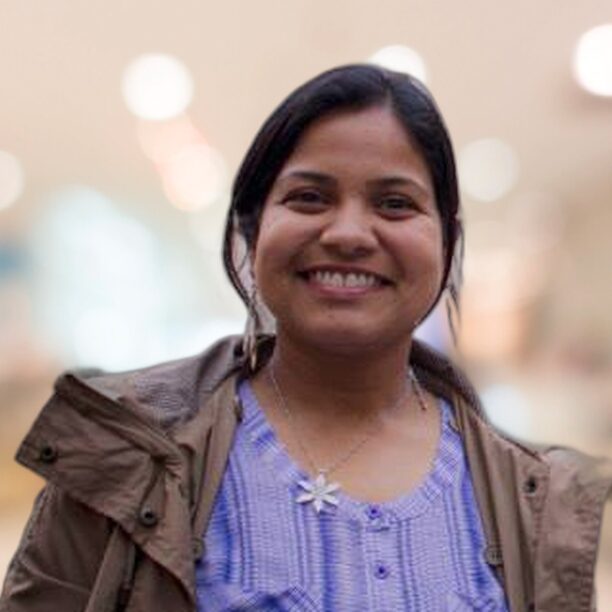
Today we’d like to introduce you to Mudita Singhal.
Hi Mudita, so excited to have you on the platform. So before we get into questions about your work-life, maybe you can bring our readers up to speed on your story and how you got to where you are today?
Here’s the revised version:
—
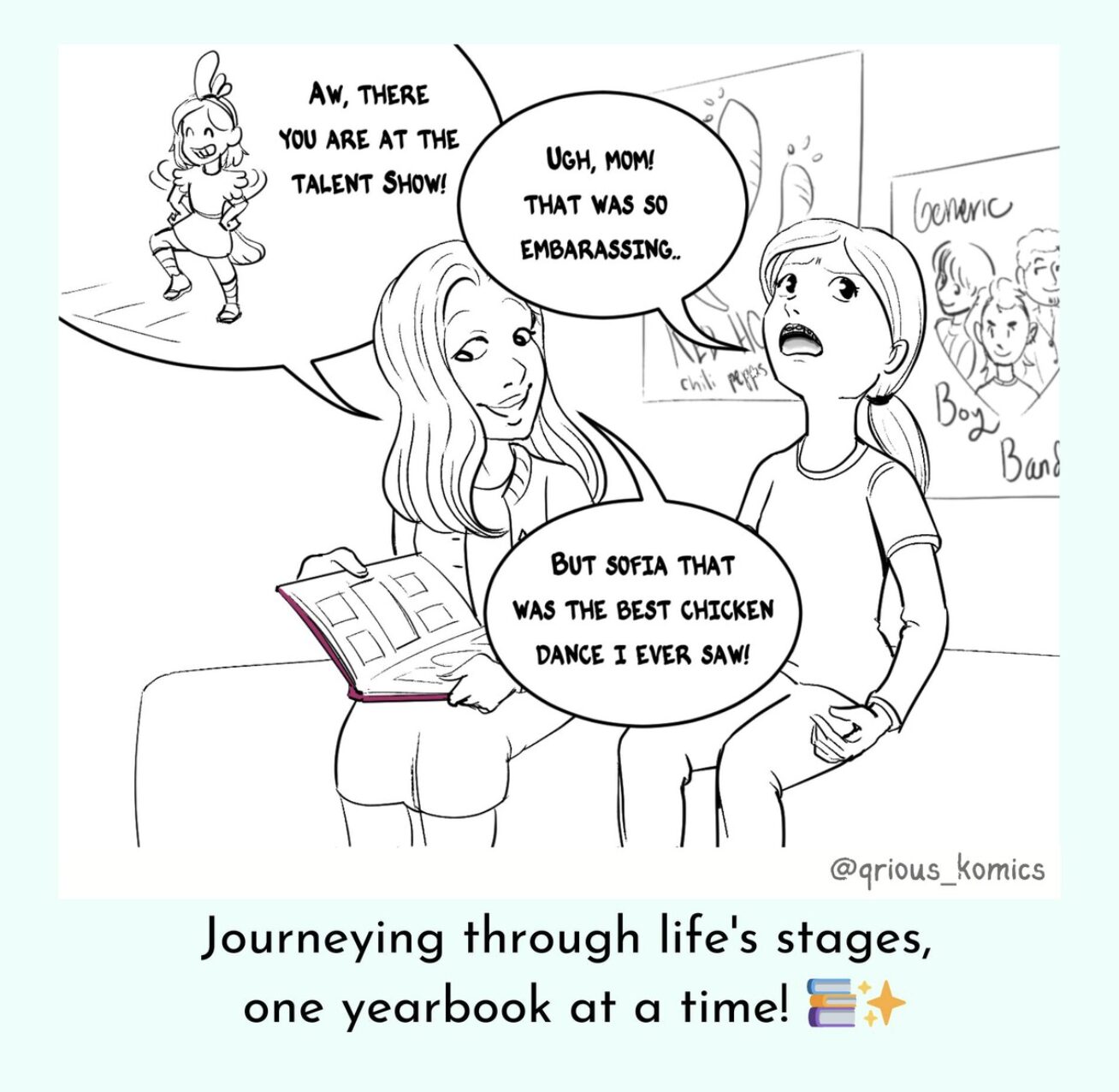
My story really starts with a moment of frustration as a mom. I’m Mudita Singhal — I spent over 20 years in the corporate world as an AI/ML research scientist and product manager, but the project that changed everything for me came from sitting in my daughter’s elementary school for yearbook distribution day. I watched kids flip through their yearbooks looking for themselves and their friends, and most of them only found one or two tiny photos. Some were so small you couldn’t even tell who was in them. The disappointment on their faces stuck with me. I realized the traditional yearbook format hadn’t really changed in over a hundred years, even though the way we capture and share memories has been completely transformed.
On top of that, I had my own running guilt as a busy parent — the photos, artwork, milestones, and keepsakes that pile up over a year and never quite make it into anything my kids can hold onto. I kept waiting for the existing yearbook companies to rethink the whole thing, and they just… didn’t.
So I decided to build it myself. I combined my background in AI, machine learning, and product to create Rethink Yearbooks, and developed a personalization technology that automatically gives each child a yearbook featuring more photos of themselves and the friends they actually spend their days with — without piling extra work on parents, teachers, or volunteer committees. The deeper “why” for me is that when kids see themselves represented in their own story, it builds self-awareness and self-esteem. They feel seen.
What started as a fix for one frustrating afternoon has grown into something much bigger. My vision is that a yearbook can become the one place a family preserves a child’s full year — portraits and school events, yes, but also artwork, certificates, growth charts, handwriting samples, a letter from a parent, the little traditions that make a childhood. Talking with families across the country, it’s clear this is resonating, especially with moms who carry so much of the mental load of documenting childhood. I’m just getting started, and I feel incredibly lucky that what began as a personal problem has turned into a mission I get to share with so many other parents.
Alright, so let’s dig a little deeper into the story – has it been an easy path overall and if not, what were the challenges you’ve had to overcome?
Honestly, no — it’s been anything but a smooth road, and I think any founder who says otherwise isn’t being fully honest. The biggest challenge has been that I’m trying to change an industry that hasn’t meaningfully evolved in over a hundred years. The traditional yearbook companies are massive, deeply entrenched in schools, and the people making yearbook decisions are often volunteers and teachers who are already stretched thin. Asking them to consider something new — even when it makes their lives dramatically easier — means I’m constantly working against the gravitational pull of “this is just how we’ve always done it.”
The school sales cycle has been its own kind of education. There’s essentially one window a year to win a school’s yearbook program, decisions are made by committees with rotating members, and trust has to be earned over multiple touchpoints before anyone is willing to switch. As a founder coming from a corporate research background, I had to learn an entirely new muscle — patience with a sales process I couldn’t speed up, and resilience through a lot of “we love this, but maybe next year.”
There’s also the very personal challenge of being a mom building a company about motherhood and memory. The irony isn’t lost on me — I’m working hard to give other families the gift of better-documented childhoods while sometimes feeling like I’m missing pieces of my own kids’ day-to-day. I’ve had to be really intentional about boundaries, and to remind myself that the mission is bigger than any single hard week.
Then there are the everyday startup struggles — building patent-pending technology with a small team, navigating photo privacy concerns from schools and parents, competing for attention against giants with marketing budgets I can’t match. But every time a parent tells me their child cried happy tears flipping through their yearbook because they finally saw themselves and their friends throughout the pages, it reminds me exactly why the hard road is worth walking.
Great, so let’s talk business. Can you tell our readers more about what you do and what you think sets you apart from others?
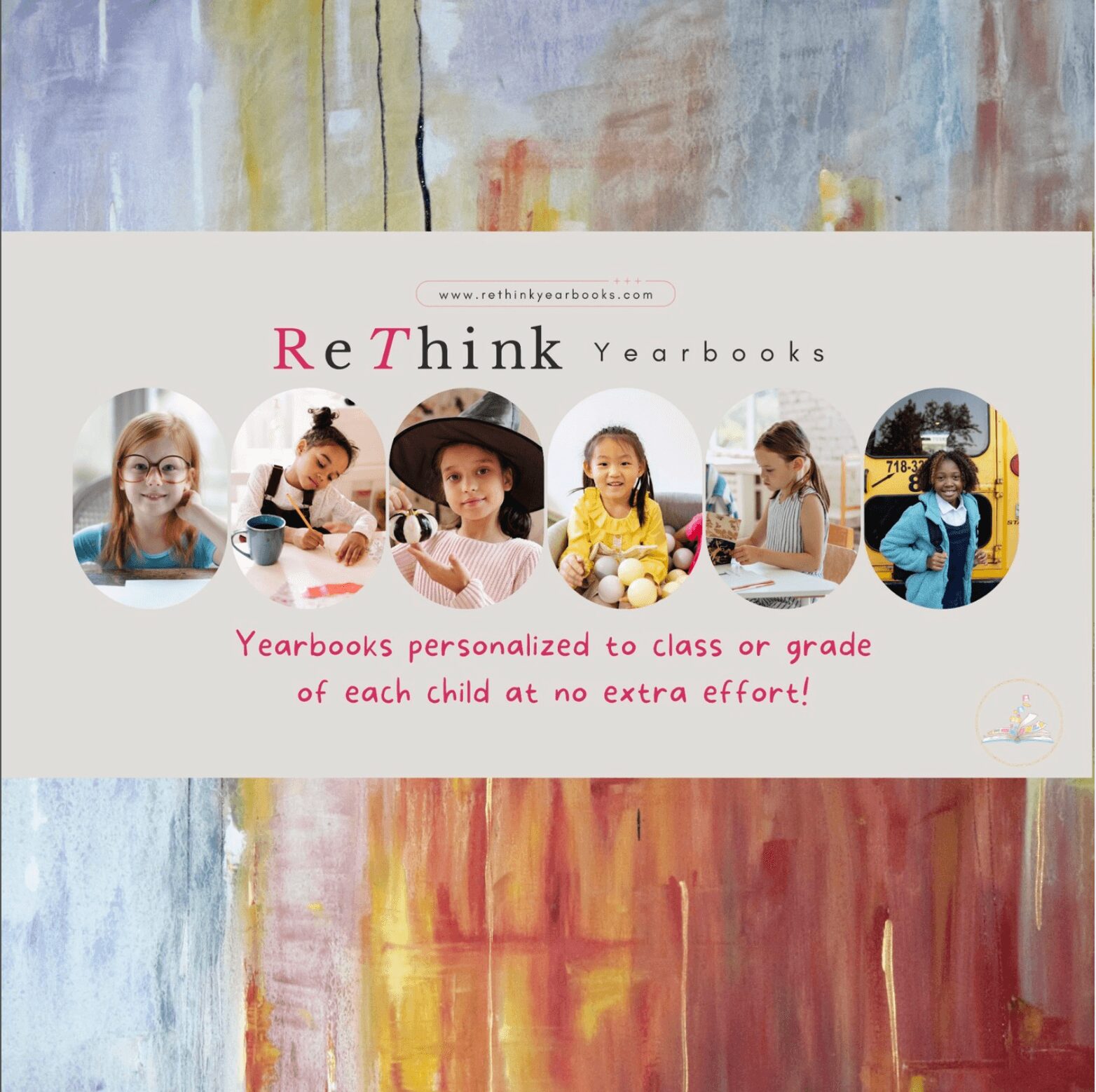
Rethink Yearbooks is the only school yearbook company that automatically personalizes every book so each child sees more photos of themselves, their friends, and their teachers. Schools collect thousands of photos every year, but only a tiny fraction ever make it into the traditional book — the rest sit in a folder and, after all that effort to collect them, eventually get deleted without families ever having a way to see the ones that were actually relevant to their child. Our proprietary AI technology puts those photos to work by automatically generating MyClass, MyGrade, and MyOwn pages for each family who upgrades, so every child gets a yearbook full of memories that are actually relevant to them — with zero extra effort from parents, teachers, or volunteers.
Just as importantly, we kept all the things schools and families already love about traditional yearbooks: custom pages, no minimums, no long-term contracts, and a 3-week print-and-delivery turnaround — which means schools can actually include photos from spring events, field day, and end-of-year celebrations instead of being forced to close their book in March. We’re also a Canva-first yearbook company, which is a real differentiator: instead of forcing yearbook teams to learn clunky proprietary software they’ll only touch once a year, schools design in a tool their volunteers, teachers, and students already know, with thousands of modern templates, real-time collaboration, free access for educators, and the flexibility to use Canva for everything else throughout the school year. Schools that prefer not to design at all can let our team create the first draft for free.
What sets us apart is simple: no one else is doing the personalization piece. The yearbook industry has been recycling the same one-size-fits-all format for over a century, and we’re the first to ask why personalization is only limited to custom pages that busy parents have to design and upload and not automatic.
What I’m most proud of is the inclusivity. Our tagline is “Make every child be seen,” and we mean it literally — the quiet kid, the new student, the child who normally gets overlooked all get to open their yearbook and find themselves throughout the pages. That’s the moment that makes every late night worth it, and it’s what I’d most love your readers to take away: yearbooks can finally live up to the memories they’re meant to hold.
How do you think about happiness?
Honestly, what makes me happiest is knowing that a child somewhere is opening their yearbook and seeing themselves — really seeing themselves — and that a parent is flipping through it next to them feeling a little less guilty about the year that flew by. Yearbooks have become such a meaningful way to preserve who a child is becoming, not just who they were on picture day. The artwork they made, the friendships they leaned into, the teachers who shaped them, the small everyday moments that add up to a whole childhood — when all of that lives in one keepsake, it’s hard not to feel a kind of quiet joy.
I think a lot about how much energy our culture pours into the moment a baby is born — the nursery, the newborn photos, the baby books, the first-year milestones. And then somewhere around toddlerhood, the documentation just… tapers off. The next ten or fifteen years, which are arguably the most formative years of a person’s life, often go largely unrecorded. Parents aren’t doing anything wrong; we’re just tired, busy, and drowning in camera rolls we never get around to organizing. That gap used to bother me as a mom, and it’s exactly the gap we’re trying to close.
So what makes me happy is that this work pulls double duty — it gives kids the gift of being seen, and it gives parents the gift of feeling like they’re capturing the years that matter without adding one more thing to their plate. That’s a kind of happiness that doesn’t really fade, because every school year, a new wave of families gets to experience it.
Contact Info:
- Website: https://www.rethinkyearbooks.com
- Instagram: https://www.instagram.com/rethinkyearbooks
- Facebook: https://www.facebook.com/rethinkyearbooks
Popular
-

Portraits of the Valley
-

LA’s Most Inspiring Stories
-
Cedar Boschan on Elevating Black Music Rights and Driving Urgent Conversations Around Credit, Equity, and Artist Protection
-

Robin Olive on Building an Inclusive Performing Arts Movement and Expanding Opportunities for Every Student
-

Que Johnson on Building Brands That Last: From Visibility to True Market Authority
-

Christina Wren Steps Into the Director’s Chair to Tell Stories That Feel Like Home


