




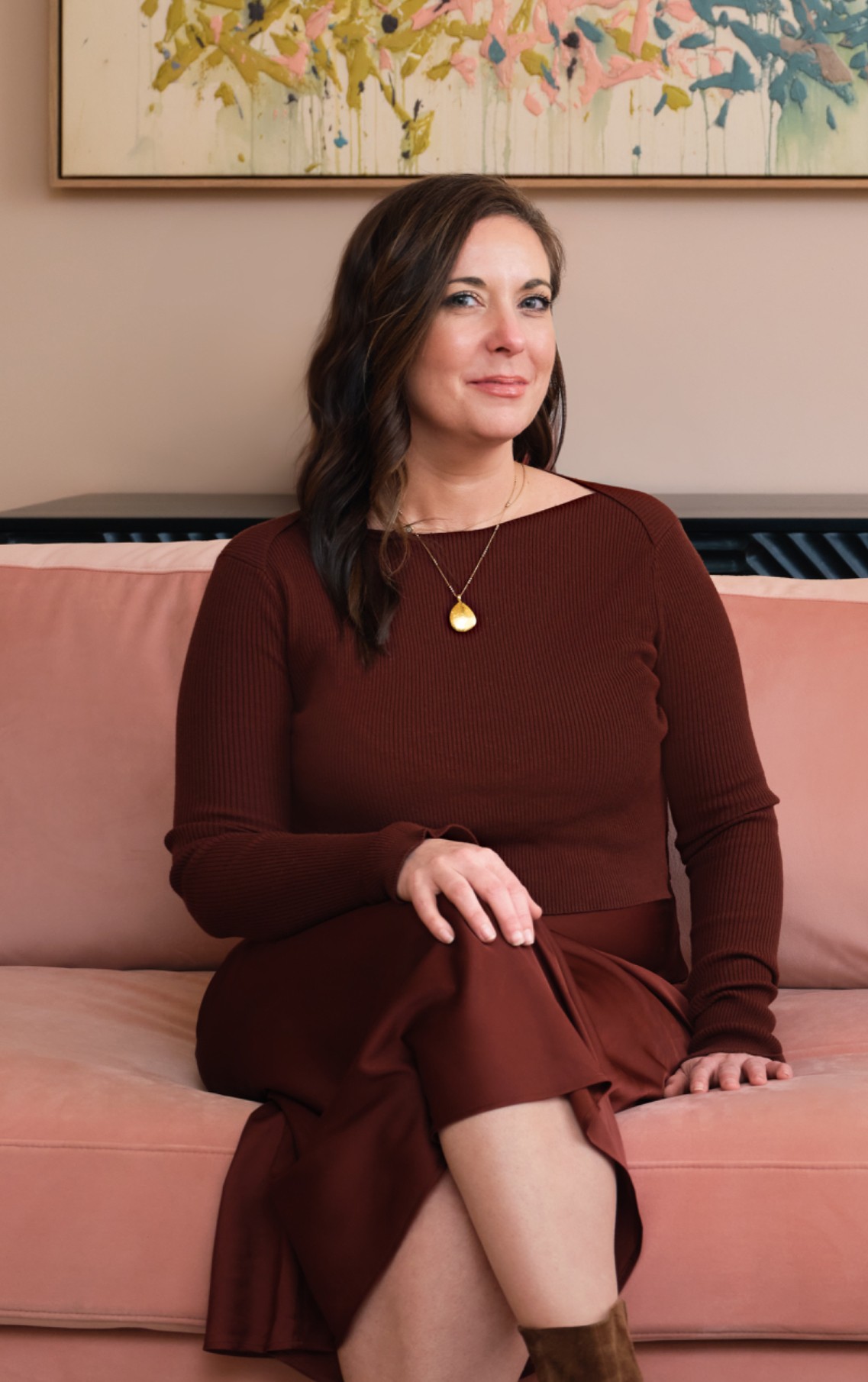
Today we’d like to introduce you to Michelle Harwell.
Hi Michelle, so excited to have you with us today. What can you tell us about your story?
I started my psychotherapy practice in 2011 to offer support to families navigating adoption, relational ruptures, and early life trauma in a neighborhood I loved. My intention was modest: to create a space where people could have conversations about their lives that weren’t available to them anywhere else. Initially the practice was small and somewhat unconscious of its own ambitions. But something began to shift when I discovered that helping my patients feel better might be less important than helping them feel more. Slowly, I began to understand that my greatest gift as a therapist is to welcome my own unfinished humanity with humility, humor and curiosity. A richer and more vitalized life began to emerge for my patients when I helped them to stop trying to edit out their contradictions and instead begin to embrace the beautiful mess of their own becoming.
The practice began to grow. The expansion to Highland Park, the growth of our team, and the eventual development of our training group felt less like business decisions and more like natural consequences of my passion and convictions. When you approach someone’s suffering with genuine curiosity and care rather than premature expertise, something shifts. We created a space where people were becoming more interesting to themselves; this is the only reliable form of therapeutic change.
Earlier this year, we began a new chapter as The Alamo Psychotherapy & Training, and celebrated our new home, a historic building in the Garvanza District of Highland Park. This new space, along with our refreshed website and name, strengthens our dedication to providing depth-oriented psychotherapy, expanded clinical and community training, and continuing education courses for clinicians.
Alright, so let’s dig a little deeper into the story – has it been an easy path overall and if not, what were the challenges you’ve had to overcome?
The notion of a smooth road suggests a destination we’re trying to reach efficiently, but psychoanalysis teaches us that the detours are often where the real work happens. Our struggles are the very education we need for a vitalized and vulnerable life. I believe this to my core. And yet, American exceptionalism, capitalistic values, and social media often marry together to promote a view of therapy that is about offering strategies and solutions to rid your life of pain and put you on a course towards betterment in 5 sessions or less! This is a perception that me and my team regularly encounter. What psychotherapy actually offers is something more modest and more radical: the possibility that you aren’t broken—only helplessly, hopelessly human. And as your therapist, I don’t have any magic to inoculate you from this reality; remember I too, am a fellow traveler in this experiment we call living. What I can offer, over time, is different and creative ways of living with yourself and the world at large. In other words, we are here to help you find a more expanded hope, not in the narrow demands of what should be, but forged through a creative and expansive process of what we can make with what is. Now that is exciting!
As you know, we’re big fans of The Alamo Psychotherapy & Training. For our readers who might not be as familiar what can you tell them about the brand?
At The Alamo, we embrace the beautiful mess of being human. We are a depth-oriented psychotherapy group practice. Our multidisciplinary team prioritizes creativity and complexity with a high standard of care to support adults, children, teens, couples and families. We blend contemporary psychoanalytic wisdom with body-based awareness and relational depth, creating a unique space where transformation becomes possible.
We believe in “the creativity that life demands to be fully alive,” which means we’re less interested in eliminating symptoms than in understanding what they’re trying to accomplish. Most therapeutic approaches seem to assume that psychological pain is a mistake to be corrected. We’re more curious about what it might be trying to preserve or communicate.
We’d be interested to hear your thoughts on luck and what role, if any, you feel it’s played for you?
The name of our business comes from the building itself–a 120-year-old structure in the Garvanza district of Highland Park. I feel so lucky to have found this special place to ground our work. The original footprint of the building was actually modeled after the Alamo in San Antonio, a place with its own pained and complex history. We struggled with how to honor the building’s long held identity as the Alamo without glamorizing its violent history it represented. It begs the question, if we can’t change the past and we can’t erase it, how do we make use of it, particularly the parts we find most shameful? This is where psychoanalysis offers us a way through, a way of making use of the old rather than discarding it. While there are certain facts we will never be able to change, we can continue to evolve and redefine our relationship to that history. There’s something fitting about practicing in a space that has accumulated its own layers of complex meaning, its own unconscious. Like the talking cure itself, the building suggests that what endures often does so not despite its age, but because of what time has allowed it to become.
Contact Info:
- Website: https://thealamopsychotherapy.com/
- Instagram: @thealamopsych
- Youtube: https://www.youtube.com/user/MHarwellTherapy
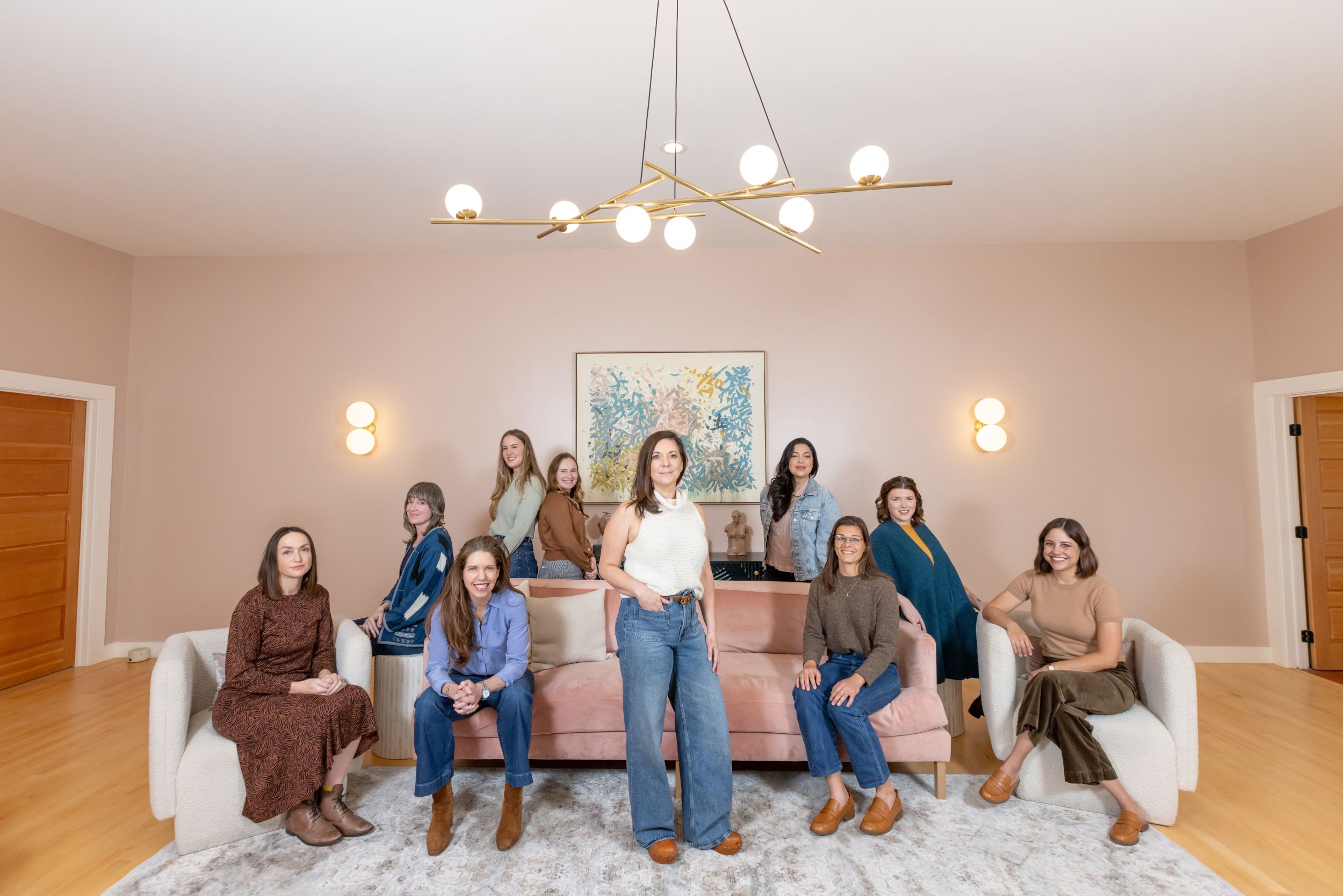

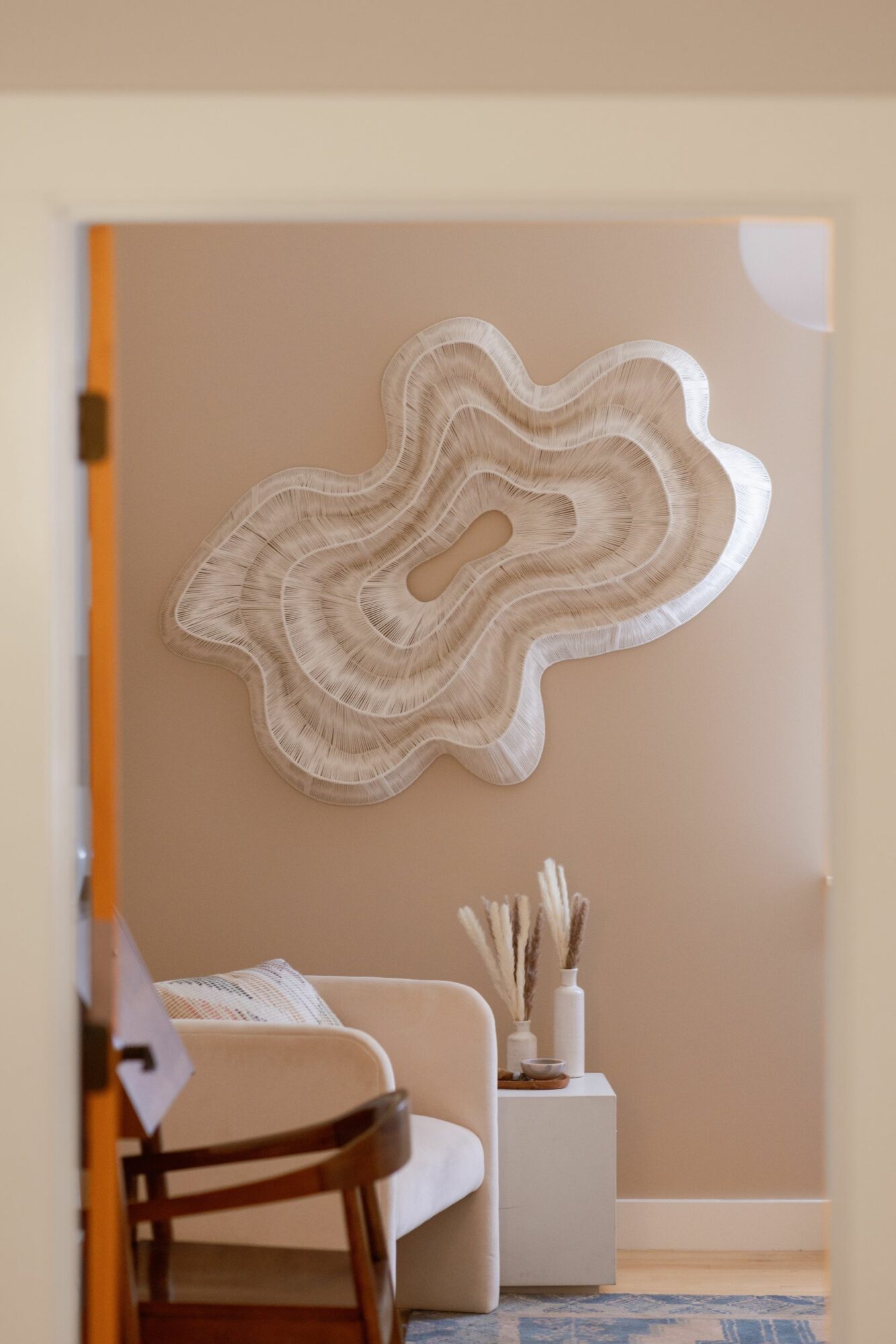
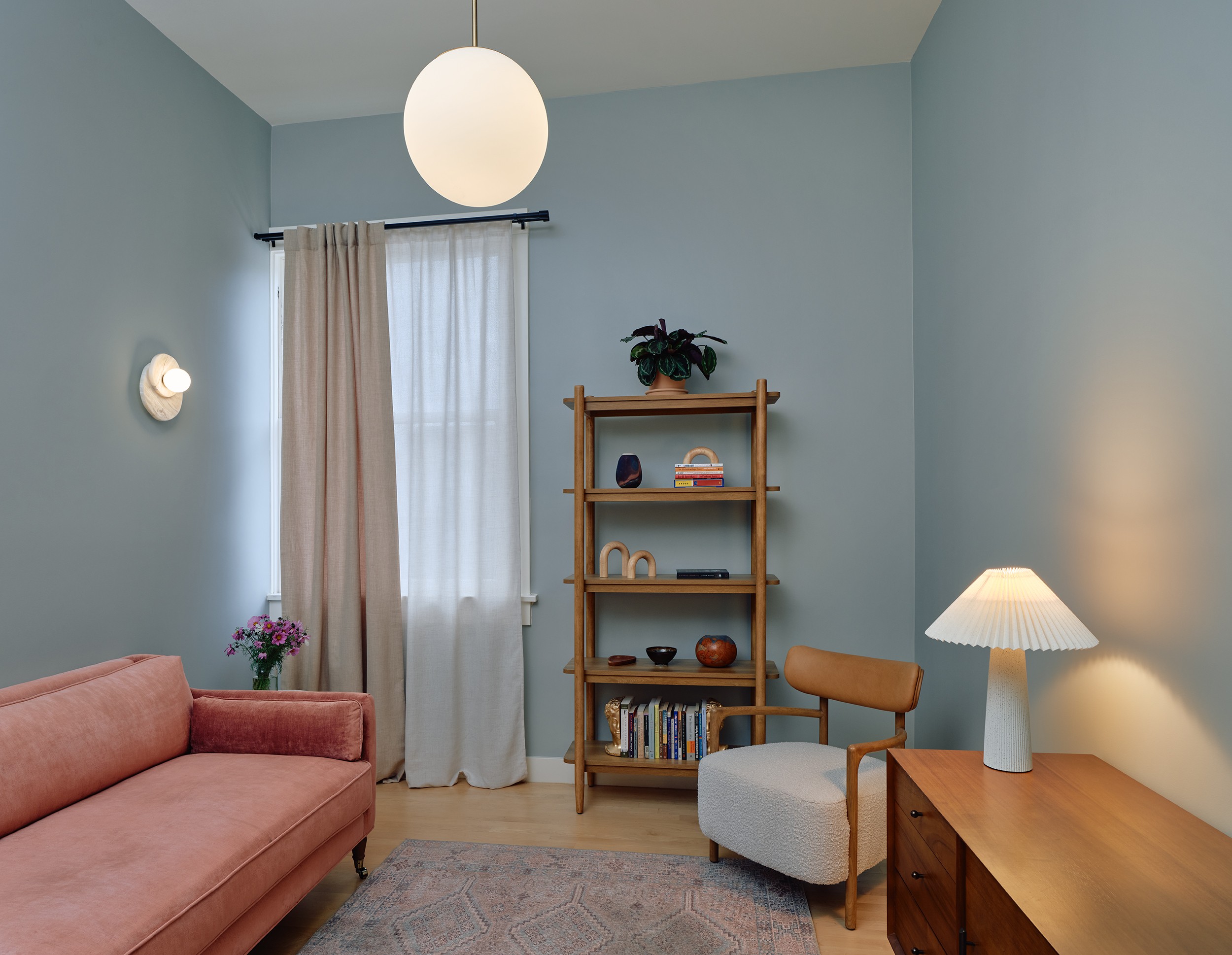
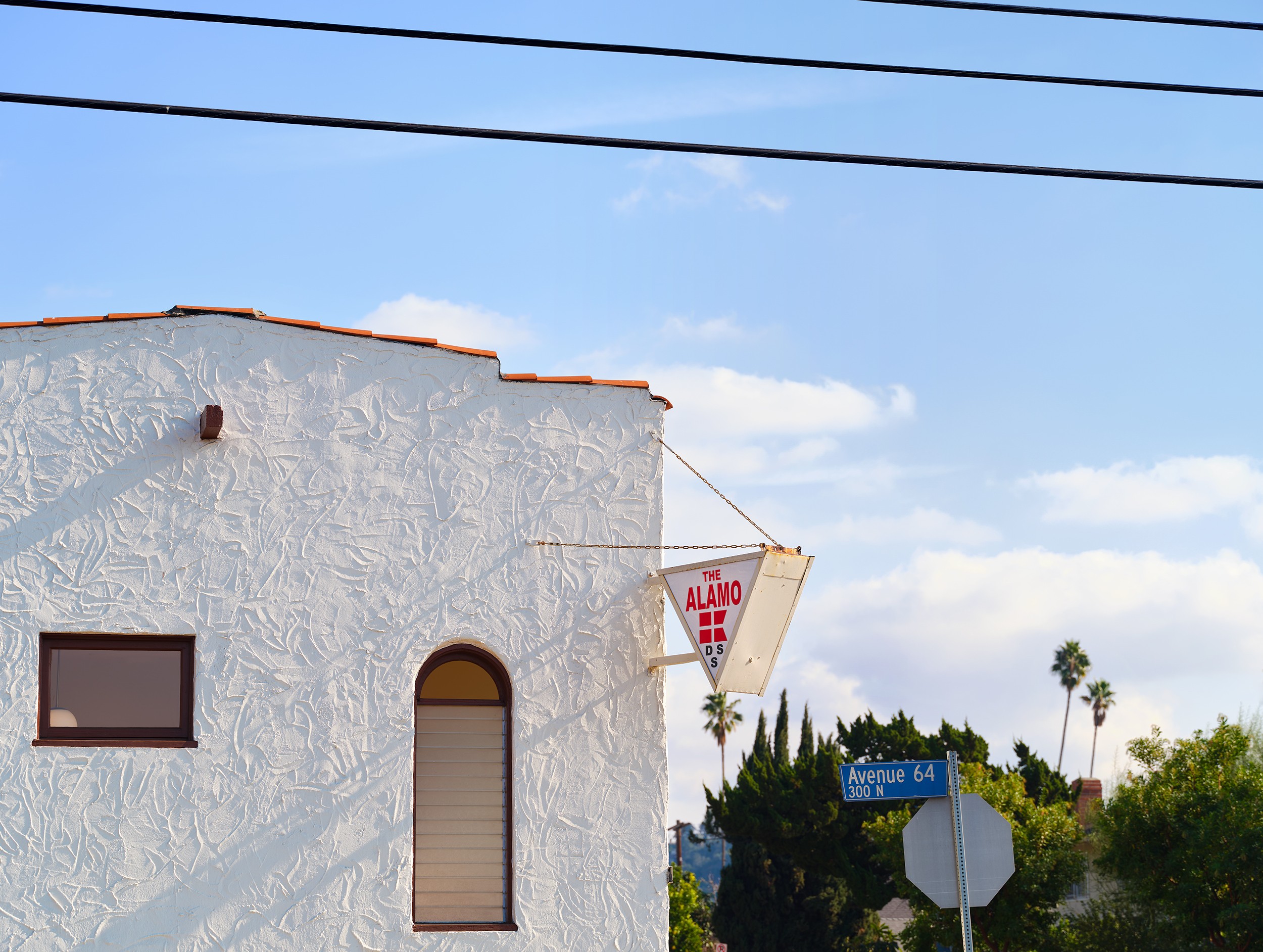
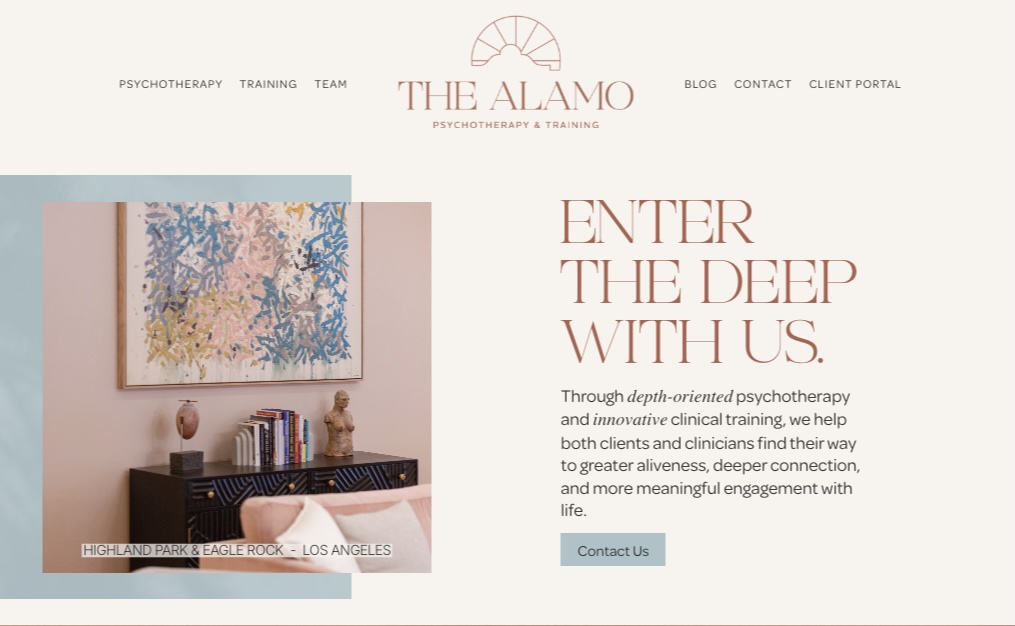

Image Credits
Portrait and additional images #2, 3, 4, 5, and 6 by Brica Wilcox. Additional images 1 (group portrait) and 7 (through doorway) by Miriam Brummel.
Popular
-

Cedar Boschan on Elevating Black Music Rights and Driving Urgent Conversations Around Credit, Equity, and Artist Protection
-

Portraits of the Valley
-

LA’s Most Inspiring Stories
-

Robin Olive on Building an Inclusive Performing Arts Movement and Expanding Opportunities for Every Student
-

Que Johnson on Building Brands That Last: From Visibility to True Market Authority
-

Christina Wren Steps Into the Director’s Chair to Tell Stories That Feel Like Home


