




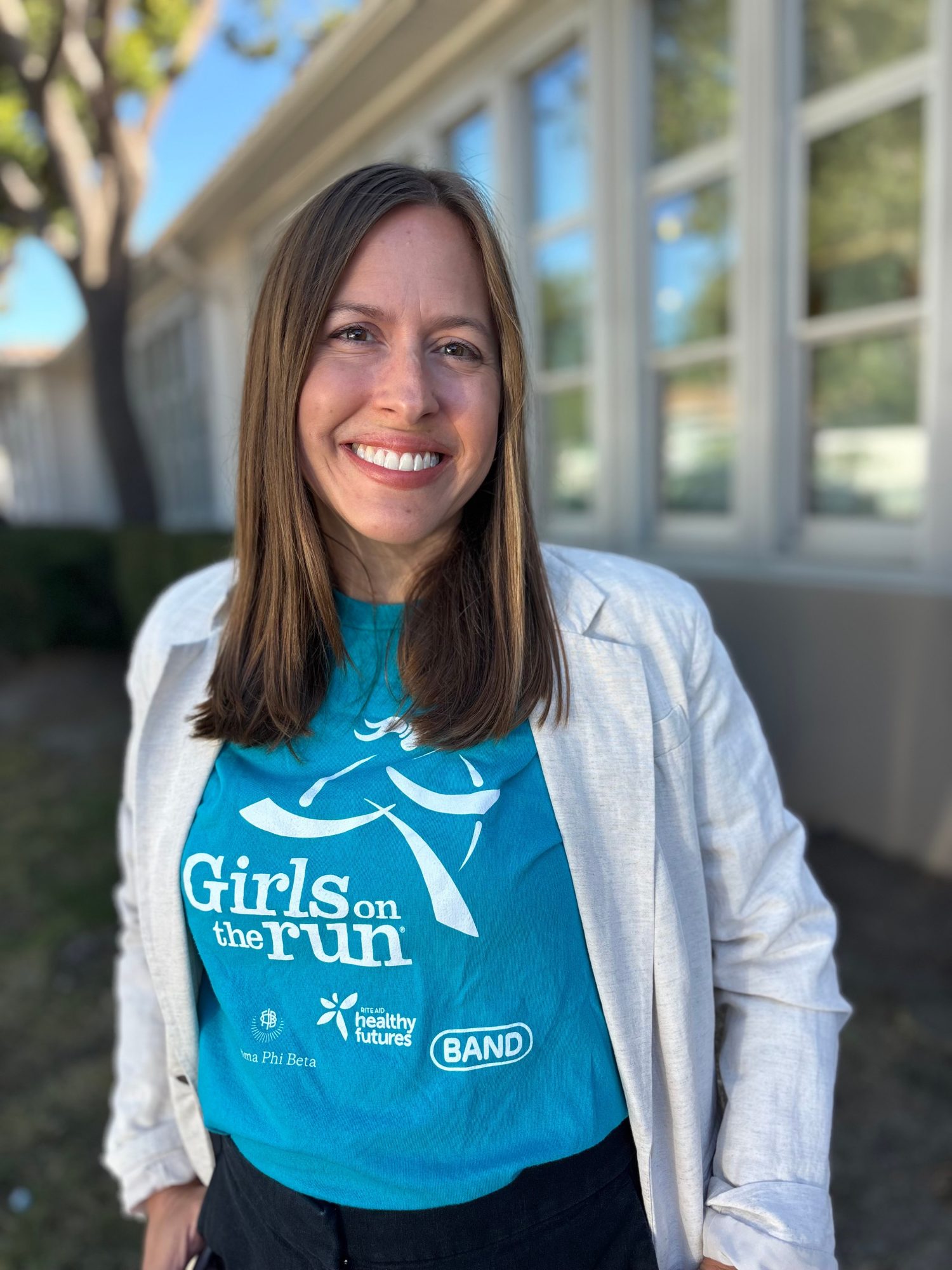
Today we’d like to introduce you to Alison Levinson.
Hi Alison, thanks for joining us today. We’d love for you to start by introducing yourself.
When I was a young girl in elementary school, I struggled with confidence and finding my voice. I was a hard worker, but I was afraid to speak up in school, had a hard time making new friends, and certainly didn’t consider myself athletic. In middle school, I came across a 30-day challenge in a teen magazine to work up to running a mile. I decided to take it on. I wasn’t sure I could do it, but I started with one short lap around the block and eventually worked up to the full mile. As my confidence grew, I decided I was ready to start putting myself out there, making new friends, believing I could overcome challenges, and growing into the leader I wanted to be. I joined the cross-country team in high school and continued to discover how running could strengthen not only my body but also my mind, while helping me form close friendships and build resilience.
In college, I studied sociology/anthropology and art history, which allowed me to explore my interests in people, identity, culture, and expression. I became interested in how art, music, and community experiences can bring people together across differences and contribute to social change. That interest led me to nonprofit work, beginning with internships at arts organizations in Newark, Ohio, and Cape Town, South Africa.
Since then, I’ve built my career in nonprofit organizations, working across a variety of programs and experiences, from summer programs and musical ensembles to cultural events and the arts. Though the organizations and their work have varied, they’ve shared a common thread of creating opportunities for people to connect, grow, and see new possibilities for themselves and their communities.
When I found Girls on the Run, it felt like a natural extension of both my personal story and my professional journey. It was the program I wish I’d had as a shy fourth grader, bringing together my belief in the power of running and my passion for helping young people discover who they are, build connections with others, and contribute to a better society.
Can you talk to us a bit about the challenges and lessons you’ve learned along the way. Looking back would you say it’s been easy or smooth in retrospect?
I think one of the biggest lessons I’ve learned throughout my career is that the process is just as valuable as the final product. I remember learning this while writing research papers in college, and it’s something I’ve carried with me ever since. We don’t always know where a decision or opportunity will lead, and sometimes the path forward isn’t immediately clear. I’ve learned to take things one step at a time, stay open to new possibilities, and trust that we can learn and adapt along the way despite the obstacles thrown at us.
One of the clearest examples of this was during the pandemic. At the time, I was running an arts camp built around in-person connection and living together in community. Suddenly, we had to rethink everything and figure out how to translate that experience into a virtual program. What we discovered was that kids, counselors, and staff were still craving opportunities to connect and create together, even through a screen. When we returned to in-person (still tech-free) programming, we carried lessons from that experience into a program that had been around for 20 years, finding ways to make it even stronger. It was a good reminder that even in difficult circumstances, there can be opportunities to learn and grow.
That perspective continues to shape how I lead Girls on the Run of Los Angeles County. Like many nonprofits, we’re navigating a changing landscape, from shifts in school enrollment and funding to a broader climate that can make it more difficult to sustain programs and support the girls and families we serve. We can’t control every external challenge, but we can stay grounded in our mission, listen to the needs of our communities, and be thoughtful about how we respond. For me, leadership is about being willing to adapt without losing sight of our values. Right now, that means continuing to create a joyful space where girls can build confidence, connect with one another, and develop the tools to navigate the challenges they face.
Great, so let’s talk business. Can you tell our readers more about what you do and what you think sets you apart from others?
Girls on the Run of Los Angeles County was established over 20 years ago. What started as a volunteer-led organization serving a handful of girls in Pasadena has grown into a county-wide program, serving over 1,400 girls through Los Angeles County per year. In 2027, we will celebrate serving 20,000 girls!
We partner with schools and community sites across LA County to offer an after-school program for girls in grades 3-8. Our curriculum, developed by Girls on the Run International with input from girls and informed by experts in the field, focuses on topics like self-confidence, healthy friendships, emotional regulation, and making positive choices. Through movement and interactive lessons, girls build skills they can carry into their every day lives. The season culminates in a county-wide 5K, where girls cross the finish line alongside their peers, coaches, caregivers, families, and community members. It’s a celebration of everything they’ve accomplished together, and every girl can participate at her own “happy pace.”
One thing I’m especially proud of is how we work to make the program accessible. Barriers to youth sports, including cost, transportation, and availability of non-competitive offerings, can keep girls from participating. We bring the program directly to school campuses and community sites, making it easier for girls to take part in a supportive environment with their peers.
Thanks to the generosity of our donors and partners, 86% participate at no cost to their families. We believe that every girl deserves the opportunity to experience the benefits of movement, connection, and personal growth regardless of her family’s ability to pay.
Our coaches are at the heart of what we do. Coaches include school staff members, parents, and community volunteers who guide girls through the curriculum, encourage them to try new things, and create a positive, supportive team environment. They don’t need to be runners themselves. What matters most is their willingness to show up for girls and help them recognize their own strengths. Many return season after season because they see firsthand the difference the program makes.
So, before we go, how can our readers or others connect or collaborate with you? How can they support you?
We’re proud of the community that has grown around Girls on the Run LA, and we’d love to see more of LA County get involved. You can bring the program to your school, volunteer as a coach or at our 5K, fundraise as a SoleMate, support our work as a donor or community partner, or follow along on social media. You don’t need to be a runner to make a difference. We welcome people of all genders and abilities who believe in helping young people thrive.
Visit www.gotrla.org or follow along @gotrla to learn more.
Contact Info:
- Website: https://www.gotrla.org
- Instagram: https://www.instagram.com/gotrla
- Facebook: https://www.facebook.com/GOTRLA/
- LinkedIn: https://www.linkedin.com/in/alison-levinson-56712036/
- Youtube: https://www.youtube.com/channel/UCHs9BbLTY4mzRHzEkVYVMEQ
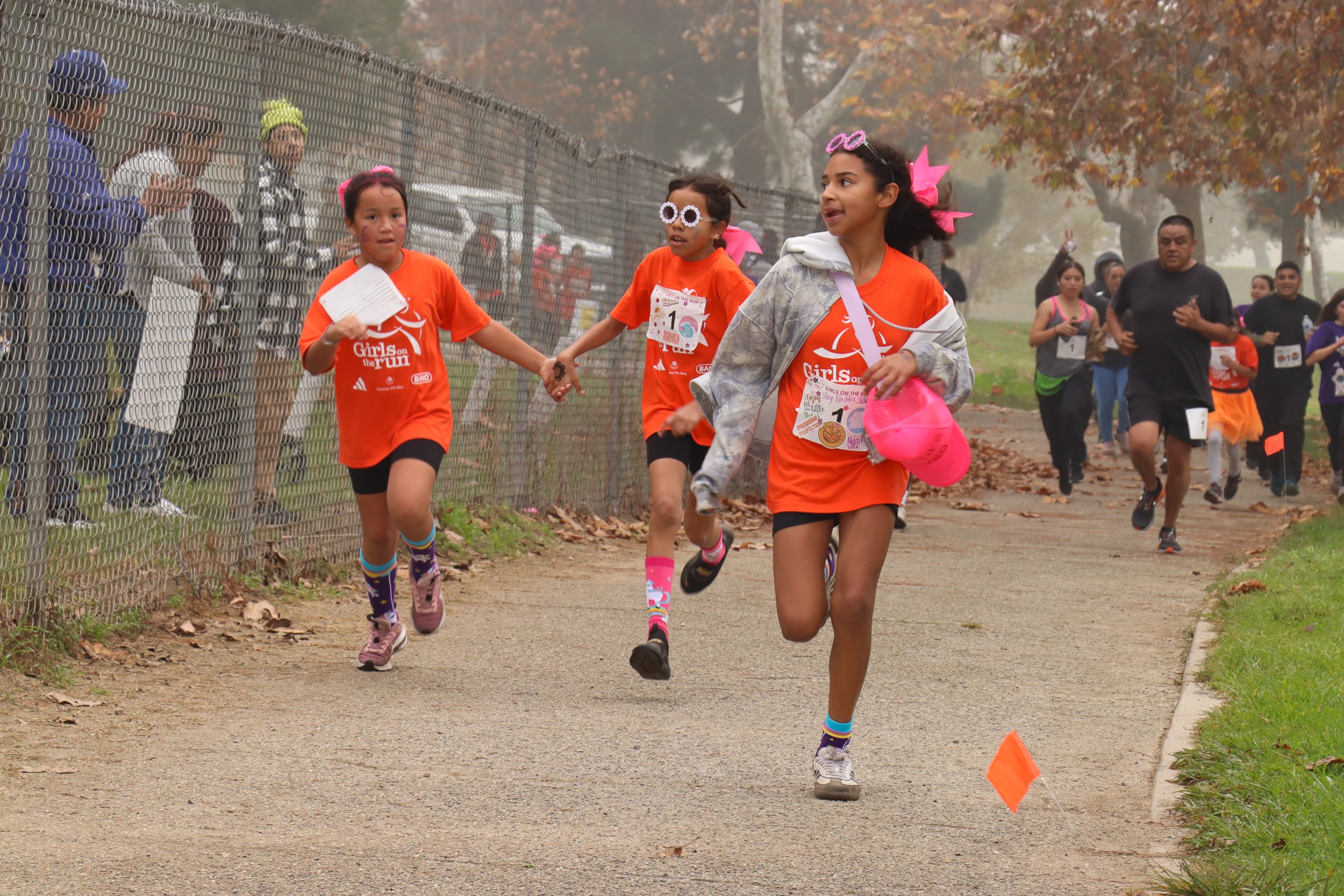
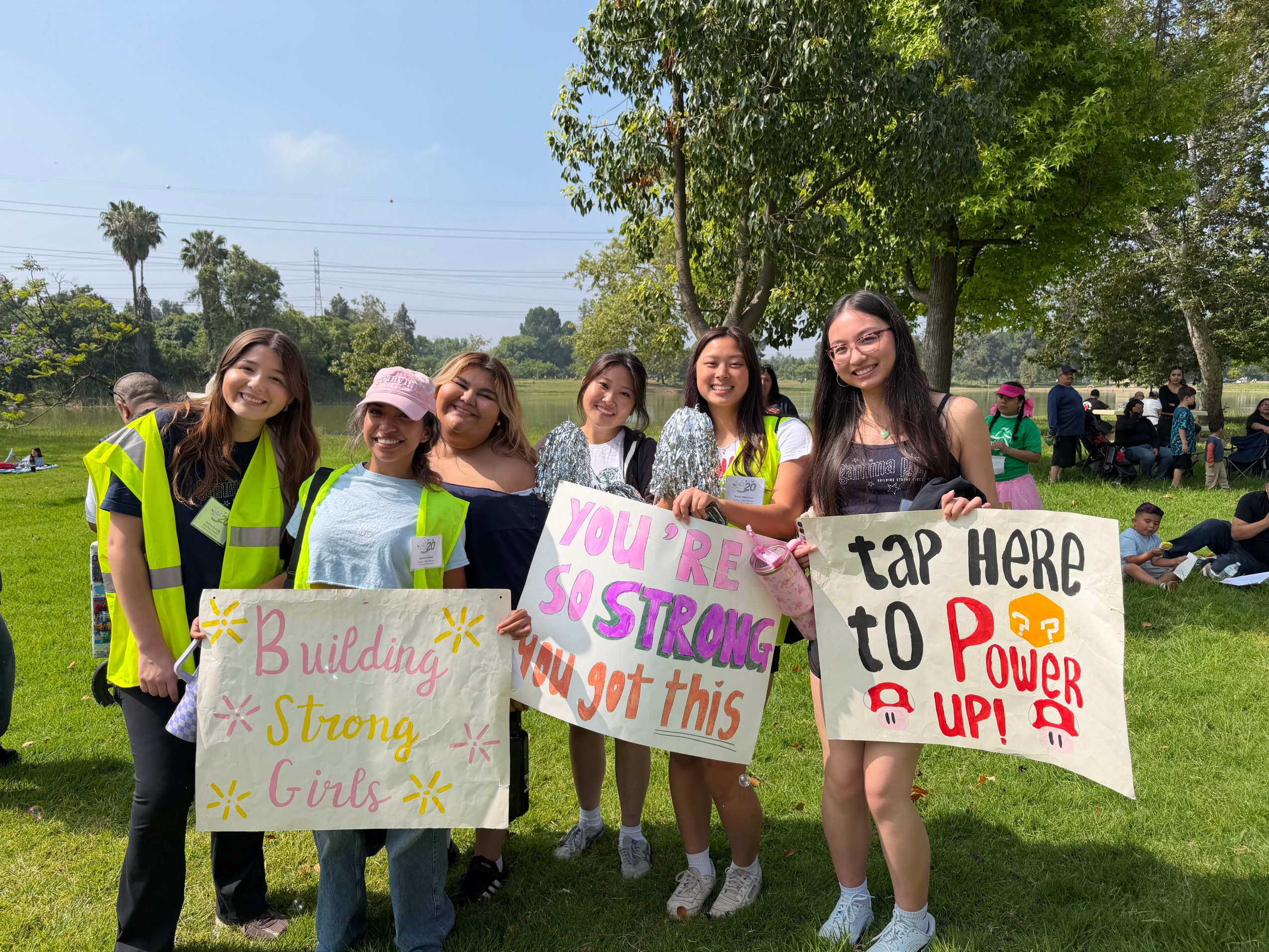
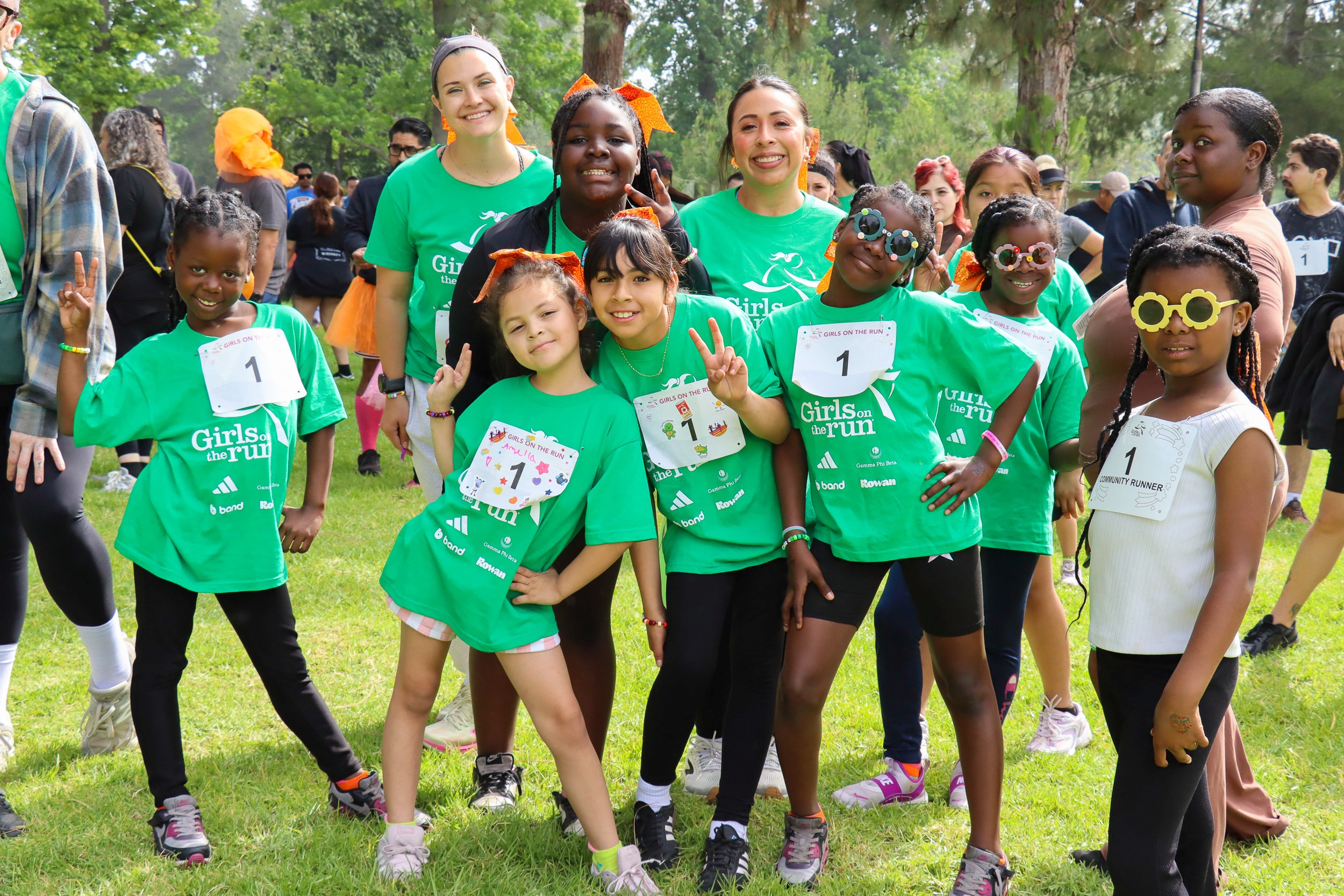
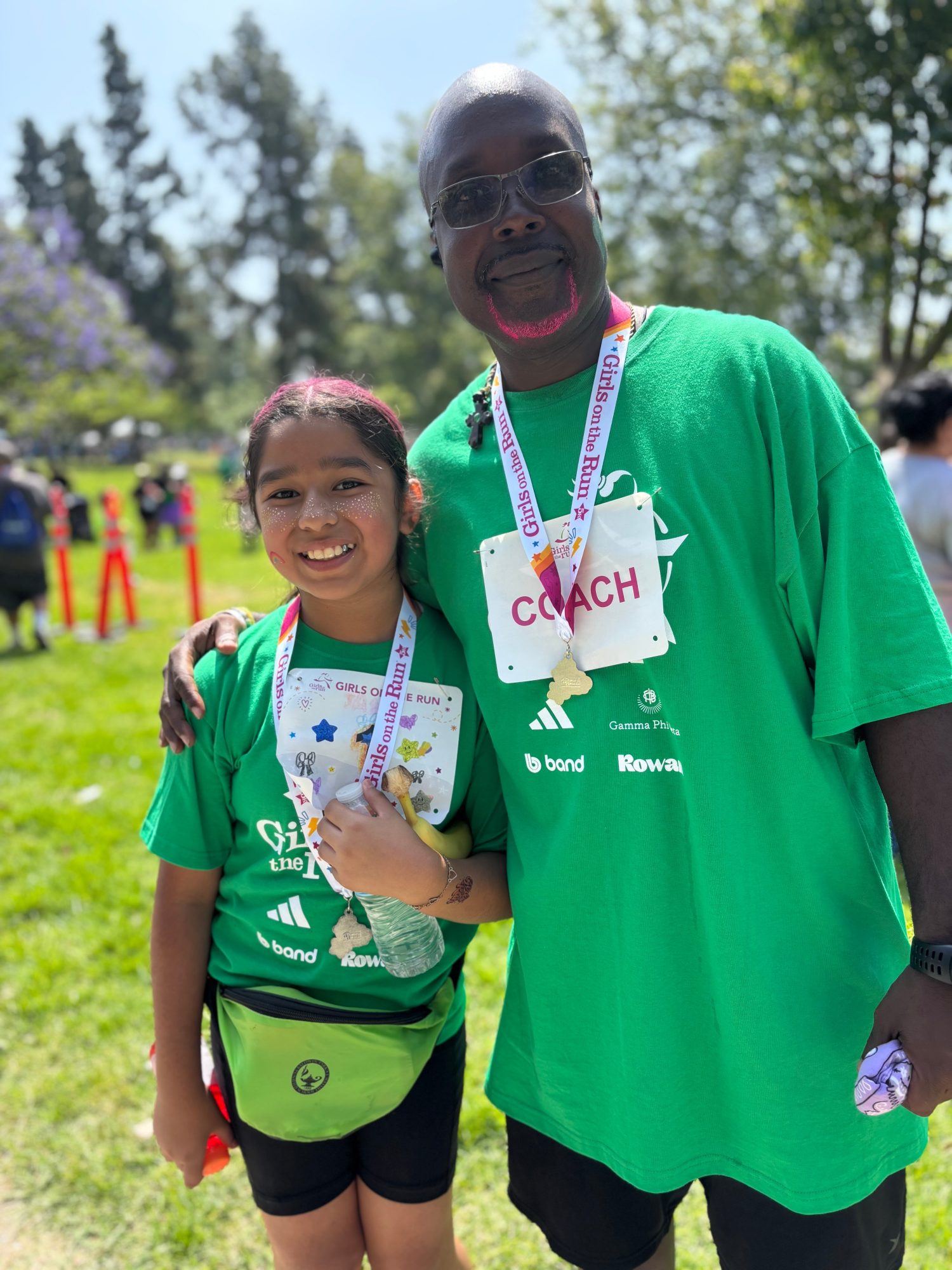
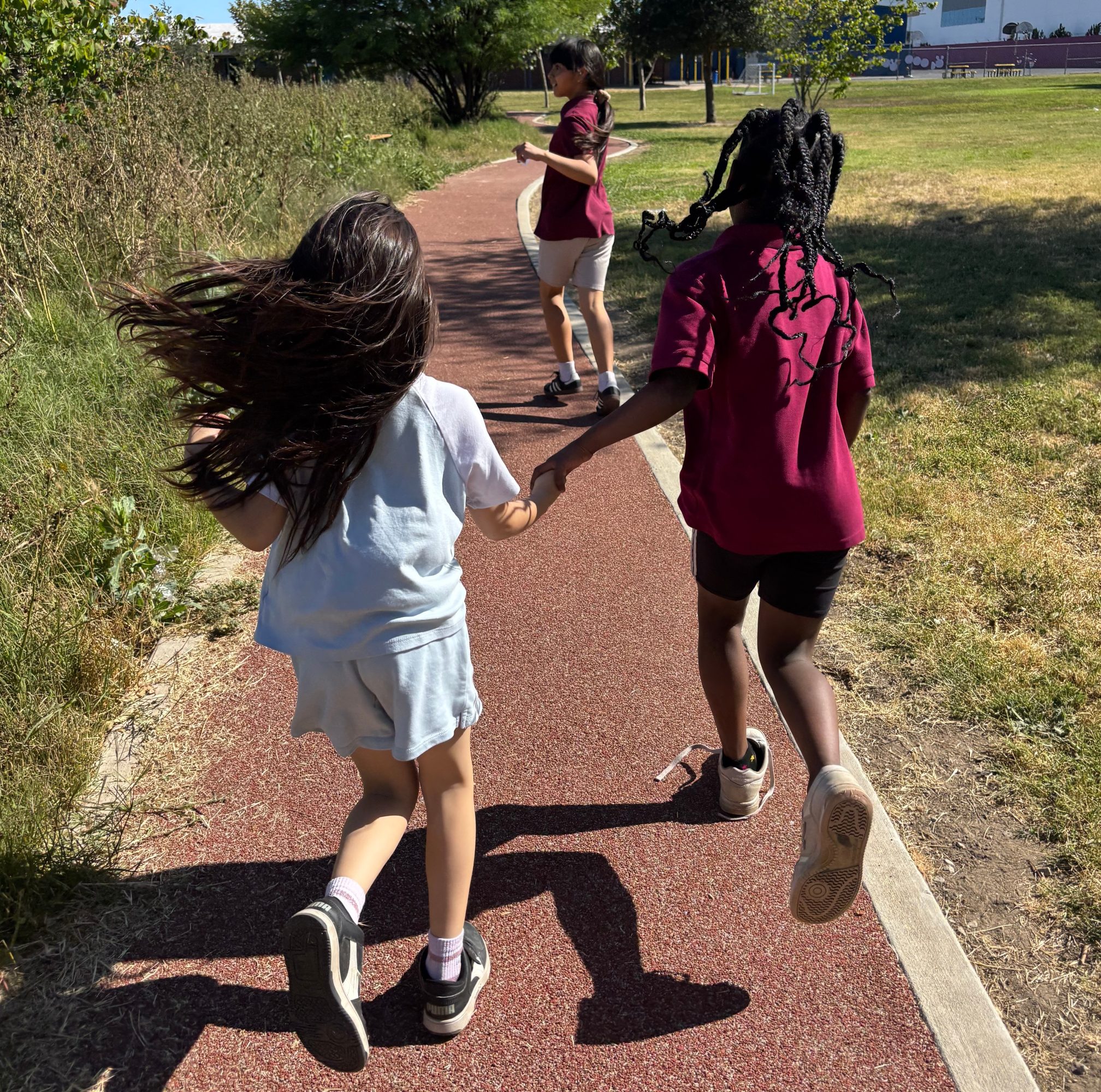
Image Credits
Madalyn Chan
Popular
-

Portraits of the Valley
-

LA’s Most Inspiring Stories
-

Greg Hex Is Turning the Everyday Kitchen Knife Into a Modern Design Object
-

Rick Norris Learned That Building a Successful Business Means Building a Life You Actually Want to Live
-

How Olivia Rush Turned Survival Into a Mission to Help Others Keep Going
-

How Bibi Goldstein Is Helping Entrepreneurs Reclaim Their Time by Embracing the Power of Delegation


