



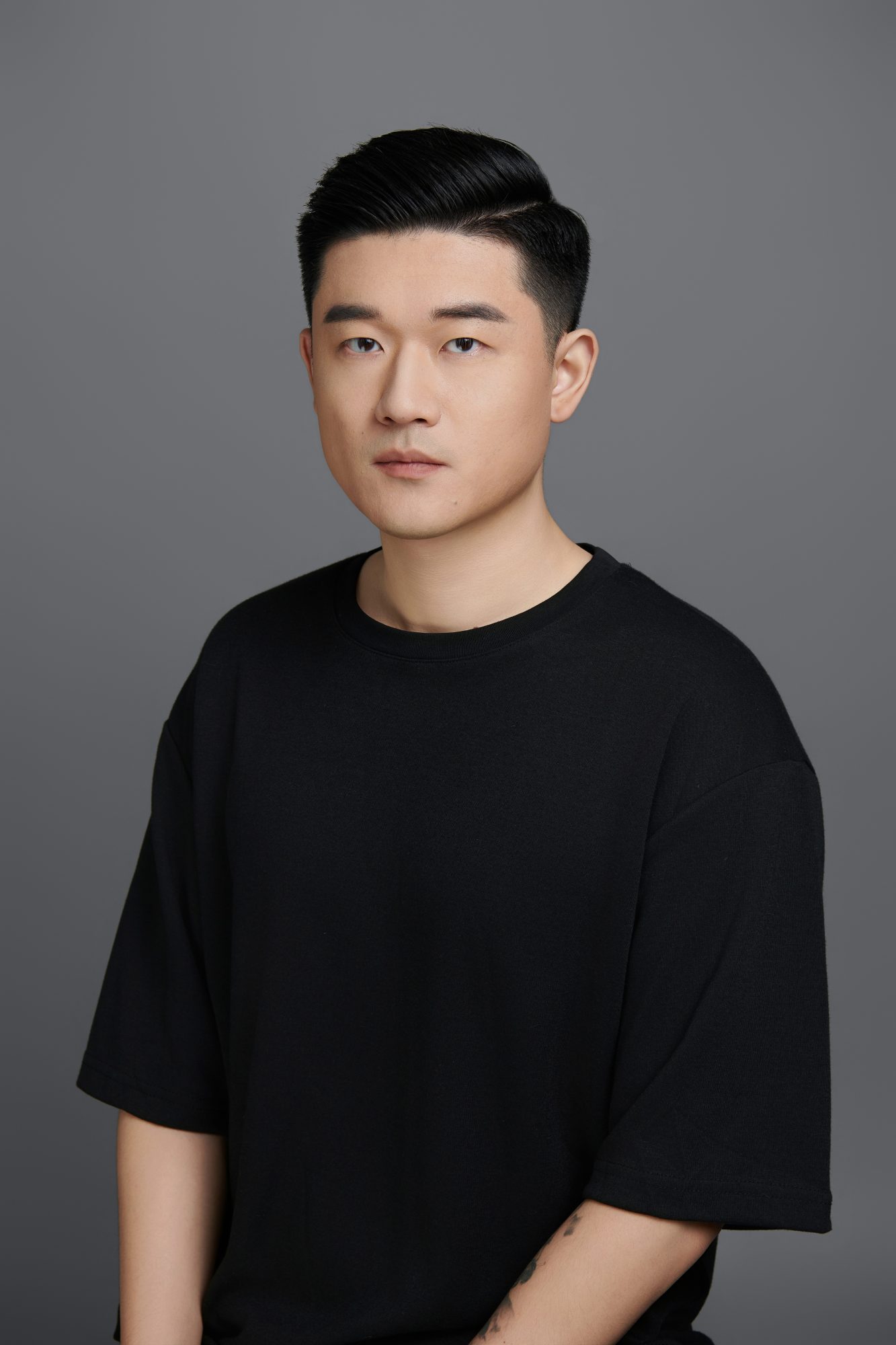
Today we’d like to introduce you to Adam Hua.
Hi Adam, thanks for sharing your story with us. To start, maybe you can tell our readers some of your backstory.
My path to PASCAL was not a traditional one. I studied physics and computer science at UC Berkeley and later worked as a software development engineer at Amazon Lab126. I was trained to think analytically and solve problems through first principles, but I was equally fascinated by design, culture, and why certain products become meaningful to people.
While I was in college, I became involved in the sneaker and streetwear market. That experience eventually led me to build EDGE, a peer-to-peer marketplace and community for streetwear. It taught me that people do not buy products based on materials or functionality alone. They also buy into identity, community, design, and the stories surrounding a product.
When I later looked at the diamond industry, I saw a category with enormous emotional power but also many inherited conventions. Much of the lab-grown diamond market focused on white diamonds and traditional engagement occasions, while mined colored diamonds remained exceptionally rare and expensive. Lab-grown technology made it possible to explore color in an entirely new way, and I saw an opportunity to connect that scientific possibility with contemporary design and culture.
That became the foundation of PASCAL. We started as a digital-first brand, selling through our own DTC website and attracting an early group of customers who connected with our distinctive use of color and more expressive design language. Since then, we have expanded across platforms including TikTok, Amazon, and Nordstrom, while also opening our own store in Los Angeles.
Today, PASCAL has a global team with roughly half based in the United States. We are still at the beginning of the journey, but our ambition is clear: to expand what diamonds can look like, what they can represent, and which moments in life they can celebrate.
Can you talk to us a bit about the challenges and lessons you’ve learned along the way. Looking back would you say it’s been easy or smooth in retrospect?
It has definitely not been a smooth road. The biggest challenge has been building a new point of view within a category shaped by long-established traditions.
Lab-grown diamonds are often framed simply as a more affordable alternative to mined diamonds. We believe that view is too limited. Our challenge has been to show consumers that colored lab-grown diamonds can become a creative medium in their own right—one that gives people greater freedom to choose color, design, occasion, and personal meaning.
Changing that perception takes time. It requires more than explaining the technology; we also have to create products people genuinely desire, maintain consistent quality and color, and build trust in a category that is still unfamiliar to many consumers.
Growth has brought another set of challenges. As we expanded from our DTC website into TikTok, Amazon, Nordstrom, and physical retail, we had to learn how to communicate the same brand idea across very different channels. At the same time, we needed to grow the team and operations without losing the speed, focus, and design conviction that made PASCAL distinctive in the first place.
The process has taught me that disrupting an established industry is not only about introducing something new. You also have to give people a compelling reason to question the old assumptions—and invite them to participate in building what comes next.
Thanks – so what else should our readers know about PASCAL?
PASCAL is a Los Angeles–born jewelry and watch brand specializing in colored lab-grown diamonds. We combine science, design, and culture to explore what diamonds can become when color and personal expression are placed at the center of the category.
Much of the lab-grown diamond market focuses on white diamonds and traditional engagement jewelry. We take a different approach. Mined colored diamonds have historically been exceptionally rare and expensive, but lab-grown technology makes vivid diamond colors accessible to a much broader audience. We use that possibility to create expressive jewelry and watches that feel contemporary, personal, and connected to how people live today.
What sets PASCAL apart is not only the material, but the meaning we build around it. We believe diamonds should continue to celebrate love and marriage, but they can also mark a championship, graduation, comeback, creative breakthrough, or personal reinvention. One example is our officially licensed Los Angeles Dodgers jewelry through PASCAL × Fanatics, which translates team identity and championship culture into colored-diamond pieces.
What I am most proud of is that we are not asking customers to choose lab-grown diamonds simply because they are an alternative to mined stones. We are building products people desire because of their color, design, and cultural relevance. We want our customers to feel that they are participating in a new diamond world—one shaped by personal choice rather than inherited rules.
Customers can discover PASCAL through our DTC website, TikTok, Amazon, and Nordstrom, or experience the brand in person at our Los Angeles store. Ultimately, we want readers to know that PASCAL is not only changing how diamonds are made; we are expanding what they can look like, what they can represent, and who gets to enjoy them.
Can you talk to us a bit about the role of luck?
Luck has played an important role, especially in timing. I was fortunate to enter the diamond industry at a moment when lab-grown technology was advancing, consumers were becoming more open to new definitions of luxury, and digital platforms were giving emerging brands a direct way to reach global audiences. Those forces created possibilities that would have been much harder to pursue a decade earlier.
I have also been lucky to meet talented people who believed in the vision before the outcome was obvious. Building PASCAL has never been an individual effort; the right team, partners, customers, and supporters have all helped move the business forward.
At the same time, difficult moments have been equally valuable. Unexpected setbacks force you to question your assumptions, become more resourceful, and distinguish what is essential from what is simply familiar.
I do not think luck replaces preparation or persistence. Luck determines which doors appear. The work is recognizing the right one and being ready to walk through it.
Contact Info:
- Website: https://pascaldesign.com/
- Instagram: https://www.instagram.com/pascaldesignofficial
- Facebook: https://www.facebook.com/PascalDesignOfficial
- LinkedIn: https://www.linkedin.com/company/pascaldesign
- Yelp: https://www.yelp.com/biz/pascal-west-hollywood
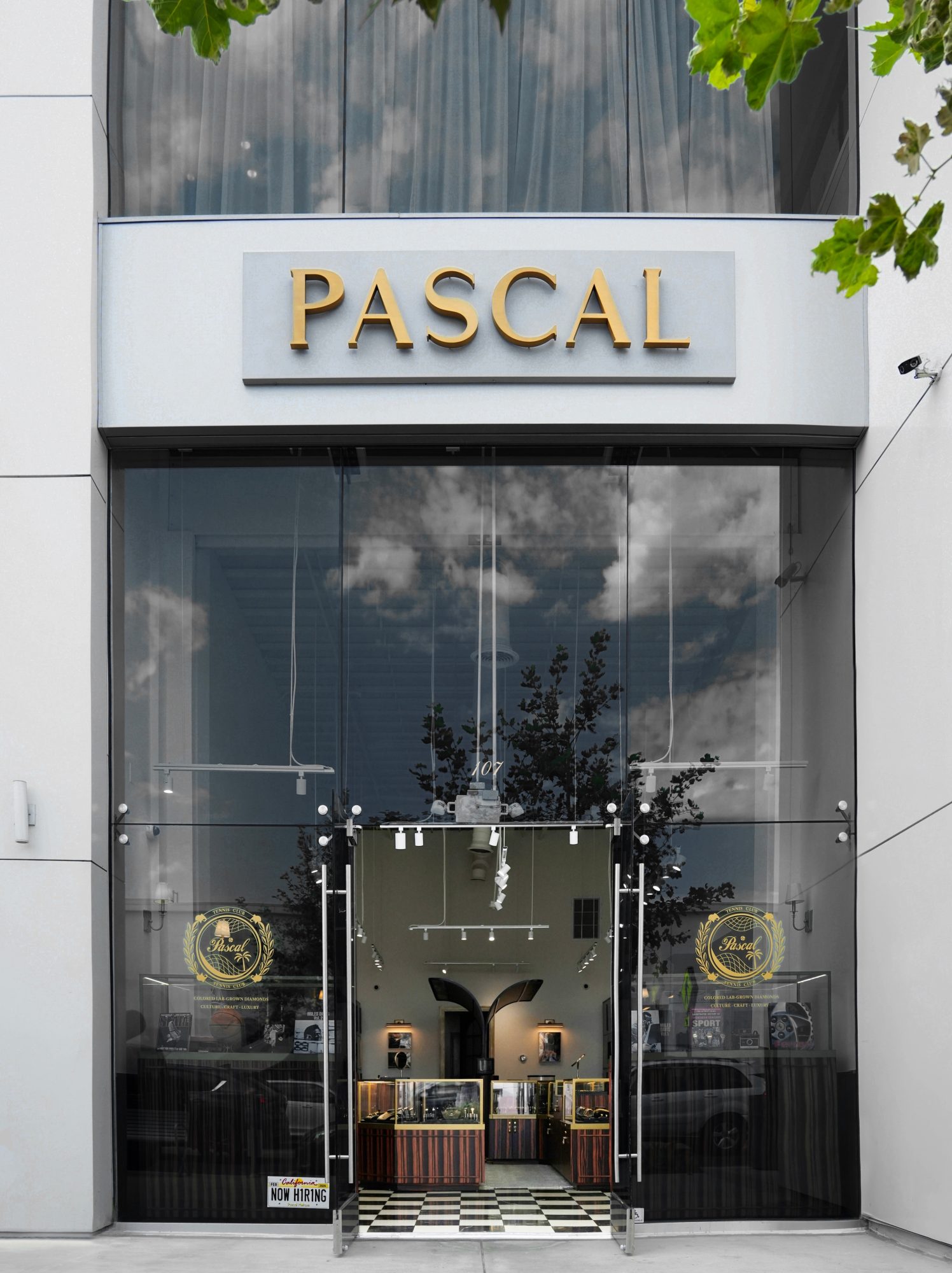
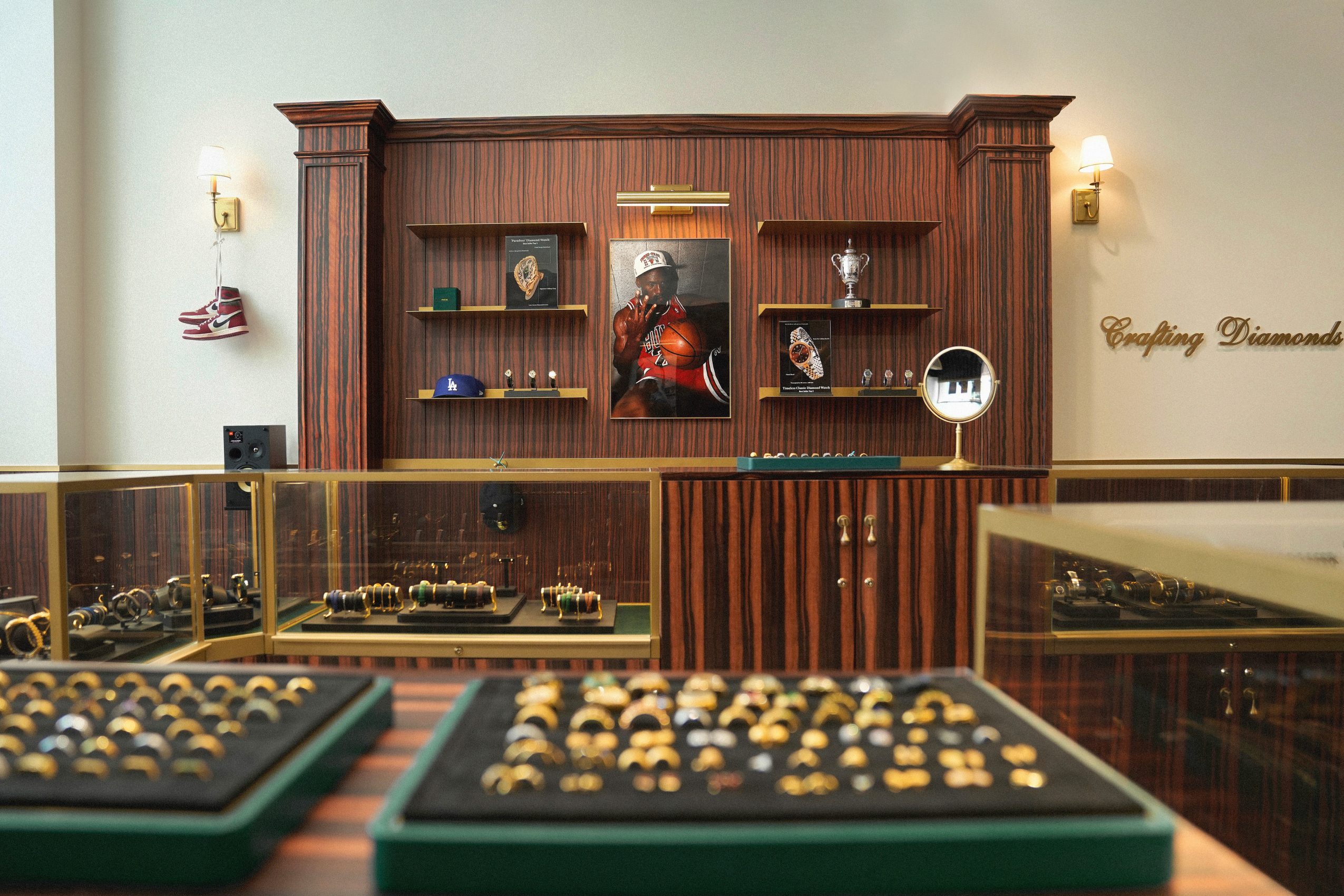
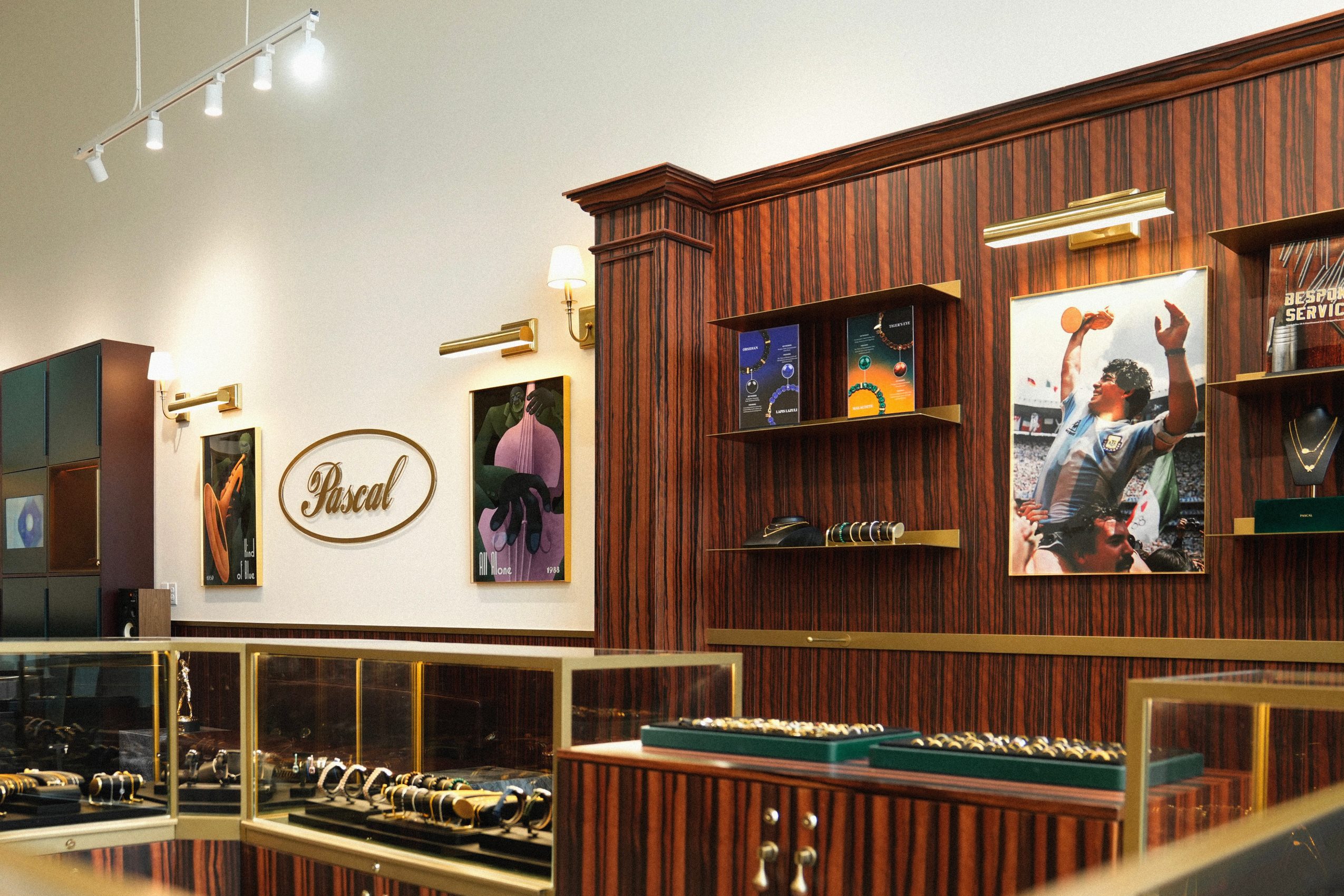
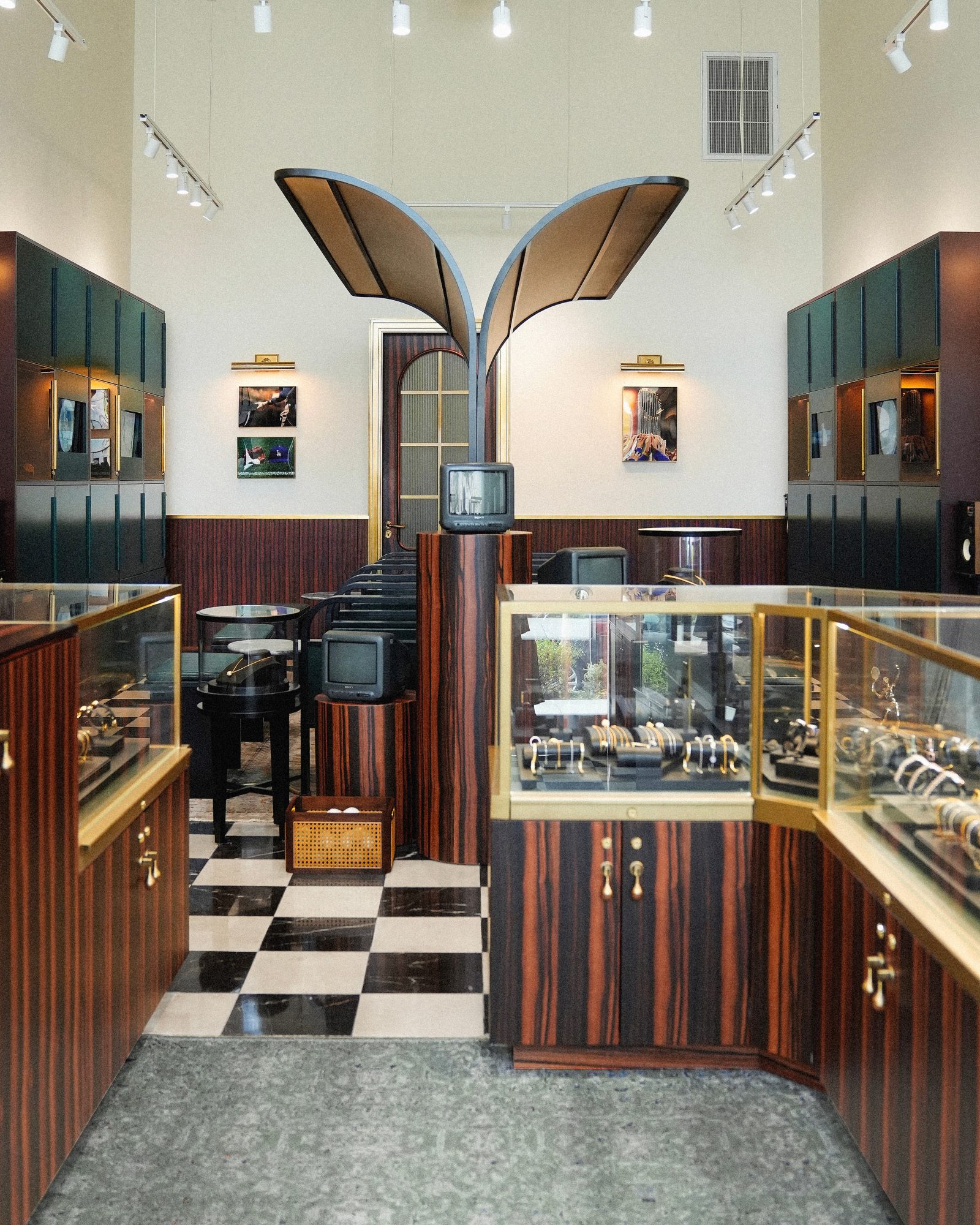
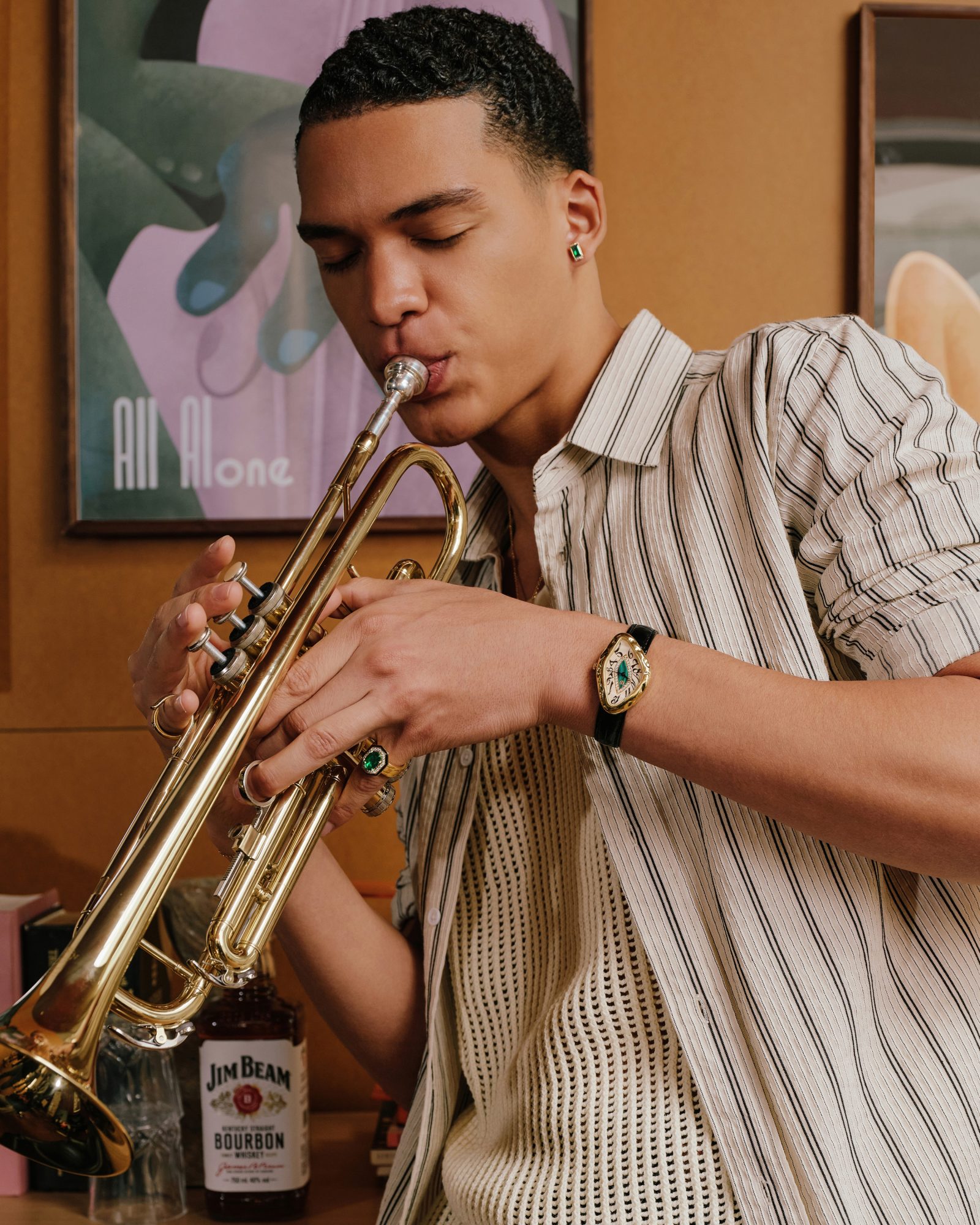
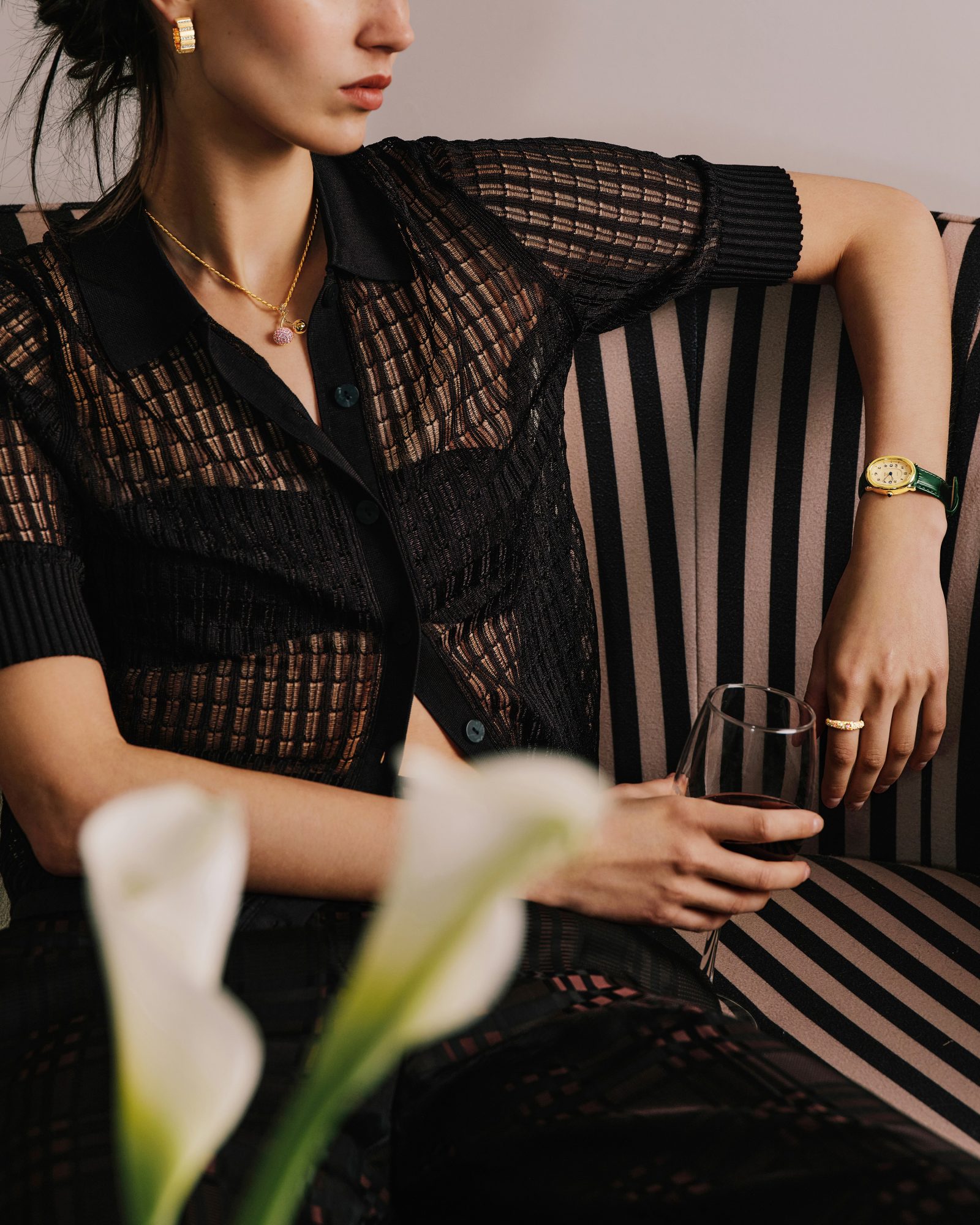
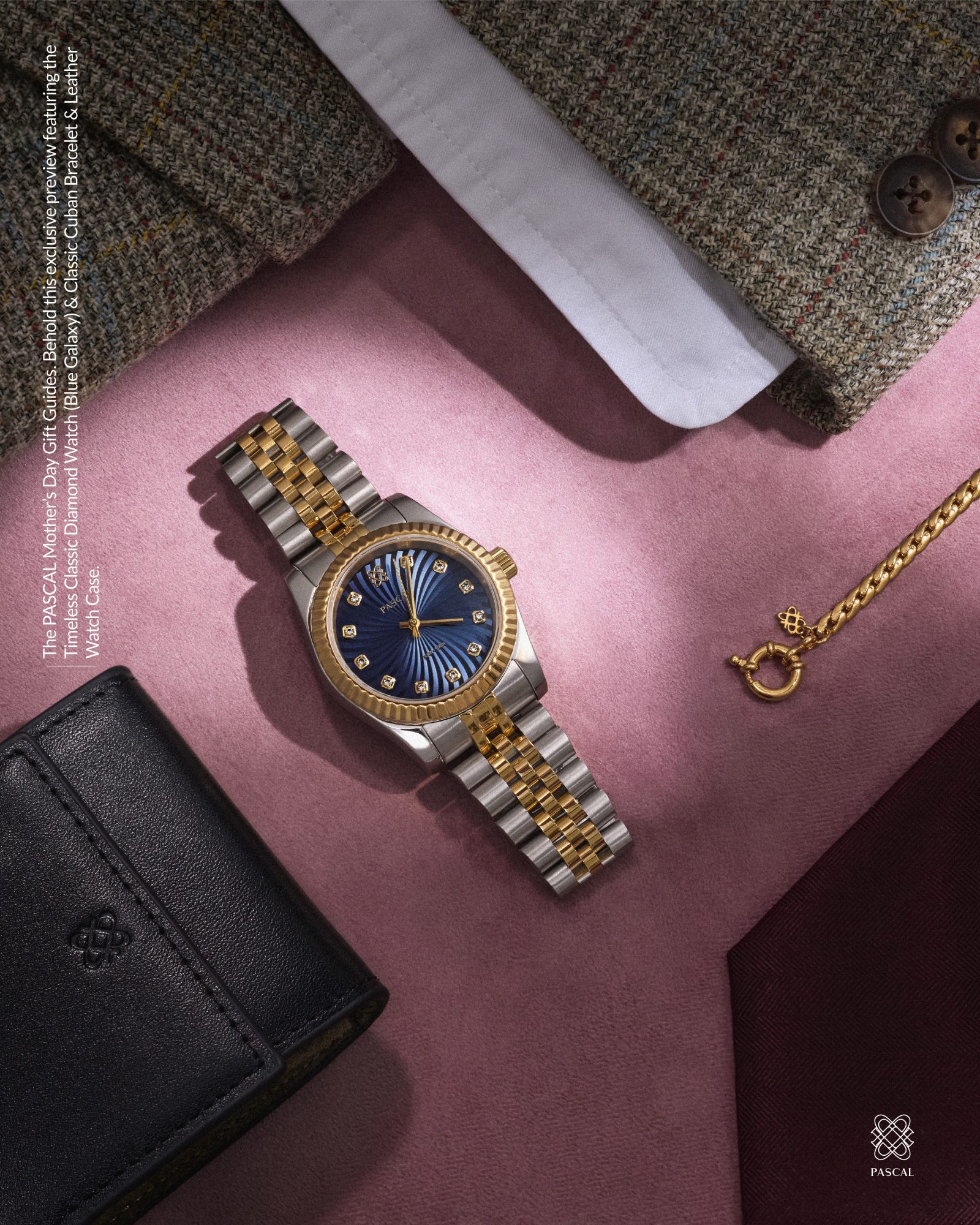
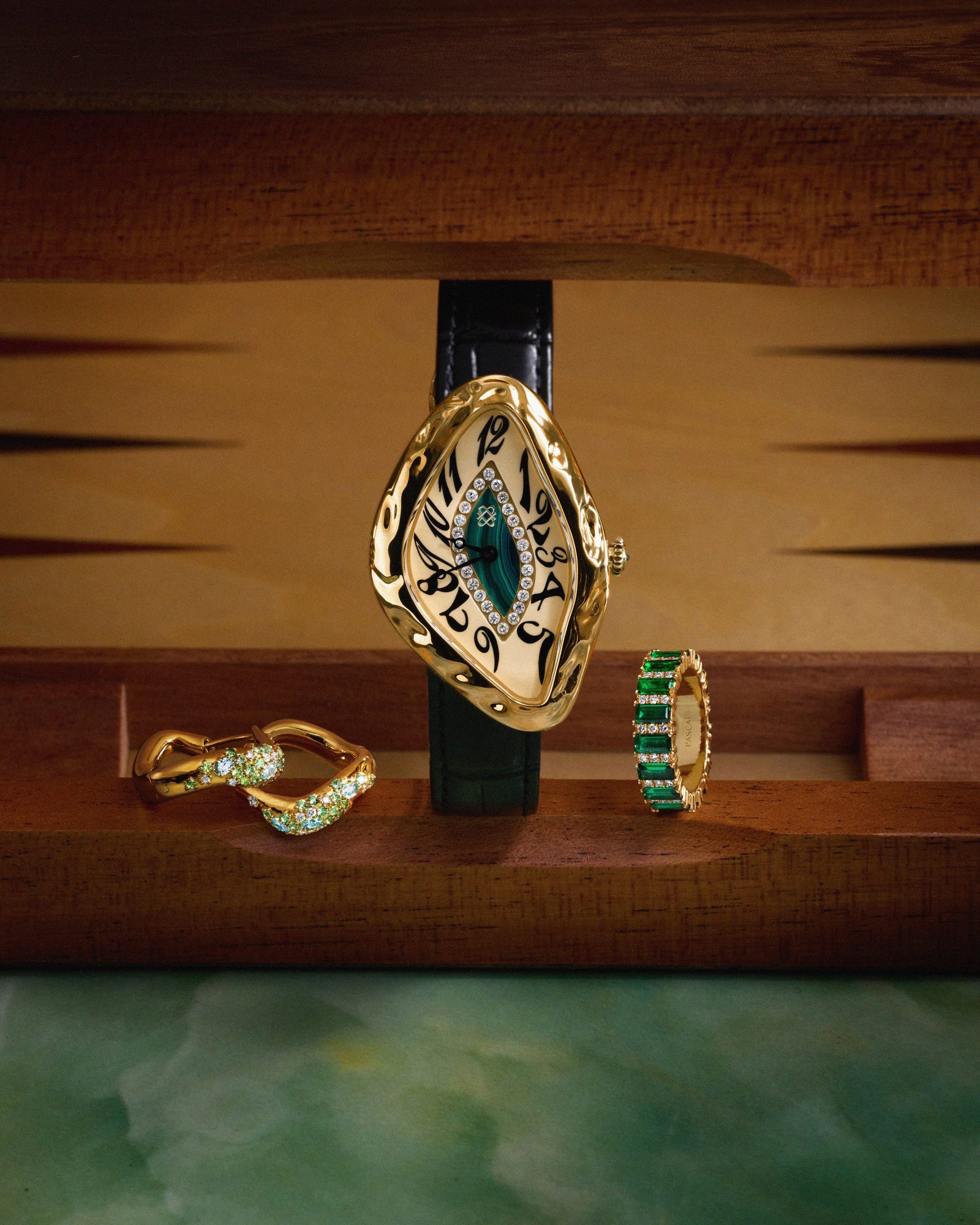
Image Credits
All photos are credited to PASCAL.
Popular
-

Portraits of the Valley
-

LA’s Most Inspiring Stories
-

Mason Ewing Is Bringing a World of His Imagination to Life Through Film
-

Dr. NanaEfua Afoh-Manin Is Rethinking What It Means to Be Healthy, Not Just Healed
-

Greg Hex Is Turning the Everyday Kitchen Knife Into a Modern Design Object
-

Rick Norris Learned That Building a Successful Business Means Building a Life You Actually Want to Live


