




Today we’d like to introduce you to Tony.
Hi Tony , we’re thrilled to have a chance to learn your story today. So, before we get into specifics, maybe you can briefly walk us through how you got to where you are today?
My story really begins with Wilmington, with relationships, and with simply paying attention to what was happening around us.
I was born in Brooklyn, New York, and came to California when I was young. I grew up in the South Gate area, but Wilmington eventually became the community where I planted roots and where so much of my life and service would take shape.
A major part of that story is Catherine Rodriguez.
Catherine and I first connected online, and as we got to know one another, we realized that we shared many of the same values, interests and concerns about the people around us. What began as getting to know each other gradually developed and matured into a relationship and, over time, into a partnership in many areas of life.
Catherine already had a heart for service. Through family, friends and alumni connections, she had been involved in helping put together a Thanksgiving feast for people in need. That effort was meaningful, but eventually we both started talking about whether there was a way to do something broader and more consistent for the community.
One morning, over breakfast at Maya Restaurant, that conversation became more serious.
We started talking about what it would look like to go beyond helping during one holiday or one season and instead create something that could respond to needs throughout the entire year. We were not sitting there with a formal business plan or imagining some large organization. We were simply asking ourselves what more we could do.
That conversation helped plant the seed for what would become A Needy Wilmington.
Over the years, I had also begun noticing needs that were often right in front of us but could easily go unseen. Sometimes it was a family struggling with basic necessities. Sometimes it was a student who needed clothing, school supplies, help with senior expenses, or simply someone willing to listen and step in.
What stayed with me was that many of these situations did not necessarily require a huge organization or complicated program. Sometimes they just required someone to say, “I see the need. What can we do?”
In 2016, Catherine and I co-founded what would become Needy Wilmington Corp., doing business as A Needy Wilmington.
Catherine is not only my partner in life, but she has also been an important part of this journey from the beginning. As an educator, she has spent years working directly with students and understands firsthand that what happens outside of the classroom can have just as much impact on a young person as what happens inside it.
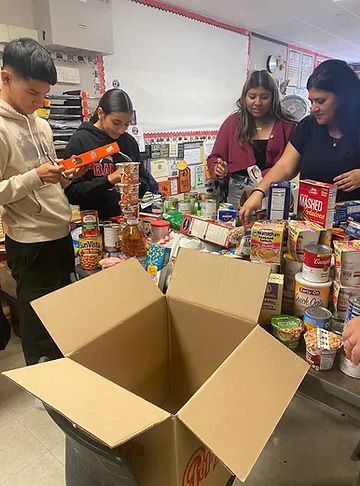
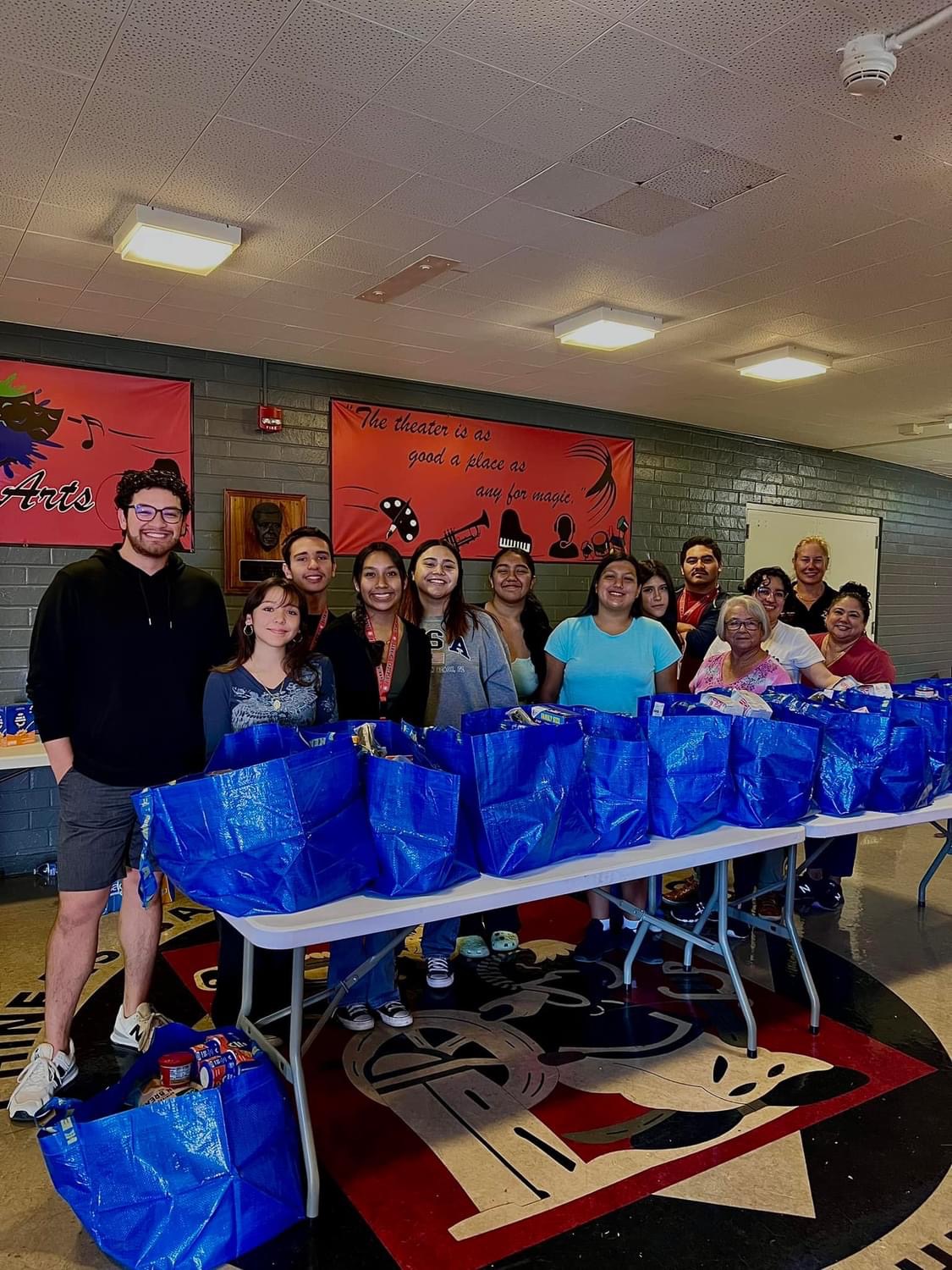
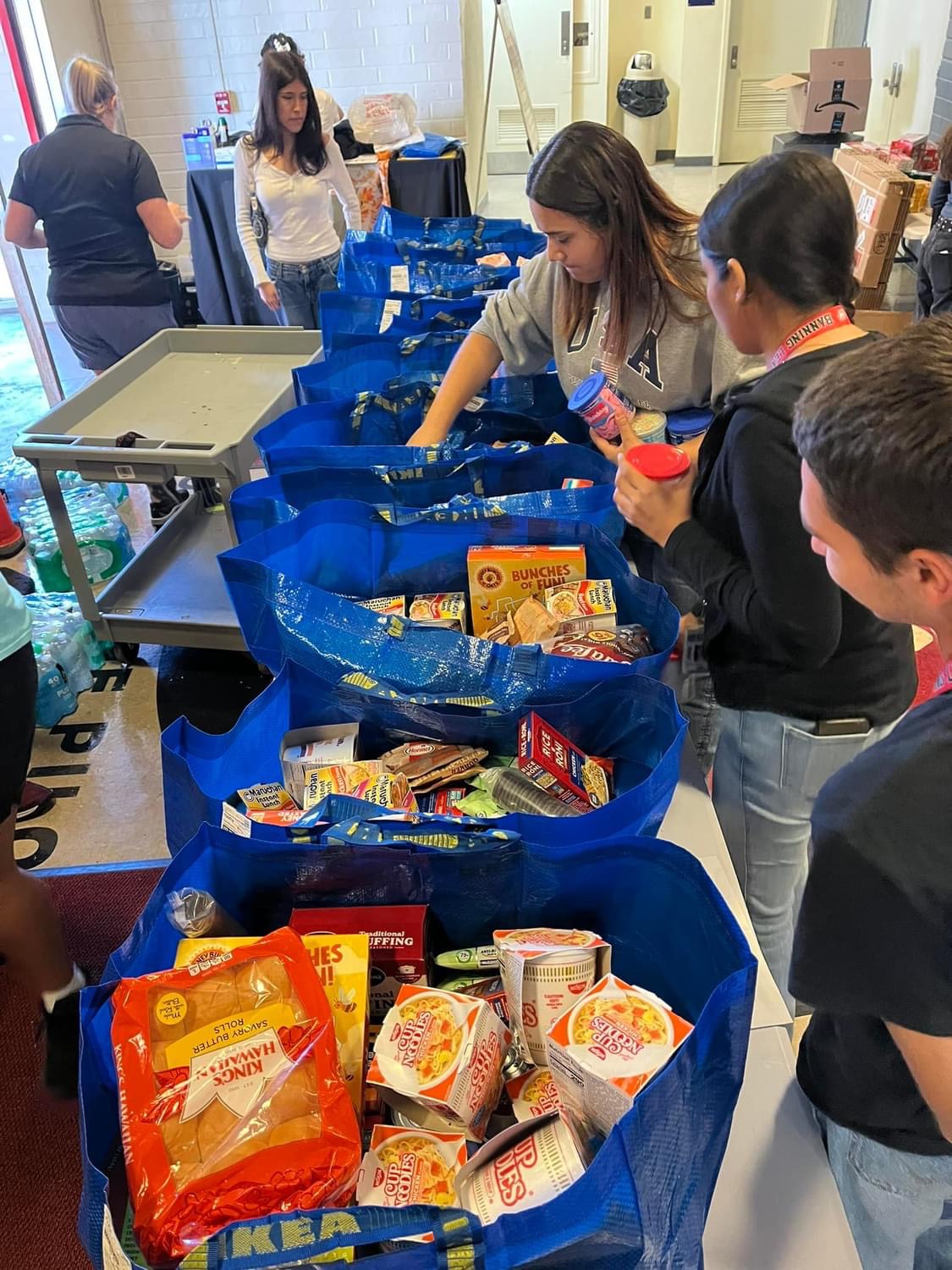
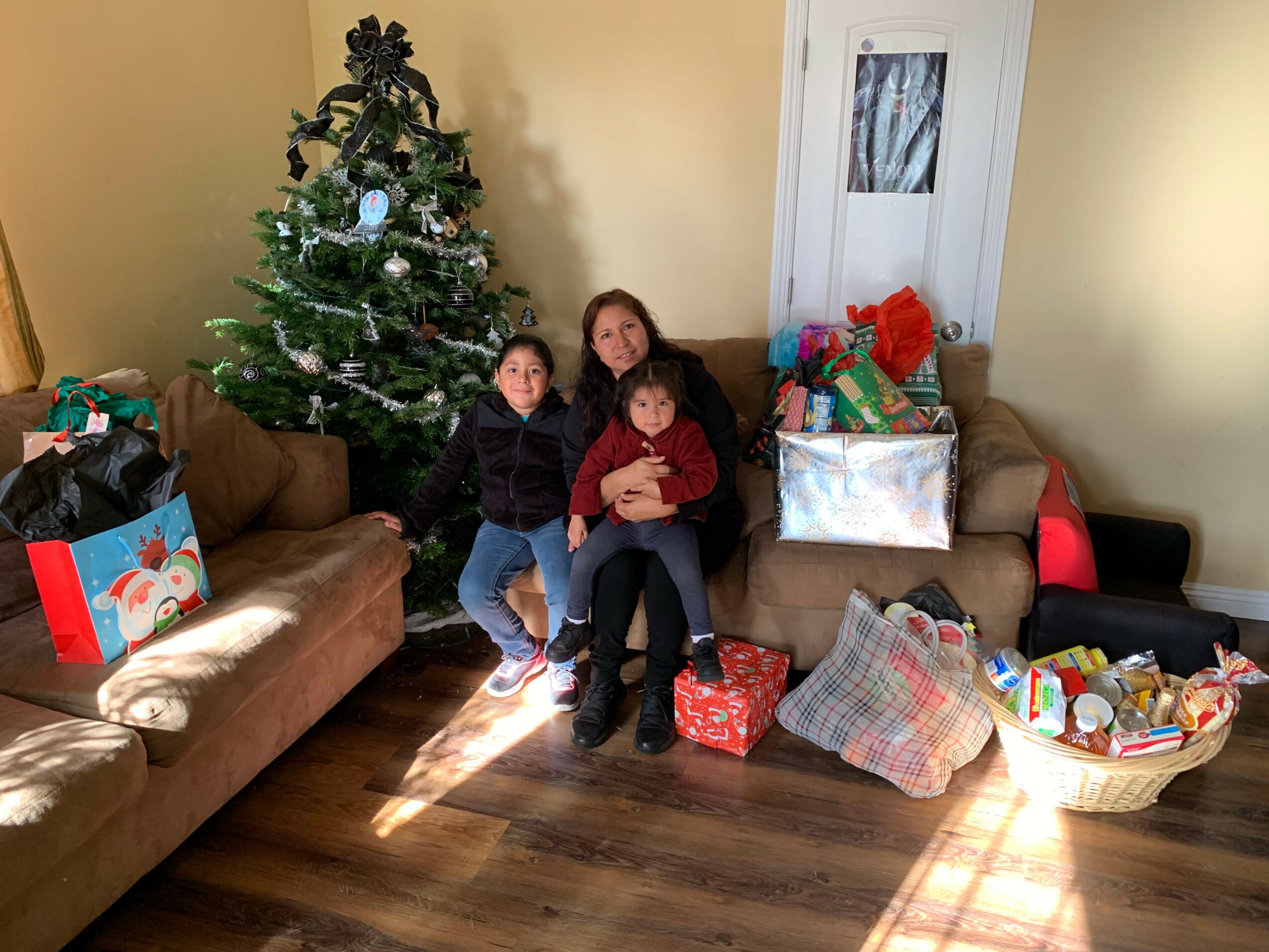
We did not begin with a large staff, major funding, or some elaborate blueprint. We started small, grassroots and community based. We saw needs, reached out to people, collected what we could, and tried to connect neighbors with neighbors.
That philosophy still guides us today: Neighbors Helping Neighbors.
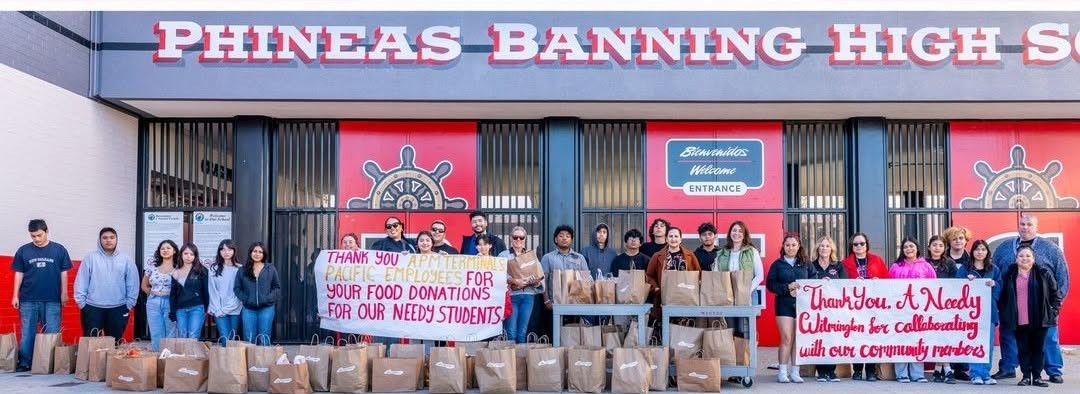
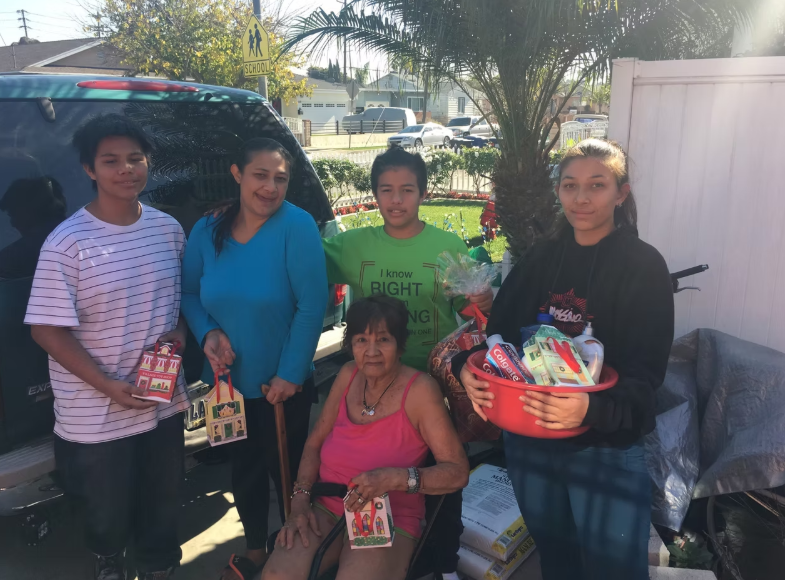
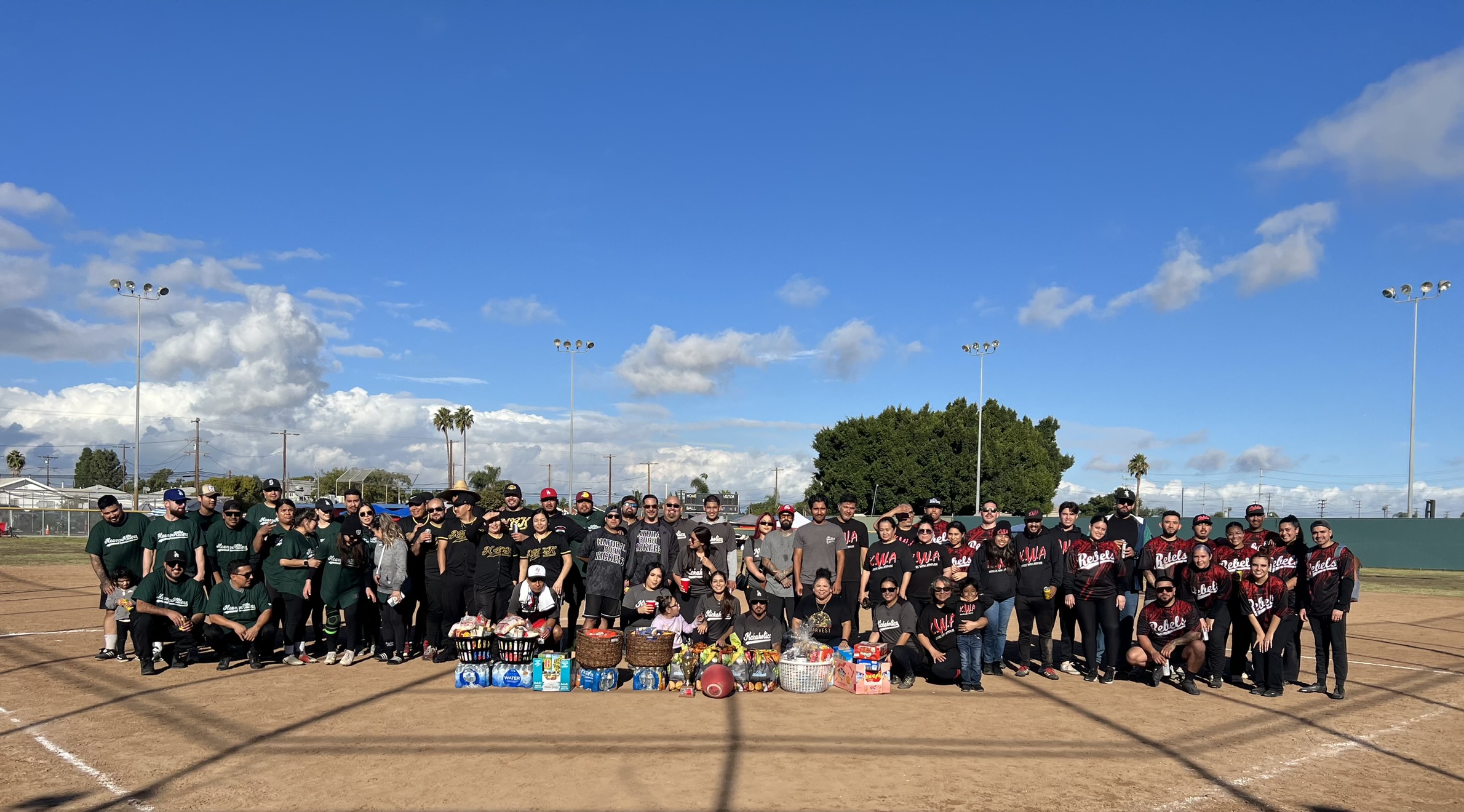
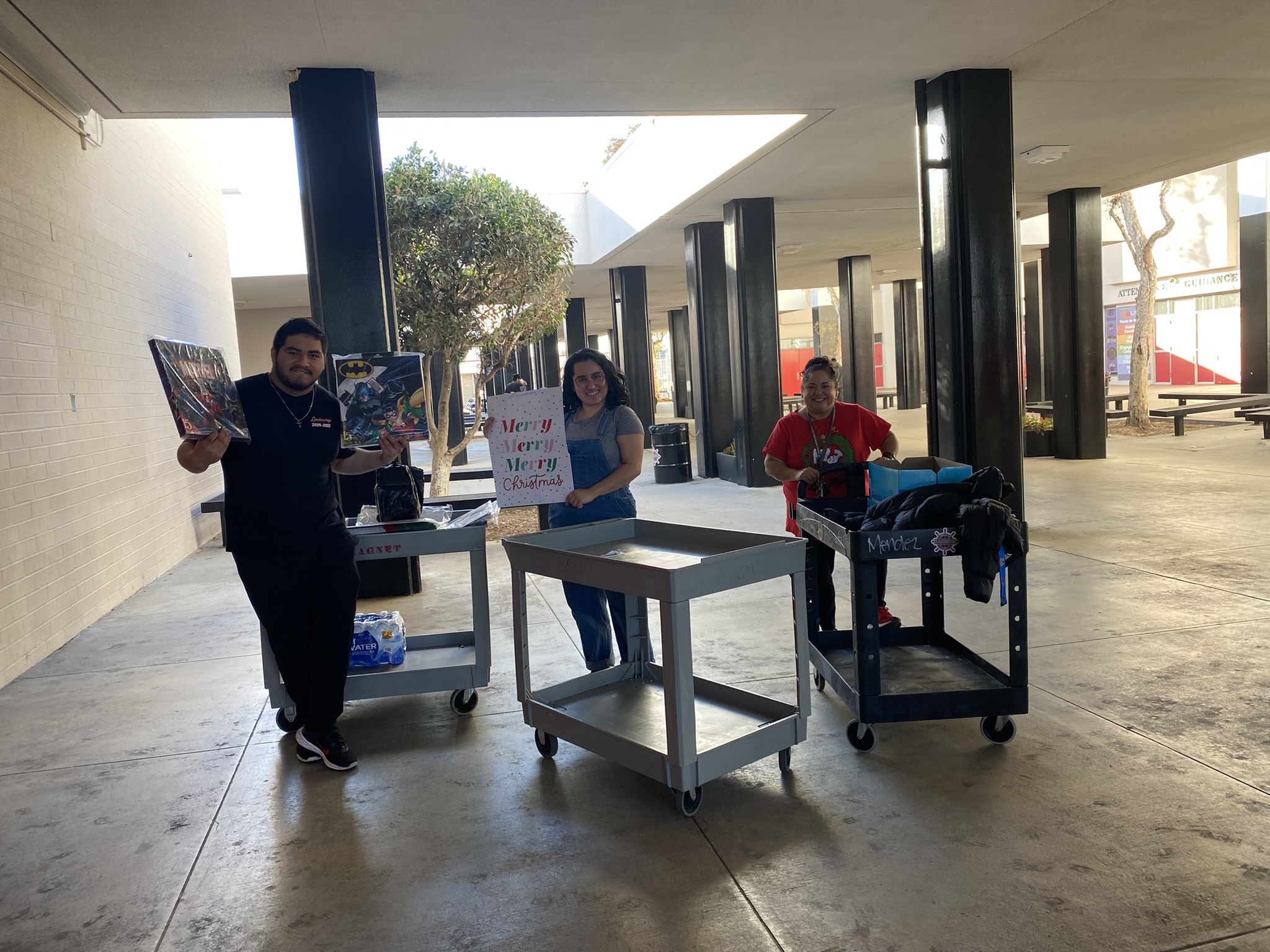
Over the last ten years, the work has grown and changed depending on what the community needed. We have helped with food and basic necessities, clothing, school supplies, educational needs, prom and graduation expenses, senior activities, emergency situations and other moments where a little assistance could make a significant difference for someone.
One thing that has always mattered to both of us is maintaining the human side of the work. A person should not have to publicly explain every hardship they are experiencing just to receive help. There are families dealing with homelessness, financial hardship, transportation problems, parents working multiple jobs, immigration concerns, social anxiety, or situations that people simply do not feel comfortable discussing publicly.
We try to respect that dignity.
We are also still an all-volunteer organization. That means the work has always depended heavily on relationships, community support and people believing enough in what we are doing to step forward.
There have certainly been difficult periods. Community involvement goes up and down. There are times when support is strong and other times when you wonder whether you can continue carrying the work forward.
Those moments have forced us to reflect on why we started in the first place.
The answer continues to be the same: the need is still there.
As we reach our tenth year, from 2016 to 2026, I look back and realize that this was never really about building an organization simply for the sake of having an organization. It was about creating a way for ordinary people to help other ordinary people.
Our recent direction reflects that through the word HEART: Helping, Empowering, Assisting, Restoring, Together.
I think that sums up where Catherine and I are today.
What began as two people getting to know each other, sharing similar values, and having a conversation over breakfast eventually grew into something neither of us could have fully predicted.
We are still learning. We are still adjusting. We are still trying to figure out how to make the greatest impact with the resources available to us.
But after ten years, I have learned that you do not have to solve every problem in a community to matter.
Sometimes you just have to be willing to show up.
Ten years later, that is still what we are trying to do.
We all face challenges, but looking back would you describe it as a relatively smooth road?
It definitely has not always been a smooth road.
One of the biggest challenges has been trying to meet a consistent level of need with inconsistent resources. The needs in the community do not disappear just because donations slow down, volunteers are unavailable, or participation drops. There have been many times when we knew people were depending on us, but we were still trying to figure out whether enough support would come in to meet those needs.
Because A Needy Wilmington is an all-volunteer organization, a lot of the responsibility has fallen on a very small number of people. Catherine and I have both had to balance our personal lives, work, family responsibilities and everything else that comes with everyday life while still trying to keep the nonprofit moving forward.
There have also been periods when community involvement was much lower than we hoped. That can be difficult, especially when you know the need is real and you have already identified families or students who could benefit from help. Sometimes the challenge is not finding people who need assistance. The challenge is finding enough people willing to step forward and help provide it.
Funding has always been another obstacle. We do not have a large corporate budget or major staff behind us. Much of what we have been able to accomplish has come from individual donors, small businesses, community partners, friends and people simply giving what they could. That grassroots approach is part of who we are, but it also means that every campaign can feel like starting from the beginning again.
Another challenge has been learning how to help people while still protecting their privacy and dignity. Not everyone wants their personal situation shared publicly, and they should not have to tell their entire story to the world in order to receive assistance. We have had to find ways to explain the need to potential supporters without exploiting the people we are trying to help.
There have also been missed opportunities, disappointments and times when we had to question whether continuing certain programs made sense. Sometimes you put a lot of work into creating an opportunity, gathering resources or building a partnership, and the response simply is not what you expected.
Those moments can be discouraging.
But they have also taught us to adapt.
Over the years, we have learned that nonprofit work is not just about the successful events people see afterward. There is a lot that happens behind the scenes: phone calls, outreach, paperwork, fundraising, coordination, transportation, follow-up, and sometimes trying several different approaches before something finally works.
I think one of the biggest lessons for both Catherine and me has been realizing that you cannot measure the value of the work only by numbers.
Of course, we want to help as many people as possible, but sometimes one backpack, one outfit, one prom ticket, one meal, or simply letting someone know that their community has not forgotten them can matter tremendously.
There have absolutely been moments when we have wondered whether we should slow down, change direction, or even step away for a while.
But every time that question comes up, so does another need.
And that has probably been both the greatest challenge and the reason we have continued.
We’ve been impressed with Tony – verifysignnotarize, Catherine – Educator Lead Teacher LAUSD, but for folks who might not be as familiar, what can you share with them about what you do and what sets you apart from others?
My business, verifysignnotarize, grew out of many of the skills I developed throughout my professional life: customer service, organization, attention to detail, confidentiality, communication and the ability to work with people from many different backgrounds.
I provide mobile notary and document-related services throughout Wilmington and the surrounding Harbor and South Bay communities. My services include general mobile notarizations, loan signing services, apostille assistance and immigration consulting services. I am also bilingual in English and Spanish, which allows me to better serve individuals and families who may feel more comfortable communicating in either language.
One of the things that sets my business apart is that I try to make the process as convenient and personal as possible.
Not everyone can simply leave work or drive across town to find a notary. Some of my clients are seniors, people with mobility limitations, families dealing with urgent documents, business professionals with limited schedules, or individuals in hospitals and other facilities. Being mobile allows me to go to the client when circumstances require it.
I also understand that when someone contacts a notary, they are often dealing with an important moment in their life. It may involve a power of attorney, real estate documents, estate-related paperwork, an apostille for documents being used internationally, immigration-related forms, or another matter that has a deadline attached to it.
For the client, it may be something they have never done before.
For me, that means taking the time to explain the process I am permitted to explain, making sure the notarization is completed properly, and treating their documents and personal information with respect and confidentiality.
My role as an immigration consultant is another service I am proud to offer, particularly within a diverse community. I am not an attorney and do not provide legal advice, but I can assist clients with permitted non-legal immigration document services and help make an often intimidating administrative process a little easier to navigate.
Apostille work has also become an important part of the business. Many people do not realize how complicated it can initially seem when a birth certificate, marriage certificate, power of attorney, school record or other document needs to be authenticated for use in another country. Helping clients understand the steps and move their documents through that process is an area I particularly enjoy.
I think what I am most proud of brand-wise is that Verify Sign Notarize is not intended to feel like a large, impersonal document-processing company.
It is local, mobile and service-oriented.
When someone contacts me, they are dealing directly with the person who is going to assist them. There is no call center and no complicated chain of people between the client and the service being provided.
My years in customer service, administration, logistics and other industries taught me that people remember how you treat them just as much as they remember the service itself. I try to carry that philosophy into every appointment.
That same philosophy also connects closely with the work Catherine and I have done together in the community.
Catherine has spent more than 30 years in education and currently serves as an educator and lead teacher within the English department. Her professional life has always centered around students, learning and service. She has also given her time outside the classroom through parks and recreation programs, cultural activities and folklórico-related programs, and more recently through school and Boys & Girls Club programming.
Her perspective has been especially important in our nonprofit work because she sees firsthand many of the challenges young people and families face. While my professional background tends to be more operational, administrative, business-oriented and service-based, Catherine brings an educator’s perspective and a deep understanding of students and families.
Those two backgrounds have complemented each other over the years.
Through A Needy Wilmington, we have learned that whether you are running a business, working in education or serving through a nonprofit, the common denominator is people. Someone is trusting you to show up, listen, follow through and treat them with respect.
That is also what I want verifyignotarize to represent.
Reliability is important to me. Communication is important to me. Being on time, protecting someone’s privacy, treating people with respect and doing the job correctly are all part of the brand.
Ultimately, I want readers to know that verifysignnotarize is about making important document services more accessible and less intimidating, while the larger work Catherine and I do together reflects the same belief in service, dignity and helping people where we can.
Sometimes people simply need someone dependable to come to them, explain what happens next within the boundaries of the service, and help them get an important task completed correctly.
That is the type of business, partnership and reputation we continue working to build.
Networking and finding a mentor can have such a positive impact on one’s life and career. Any advice?
Finding a good mentor today can be challenging because I think mentorship has become much more transactional than it once was.
There is certainly nothing wrong with being successful, building a business or being compensated for your professional knowledge. But I also believe there should still be room in our lives to give some of that knowledge, experience and time back without always asking, “What am I going to get in return?”
Some of the strongest examples I remember growing up were people who simply helped other people. Someone older would show a younger person how something worked. A business owner might give someone advice because they remembered how difficult it was when they were starting out. A neighbor would help an elderly person, give someone a ride, help somebody find work, or connect them with someone who could open a door.
There was a sense that eventually all of us would need somebody.
I think we need to recover some of that.
When looking for a mentor, I would tell someone not to focus only on titles, money or how successful a person appears to be. Look at their character. Find someone who remembers where they came from, who listens, who is willing to share what they have learned, and who is not threatened by helping someone else grow.
At the same time, mentorship works both ways. If someone gives you their time and knowledge, respect it. Show up, listen, follow through and eventually be willing to do the same thing for somebody coming behind you.
My thoughts about networking are very similar.
Networking should be more than exchanging business cards, attending events or staying within the same familiar circle of people. Real networking should create relationships and opportunities that would not otherwise exist.
That is something I continue to work on myself, particularly through my business and through A Needy Wilmington.
One challenge I have noticed in community work is that opportunities can sometimes circulate among the same established organizations and individuals. Meanwhile, there may be smaller nonprofits or informal grassroots groups doing tremendous work that people rarely hear about.
Some of those groups may not even be incorporated nonprofits. They may simply be five or ten concerned neighbors who decide to organize a Halloween event, collect toys at Christmas, distribute food, help students, clean up a neighborhood or respond to another local need.
Their work still matters.
I believe chambers of commerce, businesses, foundations, larger nonprofits, community institutions and other networks can accomplish even more when they deliberately make room for those smaller organizations and emerging leaders as well.
That could mean sharing information about grants more widely, inviting new groups into conversations, introducing people to potential partners, offering guidance, or simply asking, “Who are we not hearing from?”
Successful organizations should remember what it was like when nobody knew their name.
Every organization started somewhere. Every leader was new once. Eventually, leadership changes, people retire, careers move in different directions, and somebody else has to be prepared to carry the work forward.
That is why I think networking at its best is not about keeping your place at the table. It is about making the table larger.
What has worked best for me has been building relationships naturally, being willing to talk to different people, listening to what others are doing, and finding areas where our interests overlap. Not every connection becomes a partnership, and not every door opens, but I continue to believe that relationships built on respect and sincerity last much longer than relationships based solely on what one person can get from the other.
For Catherine and me, that philosophy also carries into our nonprofit work. Through her years in education and my experiences in business, community work and different industries, we have both seen how one introduction, one conversation or one person willing to advocate for someone can sometimes change the direction of an opportunity.
So my advice is simple: seek people with knowledge, but also seek people with character. Build relationships before you need something. Share opportunities when you receive them. Remember what it felt like when you were starting.
And when you finally find yourself in a position where someone else is asking you for guidance, leave the door open behind you.
Contact Info:
- Website: https://www.aneedywilmington.com
- Instagram: https://www.instagram.com/aneedywilmington
- Facebook: https://www.facebook.com/aneedywilmington
- Twitter: https://x.com/aneedy90744
- Youtube: https://www.youtube.com/@aneedywilmington
- Other: https://beacons.ai/aneedywilmington
Popular
-

Portraits of the Valley
-

LA’s Most Inspiring Stories
-

Mason Ewing Is Bringing a World of His Imagination to Life Through Film
-

Dr. NanaEfua Afoh-Manin Is Rethinking What It Means to Be Healthy, Not Just Healed
-

Greg Hex Is Turning the Everyday Kitchen Knife Into a Modern Design Object
-

Rick Norris Learned That Building a Successful Business Means Building a Life You Actually Want to Live


