




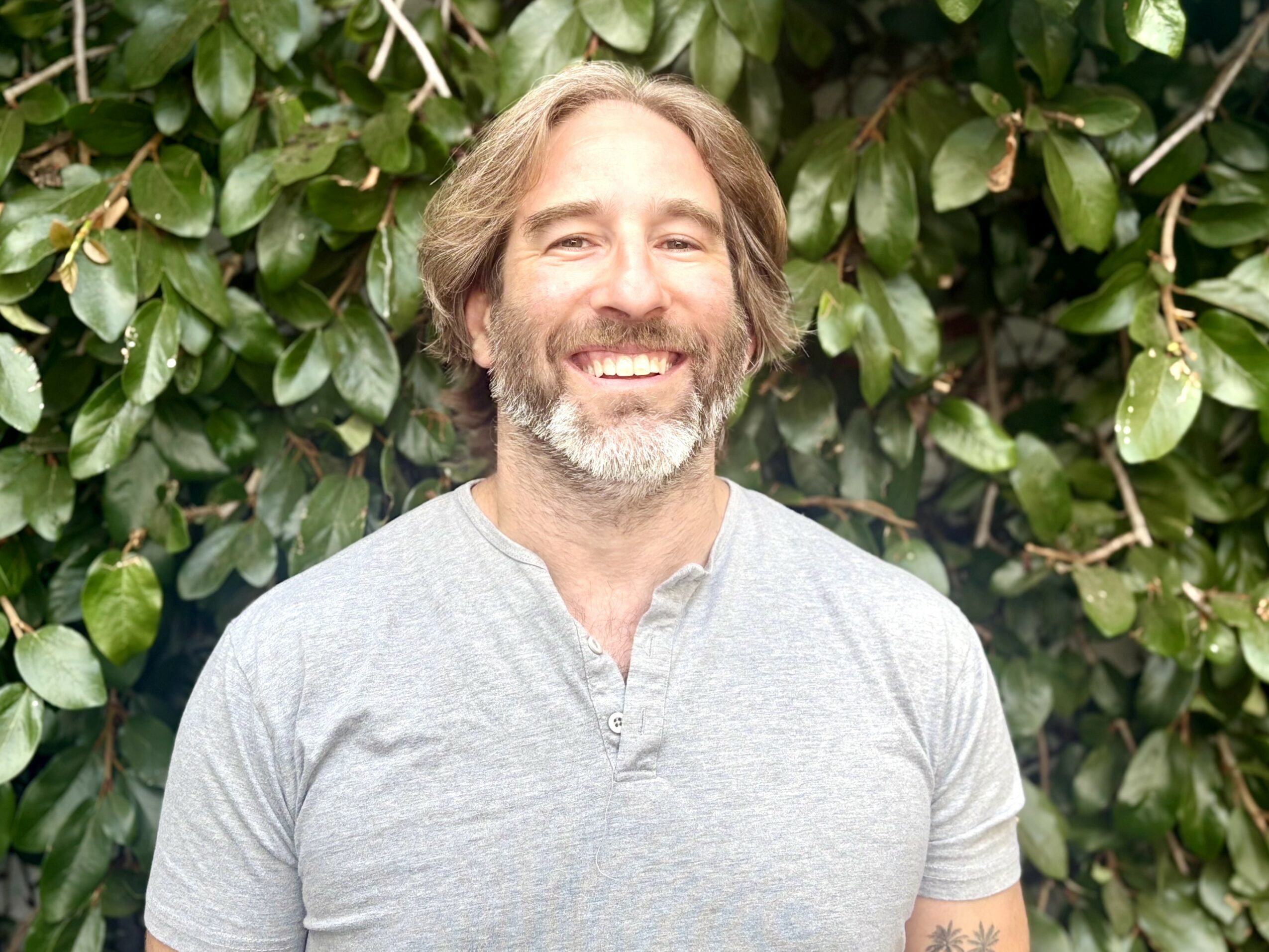
Today we’d like to introduce you to Rob Feiner.
Hi Rob, thanks for joining us today. We’d love for you to start by introducing yourself.
I originally came from an athletic background. I competed in and coached Mixed Martial Arts in the late 90’s and early 00’s. I was living in Western Massachusetts at the time with my coach Kirik Jenness. I loved the sport so much, but back in those days there was no money and not much of a future in competing in MMA. After a “career” ending injury in 2004, I moved back home to Long Island.
I had a family friend/father figure who worked in mental health as a social worker in a high school. Because I loved coaching so much, he and I thought that would be a natural fit for me to work with kids and mental health. I enrolled in LIU’s graduate program and moved to Los Angeles in 2007 to start a position as a guidance counselor at a public school in the valley. I started surfing and continued to train MMA on and off for years, but soon felt burnt out by the public education system. I went on to meet my mentor, Jeff Bornstein, at a networking event for the California Association of Licensed Professional Clinical Counselors. Jeff took me on as his associate and I was able to become licensed to practice therapy myself in California. In 2017 I left the school district and began my journey in building a private practice.
We all face challenges, but looking back would you describe it as a relatively smooth road?
It was not the smoothest road! After my MMA fighting days ended, I had a lot of grieving to do. My identity at that point was MMA, and without it, I was lost. It took starting therapy and talking with my support system to land upon my return to grad school. Again, about two years into my school counseling job, I felt as though it was not a good fit. Because of the restrictions of my out of state degree, complacency on my part, and a genuine insecurity in my abilities to leave a very cushy secure job and strike out on my own, it took me another eight years to make the transition to my current career. It was really scary to take that leap from a guaranteed income, pension, and lots of vacation time to a future that was completely uncertain. I had a lot of incentives, being able to surf whenever I wanted, working for myself etc, but still, it was a very scary step to take.
Appreciate you sharing that. What should we know about Dragonfly Mental Health Professional Clinical Counselors Inc.?
My practice is called Dragonfly Mental Health. I am a Licensed Professional Clinical counselor. Currently I have four other clinicians working under my supervision with a variety of specializations. As for me, because of my background in athletics, my initial niche was working with what I like to call twilight athletes, those who are on the tail end of their career. Most of these folks don’t have a Plan B, nor was there ever a thought to what comes in life after sport. I can relate to that. It’s not something on their radar because sports is the means to an end, and it takes full concentration to accomplish that goal. By the time an athlete comes to see me, they may be in a very vulnerable state, injured, cut from a team or organization, or into a multiple bout losing streak. I love working with this clientele to help find who they are as a human being, outside of their sport. We always work with the concept that we are a human first, an athlete second.
The other niche I found myself falling into is helping new and prospective fathers. Transitioning to fatherhood was a difficult road for me and at the time, I didn’t see much out there in terms of support or resources. Since then, it has been a pleasure to work with a number of new and prospective parents in navigating the uncharted waters of what parenthood, partnership, and being a dad looks like in 2025. A big concept I like to share with clients is that I am not some expert, or guy with a wireless mic on stage who is going to preach to you on the way to “optimize your fatherhood game.” I’m just a regular dude who is a therapist and is on that journey with you.
Any advice for finding a mentor or networking in general?
Forming relationships with people in the mental health field and parallel fields like physical therapy and athletic coaches was what helped me create a sustainable private practice. As for mentors, I always suggest reaching out to those in your circle and asking them out for a cup of coffee to tell you a bit about what they do and how they got there. As this article would prove, people LOVE to talk about themselves. If you don’t have someone you know in the field, it may help to scan your local professional org or even LinkedIn for ideas. Doing some careful googling and then reaching out (i.e. cold calling, not emailing) can be a good start. Again, invite someone out to coffee or lunch and have some questions ready. You are not asking for a job, you are asking them about their path.
Pricing:
- If you are in need of someone to talk to, don’t hesitate to reach out to a professional. It’s a step that takes a lot of guts, and because we have a pretty difficult healthcare system to navigate. It takes time, but stay diligent and you will find someone who is a good fit. As for my own practice, I take private pay clients and I am in network with a number of insurance panels including Evernorth/Cigna, Aetna, Optum/United and HealthNet. I also have a number of associates at my practice who are open to taking on new clients.
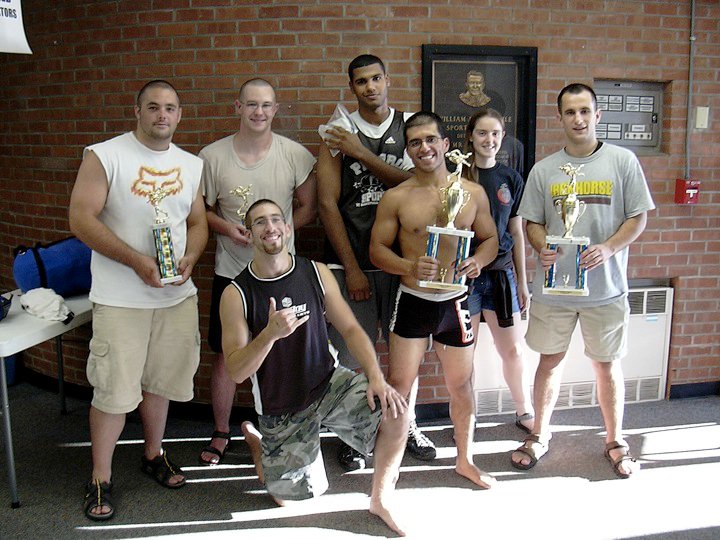
- picture 2 is me in 2003 with a team a coached at a bjj tournament
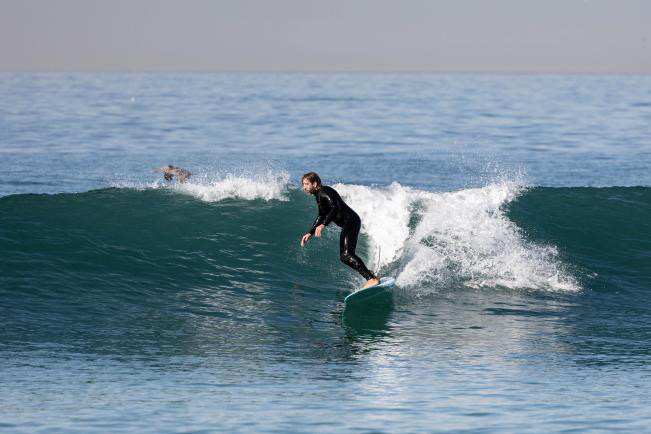
- picture 3 is me surfing in 2022
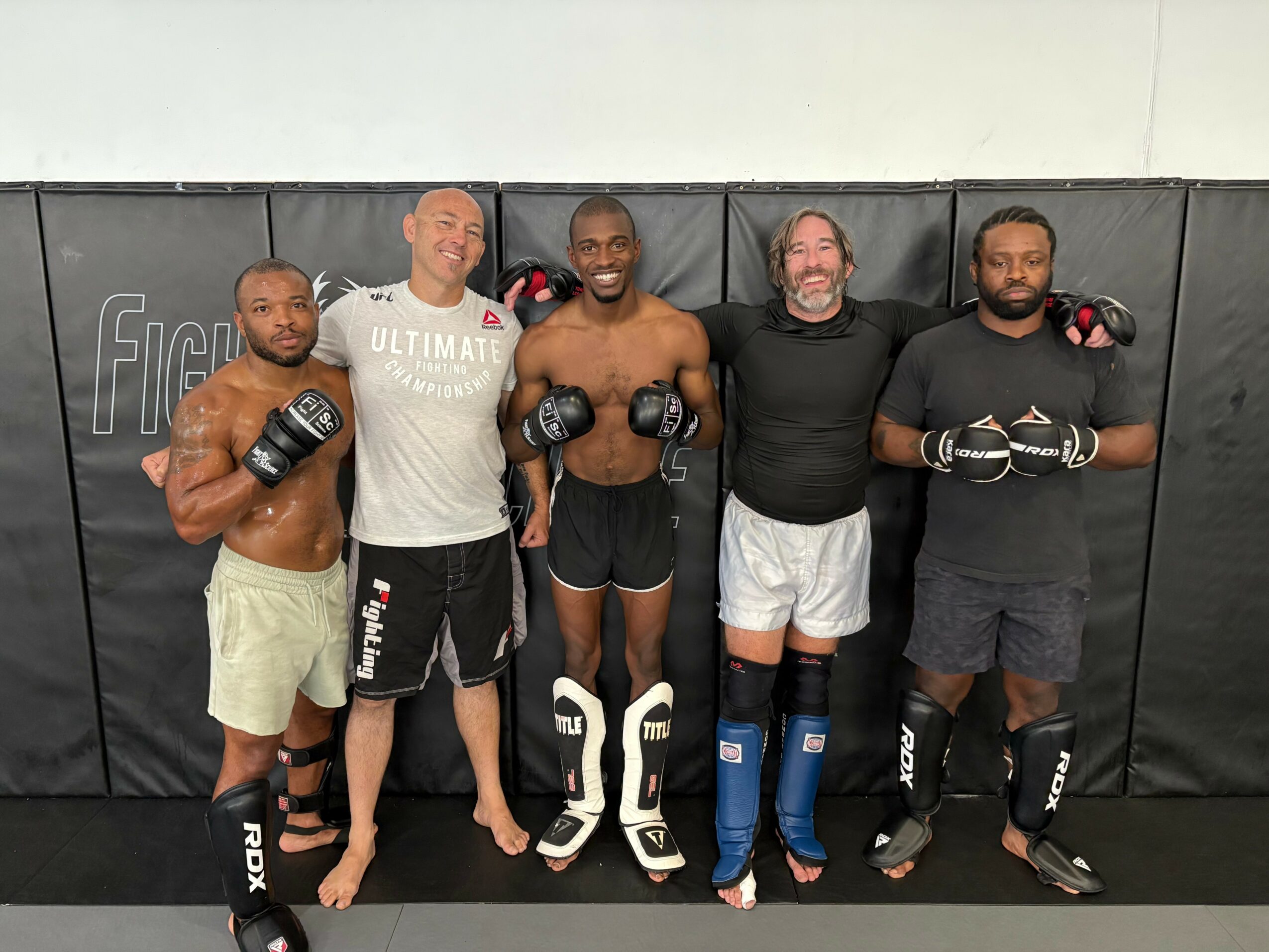
- picture 4 is me with the mma team with coach Ian Harris and I help out with preparing for amateur mma fights
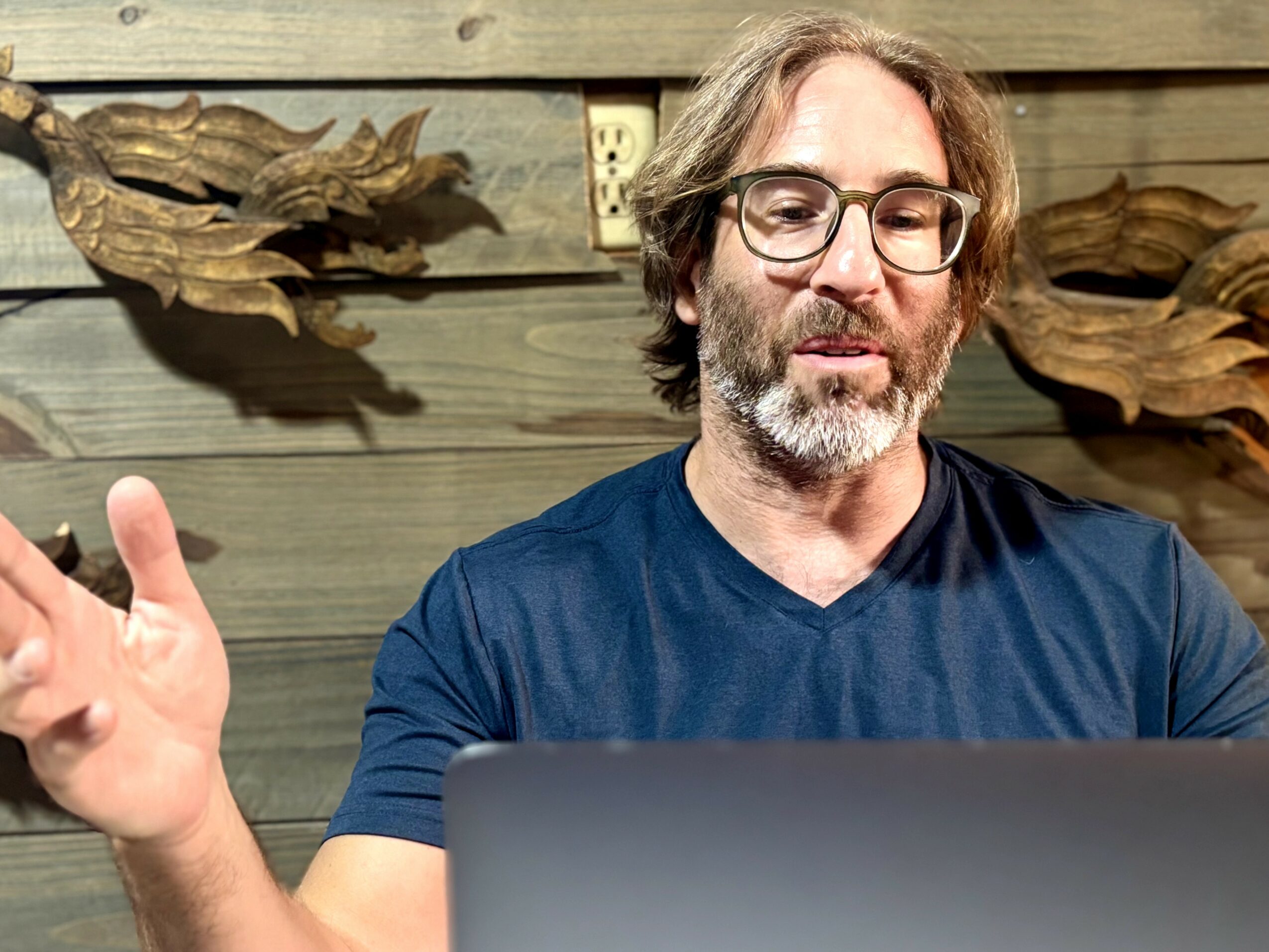
- Picture 5 is me at my desk in my home office with my backdrop exposed as a backdrop
Contact Info:
- Website: https://www.robfeiner.com
Popular
-

Robin Olive on Building an Inclusive Performing Arts Movement and Expanding Opportunities for Every Student
-

Portraits of the Valley
-

LA’s Most Inspiring Stories
-

Que Johnson on Building Brands That Last: From Visibility to True Market Authority
-

Christina Wren Steps Into the Director’s Chair to Tell Stories That Feel Like Home
-
JordanL on ‘Breathe,’ Belief, and Building a Movement Beyond the Music


