




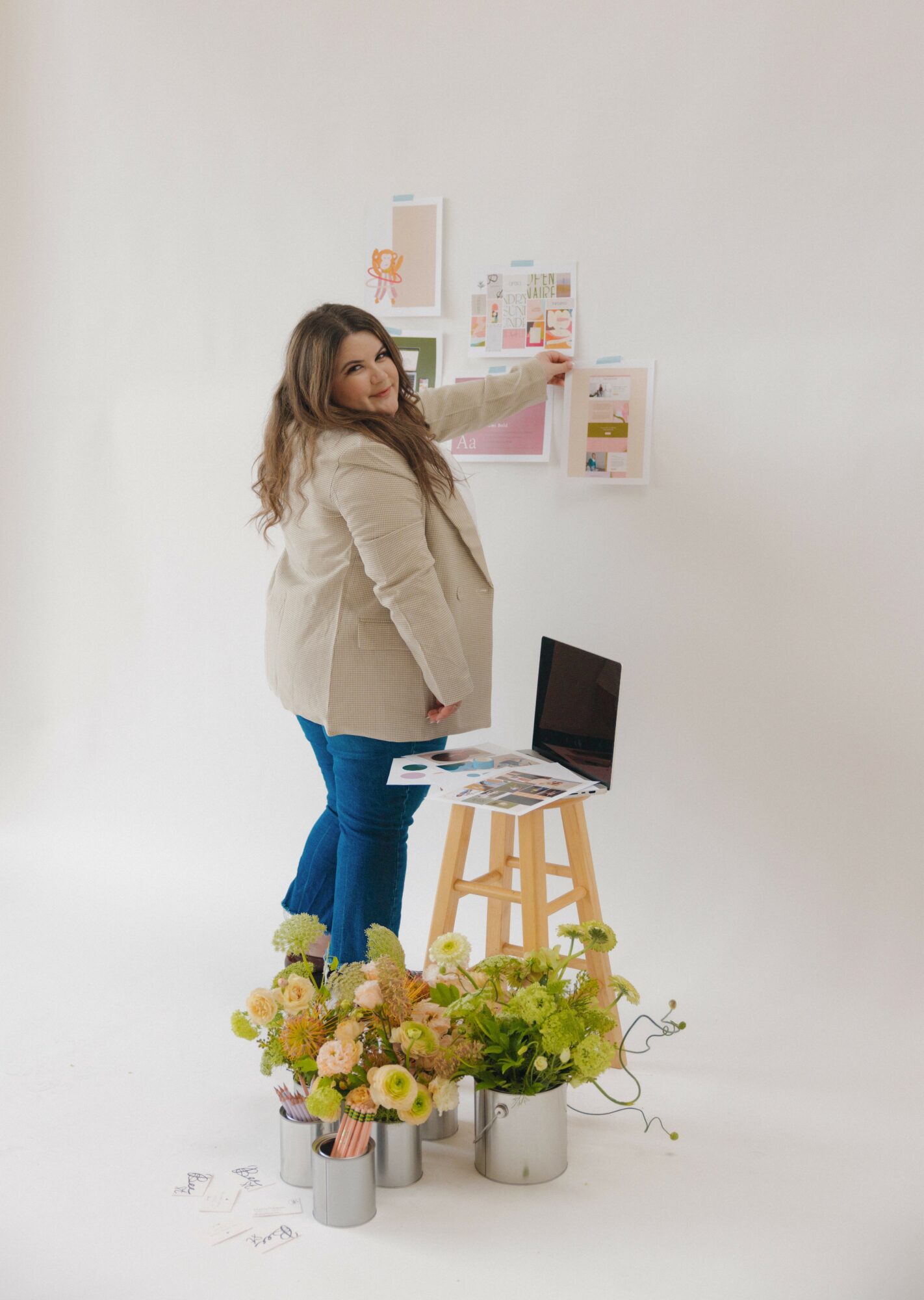
Today we’d like to introduce you to Marina Babigian.
Hi Marina, please kick things off for us with an introduction to yourself and your story.
I think a lot of branding is really about translation. Most people already know who they are, but translating that into something visual, cohesive, and trustworthy is much harder. Especially in people-centered industries, where clients are often deciding whether they feel comfortable enough to let someone into their lives. A huge part of my work is helping people communicate the things that are already true about them, often before they even know how to articulate those things themselves.
Looking back, I think that’s why I was always drawn to creative work that centered around people. In high school, I started doing photography out of my parents’ basement and around my hometown, mostly portraits and candid photos of friends. This was right around the rise of Instagram, and I became really interested in trying to capture people in a way that felt recognizable to them. Not overly polished or performative, but reflective of how I actually saw them. I don’t think I realized it at the time, but I was already interested in the same things I focus on now: perception, storytelling, personality, and emotional connection.
As I got older, that naturally evolved into branding. I became fascinated by the way visuals, messaging, and experience all work together to shape how a business feels. I’ve always noticed when something feels aligned and intentional, but I notice just as quickly when something feels disconnected. The strongest brands, to me, aren’t necessarily the loudest or trendiest ones. They’re the ones that feel immersive and deeply consistent, where every piece supports the bigger picture.
That perspective especially shaped the work I do now with therapists and other service providers. A lot of my clients are trying to strike this balance between professional and human. They want to be taken seriously, but they also want potential clients to feel comfortable enough to trust them. That balance is nuanced, and it’s something I genuinely love helping people figure out. My favorite part of the process is usually taking all the small details someone shares about themselves, their practice, and the experience they want people to have, and weaving those things together into something that finally feels like them.
At the end of the day, I think that’s what has stayed consistent throughout all of it. I like working with humans. I like understanding what makes people distinct, and finding ways to shine a light on that. There’s a really specific moment when a client sees their brand coming together and you can almost watch them recognize themselves in it. That feeling just never gets old.
Alright, so let’s dig a little deeper into the story – has it been an easy path overall and if not, what were the challenges you’ve had to overcome?
It definitely hasn’t been a perfectly smooth road, but a lot of the challenges have pushed me to better understand both my work and the way I want to run the business. One thing I’ve had to navigate over the years is the misconception that branding is mostly about decoration, or just making something “look nice.” Especially now, when platforms like Canva and AI tools have made design much more accessible, I think more people are engaging with branding than ever before, which I genuinely love. But I also think it can sometimes blur the line between visuals and strategy.
For me, branding has always gone much deeper than aesthetics. Especially for human-centered businesses, your brand is often someone’s first impression of what it might feel like to work with you. In a lot of ways, it functions like an office space does. Before someone reaches out, they’re already picking up on tone, personality, professionalism, warmth, and fit. The challenge has been learning how to communicate the depth behind that work, because so much of what makes branding effective happens beneath the surface.
As the business has grown, I’ve also had to refine the operational side of things quite a bit. Better boundaries, stronger processes, clearer timelines, and systems that support both my clients and my creativity. I’m a very strategic thinker, but some of my best ideas still come from letting my brain wander and make connections naturally. Over time, I’ve learned that creativity actually needs structure in order to thrive sustainably, and building a process that leaves room for both has been really important for me.
At the end of the day, the most rewarding part of the work is still seeing someone feel more confident showing up in their business. The projects I’m proudest of are rarely just the ones that “look good.” They’re the ones where a client feels fully represented by what we created together, and where the brand feels distinct enough that it could only belong to them.
Thanks for sharing that. So, maybe next you can tell us a bit more about your business?
Bee Street Studio is a branding and web design studio centered around creating immersive, identity-driven brands that feel genuinely reflective of the people behind them. A lot of the people I work with already know who they are and how they want others to feel in their presence, but translating that into something cohesive and recognizable is a completely different skillset. That translation process is really at the heart of my work.
I primarily work with human-centered, trust-based businesses, especially therapists and service providers, where connection is such a huge part of the experience. In those spaces, people are often making deeply personal decisions based on someone’s online presence long before a consultation ever happens. A brand is communicating tone, personality, professionalism, and emotional fit constantly, whether intentionally or not, and I think that’s something many business owners underestimate.
A lot of my process involves connecting dots clients don’t even realize they’re giving me. People often come in with scattered ideas, references, values, and instincts they haven’t fully organized yet. One of my favorite parts of the process is helping shape those things into something tangible that feels aligned and recognizable to them. The best feedback I can get is usually some version of, “This finally feels like me.”
I also think people are often surprised by how much strategy sits underneath strong branding. Beyond the visuals, there’s so much thought that goes into positioning, messaging, audience perception, emotional tone, and the way all of those pieces work together to create trust and consistency. The design matters because of what it communicates.
What were you like growing up?
I was always someone who noticed how things felt. Growing up, I was incredibly drawn to atmosphere, presentation, and the little details that made experiences memorable. My room was constantly changing because I always wanted to reinvent it somehow. I was also really drawn to places that felt like worlds of their own; anywhere with a strong point of view or a sense of storytelling. I think that fascination with immersive spaces and visual storytelling shaped a lot of how I approach branding now, even before I realized that’s what I was interested in.
Personality-wise, I was definitely shy at first, but very expressive once I felt comfortable. I’ve always been emotionally perceptive and probably a little intense in the way creative people tend to be. I was also constantly documenting things. I was the friend always taking the photos, making things, illustrating, collecting memories, and saving tiny sentimental objects that other people would throw away. I still save handwritten cards because handwriting feels so deeply tied to the person who wrote it. All of my tattoos are in handwriting, and even now I incorporate hand-drawn elements and handwritten details into a lot of my work because I think people are craving things that feel human and personal.
I think I spent a lot of my younger years wanting to belong while also naturally standing out in ways I didn’t fully recognize at the time. Looking back, I can see that I was always trying to create connection through visuals, experiences, and storytelling. Whether it was photography, illustrations, presentations, or redesigning my room for the hundredth time, I was always trying to build something that made people feel something.
For a long time, I honestly didn’t think creativity was something you could build a real career around. I knew I loved it, but I never really imagined it could become my actual work. I feel endlessly grateful that this is what my day-to-day looks like now.
Contact Info:
- Website: https://beestreet.studio/
- Instagram: https://www.instagram.com/beestreetstudio/
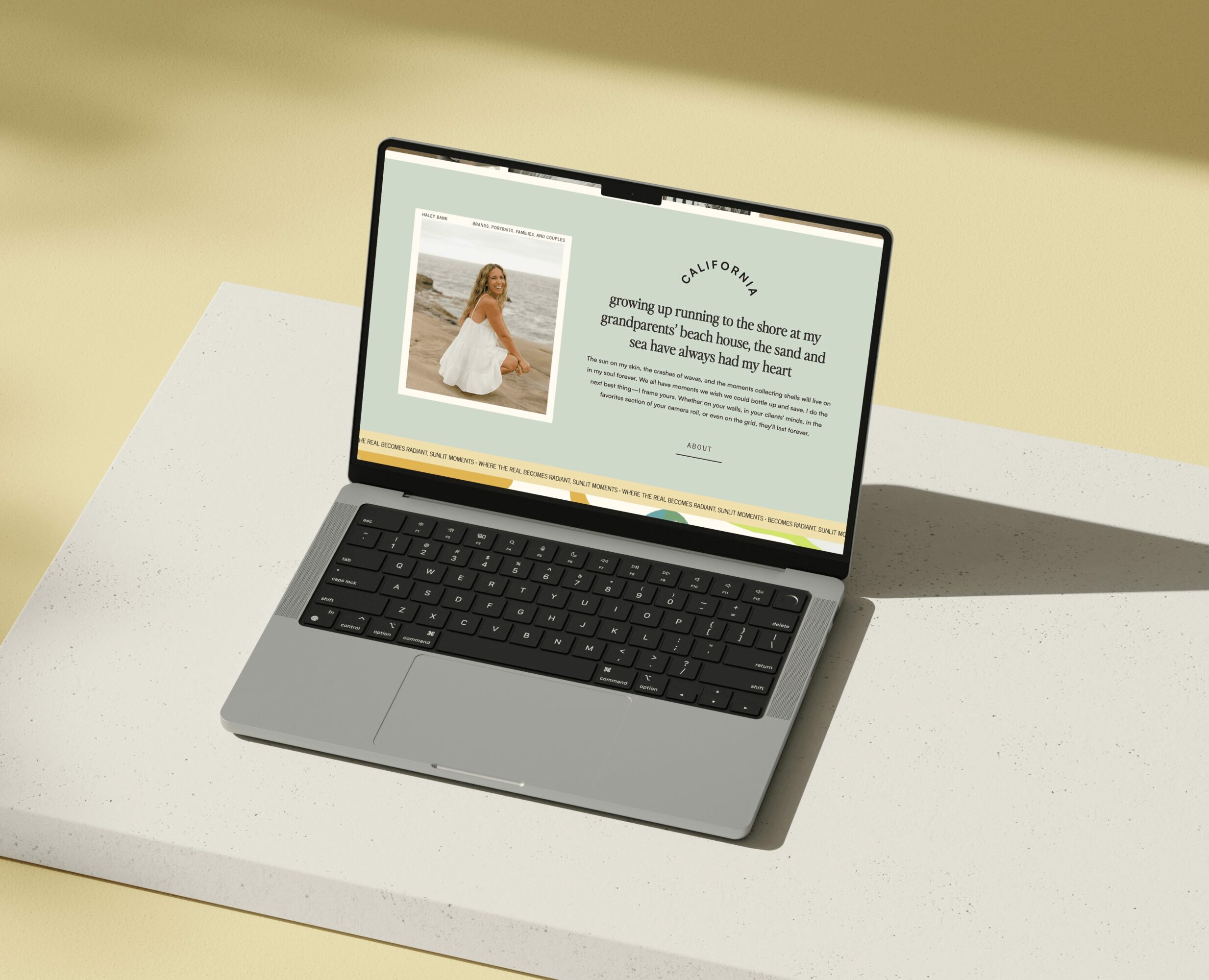
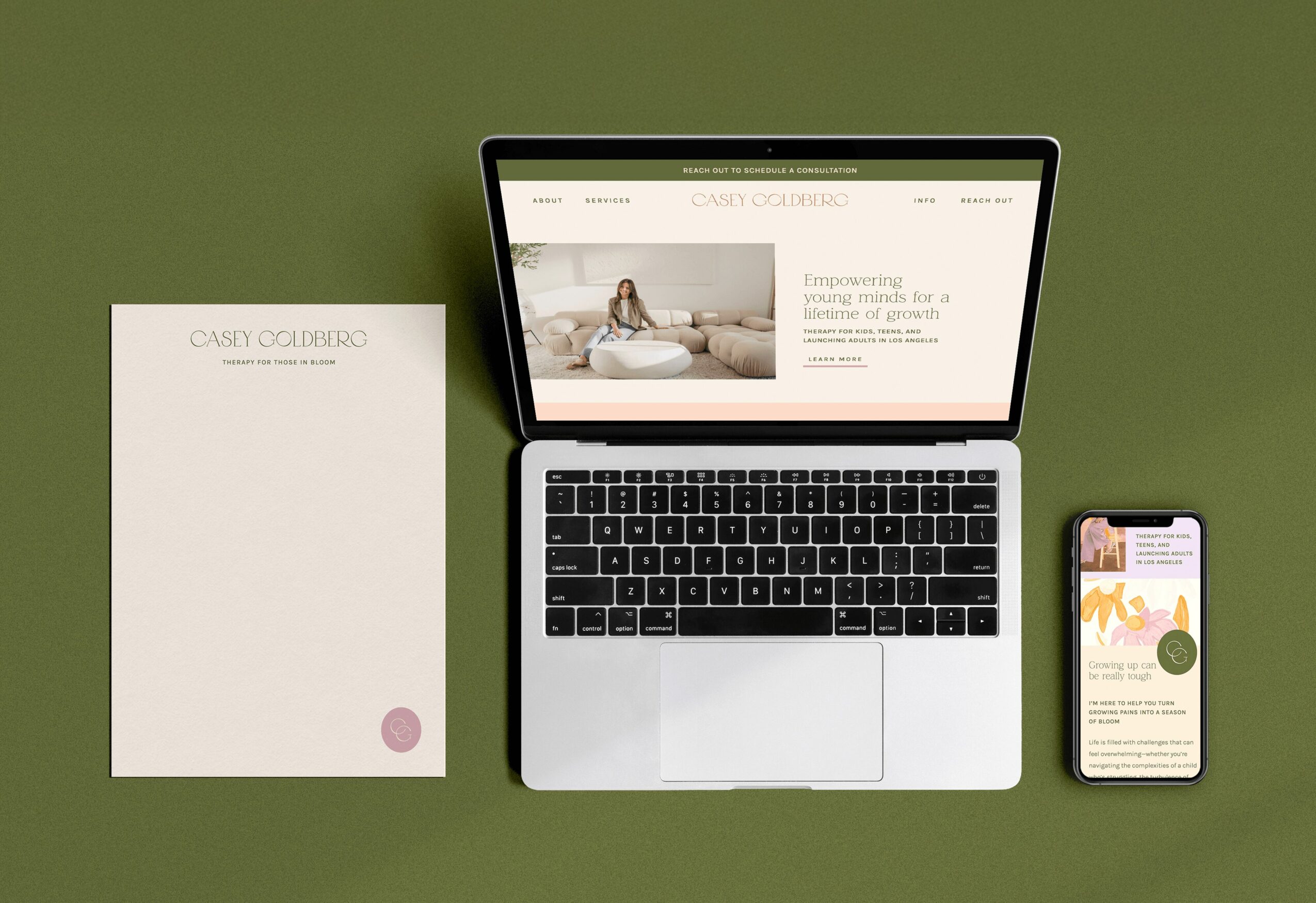
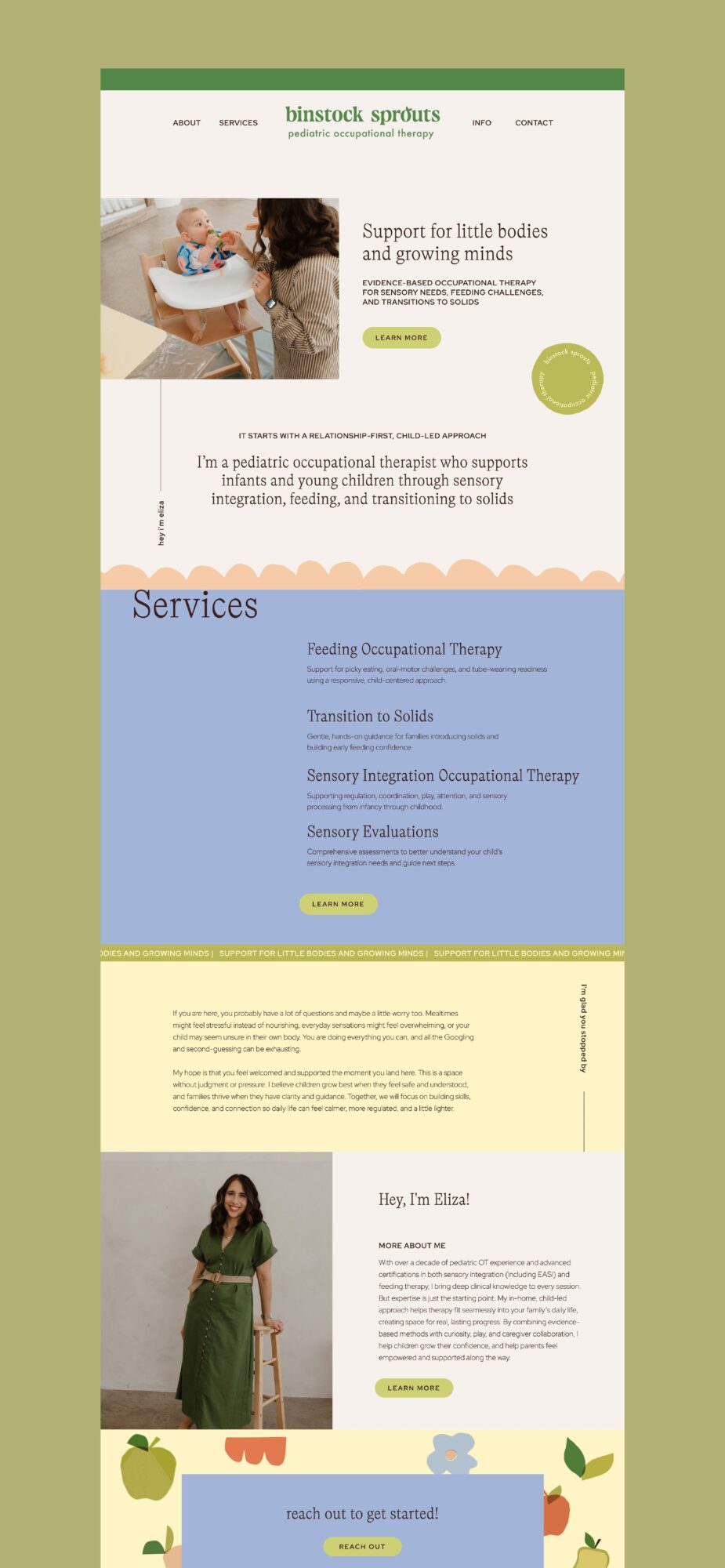
Image Credits
Haley Bank
Popular
-

Portraits of the Valley
-

LA’s Most Inspiring Stories
-

Robin Olive on Building an Inclusive Performing Arts Movement and Expanding Opportunities for Every Student
-

Que Johnson on Building Brands That Last: From Visibility to True Market Authority
-

Christina Wren Steps Into the Director’s Chair to Tell Stories That Feel Like Home
-

JordanL on ‘Breathe,’ Belief, and Building a Movement Beyond the Music


