




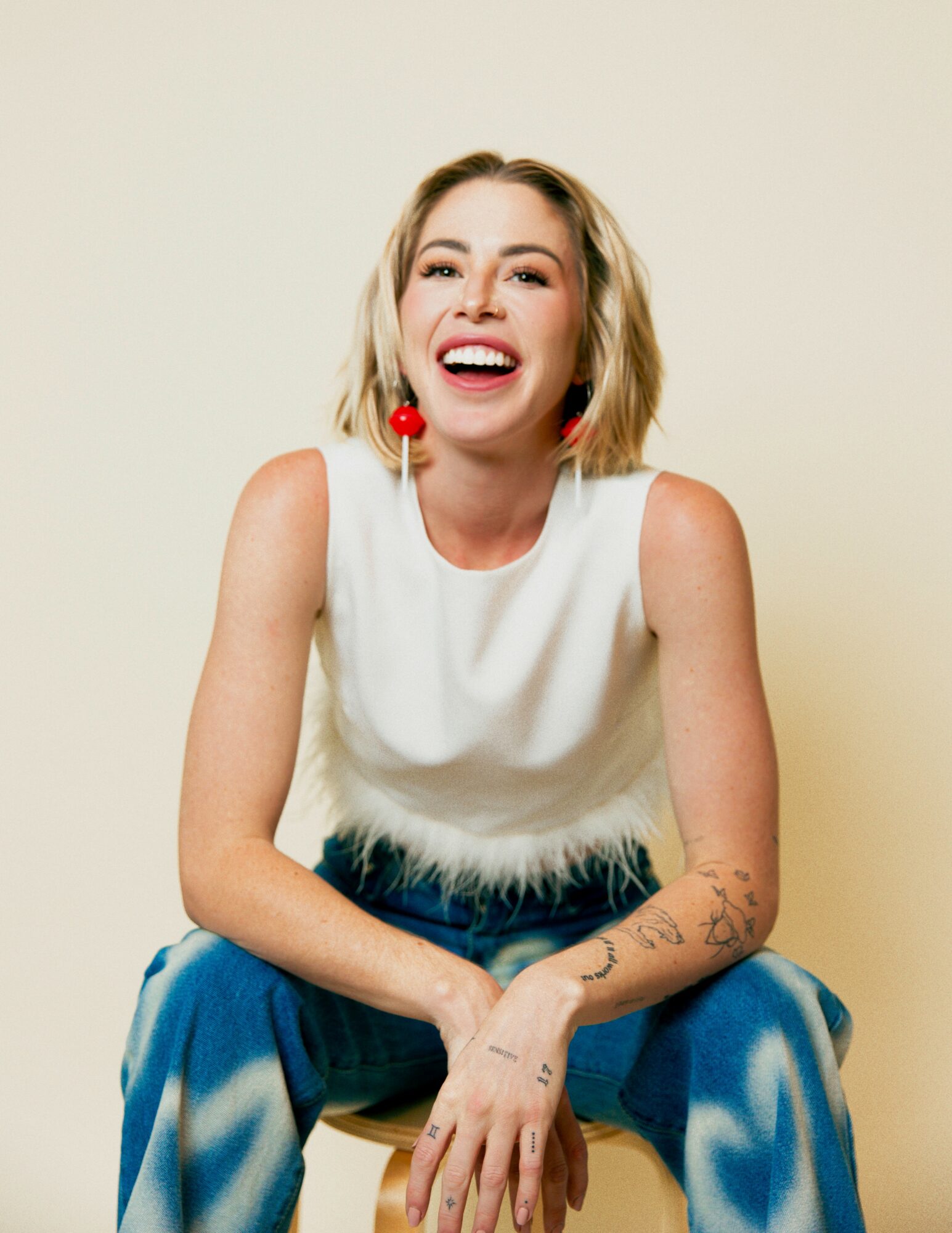
Today we’d like to introduce you to Kelsey Darragh.
Hi Kelsey , we’d love for you to start by introducing yourself.
Kelsey Darragh is a filmmaker, author, and content creator whose work bridges comedy, mental health, and documentary storytelling. She got her start as a development partner and producer at BuzzFeed, where her videos have amassed hundreds of millions of views and helped shape a generation of women-centered internet content. She is a Sundance Institute New Voices fellow (2019) for her dramatic comedy on mental health and relationships, Where We Are. Her feature documentary, The Limits of Forgiveness, had its digital premiere in December 2025. She is the Executive Producer and co-creator of Springhill’s In Custody Of The State: A Case For Saraya Rees (2022) and the creator and EP of BuzzFeed: Behind the Crime. She previously hosted E! Network’s Dating: No Filter and has been the host of the long-running podcast Confidently Insecure since 2020. Her first book, Don’t F*cking Panic, was an Amazon bestseller in Mental Health, and her second, Don’t Do What I Did, publishes May 2026.
We all face challenges, but looking back would you describe it as a relatively smooth road?
Smooth?? Ha. No. Making a feature documentary (especially your first one as a director) is not a smooth road, it’s a back road full of potholes and you’re driving without a license with your eyes closed. But choosing the right story and it’s message made all of the hard work worth it.
The biggest fight was getting people to take me seriously as a filmmaker. I’ve been making content on the internet for over a decade, and a lot of that work has been comedy and mental health stuff that I’m incredibly proud of but when I told my old agents I wanted to make this, I heard a lot of feedback like, “isn’t this just a story about a rapist walking free?”. That’s when I realized, “oh, people aren’t understanding the whole point of this movement if that’s what you believe!”.
With so many no’s, I decided to self-fund the proof of concept short film about Marlee. We won some awards and were able to secure a tiny bit of funding to turn it into a feature film. This took 4 years to do. The version of me who started this film is not the version of me who finished it. You don’t make a film called The Limits of Forgiveness without dragging yourself through some of your own stuff in the process. I had to keep showing up as a director — composed, prepared, in charge of the room — while also being a human being processing the same hard things as the people I was filming while also keeping investors happy and the delivery of the project on time.
I learned how to advocate for myself as “just an internet creator” or “influencer” to prove that what I had to say was not only valuable but should be showcased on premium networks.
We’ve been impressed with The Limits Of Forgiveness, but for folks who might not be as familiar, what can you share with them about what you do and what sets you apart from others?
The film is called The Limits of Forgiveness, and it follows Marlee Liss — the first person in North American history to allow the courts to allow restorative justice for her sexual assault case. Instead of going through a criminal trial system that fails almost everyone who walks into it (98% of sexual assaults never even make it to trial), she chose to meet face-to-face with the man who assaulted her, in a structured process built around accountability instead of incarceration.
It’s a hybrid documentary. Live-action interviews and vérité footage woven with animation for the moments that needed gentler hands to protect the process. We follow Marlee, alongside other survivors, advocates, legal experts, and a Crown Attorney who was professionally disciplined just for supporting this kind of process.
What I want people to know going in: this is not a film about forgiveness as a soft, redemptive bow on a hard story. It’s a film about what real accountability can look like when our institutions have failed — and what survivors actually need to heal.
I’m someone who’s spent ten-plus years watching what actually lands with an audience online: what builds trust, what gets shared, what gets ignored. I bring that instinct to long-form storytelling. The thing that I’m most proud of is that people trust me. Whatever medium I’m working in: the book, the podcast, the videos, now the film — people show up because they know I’m not going to fake an emotion or sell them something cheap. That trust is the only thing I actually care about protecting.
For this film specifically, I’m most proud that Marlee and the other survivors in it feel seen by what we made. They’ve watched cuts. They’ve cried. They’ve told me it’s the version of their story they wish everyone could see. That’s the only review I needed!
What was your favorite childhood memory?
I used to steal my dad’s giant camcorder (with real VHS tape inside) and make videos with all my friends from around the neighborhood. We loved to play pretend and watch back our skits in someone’s living room on the weekends. I never lost that love for picking up the camera and telling a story .
Contact Info:
- Website: https://www.kelseydarragh.com
- Instagram: https://www.instagram.com/kelseydarragh
- Facebook: https://www.facebook.com/officialkelseydarragh
- Youtube: https://www.youtube.com/kelseydarragh
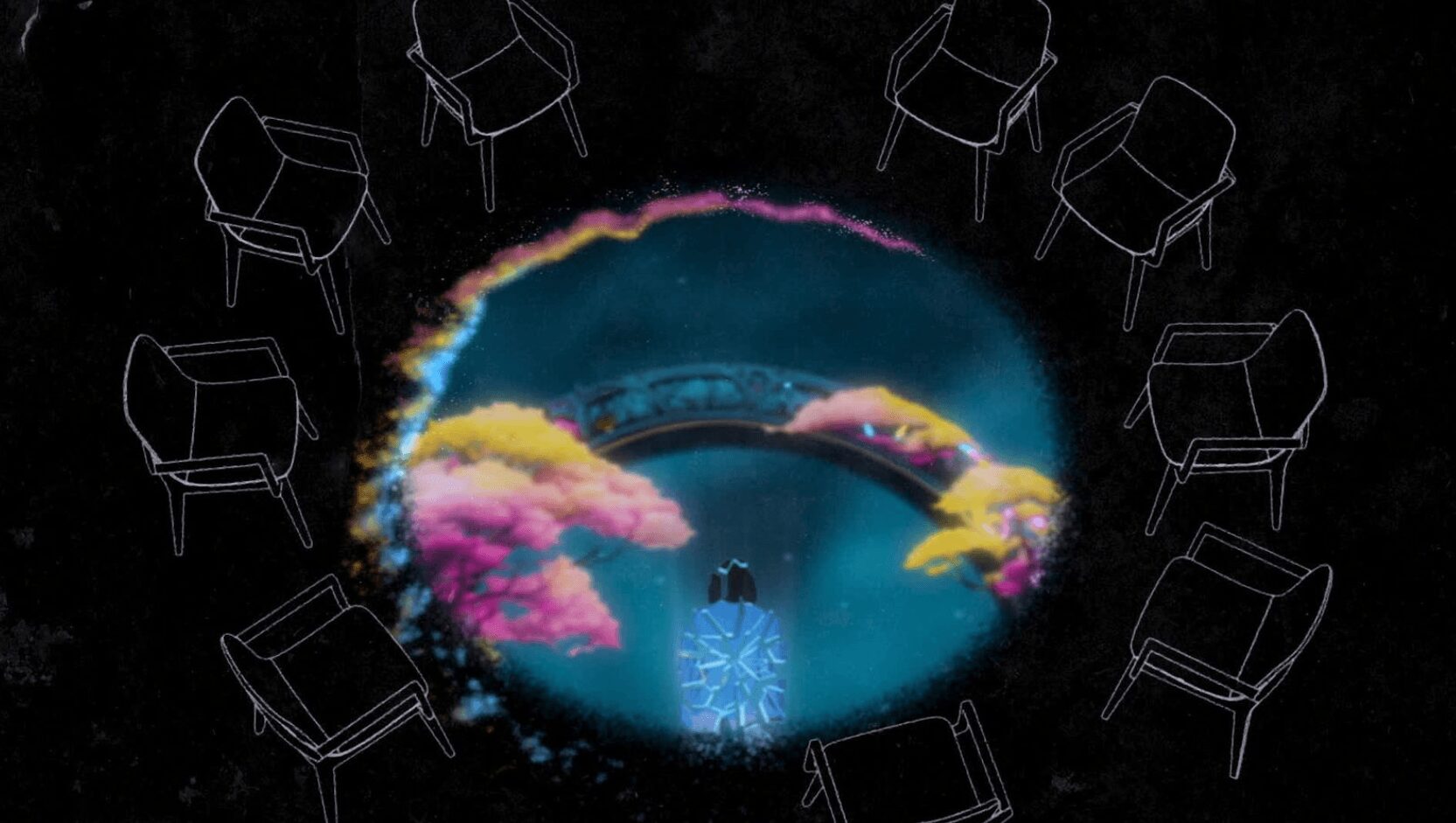
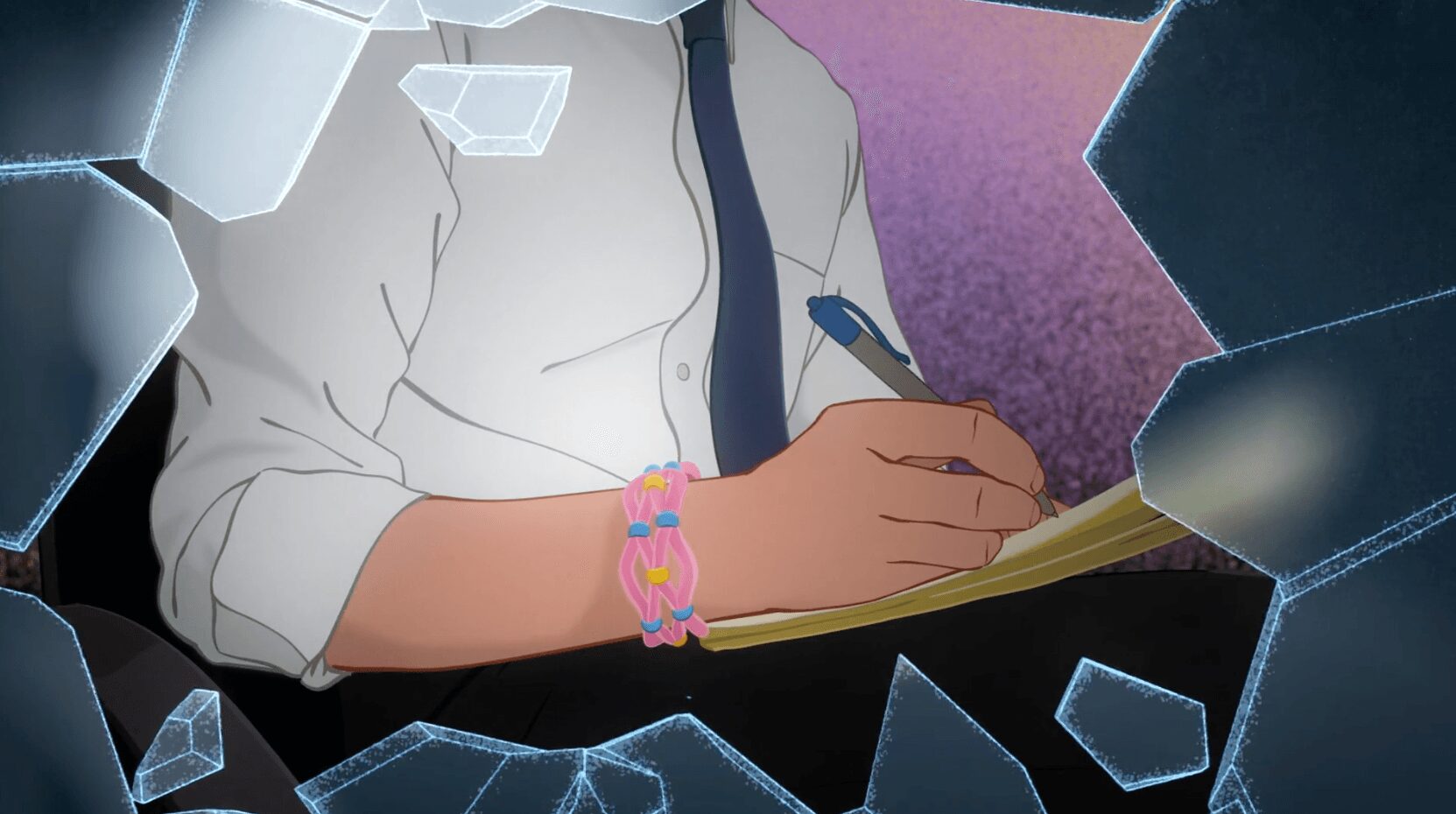
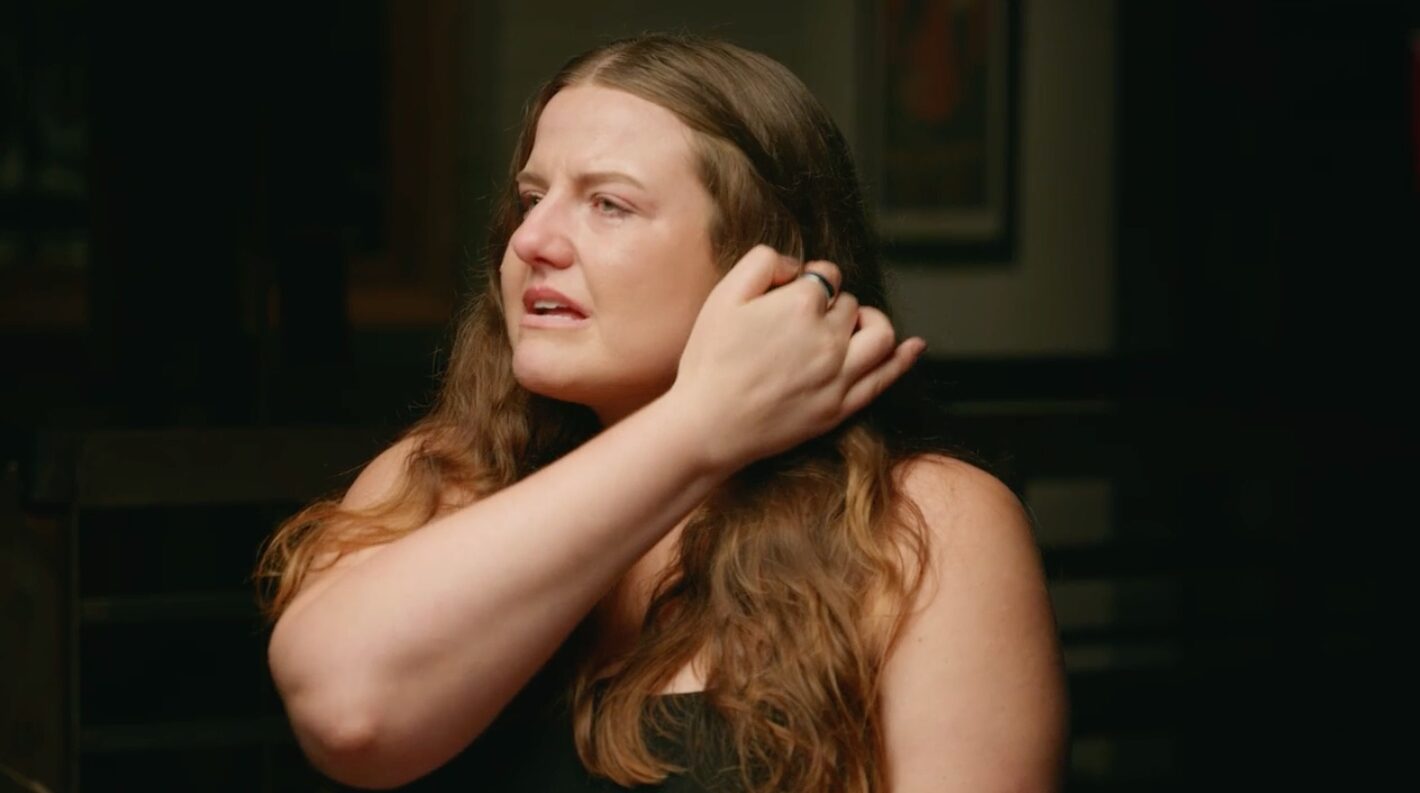
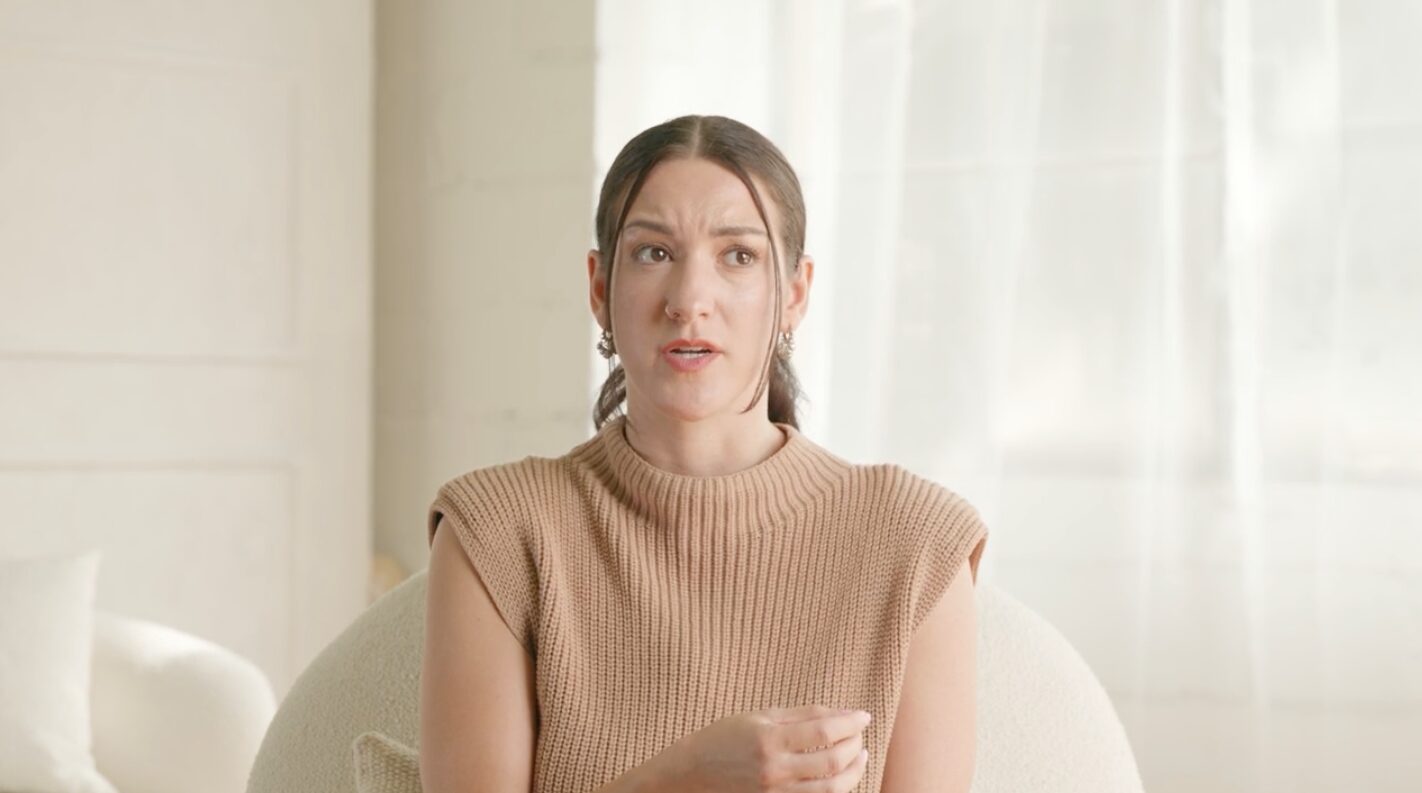
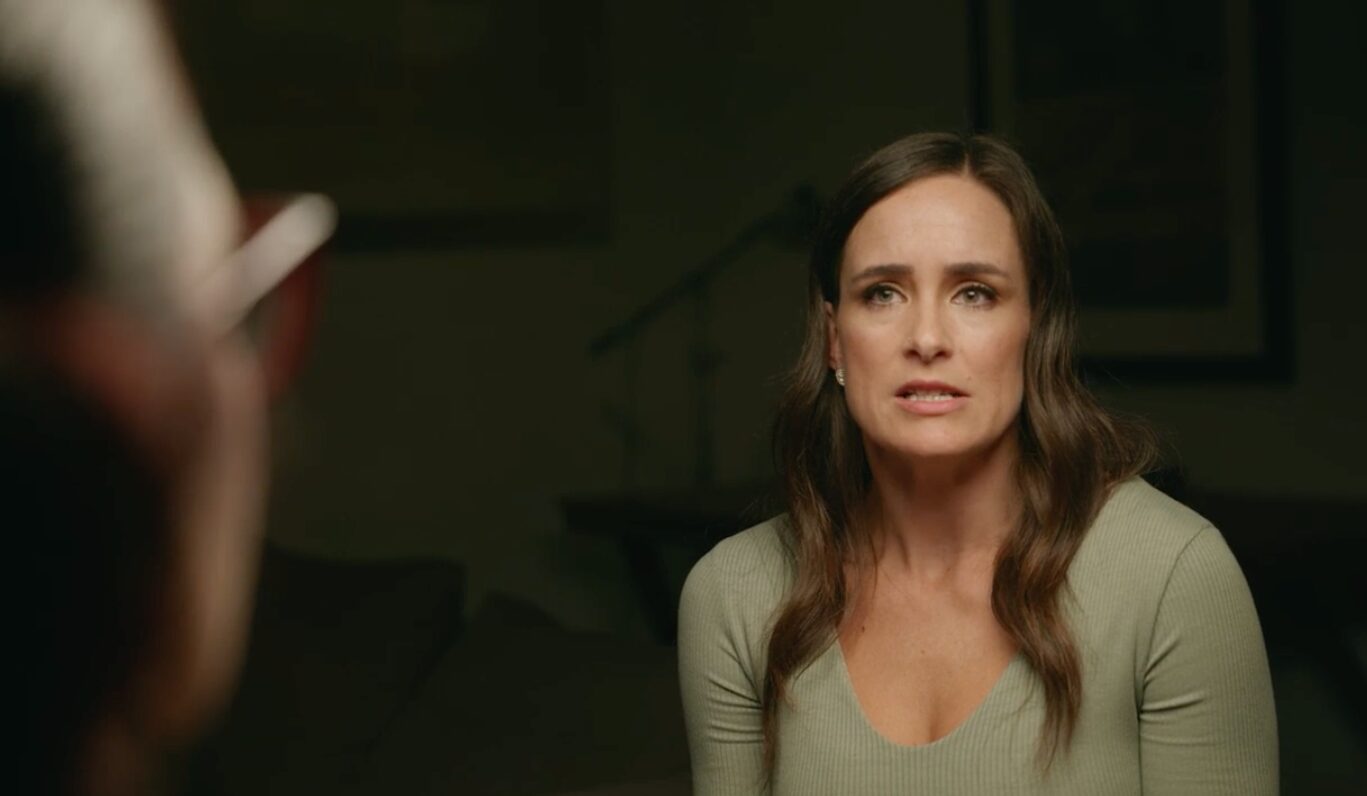
Image Credits
@stevenkanter @kelseydarragh
Popular
-
Maagic Collins on Building a Fearless Publishing Platform for Truth, Advocacy, and Underrepresented Voices
-
Los Angeles Barea on Turning Green Superheroes into a Global Movement for Youth-Led Change
-

Trisha DuVivier on Bridging the Franchisor–Franchisee Divide with Workhero and “Franulate”
-

Portraits of the Valley
-

LA’s Most Inspiring Stories
-
Cedar Boschan on Elevating Black Music Rights and Driving Urgent Conversations Around Credit, Equity, and Artist Protection


