



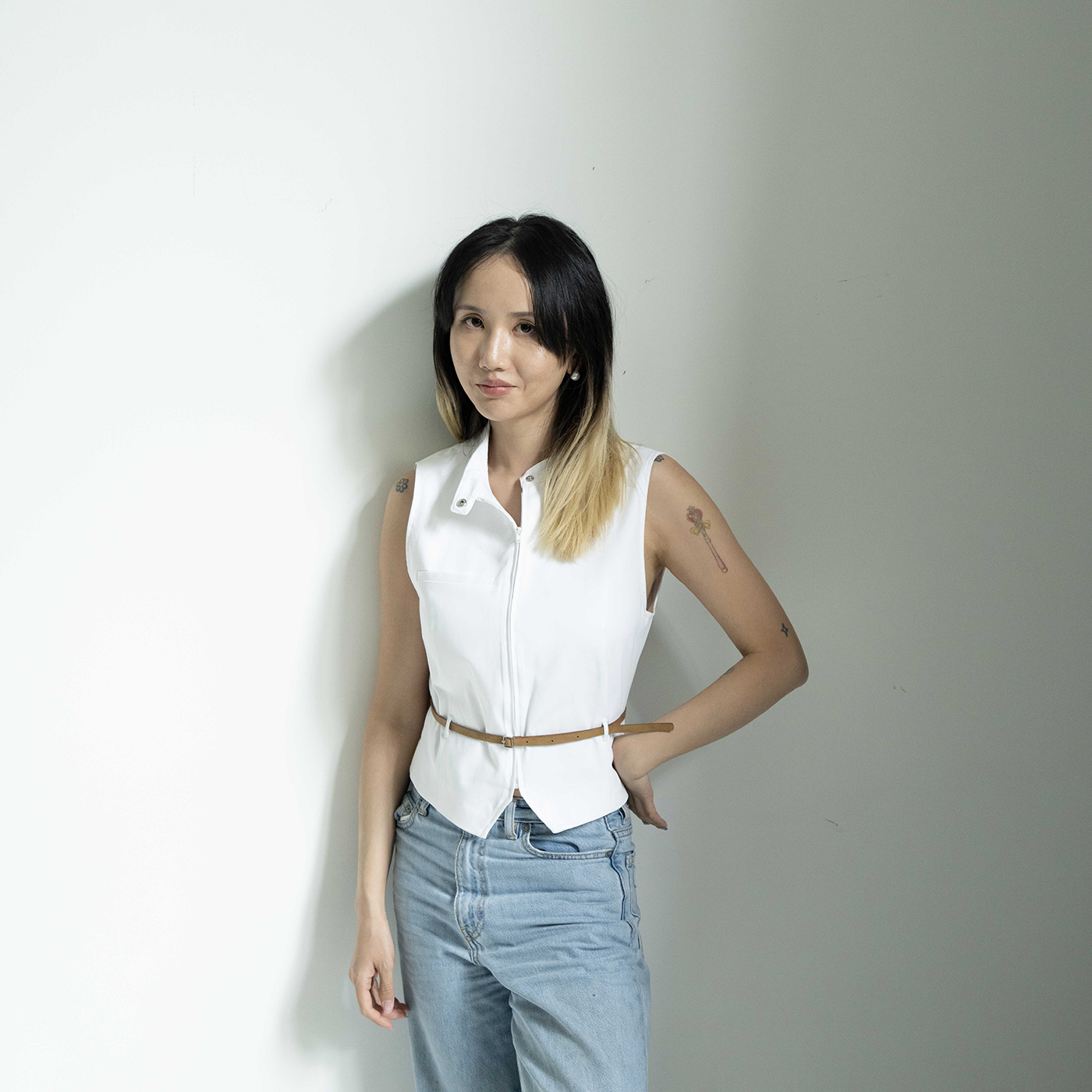
Today we’d like to introduce you to Tianyi Zhang
Hi Tianyi, thanks for sharing your story with us. To start, maybe you can tell our readers some of your backstory.
I am Zhang Tianyi, a multidisciplinary artist currently living between Los Angeles, USA, and Shanghai, China, frequently traveling between the two cities. I run my own art space in Shanghai and also engage in art projects in the U.S.
I was born in China and was introduced to art at a young age when my parents took me to a youth arts center. The years of art education I experienced were both strict and traditional. As a child, I approached my studies with a serious, almost restrained attitude, yet I longed for a free artistic expression. From a very young age, I started questioning: What kind of painting is “right”? What makes art “good”? Were the lessons my teachers taught me really the ultimate truth? Driven by this curiosity and persistence, I would attend a variety of art classes twice a week—calligraphy, sketching, Chinese painting, decorative art—until I naturally progressed to art school.
It wasn’t until I left my hometown and my parents, managing my own studies and life, that I began to realize my desire to break free from the structured learning models of the past. At the same time, I found myself increasingly fascinated by people’s behaviors and identities. I started to reflect on why I followed my teachers’ instructions so closely, why I applied to the schools they deemed the best. It all seemed to fit within a framework of identity and rules. Gradually, I began to use my art to express these doubts and reflections.
As a result, I chose to further my studies in photography and electronic media, and I eventually studied abroad. This allowed me to expand my artistic possibilities, using the most fitting and engaging ways to express my creative ideas.
I’m sure it wasn’t obstacle-free, but would you say the journey has been fairly smooth so far?
I believe that no path is always smooth, especially for artists. It’s a journey that requires perseverance and determination. I trust in the conservation of energy—excessive success or unexpected luck often comes with hidden risks, while all the setbacks and challenges we experience eventually transform into success and rewards at some point.
Growing up, my family wasn’t well-off, and both my parents and I made many sacrifices in pursuit of art. When I was young, my mother would take me on a ferry every week, enduring a long 4-5 hour journey to bring me into the city for art lessons. I remember during the SARS outbreak, all the children at the art center decided to not go to school Despite this, my mother still took me to class every week, and for a time, I was the only kid in the classroom. A few years ago, after graduating from my MFA, I encountered the pandemic again. The company I worked for was forced to shut down, and my long-planned solo exhibition and residency projects were canceled. What remained constant was the high rent I had to face every month. I remember feeling anxious and helpless in those moments. However after going through these experiences, I realized that I have more courage now to face unknown challenges and am better able to accept inevitable failures. These are all part of life’s experiences.
This year, my friends and I decided to run an art space in Shanghai. Many people asked me, given the current economic downturn, aren’t you afraid of failure in starting a new physical project? After considering the risks, I still decided to take on this opportunity and challenge. I also hope that the platform we’re building can provide more opportunities for artists who are quietly creating and persevering. I want it to offer a space where different artists and audiences can have more chances to connect and exchange ideas.
As you know, we’re big fans of you and your work. For our readers who might not be as familiar what can you tell them about what you do?
My artistic practice encompasses digital film, installation art, animation, performance, and social media, and I am constantly exploring the possibilities of different media. In my work, I focus on behavior patterns and modes of communication within today’s media-saturated and socially networked environment. Through interactive performances using self-portraiture, I highlight simple, habitual gestures as a way to explore the relationship between private and collective experiences, cultural pressures, expectations, and identity.
Recently, my work has focused on hand gestures and the role of physical labor in media production and the digital world. In my latest project, Nursery, I created a mixed-media installation that includes sculptures of hands adorned with fancy nail gloves, grass, and electronic screens. This project examines the issues surrounding women’s labor and the digital illusions created by cheap internet labor.
What was your favorite childhood memory?
I have many fond childhood memories, but those from before I turned 12 hold the most profound meaning for me. During that time, I lived in a relatively isolated, remote town, a small community that developed around government offices. I often saw groups of prisoners doing manual labor in the fields or walking in neat lines along the road. Most people in the community worked for the government, dressed in identical uniforms, sitting in offices laid out in the same way, with fixed work schedules. The community provided schools, activity centers, cafeterias, and entertainment clubs, so people always did the same things at the same time, in the same places. Everyone knew each other, and almost everyone’s lives were remarkably similar.
As a child, I was no exception. I wore the same blue school uniform as all the other children and studied just like everyone else. When teachers held open classes, they would ask us to sit up straight and encouraged everyone to raise their hand to answer questions. However, privately, they would tell us that those who knew the answer should raise their left hand, and those who didn’t should raise their right hand.
Perhaps it was because I didn’t like the uniformity of those school clothes, but at some point, I became very sensitive to these uniform behaviors and filled with questions about them. Much of my work is rooted in those childhood memories and doubts. Even though these collective behaviors or habitual actions have evolved with changes in the media and living environment, I believe their essence remains the same.
Contact Info:
- Website: https://www.zhangtianyi.org
- Instagram: https://www.instagram.com/tianyii1/
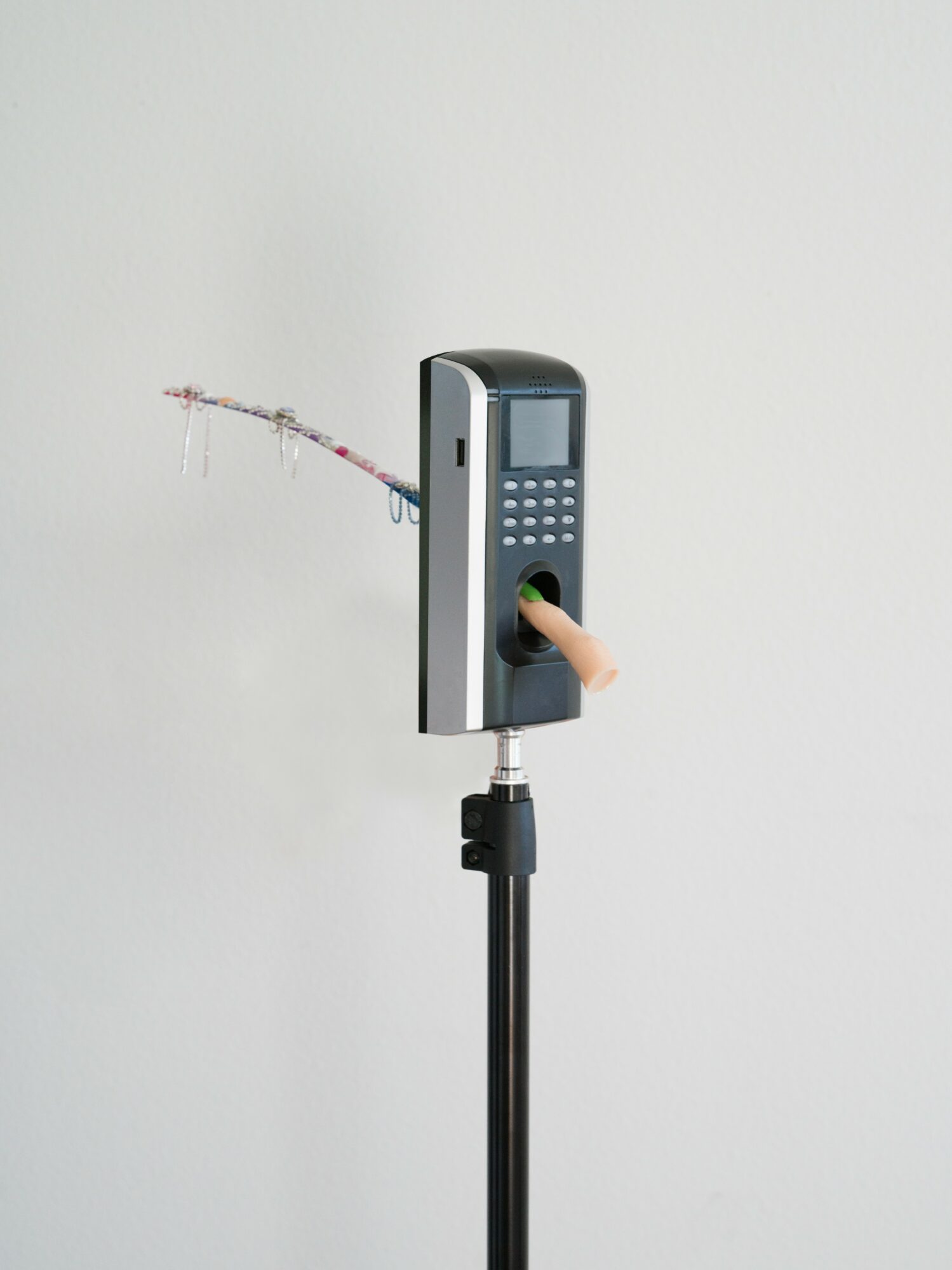
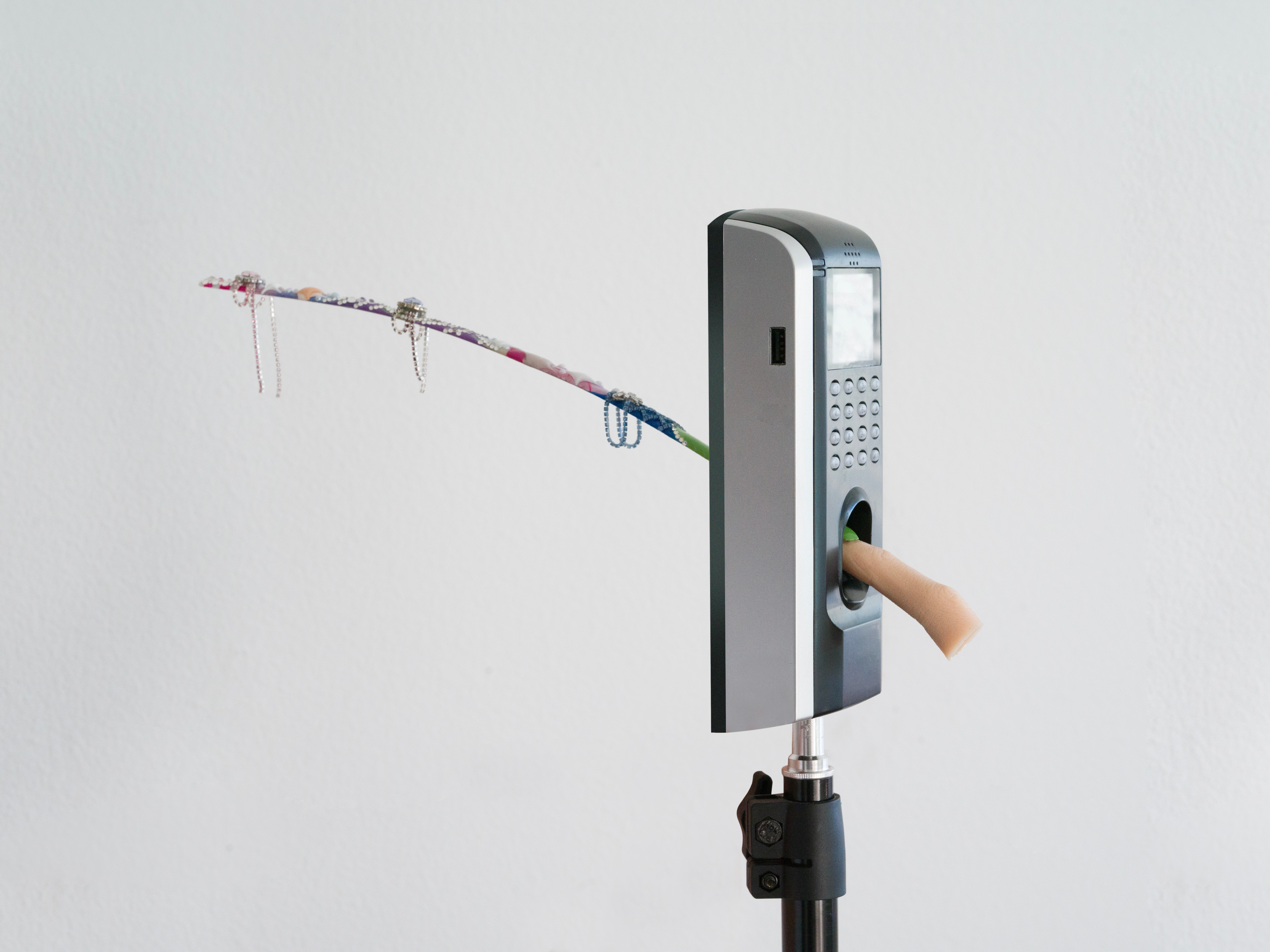
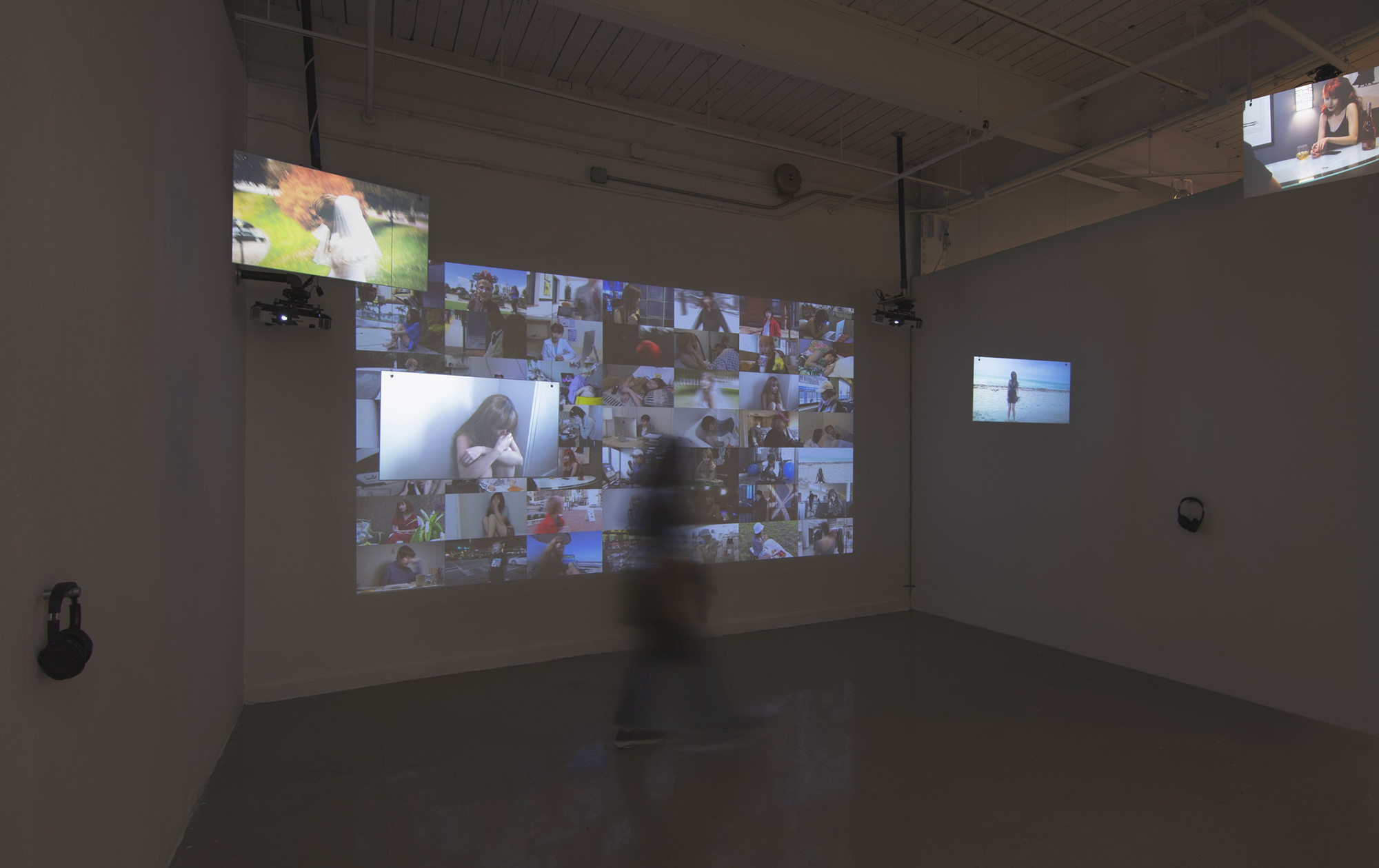
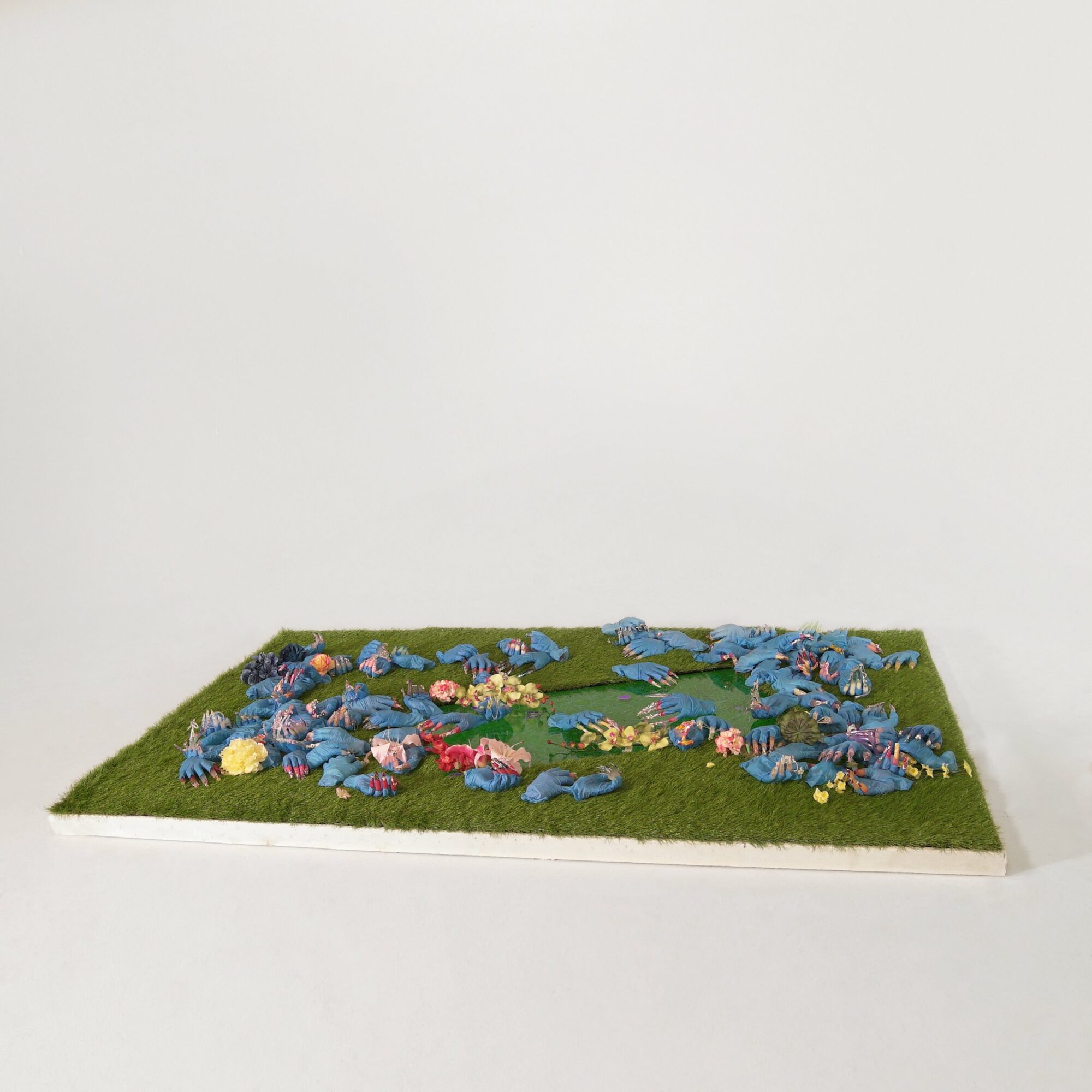
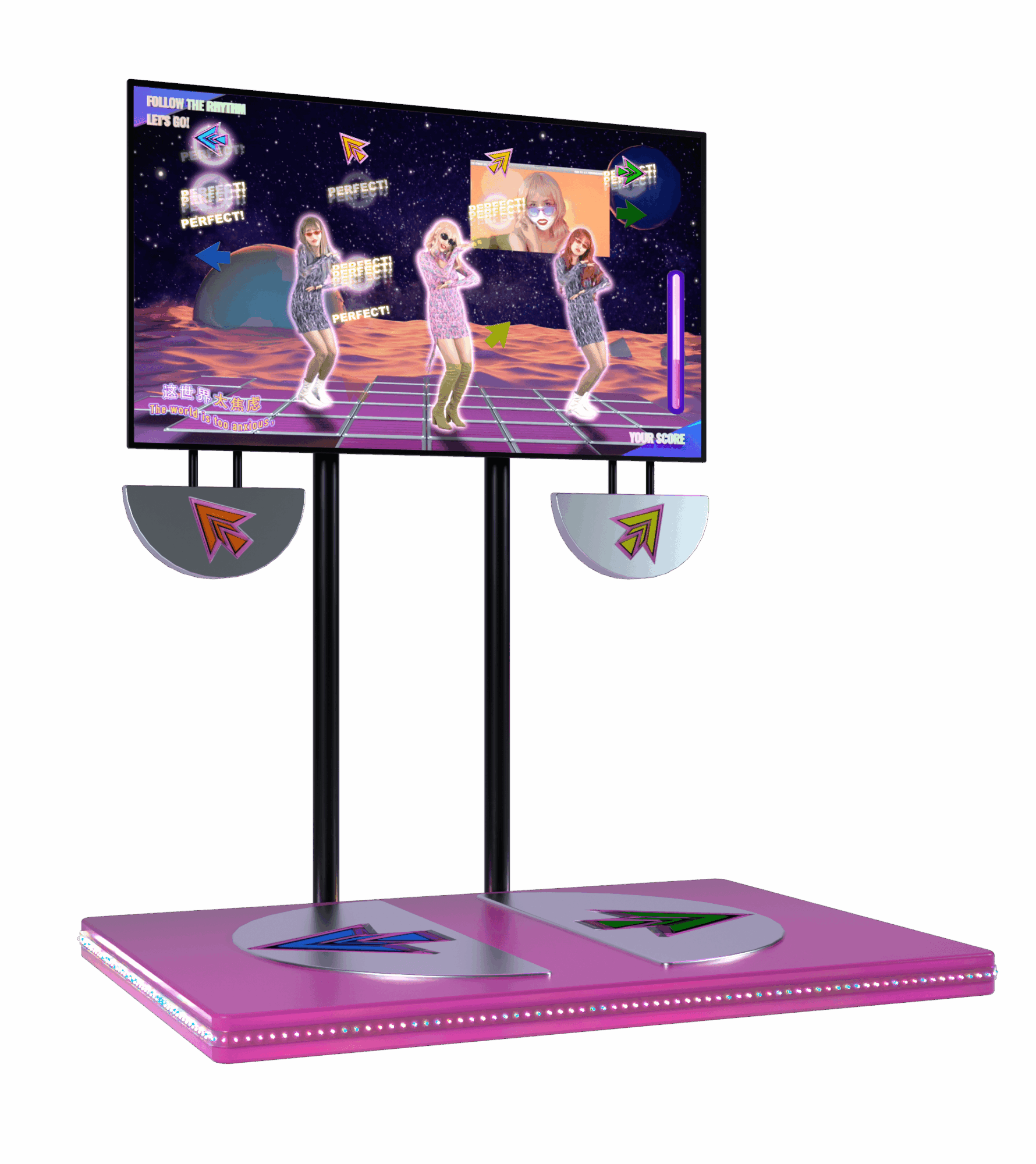
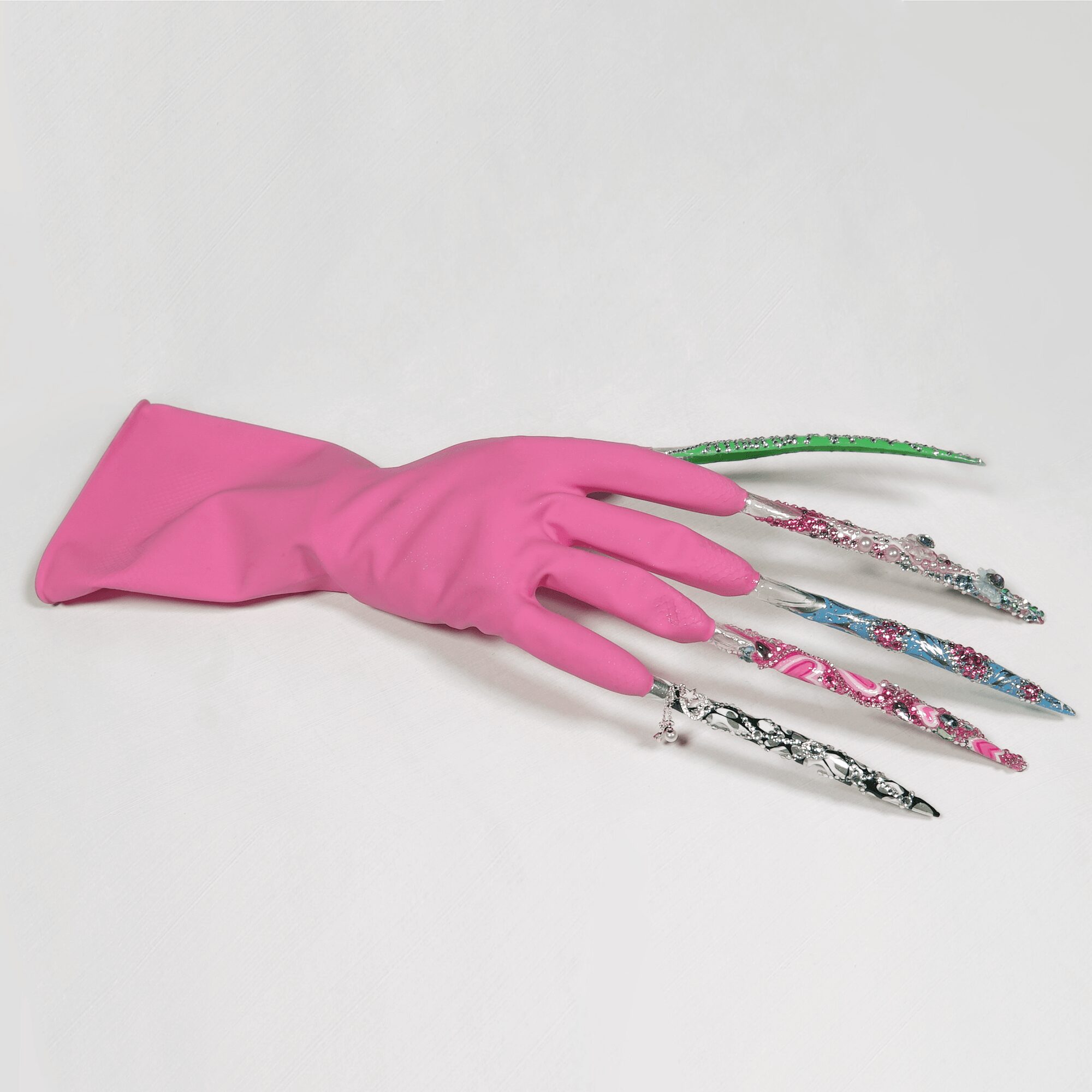
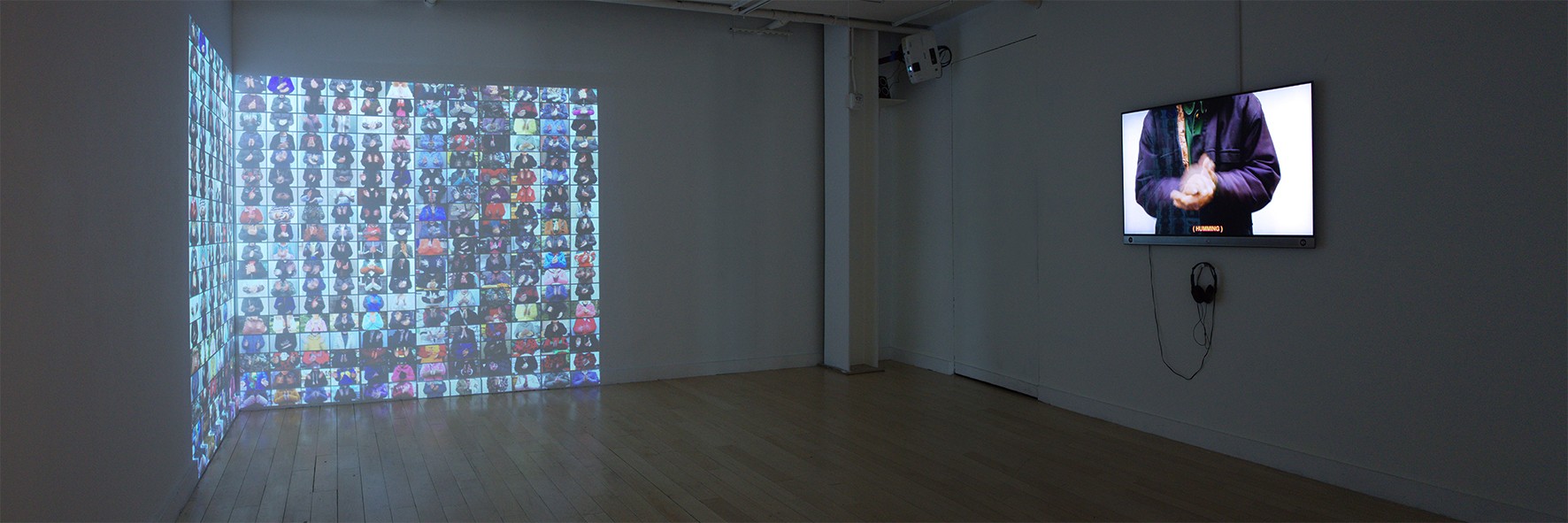
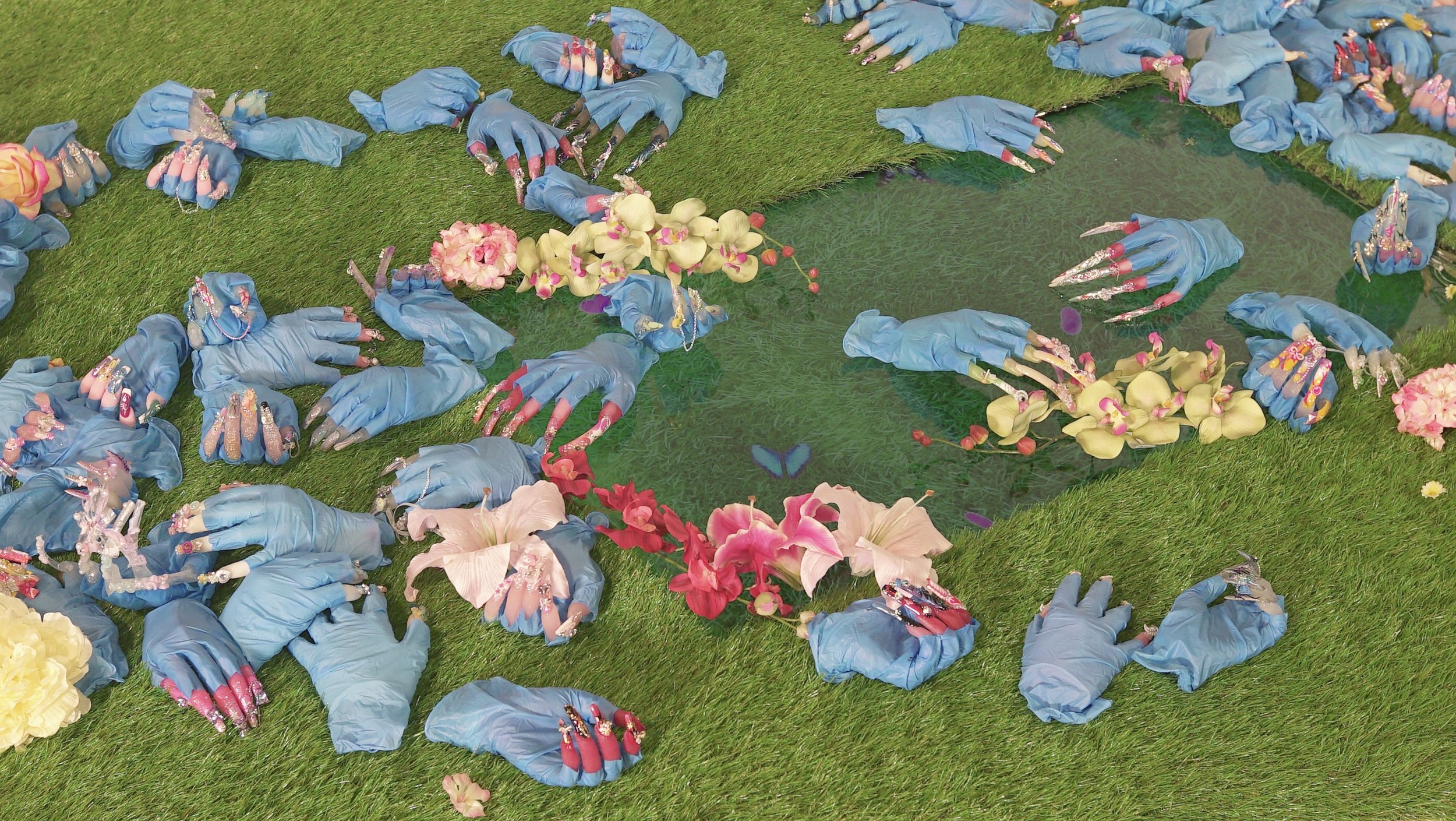
Image Credits
Jiayu Wang
Xiaofeng Guo
Popular
-
Los Angeles Barea on Turning Green Superheroes into a Global Movement for Youth-Led Change
-

Trisha DuVivier on Bridging the Franchisor–Franchisee Divide with Workhero and “Franulate”
-

Portraits of the Valley
-

LA’s Most Inspiring Stories
-
Cedar Boschan on Elevating Black Music Rights and Driving Urgent Conversations Around Credit, Equity, and Artist Protection
-
Robin Olive on Building an Inclusive Performing Arts Movement and Expanding Opportunities for Every Student


