





Today we’d like to introduce you to Shuchen Wang.
Hi Shuchen, so excited to have you on the platform. So before we get into questions about your work-life, maybe you can bring our readers up to speed on your story and how you got to where you are today?
I’m currently a full-time UX/Product designer working in a finance company. When I was a child, I loved to draw and create things. I would build small houses using twigs, leaves, and discarded mineral water bottles, and I would make clothes from leftover pieces of fabric. The part of me that always enjoyed creating led me down this path.
As I grew older, I began my journey with a background in industrial design, where I learned the user-centered design concept. Over the years, I’ve found joy in conducting user research, observing user behavior, and crafting solutions that truly resonate with people. This passion drove me to the world of user experience design.
Alright, so let’s dig a little deeper into the story – has it been an easy path overall and if not, what were the challenges you’ve had to overcome?
The journey always has challenges along the way. My continuous exploration in the design world has led me to various situations where my initial ideas and designs did not align with the actual needs and preferences of the users. An example would be the 2018 project focused on creating leg support products for elderly people with myasthenia gravis.
Initial design grounded in competitive analysis and ergonomics studies resulted in a mechanical product. However, the real test came when I brought this design to a nursing home for direct testing with potential users. The elderlies found the product unappealing, describing it as too hard and bulky. This feedback was like a wake-up call, highlighting a clear misalignment between my design and the users’ needs.
This feedback was a reality check, prompting me to rethink my approach entirely. I realized the necessity of deeper engagement and communication with the elderly. They needed more than just leg support; they needed a system that could offer immediate protection and send alarms when needed.
With this insight, and considering their unfamiliarity with modern electronics, I pivoted and designed a fall-prevention product with integrated fall-detection sensors, which was warmly received. The elderly appreciated its simplicity, practicality, and the comfort it brought into their lives, resembling a small, handy pocket. This was a crucial learning curve for me, highlighting the importance of a user-centered and empathetic approach in design.
Thanks – so what else should our readers know about your work and what you’re currently focused on?
I’m a User Experience Design/Designer currently working at Goldman Sachs in the United States, with a focus on designing efficient internal products to enhance the productivity and collaborative efficiency of bank analysts. Prior to joining Goldman Sachs, I worked as a product designer at Laxis, a startup in the United States. There, I helped design their first design system, leading the team to create the company’s web product, which played a crucial role in successfully securing the first round of funding for the company.
What I’m particularly proud of in my career is my ability to blend innovative design solutions with practical applications, ensuring not just a smooth user experience but also contributing tangibly to the operational success of the organization. My work at Laxis, for instance, went beyond aesthetics—it was about creating a functional and intuitive system that could bolster the company’s foundations and facilitate its growth.
What sets me apart from others in my field is my unwavering commitment to user-centric design and my capability in translating design initiatives into tangible business results. My experience spans across startups and established corporate settings, allowing me to bring a unique perspective and a versatile skill set to my work. My dedication to understanding and fulfilling the end-users needs and willing to push the design boundaries with limitation, defines my approach to design and is central to my professional identity.
We’d love to hear about how you think about risk taking?
Transitioning from industrial design to User Experience design was one of the significant risks I’ve taken in my career. This shift represented not just a change in job title but a fundamental shift in my approach to design, the skills required, and the way I interact with products and users.
Industrial design and User Experience design, while both under the design field, focus on different aspects of the user experience. Industrial design is more about the physical aspects of a product’s form and function. On the other hand, interaction design is about creating intuitive ways for users to interact with digital products and services. The transition required me to acquire a new set of skills, adapt to different tools and methodologies, and shift my mindset.
I took this risk because I saw the potential in the growing field of User Experience design, and I believed that my background in industrial design could bring a unique perspective to the table. I wanted to be part of creating digital experiences that are as tangible and impactful as the physical products I used to design. My perspective on risk is that it’s a catalyst for growth and innovation. While it does bring uncertainty, it also opens up new avenues for learning and development, ultimately leading to a more robust and versatile skill set.
Contact Info:
- Website: https://www.shuchen.org/
- Linkedin: www.linkedin.com/in/shuchenw
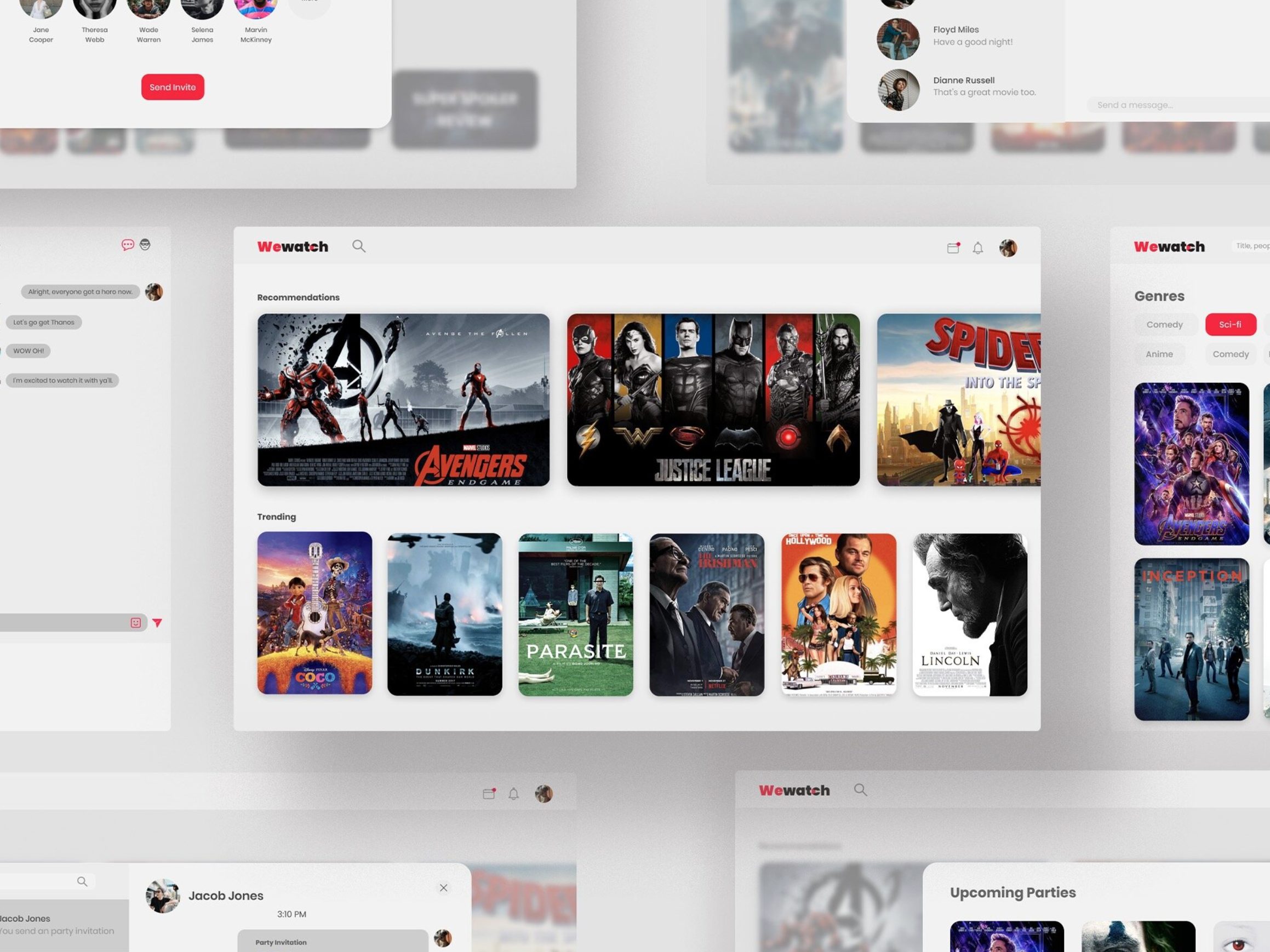
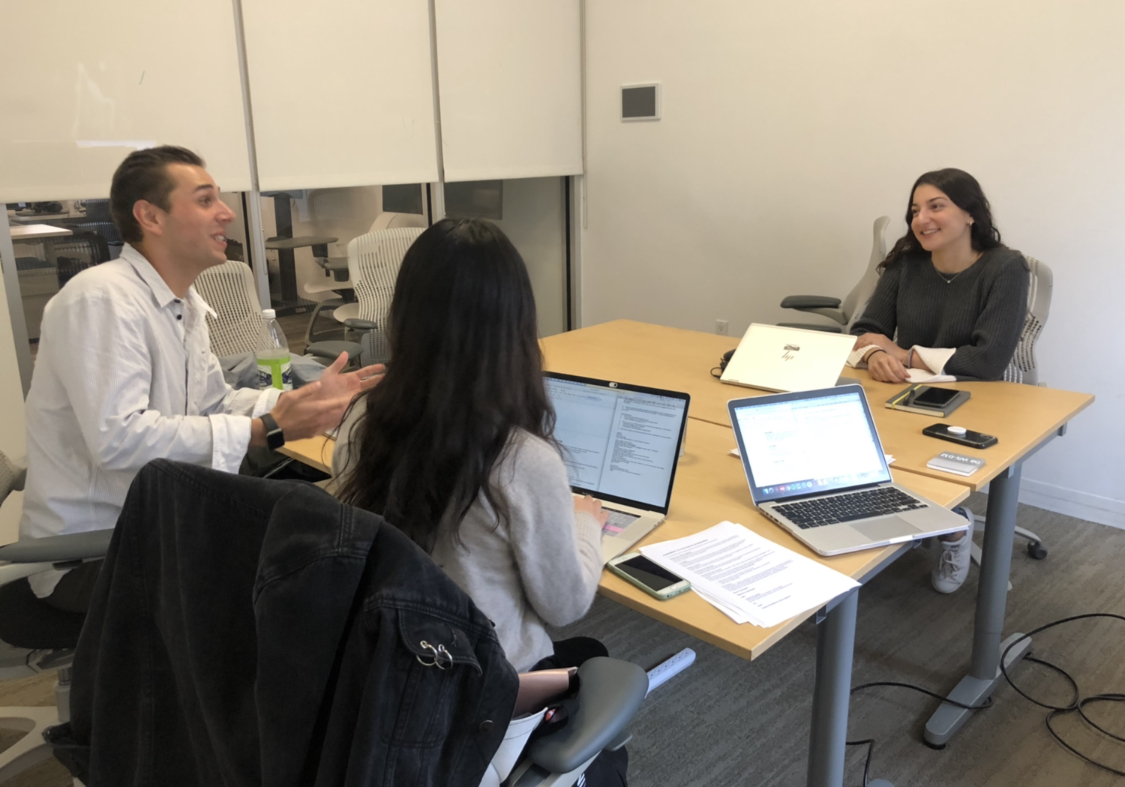
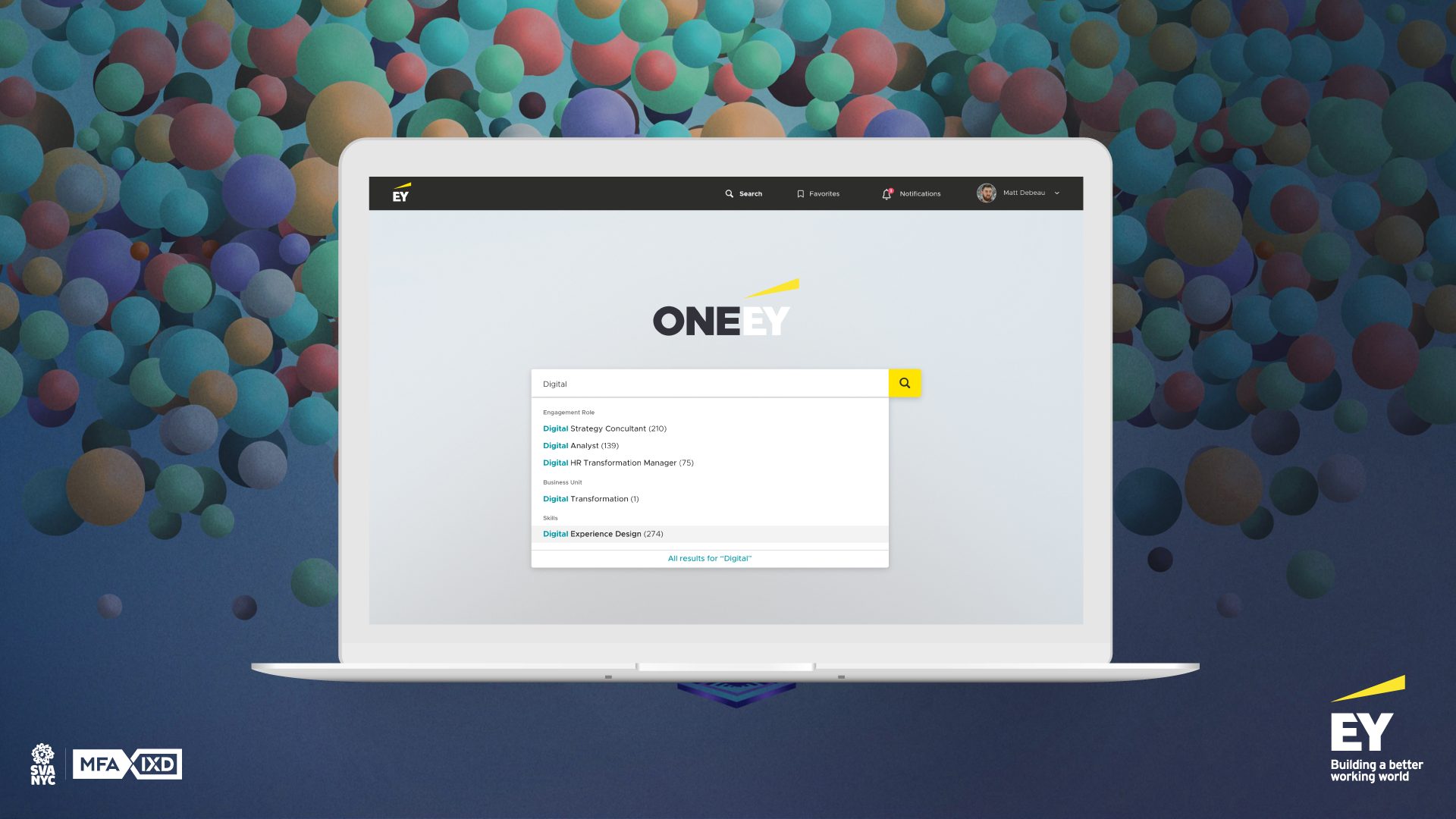
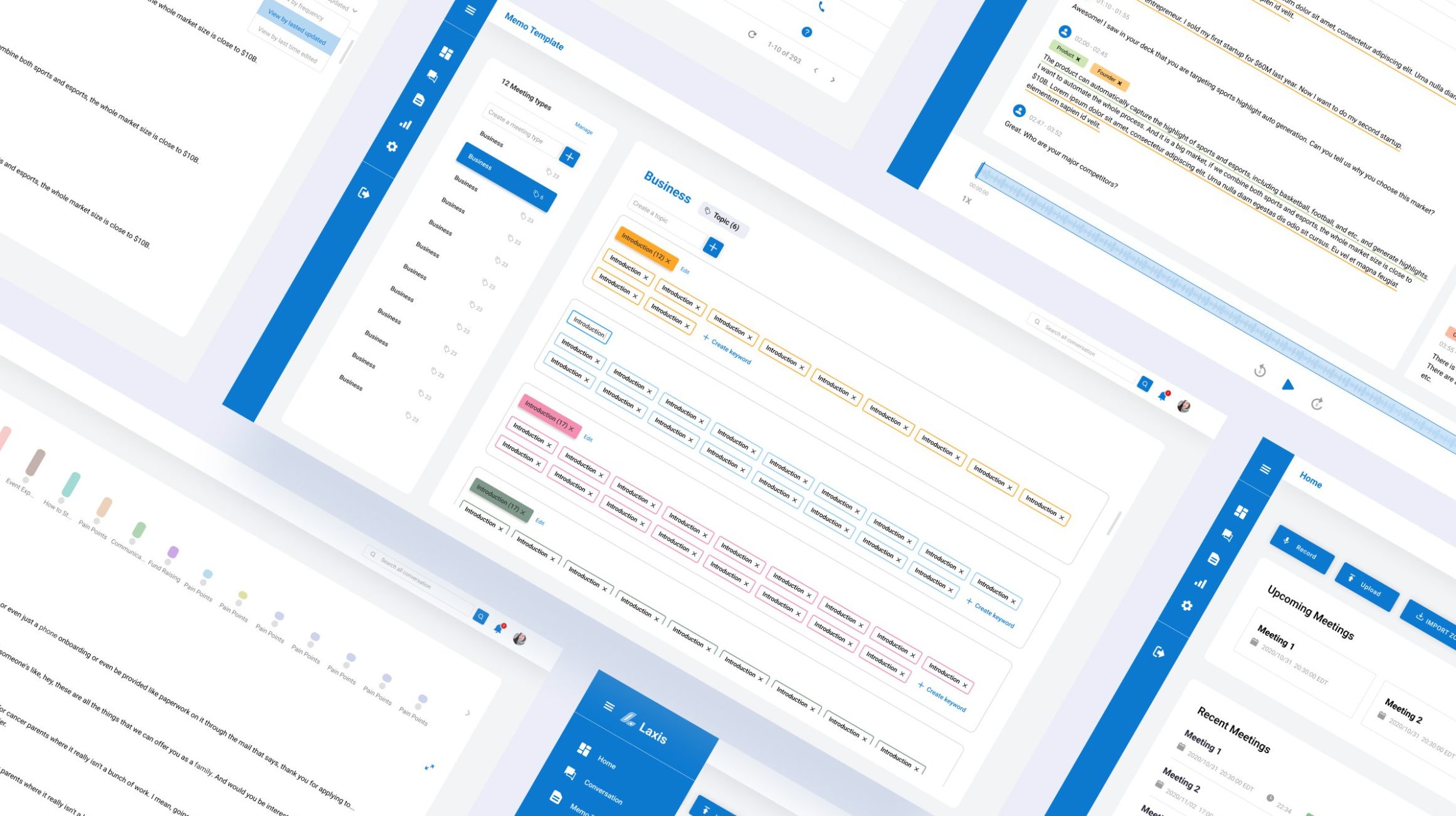
Image Credits
Jingdian Li, MIngyue Qu, Vincent Mou, Frank Gong, Hyelim Lim, Kimaya Malwade
Popular
-

Portraits of the Valley
-

LA’s Most Inspiring Stories
-

Robin Olive on Building an Inclusive Performing Arts Movement and Expanding Opportunities for Every Student
-

Que Johnson on Building Brands That Last: From Visibility to True Market Authority
-

Christina Wren Steps Into the Director’s Chair to Tell Stories That Feel Like Home
-

JordanL on ‘Breathe,’ Belief, and Building a Movement Beyond the Music


