



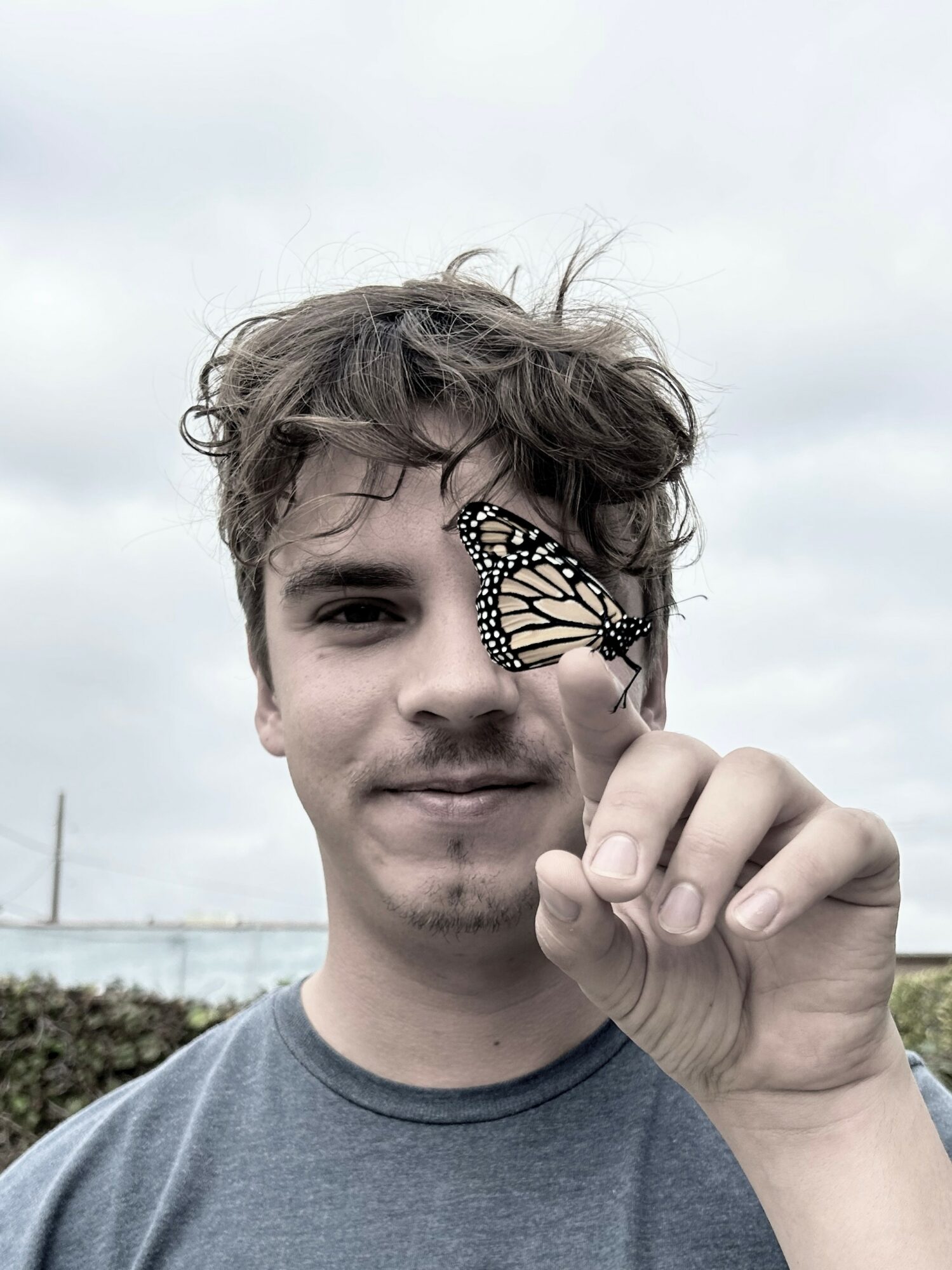
Today we’d like to introduce you to Ryan Zin.
Hi Ryan, so excited to have you on the platform. So before we get into questions about your work-life, maybe you can bring our readers up to speed on your story and how you got to where you are today?
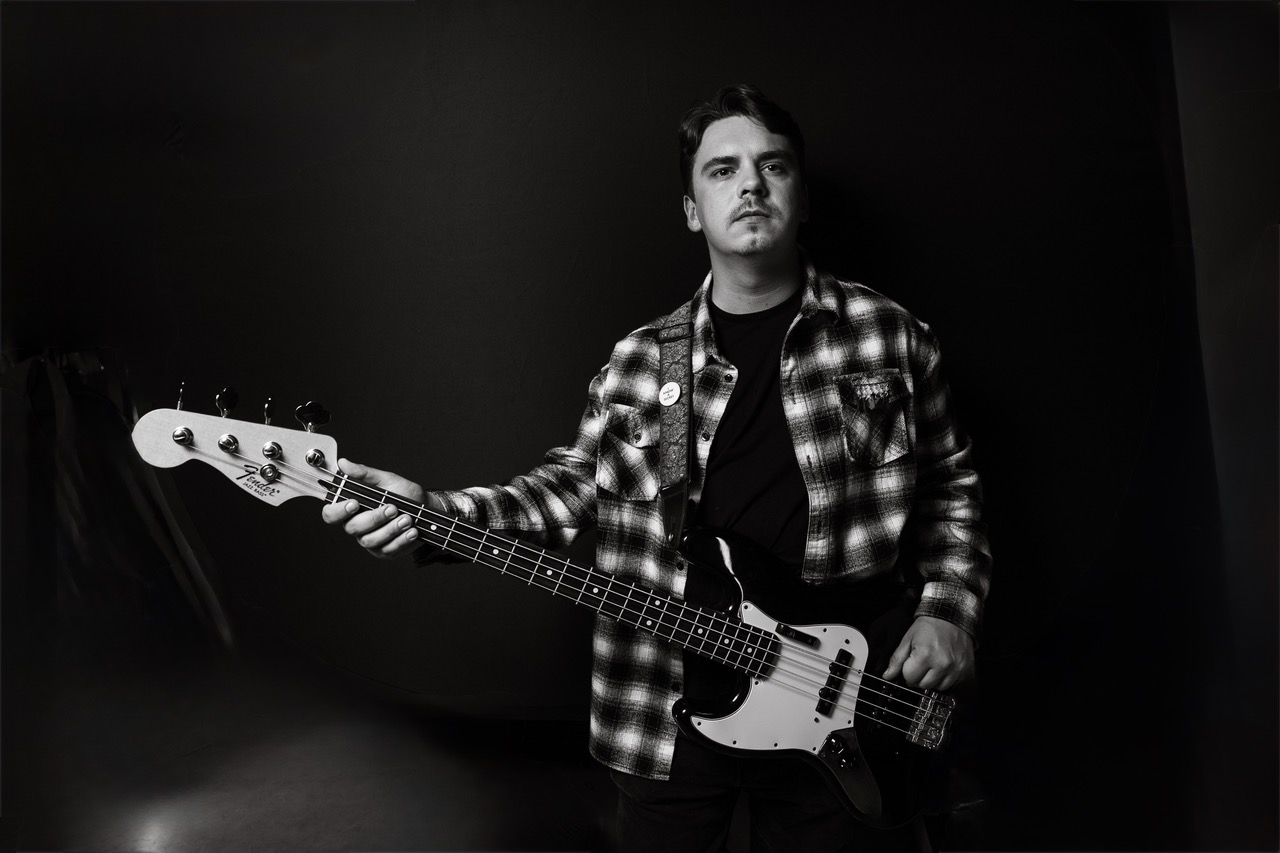
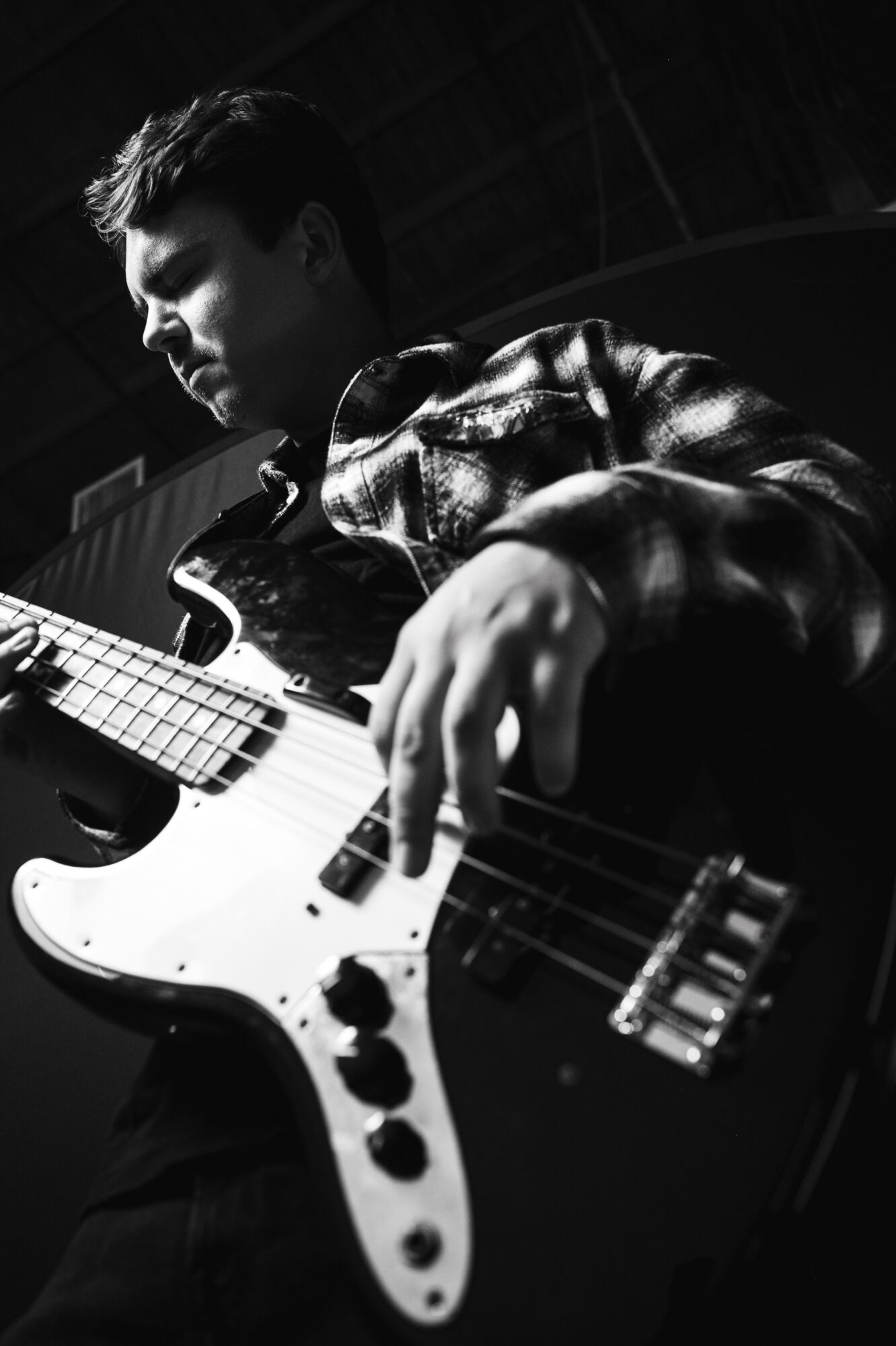
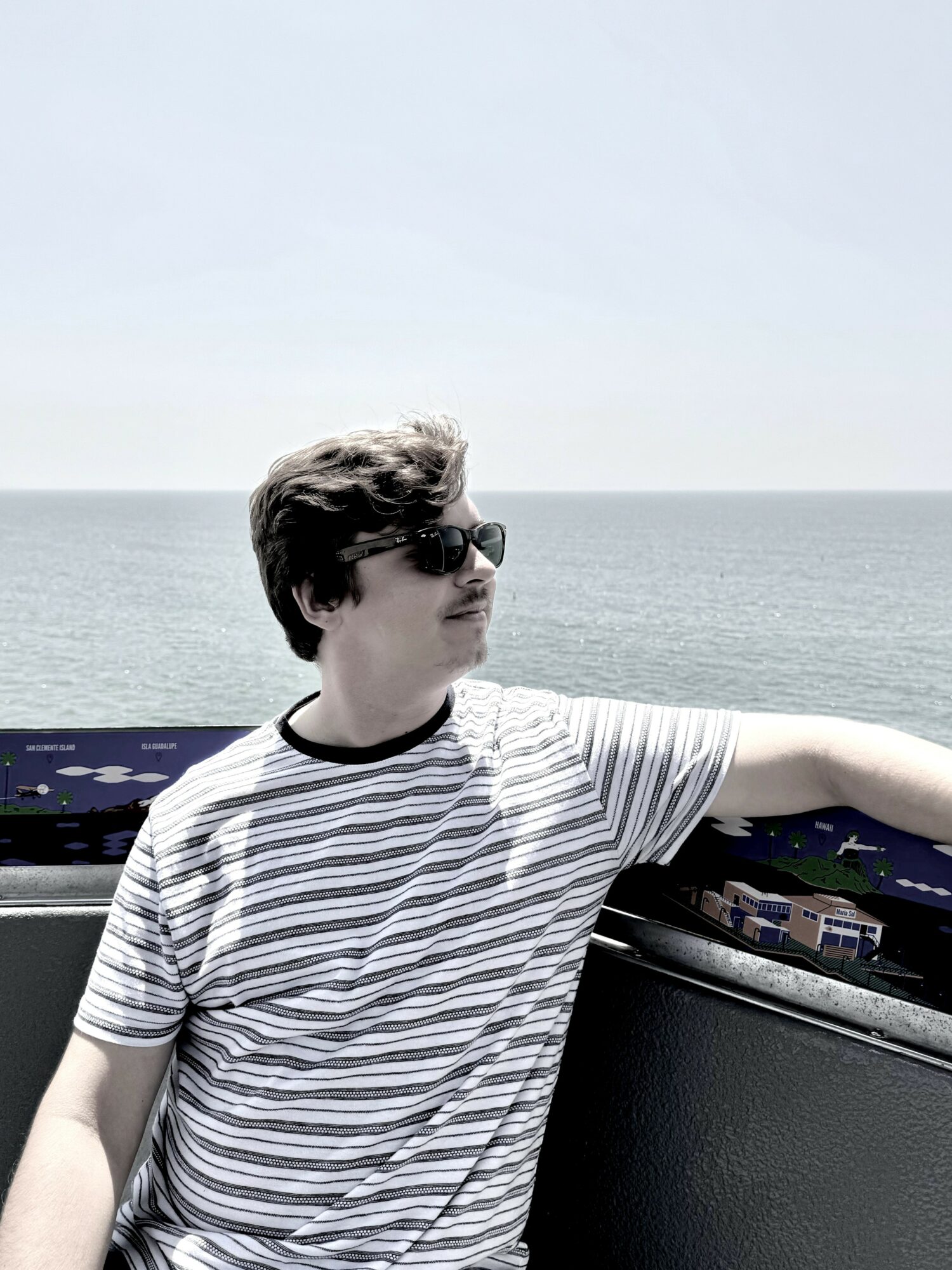
I’m Ryan Zin, I’m a music producer, composer, multi instrumentalist, and music teacher in Santa Monica. I have had the privilege of working on music with Nels Cline, DJ Bonebrake, Dave Alvin, Syd Straw, Peter Case, Marty Rifkin, The Dark Bob, Molly Hanmer, and others. I have two self recorded solo albums, Call to Action, and Hindsight in 20/20. My newest project is a recording collective called Sandabz which I hope will be the soundtrack for an endless Santa Monica summer vacation.
I grew up going between Ojai CA, Santa Monica, Naples Fl, and Kona HI. I love the solitude of Ojai, and am often nostalgic for it. There was not much to do for teenagers in Ojai so I dove fully into music, playing in and out of school. In my senior year of high school, I led my school’s marching band which put me in a strange position of being a leader amongst my peers. This taught valuable people skills which I employ now as music producer, where I often have to navigate the dynamic of leading a recording session while also being part of the band. I studied Music Industry Studies at Cal State Northridge, and was Co-Executive producer of the student label Vove Entertainment. After college, I interned at Hype Studios LA, Pacifica Studios, and with multi-Grammy winning producer Sheldon Gomberg in his home studio.
Currently I am working out of my home studio in Santa Monica where I record and teach music. If anyone is interested in lessons you can find the services that my partner Melody and I offer on our website, sunsetparkmusic.com.
We all face challenges, but looking back would you describe it as a relatively smooth road?
I like to give myself challenges. A challenge I enjoy is making highly improvisational music all by myself. It takes a fair amount of planning ahead to make each instrument feel like it’s reacting to the others. I like to do what I call “structured improvisation,” where I improvise small sections of my music on each instrument. That way, in the next section I can reference some musical motif that another instrument played. This can be a fair amount more work than just rehearsing each part, and playing through the whole song, but spontaneity is important to me. A solo loses its life when it’s too polished. I like to hear an idea develop naturally.
Thanks – so what else should our readers know about your work and what you’re currently focused on?
I have been shaped by a wide variety of music. My first influences were classic rock, blues, psychedelic rock, punk, or anything with heavy tube driven guitar. Playing in school bands introduced me to Big Band, Bebop, Bossa nova, romantic era classical, and 12 tone music. Traveling when I was young introduced me to Reggae, Hawaiian, Afrobeat, Salsa, Calypso, and Latin Rock. I loved to create music using Apple loops and samples when I was a kid, so drawing bits and pieces from a wide array of genres comes easily to me.
My most recent musical project is a recording collective called Sandabz. The group has a loose Santa Monica theme, and draws its aesthetic from surf culture, west coast jazz, disco glamor, summer vacation, and Pink Pony Club. On the musical side I’m putting a lot of focus on mixing Jazz, Pop, funk, rock, and hip hop. There isn’t a set formula, but a typical track will start off like a pop song, go through the verse and chorus, but then there will be an instrumental section over the initial chords similar to Jazz interpretations of American Songbook classics. Then there is a recapitulation of the initial melody, and usually some final high energy vamp. I play most of the tracks myself. I usually start by creating a drum machine loop, then adding bass guitar and keyboard. The soloist is where I like to bring in guest musicians, and the vocals are done by my partner Melody Gonzalez, who has an incredible vocal range and timbre, and can sing powerfully in a wide breadth of styles.
The name, Sandabz, is a little bit of a throwaway title, but I like that! It doesn’t really mean anything, but it invokes images of seafood, sand, and weed… To some.
I decided to rebrand my personal music after meeting Jack Stratton and Joe Dart of Vulfpeck at McCabes Guitar Shop near where I live. In our brief conversation about music and success. I gathered that it was very freeing for them, especially Jack, to release music under a pseudonym. Even if the music was created solely by one person. Another good example of this would be Tame Impala, whose music is solely created by Kevin Parker.
I felt pigeonholed by the musical identity that I had crafted around my first two albums. They focus very heavily on hot button, cultural and Geo political issues, and are rooted in a classic rock and blues background. I don’t feel inspired to make that kind of music anymore. I am tired of whining, and I am tired of looking at my own face on social media. I want to create beautiful music that inspires, relaxes, and uplifts people. I love my city (Santa Monica) and figured that I would rather use its image to promote my music rather than my own.
Expect a string of singles by Sandabz coming soon. Potentially even a special holiday release.
Earlier this year, I joined the LA rock group, Molly and The Midnight Tokers, on bass. We’ve been playing live around LA this summer to promote the release of the music video for the song, “Bet You Think You’re Cool” the song comes from our most recent album “Get Loose,” which was produced by multi Grammy winning producer, Sheldon Gomberg. I met Molly and the rest of the band through Sheldon. Around the same time that they were recording “Get Loose,” I was interning as a studio assistant for Sheldon at his home studio in Silverlake. I wasn’t present for any of the recording of Get Loose, but one day out of the blue earlier this year I got a text from Sheldon that read “Hey Ryan, Are you looking for a rock band?! And I mean a real rock band!” How could anyone pass on an offer like that, and the rest is history so far.
Still hot off the release of Get Loose and the new video for “Bet You Think You’re Cool,” we’re already rehearsing new material, so stay tuned for upcoming shows and releases.
Follow the band on instagram at @mollyhanmermusic
I’d like to give a little shout out to a record project I worked on that was released last fall, “Ekphrasis Synesthesia – Songs for Artists” by The Dark Bob. I produced quite a few tracks on the record both out of my home studio, and at Pacifica Studios with engineer Glenn Nishida. This record is very special in that every track is dedicated to a different visual artist, and seeks to evoke either the time period, influences, ecstasies, torments, or even spirituality of the artist that the track represents. I loved the opportunity to record in a wide variety of genres.
My key contribution to “Ekphrasis Synesthesia – Songs for Artists” is the production of the songs: Superstar, Shoot, Bad Boy, Take Back the Night, When You Love Someone, Meat Joy, Love Instructions, Hard Edge.
I began most of these recordings in my home studio, where I would record rhythm, guitar, bass, and keyboards usually to a simple drum loop. Then, in Pacifica Studios, we brought in DJ Bonebrake of X and Danny Frankel to play drums and percussion, respectively. On lead guitar, there were additions from Nels Cline of Wilco and Dave Alvin of The Blasters who delivered a blistering guitar solo in the feminist rocker, “Take Back The Night.” Vocals were delivered by The Dark Bob, Syd Straw of The Golden Palominos, and Melody Gonzalez who also provides vocals for my recording collective Sandabz.
Aside from my production, another important influence I had was on a key part of the record’s sequence. The album was originally going to start with “Braise be, for Agnes Pelton” and then go into “Superstar, for Basquiat.”
When I heard this I said, “No way,” and insisted that it start with “Superstar.”
Along with the imagination-inspiring cover by record art icon Lou Beach, opening with Superstar gives Ekphrasis a Jetsons-like youthfulness that persists throughout the record.
Hot on the heels of this release, The Dark Bob and I are cooking up some new tracks that are sure to be delicious…
We are also several years into production of a documentary film in collaboration with EZTV and Director Michael Masucci which will dive deep into the history of performance art in Los Angeles. The film will include interviews from legendary artists including; Paul McCarthy, Barbara Smith, John Fleck, Johanna Went, Cheri Gaulke, Ulysses Jenkins, and others.
One of my projects that I am most proud of isn’t even music related. It is called The Emoji Language, It is a fully expressive written language that only uses emojis. I designed it so that it is incredibly easy for anyone in the world to learn, regardless of their language learning background. Using the language I created, two people who do not speak the same language can learn to communicate with each other using emojis in less than a day. This is groundbreaking for cross cultural communication. Currently, most international communication is conducted in English which takes hundreds of hours of practice and study to even achieve a proficient level. I see a clear potential for use over the internet, International travel, warnings, and advertisements.
To achieve the simplicity of The Emoji Language, I analyzed the grammatical and morphosyntactic structures of many of the world’s most spoken languages, incorporating common ones into it, and eliminating ones that didn’t seem specifically necessary or important to convey information. For example, The Emoji Language does not have any words for “a” or “the,” and it does not differentiate between singular or plural, and it does not conjugate its verbs. This may seem limiting at first, but there are many languages, like Mandarin for example, that do not contain these features, and speakers of these languages have no difficulty communicating.
Upon initially releasing The Emoji Language, I received a very positive reception from the online linguistics community. Currently, the best place to find resources to learn The Emoji Language is on the Reddit page r/the_emoji_language which can be found via a simple Google search. There you can find a pdf that will help you start communicating via emoji in mere minutes. I am working to turn these materials into one cohesive book that I will offer digitally and in print.
What does success mean to you?
In a creative field success has to be measured internally, not in how many streams, views, listens, likes, upvotes, or retweets.
Recently in my creative process, I’ve been conscious of trying to make choices that AI would not. I do this by embracing mistakes and improvisation, and by adding non sequiturs to my music. These could be in the lyrics, or even in the music itself. Musical non sequiturs could be unresolved cadences, unexpected chord substitutions, random tempo changes, or even complete change of genre during a song. This frame of mind is incredibly liberating because I am no longer focused on what’s good, I am focused on what’s human.
Contact Info:
- Website: ryanzinmusic.com and sunsetparkmusic.com
- Instagram: @ryan_zin_music @sandabz_
- LinkedIn: https://www.linkedin.com/in/ryan-zin-271a55245/
- Spotify: https://open.spotify.com/artist/00tof8ZTbtiDh6YiVnrguk
Popular
-

Maagic Collins on Building a Fearless Publishing Platform for Truth, Advocacy, and Underrepresented Voices
-
Los Angeles Barea on Turning Green Superheroes into a Global Movement for Youth-Led Change
-

Trisha DuVivier on Bridging the Franchisor–Franchisee Divide with Workhero and “Franulate”
-

Portraits of the Valley
-

LA’s Most Inspiring Stories
-
Cedar Boschan on Elevating Black Music Rights and Driving Urgent Conversations Around Credit, Equity, and Artist Protection


