




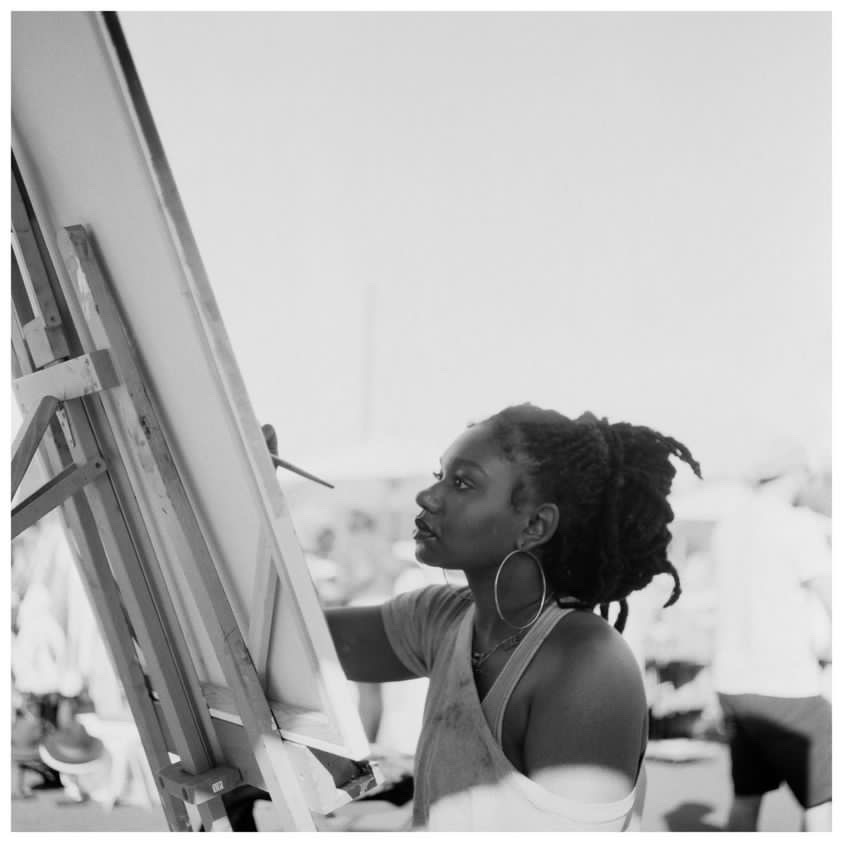
Today we’d like to introduce you to Nia Lane.
Hi Nia, we’re thrilled to have a chance to learn your story today. So, before we get into specifics, maybe you can briefly walk us through how you got to where you are today?
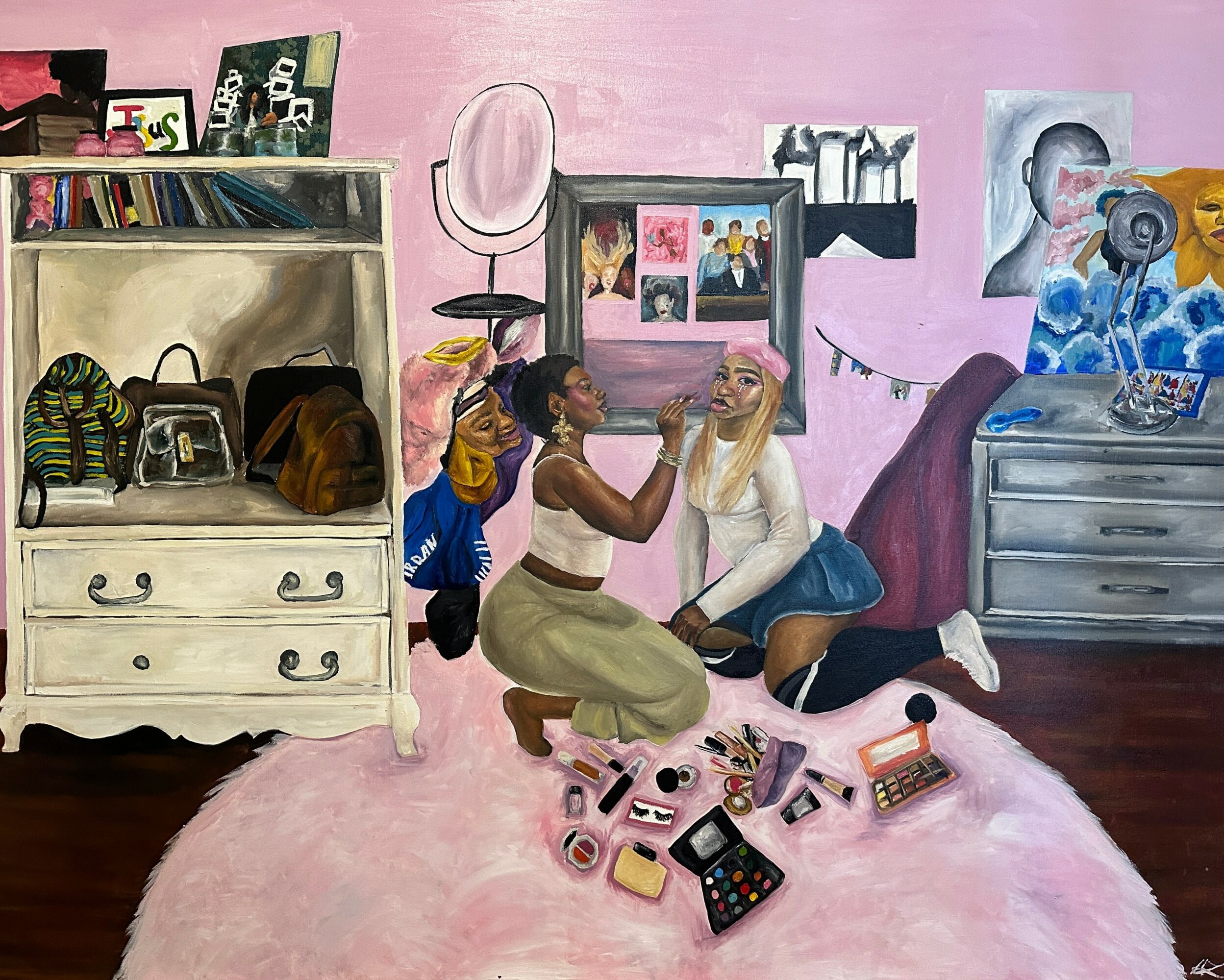
I began making art as a way to process what I didn’t always have language for. Growing up between Compton and the Midwest, I was constantly navigating different environments, expectations, and versions of myself. Drawing became a place where I didn’t have to simplify or translate my experiences—I could just hold them.
By the time I was a senior in high school, I was serious about becoming a working artist. I wanted to be part of the small percentage of artists who could sustain themselves through their work. But as I moved through University of California, Irvine and began exhibiting, I became more aware of the systems surrounding the art world—who gets supported, what gets valued, and how easily artists can lose their voice trying to fit into that.
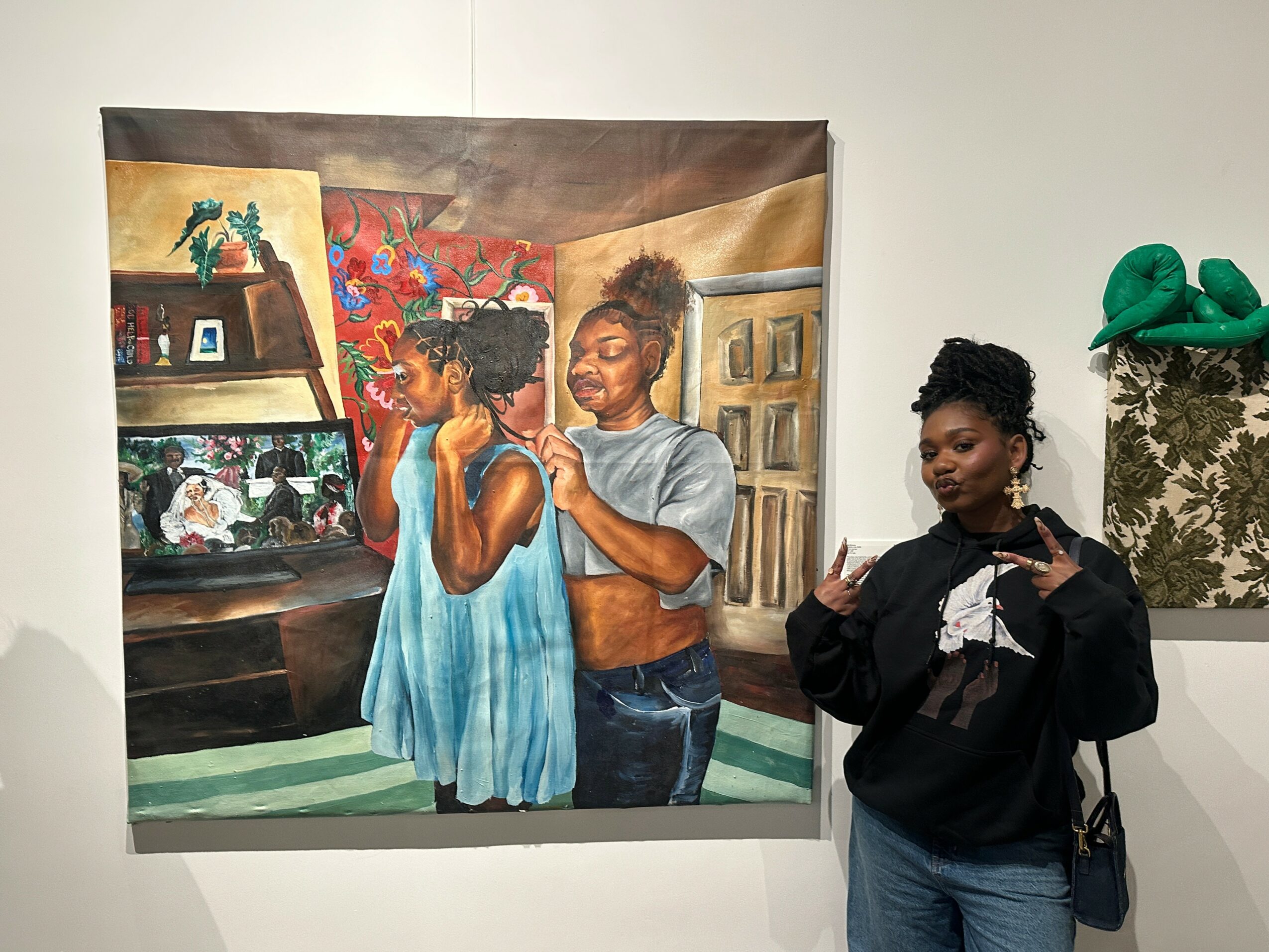
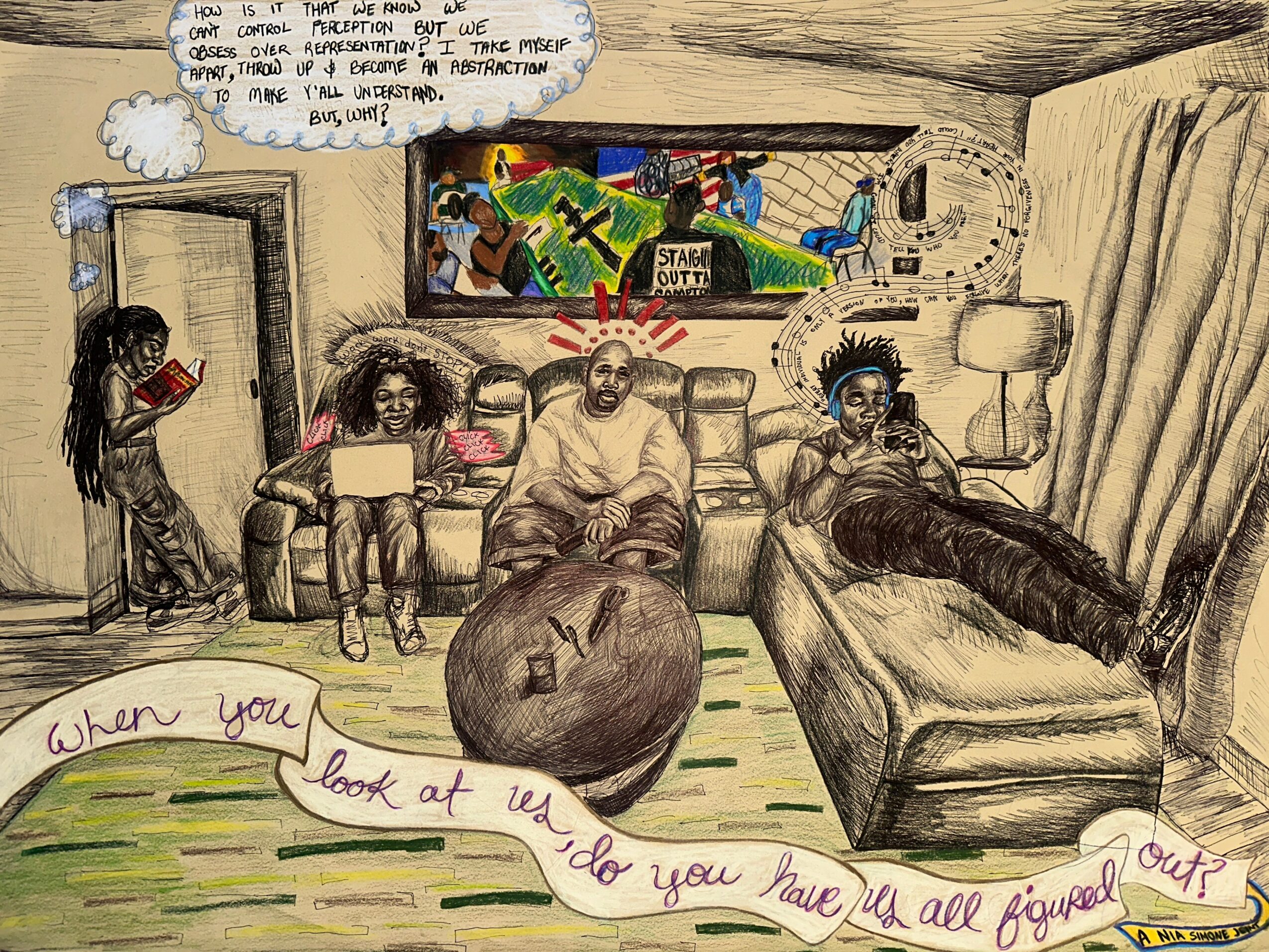
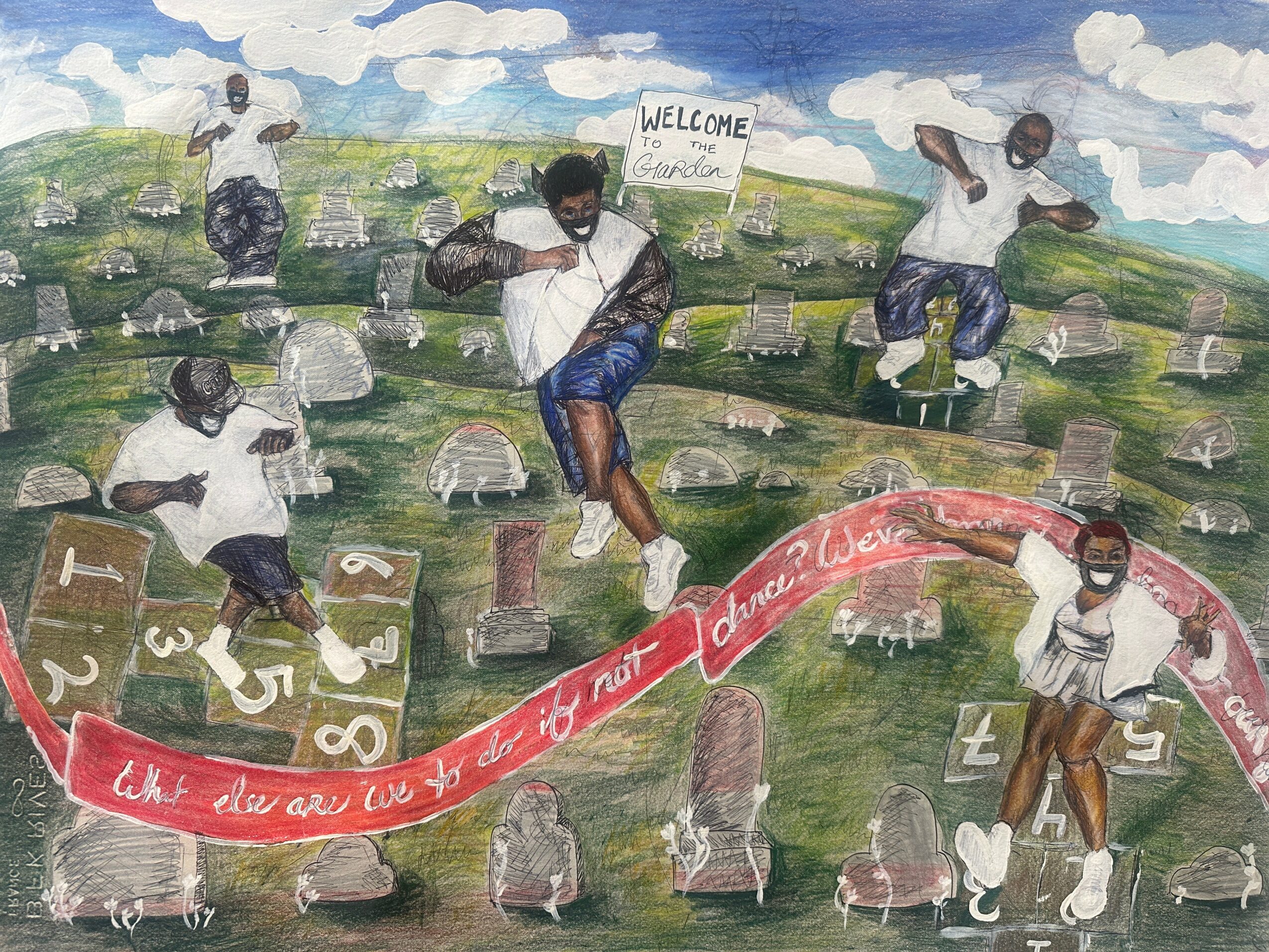
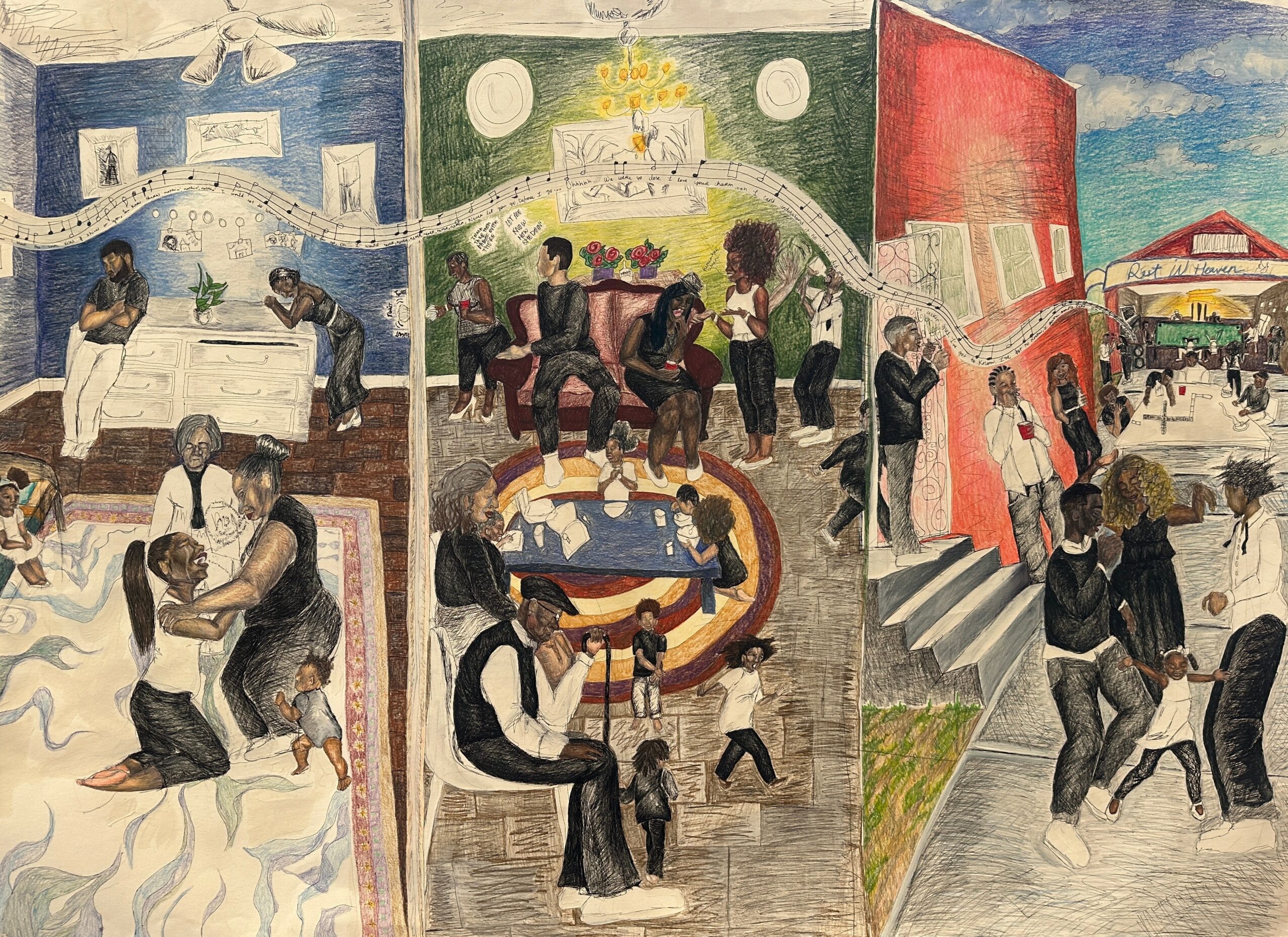
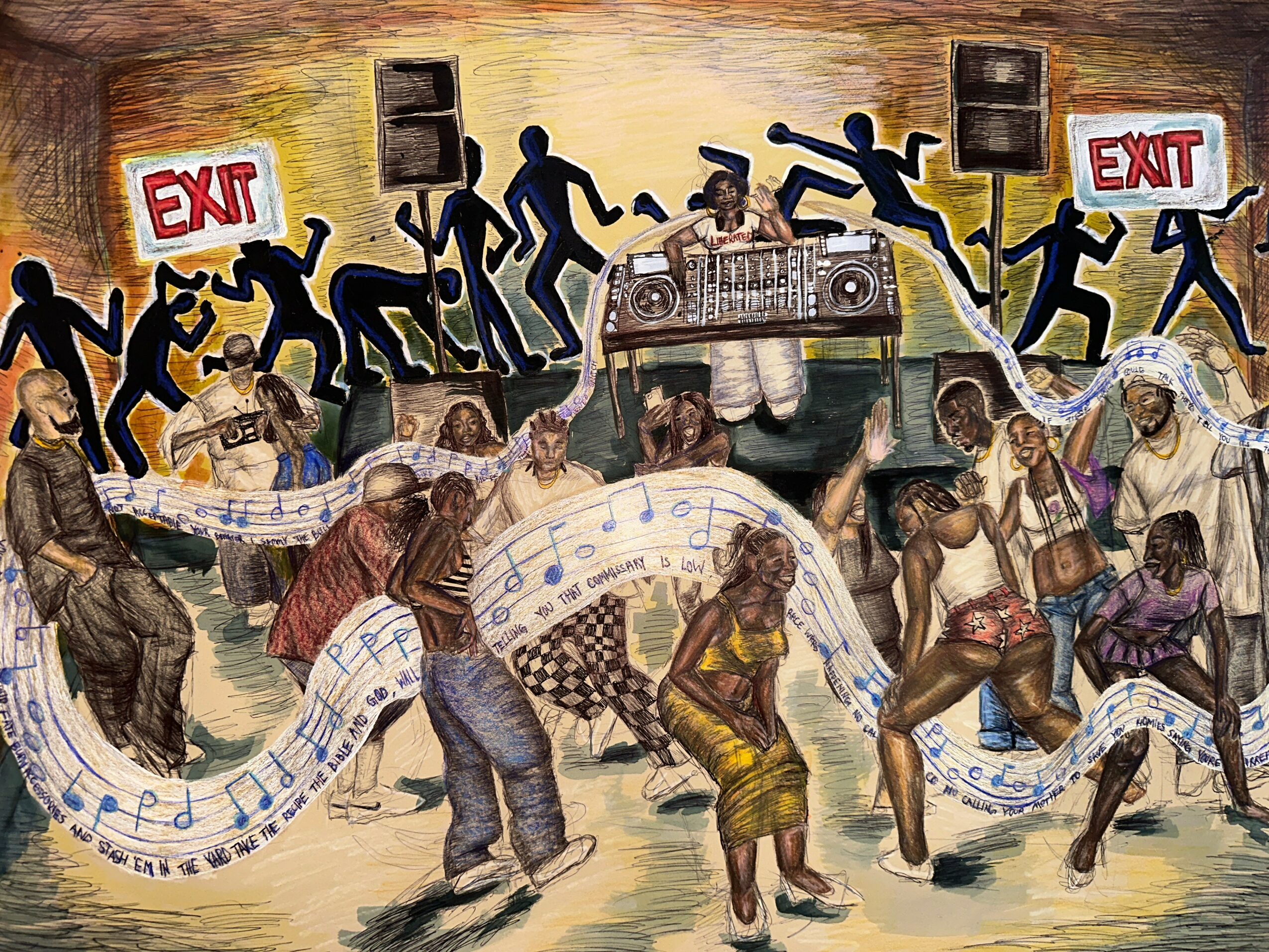
That shift changed my approach. I’m no longer interested in making work that simply appeals—I’m committed to making work that tells the truth. My drawings and paintings come from observing my family, my community, and the emotional weight people carry, especially in spaces where vulnerability isn’t always given room to exist.
Now, I balance my practice as both an artist and educator. I continue to exhibit across Los Angeles while teaching K–8 students, creating space for them to find their own voice through art. Lately, I’ve also been thinking more critically about access—who gets resources, who doesn’t, and how education and the arts can either reinforce or challenge that gap.
I’m still evolving, but at the core, my work has always been about making space—for honesty, for contradiction, and for stories that deserve to be seen in full.
Alright, so let’s dig a little deeper into the story – has it been an easy path overall and if not, what were the challenges you’ve had to overcome?
The road I’ve taken hasn’t been a smooth one at all—and I don’t think it was ever supposed to be. I’m approaching 25, and while I’ve come far, most of that growth has been internal. Career-wise, there are moments where everything clicks and I feel grounded, and then there are moments where it feels like I’ve made the biggest mistake of my life and I can’t see a way forward.
Along the way, I was diagnosed with lupus, dealt with financial highs and lows, and became jaded with the art industry as a whole. But none of that made me stop creating. Art has always been a part of my life—I’ve been doing it since I was a child—so that need has never left me. Even when my perspective on the industry shifted, my voice didn’t.
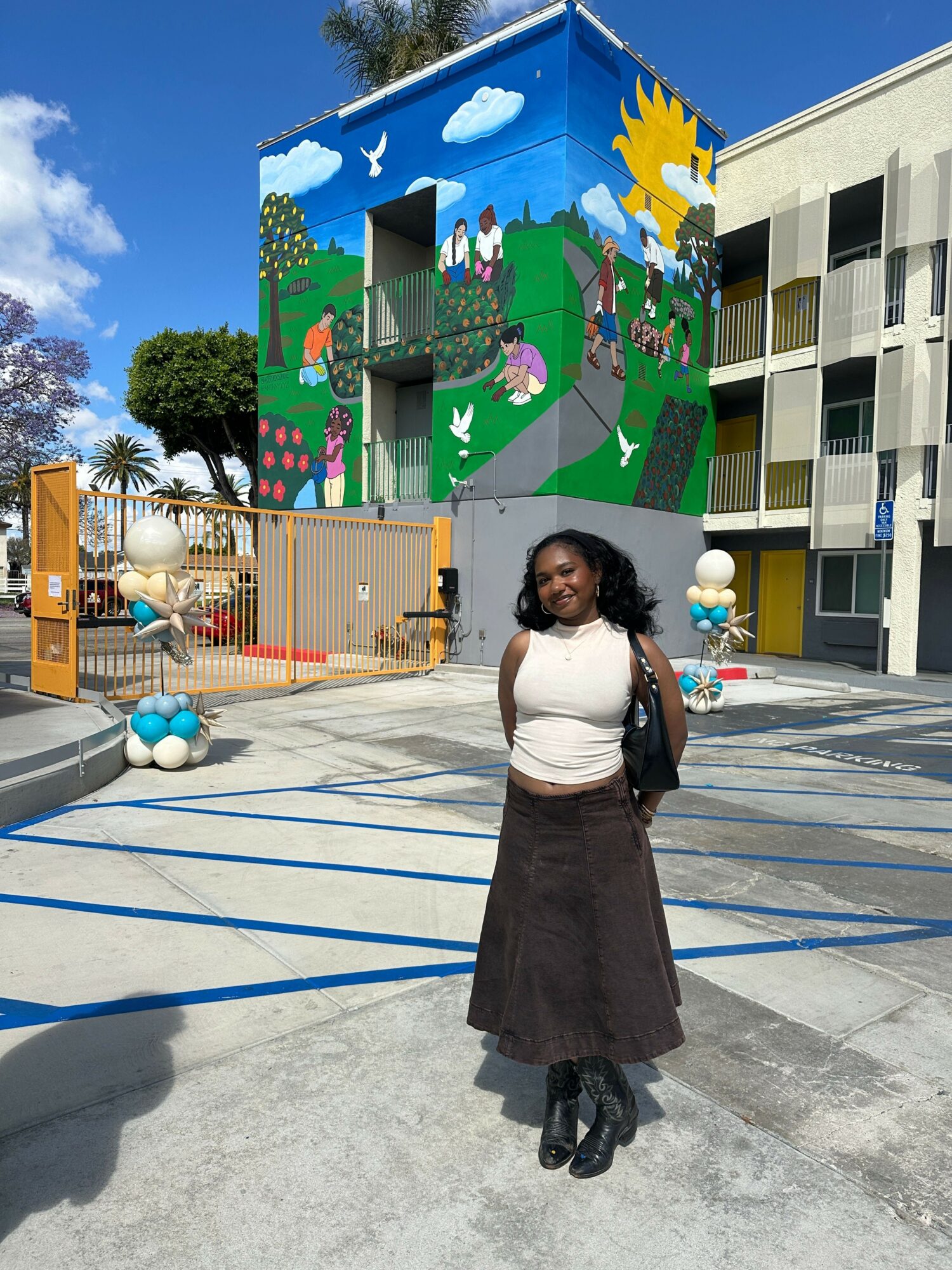
At the same time, I’ve still accomplished many of the goals I set for myself. I’ve judged the OC Fair multiple times, created a mural in Compton, exhibited consistently in community spaces, and stayed booked. I’ve learned that the “no’s” can feel louder than the “yes’s,” but they also make the yes’s more meaningful.
That tension pushed me to reflect more deeply on the systems I’m a part of and what I actually want from this path. I always said I wanted to work with kids from inner-city backgrounds like mine, and now I’m doing that through my work in education.
If I’m being honest, I chose a hard path. Being an artist has never come with a clear roadmap or definition of success. But it’s taught me things that are invaluable—lessons I now carry into both my work and the way I show up for my students.
Having stability through teaching has shifted my perspective. It supports me, but it also fulfills me, and it’s helped me realize there’s more to life than chasing recognition. My practice feels more grounded because of that.
I’m still in it. It’s not linear, and it’s not easy, but I understand what I’m choosing now.
Thanks – so what else should our readers know about your work and what you’re currently focused on?
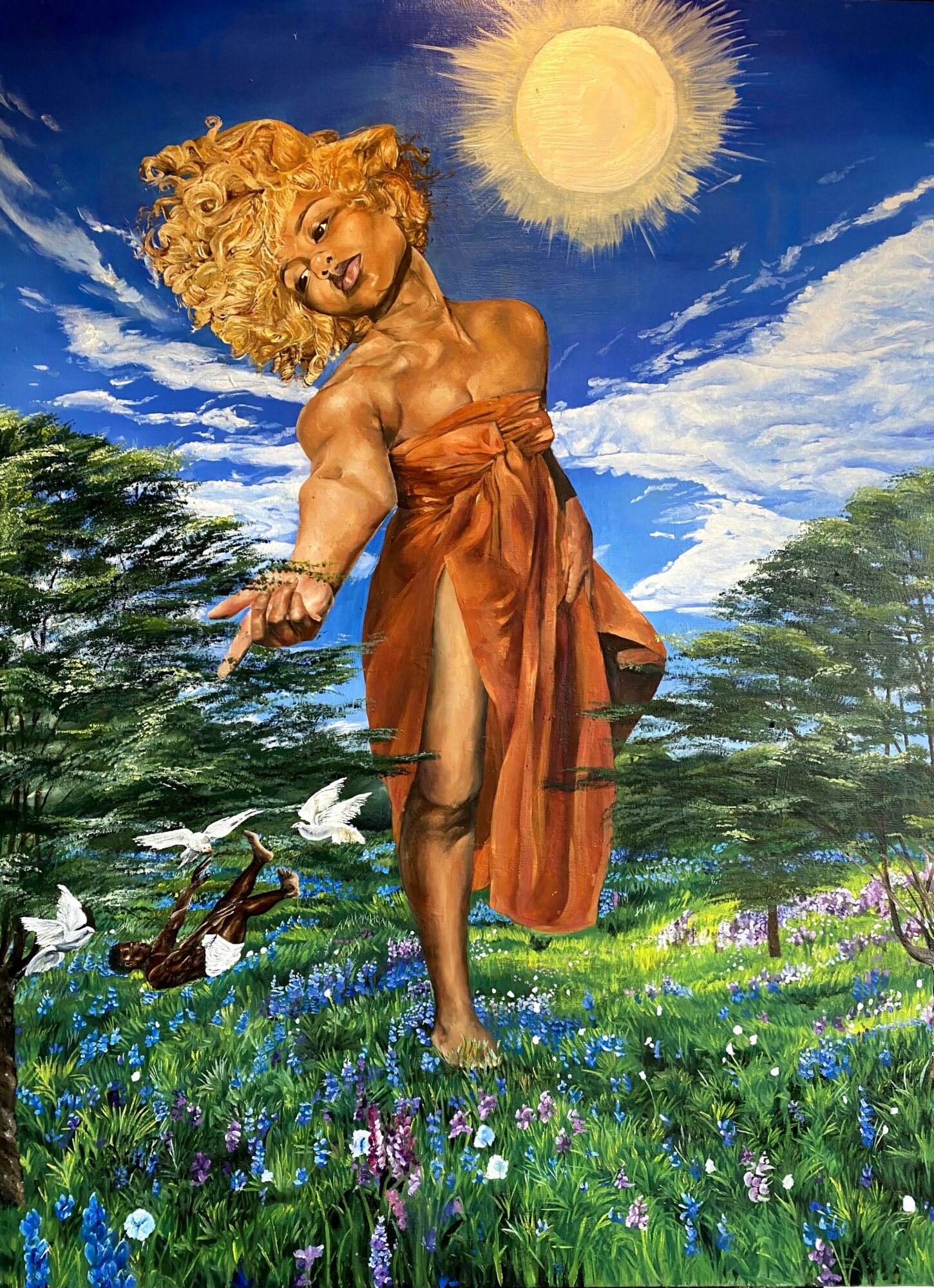
I’m a visual artist working in drawing and painting, but more than anything, I’m a student of my craft. I’m committed to making better work than my last, so I spend a lot of time studying technique, composition, and the artists who came before me. At the same time, I care just as much about expression and having something real to say. I don’t separate those things—my work lives in that tension between control and freedom.
My practice is rooted in observation. I’ve spent a lot of time alone, paying attention to people—my family, my environment, the way emotion sits in the body, especially in Black communities and inner-city spaces. A lot of what I make comes from those quiet, unspoken moments. I’m not really trying to make pictures as much as I’m trying to hold something that was lived. People often tell me the work feels familiar, or that they can feel it, and I think that comes from how closely it’s tied to real experience.
Content-wise, I focus on Black identity, womanhood, and everyday life, but I’m interested in the emotional realities within that—joy, tension, grief, love, survival. I’m drawn to making the unseen felt, bringing those internal experiences to the surface in a way that asks people to sit with them and recognize something of themselves.
What I’m most proud of is that my work connects. It creates conversation. It doesn’t just exist visually—it asks something of the viewer. I’ve been able to build a practice where I’m consistently creating, exhibiting, doing public work, and also teaching, and all of that feeds into how I think about art as something that should reach people, not just be looked at.
Alongside my studio practice, I’m also an educator and continuing my studies in education at Loyola Marymount University, focusing on policy and administration. That work has deepened how I think about access—who gets to feel seen, who doesn’t, and how art can bridge that gap.
I don’t think too much about what sets me apart, but I know what I’m committed to. I’m committed to honesty, to growth, and to making work that holds both structure and emotion without choosing between them.
Are there any apps, books, podcasts, blogs or other resources you think our readers should check out?
I’m honestly pretty screen-heavy right now, especially being in school and working toward my MA in policy and administration at Loyola Marymount University. A lot of what I’m reading day-to-day is centered around education theory, so in my free time I try not to overcomplicate it.
I use things like TikTok and reality TV as a way to decompress and not take life so seriously. I’m very focused on intention and meaning in my work, so stepping into spaces that are a little more unfiltered helps me stay grounded. It reminds me of the flaws in people, the humor in everyday life, and just the reality of being human. I actually think that balance is important, it keeps me from becoming too rigid in how I see the world.
When I do read, I’m drawn to writers like bell hooks and Toni Morrison—Toni Morrison especially, because of how poetic and layered her work is. I’m also getting into the Invincible comics and I enjoy blogs like Tell the Bees on Substack.
For podcasts, I like One Take Wonder and Unhinged and Immoral. They both offer different perspectives, but I’m generally drawn to anything that feels honest and reflective of real human behavior.
Overall, I don’t think one type of resource makes me “better”—I think it’s the mix. I’m really interested in balance and duality, and I try to let both the serious and the light parts of life inform how I move and create.
Contact Info:
- Website: https://www.artbyniasimone.com/
- Instagram: https://www.instagram.com/artbyniasimone/
Popular
-

Portraits of the Valley
-

LA’s Most Inspiring Stories
-

Que Johnson on Building Brands That Last: From Visibility to True Market Authority
-

Christina Wren Steps Into the Director’s Chair to Tell Stories That Feel Like Home
-
JordanL on ‘Breathe,’ Belief, and Building a Movement Beyond the Music
-
Megan Birney Rudert on How Access to Light Is Powering a More Sustainable and Equitable Future


