




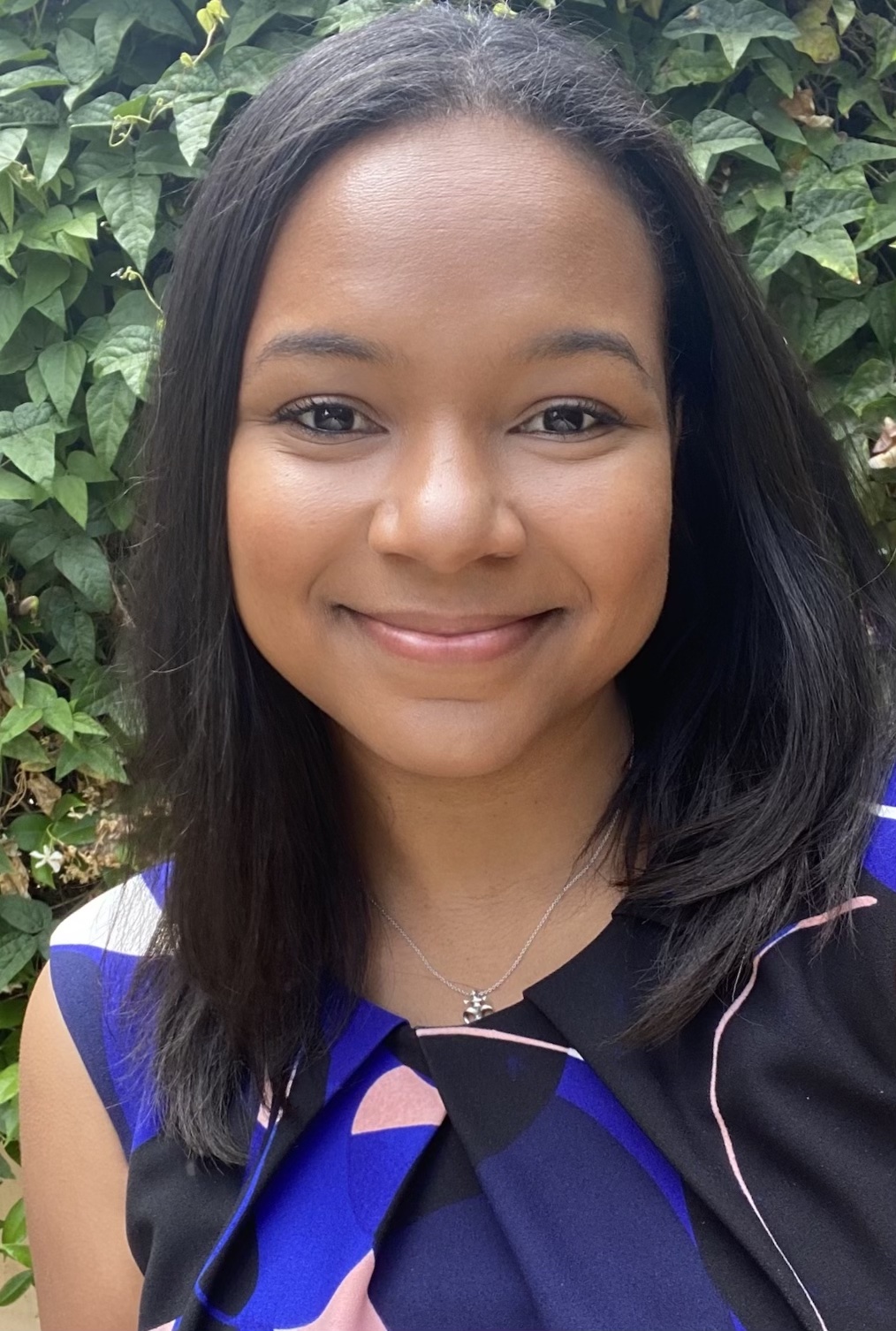
Today we’d like to introduce you to Lola Ivy.
Hi Lola, thanks for joining us today. We’d love for you to start by introducing yourself.
I grew up in the South Bay of Los Angeles, the daughter of a single father who supported us solely through his social security income. Opportunities in our neighborhood were scarce. Most kids didn’t finish high school, and college felt like something out of reach—something almost mythical.
Despite being at the top of my high school class, I didn’t see higher education as a realistic path. No one I knew—except my teachers—had gone to college, so why should I have felt any different about myself?
But one day, my guidance counselor sat me down and encouraged me to apply to the UCs. That conversation sparked the first glimmer of possibility, and I took a chance on something different.
In 2008, I began my first year at UCLA. It was a moment of pride, but also a moment riddled with deep impostor syndrome. I was surrounded by peers who seemed to speak the language of higher education fluently—who knew how to navigate systems and structures I couldn’t even name. I didn’t have a network, a roadmap, or anyone to guide me. It was isolating, but I found my footing through persistence and purpose.
After graduating, I returned to UCLA to work in student affairs, driven by the belief that my role was to support first-generation college students like myself—to help them succeed not just academically, but emotionally and socially. That work felt deeply aligned with my experience. But it was only when I began supervising recent grads that I realized something important: the journey doesn’t end at graduation. The 9-to-5 world presents its own challenges—new codes, new expectations, and very little support for those who didn’t grow up around it.
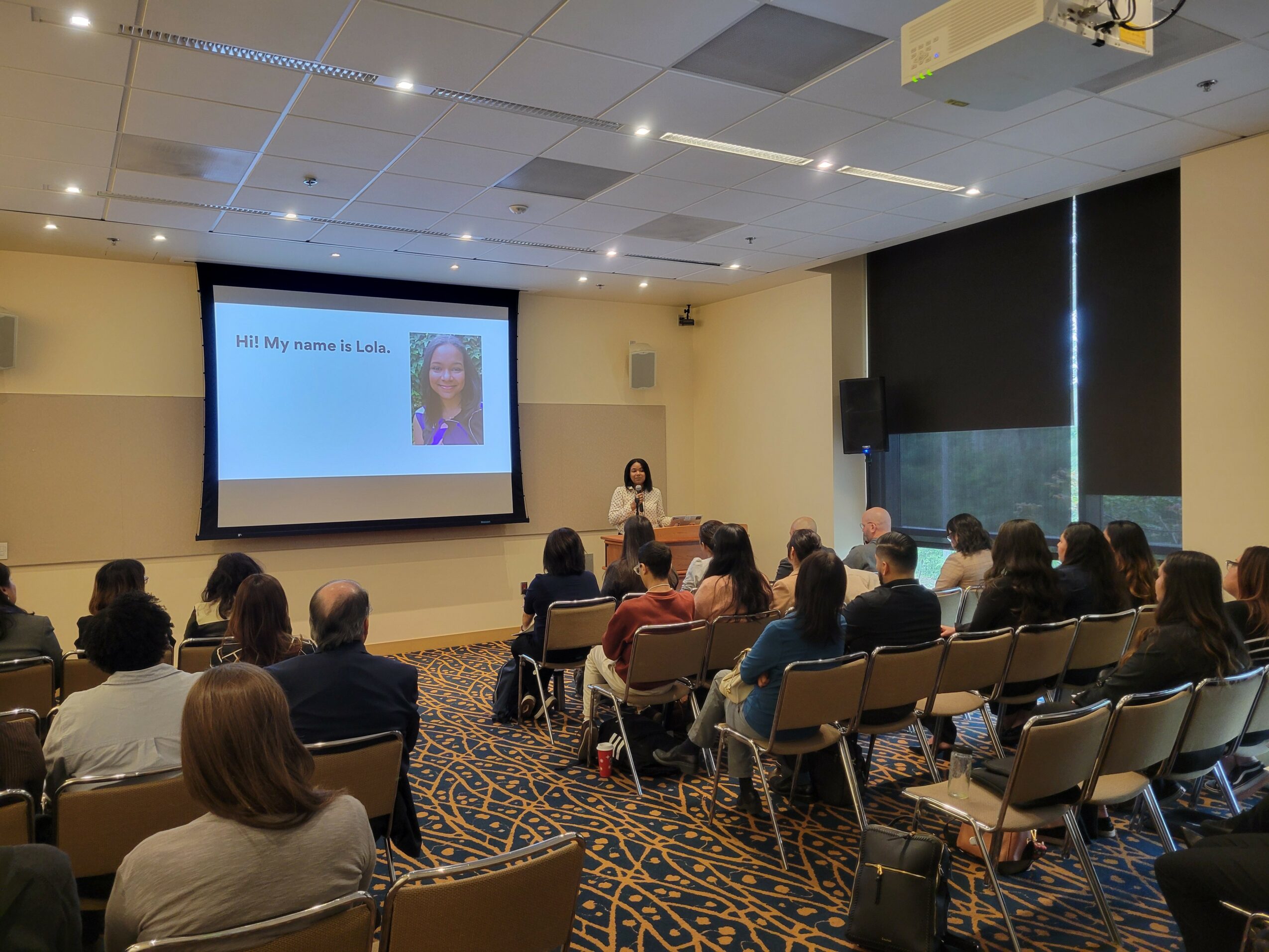
That insight led me to my current work in professional and career development. At UCLA, I now lead a cohort of full-time staff through a year-long journey of growth and advancement. Through workshops, one-on-one coaching, and storytelling, I help individuals build confidence, clarify their goals, and navigate their careers with intention and agency. I get to be the guide I needed—someone who helps bridge the gap between potential and possibility.
Would you say it’s been a smooth road, and if not what are some of the biggest challenges you’ve faced along the way?
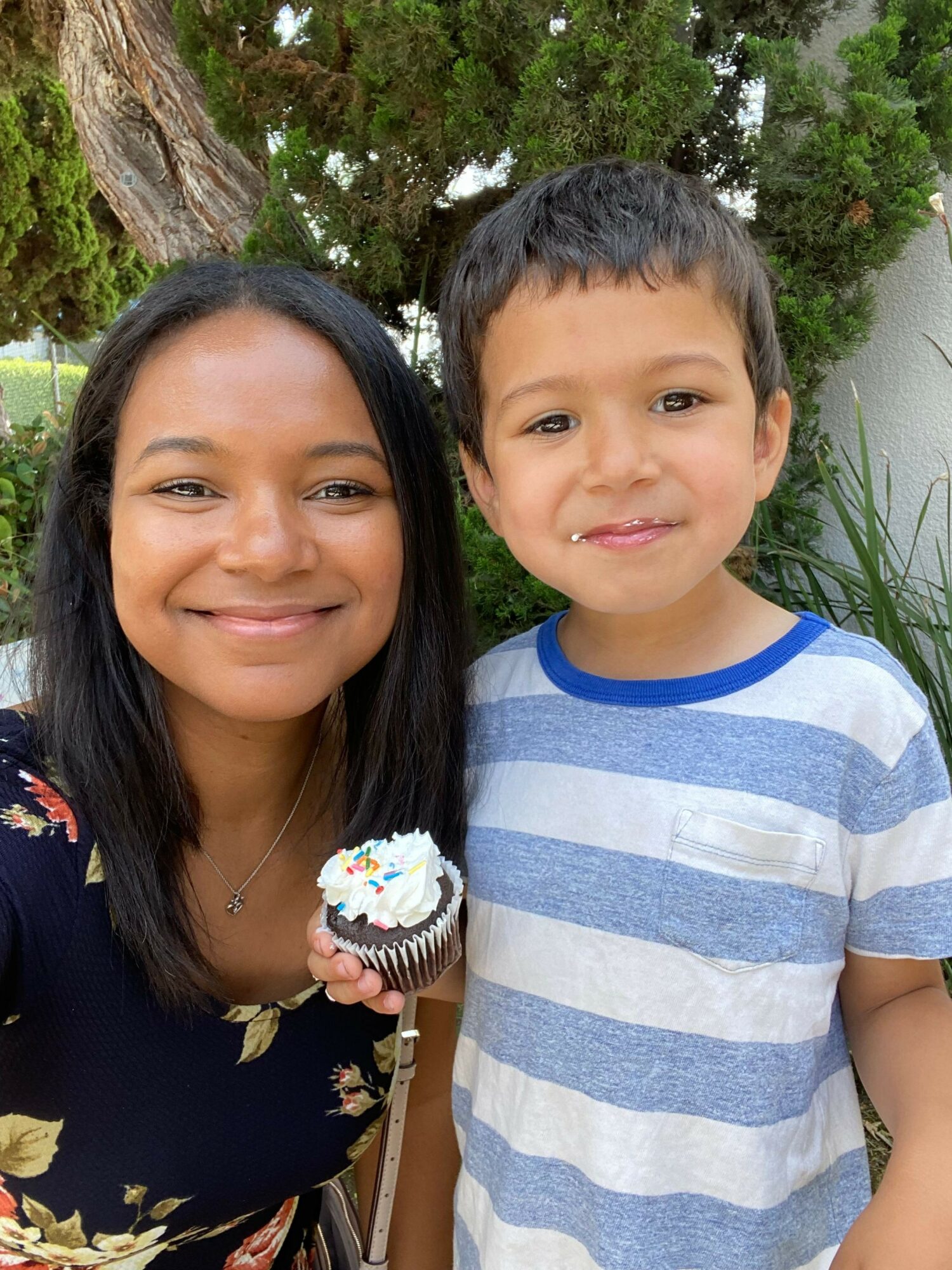
Not in the slightest. In 2022, my husband of six years passed away suddenly, and in that moment, everything changed. I became a single parent to my four-year-old son—working full-time to make ends meet while enrolled in a rigorous master’s program at Pepperdine University.
No one would’ve blamed me for quitting. I could’ve stepped away from graduate school to adjust to our new single-income reality, stopped working to focus on completing my degree, or hit pause on everything to be a stay-at-home mom to my grieving child.
Instead, my days looked like a marathon: wake up, study, get my son ready for school, work eight hours, squeeze in study time over lunch, pick him up, make dinner, connect meaningfully with my son, tuck him in, and hit the books again before bed—just to do it all over again the next day.
I’m not a quitter. When I dream, I dream big. And above all, I wanted to become someone my son would look up to and say, “That’s my mom.”
The year after my husband’s passing was defined by sacrifice, struggle, and resilience. And emerging from it—degree completed, son thriving, still pushing forward—has deepened my commitment to the work I do. I know firsthand what it takes to rebuild while reaching for something greater. That lived experience fuels my passion to help others do the same: to help them chase their dreams even when the path forward seems impossible.
Thanks – so what else should our readers know about your work and what you’re currently focused on?
I currently lead a year-long professional development program at UCLA designed for early- to mid-career employees. Through this initiative, I support staff in developing foundational career skills—such as project management, public speaking, networking, leadership, and more—that empower them to take ownership of their professional journeys.
What I specialize in isn’t just teaching these skills—it’s making them feel achievable. Every year, I hear from participants who tell me how much more confident they’ve become, not just in their work but in how they lead their own growth and advancement. That feedback is everything to me. It speaks to the purpose that drives my work: helping others see that building a career you love isn’t out of reach—it’s entirely possible with the right support and mindset.
What sets me apart is that I’ve lived many of the challenges my clients are still navigating. I’ve been in the trenches, faced adversity, and climbed my way through uncertainty and change. That lived experience helps me show up with empathy, clarity, and proof. Proof that you don’t have to fit into someone else’s mold—you can build a career that aligns with your values and your needs. And when people feel lost or ready to quit, I can be the reminder that they’re capable, resilient, and worthy of the future they’re working toward.
Can you talk to us about how you think about risk?
I wouldn’t call myself a risk-taker—at all. I live my life rooted in preparation. I double-check everything. I plan meticulously. The act of preparation gives me comfort and confidence, and it’s foundational to who I am.
But being risk-averse doesn’t mean playing small. I’ve stepped into situations that many would call risky and emerged stronger on the other side. My perspective on risk is grounded in reflection and resilience. Whenever I’m faced with something outside my comfort zone, I ask myself: “What’s the absolute worst-case scenario?” I walk through every possible pitfall. Then I ask, “Can I live with that?” and “If it happens, what’s my plan to recover?”
That kind of intentionality gives me a unique superpower—because once I’ve made peace with the worst, I can show up fully in pursuit of the best. Most of the time, the worst-case scenario isn’t nearly as terrifying as it first seems. And when you’re prepared to meet it head-on, risk becomes less about fear and more about strategy.
I may not take risks recklessly—but I take them with clear eyes and a deep belief in my ability to bounce back. That mindset has empowered me to grow in ways I never expected.
Popular
-
Los Angeles Barea on Turning Green Superheroes into a Global Movement for Youth-Led Change
-

Trisha DuVivier on Bridging the Franchisor–Franchisee Divide with Workhero and “Franulate”
-

Portraits of the Valley
-

LA’s Most Inspiring Stories
-
Cedar Boschan on Elevating Black Music Rights and Driving Urgent Conversations Around Credit, Equity, and Artist Protection
-

Robin Olive on Building an Inclusive Performing Arts Movement and Expanding Opportunities for Every Student


