



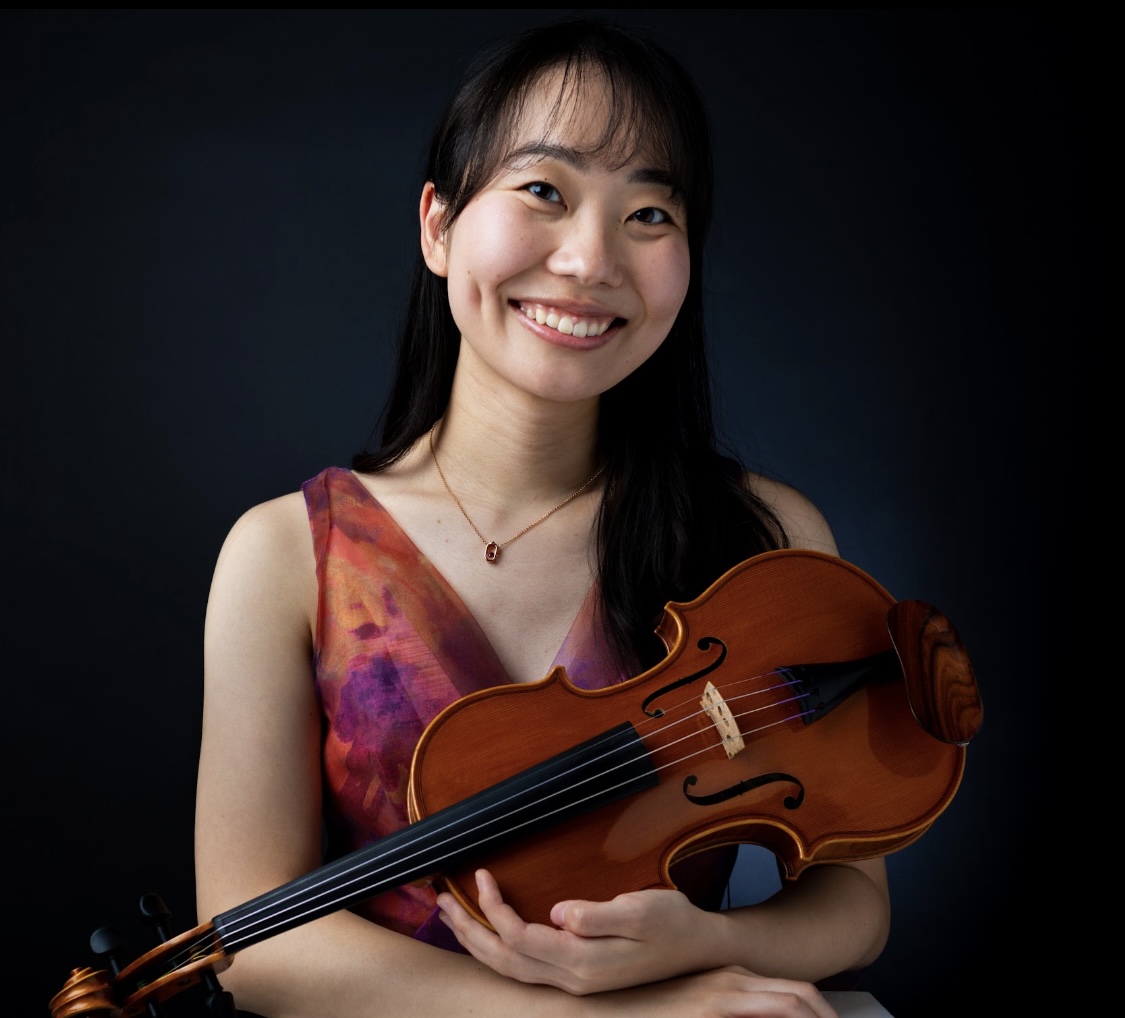
Today we’d like to introduce you to Lisa Yoshida.
Hi Lisa, we’d love for you to start by introducing yourself.
I started my violin journey through classical music, and now my work crosses many genres and art practices. In my undergraduate studies, I told myself that I want to play music not just from the page but also from my heart. Through my recently completed PhD degree in Integrated Composition, Improvisation, and Technology at the University of California Irvine, I learned new ways of performing and expressing myself through multimedia performance. My research dives into autoethnographic violin performance; meaning using my own experiences and stories as the source and creative component in composition and performance. I particularly focus in on the violinist’s bow arm, looking at its visual, kinesthetic, and artistic value through motion sensors and dramaturgy. As a Japanese-American immigrant, bringing folklore from my childhood, or incorporating self-recorded and edited field recordings brings a deeply personal lens to my art. Another turning point in my artistic practice was during my residency at the Banff Centre for Arts and Creativity for their Jazz and Sonic Arts 2025 Program. This program was life changing; I was surrounded by the beautiful Canadian Rockies and wildlife, and meeting the sweetest and most creative musicians from around the world. I felt so privileged and humbled at the same time. This residency shifted my mindset of what it means to create art, outside of an infrastructure. When we are not rewarded by a credit, grade, or degree performance, what do I choose to create? How do I wish to connect with my diverse audience? How do I want to represent my artistry and respond to my life? Somehow, seeing elk nonchalantly eat mushrooms right outside of my Banff Music Studio on a Tuesday afternoon, forced me to reflect on all of my cross-disciplinary studies and say, and now, what do I want to create? (This incident also began the sketches of my first Jazz piece, “The Elk are Eating the Mushrooms in Front of my Studio”) Today, I find myself performing in a variety of settings, and allowing my artistry to be flexible, which is a skill I’ve developed through studying improvisation. Performing at art museums is also a more recent project of mine, experimenting with becoming a vessel for live interaction between artwork and the audience through the violin.
Alright, so let’s dig a little deeper into the story – has it been an easy path overall and if not, what were the challenges you’ve had to overcome?
Speaking of my recently completed PhD and developing my compositional voice, I would say the biggest struggle was fighting imposter syndrome. As a performer, navigating how to be a scholar was a huge learning curve. In the end, building research skills has allowed me to deeply engage across other art disciplines, pedagogy, and human connections. Building a research question and topic was also a skill I didn’t heavily need in my prior practice as a violinist. However, staying curious about why and what I perform, and engaging audiences to collaborate with my work beyond just listening, has forced me to rethink normative performance structures and audience interaction with my art. Because the human species is so diverse, and connection is a limitless experience, there will always be room to improve and discover how we can deeply engage with art and each other.
Thanks – so what else should our readers know about your work and what you’re currently focused on?
Currently, just coming out of my PhD research, I am focusing on honing my performance as storytelling. I’ve had the pleasure of curating interdisciplinary events for art museums, such as at the David Geffen Galleries at LACMA, the UCI Langston Orange County Museum of Art, or the Laguna Art Museum. Storytelling inevitably has a reciprocal side of an audience, who is actively experiencing the story. They are not simply listening, but their reactions also actively shape the delivery of the storyteller. This feedback loop is the key to have an engaged audience, which is a concept I bring to each performance. As a violinist, bringing an improvisatory mindset is integral to make this work. I felt that in my classical studies, being flexible and inviting change in a live performance is rarely taught (of course we are taught to listen in the moment, but encouraged to adapt within the constraints of the composition or style). I am very proud of the diverse portfolio of work I have developed and presented across a variety of “stages” beyond the traditional concert hall. Each space offers its own architectural conditions, patterns of energy circulation, and endless possibilities for human behavior and interaction. I find it deeply rewarding to explore how these elements can shape a performance and create a sense of world-making, inviting audiences to experience music and space in new ways. While working within these environments can be challenging, these experiences have continually expanded my perspective and practice as a violinist.
Can you talk to us about how you think about risk?
I think as artists we face a lot of risks when we create, because creation takes an enormous amount of energy and time. But just like anything in life, that risk becomes the drive to DO something. If the risk is low, the reward will proportionately be diluted. As musicians, risk taking can take place in auditions, learning and creating with a new software, composing in a new genre, or performing in front of a large, unfamiliar audience. Besides music, my other joy in life is rock climbing. Now, I do not free solo El Capitan like Alex Honnold, but his interviews repeatedly talk about what it means to live, be alive, and have the privilege to give yourself these goals in life. Therefore, I see risk-taking as both a privilege and mission for artists. Through crafting our artistic autonomy as an irreplaceable value of human expression, I strive to continuously create work rooted in lived experience, curiosity, and human connection.
Contact Info:
- Website: https://lisayoshidaviolin.com
- Instagram: https://www.instagram.com/lisa_yoshida_violin?exln=MXFwaWU1ODUzNjNqaw%3D%3D&utm_source=qr
- Youtube: https://www.youtube.com/@lisayoshidaviolin
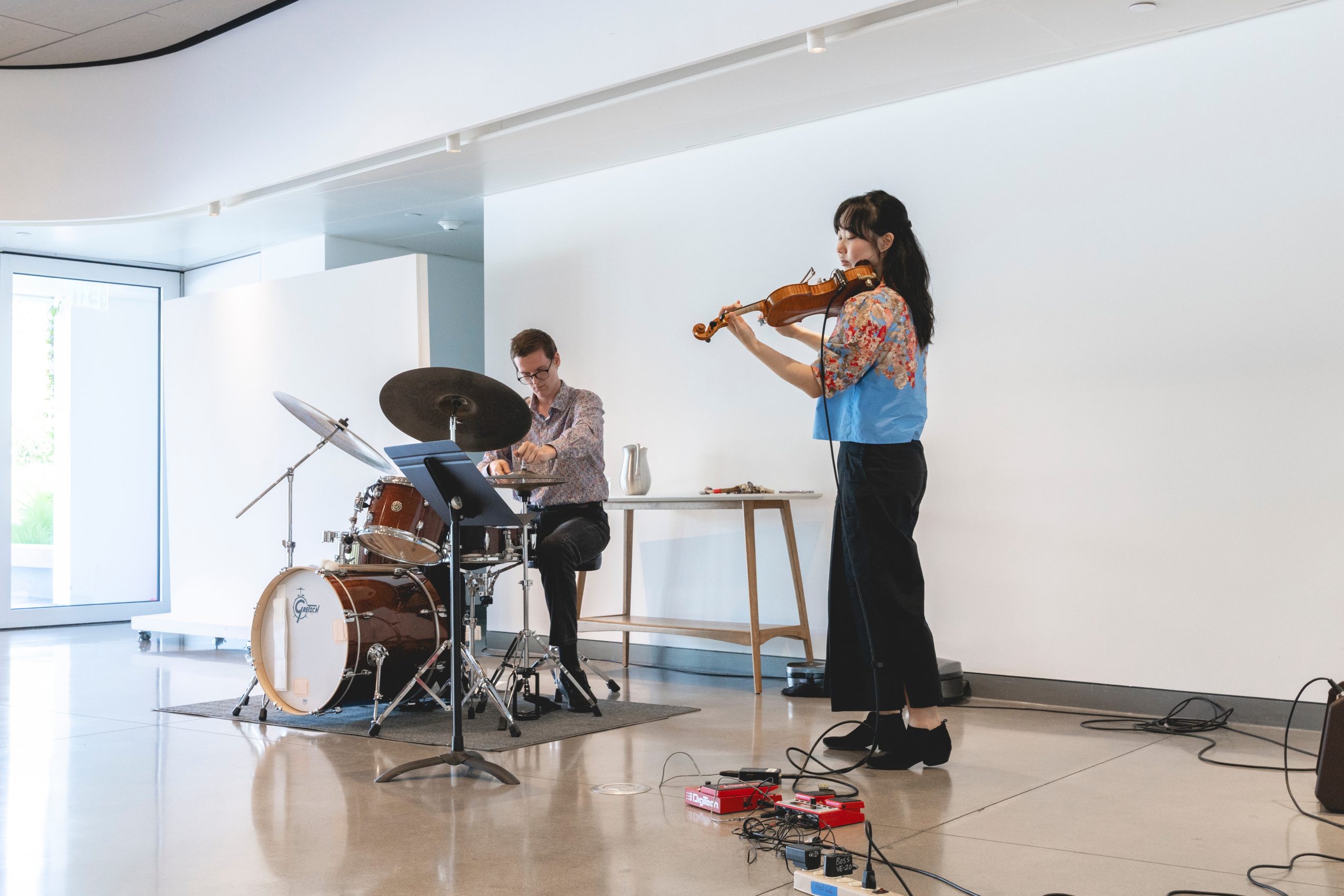
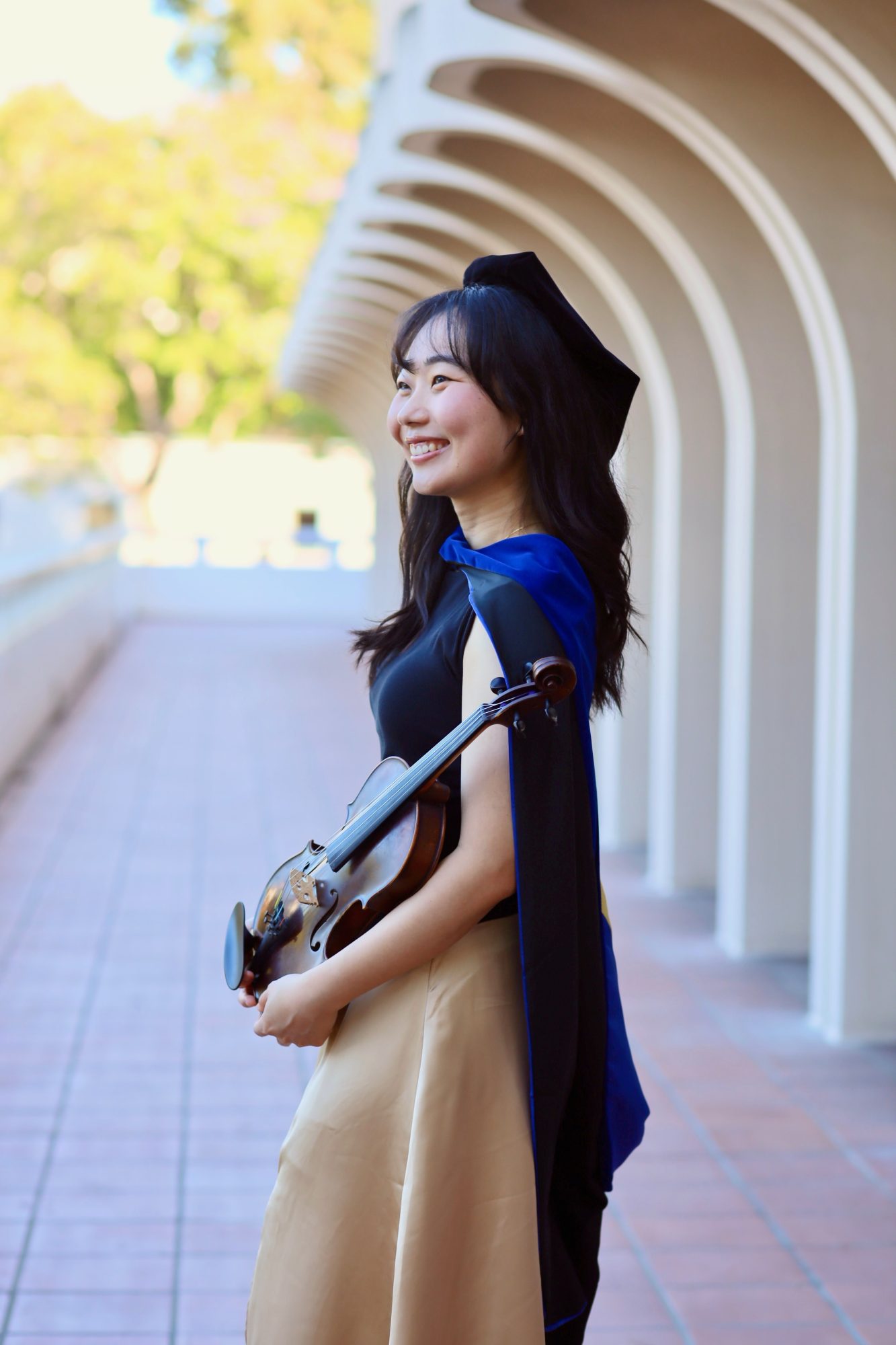
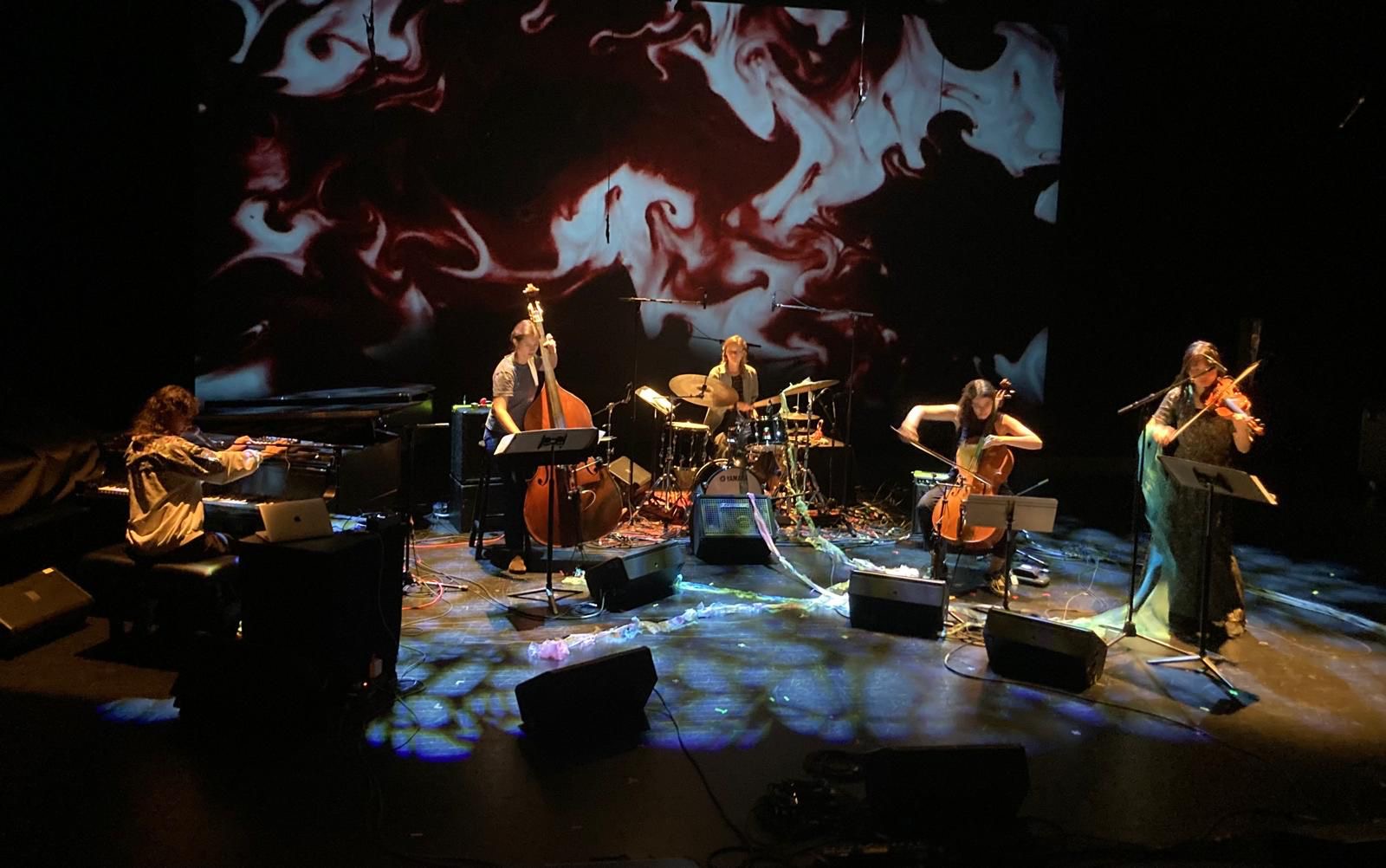
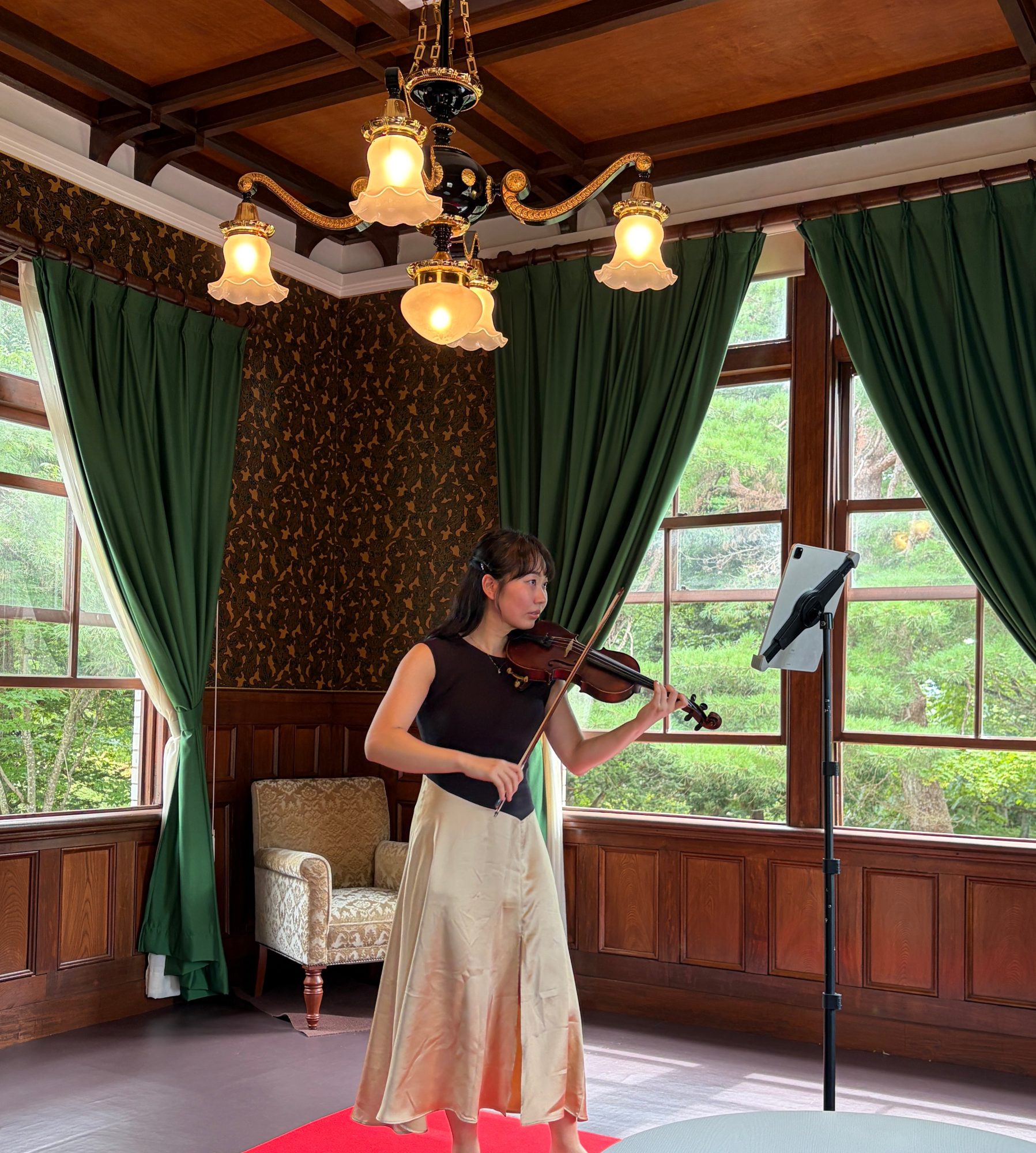
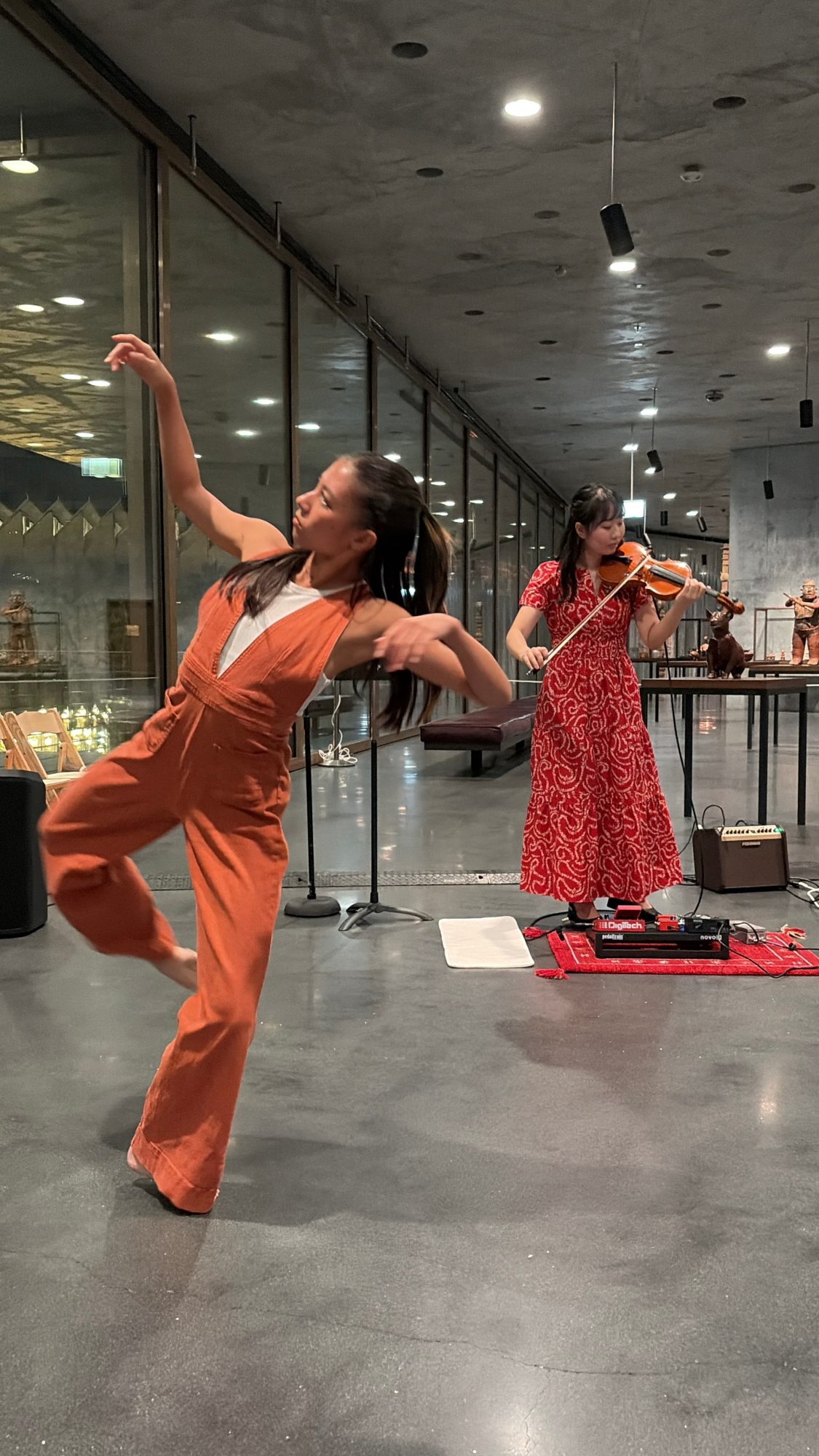
Image Credits
IMAGE CREDITS: Julian Lee, Elaine Le, and Simon Klein
Popular
-

Portraits of the Valley
-

LA’s Most Inspiring Stories
-

Greg Hex Is Turning the Everyday Kitchen Knife Into a Modern Design Object
-

Rick Norris Learned That Building a Successful Business Means Building a Life You Actually Want to Live
-
How Olivia Rush Turned Survival Into a Mission to Help Others Keep Going
-

How Bibi Goldstein Is Helping Entrepreneurs Reclaim Their Time by Embracing the Power of Delegation


