




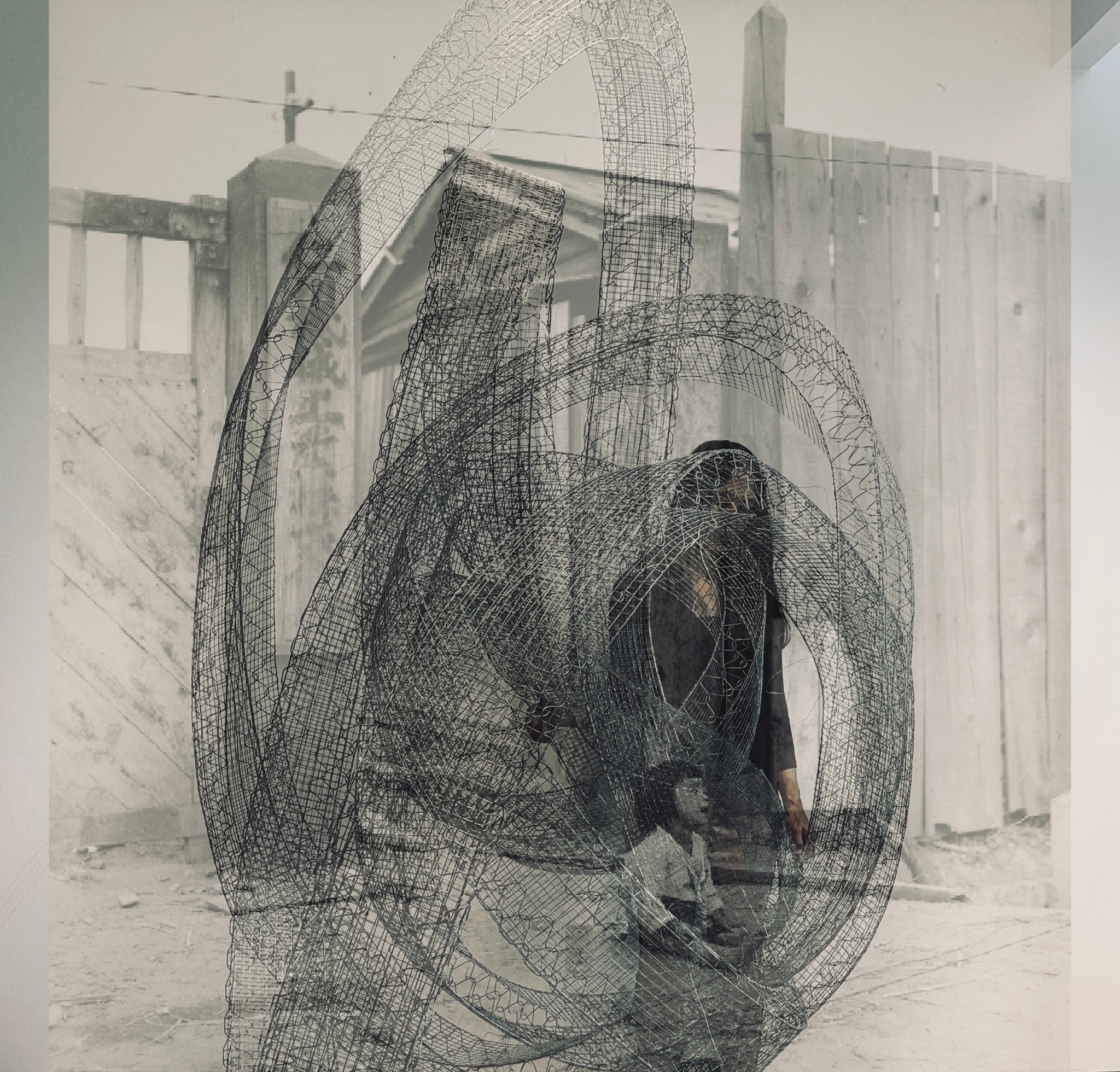
Today we’d like to introduce you to Kyong Boon Oh
Hi Kyong Boon, it’s an honor to have you on the platform. Thanks for taking the time to share your story with us – to start maybe you can share some of your backstory with our readers?
I was born and raised in Seoul, Korea, where I spent my youth often drawing human figures, though I never imagined I’d become an artist. My aspirations were to become a surgeon or a mathematician, which led me to earn a BS in mathematics from Korea University. However, my enduring passion for drawing led me to Chicago, where I pursued art at the School of the Art Institute of Chicago, earning a BFA. From there, I built my career around creating human-scale figurative paintings and sculptures.
In 2003, my artistic practice underwent a profound shift due to two uterine diseases that caused both infertility and physical pain, forcing me to stop working with large forms. Inspired by my father’s metalsmith legacy, I started hand weaving metal wire with no intention to create art, contemplating physical and emotional turmoil through the creation of small spiral forms. Embracing the slow rhythm as a form of meditation, I created “Walk Slowly – Nest,” which took 16 years to complete, and “Walk Slowly – Cradle,” which took 18 years. This labor-intensive repetition led me to flow with medium, conform to the process, and stay present in the moment. It regenerated me as an artist and led me to the ‘path of solitude,’ where I developed a spiritual practice, harmonic glossolalia(speaking in tongues associated with Pentecostal and charismatic traditions). During this period, I didn’t show my works in public for 16 years.
In 2016, I began direct stone carving, which led me to carve my way out of solitude and reconnect with the external world. Initially fueled by a need for meditation, my creations have traversed a path toward engagement and expressiveness with social commentaries. I’ve since incorporated discarded materials like water bottles, stone remnants, branches, and garden cloches into my work, addressing my concerns about reviving abandoned with a focus on spirituality. As an effort of social engagement, I have developed “Flow with Medium” workshop, a community art project funded from artist grants, sharing my meditative art practice and giving participants a chance to meditate with materials. I also co-founded Stone Sculptors Guild of Orange County. Through my evolving practice, which now includes historical research initiatives like “6.25: The Korean War project,” I aspire to reveal personal histories as communal destinies that transcend time and space.
Some of the exhibitions that I have been involved with include my solo exhibitions “Chorus of The Displaced”, “Walk Slowly – Unknown Path”, “ON THE PATH”, and “GIL (path)” at Crafton Hills College Gallery, Launch LA Gallery, and Lois Lambert Gallery in Santa Monica Bergamot Station Arts Center. I also participated in the inaugural cohort for the Ellsworth Artist Residency at ArtShare L.A. and have received several grants including In the Paint Grant by LA Lakers, Community Engagement Creative Award by Community Engagement Inc., and Grove Artist Grant by Grove Center for the Arts & Media.
My current exhibitions are “Primarily in the Right Hemisphere” presented by Getty’s PST ART: Art & Science Collide at Lois Lambert Gallery, “Plateaus: Art that Resonates” in Art Share L.A., curated by Stacie B. London, and “(Be)Longing: Asian Diasporic Crossings” at ReflectSpace Gallery in Glendale Central Library, curated by Monica Hye Yeon Jun, Ara and Anahid Oshagan, where “6.25: The Korean War project” is viewing.
We all face challenges, but looking back would you describe it as a relatively smooth road?
Personally, the health problem of 13 years was the most difficult challenge, both emotionally and physically. And as a first-generation immigrant artist facing a language barrier, a sense of dislocation, nostalgia, and desire for belonging, I often blamed myself for not assimilating easily to the new culture, which only heightened my anxiety about the future. These uncertainties and inner conflicts are ongoing struggles which are reflected in my art practice, leading me to walk a line between emotion and meditation. And they remind me of the guidance and mentorship from fellow artists, gallery and organization directors, curators, art critics, and viewers who understood my struggles. Even brief yet meaningful conversations with them influenced me to stay true to my artistic path, valuing intuition and experimentation, even in a society focused on branding.
Communally, artists have been challenged by significant changes in the art world, driven by technological advancements like AI, virtual reality, and digital platforms that provide powerful new tools and methodologies. These innovations intersect with science and philosophy, fundamentally reshaping how art is conceived, created, and consumed in response to a world that increasingly values digital and hybrid forms of creativity. In this age, where technology acts as both a disruptor and an equalizer, I feel an urgent need to be flexible and proactive in adapting to these shifts while I need to integrate scientific insights, philosophical perspectives, and a deep understanding of Korean aesthetics into my practice. This makes me push the boundaries of my work, engaging with new materials and concepts while remaining focused on handicrafts. By doing so, I try to remain relevant and impactful in a rapidly evolving world, while addressing issues of authenticity and human touch.
Alright, so let’s switch gears a bit and talk business. What should we know about your work?
Transcendent end is hidden in our own depths, waiting for the chance to occupy a conscious moment. I try to discover and reveal the moment through my art practice which spans sculpture, painting, photo/video collages, and sculptural installations.
Weaving influences from handicraft, spirituality, mathematics, and personal and historical narratives accompanied by my immigrant heritage with layered materials on a philosophical or metaphorical level, I re-contextualize them with the modernist artistic approaches and narrative deconstructions to contemplate overlooked narratives, while projecting possible identities for the marginalized and providing a commentary on redemptive identity.
Combining process-based abstraction inspired by Arts and Crafts movement, Expressionism, and the Korean Aesthetics of “Yullyeo(the rhythm of the universe)” with traditional, industrial, and commercial materials along with the discarded, I push the boundaries of material to evoke emotion and to reflect the natural order and flow. Using the interior-exterior juxtaposition and the tangled, infinite form as a metaphor of dislocation, nostalgia, assimilation, and desire for belonging, my art, situated between chaos and order, emotion and meditation, and isolation and community, navigates the complex and often uncharted terrain of the displacement. It serves as a record of my “action of weaving and carving,” converted into a path, where I reflect human existence finding order in chaos.
My ongoing “Walk Slowly” and “ID Me” series which emerged from a shift in my art practice due to the health problem encompasses over two decades of my art practice, a deeply personal exploration of identity and redemption. They serve as a therapeutic outlet with the labor-intensive, meditative repetition of metal wire. “ID ME” series is a contemplative exercise of intertwining aged and new wires, manifesting time and identity’s fluidity. Wire, pliable yet resilient, is transformed into a vessel for various contents.
These vessels, “ID ME – Mother” and “ID ME – 6 year old” were used to explore my vulnerability as a central theme for “6.25: The Korean War project,” which was featured in my recent solo show, “Chorus of the Displaced,” and is currently part of the group show “(Be)Longing: Asian Diasporic Crossings.” It is an exploration of the Korean War’s aftermath on my father and its resonance with my own diasporic journey, serving as a showcase of the geopolitical power struggles, including the colonization and division of Korea shaped by the Cold War and superpower rivalries highlighting the global interconnectedness of historical events. The project consists of sculptural installations featuring video and my practice of harmonic glossolalia that digs into humanity’s ironic pursuit of salvation, reflecting my Christian beliefs.
The “Gil(Path)”and “Core” series explore an infinite yet tangled Möbius strip. Uncovering a new passage through digging the negative space in stone, the very negative space becomes a pathway-a tangible representation of time’s passage within the strata. Removing superfluity, only necessity remains. This conceptual exploration of spacetime gives me a sense of forging a path through the wilderness.
Viewing the repetitive, subtractive, and additive crafts accompanied by spiritual practice as a physical pathway for the soul, I hope my art transcends time and space with aspirations for redemption, so beyond the melancholia, this unresolved longing for places or communities or ideals, alludes to transcendence of the self and “Yullyeo.”
Are there any important lessons you’ve learned that you can share with us?
In my current exhibition at ReflectSpace gallery, I incorporated the Korean Red Cross interview with my father, conducted in 2014, 64 years after the outbreak of the Korean War, in an effort to find any surviving family members in North Korea, but without any success. While editing the video, I kept questioning myself: “Why am I doing this? What can I gain by exposing the vulnerabilities of my father and my family? And why am I laughing at my father’s tears, which also bring me to tears of great anger?” My heart was deeply troubled by the video, which seemed like it was made for political propaganda and my father was aware of that power behind to some extent while crying and talking. Watching the video over and over again to edit, I realized why I had avoided it for 10 years. My father’s vulnerability in the video was mine. My father’s crying face was mine. My father’s weakness in the face of power was mine. The failure of my 89-year-old father’s 74-year search was mine. I started this “6.25. The Korean War Project” with a slight hope of giving my father some comfort, but I discovered that it was for myself, not feeling ashamed, even if everything was exposed. I realized that if I could live truthfully as an artist, I might also be able to live as a human being without shame. In the end, I have been unearthing myself from myself to be truthful and to be empowered.
My work embraces both failure and vulnerability as integral parts of the creative process, a testament of living through imperfection. The act of creating becomes an ongoing dialogue between what I aspire to achieve and what reality presents. Through many prolonged failures which are not just painful but also bittersweet, a mix of sorrow and longing, my work explores the ongoing struggle with questions about the human condition and salvation: Is healing and recovery truly possible? The exhausting wait for an answer, often feeling like an endless war against time itself, leads me to the realization that walking the path of an artist is more than just a personal struggle—it is a calling, a trial that transcends spacetime with aspirations for redemption. The war is within, with no shortcuts where the true meaning of surrender is understood only when fully spent. In this surrender, I find peace that even in my brokenness, I am not forsaken.
Contact Info:
- Website: https://www.kyongboonoh.com
- Instagram: https://www.instagram.com/kyongboonoh
- Youtube: https://www.youtube.com/@kyongboonoh642
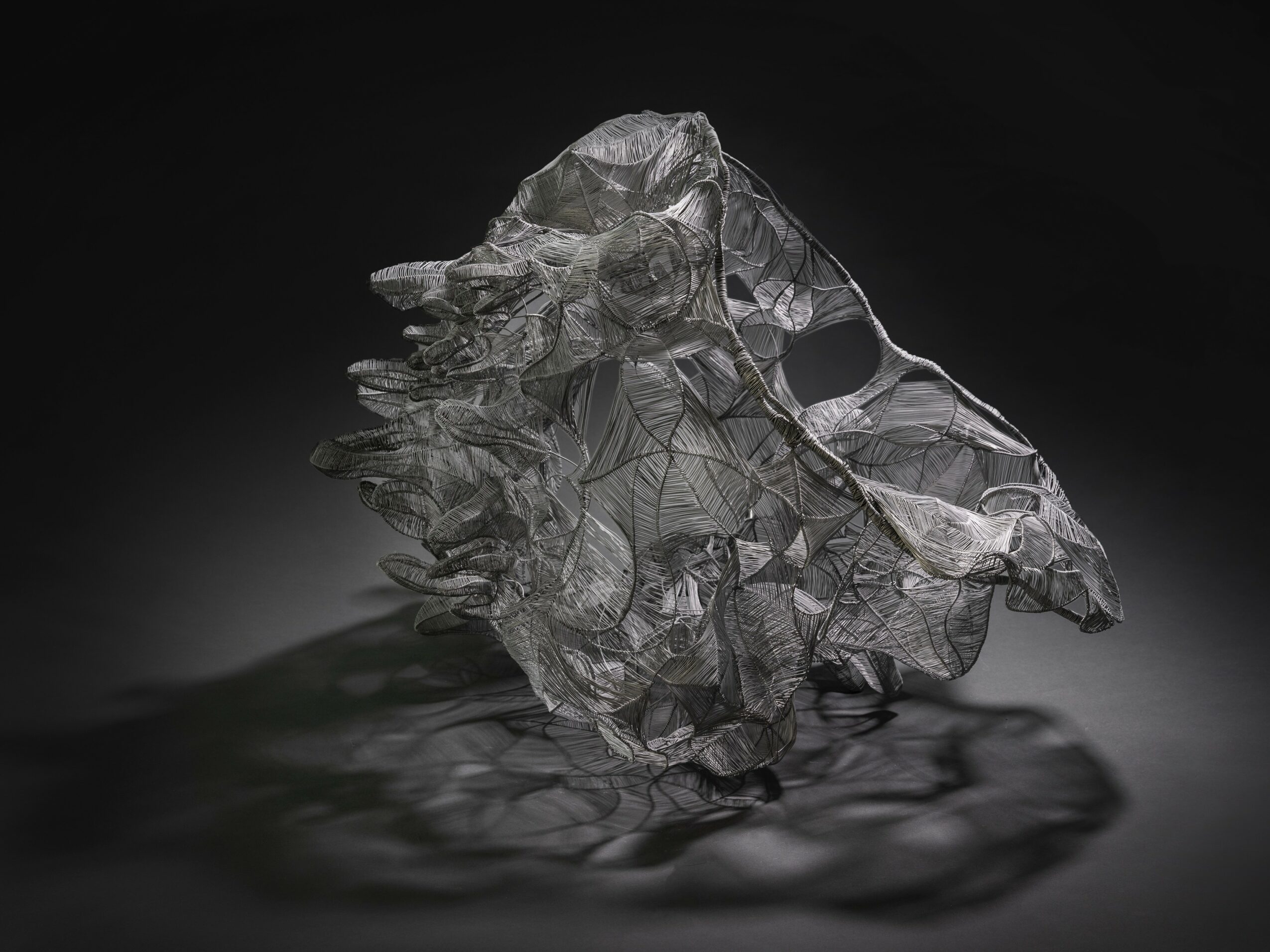
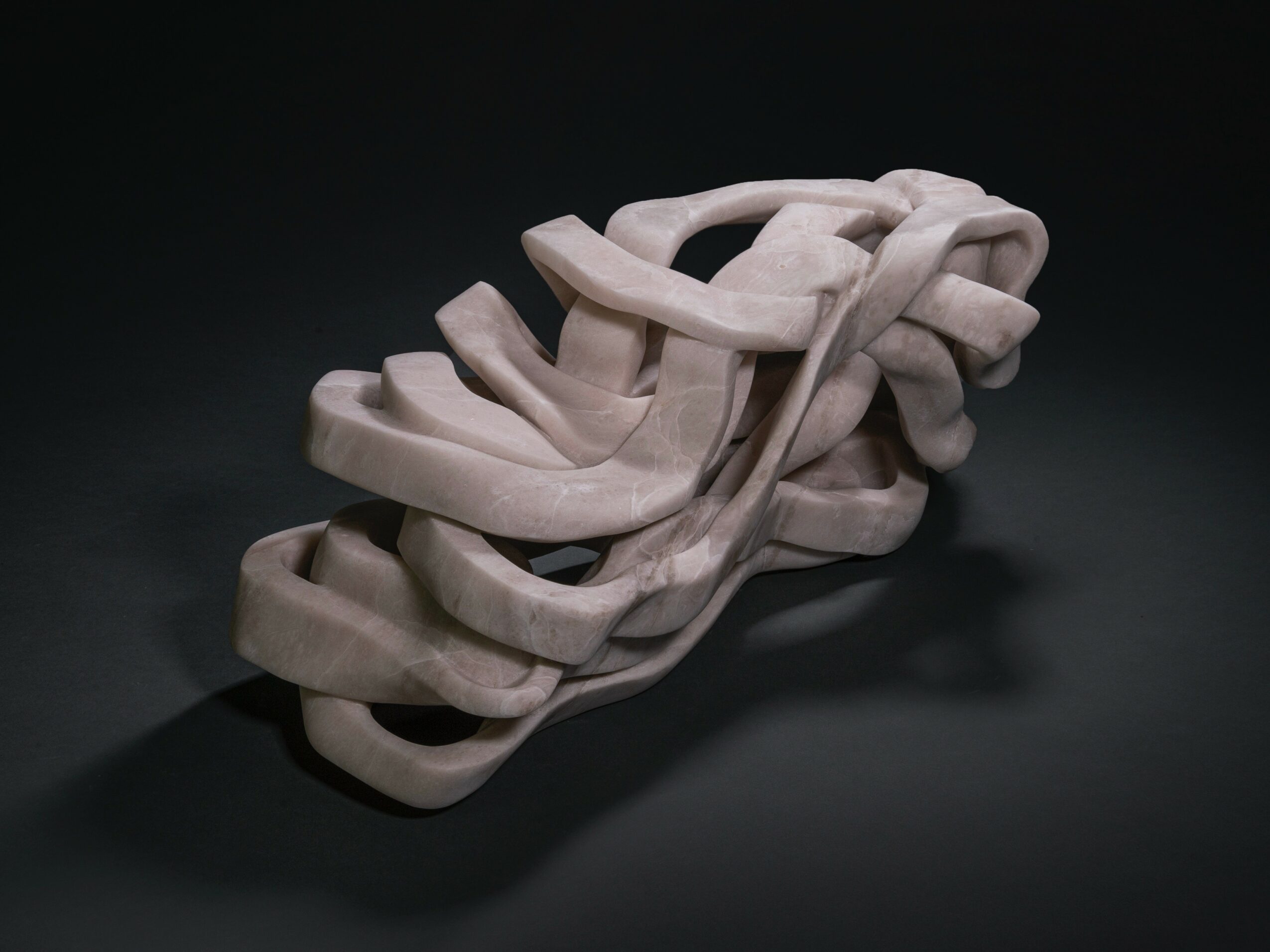
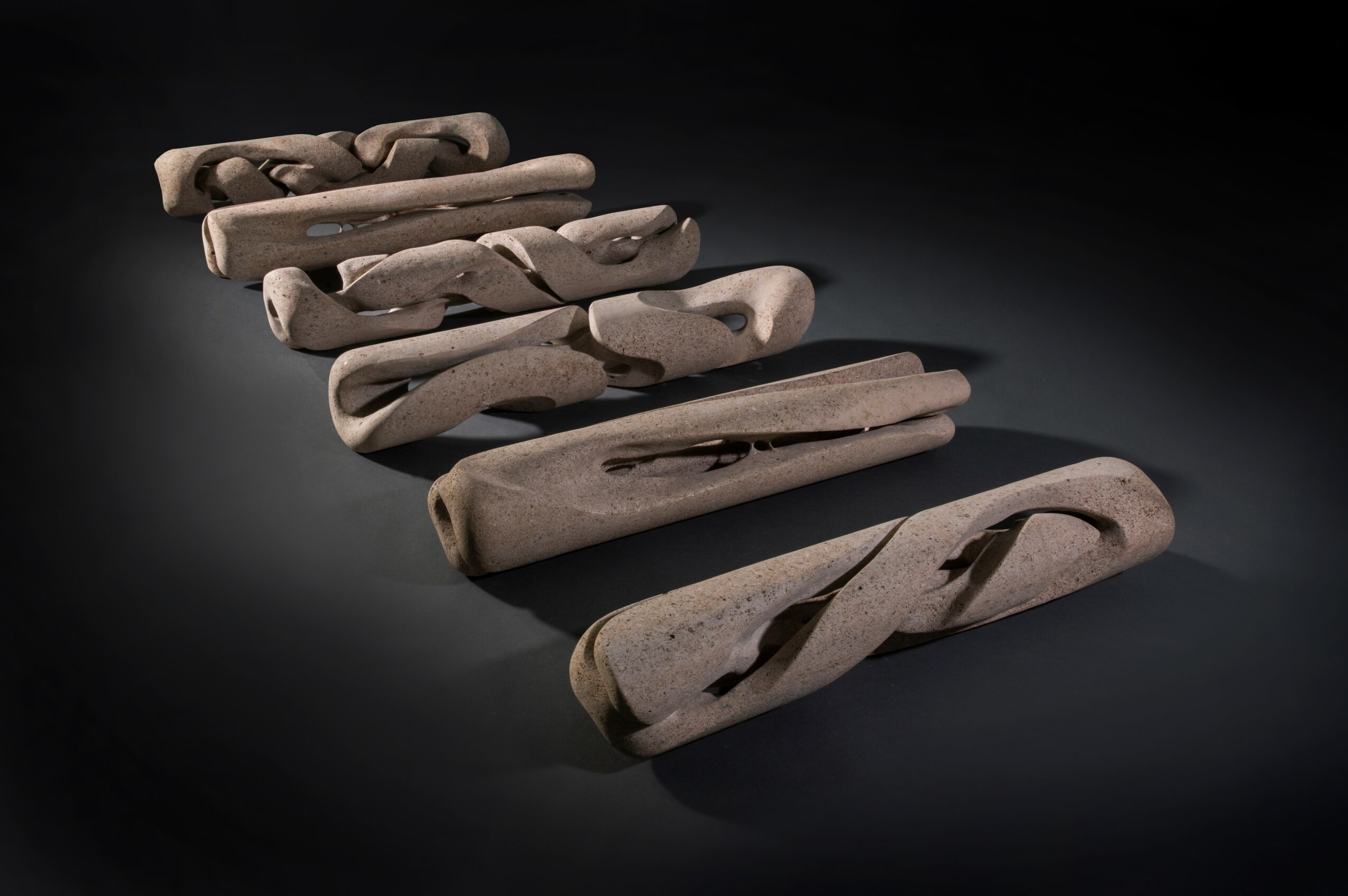
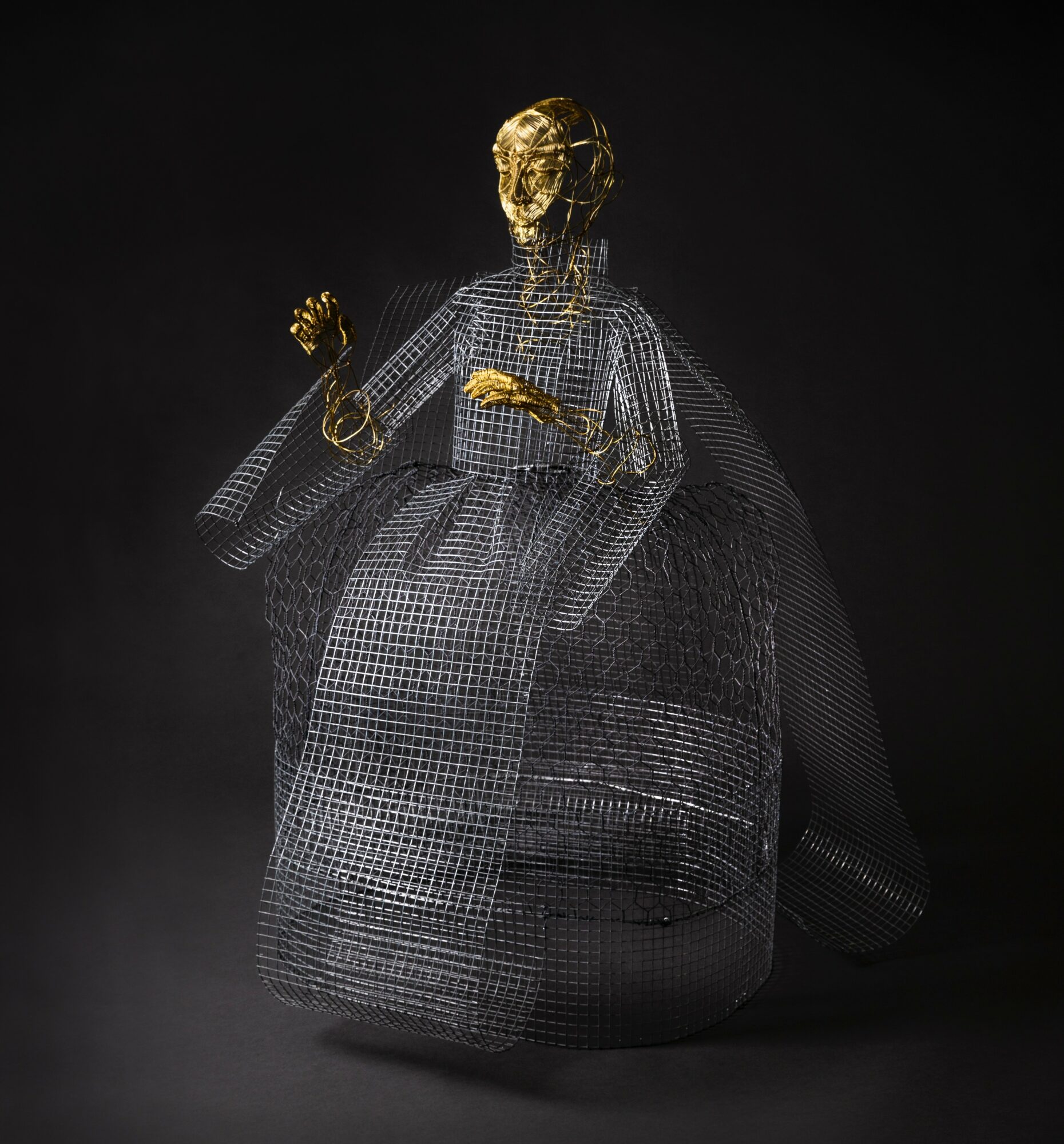
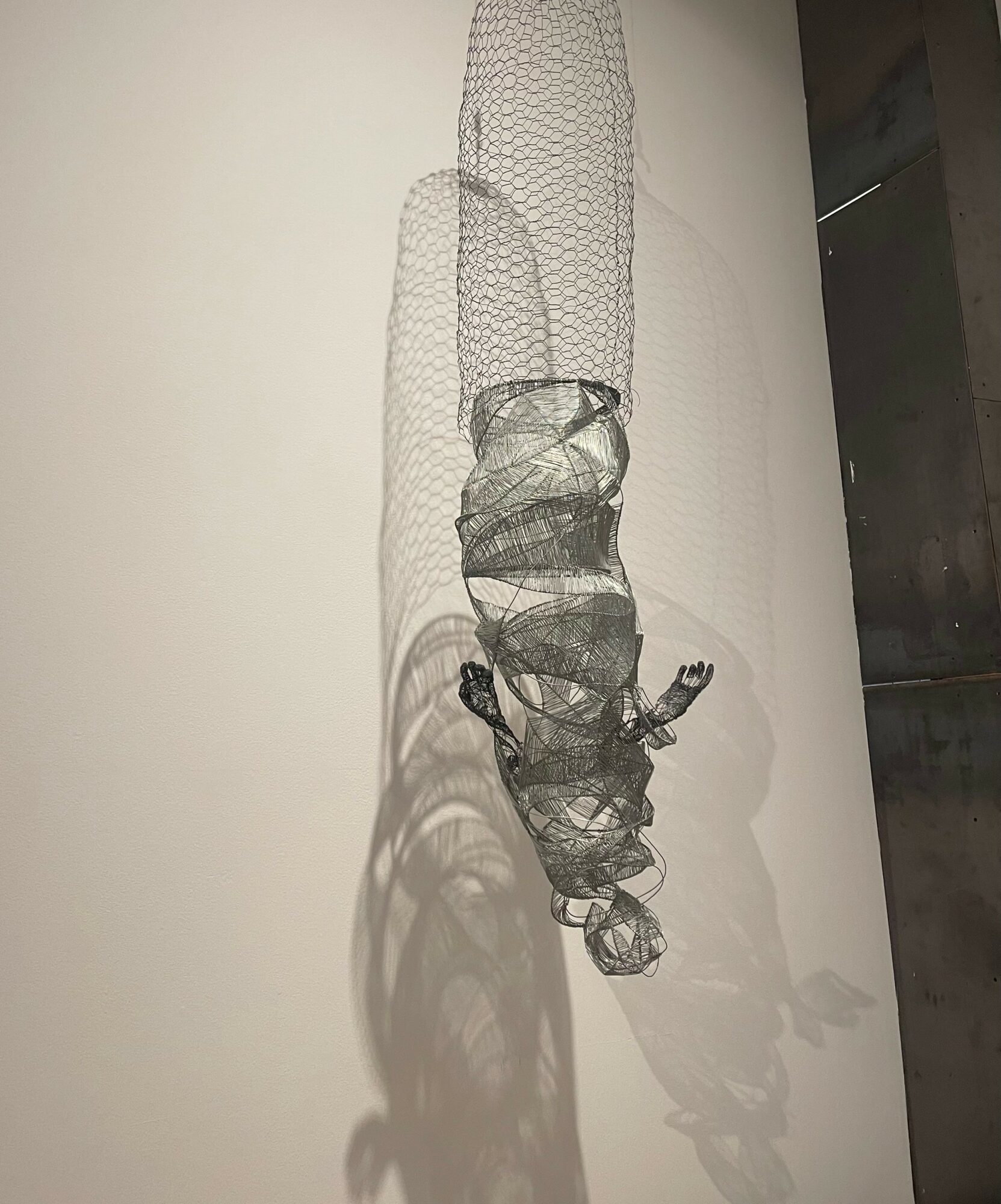
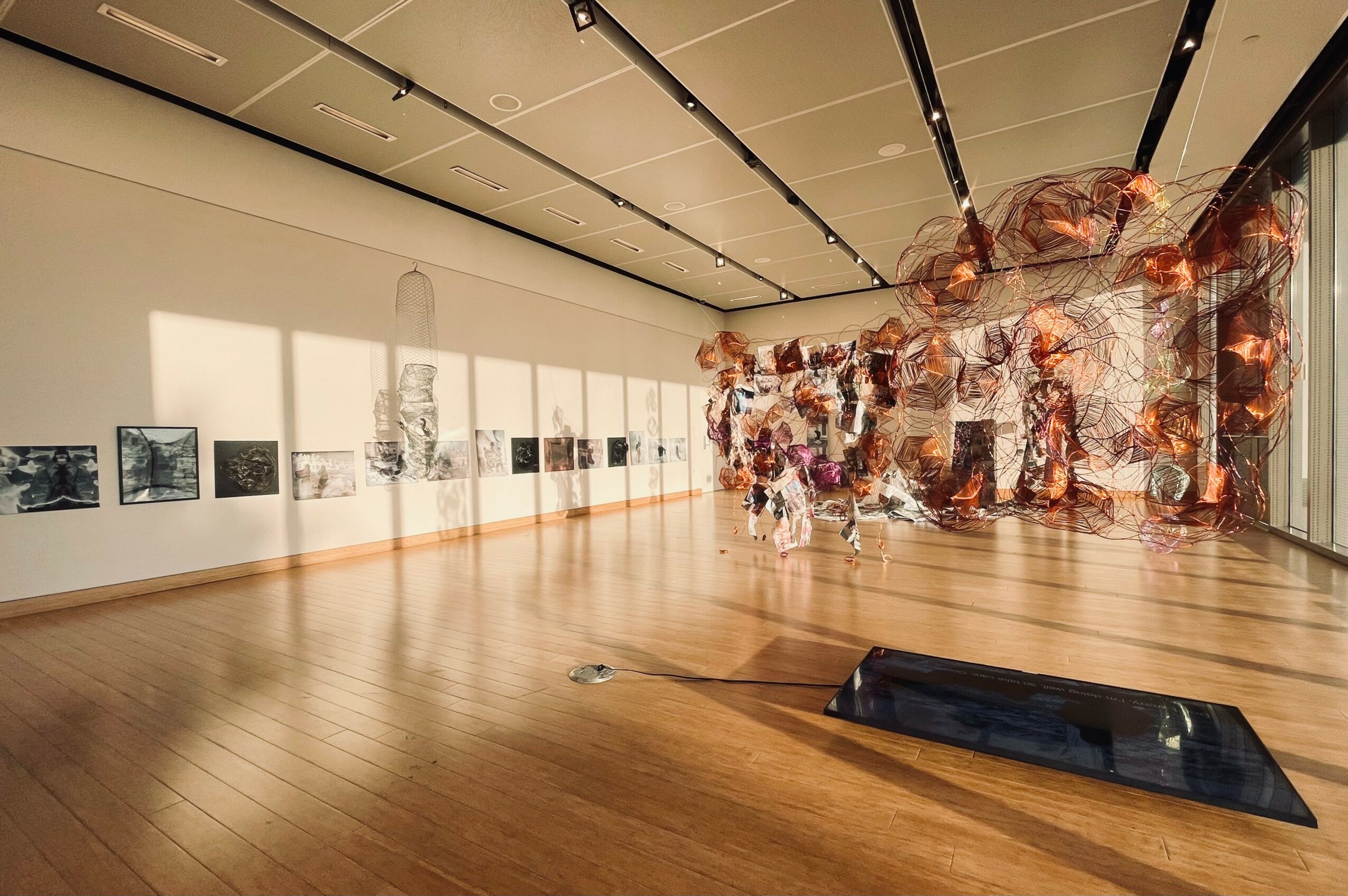
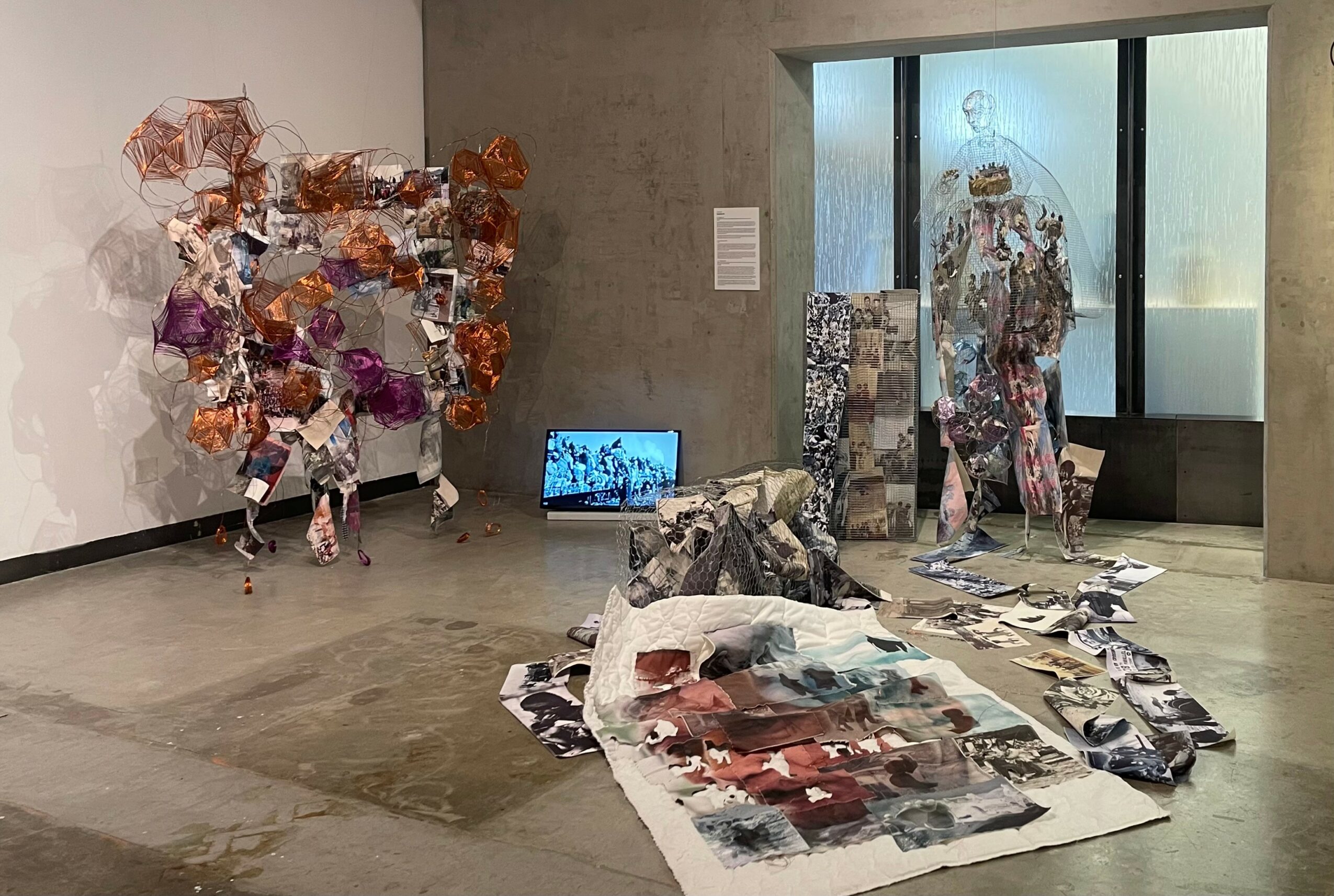
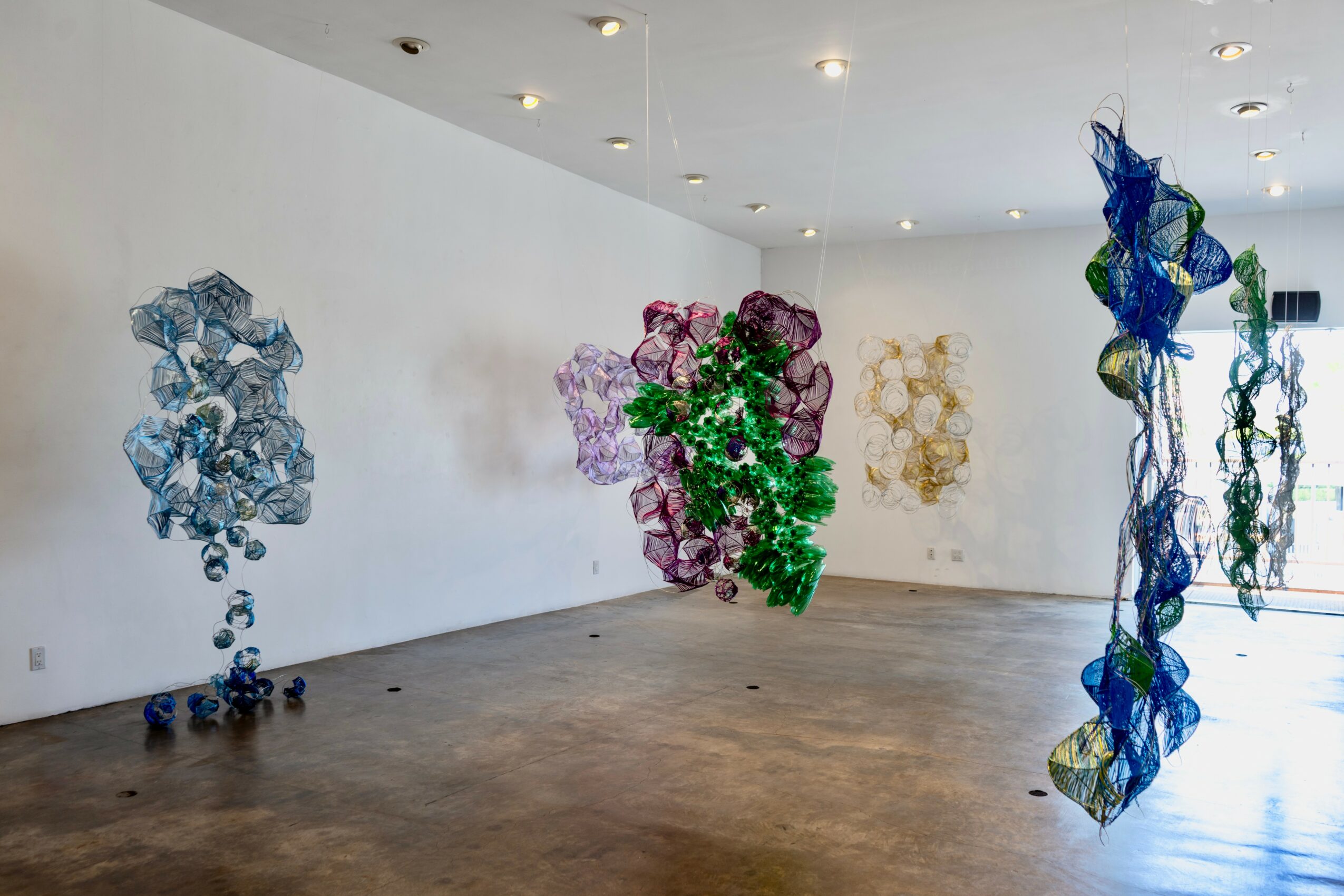
Image Credits
Headshot. from “6.25: The Korean War Project”, photo by artist
1. “Walk Slowly – Nest”, 2003-2019, photo by Eric Stoner
2. “Gil(Path) – Walk in the Path”, 2016-2021, photo by Eric Stoner
3. “Core” series, 2018-2022, photo by Eric Stoner
4. “ID ME – 6 Year Old”, 2022, photo by Eric Stoner
5. “ID ME – Mother upside down”, 2012-2024, photo by artist
6. Installation View, Solo Show “Chorus of the Displaced”, 2024, photo by artist
7. Installation View, “(Be)Longing: Asian Diasporic Crossing”, 2024, photo by artist
8. Installation View, Solo Show “Walk Slowly – Unknown Path”, 2023, photo by LA Art Documents
Popular
-
Robin Olive on Building an Inclusive Performing Arts Movement and Expanding Opportunities for Every Student
-

Portraits of the Valley
-

LA’s Most Inspiring Stories
-

Que Johnson on Building Brands That Last: From Visibility to True Market Authority
-
Christina Wren Steps Into the Director’s Chair to Tell Stories That Feel Like Home
-
JordanL on ‘Breathe,’ Belief, and Building a Movement Beyond the Music


