




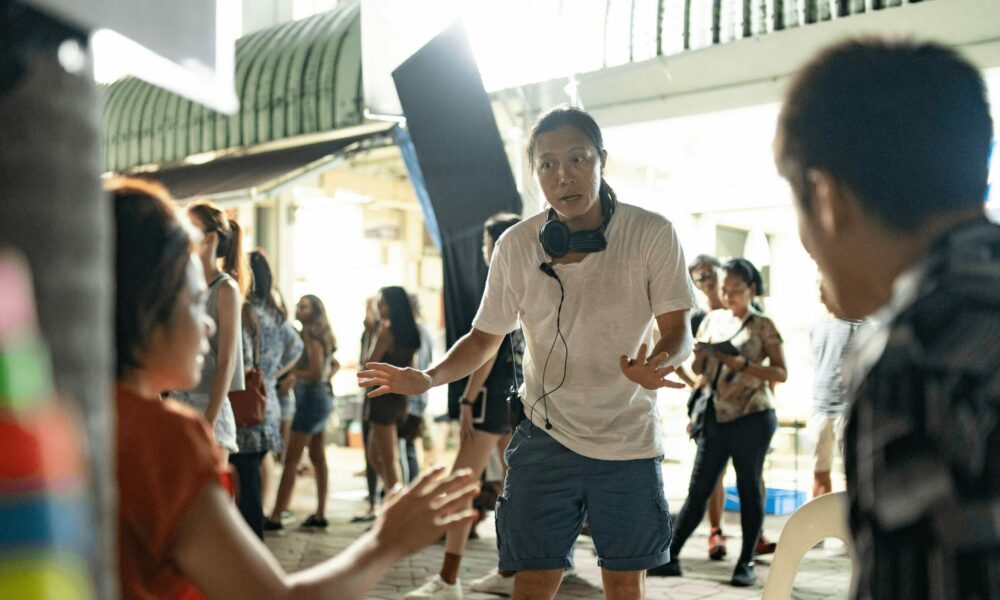
Today we’d like to introduce you to Jiyuan Ler
Hi Jiyuan, we’d love for you to start by introducing yourself.
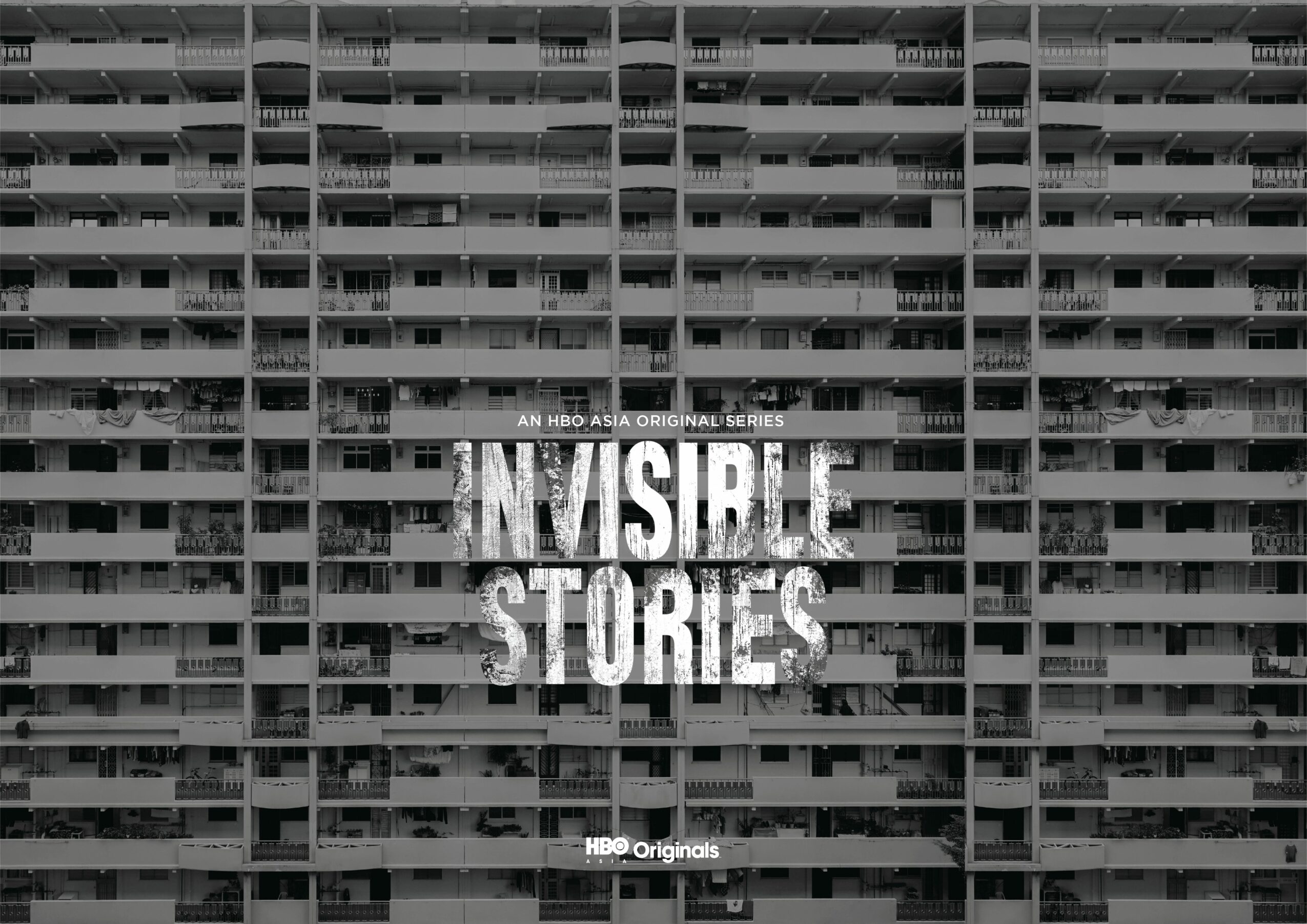
Hi, my name is Ler, and I am a filmmaker from Singapore. I have worked in the industry for nearly 20 years, mainly writing and directing Television dramas for Singaporean and some International networks. I am currently taking a sabbatical from work and pursuing my Masters in Directing at the American Film Institute, graduating end of 2025. One of my most prominent works is an HBO show I created, written and directed called “Invisible Stories”.
I started as a production assistant in the TV industry and worked my way up, learning whatever I could as I went along. I never studied film back then. AFI is actually my first film school!
Alright, so let’s dig a little deeper into the story – has it been an easy path overall and if not, what were the challenges you’ve had to overcome?
I think artistic professions like ours are generally hard everywhere in the world. Singapore is no exception. We are a tiny island nation with a small film and TV industry. To make things worse, Singaporeans primarily consume foreign media (K-dramas, Hollywood films, etc.), and trying to win them over has been a real struggle for filmmakers. Our production budgets are generally low, so hours are long and resources are stretched. Because of this, we are forced to shoot really fast and efficiently.
It didn’t help that I was extremely meticulous about work (and still am). I planned incessantly and paid too much attention to details. So, speed was a real challenge when I first started as a TV director. I moved too slowly and was disliked by the more impatient cast and crew. Eventually, I learned to let go of my perfectionism and shoot quickly and efficiently. This critical training allowed me to survive in this harsh industry. However, until today, I wouldn’t say I liked it. In an ideal world, I would still prefer to be able to take my time and craft every single shot and performance.
Money is also a constant struggle in this line. I came from a lower middle-income family, so when I first started, a few members of my family frowned upon my decision to choose this impractical career instead of something that would allow me to better support my parents. Thankfully, my mother didn’t share that opinion. From the very start, she supported my decision wholeheartedly, even when it meant that I would not be able to help her financially, even when it meant that I would be living away from her for long periods whenever I was on an overseas project. She never stopped believing in me, even when I decided to return to school in my 40s!
Now that I am back in school, whatever I did in the past didn’t matter. I was back to zero. I had to prove myself all over and cut my teeth again. It was hard, but it was also what I needed. After being in the industry for so long, I was feeling tired and uncreative. Coming to AFI is a pilgrimage—to the roots of my passion for film, to find myself, and to hear my own voice once again.
However, returning to school at this age was no easy feat. It involved dismantling my life and work and leaving my elderly parents on their own. My wife, Wendy, an actress, sacrificed her theatre career in Singapore to accompany me to America, and she is now struggling to rebuild a new acting career here. We even brought our 18-year-old Silky Terrier over because we couldn’t bear leaving the old dog alone. I dreamed of making this last stretch of his life fun and memorable by going on road trips around LA. However, a few months after arriving, his health made a turn for the worse, and he just passed away last December. We are, to this day, still dealing with this devastating loss.
Thanks for sharing that. So, maybe next you can tell us a bit more about your work?
I was born in Singapore, a tiny, multi-racial city-state in Asia where the weather is hot all year round. I came from a humble family. My father was a taxi driver for 41 years until he was forced to retire due to an eye condition. My mother was a factory worker who got laid off. Since then, she worked as a freelance masseuse, visiting the houses of rich “Tai Tais” (rich housewives) to give them at-home massages. Like most Singaporeans, we lived in a 2-bedroom government-subsidized flat in a public housing estate.
I mentioned my family background because it was essential to my creative career later. I developed a passion for telling the stories of everyday Singaporeans, showcasing the voices of the marginalized and alienated.
One of my most prominent works was an HBO series I created, Invisible Stories. The series digs into the underbelly of familiar neighbourhoods in Singapore, shining a light on the stories of people we see every day but never really notice—the coffeeshop drinks seller struggling to take care of her teenage son with autism, the taxi driver who transforms himself into a spiritual medium at night, the migrant Bangladeshi construction worker who falls in love with an Indonesian domestic helper. The series showcased Singapore in its most authentic form – a melting pot of different cultures, languages and races (quite significantly different from the Singapore you know from Crazy Rich Asians).
When it was released, Invisible Stories did very well, garnering several TV awards and nominations and being screened at film festivals. Our lead actress, Yeo Yann Yann, was nominated for an International Emmy for Best Actress. To be honest, my producer and I were both very surprised. This series was tiny compared to the usual HBO stuff, and the stories weren’t high-concept, genre or “exciting” in the traditional TV sense. They were just simple, human stories. So, receiving such love from the media and audiences was quite unexpected. This was highly encouraging and gave us hope to continue doing what we do, creating meaningful work that speaks to an international audience.
We are developing a family/horror drama series set in Taiwan and a romance/supernatural feature film set in Singapore. A second season of Invisible Stories is on hold, and I hope it will be made one day.
What quality or characteristic do you feel is most important to your success?
I do not know whether I will label myself “successful.” I have yet to accomplish many things, including my first feature film. So, take what I share with a pinch of salt!
This might sound strange, but I would say the single most important quality/characteristic that contributed the most to my creative work is my depression.
I suffered from depression since I was young. Things are changing now, but seeking help was unthinkable in the culture and family I came from back then. So, I had to learn to deal with it on my own. My relationship with depression went through several stages. At first, it was the “Monster” I constantly tried to run away from – diving into addictions, anti-social behaviours, hedonism, and distractions. Then, it became the Monster I hid inside my closet – so I could be “normal” and function in life, relationships and at work. Now, the Monster has become sort of like my brother. I accepted him as part of me and even introduced him to my friends. I learned to listen and pay attention to him, but when necessary, I also kicked him out of the house so I could have some peace.
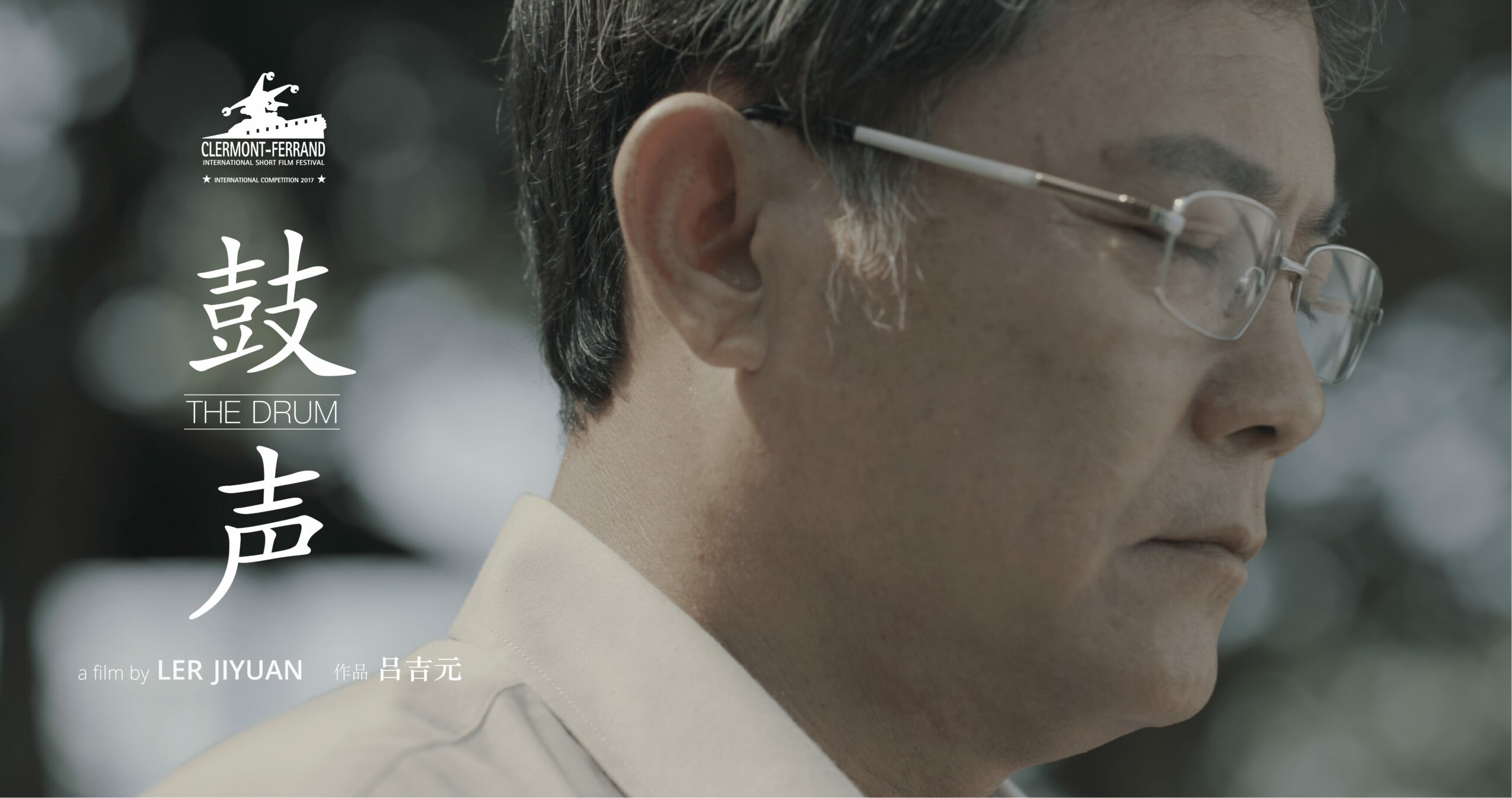
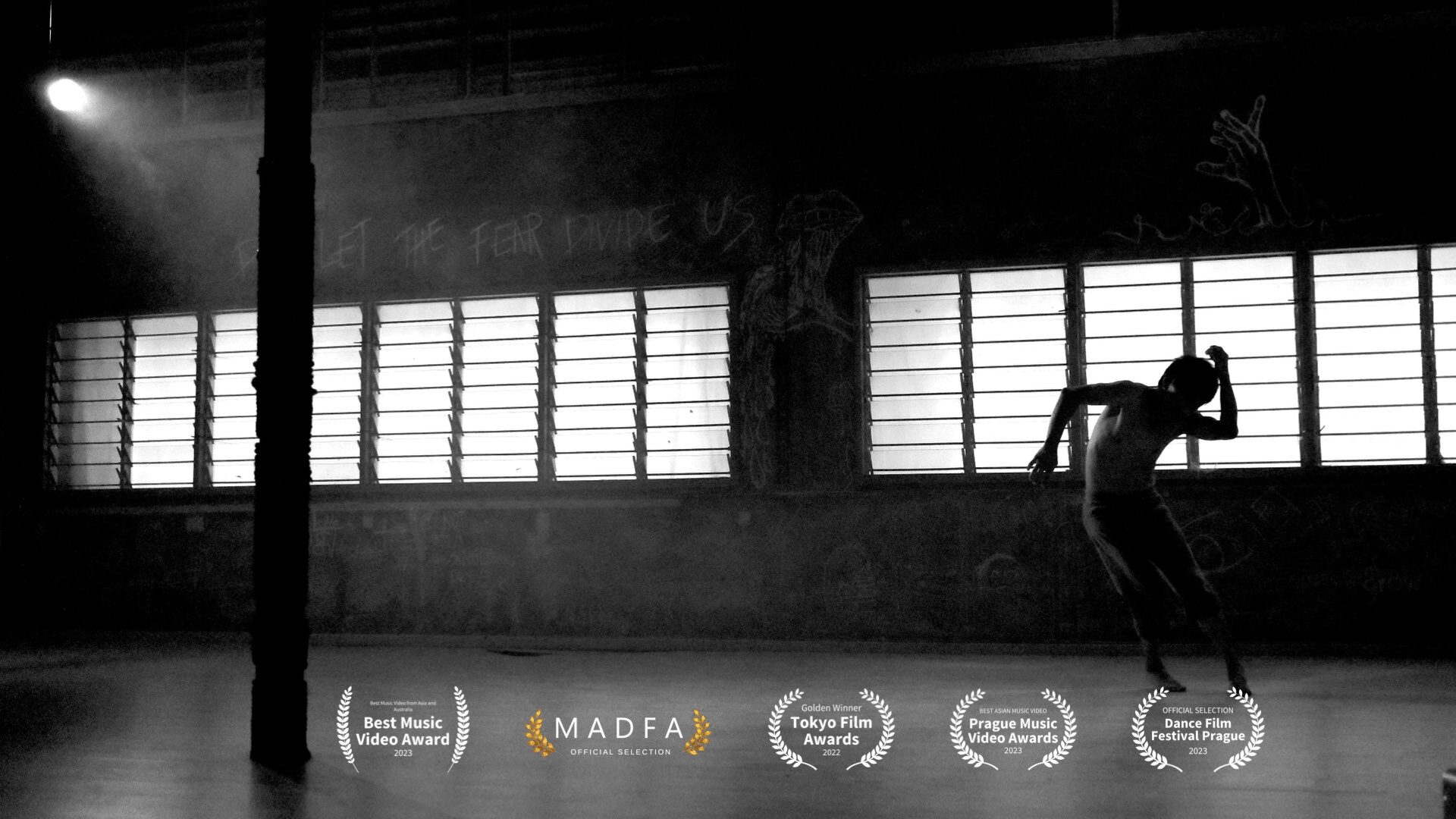
My depression had fueled a lot of my work and decisions in life when I embraced it and started listening to it. For example, in 2015, I was hit with an episode so intense I could barely get out of bed. I realized it was because, after back-to-back TV projects, I had lost my direction, and my heart, life, and career were in complete misalignment. So, I did a crazy thing – I rejected all TV jobs for a year and focused on doing my first short film in 12 years (called “The Drum”). Although it seemed like career suicide, the short film eventually helped me find my centre again. It also awakened a filmmaking style I would carry into future projects, including Invisible Stories.
To be clear, I am not encouraging people to go out there and get themselves some depression. This is strictly my personal experience. I didn’t choose to be depressed. Over time, I realized this was part of me that would never go away, no matter what I do. So, the only way was to learn how to live with it and, somehow, turn it into an energy for growth.
Contact Info:
- Website: https://www.yuanler.com
- Instagram: https://www.instagram.com/lerlerlerlerler/
- Facebook: https://www.facebook.com/ler.lerler.5
- Other: https://www.youtube.com/watch?v=8y17BEZjq3c

Popular
-

Portraits of the Valley
-

LA’s Most Inspiring Stories
-

Que Johnson on Building Brands That Last: From Visibility to True Market Authority
-

Christina Wren Steps Into the Director’s Chair to Tell Stories That Feel Like Home
-
JordanL on ‘Breathe,’ Belief, and Building a Movement Beyond the Music
-

Megan Birney Rudert on How Access to Light Is Powering a More Sustainable and Equitable Future


