



Today we’d like to introduce you to Jason Lo.
Hi Jason, it’s an honor to have you on the platform. Thanks for taking the time to share your story with us – to start maybe you can share some of your backstory with our readers?
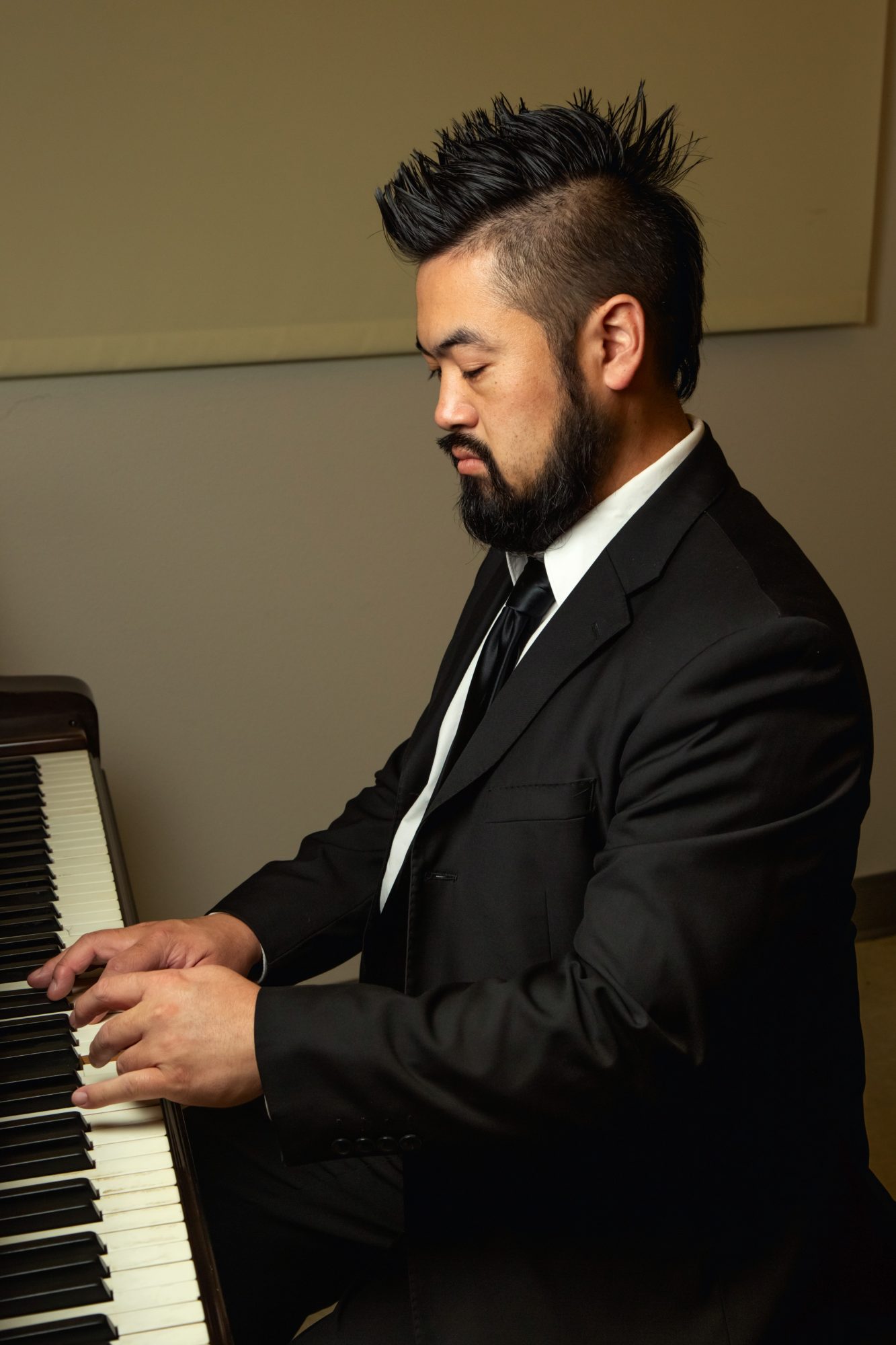
I started learning piano when I was 3 years old. When you’re 3, you listen to everything your mother says, even when your first desires were to be a voice actor, and her rebuttal is that piano lessons would help to obtain that, because she’s Chinese, and needs an attribute to show off her youngest prodigal son. I never thought I was some prodigal star child, but I was talented, played with heart, and worked hard to cultivate discipline and explore this talent. My first piano teacher said I was going to be an artist. Even though she passed quite some time ago, I hope I made her proud.
Through middle school and high school in my hometown of San Luis Obispo, CA, I was privileged enough to join choir and band classes. I couldn’t believe that there were whole class periods in which I could learn about and make music. This was monumental. Being a pianist, the stereotype is that we are alone, as we practice and perform alone. But, by joining ensembles, maybe I’m playing piano for them, playing the euphonium, or singing, but I joined a collective. We have joined together musically, with the common objective to create experiences greater than life itself. Is this not why we do Art (with a capital A)? Art is an extension of our humanity; that’s why in colleges and universities, the Arts and Humanities are often paired together. Art forces you to dream. As a queer, musician of color, I dreamt of escaping the fetters of the racist hellscape of my hometown.
I was a scholarship student studying with Craig Richey at CSULB where I did my Bachelor in Music degree in Piano Performance. I was so lucky to have a teacher to draw out natural talent, cultivate, nurture, and push. This undergraduate training is so formative and important. I’m so blessed and fortunate. It’s important to meet people who share common interests who support each other. There are so many terrible, fragile egos in music, so I had to be careful of how I treated people and who I could be vulnerable with — people remember how you make them feel. I graduated in 2010 Magna Cum Laude.
Afterwards, I got into my Master of Music program at USC Thornton School of Music studying with Antoinette Perry, also in Piano Performance. It was an emotionally tough time to transition from a more warm, nurturing environment to a larger, more competitive music school. I wasn’t hot talent anymore, and I struggled to take more accountability for myself. I had become the terrible, fragile ego. A typical masters program takes 2 years, so it passed quickly, and I finished in 2012. That was a wicked year for me. My mother survived pancreatic cancer (and is 14 years cancer-free!!!!!), and I performed at the 2012 London Olympics.
I knew my time as a student hadn’t ended yet, so I continued for my Doctorate of Musical Arts also with Antoinette Perry. I had minors in Theory/Analysis, Instrumental Conducting, and Arts Leadership. I also got a grip on my self-awareness and kept my ego in check, and Thornton awarded me as a Keyboard Studies Graduate Teaching Assistant. This TA training was so important so I could understand deadlines and proper, professional protocol on teaching students and working in academia. I taught group classes as well as private lessons. Although my major was Piano Performance, I studied conducting with Larry Livingston, who taught me about relating to other families of instruments not just as instruments, but also as people — people remember how you make them feel. Acquiring this skill was also integral for playing orchestral reductions (a big source of income for me currently), and how to rehearse and lead a class fearlessly. I graduated in 2016, for the last and final time. I’m proud to report that I still maintain friendships I developed during this time.
I was so lucky that I got my current position, as piano faculty for the University of La Verne. I currently serve as the Keyboard Area Coordinator where I teach piano classes, private piano lessons, and Ear Training classes, in addition to being a music director for a church, and I still freelance as a collaborative pianist, most notably with my chamber duo, Duo Halo.
There is no longer a clear-cut, linear path to make a living as a working musician. I take a bit of everything. My philosophy is that if it’s a life I want badly enough, I will make it work — scheduling, learning music, practicing, fitness, I make time for everything that matters.
Can you talk to us a bit about the challenges and lessons you’ve learned along the way. Looking back would you say it’s been easy or smooth in retrospect?
What no one tells us in music school is that post-graduation depression is real. Our connections require maintenance and effort because we aren’t in the same practice rooms anymore. Our friends have scattered through the globe because jobs and families take us away. No one taught us that job hunting, resume/CV-writing is soul-crushing, and working to live, is a cruel reality. My mother called me constantly after I graduated, asking why I haven’t amassed a studio of small children to teach regularly, but it was a difficult conversation to explain to her that it wasn’t my life. I was so lucky that my reputation as a freelance collaborative pianist was so expansive and tenacious (still is), that I was still asked to work. I played Carnegie Hall…again! I was a staff pianist for the International Trombone Festival for a few summers. I was a pianist for a school district. I was a vocal coach for Mt. San Antonio College. It all came to a gargantuan halt when the world fell apart for COVID19. Coming out of it were socially distant, streamed recitals, and the dreaded Zoom lessons.
Emotional well-being is important as a musician. We are faced with rejection and negativity for most of our training. Something keeps us going. It’s different for everyone. For me, the piano is one of the few things that makes sense in my life. Notes line up on the page, my hands take shape of the chords, and I sing through melodies mentally. I literally don’t know what else I was put on this earth for. Besides piano, I haven’t forgotten my euphonium chops, as I play with the Gay Freedom Band of Los Angeles when we march the gay pride parades. I’m also the music director for an LGBT+ concert every year, raising funds for consent and testing. I feel like this visibility as a queer musician of color, is important for representation and my own emotional fulfillment.
Can you tell our readers more about what you do and what you think sets you apart from others?
I like referring to myself as a freelance concert pianist. I get hired to perform on students’ degree recitals at universities and colleges (i.e. Junior Recitals, Senior Recitals, Graduate Recitals, etc.). Primarily, I get asked by woodwinds and brass students. I do know a lot of their repertoire already, but I still have to practice! This freelance life is so exciting, that it’s brought me to Carnegie Hall, the 2012 London Olympic Games, and the International Trombone Festival! I’ve also played for the Asian Hall of Fame several times.
I’ve had letters of recommendation, where my “secure technical prowess” is met with “deep emotional lyricism” on a “coloristic bent” (New York Concert Review). I have pretty bad imposter syndrome, but, I admit, that makes me feel very good about myself. I’m also known for being a nice person — people remember how you make them feel.
With my recital partner, saxophonist Andrew Harrison, we have created Duo Halo, a professional saxophone-piano duo performing around the nation. We’ve recently been recruited by the record label Azure Sky.
What sort of changes are you expecting over the next 5-10 years?
I’m really scared of AI. However, I’m lucky that I get to teach a skill, which cannot be replaced by AI. I am performing a skill that requires real-time reflexes and reaction. I don’t know how AI can be programmed into one’s veins to move fingers in a lyrical way, while listening for someone as well. I have a student who says “Dr. Lo, you do so many things, you react with harmonic sensitivity, nuanced pedaling, breathing, and so many other things in thousandths of a second, I literally don’t understand how.”
AI may not replace piano playing, but maybe it can help with rhythmic training and aural skills. This is already seen as some programs can already listen to pitch and grade accuracy while students sing. I think it may help with fundamentals like this.
Social media has also been integral for many artists. I had a parent of a student advise me (as a business/marketing professor) to cultivate a social media presence. It amazes me to see how the concept of being viral has changed since I was a student. I need to adapt and learn.
Contact Info:
- Website: https://www.jasonwlo.com
- Instagram: http://www.instagram.com/panda.plays.piano
- LinkedIn: https://www.linkedin.com/in/jason-lo-88b67242
- Youtube: https://music.youtube.com/@jasonwlo
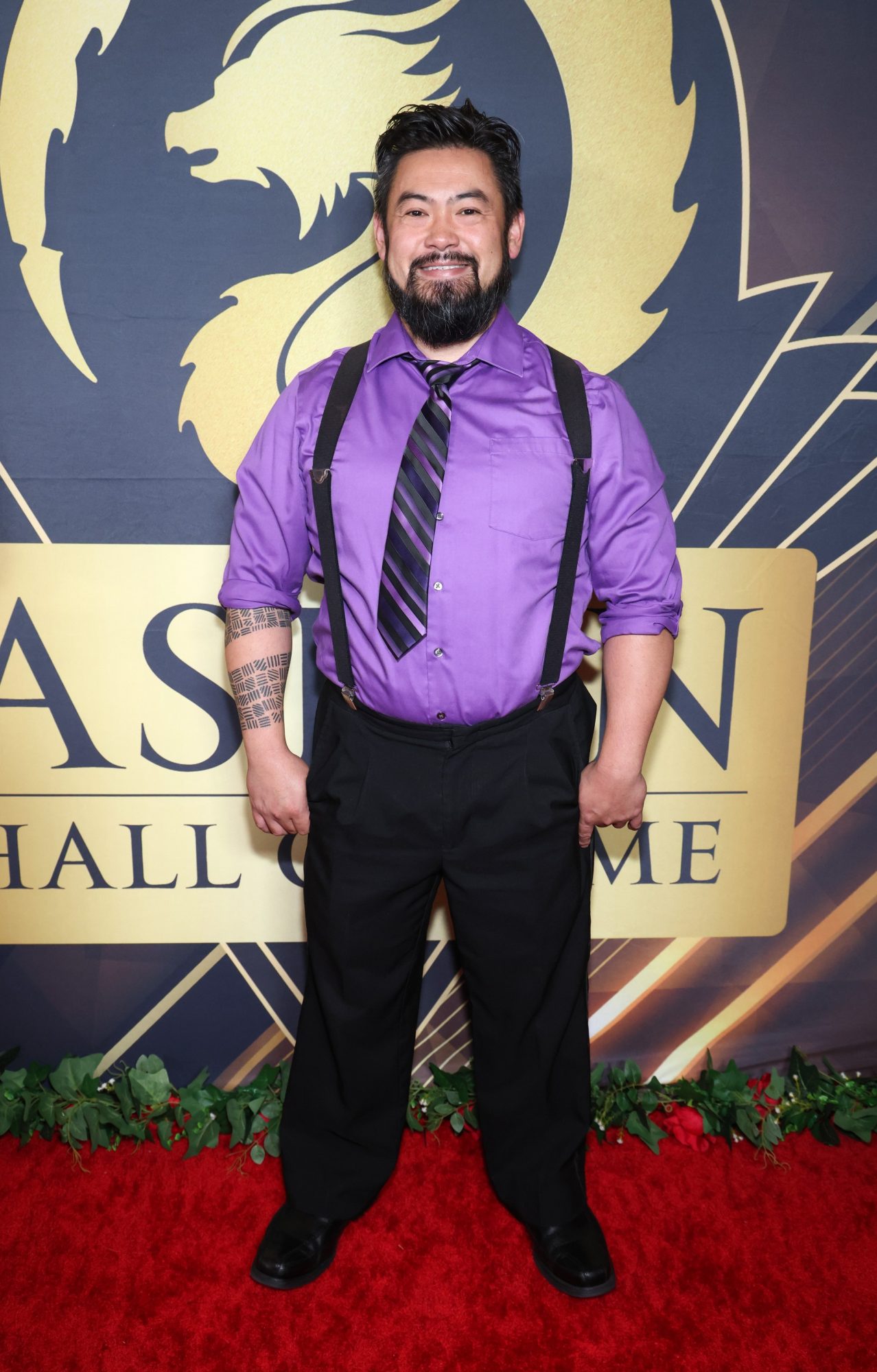
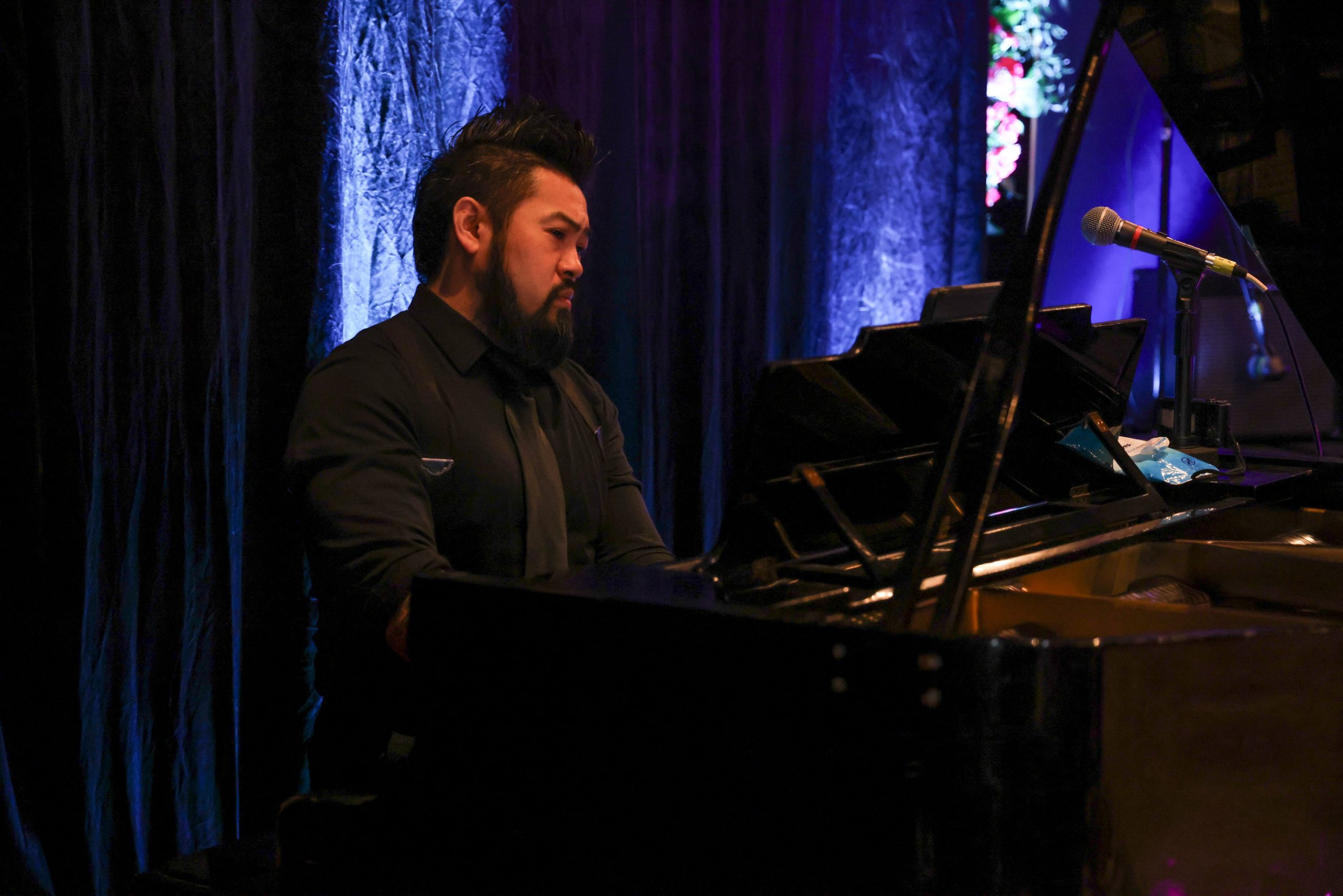
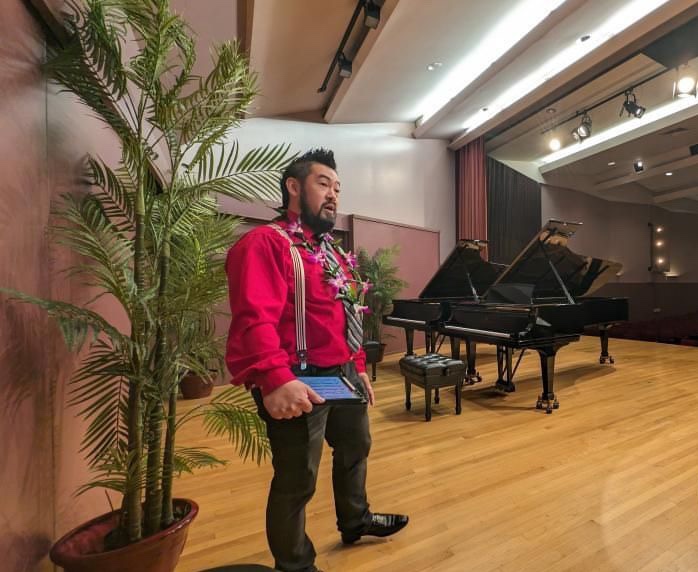
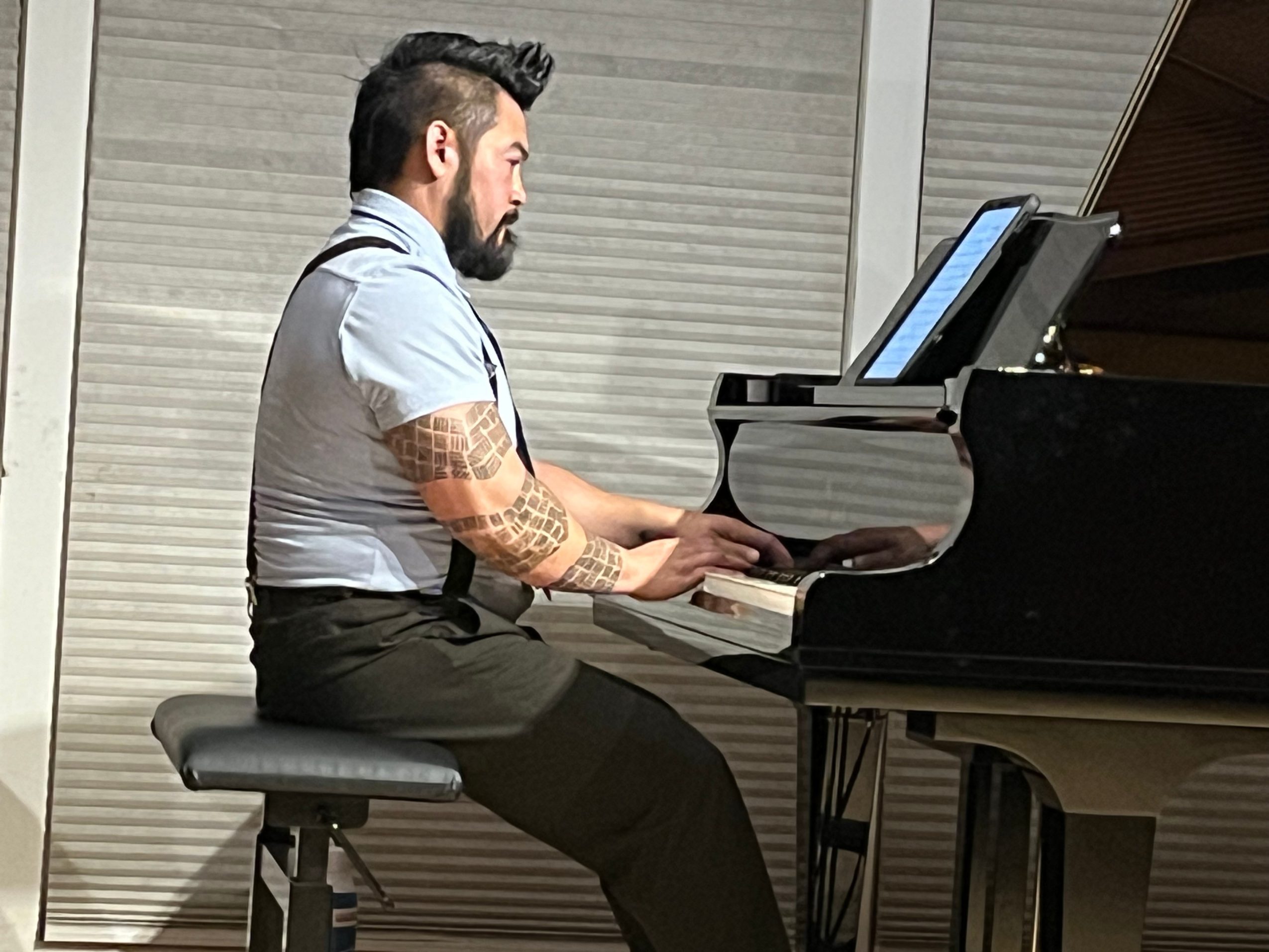
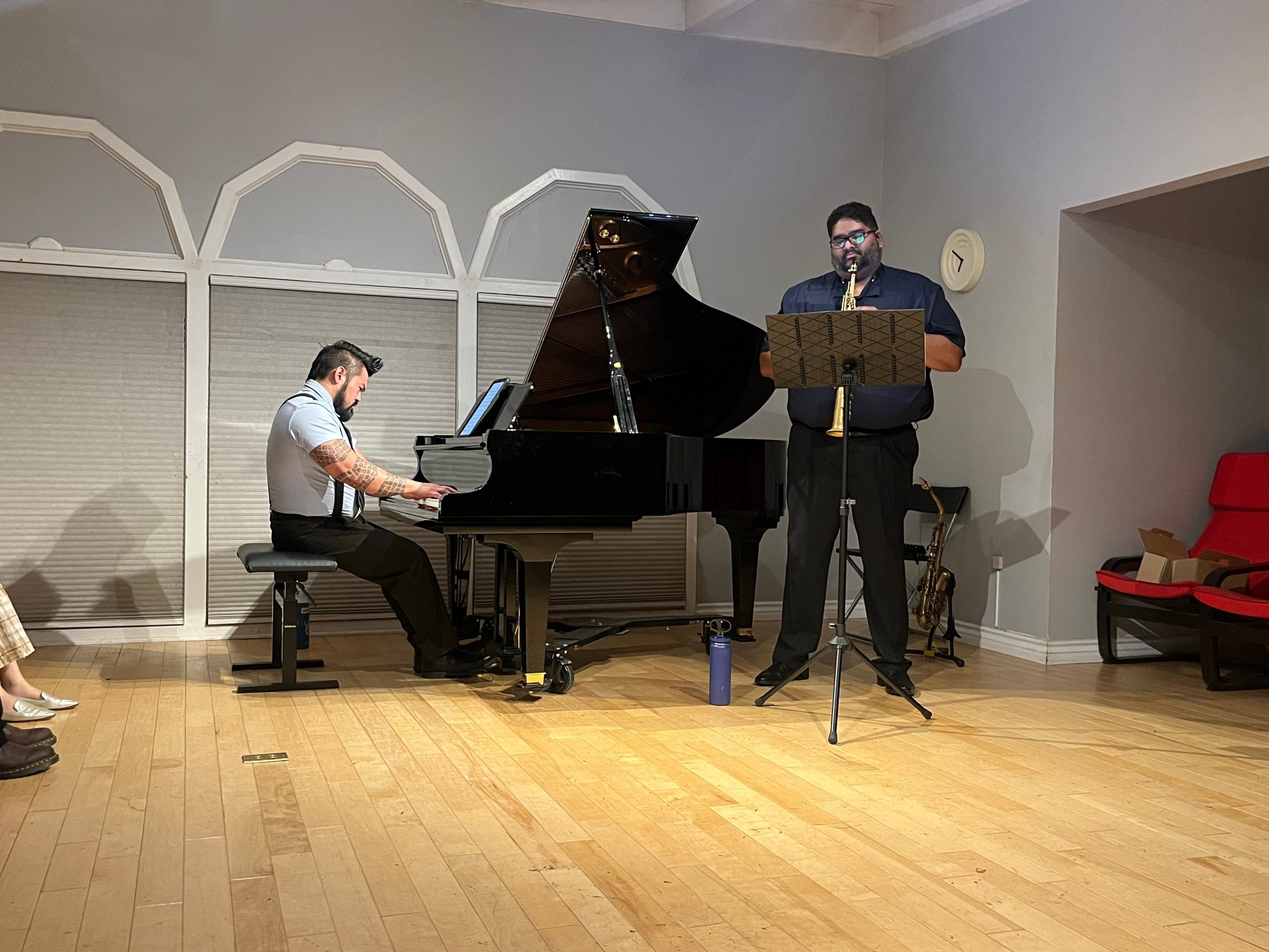
Image Credits
Marti Lynn Studios
Popular
-

Portraits of the Valley
-

LA’s Most Inspiring Stories
-
Mason Ewing Is Bringing a World of His Imagination to Life Through Film
-

Dr. NanaEfua Afoh-Manin Is Rethinking What It Means to Be Healthy, Not Just Healed
-

Greg Hex Is Turning the Everyday Kitchen Knife Into a Modern Design Object
-

Rick Norris Learned That Building a Successful Business Means Building a Life You Actually Want to Live


