



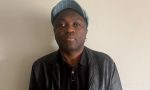
Today we’d like to introduce you to Fabricio Cavero Farfan.
Hi Fabricio , can you start by introducing yourself? We’d love to learn more about how you got to where you are today?
I was born and raised in Cusco, Peru, in a family with no musical background. My father, a carpenter, worked in maintenance at the public university and my mother just retired after being a high school teacher for 40 years.I began violin lessons in 2001 when I was 16, despite hearing that I was late for it, while finishing high school. Luckily, my first mentor, Amy Tai, taught me to stand for my dreams and did not charge me for her lessons. That generosity was the only way I could have accessed music education. She also introduced me to Dr. Holly Wissler, a musicologist studying the music of the Q’eros, and her work helped me feel proud of my Andean heritage at a time when I was struggling with identity in a city that still carries the weight of systemic racism. Curiously, before I wanted to be a musician, I wanted to be a medical doctor. Since I was 9 until I went to a guitar recital when I was 15, I was obsessed with human anatomy and biology, which is an element that will return eventually in my story.
I committed to music and it took me far from home. I entered the national conservatory in Lima in 2006 after a preparation that involved turning me in a “monk of the violin” who practiced 12 to 14 hours six days a week for ten months. During this time, I met my first composition mentor, Edgar Valcarcel, who instructed me in music theory, basic piano skills, and most importantly, to look at my roots for inspiration. In 2007 I received an orchestra scholarship to Texas Christian University. The scholarship did not cover living expenses and my parents could not help, so I had to keep my GPA high while working very few hours. Some weeks I survived on boiled eggs and potatoes. In 2008, I broke my ankle in an accident, and I did not tell my family until I had healed so they would not worry in vain. In 2010, I came home to find that one of my roommates had died by suicide. The first accident taught me to value walking, and the second taught me to never stop walking. Regardless of these challenges, thanks to the support of my Viola mentor, Misha Galaganov and my composition mentor, Gerald Gable, I graduated from TCU in May of 2012. A month later, while going out for Salsa dancing in Fort Worth, I met my wife. Later, at SMU, I earned my master’s in music composition, and during my last semester I could not afford rent, so I slept in the library and on friends’ couches while finishing my thesis. Those years gave me resilience and an optimistic adaptability. In Texas, the Native American Church in San Antonio also welcomed me to sacred ceremonies, which reconnected me with the ancient spirituality of my own ancestors.
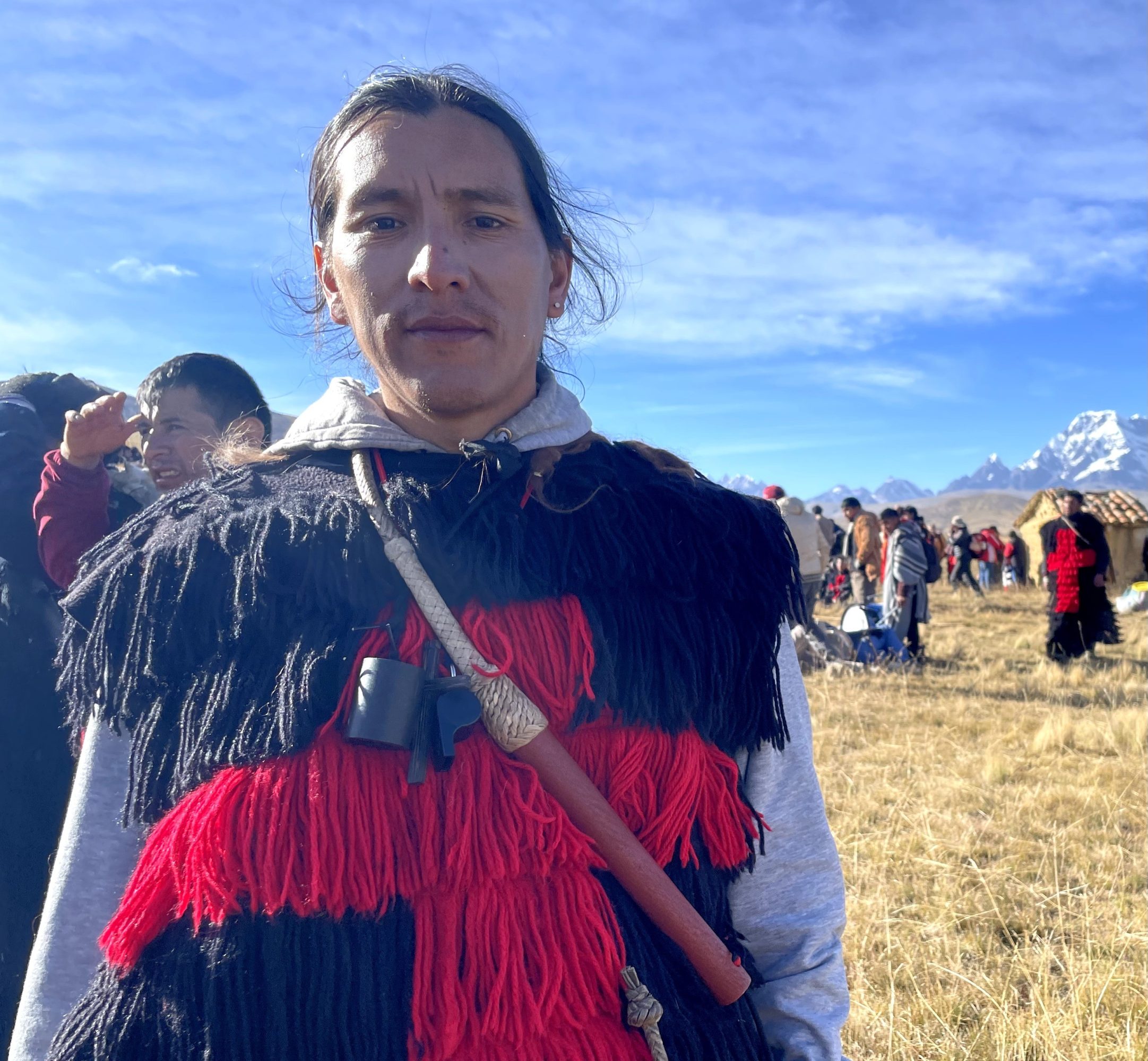
When I finished my master’s, I returned to Cusco and, thanks to my younger brother, I took part in an Ayahuasca ceremony as a ritual of gratitude. The medicine man showed me how he arranged his “mesada,” a cloth where he placed his ritual devices to handle energies, and he jokingly called it his “laptop.” That joke changed my life. It made me question what technology really is, and how ancestral and modern technologies could coexist in my music. I had also been initiated as an Ukuko in 2014 in the pilgrimage to the Lord of Qoyllur Rit’i, where I witnessed the sacred glaciers disappearing because of global warming and mining. That experience gave me a decolonizing outlook on technological “progress.”
Back in Cusco, I found there was no official student ensemble at the music institute where I had started, so I founded a student orchestra and a choir, which are still active today. In 2017, I moved to Lima, where I taught music theory and composition at the Pontifical Catholic University of Peru and at the National University of Music, formerly, the conservatory where I had studied. I also conducted the Ensemble of Traditional Peruvian Instruments at the National School of Folklore. Working with students from very different backgrounds showed me the limitations to advance music education in Peru and it pushed me toward a doctorate. In 2019, I released my first album “Soundqoy,” a one man band project with loop stations playing psychedelic Andean Rock
In order to strengthen my portfolio to apply to doctoral school, I moved to Buenos Aires to earn a second master’s at UNTREF, where I studied electroacoustic composition and joined the Orchestra of Indigenous Instruments and New Technologies, directed by Alejandro Iglesias Rossi. There I learned to build my own instruments, mainly of clay, and combine them with electronics. Since 2020, I have also taught composition online with Musicians for the World, a nonprofit that brings virtual music education to vulnerable communities. My philosophy is simple: if a student can play, a student can compose.
After applying four years in a row, I finally got admitted at UC Irvine, in the Integrated Composition, Improvisation and Technology program, everything came together. I explored the relation between ancestral and modern technologies and began using biosignals, such as my own heartbeat, to shape sound in live performance. My dissertation project is an experimental opera, “The Primeval Poet,” represented by a kinetic sound sculpture of wood and clay. It combines Andean whistling vessels with ancient water technologies and draws on Andean ideas about the numbers three and four. Its message is that Western science often sees nature as an object to measure and control, while Indigenous knowledge sees it as a relative, and that science can grow by revising that relationship. At the ICIT program, I thrived and expanded my interdisciplinary spirit. Along with these, being able to join the NEO Voice Festival series in LA enabled me to trust more in my singing voice and to connect with amazing artists from SoCal.
Those interests led me to Dr. Richard Harris’s No Pain Lab at UCI, where I am now a postdoctoral scholar. We study how shamanic drumming supports altered states of mind and possible paths for chronic pain relief, using EEG and ECG. It feels like a return to my childhood wish to work in health, and I am committed to building respectful bridges between Indigenous knowledge and modern medicine.
Being one of the first composers from Cusco to earn a doctorate in composition, I want my story to be the expectation, not the exception, for music students from Cusco. I dream of building an international network for artistic creation and education there, and eventually of helping create a music university in Cusco that fosters the intersections of music with archaeoacoustics and Integrative health sciences… dreaming with open eyes.
Can you talk to us a bit about the challenges and lessons you’ve learned along the way. Looking back would you say it’s been easy or smooth in retrospect?
No, it has not been a smooth road, but each obstacle shaped the work I do today.
The first struggle was access. In Cusco, music education is scarce and expensive, and my family had no musical background. My parents wanted me to study something “lucrative,” so choosing music meant carrying their worry as well as my own doubts. Without my first mentor teaching me for free, I might never have started.
The second was identity. As a teenager, I struggled with self-esteem and cultural identity in a city that still lives with post-colonial wounds and systemic racism. Learning to be proud of my Andean heritage took time, and that personal healing became the starting point of my artistic voice.
Studying in the United States brought a different kind of difficulty. I could not have received my student visa without the generosity of the father of one of my best friends, who sponsored me. Once I arrived, I had to maintain high grades and my scholarship while living far from my family, with little money and few people who understood where I came from. Loosing my roommate tragically influenced on my intention to help to create a better environment with those around me.
Another struggle has been working between two worlds. Academia and Indigenous knowledge traditions often see each other with suspicion. In university settings, I have had to explain why ceremony, ritual, and ancestral technologies deserve serious attention. In Indigenous spaces, I have had to be careful and respectful about how I bring that knowledge into academic work. I try to speak only about the communities I am actually involved with, and I do not pretend to represent all of them, but I dream of a wider dialogue between indigenous traditions of the Americas.
I have also seen the cost of “progress” firsthand, from the retreat of sacred glaciers to the pressure of mining on Indigenous communities. That stays with me, and it fuels my commitment to my ideals.
If there is one lesson, it is that resilience came from community: mentors, friends, and traditions that held me when I was far from home.
As you know, we’re big fans of you and your work. For our readers who might not be as familiar what can you tell them about what you do?
I am a composer, performer, conductor, instrument maker, and researcher. My work sits at the meeting point of music, technology, Indigenous knowledge, and currently, health. I specialize in combining ancestral and modern musical technologies: I build clay instruments, including replicas of pre-Columbian ones, and combine them with electronics, digital sound, and biosignals such as heartbeat and brain activity.
My main creative work has been the experimental opera I designed for my doctoral thesis, “The Primeval Poet.” It is represented by a kinetic sound sculpture made of wood and clay that moves on its own through ancient water technologies and Andean whistling vessels. Its design draws on Andean philosophy, including the symbolism of the numbers three and four. In live performance, I also use a pulse sensor so my own heartbeat controls sound in real time.
Today, I am a postdoctoral scholar at UC Irvine’s No Pain Lab, where we study how shamanic drumming can support altered states of mind and possible paths for chronic pain relief, using EEG and ECG. It is a chance to put my music and sound background at the service of medical research on urgent problems like pain and opioid addiction.
What I am most proud of is not one piece but what has continued without me. To see my former students growing in their own paths and also to meet up with former classmates with whom we started this immigrant life seeking to fulfill our dreams. I am also really proud for the international network I built so far.
What has been the most important lesson you’ve learned along your journey?
1) None owes you anything, You don’t owe anything to none.
All we can share is a smile, kindness and friendship, and those things are not ties, they are gifts.
2) If you think that technology will solve your problems, then you do not understand technology, and neither your problems… (Laurie Andersen).
Contact Info:
- Website: https://fabriciowatanay.com/
- Instagram: https://www.instagram.com/fabriciowatanay/
- LinkedIn: https://www.linkedin.com/in/fabricio-cavero-farfan-323932329/
- Youtube: https://www.youtube.com/@hueqqe
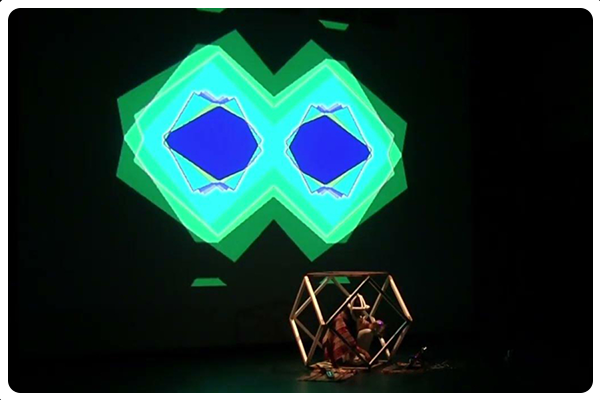
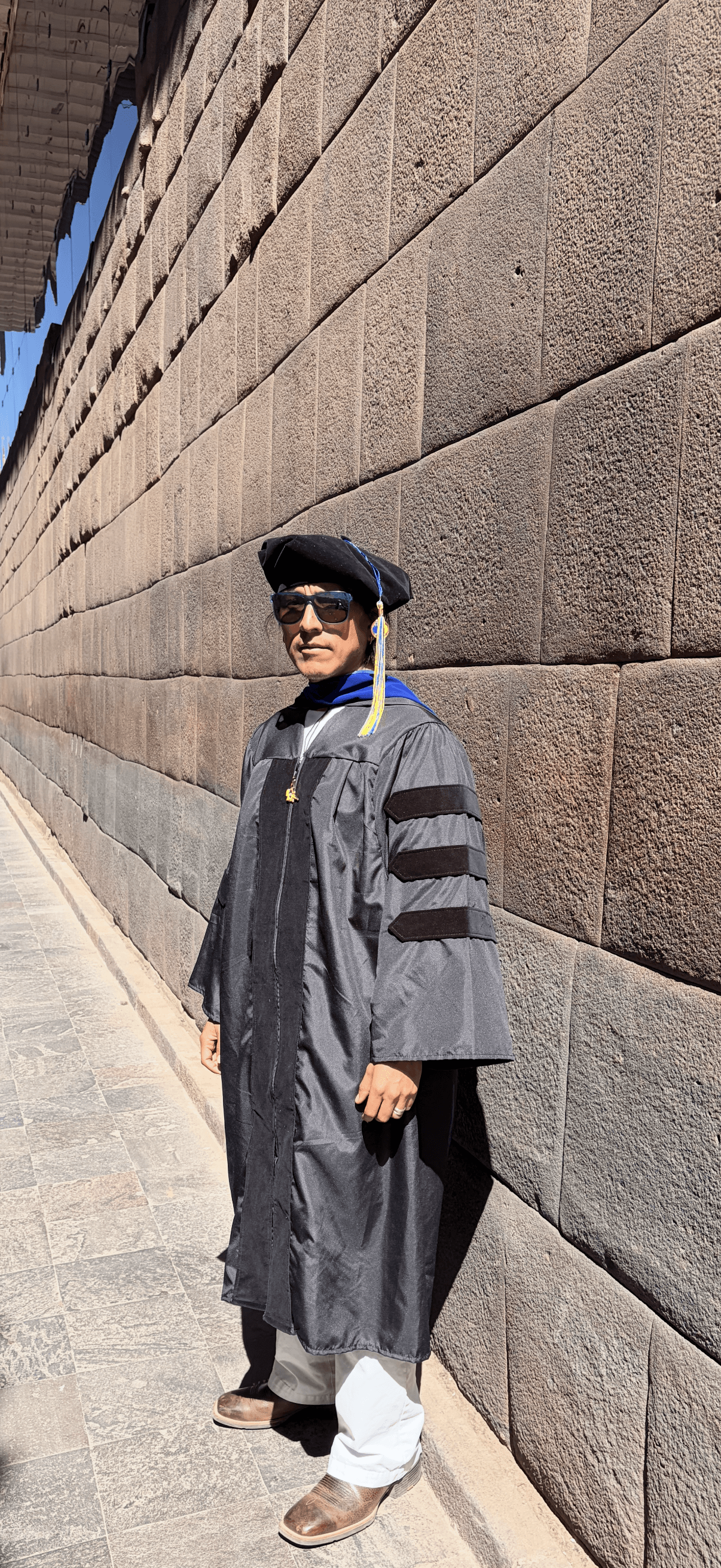
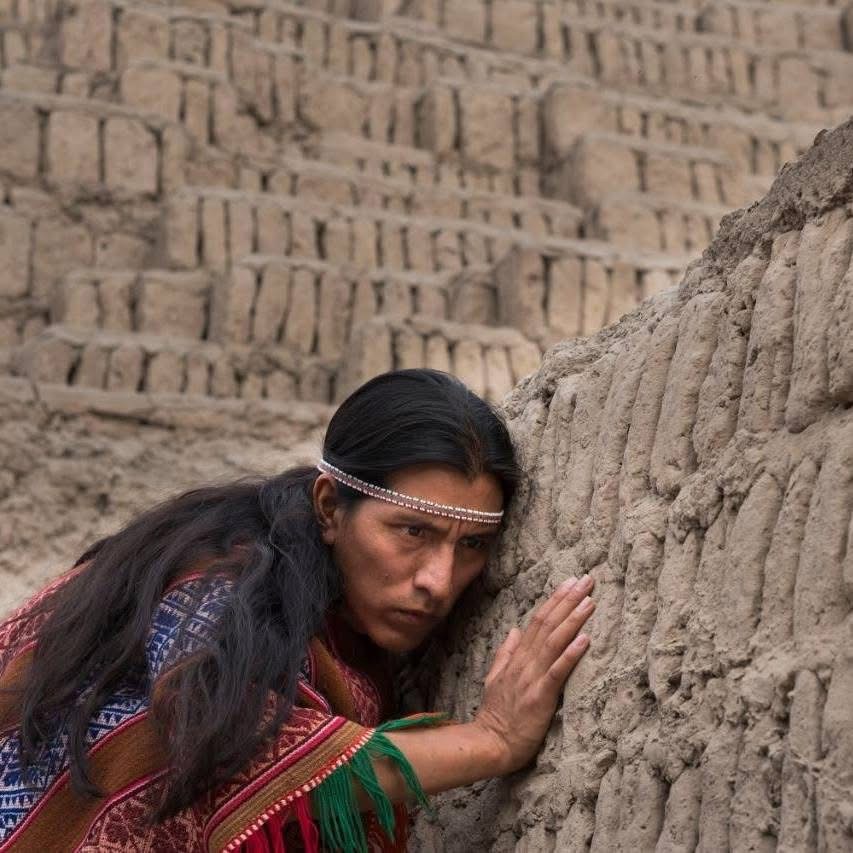
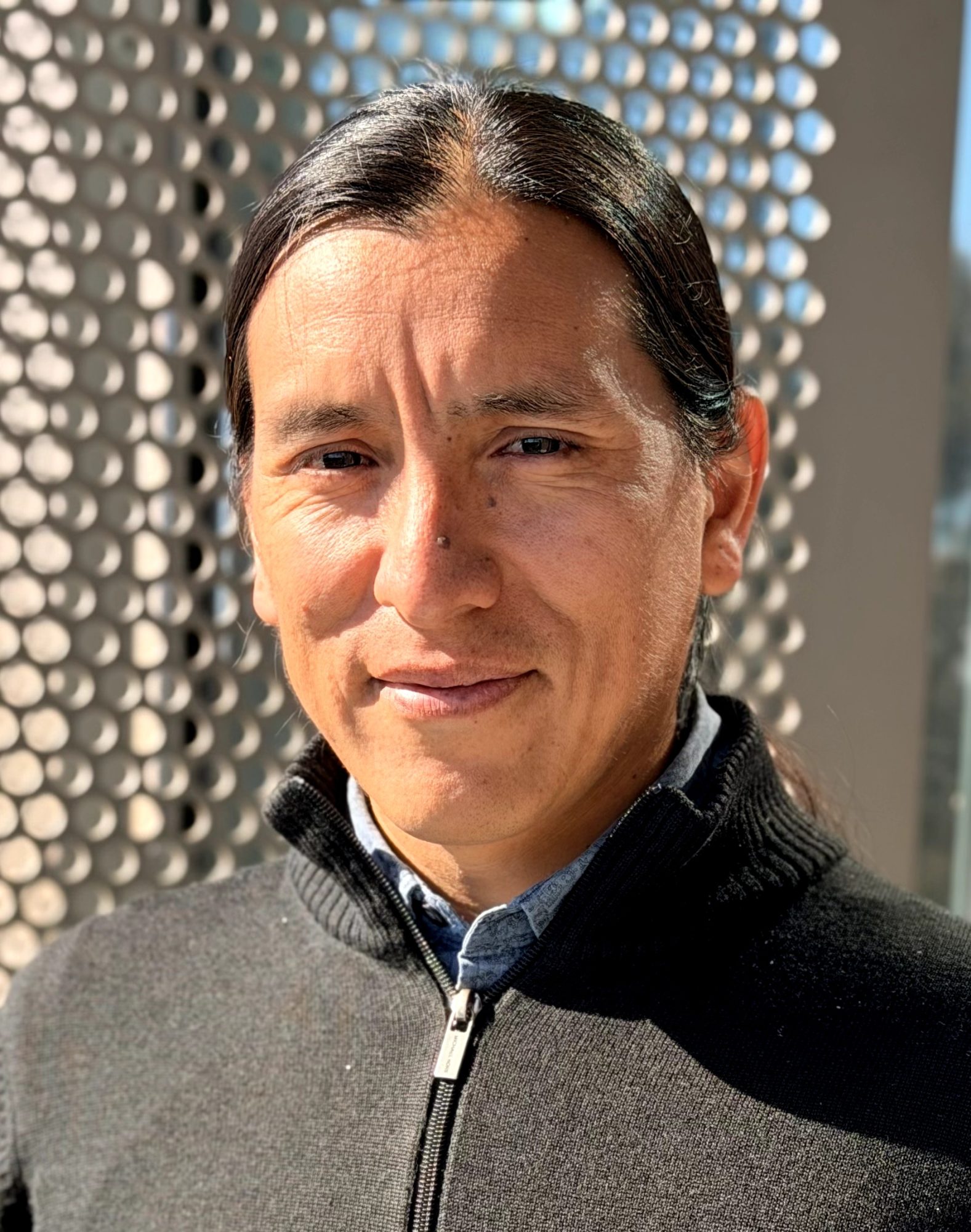
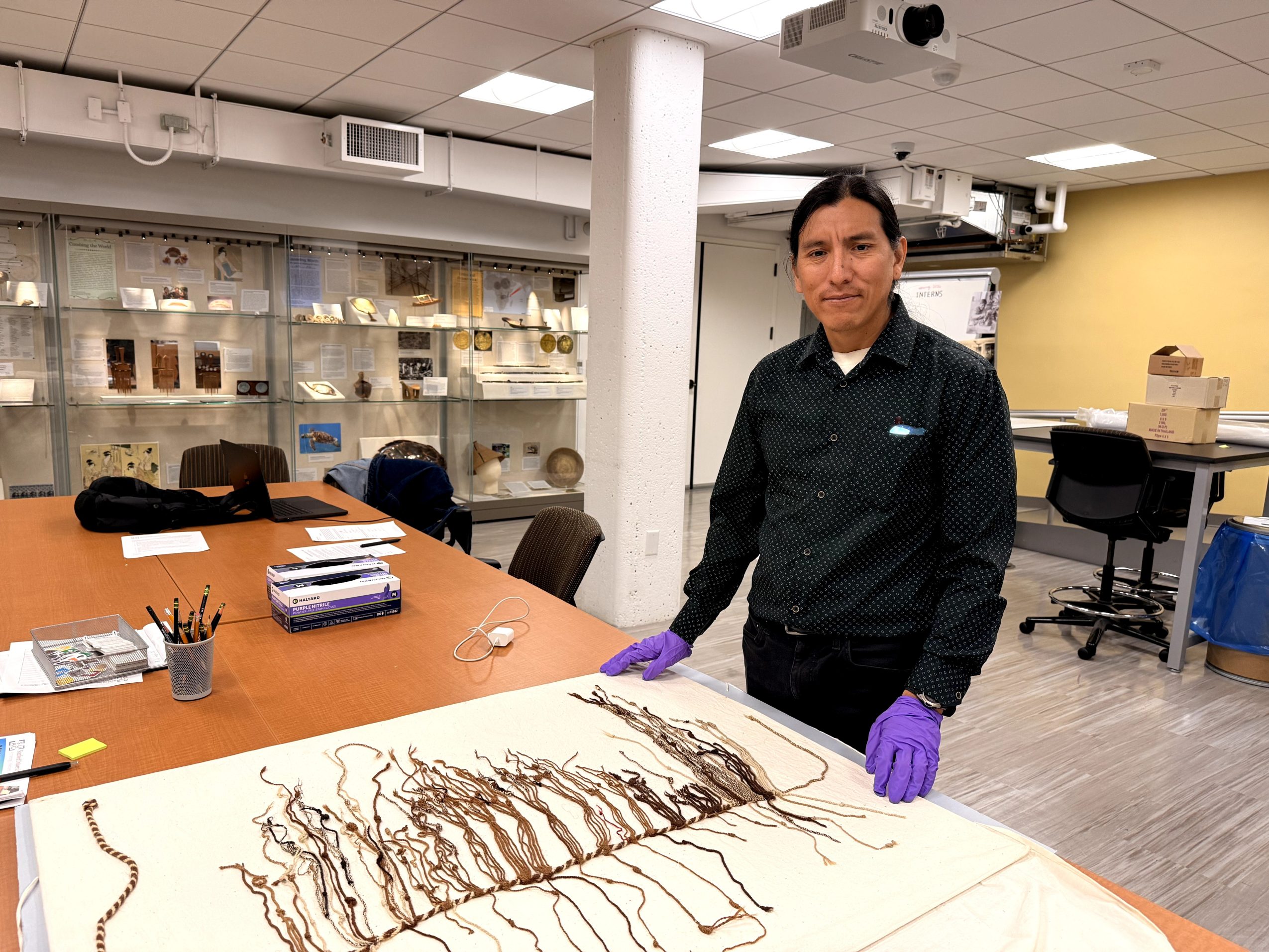
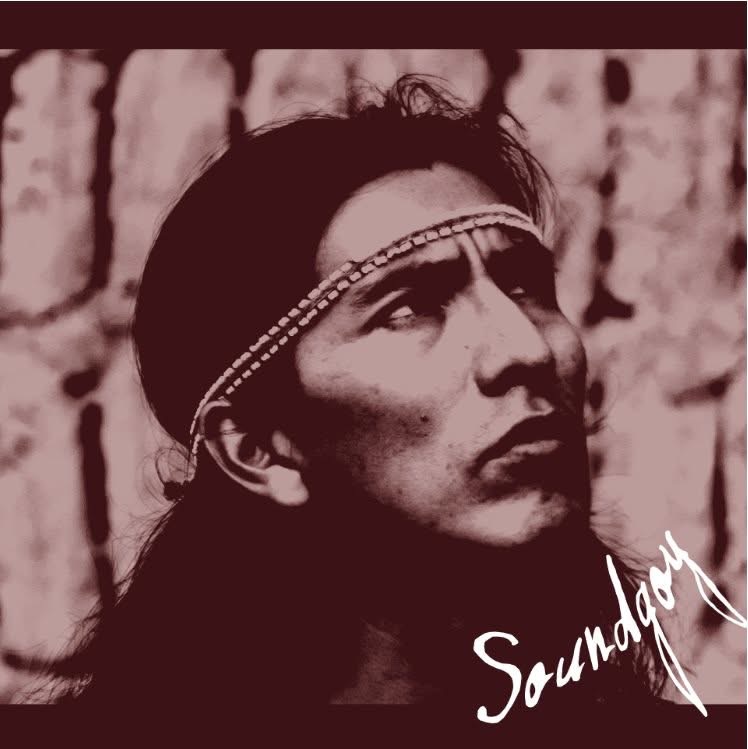
Image Credits
Miguel Mejia Castro
Amber Lincoln
Popular
-

Portraits of the Valley
-

LA’s Most Inspiring Stories
-
Mason Ewing Is Bringing a World of His Imagination to Life Through Film
-

Dr. NanaEfua Afoh-Manin Is Rethinking What It Means to Be Healthy, Not Just Healed
-

Greg Hex Is Turning the Everyday Kitchen Knife Into a Modern Design Object
-

Rick Norris Learned That Building a Successful Business Means Building a Life You Actually Want to Live


