




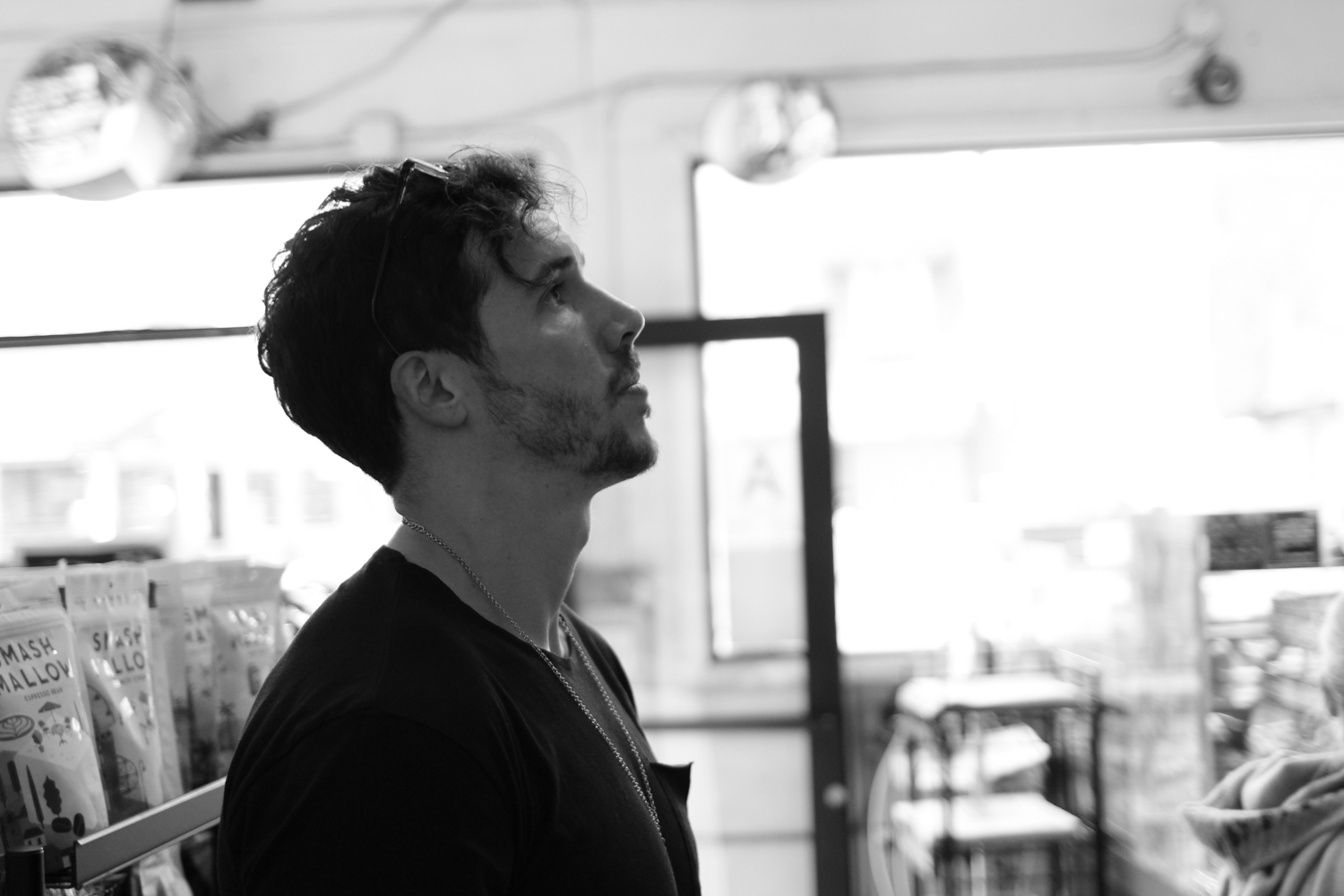
Today we’d like to introduce you to Brett Willis.
Hi Brett, can you start by introducing yourself? We’d love to learn more about how you got to where you are today?
I came to Los Angeles nine years ago from Denver, Colorado, chasing something I’d felt since I was young. I always loved movies — especially the way a story could be told through light, framing, and all those quiet little details.
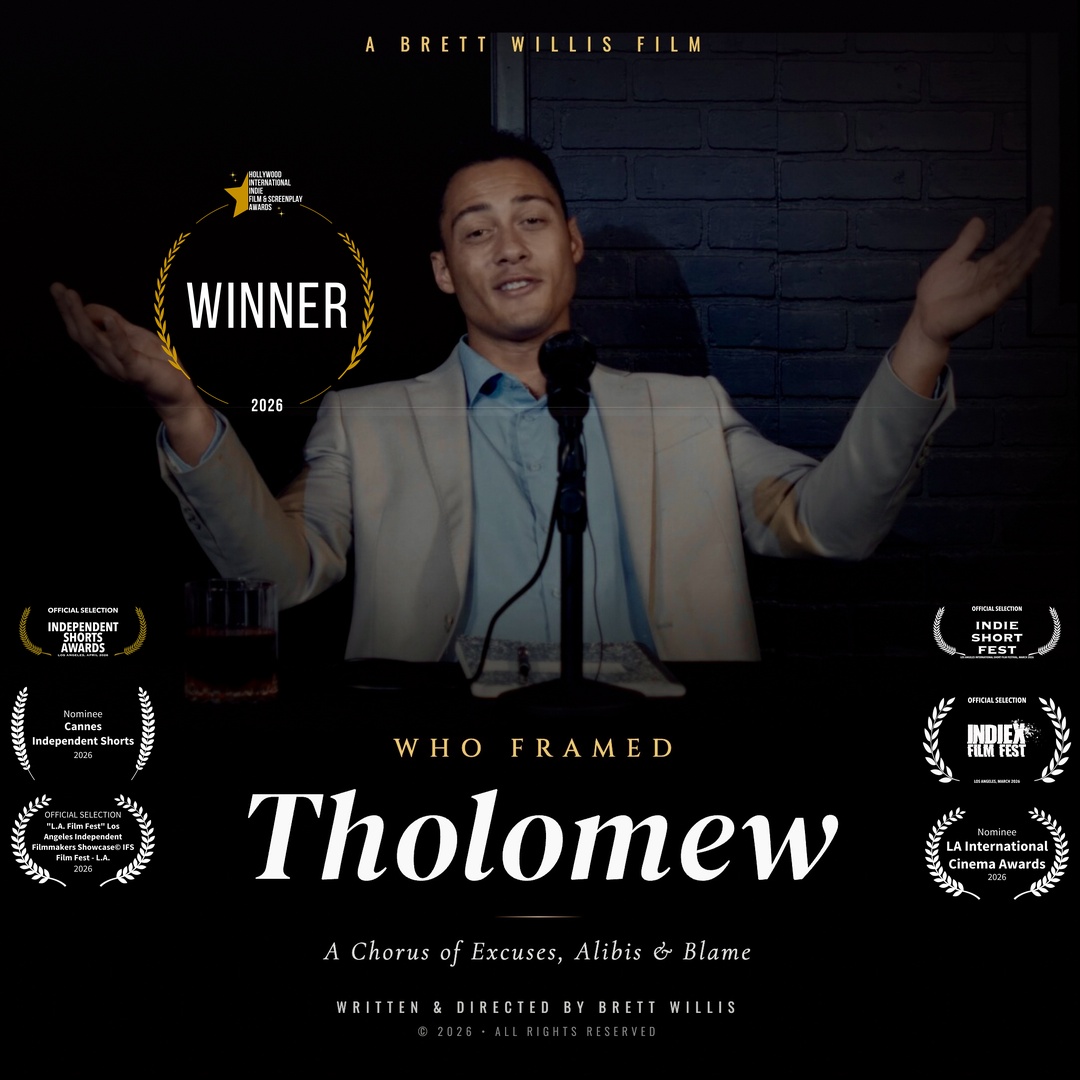
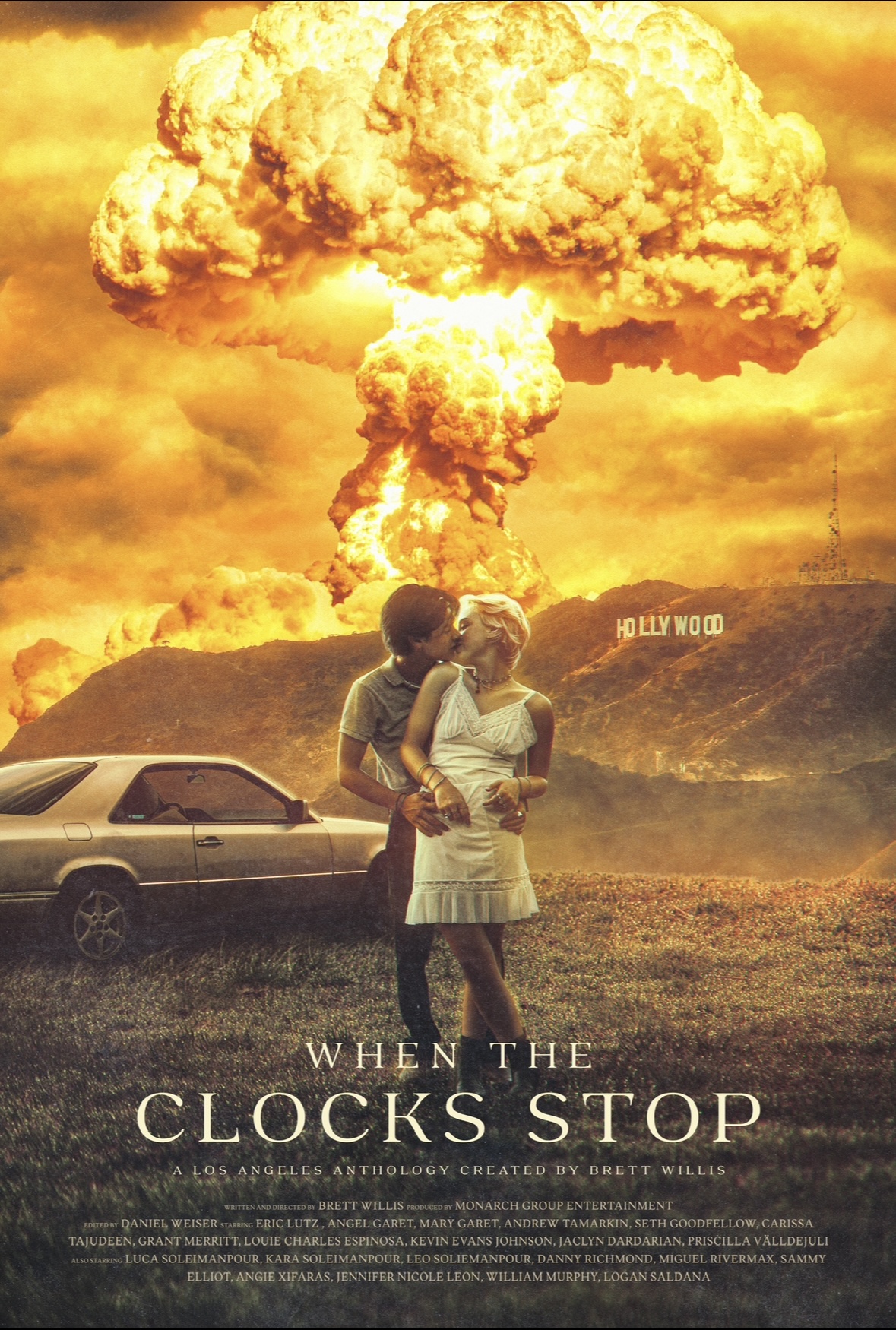
It took me a while to find my place in filmmaking, but once I started writing and directing, it felt like I’d finally stepped into the right room. Last year, I was fortunate enough to make my first film, When the Clocks Stop, which did well on the festival circuit. This year, I made a second short with some dear friends — a more playful piece — and now that one’s making its way through festivals as well.
Would you say it’s been a smooth road, and if not what are some of the biggest challenges you’ve faced along the way?
No, it has not been a smooth road.
Before moving to Los Angeles, I worked for a sports network in Denver, and I genuinely loved that chapter of my life. But I always felt like I was adjacent to the world I was meant to be in, rather than fully immersed in it. Eventually, I knew I had to make a more deliberate move toward filmmaking, so I came to Los Angeles on my own and stepped into one of the most competitive creative landscapes in the world.
The city challenged me quickly. There were distractions, setbacks, health scares, a motorcycle accident, and projects that never made it to production. I lost momentum at times, and I’m not afraid to admit that. Los Angeles has a way of revealing both your ambition and your weaknesses.
Over time, I realized the real obstacle was not the city itself — it was my own discipline, focus, and willingness to keep going when things did not unfold the way I imagined. Once I understood that, I began to approach the work with more seriousness, consistency, and purpose.
Los Angeles can be unforgiving, but it can also be incredibly clarifying. It forces you to decide whether this is something you simply admire from a distance, or something you are truly willing to build your life around. I’ve taken my share of hits out here, but I’m still standing, and more importantly, I’m finally making the work I came here to make.
Thanks for sharing that. So, maybe next you can tell us a bit more about your work?
I am an independent filmmaker, and in many ways, I have been building my own creative infrastructure from the ground up. I started my own production company, invested in my own equipment, and have tried to make the process as self-sufficient as possible. Outside of renting studio space or securing specific locations, I like to keep the work intimate, resourceful, and close to the bone. I collaborate with actors, cinematographers, crew members, and other artists, and through that process, I have been steadily building a network rooted in trust, discipline, and a shared love for the work.
My primary focus is writing, directing, and cinematography. I have been filming since I was about eight years old, back when I had a camera that plugged directly into a VCR. So in a very literal sense, I grew up learning how to see the world through a frame. I have always been fascinated by visual storytelling — by movement, composition, atmosphere, and the small cinematic details that quietly guide an audience’s emotions.
What I am most proud of is my evolution as a storyteller. A concept can be compelling, but the real craft begins in how that concept is structured, refined, and presented. Storytelling is not only instinctive; it is architectural. It requires rhythm, restraint, emotional intelligence, and an understanding of how plot and character work together to create meaning.
What sets me apart is that I come from a family tradition of oral storytelling. My grandfather filled my childhood with stories — some factual, some exaggerated, some wonderfully strange — and those stories shaped the way I understand narrative. I was raised around humor, memory, mystery, and unexpected turns. That kind of upbringing gives a person a particular ear for story.
In many ways, I have been collecting characters, conflicts, and fragments of human behavior my entire life. Filmmaking is simply the medium that allows me to give those pieces form.
Is there any advice you’d like to share with our readers who might just be starting out?
My biggest advice for anyone starting out in filmmaking is to first identify where your strength naturally lives. Your heart will usually point you toward the right part of the process. For some people, that is cinematography — studying aperture, ISO, composition, light, and the technical language of the camera. For others, it is writing — studying structure, reading constantly, and learning from books like Robert McKee’s Story. And for some, it is directing, which is really the art of conducting the orchestra — understanding how all the individual pieces come together and move as one.
For me, I would tell someone to start with the script. Get the story down. Understand the structure. Break it into scenes. Pay attention to the small details, because those details are often what make the work feel alive.
What I wish I had understood earlier is that failure is not really failure in this craft. It is information. It is education. Every project that falls short teaches you something about story, preparation, communication, discipline, or taste. Filmmaking is a process of refinement, and the only real mistake is stopping too early.
So my advice is simple: study the craft, know your strengths, read as much as you can, keep your foot on the pedal, and do not be afraid to make imperfect work. That is how you get better. You learn the lesson, tip your hat to it, and keep moving forward.
Contact Info:
- Website: https://www.imdb.com/name/nm17238471/?ref_=tt_ov_1_1
- Instagram: Sirbrettt
Popular
-

Portraits of the Valley
-

LA’s Most Inspiring Stories
-
Robin Olive on Building an Inclusive Performing Arts Movement and Expanding Opportunities for Every Student
-

Que Johnson on Building Brands That Last: From Visibility to True Market Authority
-

Christina Wren Steps Into the Director’s Chair to Tell Stories That Feel Like Home
-
JordanL on ‘Breathe,’ Belief, and Building a Movement Beyond the Music


