



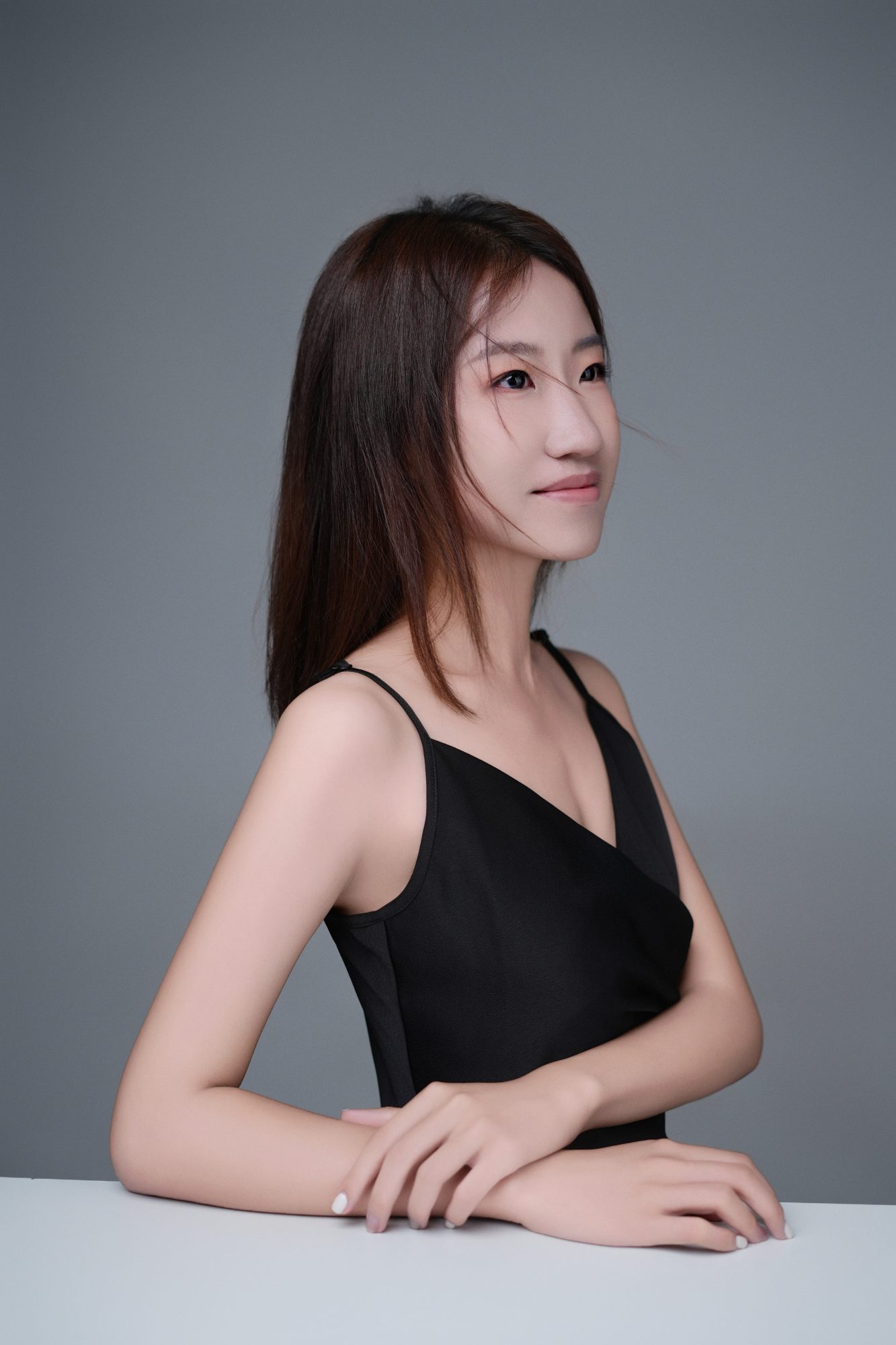
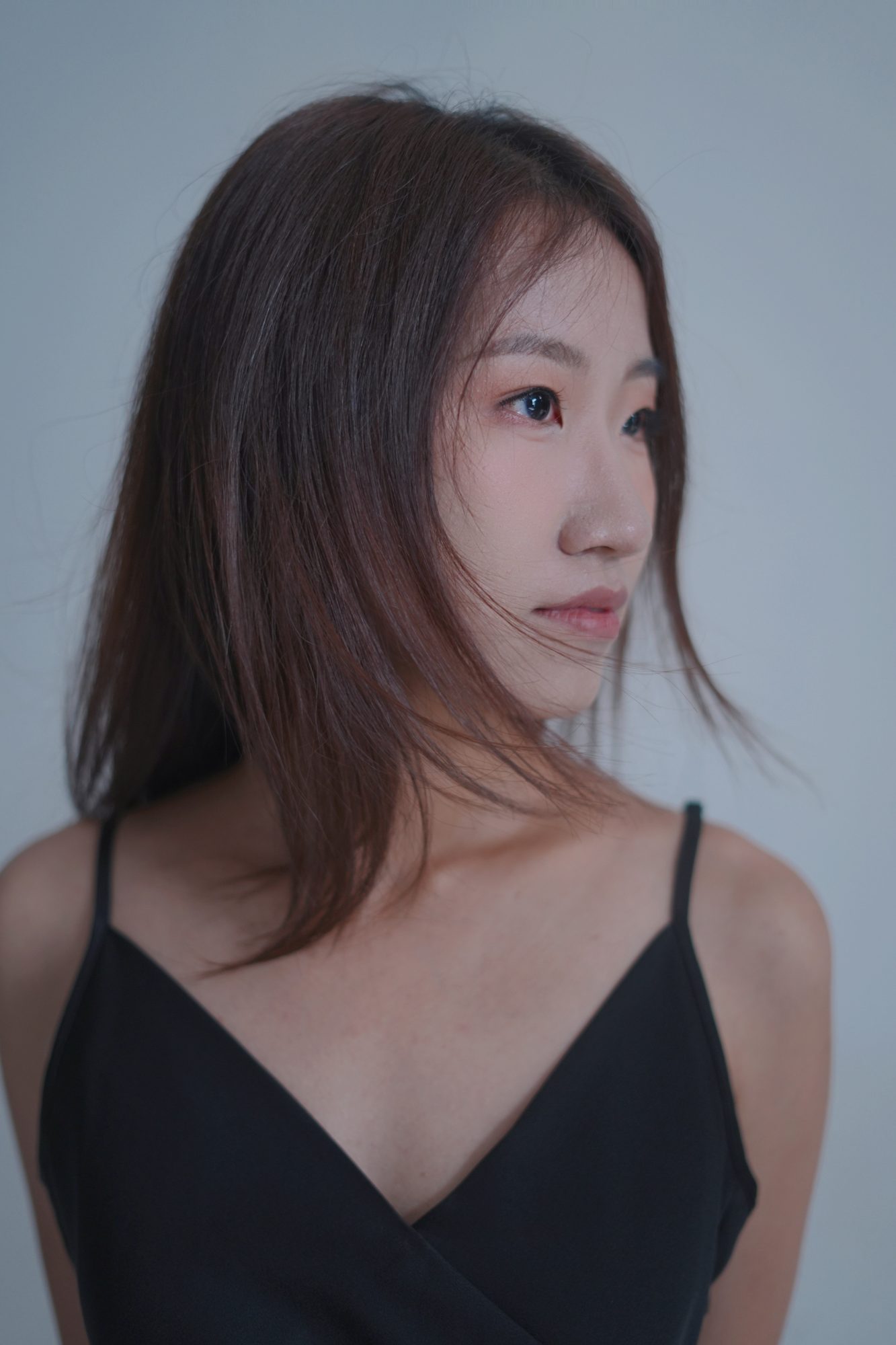
Today we’d like to introduce you to Amy Yu.
Alright, so thank you so much for sharing your story and insight with our readers. To kick things off, can you tell us a bit about how you got started?
Music has been part of my life since childhood, but my real path into film and game scoring began at Berklee College of Music. I was studying Film Scoring there, and the workload was intense—but I treasured every hands-on opportunity I could get. I arranged for student concerts, served as music director, played keyboards on stage, and participated in more than twenty student performances over those years. I graduated with a 3.96 GPA and made the Dean’s List for eight consecutive semesters, but honestly, what mattered more to me was the sheer amount of practical experience I built up along the way.
After Berklee, I returned to China and entered the industry. I first worked at Bilibili’s Xinyuan Studio on the music for a Chinese fantasy game, while also scoring short films and documentaries on the side. One of those early projects—a short film called End of Summer—went on to win Best Original Music at the Hollywood Shortsfest and was shortlisted for a Student Emmy. That was the first time I truly felt that my work could be seen on an international stage, and it gave me the confidence to keep going.
Later, I went to the University of Miami’s Frost School of Music for a master’s in Media Music Production, where I received a full scholarship, maintained a 4.0 GPA. I also served as a teaching assistant for Professor Carlos Rafael Rivera—a Grammy and Emmy winner—in his film scoring courses, teaching both graduate and undergraduate classes bilingually in Chinese and English. That period was invaluable: while teaching, I found myself understanding scoring on a much deeper level. To this day, I continue mentoring students through private portfolio coaching, and my students have gone on to schools like Berklee, NYU, the University of Miami’s Frost School, and Columbia College Chicago.
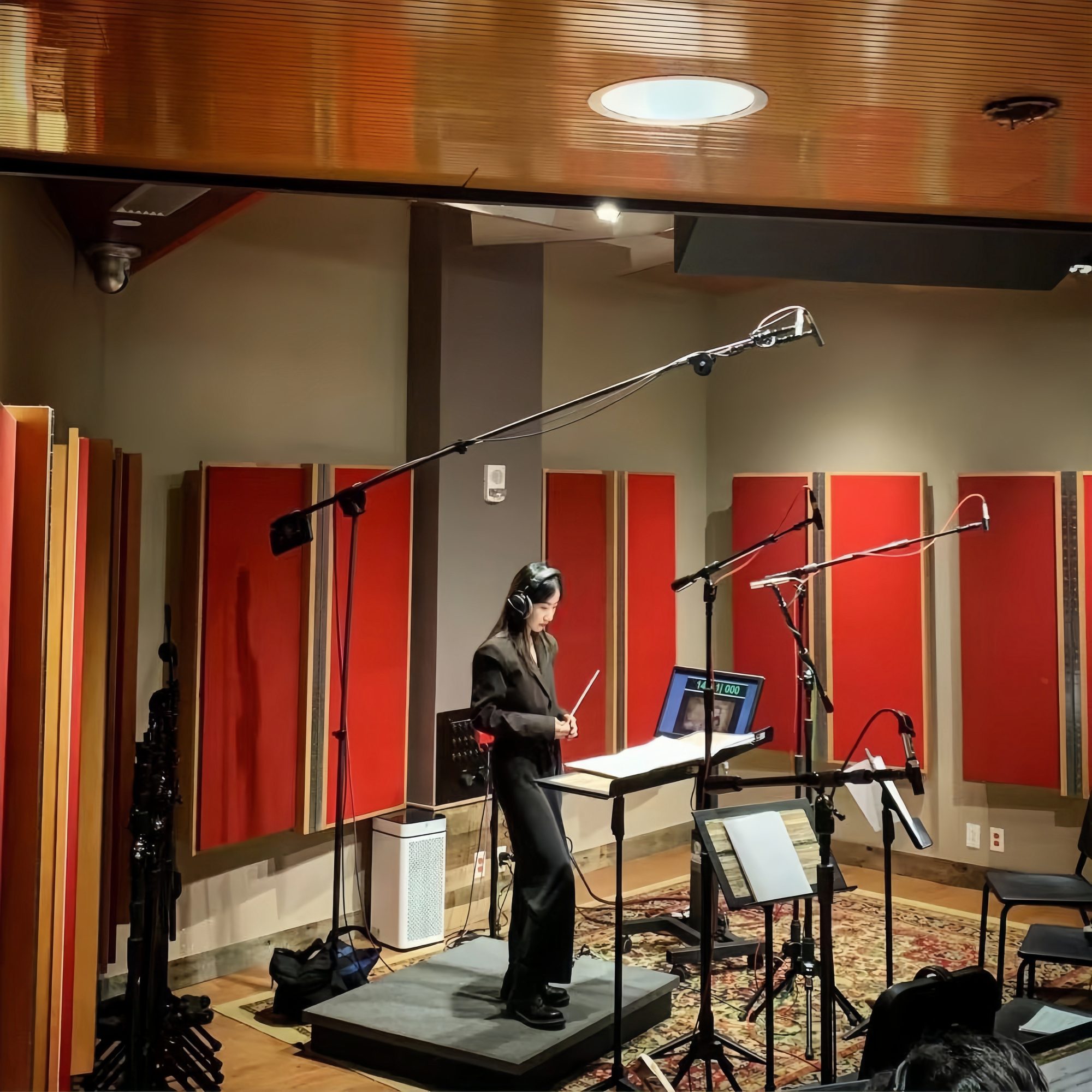
Over the years, my scoring work has traveled to festivals around the world—Miami, Milan, Cambridge, Hawaii—and has earned several Best Score awards. On the game side, I’ve written activity music and character PV themes for popular titles like Wu Qi Mi Tu and Wu Hua Mi Xin. I also do crossover arrangement work—rearranging classics for Latin star Sebastian Yatra’s global tour, writing the opening orchestral piece for the idol group “TOP”‘s concert, and creating orchestral pieces for concerts.
Beyond composing, I’ve never put down live performance. I’ve played keyboards at Beijing Livehouses like 13 Club, School, and Temple, and I’ve been invited to perform at music events and teacher conferences. I’ve also been interviewed by outlets like Voyage LA and Shoutout LA.
Looking back, this journey has been driven by a steady commitment to craft and a genuine love for storytelling through sound. I’m still writing, still learning, and still excited about whatever project comes next.
Would you say it’s been a smooth road, and if not what are some of the biggest challenges you’ve faced along the way?
No, it hasn’t been a smooth road—and I think that’s true for almost anyone in this field. A few things stand out.
The first was the transition after Berklee. Studying film scoring in Boston is one thing; actually building a career is another. When I returned to China and started working at Bilibili while also taking on short films and documentaries, I was essentially juggling very different creative worlds—one foot in a big commercial IP, the other in small independent projects with tiny budgets and tight timelines. There were plenty of late nights, revisions, and moments of doubt about whether I was spreading myself too thin. But looking back, that pressure taught me how to adapt quickly and how to deliver under real constraints.
The second struggle was cultural and linguistic. Scoring is about storytelling, and storytelling is deeply tied to culture. Moving between Chinese and American productions meant constantly switching not just languages but musical instincts—what feels emotionally right in a Chinese period drama doesn’t necessarily translate to an American indie short. Going to Miami for my master’s added another layer: I was teaching bilingually as a TA for Professor Rivera while still being a student myself, and there were moments where I felt I had to prove myself twice over—as a foreign student and as an instructor. That was humbling.
The third, and maybe the most ongoing one, is the uncertainty of a freelance creative life. Awards and festival selections are wonderful, but they don’t come with a steady paycheck. There were periods where I was balancing composition deadlines, arrangement work, live gigs, and teaching just to keep everything moving. I’ve learned to treat the variety as a strength rather than a weakness—but it took time to get there.
So no, not smooth. But I think the struggles are what made the work better. Every difficult project forced me to grow, and every quiet stretch pushed me to keep creating on my own terms.
As you know, we’re big fans of you and your work. For our readers who might not be as familiar what can you tell them about what you do?
I’m a composer for film, games, and media, specializing in scoring across orchestral, electronic, and hybrid styles.
I’m known for versatility—my work spans games like Create and Magic, Wu Qi Mi Tu and Wu Hua Mi Xin, international festival films, and arrangements for artists like Sebastian Yatra. I’m often brought in when a project needs music that bridges Chinese and Western, traditional and modern.
What I’m most proud of is the documentary News Without a Newsroom—it won Best Documentary at the Hawaii International Film Festival, and its soundtrack is on all major platforms. I’m equally proud of my teaching: my students have gotten into Berklee, NYU, Columbia College Chicago, LACM, SFCM, Frost, and more.
What sets me apart is genuine bilingual and bicultural fluency, a skill set beyond composing (arranging, sound design, live performance), and a collaborative style shaped by both big studios and tiny indie teams.
In terms of your work and the industry, what are some of the changes you are expecting to see over the next five to ten years?
I think three shifts stand out.
First, AI is reshaping the production side of music—not replacing composers, but changing how we work. Tools for mockups, stem separation, and quick iterations are getting better fast. The composers who thrive will be those who use AI as a tool while keeping their creative voice distinct. The premium on genuine human storytelling will actually go up, not down.
Second, games are becoming the dominant storytelling medium for music. Lots of games already demand film-level scores, and the audience notices. Interactive and adaptive music is moving from niche to standard, and that’s creating real demand for composers who understand both narrative and systems.
Third, the line between Chinese and Western production is blurring. Chinese games and films are reaching global audiences, and international projects want authentic Chinese musical voices—not just surface-level “exotic” textures. Composers who can move fluently between both worlds, like I try to do, will be increasingly valuable.
The common thread: technology changes the tools, but the need for music that genuinely serves a story doesn’t go away. If anything, it gets more important.
Contact Info:
- Website: https://amyyumusic.com
- Instagram: amyyujh
Popular
-

Portraits of the Valley
-

LA’s Most Inspiring Stories
-

Mason Ewing Is Bringing a World of His Imagination to Life Through Film
-

Dr. NanaEfua Afoh-Manin Is Rethinking What It Means to Be Healthy, Not Just Healed
-

Greg Hex Is Turning the Everyday Kitchen Knife Into a Modern Design Object
-

Rick Norris Learned That Building a Successful Business Means Building a Life You Actually Want to Live


