




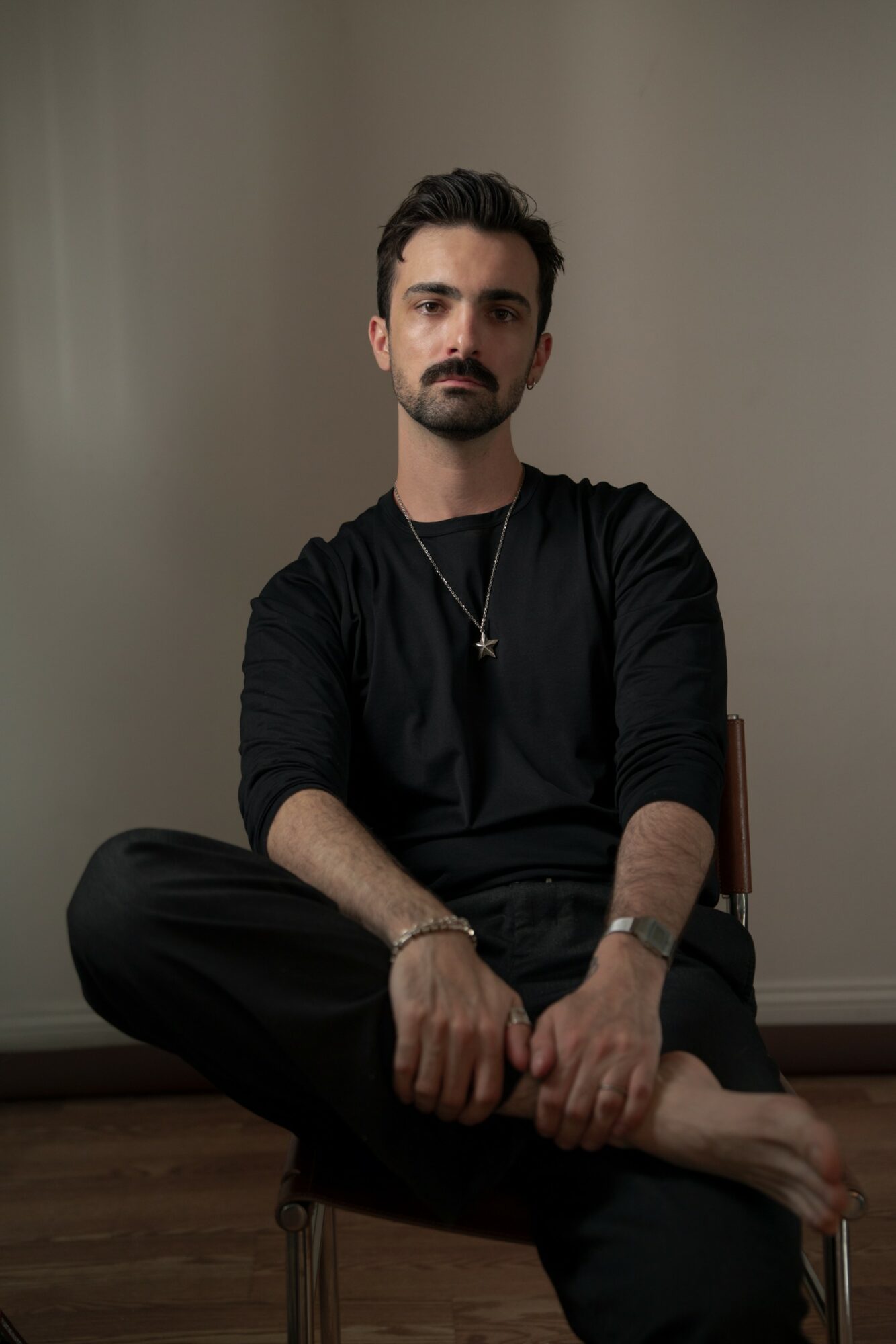
Today we’d like to introduce you to Alek Keller.
Hi Alek, please kick things off for us with an introduction to yourself and your story.
I grew up in the South of France, in my grandmother’s garden. Summers smelled like lavender and warm stone, and I spent them picking roses, laurel, lemon branches, and poppies for the people around me — not as a practice, just as a way of loving them. It was the most natural thing in the world.
But I always wanted more than what was familiar. That particular ambition pulled me toward something larger, somewhere else. So after high school, I started working, saved up, and moved to New York City.
New York gave me back flowers, but differently. What had been instinct became craft. I found my way into rooms I hadn’t imagined possible for me to access— working alongside extraordinary teams for Dior, Bottega Veneta, Soho House — and those collaborations sharpened a sensibility I’ve carried ever since: refinement and thought within wilderness. The tension between the cultivated and the untamed. That’s still what I reach for in every arrangement.
Then came Miami. After years of turbulence I needed to find my footing again — and this city, with its light and its particular kind of energy, gave me the space to do that. I reassessed, fell back in love with floral design on my own terms, and founded Grove Floral Studios. Miami is home now. The work occasionally takes me to Los Angeles and New York — cities I keep finding reasons to return to.
We all face challenges, but looking back would you describe it as a relatively smooth road?
I never planned to stay in New York. The visa situation made it seem impossible — there was no realistic path to sponsorship, and I knew it. But then I fell in love with my husband, and suddenly impossible became beside the point.
Staying meant scaling back. The ambition I had carried with me from France — of becoming a writer, of building something with words — had to be set aside, at least for a while. I worked in restaurants. And it was there, through the particular randomness of New York, that I met a florist who offered me my first job in floral design: cleaning the leaves off roses for Valentine’s Day, in the back of a truck, in twenty-degree weather. Not glamorous. But it opened a door, and I walked through it.
Years of work followed. Real work — developing a craft, building a skill set, earning my way into rooms that mattered. And somewhere along the way, without planning to, I fell in love with flowers.
That love came with its own complications. There is something the floral world doesn’t talk about enough: the struggle to take yourself seriously when the culture around you doesn’t quite take you seriously either. Florists are often treated as disposable — perhaps because flowers themselves are seen as fleeting, beautiful but temporary. That never sat right with me. I have always wanted to build something lasting. A legacy. The word florist felt at odds with that ambition for a long time.
Then came the burnout. After years of working in a toxic environment, I collapsed — not dramatically, but completely. Curtains drawn, buried under the covers, eating too much or not at all. The kind of burnout that doesn’t announce itself as burnout until you’re already at the bottom of it. I quit my job and gave myself permission to disappear from floral design entirely.
What filled that space was drawing. Furniture sketches, ideas, proportions — things I had loved since childhood but never taken seriously as a path. That year of creativity turned out to be the thing that saved me, and more than that, it clarified something: my drive was never about one medium. It was about making things that last.
When I eventually surfaced, I had more room in me than before. Room for floral design, yes — but also for furniture, for writing, for all of it at once. Grove Floral Studios was born from that reclaimed wholeness. Not despite the burnout, but because of it.
Alright, so let’s switch gears a bit and talk business. What should we know about your work?
With Grove, I wanted to build something that felt less like a business and more like a grove in the literal sense — a community of people growing in the same soil. From the wholesalers we source from to the clients we work with, what holds everyone together is a shared respect for craft. For things made carefully, and given with meaning. Grove is a serious practice, but it is also my most joyful one — the place where rigor and playfulness coexist.
I don’t approach floral design as decoration. I see it as a language — one with history and symbolic weight. Every stem, every plant I select carries something. When you give flowers to someone you love, you are saying something beyond the gesture itself. Grove exists to make that something intentional.
My furniture practice lives on the other side of my personality entirely. Where Grove is outgoing and alive, my furniture is austere, quiet, reflective. Both are true to who I am — I am, depending on the day, either the most social person in the room or someone with almost no social battery left. The work holds both.
The piece I’m most excited about right now is the Virgil floor lamp, currently in development. The name comes from Dante — Virgil as guide, the figure who leads you through darkness toward understanding. For me, that guide has always been knowledge. It is what has consistently brought me peace, and peace is necessary when you want to make anything of real quality. Craft is demanding. It requires stillness.
What I’m proudest of isn’t a single project. It’s the clarity I’ve arrived at. I feel settled — not in a stuck way, but in the way of knowing who I am creatively. And who I am, it turns out, is whoever I want to be. Nothing is holding the frame too tight. That freedom took a long time to earn, and it brings me genuine joy.
We’d be interested to hear your thoughts on luck and what role, if any, you feel it’s played for you?
Luck is not a lens I naturally reach for. And yet I’m aware enough to know it is always present — especially from a position of privilege. Being a white man, even a gay one, carries advantages that are worth naming honestly rather than glossing over.
But I also believe we cultivate luck. We increase the odds of it finding us through hard work, yes — but just as much through hard rest. Knowing when to stop, when to disappear, when to let things lie fallow. That rhythm is something I’ve had to learn, sometimes the difficult way.
If there is one area where I feel unambiguously, simply lucky — it is in the people around me. A loving husband. A supportive family. And at home in Miami, two children — Sylvester and Leona, who have never once cared about my creative identity and are better for it.
Contact Info:
- Website: https://grovefloralstudios.com
- Instagram: grovefloralstudios
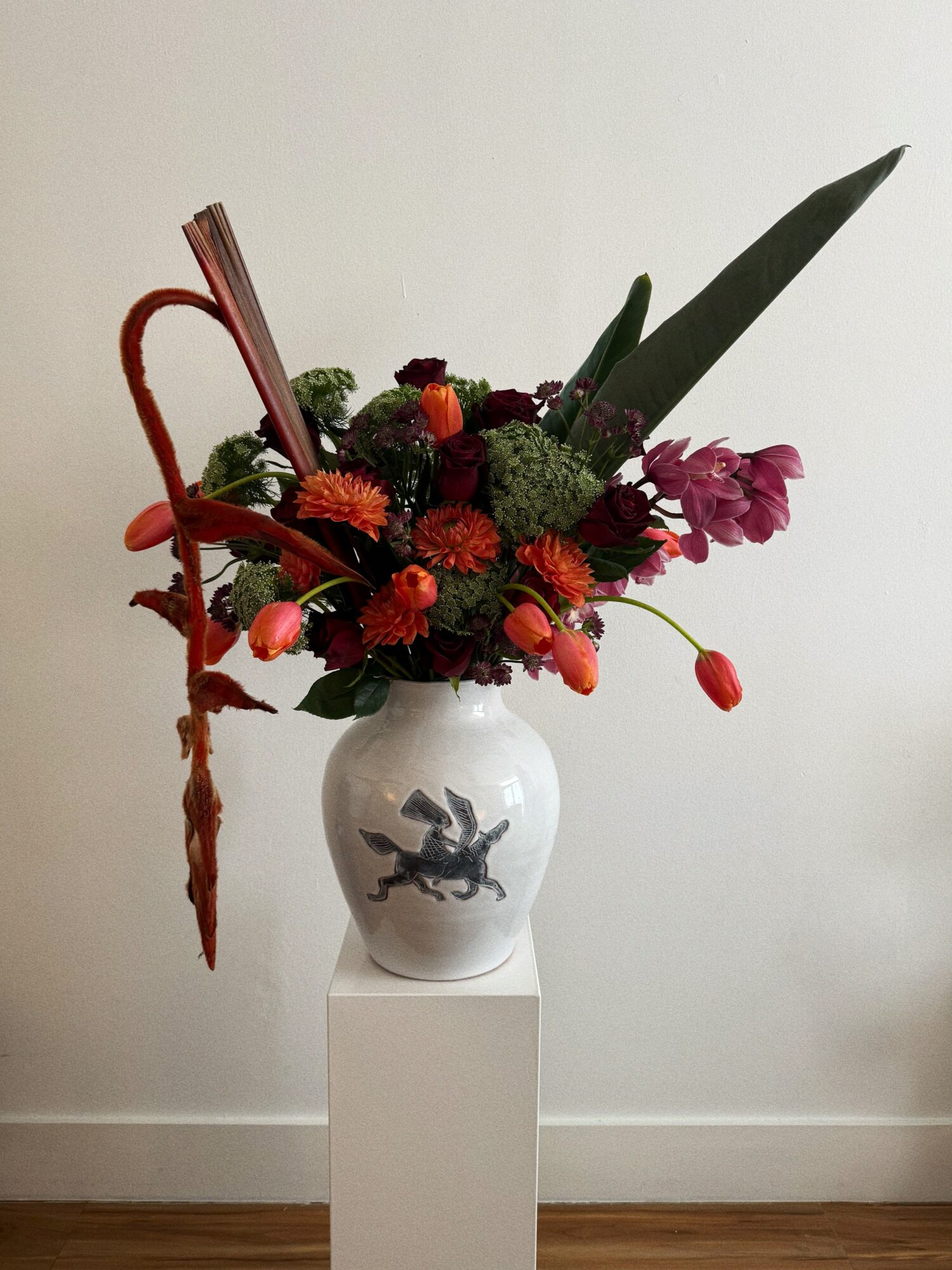
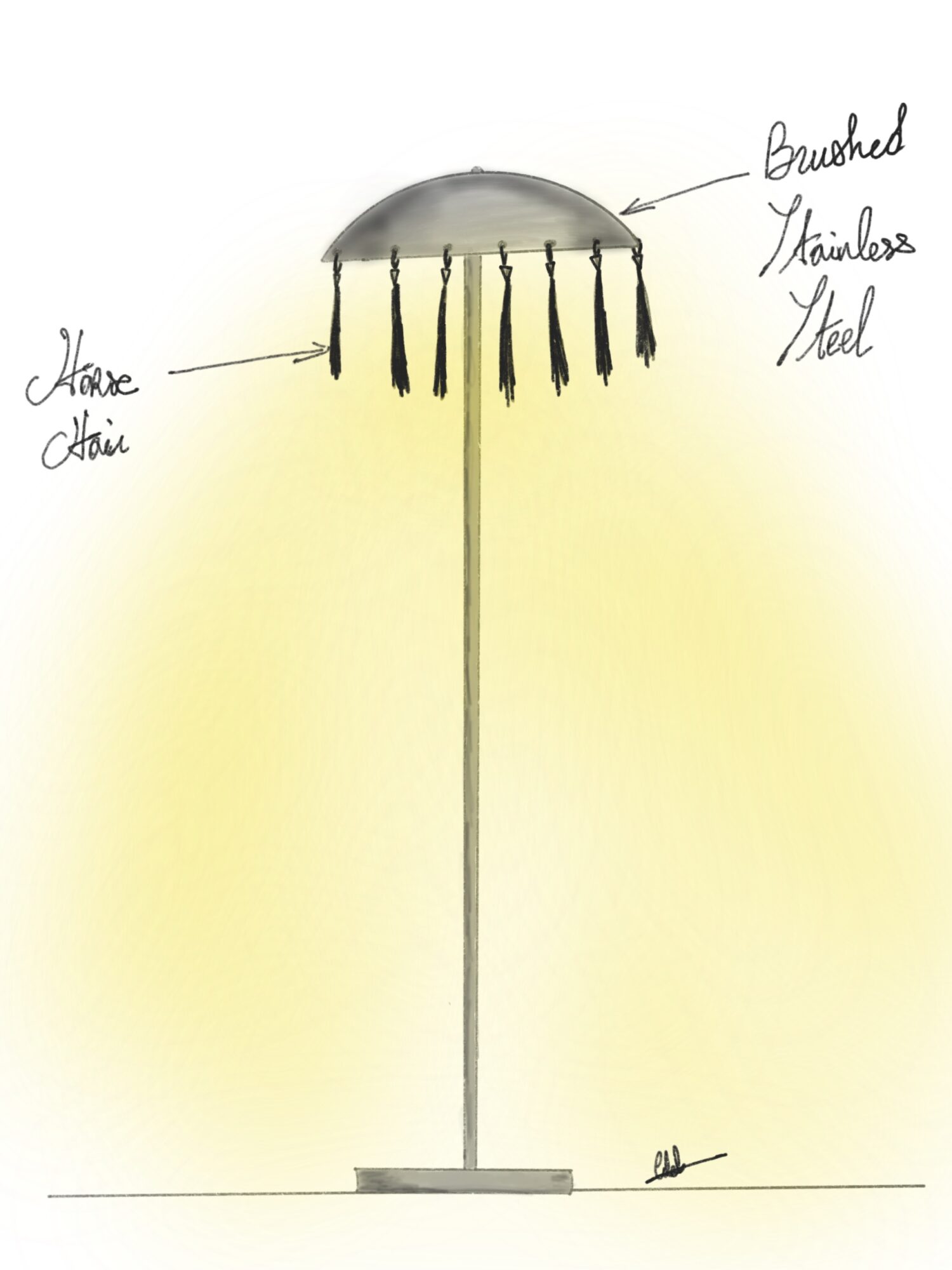
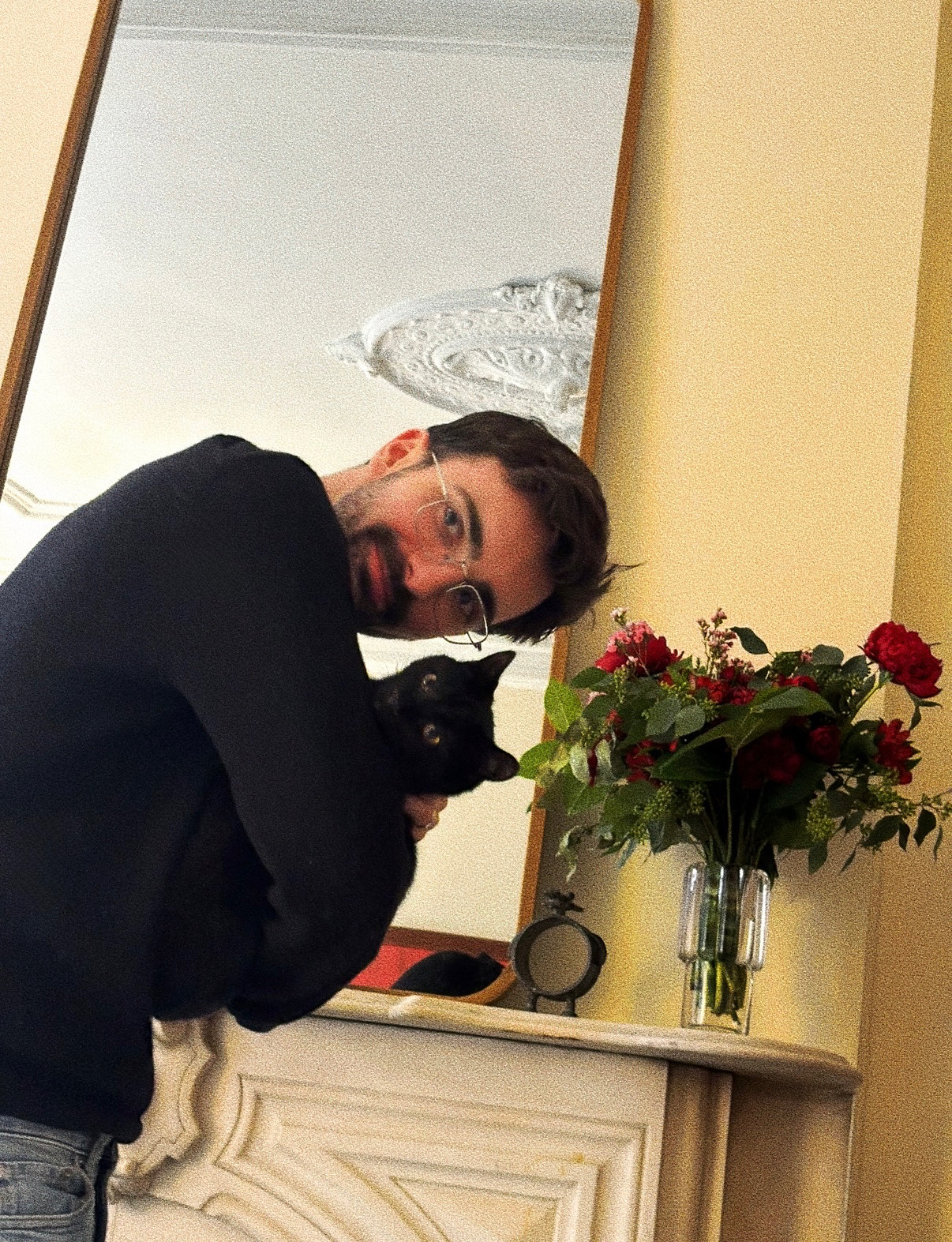
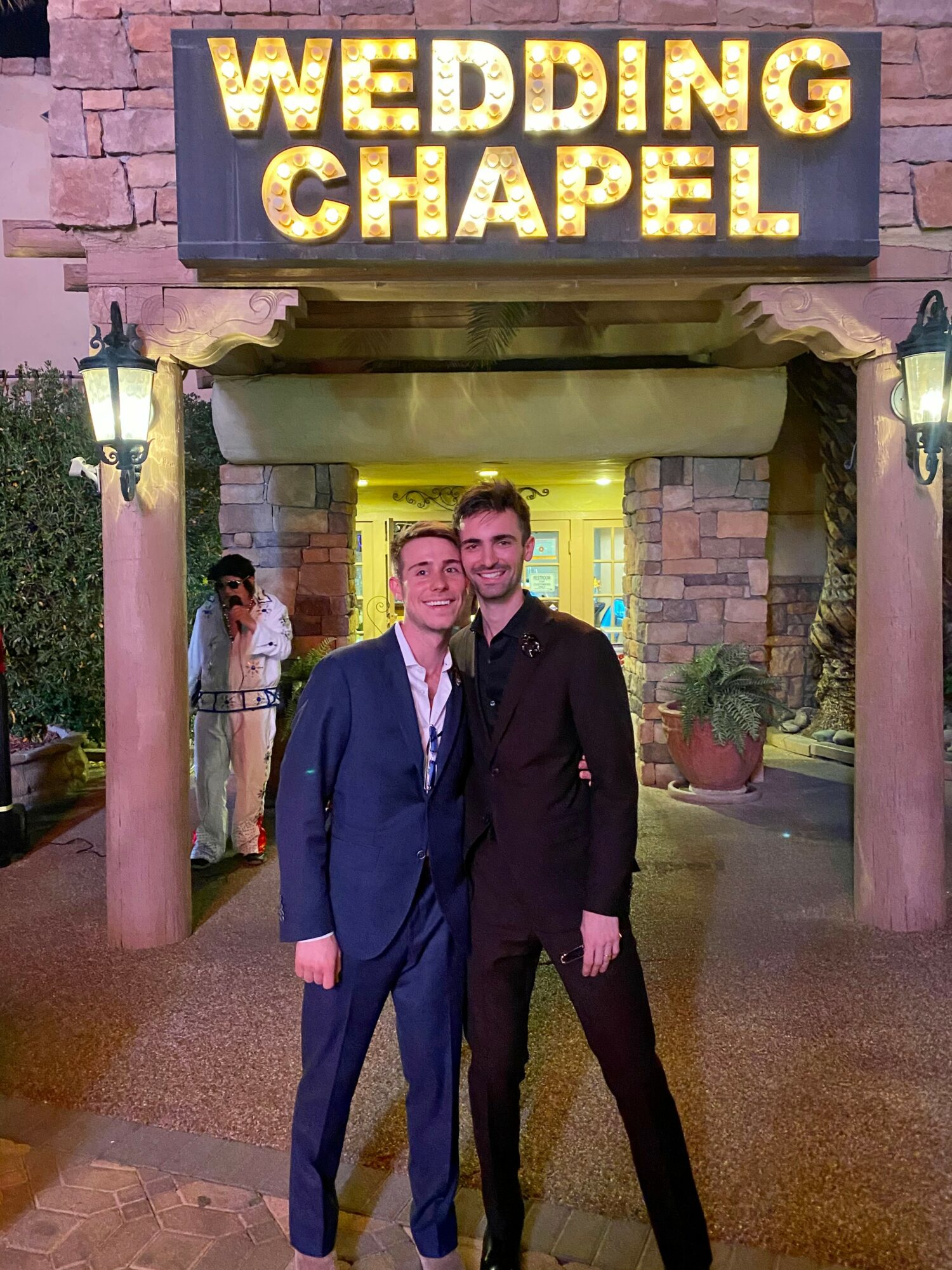
Image Credits
Main image: Photograph by Christopher Zarcadoolas
Popular
-

Portraits of the Valley
-

LA’s Most Inspiring Stories
-

Robin Olive on Building an Inclusive Performing Arts Movement and Expanding Opportunities for Every Student
-

Que Johnson on Building Brands That Last: From Visibility to True Market Authority
-

Christina Wren Steps Into the Director’s Chair to Tell Stories That Feel Like Home
-

JordanL on ‘Breathe,’ Belief, and Building a Movement Beyond the Music


