




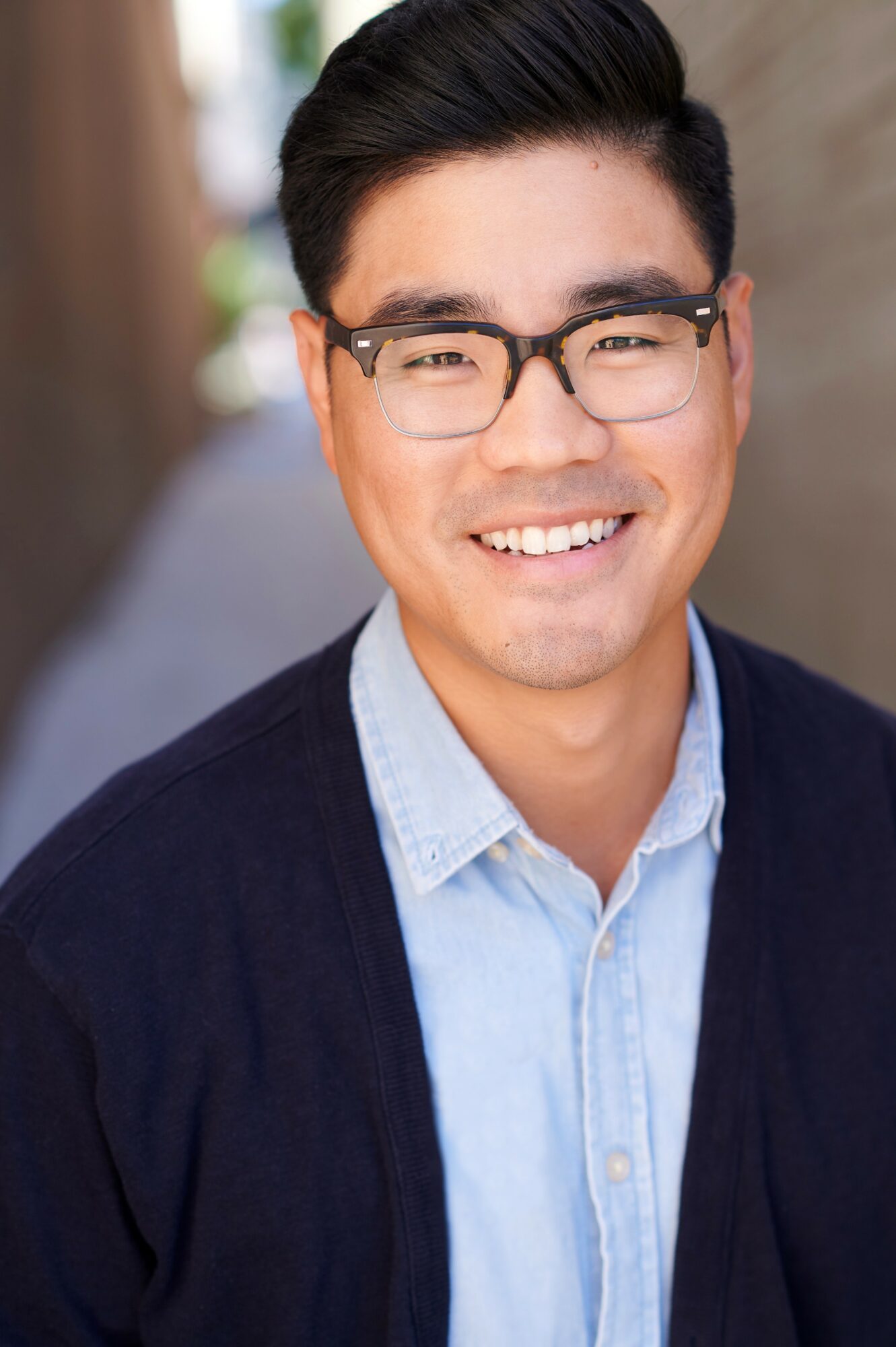
Today we’d like to introduce you to Scott Keiji Takeda.
Hi Scott Keiji, can you start by introducing yourself? We’d love to learn more about how you got to where you are today?
I first hit the stage in the summer after third grade as a loin-cloth clad Mowgli singing “The Bare Necessities” in a summer drama workshop. When you make your performing debut half-naked singing a song that is somehow still too high even for your pre-pubescent self, you’re destined to pursue it for the rest of your life. All kidding aside, I really never did look back after that. In school, I participated in choir, show choir, band, and musical theatre until eventually going on to receive a BA in Theatre Arts from Pepperdine University. I’m still pursuing a career in acting- working in theatre, film, television, commercials, and voiceover. I’ve had incredible opportunities working at such renowned theaters like The Public in NY and La Jolla Playhouse, The Mark Taper Forum, and East West Players back on this coast. I’ve been on shows like “Grey’s Anatomy” and. “Made for Love” and was even a series regular on a Netflix series called “Huge in France.” While I’ve enjoyed some moderate success, I did intentionally say that I’m still “pursuing” this career, because fortunately (or unfortunately), a career in performing or perhaps any form of art, for that matter, is always an ongoing pursuit.
Can you talk to us a bit about the challenges and lessons you’ve learned along the way. Looking back would you say it’s been easy or smooth in retrospect?
I grew up in the San Gabriel Valley, or more specifically, Temple City. Here, being of Asian descent, you’re not exactly a minority. I grew up around so many other Asians and Asian-Americans that I didn’t really realize that I was a “minority” until I went to college. In high school, I was given many opportunities to play roles that would have been long shots for me anywhere else — roles like J. Pierrepont Finch in “How to Succeed…” or Charlie Davenport in “Annie Get Your Gun.” Yet, even as I write this now, I realize how far we’ve come with representation in the industry, and how it doesn’t actually seem as farfetched as it once did for an Asian-American like me to play such roles professionally. It was certainly a lot harder to imagine when I first entered into the industry. That is where East West Players (EWP) comes in.
The first professional show I did right out of college was EWP’s production of “Mysterious Skin.” Having that show be my professional debut opened every door to me. I had, of course, known about EWP prior to working there, but I hadn’t really been aware of the prestige they held and, more importantly, the community attached to them. I came to find out that so many of the Asian-American actors I knew of at the time got their start at East West Players. Again, I was sort of spoiled: finding a community where I wasn’t an other and where I felt like I belonged. After my debut at EWP, I really struggled in the industry. It wasn’t only from a lack of success (which, believe me, was very real), but because the way I perceived myself and the way others perceived me was so misaligned. I struggled to understand why I wasn’t even being seen for roles I thought I was perfect for. This sent me down a path of trying to change myself to fit the mold that I thought others wanted me to fit into. Yet, the community I gained from EWP and the role models I looked up to there, helped me realize that that wasn’t the answer. I am so grateful to the Asian-American actors before me who, by staying true to themselves, helped pave a path for me to do the same. We, as Asian-Americans, are as diverse a group as any and it is so important that we represent that. I can only hope that I’m also contributing to this ideal for those that follow.
As you know, we’re big fans of you and your work. For our readers who might not be as familiar what can you tell them about what you do?
The work that I’m most proud of is the work that has represented my culture and my own background. I’ve been fortunate to do a decent amount of projects reflecting my Japanese-American identity. Most recently, I did a production of a play called “Sumo” at the Public Theater in New York. This one was particularly fun because, since it took place in Japan, but was intended for American audiences, we had the task of honoring and respectfully portraying authentic Japanese culture while infusing it with our own Asian-American identity. The show was certainly the biggest challenge of my career thus far, and I felt a huge responsibility to get it right. It truly tested my limits, both physically and emotionally. Ultimately, I’m really happy with how it turned out and I think audiences really enjoyed seeing a somewhat familiar sports hero story set amidst a backdrop they were largely unfamiliar with.
I also want to highlight the films I’ve done with Paul Goodman and Eight East. We made a film a few years back called “No No Girl” that I’m really proud of. It was a largely Japanese-American cast and that was something I had not really had the pleasure of experiencing before. Making that film felt bigger than any of us, and I think we all experienced a bit of catharsis through the process. Prior to “No No Girl,” Paul cast me as a romantic lead in his first feature film, “Evergreen.” I remember us first meeting about it and I told him that I loved the script, but wasn’t sure I was the right man for the job. When he asked why I thought that, I said that I didn’t think that I was a “romantic lead” type. Through our conversation, Paul instilled confidence in me and helped me realize that the only reason I thought that was because it was what the industry had taught me to believe. I remember him saying something along the lines of “most everyone experiences romance at some point in their life, so everyone is the lead of their own romantic story.” It seems like such a simple idea, and yet it was so eye-opening to me. It even helped shape my performance by freeing me from the pressure of expectation. This sort of echoes what I mentioned earlier with just being true to myself and bringing that to the table. It’s also just a testament to how Paul Goodman can bring out the best of anyone. VoyageLA also did a feature on him, but only read it if you want to be inspired and impressed.
So, before we go, how can our readers or others connect or collaborate with you? How can they support you?
Support live theatre! Los Angeles isn’t known as a theatre town but there are really so many companies doing incredible, important work. Support East West Players, Artists at Play, Outside In Theatre, or just look up a theatre company near you (I guarantee there is one) and go there. While I love on-camera acting, the stage is where I really fell in love with performing and it will always be my first passion. With so many film and TV productions moving out-of-state, it’s also a great way to support LA artists while patronizing the arts organizations that are directly giving back to and servicing our community.
If you want to see me in a show, I’ll be playing Ta in East West Players’ next production of Flower Drum Song, opening in late April. It will feature a new updated book by David Henry Hwang, written specifically for this production. The cast and creative team are STELLAR and I know audiences are going to love this new production. It is truly a privilege to be part of, even if I’m still not quite used to playing the “romantic lead.”
Contact Info:
- Instagram: scottytakeda
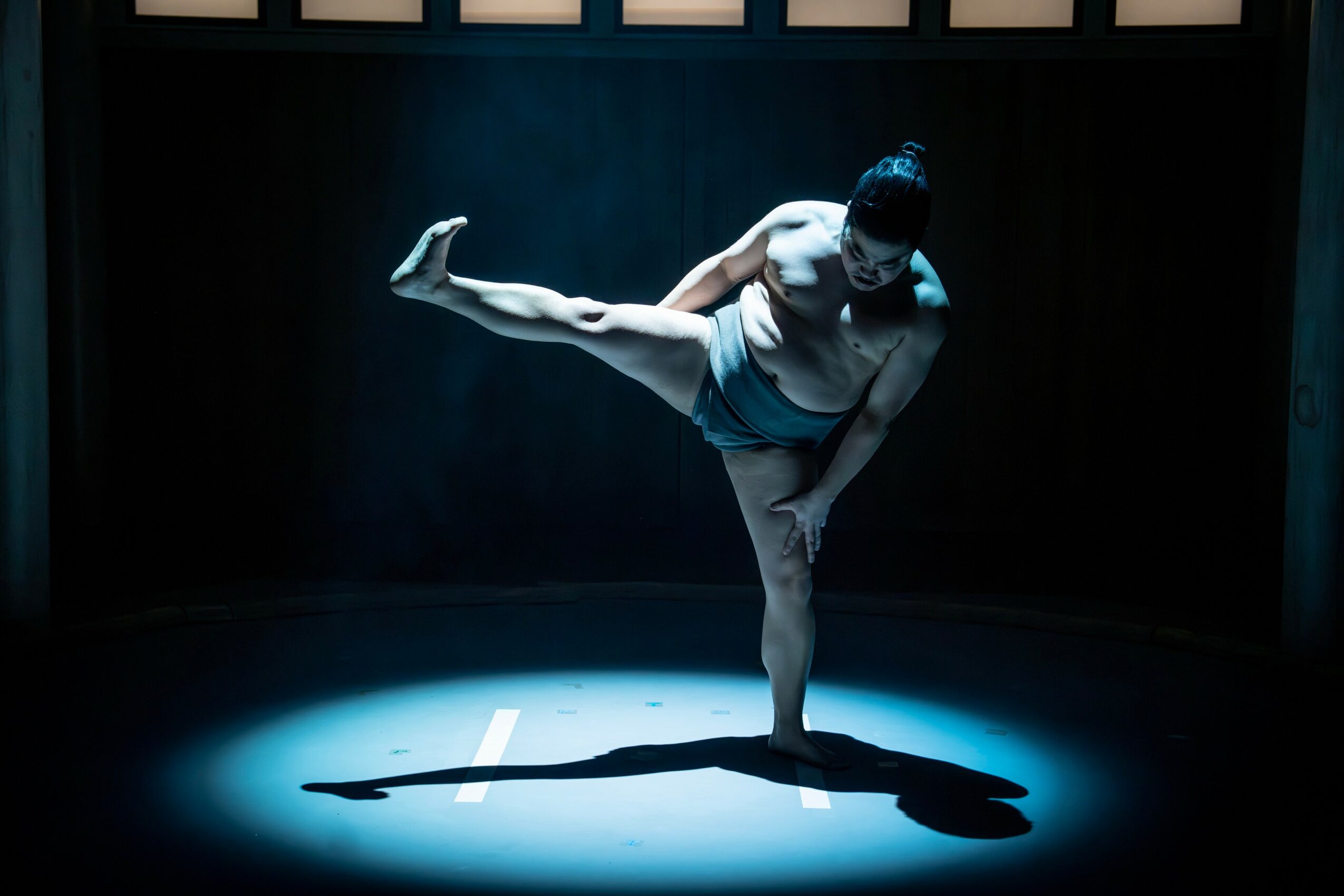
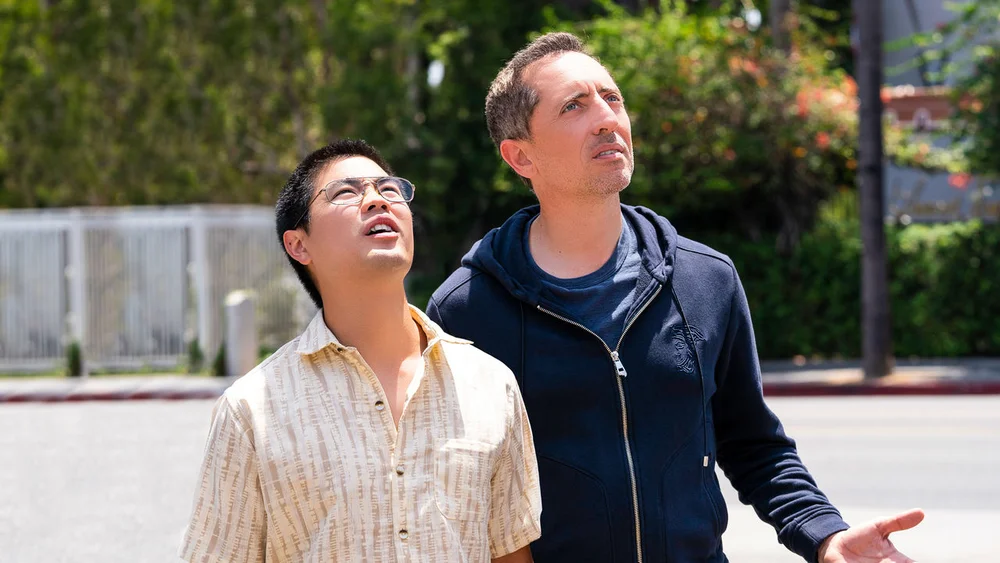
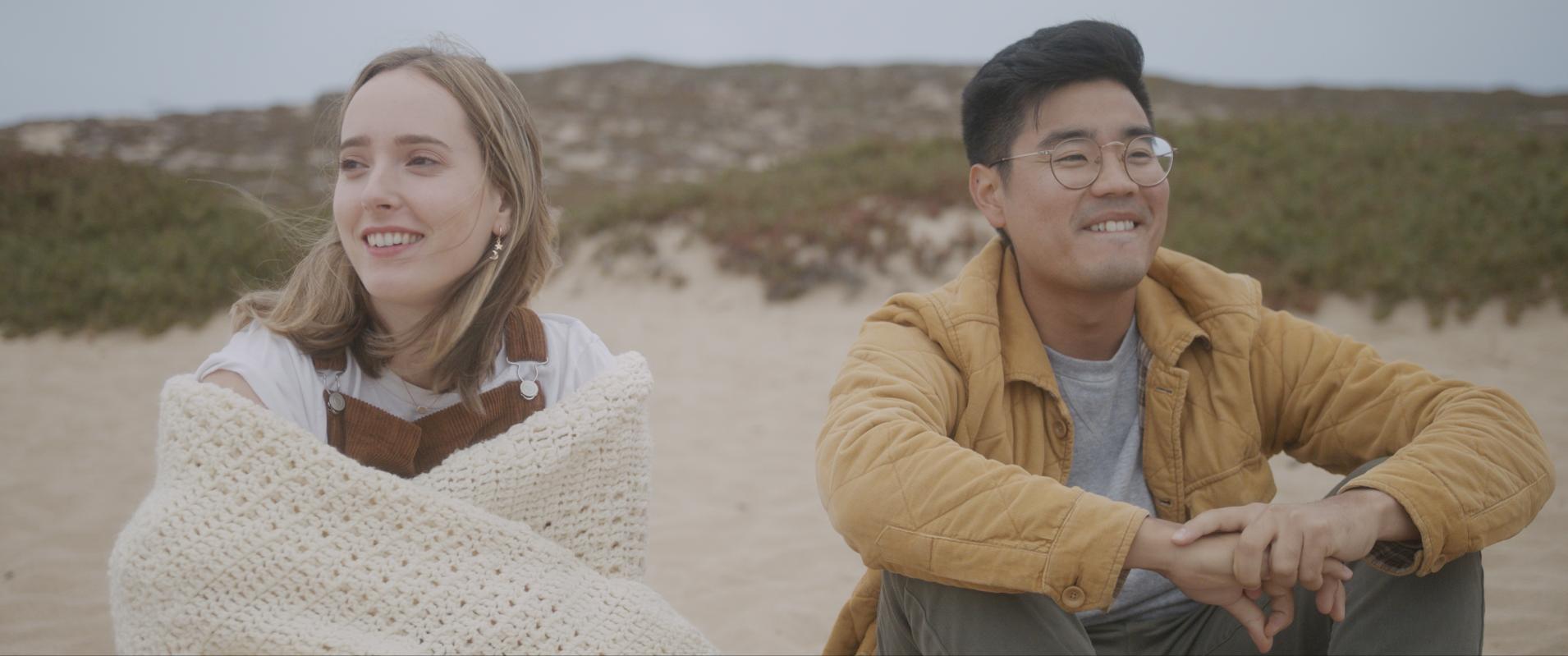
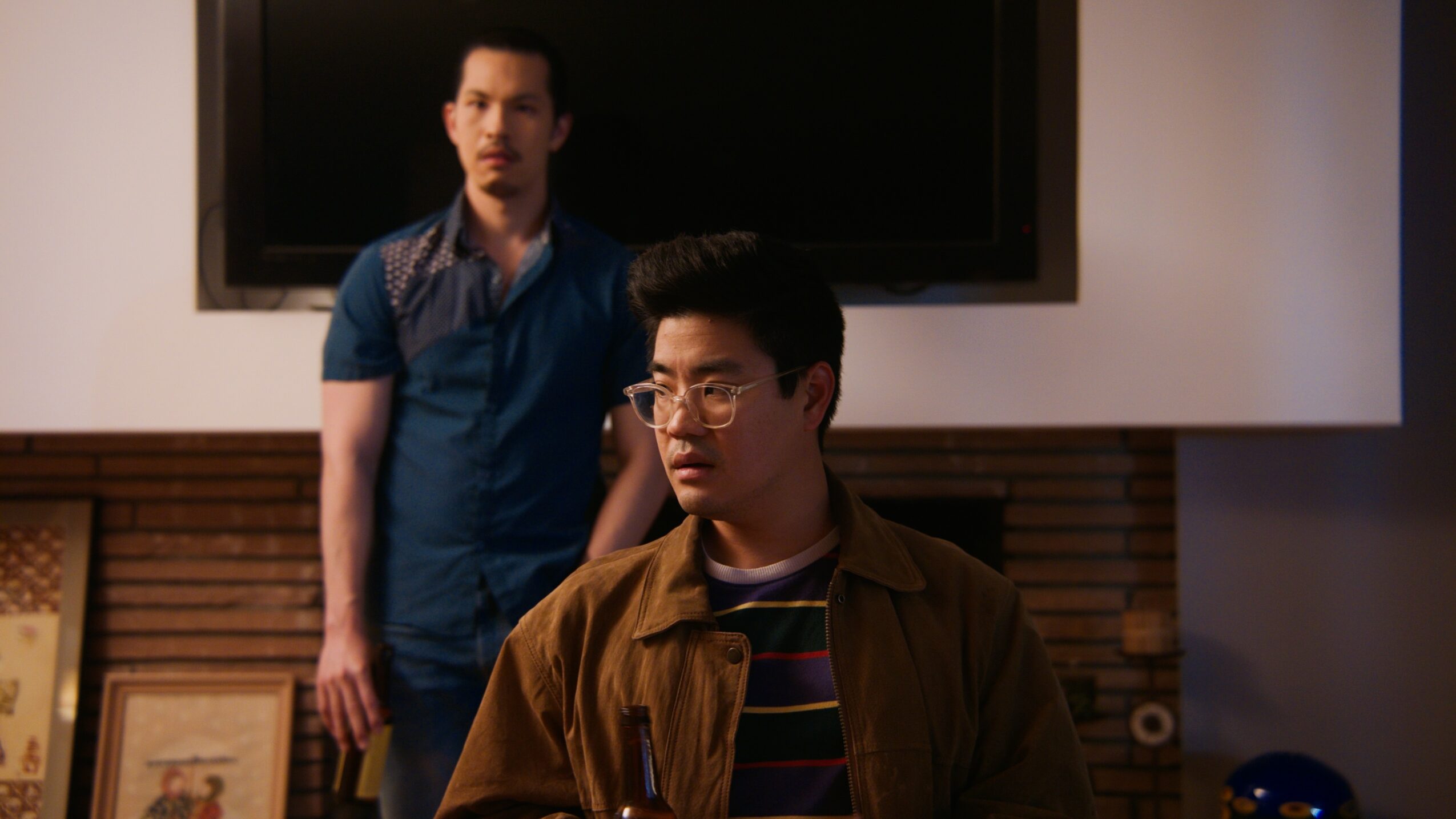
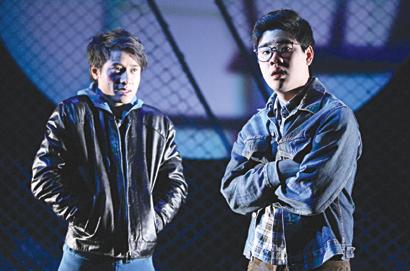
Image Credits
Michael Lamont, Joan Marcus, Paul Goodman
Popular
-

Portraits of the Valley
-

LA’s Most Inspiring Stories
-

Que Johnson on Building Brands That Last: From Visibility to True Market Authority
-

Christina Wren Steps Into the Director’s Chair to Tell Stories That Feel Like Home
-
JordanL on ‘Breathe,’ Belief, and Building a Movement Beyond the Music
-

Megan Birney Rudert on How Access to Light Is Powering a More Sustainable and Equitable Future


