





Today we’d like to introduce you to Khushbu Dalsania.
Hi Khushbu, can you start by introducing yourself? We’d love to learn more about how you got to where you are today?
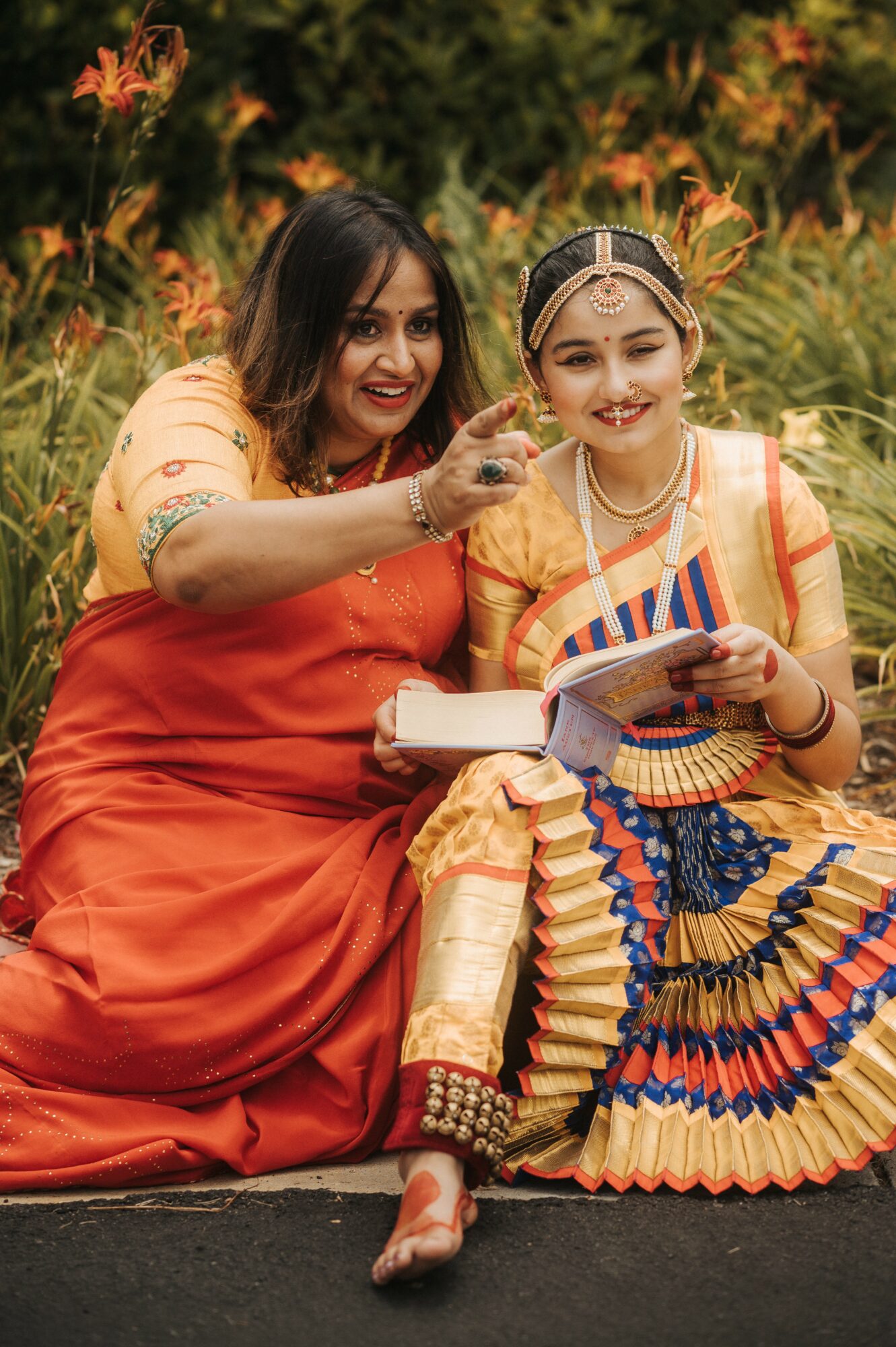
I inherited my love for dance from my mother, who herself was deeply passionate about dancing. Though she couldn’t pursue formal training, she made it her mission to provide me with the opportunities she never had. She put great effort into finding the right teachers and consistently nurturing my interest in classical and folk dance, offering me countless experiences in performance and competition as I grew up.
India has a rich and diverse dance heritage, encompassing both classical and folk traditions. These are often passed down through the strict guru-shishya (teacher-disciple) tradition, which continues even today. Following India’s independence, many great art maestros formalized paths for structured learning, making classical arts more accessible across the country.
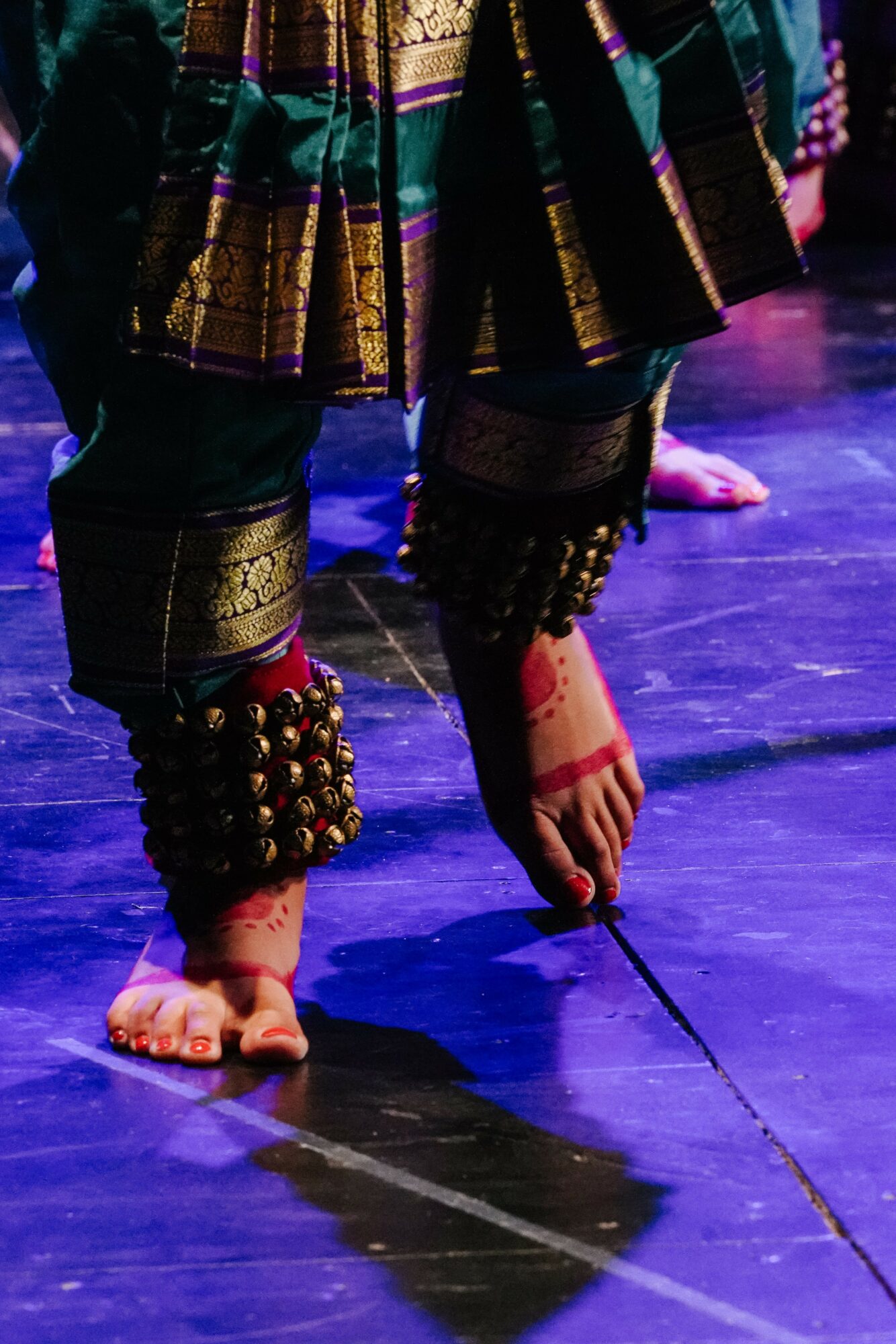
I trained in Bharatanatyam—Thanjavur style—through the Akhil Bharatiya Gandharva Mahavidyalaya (Miraj/Mumbai), earning my Visharad (graduate level) and Shiksha Visharad (B.Ed. equivalent) degrees in the 1990s. Those years were filled with joyful memories—daily practices, stage performances, dance competitions, and Youth Festivals during my school and college days.
After my marriage, I moved to the United States. Incredibly, within my very first week here, I found a job teaching Indian dance at a Ballet studio. Teaching Indian classical dance in a new cultural environment revealed a major shift: unlike in India, where students are surrounded by these traditions daily, my students here—mostly South Asian Americans—had little exposure to this art form in their everyday lives.
Adapting to this, I developed a dance training program tailored to international learners. My approach blends conceptual understanding with procedural fluency. It combines the foundational techniques of Thanjavur Bharatanatyam and the theory of Natya Shastra (the ancient treatise on performing arts) with vibrant Indian folk dances to give students a broader cultural context.
At my studio in sunny California, which I’ve run since 2013, young dancers are immersed in Indian culture through movement. I strive to instill in them not just technical skill, but a genuine love for dance—for how it makes them feel, how it connects them to their heritage, and how it allows them to express themselves from the soul. It’s not just about performing to impress; it’s about finding joy, identity, and meaning through the art form.
Nartan Dance Studio is where I indulge my creativity—choreographing, designing shows, and creating joyful memories for my students whom I fondly address as my “HappyFeet”, just like the ones I treasure from my own childhood dance journey.
Would you say it’s been a smooth road, and if not what are some of the biggest challenges you’ve faced along the way?
Learning:
Growing up in western India, pursuing Bharatanatyam—a classical dance form rooted in the southern state of Tamil Nadu—was far from easy. In the region where I lived, access to consistent training in this specific style was limited. Teachers often moved away every year or two, making it difficult to follow a continuous path in the Thanjavur tradition. Yet, over the course of 13+ years, I persisted through these challenges, always seeking the next mentor, the next opportunity to continue learning. That persistence taught me discipline, patience, and the value of holding on to something sacred, even when the path isn’t smooth.
Teaching:
Running a classical dance studio in the United States has brought its own unique challenges. Bharatanatyam and Indian folk dance appeal to a smaller, niche audience in a multicultural society where commercial dance styles like Bollywood tend to attract more attention. There’s often a temptation—or pressure—to shift toward more popular, entertainment-focused formats. But I’ve chosen a different path. Staying true to the essence of pure classical and folk Indian dance is my way of preserving tradition and honoring the lineage I come from.
Yes, it’s been a challenge—but it’s also been my greatest joy. Watching my students, my “HappyFeet,” fall in love with these age-old forms and find their own wings in dance is a blessing I don’t take for granted. I believe I was born to be a medium—a bridge between generations—to keep these vibrant, graceful traditions alive, just as they have endured since the 4th century.
Alright, so let’s switch gears a bit and talk business. What should we know about your work?
Every day, I wake up with the joy of creating around the one thing most dear to my heart: Dancing. Not everyone gets to say they love what they do—and I consider myself truly fortunate to be among the few who can.
Some of my proudest moments have come from sharing this art form with the wider world. I’ve had the privilege of teaching Indian folk and classical dances in diverse community settings—using each opportunity to tell stories, share traditions, and offer a glimpse into the richness of Indian culture. These sessions go beyond just movement; they’re cultural experiences that often leave lasting impressions.
Over the years, I’ve collaborated with local arts organizations, dance studios, and wellness programs to bring Indian dance into new spaces. I work with schools to include Indian dance in their PE curriculum and extracurricular programs, helping young learners connect with a different culture in an active, joyful way.
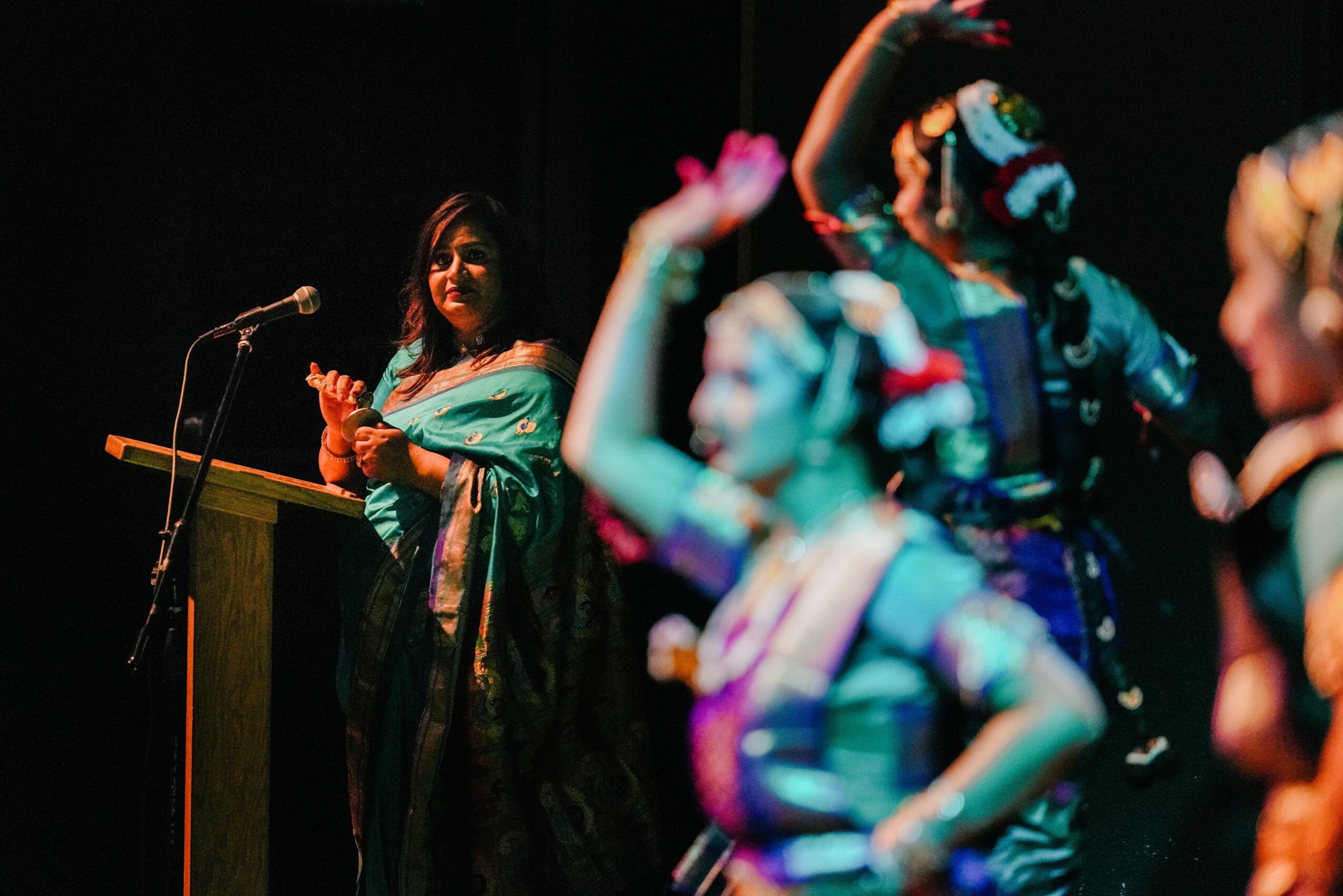
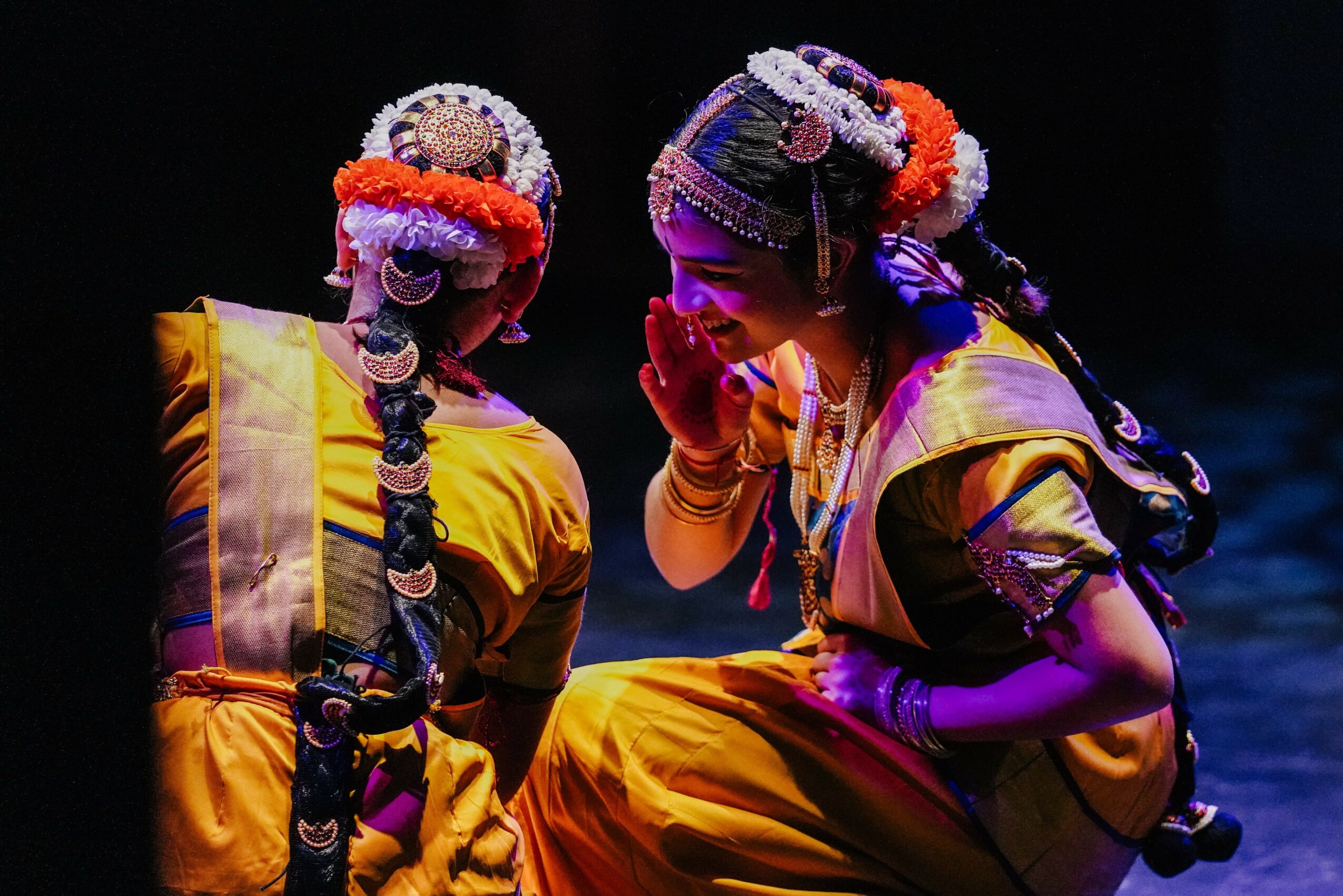
At its heart, Indian dance is storytelling. My studio’s dance showcases often center around traditional mythological tales and folk narratives—making performances not only culturally rich but also engaging for non-Indian audiences. For my students, these stories become part of their dance journey. As they learn new choreographies, they also learn the stories of gods, goddesses, heroes, and everyday people—passed down for generations.
Telling these traditional stories through movement, rhythm, and expression is one of the greatest joys of my work. I take deep pride in guiding my HappyFeet through this journey—keeping the stories alive, and watching them come to life in every performance.
Networking and finding a mentor can have such a positive impact on one’s life and career. Any advice?
As my studio grew, I began to realize there was a natural limit—only so many hours in a day, and only so many students I could teach within that schedule. That realization opened the door to something new.
I was grateful when I was approached by a school wellness program that brings performing arts into classrooms as part of holistic student development. This opportunity allowed me to step beyond the walls of my studio and into school classrooms, where I could share Indian classical and folk dance directly with students in their learning environment. It was a shift—from students coming to me, to me going to them—and it broadened my impact in ways I hadn’t imagined before.
These programs helped me explore different approaches to teaching and helped students experience Indian culture through movement, rhythm, and storytelling—often for the first time.
I’ve also found creative growth and joy through collaborations in the local arts scene. Merging recitals with ballet studios and participating in multicultural showcases have not only expanded my perspective as a dancer and teacher, but also brought more visibility to my studio and the classical Indian art forms I represent.
Through all these changes, one lesson stands out: Stay open. Be willing to explore new ideas, grow with the times, and find creative ways to preserve tradition while adapting to the present. That balance is where true impact lies.
Contact Info:
- Website: https://www.nartan.net
- Instagram: https://www.instagram.com/nartan_nm?igsh=NTc4MTIwNjQ2YQ%3D%3D&utm_source=qr
- Facebook: https://www.facebook.com/nartannm?mibextid=wwXIfr
Popular
-

Cedar Boschan on Elevating Black Music Rights and Driving Urgent Conversations Around Credit, Equity, and Artist Protection
-

Portraits of the Valley
-

LA’s Most Inspiring Stories
-

Robin Olive on Building an Inclusive Performing Arts Movement and Expanding Opportunities for Every Student
-

Que Johnson on Building Brands That Last: From Visibility to True Market Authority
-

Christina Wren Steps Into the Director’s Chair to Tell Stories That Feel Like Home


