




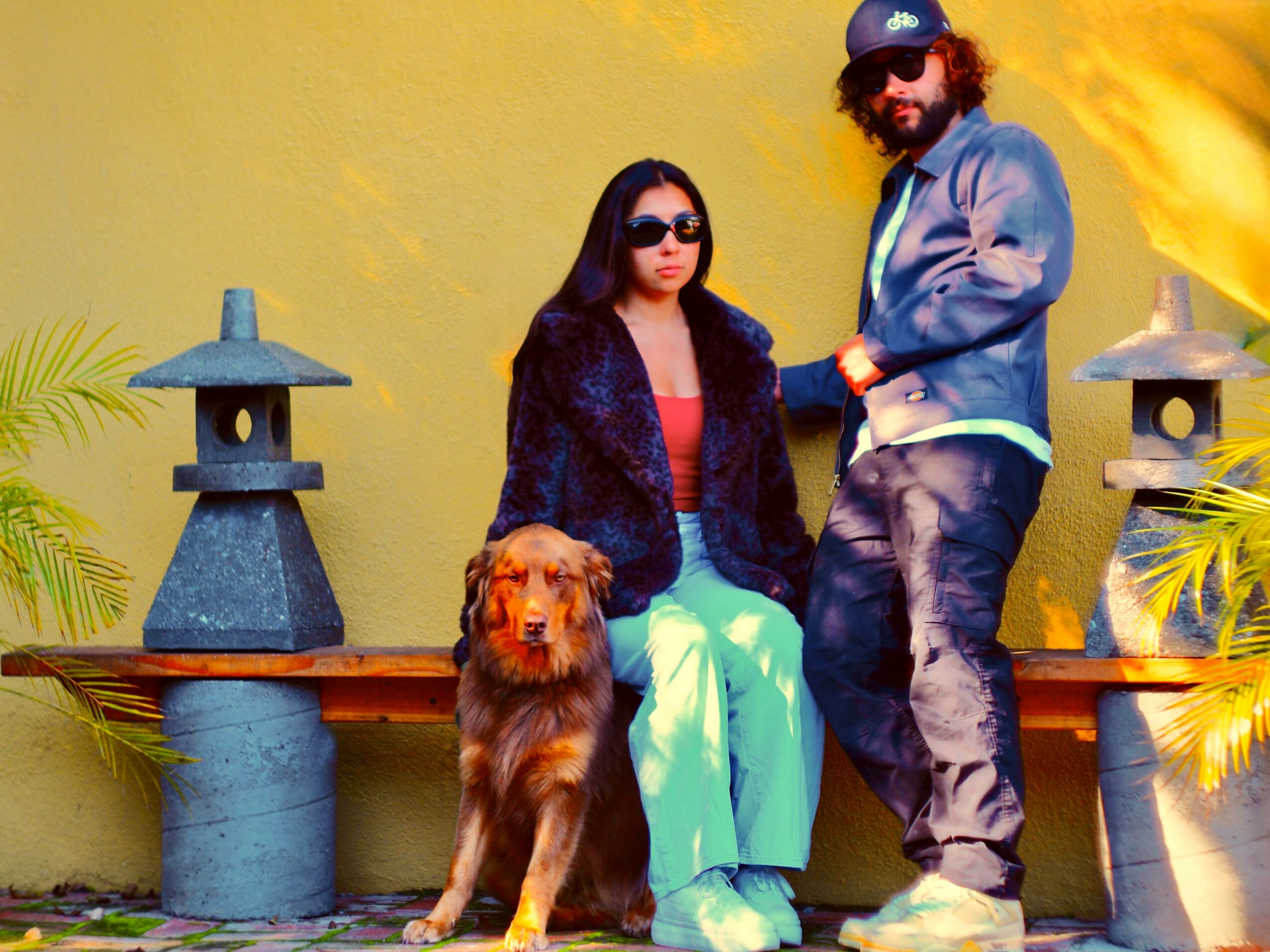
Today we’d like to introduce you to Jason Frost.
Hi Jason, we’re thrilled to have a chance to learn your story today. So, before we get into specifics, maybe you can briefly walk us through how you got to where you are today?
I grew up in and around architecture. My father is an architect and craftsman who designed and built entire homes himself from the ground up, so from an early age I was exposed to the full process of design — not just on paper, but material execution, structural thinking, and the patience required to bring an idea into physical form.
Besides being raised on construction sites, I began working with my dad on various concrete projects during my high school years, initially producing sculptural pieces and Japanese-inspired garden elements, especially stone lanterns. Over time, that evolved into a deeper exploration of concrete as a medium: refining mixes, improving reinforcement methods, streamlining casting processes, and gradually expanding into furniture and larger architectural forms.
What continues to draw us to concrete is its adaptability. It’s often viewed as purely industrial, but we see it as a material capable of remarkable warmth, permanence, and sculptural expression. Much of our work is influenced by Japanese modernism — particularly the quiet discipline of tea-house architecture, garden objects, and forms that create stillness through proportion and restraint.
My own path also shaped that language. Almost a decade ago, I moved from the Bay Area to UCLA where I became increasingly fascinated by Southern California’s modernist architectural legacy. Living in LA placed me in direct proximity to work by figures like John Lautner, Rudolph Schindler, and Richard Neutra — architects whose buildings continue to shape how space, material, and landscape are understood here.
More recently, after purchasing and restoring a fixer-upper in the Hollywood Hills, that connection became even more immediate. We are actively rebuilding portions of the property ourselves, including structural concrete retaining walls and foundational work, with me taking on the contractor role. Living beside important modernist houses — including next door to a Lautner — keeps the work grounded in a daily dialogue with architecture that still feels radical and alive.
That environment continues to inform the studio: a blend of Japanese restraint, California modernism, and hands-on construction experience, all expressed through concrete as both structure and sculpture.
Can you talk to us a bit about the challenges and lessons you’ve learned along the way. Looking back would you say it’s been easy or smooth in retrospect?
It has definitely involved a great deal of trial and error — especially with formwork, mix design, reinforcement, and curing. Concrete is highly forgiving while wet, but once it sets, every decision becomes permanent. If something is miscalculated early in the process, there is often no easy correction; you have to stop, rebuild, and begin again.
A large part of the challenge is that everything must be engineered in reverse. Because each piece is cast into a form, you are constantly thinking upside down and backwards — anticipating how the material will move, settle, release, and ultimately reveal itself once the form is removed. The preparation often has to be overbuilt, because if there is a weak point in the formwork or casting process, concrete will find it.
Another obvious challenge working with concrete is the weight. We explored many methods of weight reduction, from glass fibers to polymers, finally settling on volcanic feather-rock, or pumice, as our aggregate of choice rather than gravel found in typical concrete. Our custom mix reduces the weight by 2/3, allowing for more free-flowing forms and use-cases as movable, practical furniture.
Beyond fabrication, there is also the challenge of introducing people to concrete in a context they may not expect. Furniture is still commonly associated with wood, metal, or lightweight manufactured materials, so concrete can initially feel unconventional. But we see that as part of a larger shift: exploring fire-resistant, durable materials like concrete in ways that are sculptural, functional, and capable of adding permanence and beauty to daily life.
Appreciate you sharing that. What else should we know about what you do?
We create hand-cast architectural concrete pieces designed to bring permanence, calm, and sculptural presence to outdoor and transitional spaces.
Our work specializes in furniture, lanterns, garden objects, and custom architectural elements that are difficult to source elsewhere — especially for clients seeking a cohesive modern zen environment without relying on disposable outdoor furnishings or mass-produced imports. We’re especially interested in helping shape complete spaces: not just individual pieces, but a full material language that feels grounded, intentional, and appropriate to the surrounding architecture.
Every piece is mixed, reinforced, cast, and finished entirely by hand in our studio. Nearly all comparable concrete furnishings on the market are factory-produced, whereas we control every stage ourselves with a high level of detail and quality oversight. That allows us to experiment with material character, including lightweight pumice-integrated mixes that reduce mass while preserving strength and giving certain pieces a more mineral, volcanic texture. Our work is noticeably lightweight relative to traditional concrete, allowing for more functionality and movability in a practical home environment.
We are especially drawn to forms that feel rare or hard to replace — sculptural seating, architectural lanterns, tables, and custom objects that often sit somewhere between furniture and built landscape. Many of these are difficult to find in a form that feels both refined and materially honest.
What we are most proud of is our ability to create work that feels authentic to California: responsive to climate, landscape, and the region’s architectural history. The palette of concrete, stone, light, shadow, and restrained form naturally fits the barefoot modern / organic modern direction that many high-end residential spaces are already moving toward.
There is also a practical side to the material choice. Concrete offers durability, fire resistance, and long-term stability that conventional outdoor furniture often lacks — qualities that are becoming increasingly relevant in California, particularly in fire-prone areas and places going through the rebuilding process following wildfire devastation, such as Malibu, Altadena, and the Palisades, where resilient exterior materials matter more now than ever.
Philosophically, we do not chase sterile perfection. We believe in wabi-sabi: that subtle variation, surface character, and minor imperfections give our handmade work its depth and timelessness. Those traces of process are part of what make each piece singular and highlight the unique beauty of concrete as our material of choice.
Ultimately, we aim to be a one-stop source for clients who want outdoor pieces with permanence, quiet beauty, and a strong architectural point of view.
Can you talk to us a bit about happiness and what makes you happy?
What makes me happiest is creating something tangible that changes how a space feels — taking an idea from nothing and shaping it into an object that carries presence, weight, and permanence. There’s something deeply satisfying about working with raw materials and seeing them become part of someone’s daily environment in a meaningful way.
I’m also happiest when life feels connected to the physical world: being outdoors, working with my hands, spending time with family, and noticing the small details in architecture, nature, and light that most people pass by. A lot of our work comes from that mindset — the belief that objects and spaces can quietly influence how people feel.
Contact Info:
- Website: https://www.zenshackstudios.com
- Instagram: https://www.instagram.com/zenshackstudios/
- Facebook: https://www.facebook.com/people/Zen-Shack-Studios/61579581556649/
- Youtube: https://youtu.be/NI6B_yv73ok
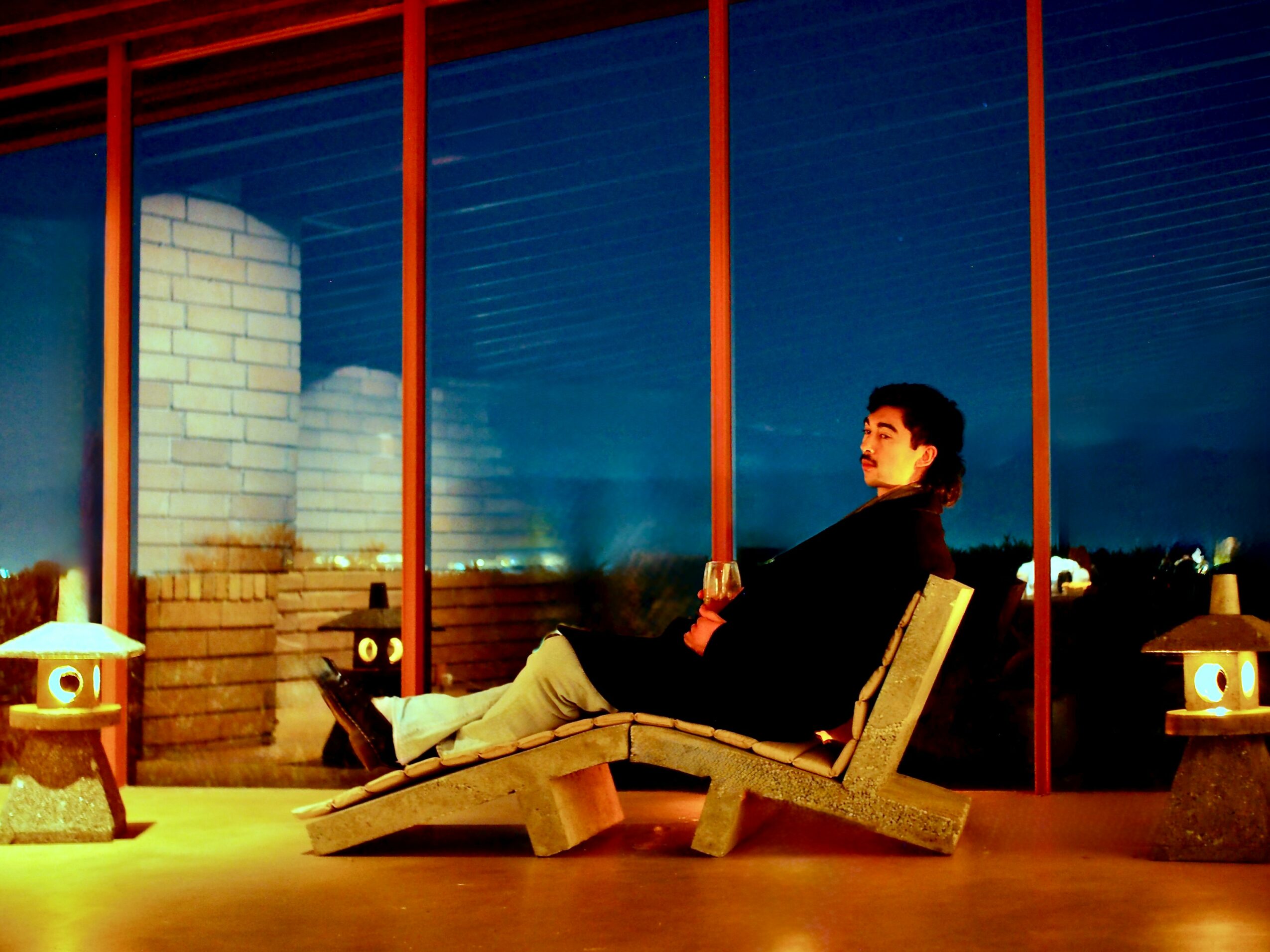
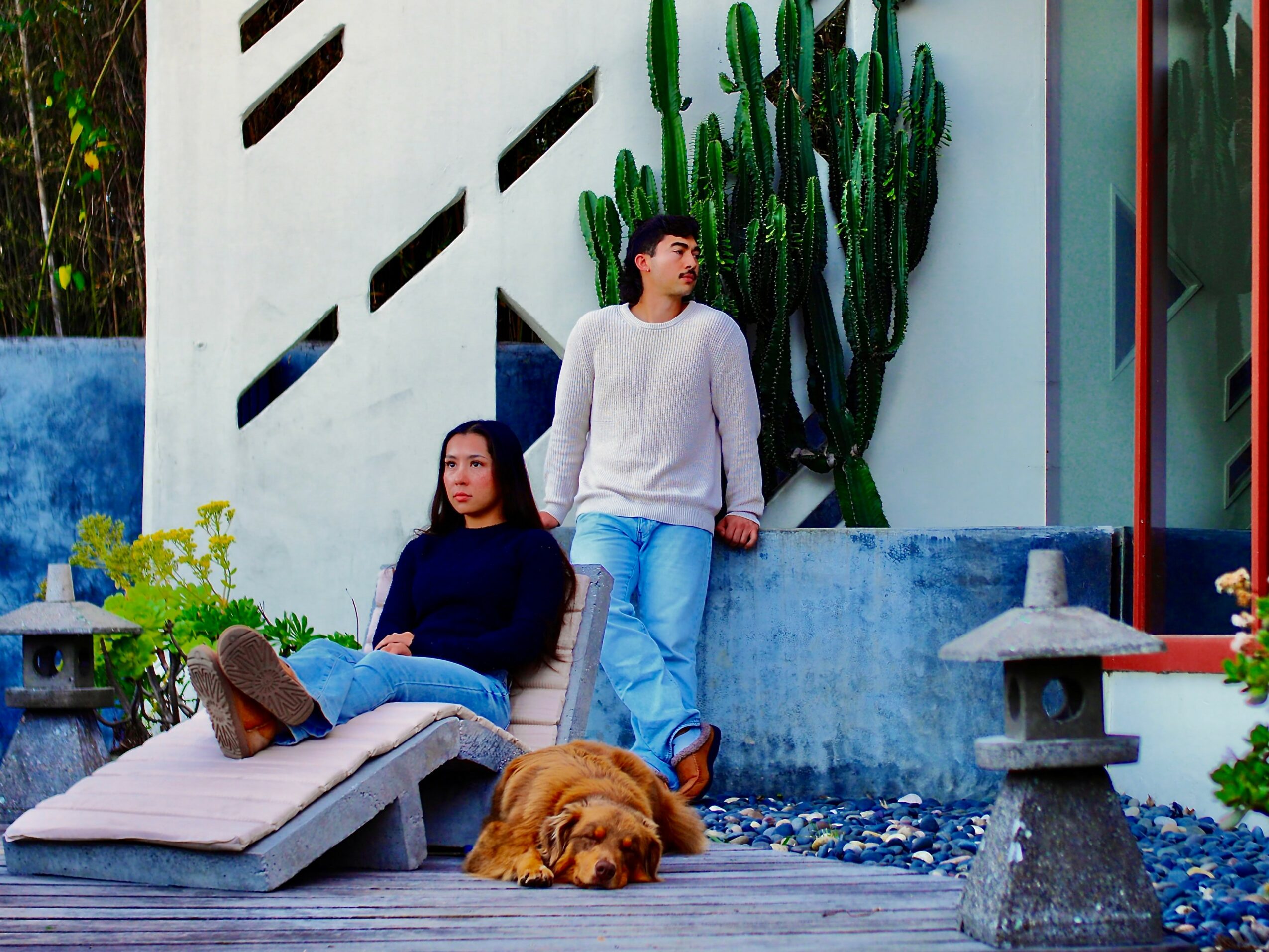
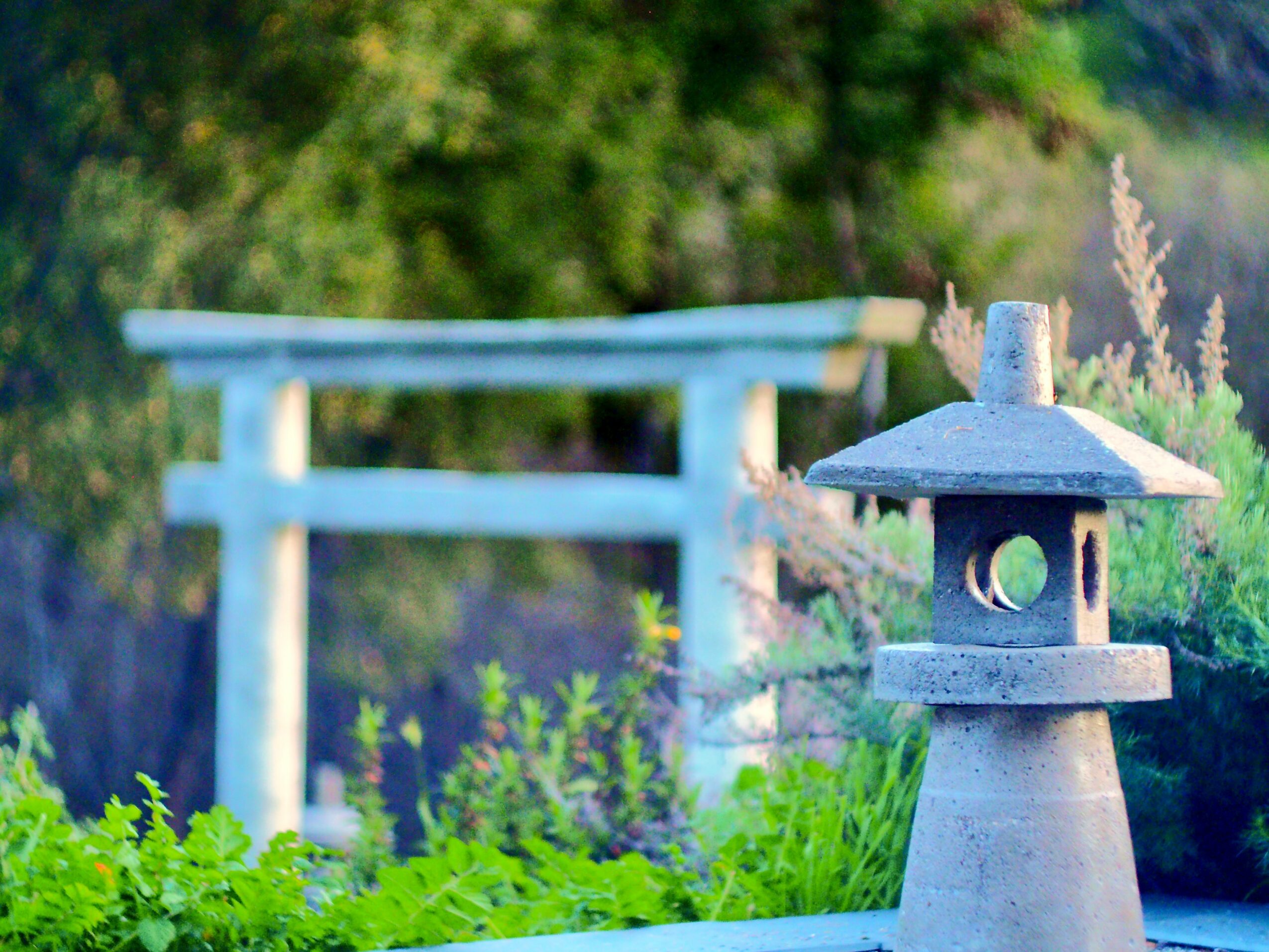
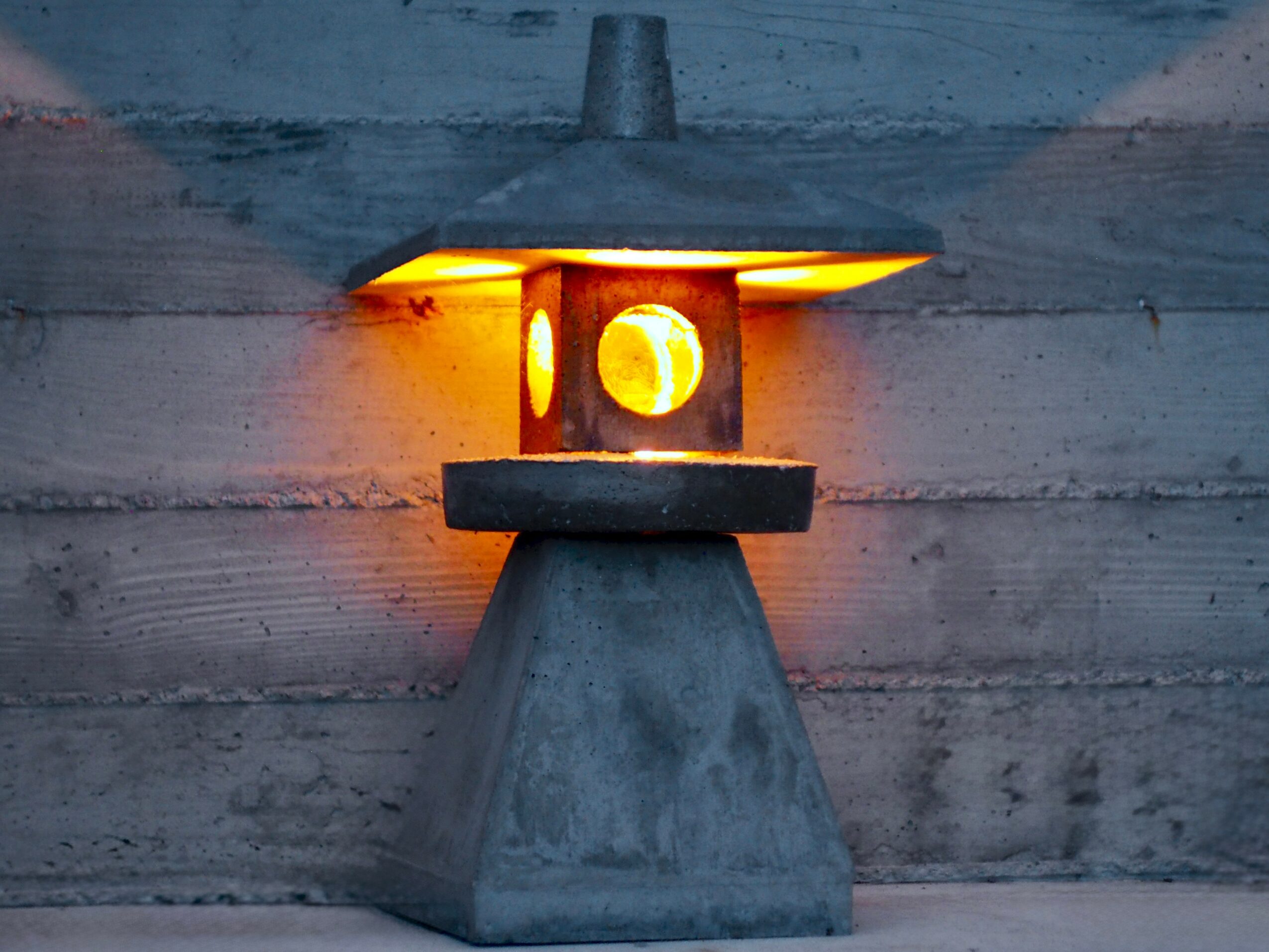
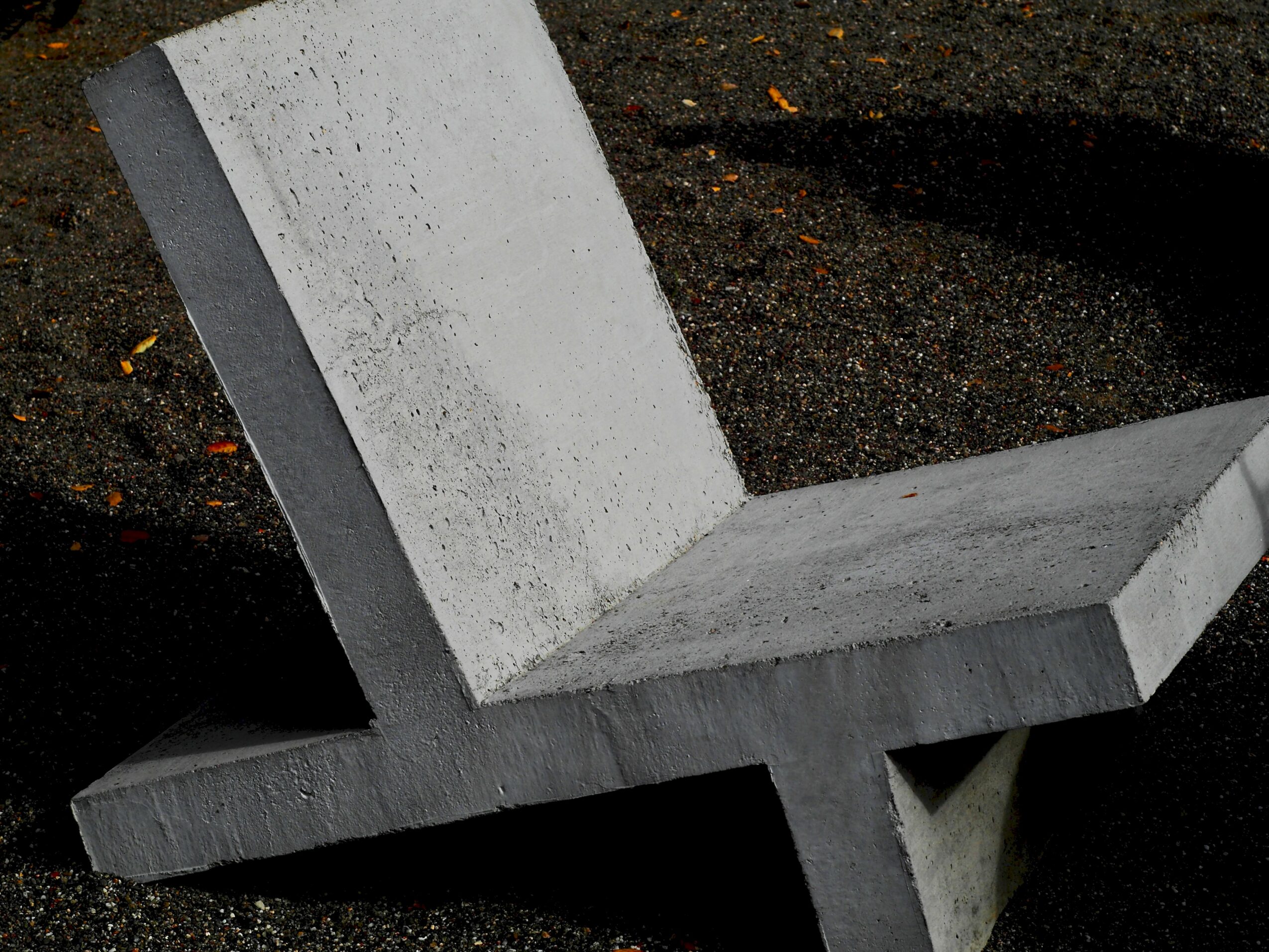
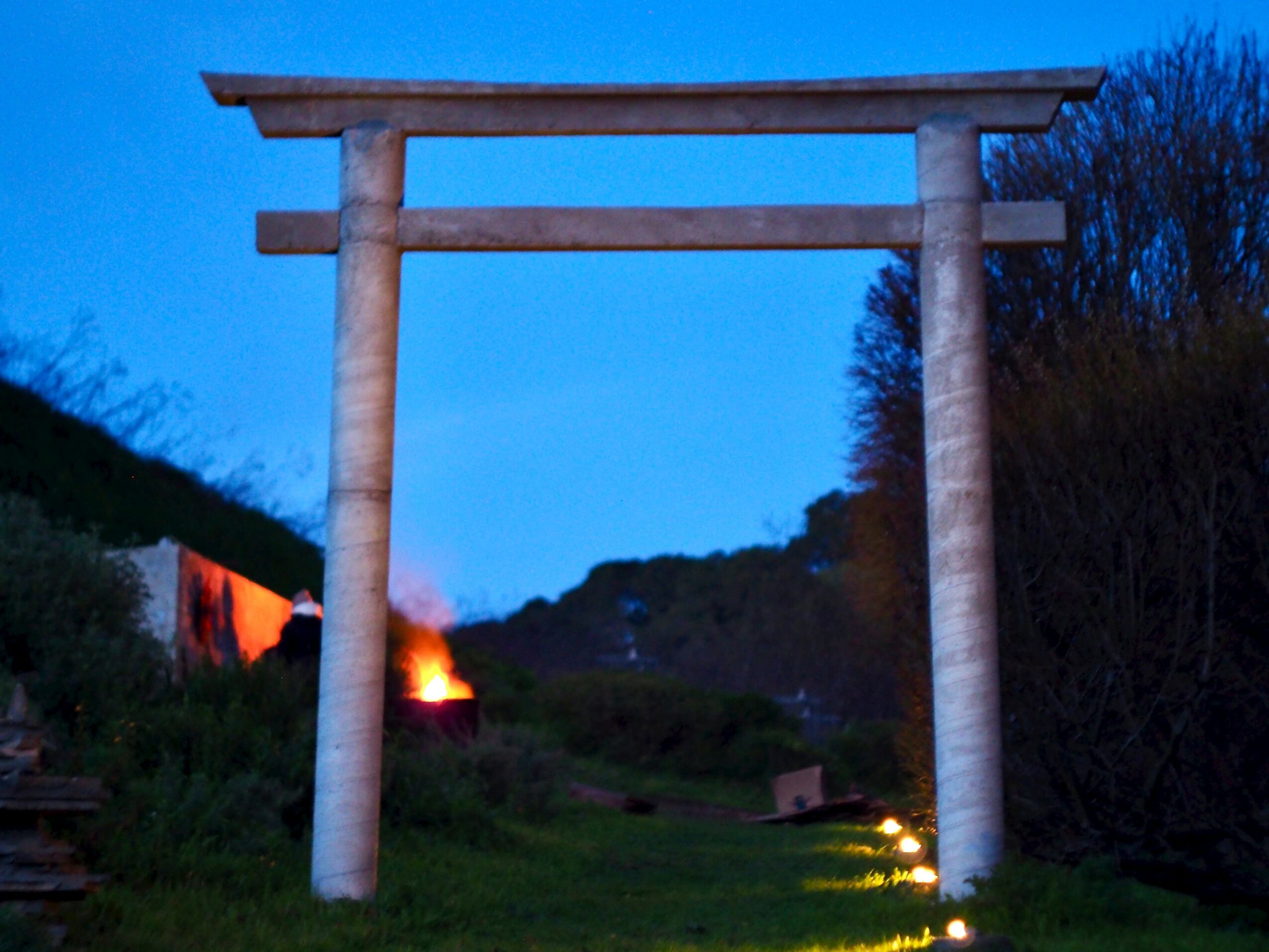
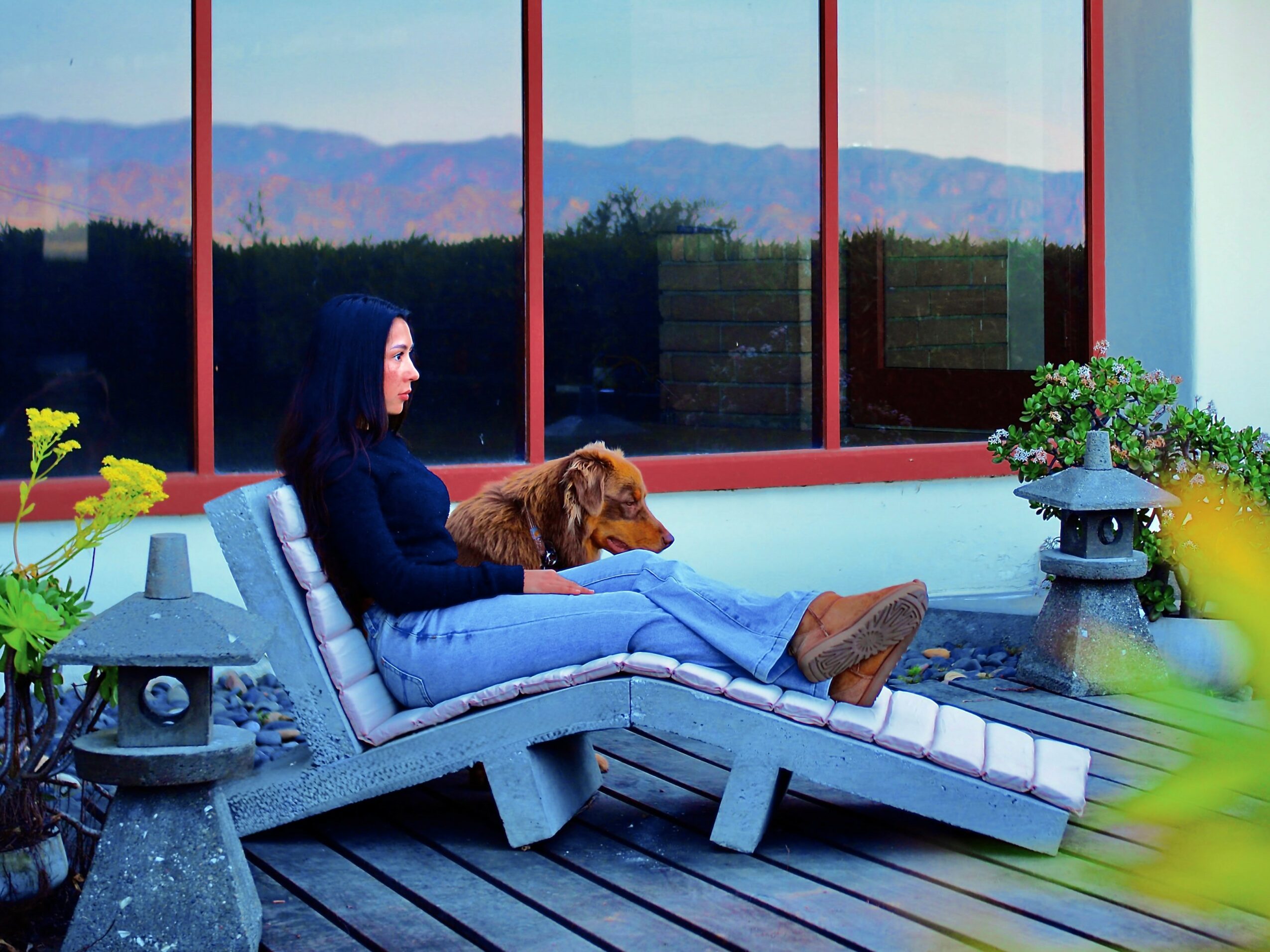
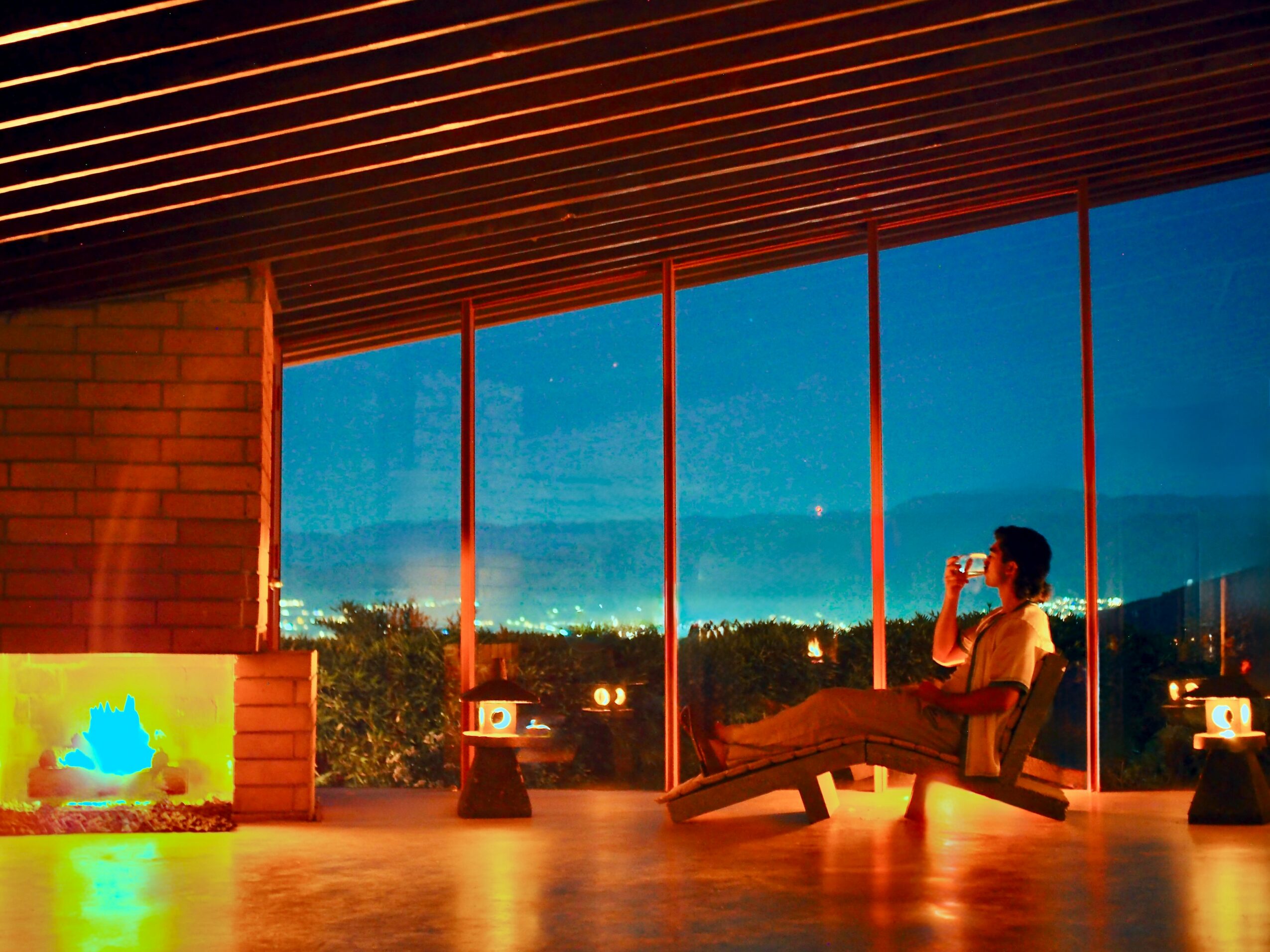
Image Credits
Zen Shack Studios
Popular
-
Los Angeles Barea on Turning Green Superheroes into a Global Movement for Youth-Led Change
-

Trisha DuVivier on Bridging the Franchisor–Franchisee Divide with Workhero and “Franulate”
-

Portraits of the Valley
-

LA’s Most Inspiring Stories
-

Cedar Boschan on Elevating Black Music Rights and Driving Urgent Conversations Around Credit, Equity, and Artist Protection
-

Robin Olive on Building an Inclusive Performing Arts Movement and Expanding Opportunities for Every Student


