



Today we’d like to introduce you to Guillermo Bordarampe.
Guillermo, we appreciate you taking the time to share your story with us today. Where does your story begin?
I was born in Buenos Aires, Argentina, in a neighborhood called Flores. My father was a pilot for Aerolineas Argentinas and in the mid fifties he bought a house in Ciudad Jardin, El Palomar, a suburb west of downtown Buenos Aires. I grew up in that area. We use to go to a chapel called La Sagrada Familia, and there I met Gustavo Santaolalla And Ara Tokatlian, who would become my long time friends and bandmates in Arco Iris, a rock band, part of the pioneering movement of Rock en Español movement in Argentina. The band was very popular performing at soccer stadiums, theaters, clubs, radio, TV and touring. I recorded 11 albums with band. The band split in half in mid 1975, and the style of music changed to more of a jazz-rock fusion, which wasn’t as popular as what we were doing before. With the band we had been including elements of Argentine folkloric music in our rock style. During the mid-seventies the political situation in Argentina was a total mess, with military juntas and para military forces on the streets. We would be detained and taken to jail at least once or twice a month just because we had long hair. So in the end we decided to come to the USA in mid 1977. We landed in New York, one of the members had an uncle living in Oyster Bay, in Long Island. We got a couple of jobs playing with a punk rock band and a Spanish band that did a lot of gigs in New Jersey. It was hard for us to get going with our own music and when the first winter came around we decided to move to Los Angeles. We were able to put the band together again featuring some great musicians such as Chester Thompson and Alex Acuña on drums, Milcho Leviev, Billy Childs and Chris Ryan on keyboards, Richard Madariaga and James Baker on guitar, Sal Marquez on fluegelhorn, etc. There were a lot of jazz clubs in L.A. at the time so we would play almost every evening at a different club. In the beginning we did other odd jobs during the day to make ends meet, like landscaping, cleaning houses, working at a bakery until we got established with the band. We also started performing at the Hollywood Bowl for their Summer programs, and from there we started getting lots of bookings at schools doing some folk music of South America. In 1982 I decided to split from the band and I started INCA, the Peruvian Ensemble, performing all the various styles of music and dances found in Peru, native Inca, Hispanic Criollo, Afro-Peruvian and Amazon jungle natives. We toured quite extensively in the western states. The Music Center of Los Angeles started booking INCA at a lot of schools, libraries and parks. I set up INCA as a non profit organization and I applied for grants, receiving consistently grants from the City of L.A., the County of L.A., California Arts Council, the NEA and other organizations. With those grants INCA offers free programs at libraries and senior citizen centers. I set up my own recording studio and production company, Del Mate Productions, and I record all kind of musical projects, four solo albums, 8 albums with INCA, a few episodes of South Park, the soundtrack of a feature film, Sebastian, now on Netflix, and a couple of documentaries. I got married in 1982 and we had our daughter, Cecilia, in 1985, and I wanted to stay in town and stop touring so I looked for another job to supplement my music income and became a legal interpreter. Started working in L.A. Superior Court in 1988 and retired in 2017. Now I’m doing freelance interpretetions with a number of interpreting agencies. In Court were criminal cases, now it’s all civil,cases.
Would you say it’s been a smooth road, and if not what are some of the biggest challenges you’ve faced along the way?
As I mentioned before the political situation in Argentina in the mid seventies, getting started in a new country, the COVID 19 pandemic were some difficult periods. Luckily I always had a lot of support from Joyce, my wife of 44 years, and that makes life easier.
Can you tell our readers more about what you do and what you think sets you apart from others?
Interpreting has provided me with a steady source of income that enabled me to set up a professional recording studio that brings me a lot of joy.
Are there any important lessons you’ve learned that you can share with us?
To adapt and take advantage of the opportunities that present themselves, and work hard to achieve my goals.
Contact Info:
- Website: https://delmate.net
- Facebook: https://www.facebook.com/INCA
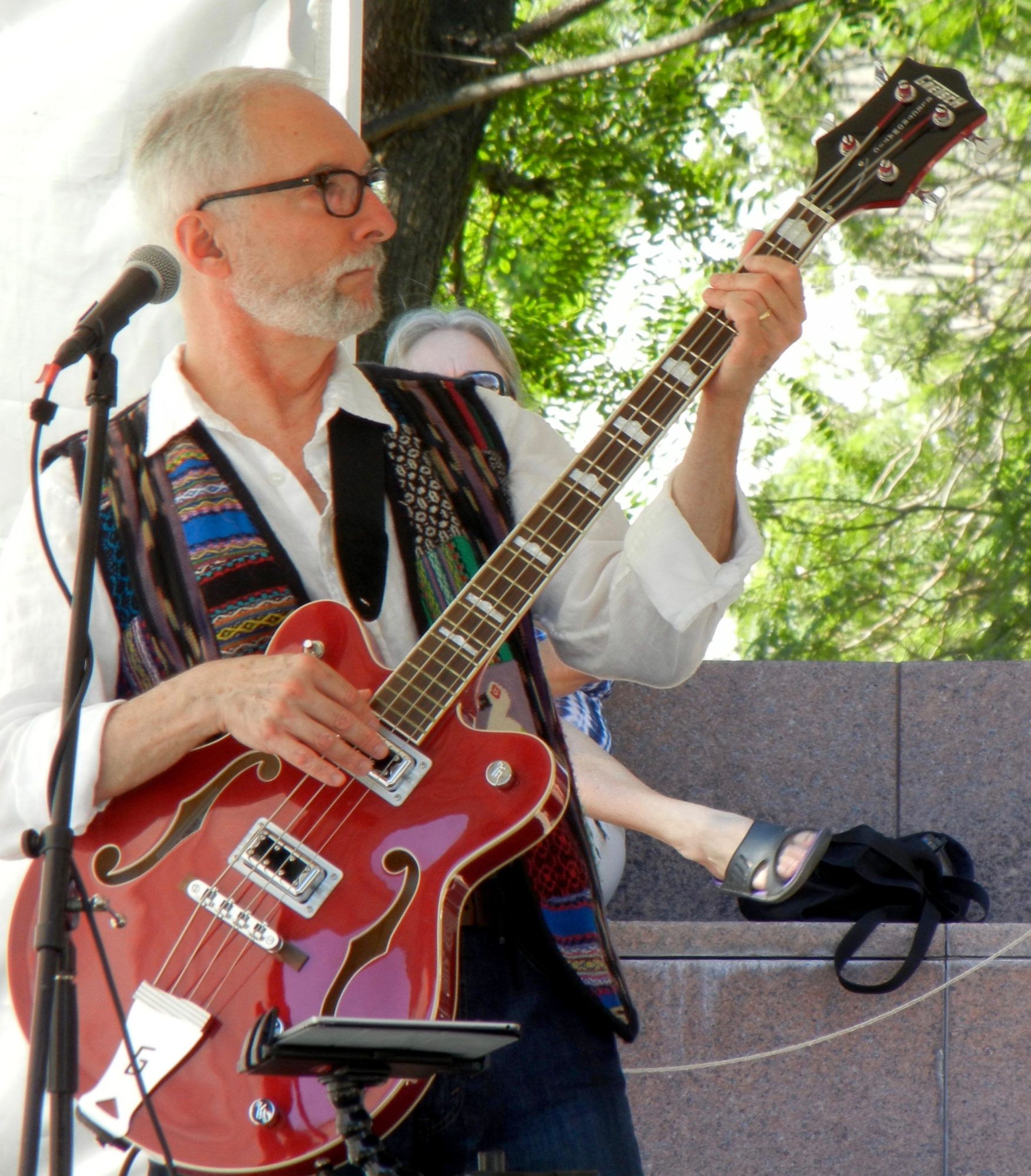
Image Credits
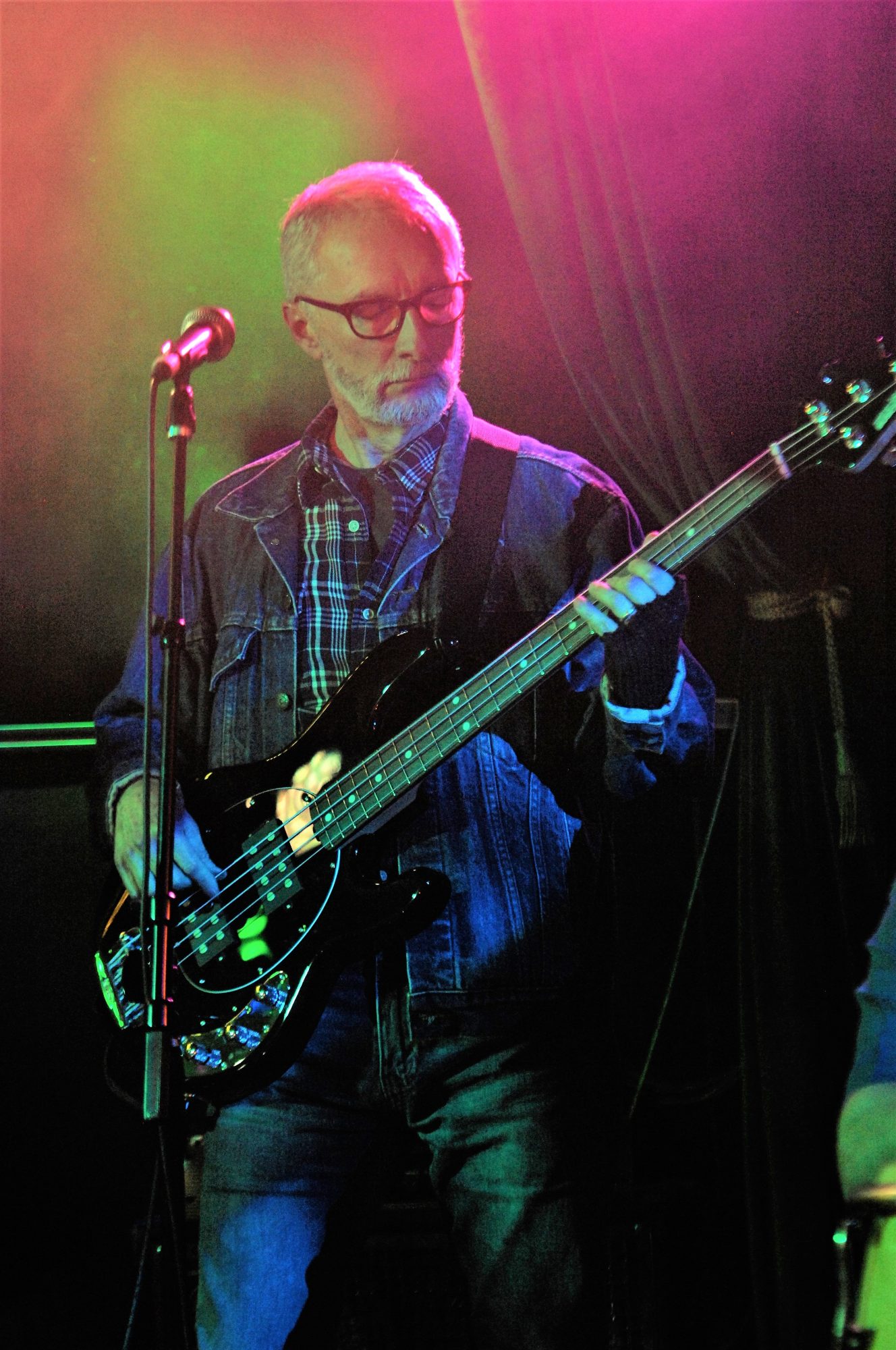
Photo with the Music Man bass by Scott Sasseen, photo with the Gretsch bass by Joyce Gonzalez-Bordarampe
Popular
-

Portraits of the Valley
-

LA’s Most Inspiring Stories
-

Mason Ewing Is Bringing a World of His Imagination to Life Through Film
-

Dr. NanaEfua Afoh-Manin Is Rethinking What It Means to Be Healthy, Not Just Healed
-

Greg Hex Is Turning the Everyday Kitchen Knife Into a Modern Design Object
-

Rick Norris Learned That Building a Successful Business Means Building a Life You Actually Want to Live


