



Today we’d like to introduce you to Freddy Schramm
Hi Freddy, we’re thrilled to have a chance to learn your story today. So, before we get into specifics, maybe you can briefly walk us through how you got to where you are today?
I grew up in Chicago the early late 90s early 2000s, but I had a love for entertainment from the ’80s and ’70s at a young age—things like Star Wars ( shocking for a white guy right?) and Battlestar Galactica—really shaped me. My family didn’t have much money, so instead of cable, I’d be watching very old VHS tapes from garage sales when most kids my age were engulfed into the entertainment of the current year. From what I saw watching things like the A-Team, and Star Wars sparked my fascination with practical effects, which carried through my childhood.
I was always the creative “weird” kid, more interested in art, making models, and cosplay than being social . I got into conventions and started building costumes—like Halo armor—and kept pushing myself to improve. My My family’s background in carpentry and elevator repair, really help me learn tools and processes when I started creating things helped a lot. As well as my forever love for the show mythbusters. I always knew I wanted to work in film, specifically as a prop maker working on all the specialty props and costumes, so I’ve always tailored my hobbies when I was younger to improve my skills for that future career.
When it came time for college, I moved to California and enrolled in California College of the Arts. I enrolled in a build your own major program where I began taking classes from sculpting, woodworking, and industrial design because there wasn’t a clear-cut way to pursue my career in film, I learned a variety of skills and I was mostly self-taught on the internet. I also taught myself many techniques while using tools like 3D printers and laser cutters at school which honestly was a big advantage I had over many others just coming in the industry at the time.
After graduation, I had the opportunity to work as Adam Savage’s assistant for a few years which was a huge step considering the whole reason I chose San Francisco was to hopefully collaborate with the mythbusters in the first place. I spent a few years in San Francisco working as a prop maker for IATSE, and work closely with Phil Tippett on his personal film project Mad God. But I wasn’t entirely satisfied, especially since I wanted to do more creative work in film that at the time before the writers strike…. Was all centered in Los Angeles with the special effect shots like Legacy effects and Ironhead Studios.
When the pandemic hit, and I had a lack of work I shifted my focus to one of my true passions TikTok content creation. I started sharing DIY techniques and tips—like making skulls from milk jugs or using a hot glue gun to create spider webs—All really out of the box thinking techniques and things that could have been achieved way back in the day using what you had in your garage, and my account took off. Today, with around a quarter of a million followers, I get to do what I love, share my work with others, and hopefully inspire people the same way I was inspired by shows like *Mythbusters*. My true passion lies in my content creation.
Then, to make a long story shorts my heart got broken by someone close to me at the time, which caused me to uproot my life in Oakland and take my chance with a massive move to Los Angeles to start knocking on doors at special effect shops introducing myself to start work on film specialty costumes and prompts in a much larger and more meaningful scale.
Now, my main goal in life focusing more on my ambition to reach a wider audience with my content and build bigger, better, props sets and costumes while building a social community out in LA with more like-minded creative and nerdy interests.
I’m sure it wasn’t obstacle-free, but would you say the journey has been fairly smooth so far?
Moving to LA was tough a few years ago. I didn’t know anyone when I first got here. I was really fortunate early on, landing a job at my favorite special effect shop, Legacy Effects not long after I arrived, and that was a great start. But we started feeling the effects of the writer’s strike months before it officially happened, and unfortunately, I like many of my coworkers, I ended up getting let go. Since then, a lot of studios and shops have been cutting back and LA still hasn’t fully recovered. There’s just not a lot of work to go around right now.
What I’ve found is that productions and shops are mostly rehiring people they’ve known for years, sticking with their small, trusted crews, And since I still am so new, It makes sense—they don’t have the luxury to take risks right now. When there’s so little work, they’re going to hire the people they’ve already worked with and Have a personal track record with for years. I’ve always relied more on my skills than networking, and now that I’m in LA, I’m realizing I need to shift that.
As big as my following is, it doesn’t really hold any weight when it comes to working in special effects shops. In fact, I’ve even found that it can hurt my chances of being hired. A lot of these places are wary of social media—they don’t want someone coming in, filming, posting things, and potentially violating NDAs. And now that Instagram has moved from a photo, portfolio-based app to a TikTok rival, the main way to market myself is through video content creation of my work. And that’s something that the older, more traditional shops and their owners Don’t understand yet. And of course I’m generalizing when I’m saying that through my own limited personal experience.
Which makes sense, especially when they’re working with major clients like Disney or Warner Bros. Most shops have strict no-camera, no-filming policies, which I totally understand. But it’s still frustrating because when you’re working 12-hour days in a studio, there’s no time to create content for yourself, Even if it’s just showcasing you doing some up close detail work on something or demonstrating a technique where you don’t even see what you’re fully working on. That being said if anyone is doing what I do and works in film, the most important thing is to Have a conversation with the top brass before you do anything like that.
Another challenge is the nature of art-based content creation. It takes a lot longer to film, edit, and post than other kinds of content because you’re not just making a video, but you’re also physically creating something. If I’m focused on making great art, I don’t have the mental energy to also set up cameras and get the right shots, and vice versa. That’s the ADHD split for yah. Physically making things takes time that is cemented. Resins take time to cure, paint takes time to dry. Compared to most other forms of content creation where, and of course I’m generalizing, You have the idea, the setup, the execution and the editing which the time from start to finished can be based all on the skill of the creator, that could be done as quickly from start to finish in an hour.
All that being said, I think one of the biggest obstacles and challenges that overlap within my content creation and within my work in the film industry, is that no matter how hard I try I can’t do everything. I’m a very versatile artist I’m a jack of all trade trained in sculpting concept design painting carpentry you name it. With my work and special effects, if you want to be successful, I’ve found you really need to put all your eggs or at least most of them in one skill basket, and that’s the jobs that you’ll most likely be hired for. I’m strictly talking about where you specialize. In my industry, unless if I have vast resources at my disposal, your type casted in a specific position, in my case it’s mostly model making, and you’ll rarely get hired for another skill even if you’re good at it within the shop you work at, which mostly has to do with pay departments, and that’s mostly has to do with networking. Basically if I do model making at a certain shop, it’s very difficult to double dip in another skill at the same shop, say concept design.
Alright, so let’s switch gears a bit and talk business. What should we know about your work?
I’m a special effects artist in the film industry and a art-based content creator, and I think I’m officially considered an influencer now? That’s weird to say haha! My content revolves on showcaseing my art and demonstrate techniques and crafts on how things are made for film and TV, particularly specialized props and costumes. My work bridges the gap between the professional world of film and the DIY hobbyist community. Through my videos, I share techniques that range from common practices to methods that some would consider “industry secrets.” in an entertaining and comedic way that makes my specific niche more palatable for a wider audience. My videos focus on how things are made behind the scenes in film, including props I’ve worked on, or how something was likely made.
As a SFX artist, I’m incredibly versatile and skilled in many categories including sculpting, painting, and mold-making. Some of my most notable film work has been on productions like Fallout, Mad God, and Star Wars: Ahsoka where I have collaborated with many shops like Legacy effects, tippet Studios. My most recent work was working with the shop global effects and making space suits for Sabrina Carpenter’s VMA performance.
It’s hard to choose what I’m most proud of, as every project feels like my best work when it’s done. One standout for me, though, is a Beetlejuice tombstone replica I created for a Beetlejuice themed Airbnb. For that project, I learned new skills like sculpting in styrofoam and working with WED clay—a material typically used in special effects for latex masks. From start to finish, it was a fun challenge and is always the first piece I show in my portfolio, though the content I posted about it didn’t do that well.
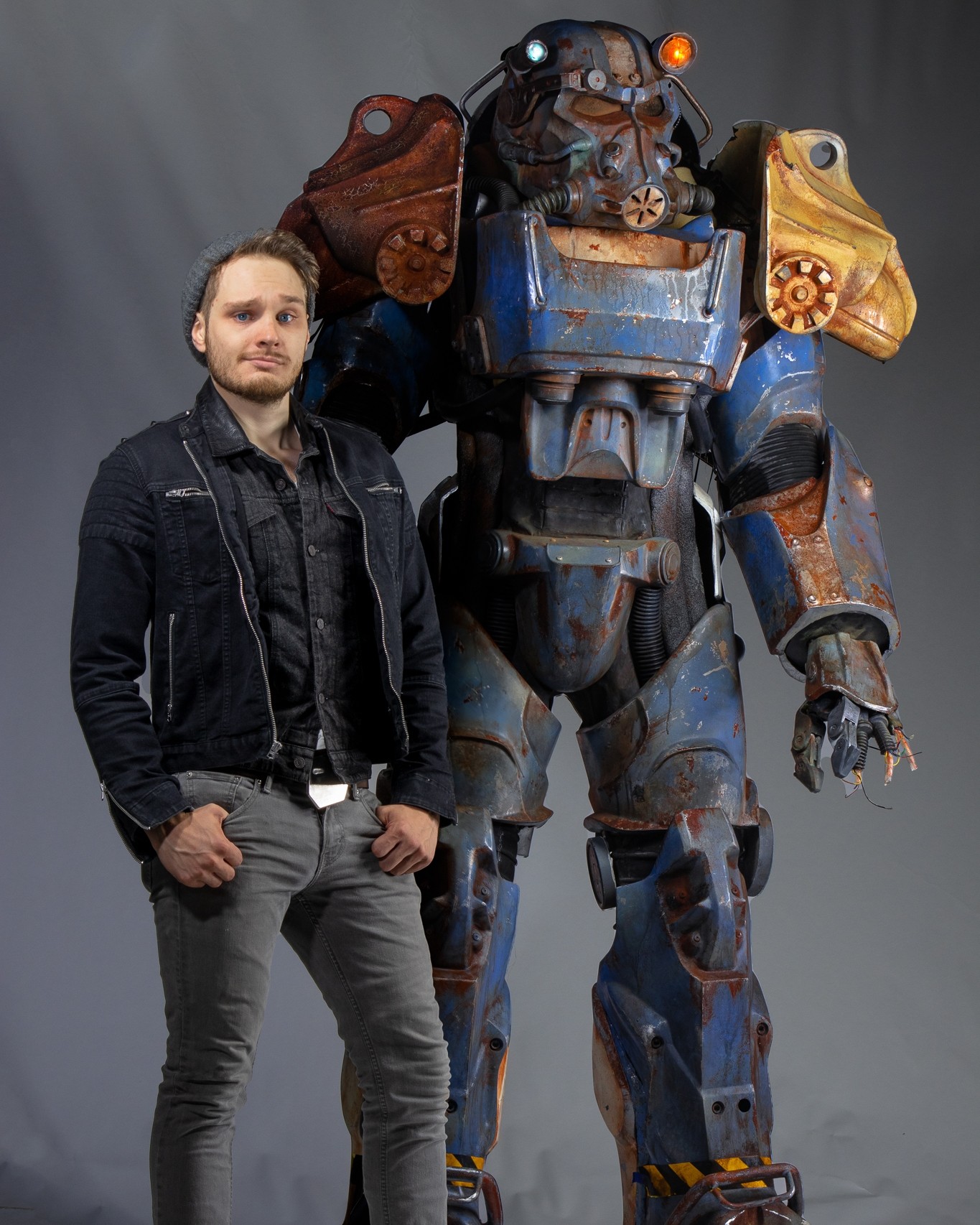
That said, I’m also really proud of the hard-surface projects I’ve done, especially A set ot T-60 Fallout Power Armor I built in collaboration with many skills artists at T&A Workshop for the Amazon FalloutTV show, featured with many other sets that were created from a few other different shops like legacy effects. I cast a set of armor for myself and took great pride in the custom paint job based on an old car I found in the woods, using techniques that bring out the details and weathering effects. The armor is my favorite living room display I have in my personal gallery.
While I do a lot of different things, outside of content Creation my true specialization is painting. I have an out-of-the-box approach when it comes to achieving realistic effects and finishes. Having grown up with limited resources, I’ve learned to adapt and use unconventional methods—like mixing powders and pigments to create a rust effect or using a fireplace polish with graphite to get a gunmetal shine without automotive paint.
My personal style leans heavily into texture and deterioration. One of my signature creations is a series of drone heads that look aged and corroded, with textured surfaces that resemble cast iron. The realism in these pieces really comes to life in person, though it’s harder to capture on camera.
When it comes to content creation, I focus on making these techniques accessible and entertaining. I believe it takes a unique mindset to edit a tutorial in a way that’s both informative and engaging, especially when covering niche topics. And I believe creative skills and techniques should not be hidden behind the excuse of industry secrets. Adam Savage from MythBusters has given a set of ten commandments for making, and number six on that list is share what you know. My goal is always to captivate a wide audience while showcasing my craft in a fun and approachable way Do not only take advantage of algorithms, but to capture the heart and inspiration of aspiring artists.
Similar to what Reece feldman has done to get many Gen Zs captivated and interested in the behind the scenes and interview aspects of the film industry.
Can you tell us more about what you were like growing up?
I grew up the weird troubled kid kid, never very social and I never had a close group of friends. I was also a problem child back in the day up until high school. I have major ADHD, and I was always in the special learning classes where most of the troublemaker kids would be where I acting out, just trying to get attention and doing stupid things.
Because I was so seclusive, I would always focus my creative energy at home working on personal art and interests. My main drive was learning skills that would help me make better art over and over again.
The inspiration in my creative life was MythBusters. MythBusters was my all-time favorite show and was the biggest drive in creating special effects and just the whole process as a maker flourished because of them.
I was really into iconic characters and creating art based on them. My main interest growing up were science fiction, comic books, and horror. I’d say the first step in the path to where I am today came in the form of going to horror conventions in Chicago. We’re most celebrities from horror movies like Friday the 13th and Halloween would always be signing autographs. I’d always create costumes specifically Jason from Friday 13th every year and go to these conventions and be so proud of what I’ve created.
From there that branched out to going to comic book conventions, dressing up as my favorite superhero is like Moon Knight and creating the costumes. And then later near high school I would upgrade to making halo armor which really set me on the path to where I make similar hard surface projects today.
Contact Info:
- Website: https://www.Freddyschramm.com
- Instagram: https://www.instagram.com/freddyprops?igsh=NGVhN2U2NjQ0Yg==
- Youtube: https://youtube.com/@freddyfx?feature=shared
- Other: https://www.tiktok.com/@freddyprops?_t=8pnu0hhJMs6&_r=1
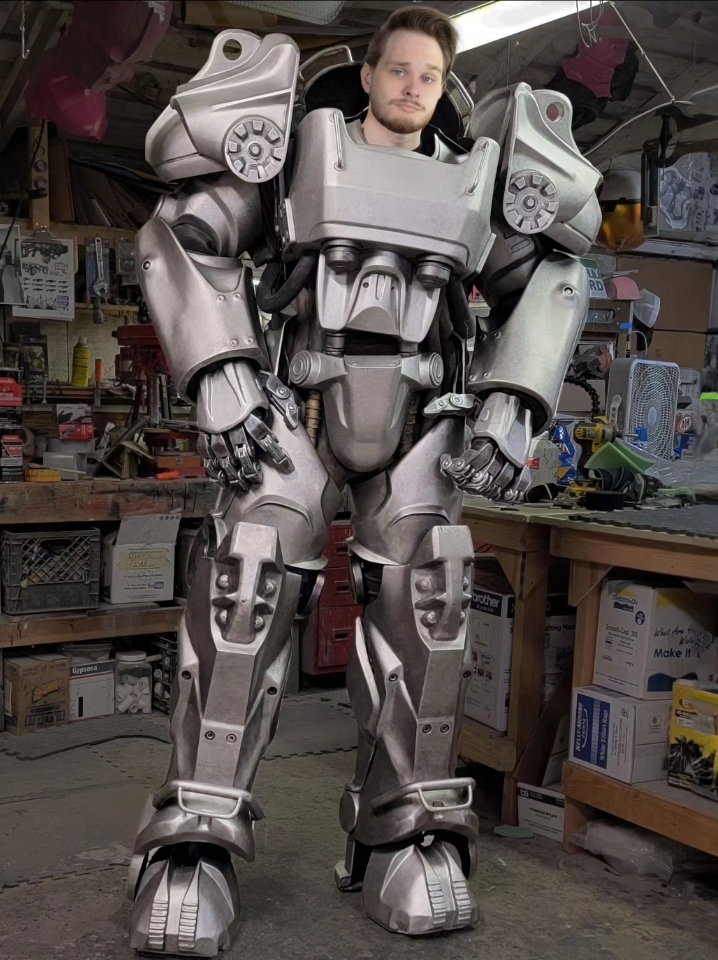
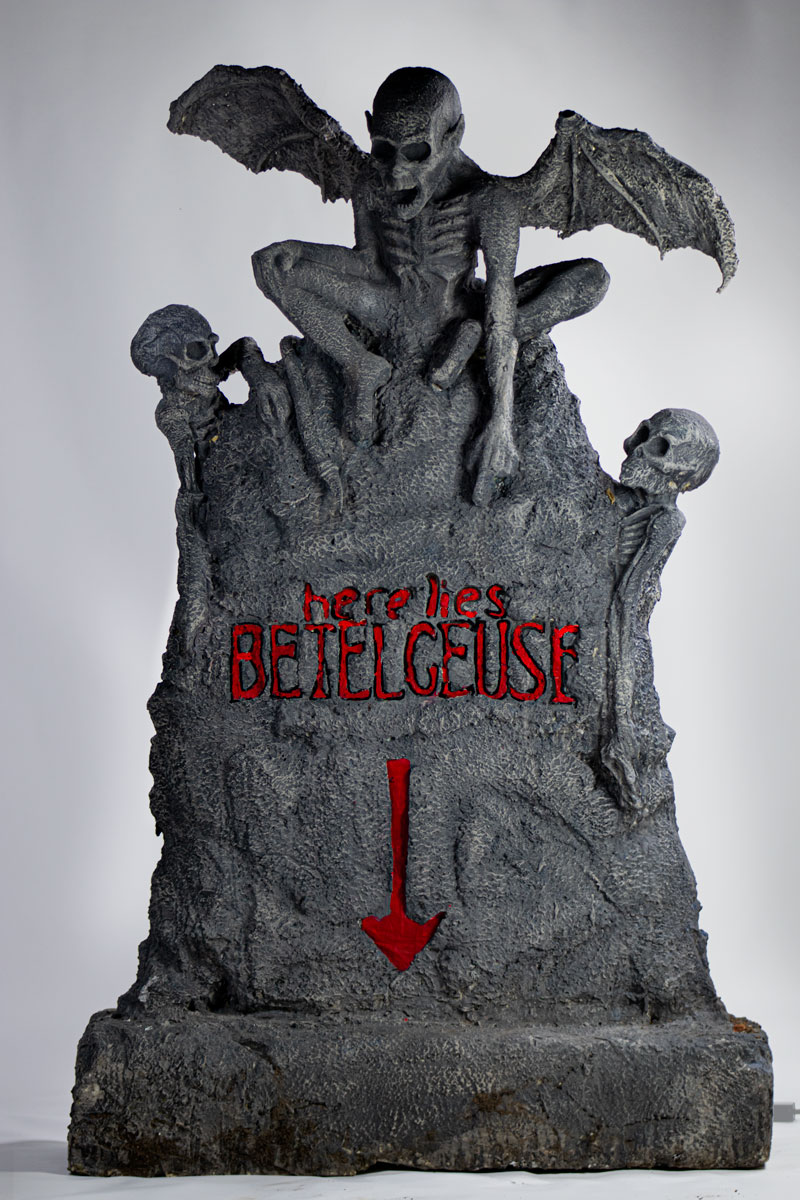
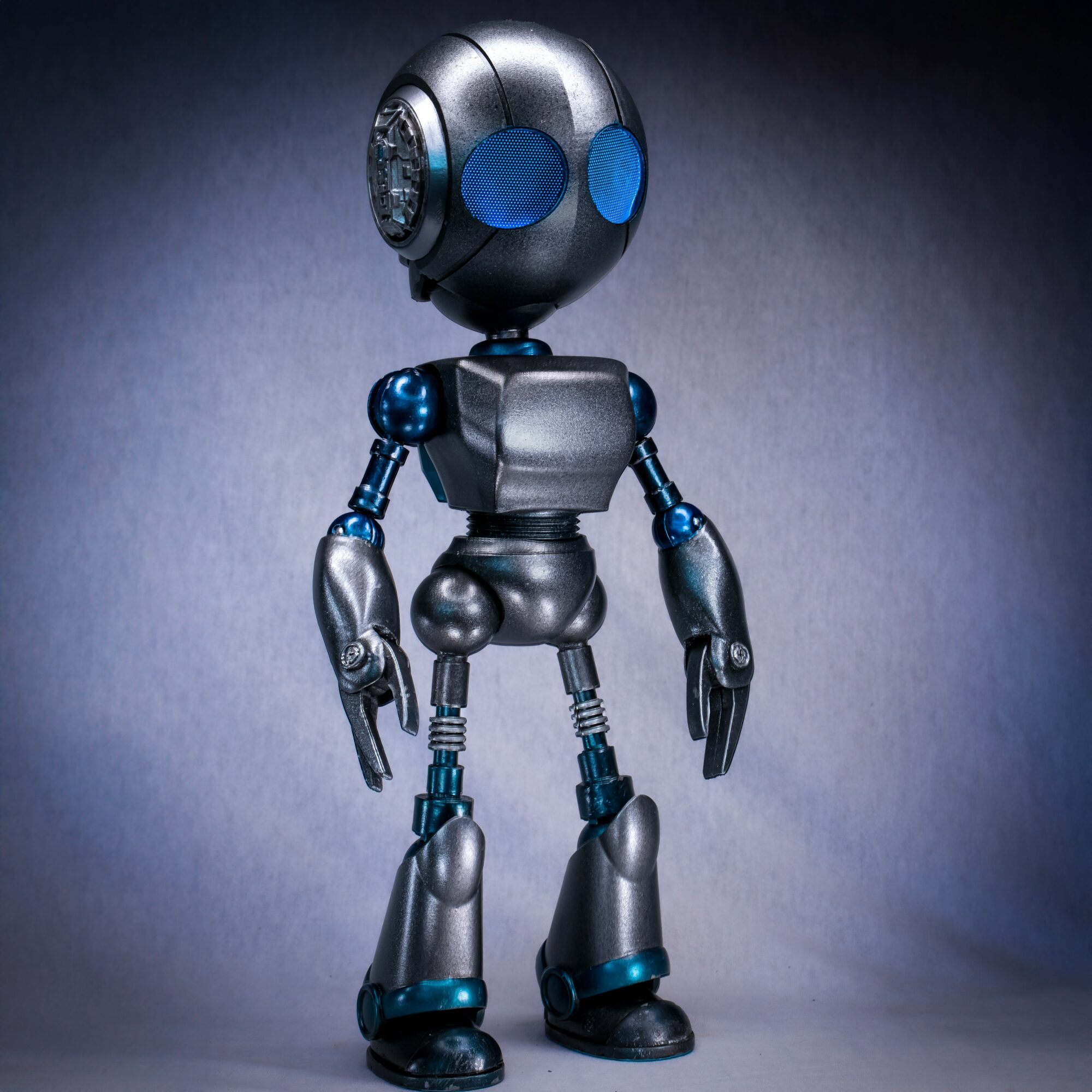
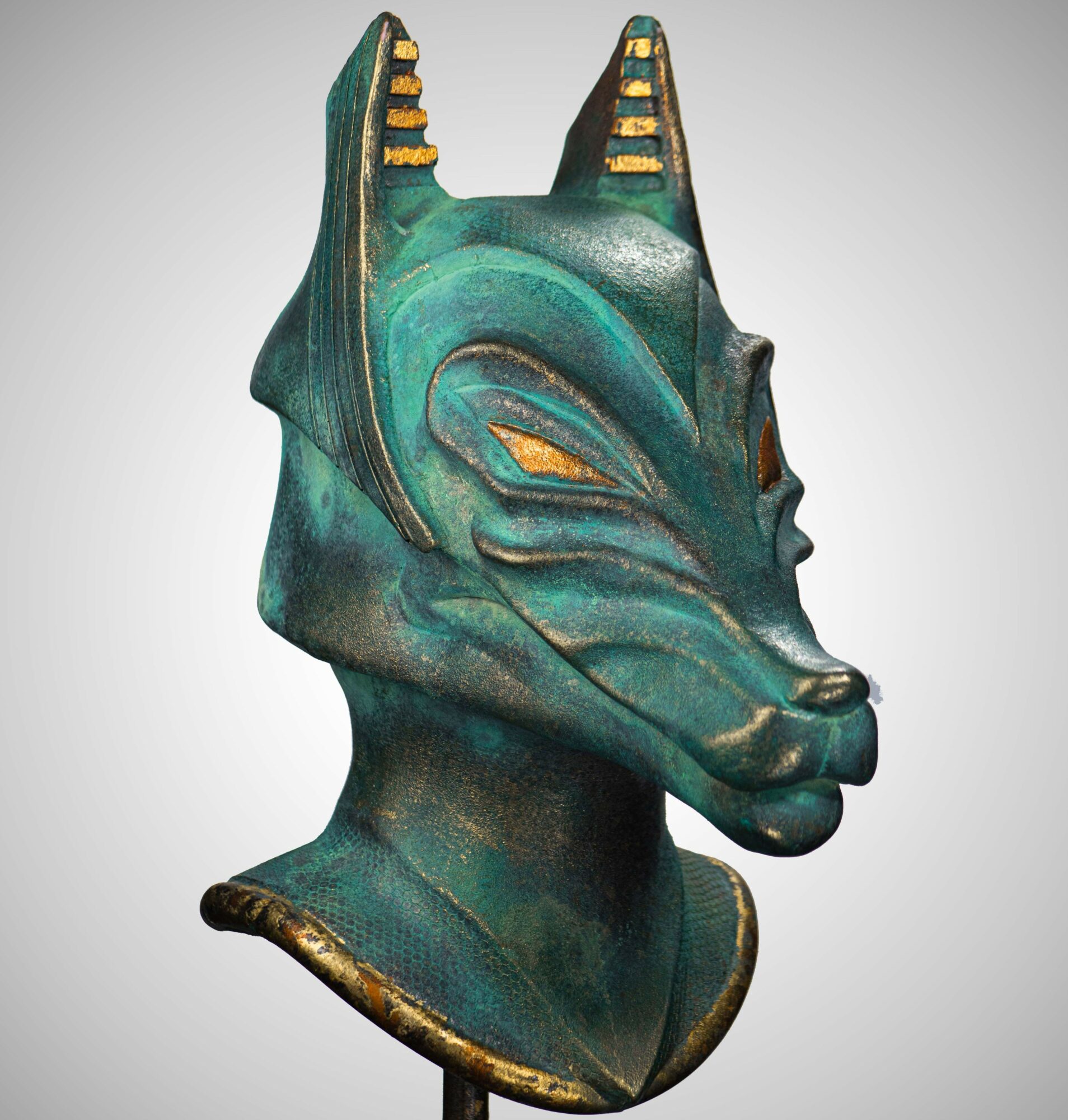
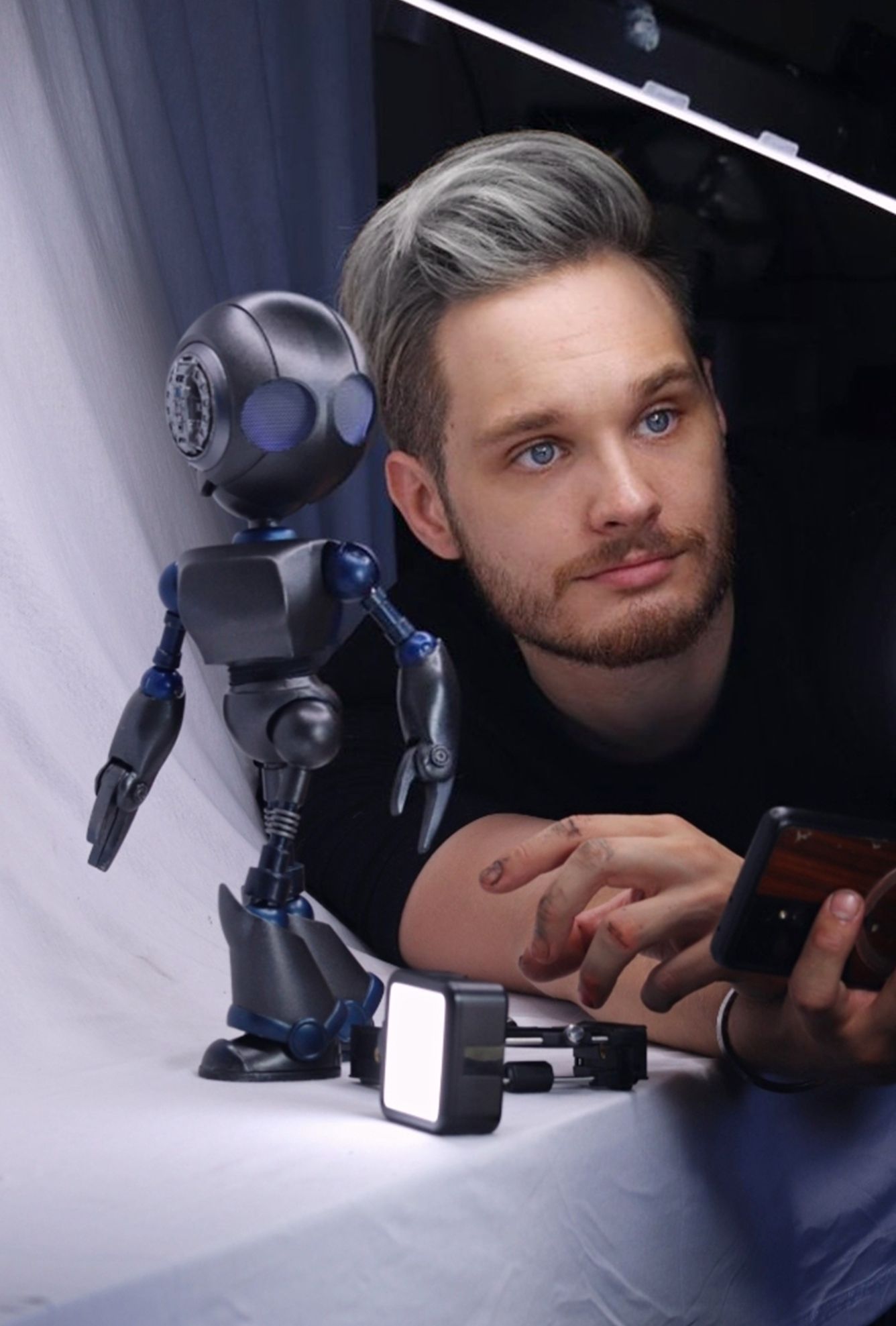
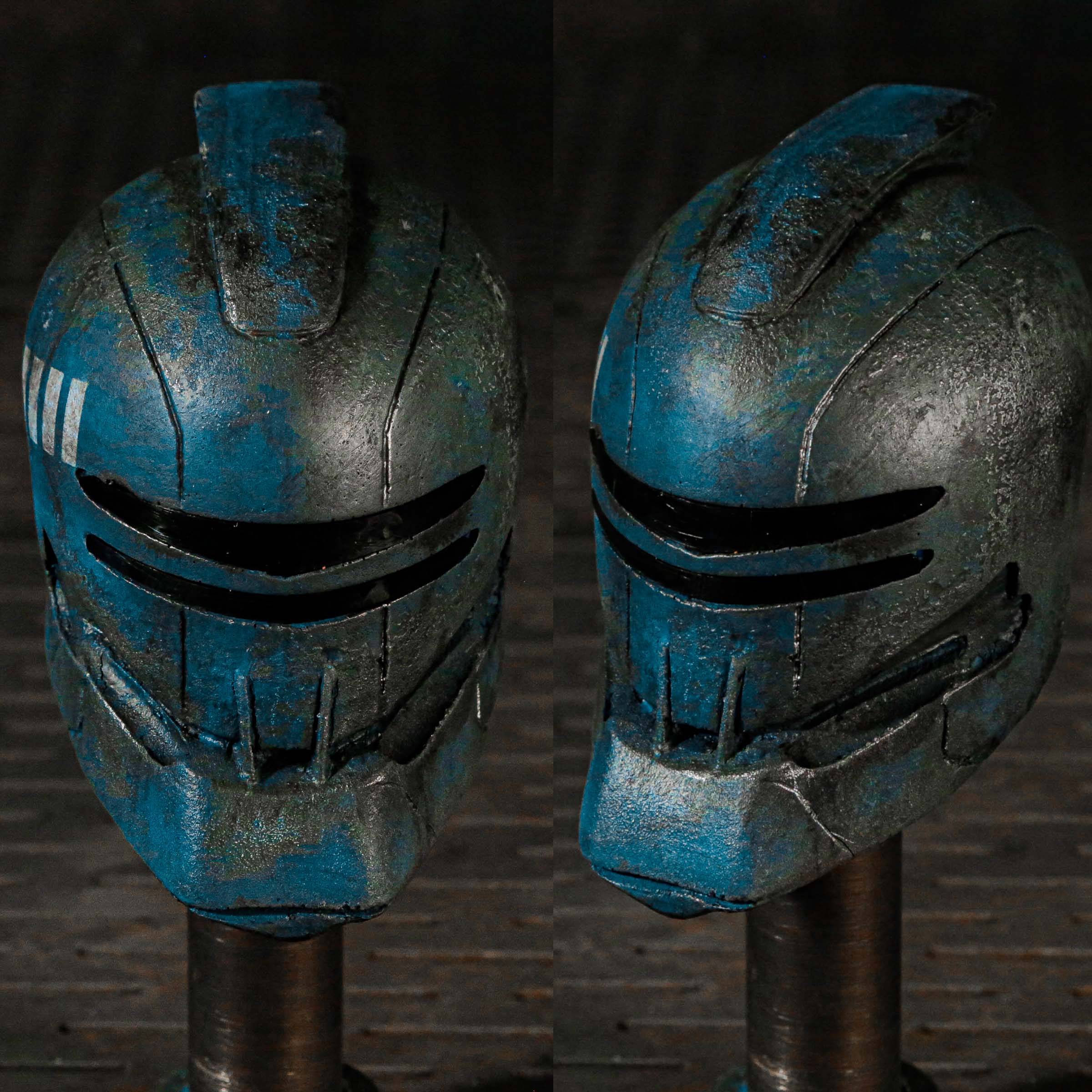
Image Credits
Image credit -Freddy Schramm
Popular
-
Los Angeles Barea on Turning Green Superheroes into a Global Movement for Youth-Led Change
-

Trisha DuVivier on Bridging the Franchisor–Franchisee Divide with Workhero and “Franulate”
-

Portraits of the Valley
-

LA’s Most Inspiring Stories
-
Cedar Boschan on Elevating Black Music Rights and Driving Urgent Conversations Around Credit, Equity, and Artist Protection
-
Robin Olive on Building an Inclusive Performing Arts Movement and Expanding Opportunities for Every Student


