




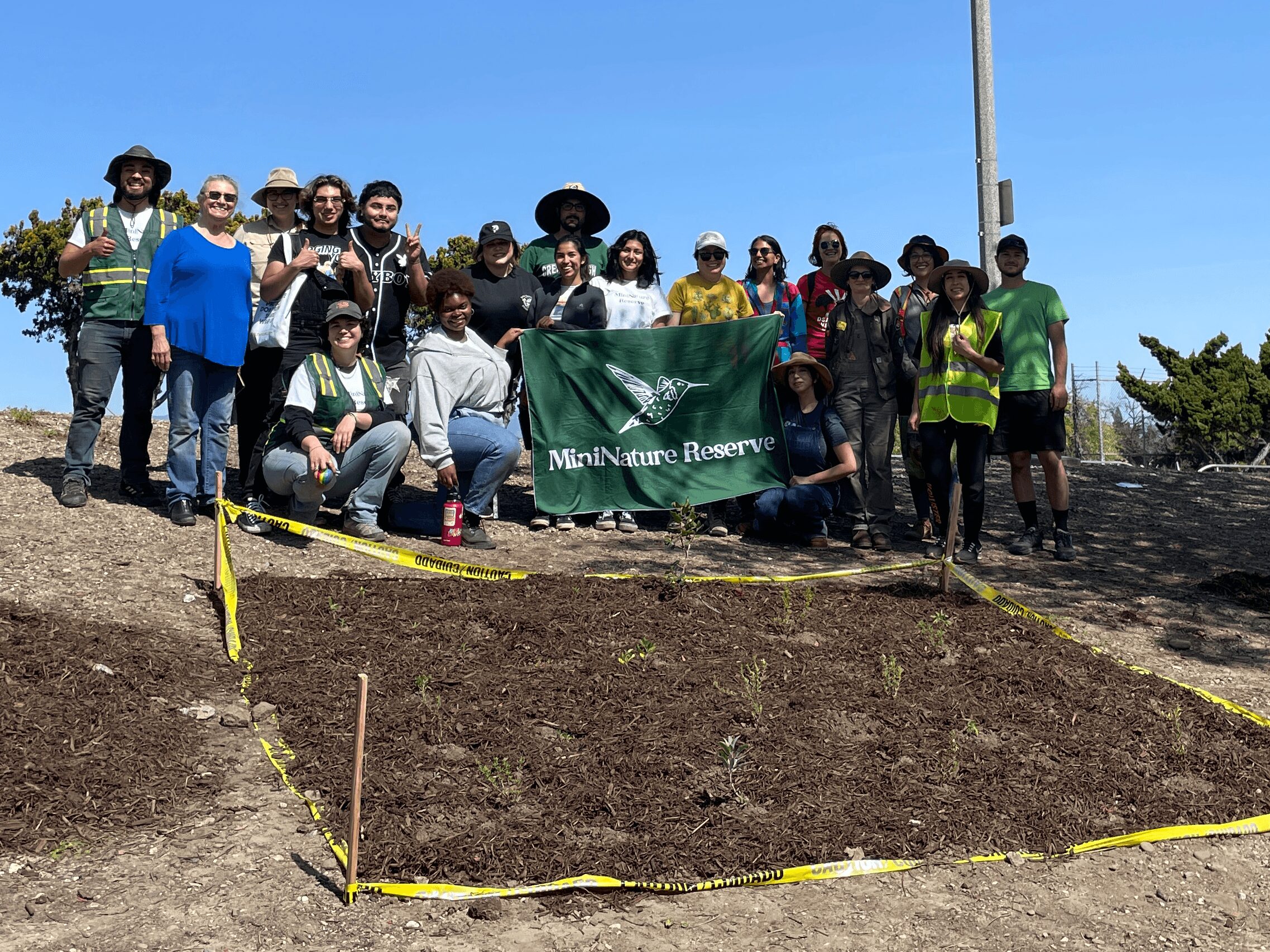
Today we’d like to introduce you to Diego Magana & Solimar Gutierrez.
Alright, so thank you so much for sharing your story and insight with our readers. To kick things off, can you tell us a bit about how you got started?
Inspired by a trip to the Grand Canyon, upon our return home, my sister Miranda and I were saddened and shocked to realize how little accessible green space we had in our city. Growing up in Oxnard, we always knew that our farmworker community is the backbone of society, yet the only green space available is fields to be exploited on. This compelled us to think: Maybe there is a better way to work with land and plants, one where we have a relationship to it, where our livelihood doesn’t mean our suffering? The idea of MiniNature Reserve, as implied in the name, is about starting small with reclamation, using those last available spaces (parkways and medians) to make clear changes to our neighborhoods. Creating pockets of native ecosystems not only connects humans to nature, but plants and pollinators to their home, and us to them as their caregivers. Having this epiphany of interconnectedness led us to co-found MiniNature Reserve in 2021.
In our backyard, we began to learning to grow native plants, and we invited our friends to help us out. Eager hands grew Hollyleaf Cherry, California Buckwheat, Yarrow, Bladderpod, and more!
Solimar was an early supporter, helping us to make language access a foundation of our group. As we started creating MiniNature Reserve installations, she helped ensure events were easily accessible and understood by our Spanish speaking community members. As we developed more programming, we collaborated with hi ho stoqosloq hi xus (Chumash Bear Circle), a Chumash cultural group focused on education on their culture, ethnobotany, and restoration of their lands. With them, we have hosted numerous cooking demonstrations, where the public is able to learn how to ethically and respectfully use the numerous native plants found in the region, as well as their historical and cultural importance.
In 2023, we moved our Community Nursery into its current home at Community Roots Garden, located at 1801 Joliet Place, Oxnard, CA 93030. This vital space continues to be a safe landing for community organizations and members alike, where food is cultivated for our farmworker and food-insecure community, as well as where we can come together to champion a variety of causes. We have partnered to fundraise for ICE affected families, to bring awareness of the detriment from pesticides, and overall, to bring popular education back! Currently, the future of the space is uncertain, and we are determined to keep our home. Though we make up a small plot on a vast 3 acres, we know our power lies in our numbers and our unity. We invite you to visit us every Saturday from 10AM-2PM to buy native plants and support our mission.
Would you say it’s been a smooth road, and if not what are some of the biggest challenges you’ve faced along the way?
The road has been far from smooth, and it seems like each week brings a new set of challenges! At times it’s been gophers eating the goods, namely Coastal Sunflowers, Desert Wishbone Bush, Sagebrush, and Chaparral Yucca. Luckily we learned along the way to collaborate with them by planting rhizomatic plants at a high density, that way they can’t chew through it all! Our bumpiest ride has been with The City of Oxnard. Seeing eye to eye on how to move forward with bringing nature to the city has been challenging to do, with city workers not being familiar with these plants, their benefits, or their maintenance needs. We have faced bans on planting publicly, even gardens covered with concrete, and have yet to arrive to a mutual agreement. There is a tendency to opt for non-native “drought tolerant” plants, for their ease of access. However, the vital role that native plants play in the local ecology, well-being, and future of the climate are not factored into these decisions. We have recently received some drafts from the City. Our goal is that through persistent efforts of educating and advocating for their presence, the tide can change within. Ventura County is the fastest warming county in the ENTIRE nation, and it makes this need more critical!
Can you tell our readers more about what you do and what you think sets you apart from others?
Diego: Outside of my current work as the Executive Director for this organization, I am a musician. Growing up, it was my dream was to become a musician. I started piano lessons at age 7, got into musical theater, and took singing lessons with Tara Eisenhauer at age 15. I remember always being enamored with music, whether it was my MP3 full of preselected songs that my dad gave me, or the musicals my mom would put on the TV, such as West Side Story. When I graduated high school, I stuck around Oxnard and formed a classic rock cover band that also released some originals. You can listen to one of them: First Christmas by Blue Coyote.
I actually did not go to school for anything plant related. I attended California Institute of the Arts where I majored in Music Performance and Composition, paid for by scholarships and prize money from Deja tu Huella: a collaboration between Cheetos and the Good Bunny Foundation (as in Bad Bunny’s foundation). There I got really into learning Latin music and singing in Spanish.
This summer, after a long break, I will be releasing a single titled “Slip.” It’s about longing and allowing yourself to exit work mode and check in with how you’re actually feeling. I can’t wait to release it, because I mixed it by myself, which I never thought I’d be able to say, because I’m very hard on myself. But after 5 years of not doing music and focusing on MiniNature Reserve, I feel like I’ve become very grateful for any opportunity to make art and release it with all of its imperfections.
Solimar: I am a multi-disciplinary artist, educator, community builder, and advocate. Being raised in a bilingual home and school has been foundational to my life, and has led me to where I am today. Since I was a young child, I remember being asked to translate documents and interpret conversations for my mom, from church to doctor visits. At the time, I was just doing what was asked of me, but continued to refine my skills. I graduated high school with both the CA State Seal of Biliteracy and my school district’s Seal of Multilingual Recognition. Since then, I have endeavored in freelance translation and interpreting work, both informally and formally, in medical, community, and education sectors. I am currently a Green Workforce Development Trainer with the US Green Building Council of CA, providing critical climate resilience education to construction and landscape workers, as well as wildfire resilience training in the aftermath of the Palisades and Eaton fires.
Since my youth, I have been involved in local organizing efforts, including: dignified housing ordinances, statewide anti-pesticide policy, COVID-19 relief, mutual aid, and more. I have been blessed enough to connect with the land I was raised on, being taught since the age of 10 to cultivate healthy soil and crops from my father, Pedro, and how to eat them from my mother, Denia. This was the catalyst to much of my life’s work so far, and I feel incredibly honored to keep this legacy alive.
In 2023, I founded Creaciones x Solimar, beaded and sterling silver wire-wrapped jewelry, handcrafted with love and intention in the 805. You can follow my work at @creacionesxsolimar and creacionesxsolimar2.odoo.com. I have been involved in muralism locally, painting alongside Zuleima Jimenez leadership in 2023 at Community Roots Garden in Oxnard. I was a restoration volunteer at Chicano Park for the 2022 mural restoration project.
What do you like best about our city? What do you like least?
Being that we are on Chumash Land, it is a beautiful, rich land with a complex history. The Coastal Sagescrub habitat is unique to this region of the world, along with the Channel Islands, making it ecologically rich, with some species being exclusively found here, also known as endemic. It’s a biodiversity hotspot thanks in no small part to traditional Indigenous ecological knowledge and Chumash land care practices. Looking out a window could mean an ocean view or a mountain one. And it’s not just about visual beauty, Sagebrush and Woolly Blue Curls are amongst our favorite scents in the entire world. Seeing the native bees and other pollinators land on flowers is so fascinating, each with a different vibrant color and behavior.
However, Oxnard and Ventura County are defined by a long legacy of agriculture, which began during the Spanish colonial period of enslaving Chumash and Mexican people. Since then, the Bracero program and other worker visa programs have led to immigration from all over Mexico, primarily Michoacan, Oaxaca, and Guerrero. We are proud children of farmworkers, and we honor the sacrifices that they have made. Yet, we recognize that things don’t have to be this way. The beauty and strength of the community is clear to see in the interactions we have with people as they walk on the street, and as they tend to their homes, with their rich aromas and warm appeal. Still, many families are living in substandard conditions, due to lack of policies that truly protect our most vulnerable, those without the ability to advocate for themselves.
We love Chumash land, but how it’s been managed by the occupying authorities is disappointing to say the least. We have our work cut out for us!
Pricing:
- Plants: Starting at $5
- Apparel: Starting at $20
- Stationery: Starting at $1
- MiniNature Reserves: starting at $0
- Landscaping Contracts: Contact us at [email protected]
Contact Info:
- Website: https://mininature.org
- Instagram: https://instagram.com/mininaturereserve
- Facebook: https://www.facebook.com/mininaturereserve/
- LinkedIn: https://www.linkedin.com/company/mininature-reserve
- Youtube: https://www.youtube.com/channel/UCFc3L8LfimUv_N7E89lyKQg
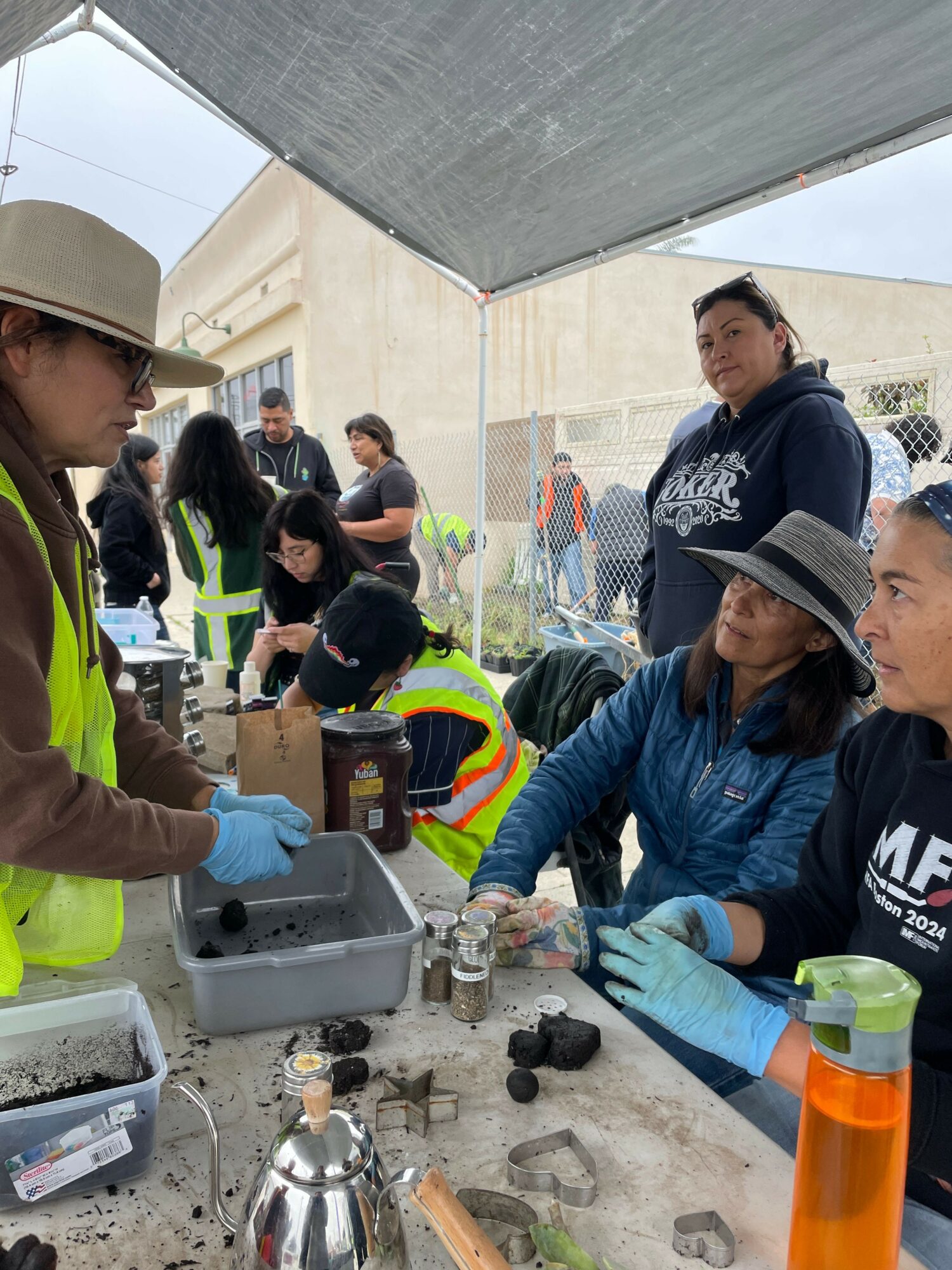
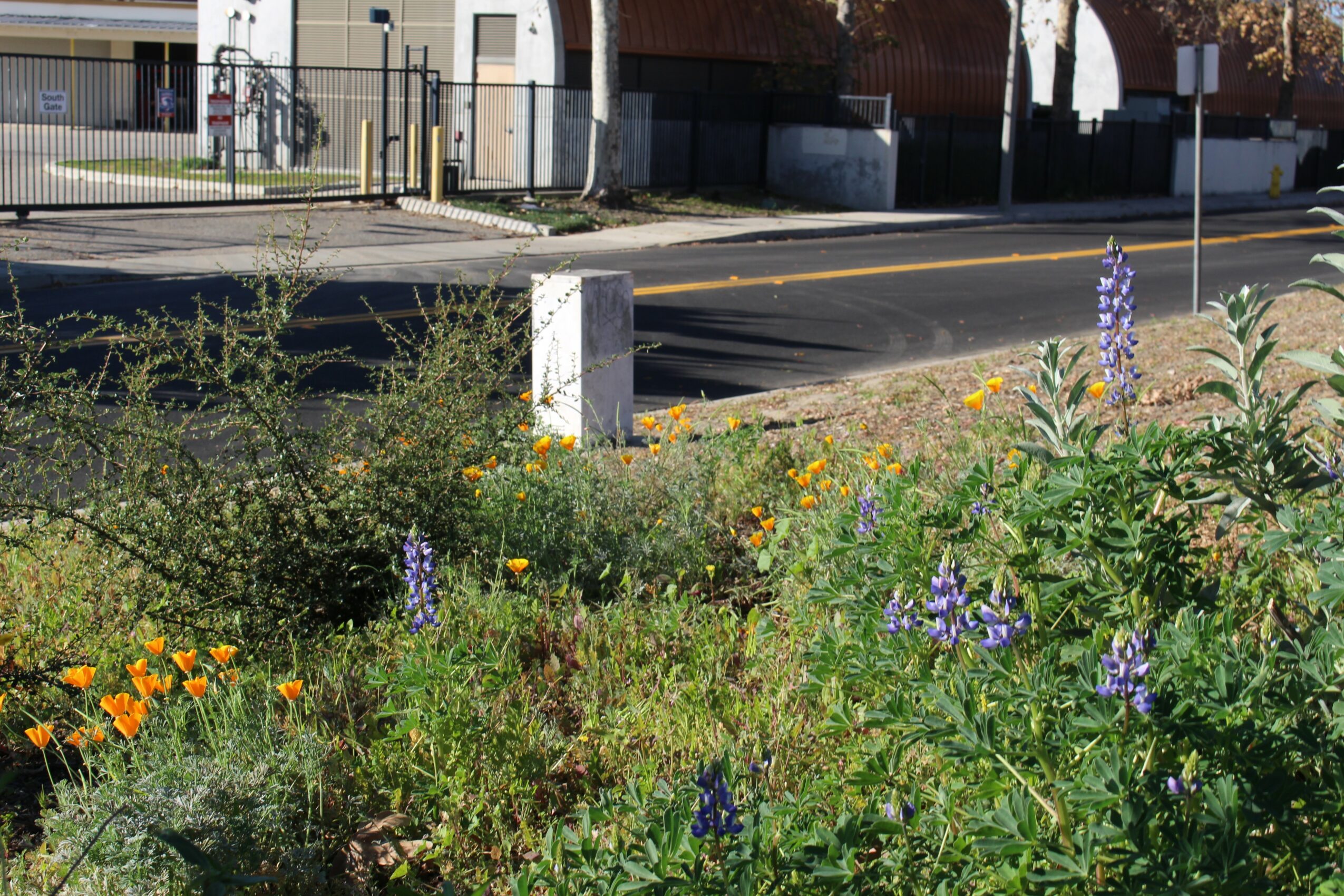
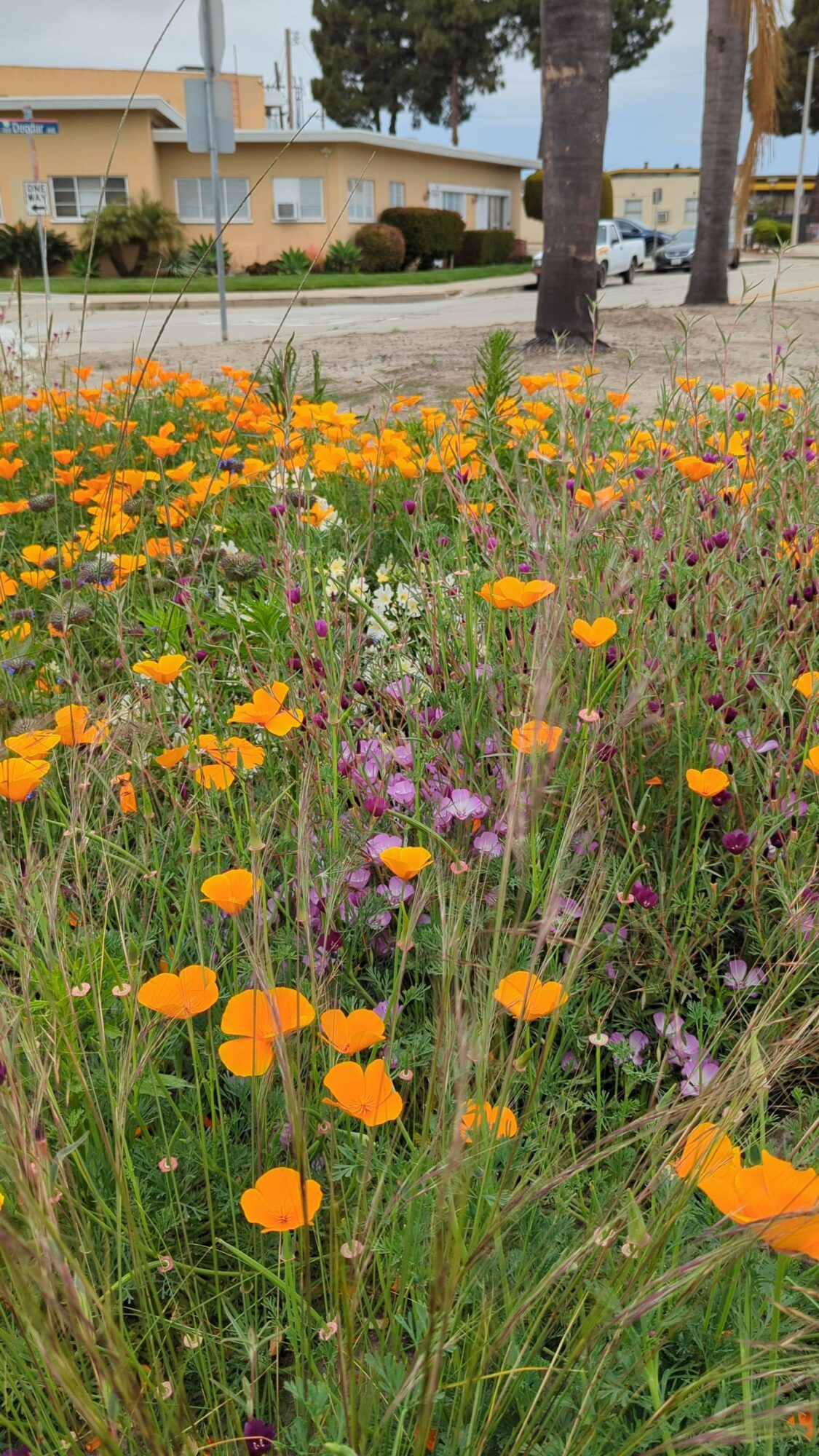
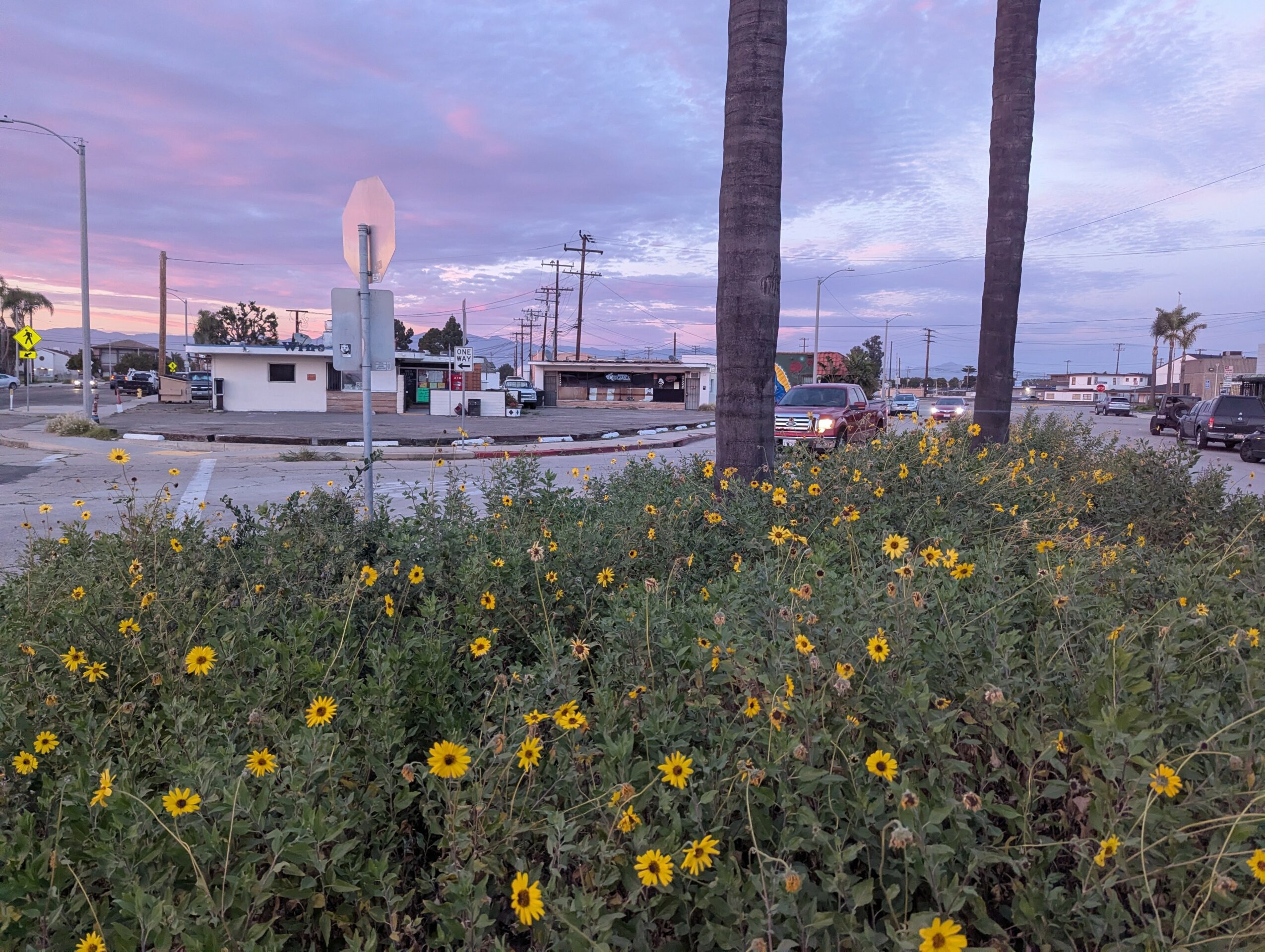
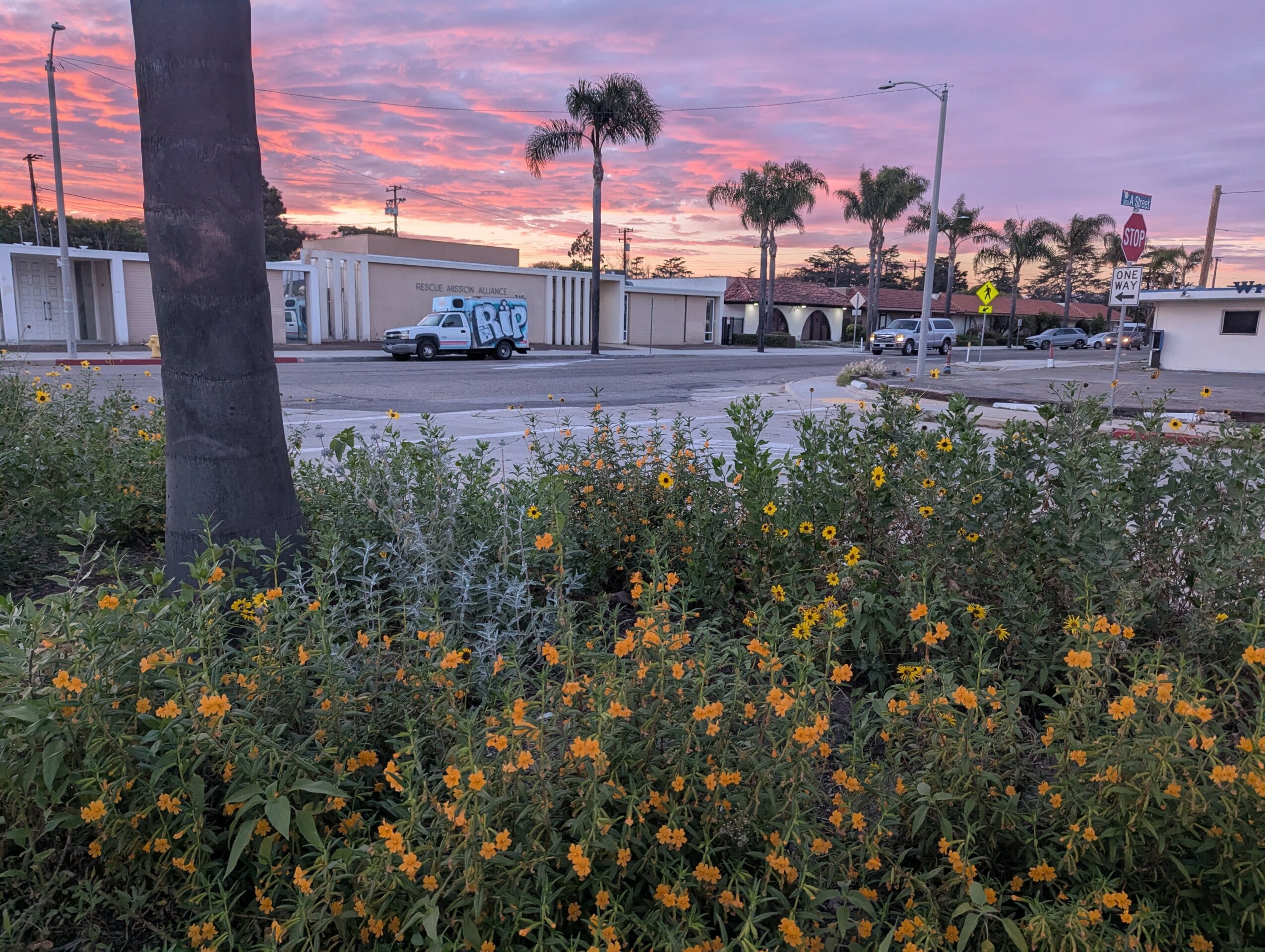
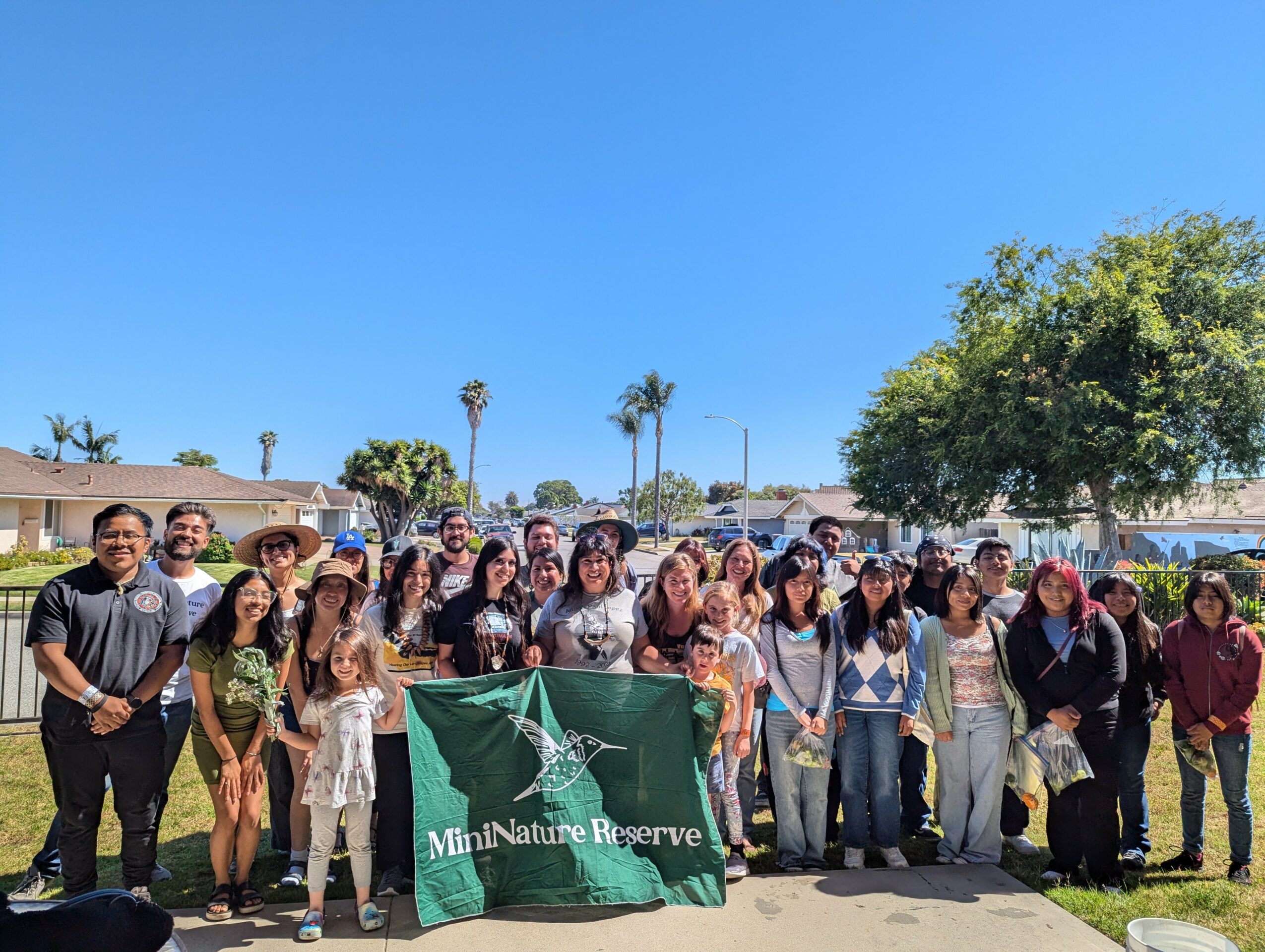
Image Credits
Diego Magana
Popular
-
Maagic Collins on Building a Fearless Publishing Platform for Truth, Advocacy, and Underrepresented Voices
-
Los Angeles Barea on Turning Green Superheroes into a Global Movement for Youth-Led Change
-

Trisha DuVivier on Bridging the Franchisor–Franchisee Divide with Workhero and “Franulate”
-

Portraits of the Valley
-

LA’s Most Inspiring Stories
-

Cedar Boschan on Elevating Black Music Rights and Driving Urgent Conversations Around Credit, Equity, and Artist Protection


