



Today we’d like to introduce you to Dennis Tran.
Hi Dennis, so excited to have you on the platform. So before we get into questions about your work-life, maybe you can bring our readers up to speed on your story and how you got to where you are today?
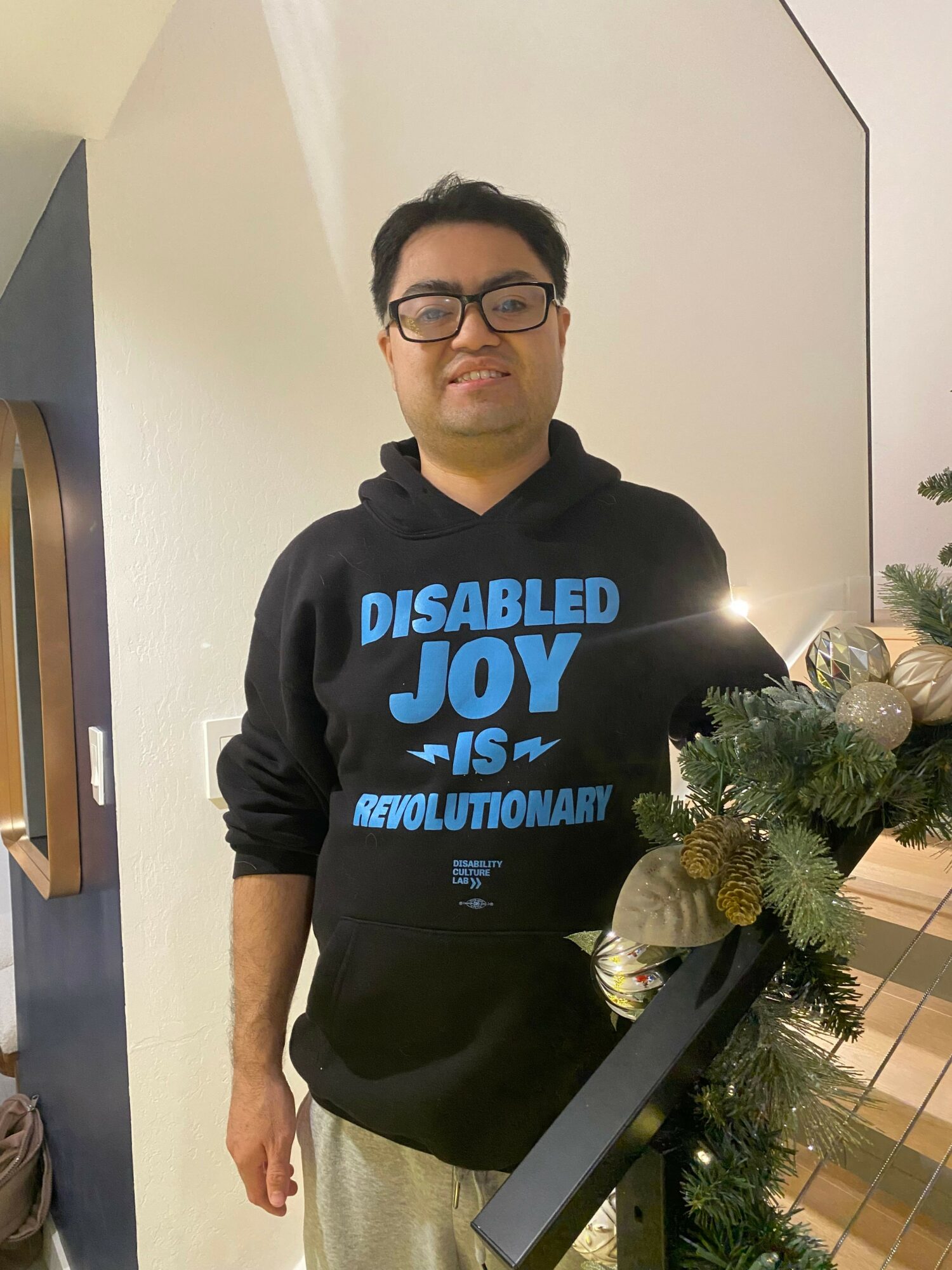
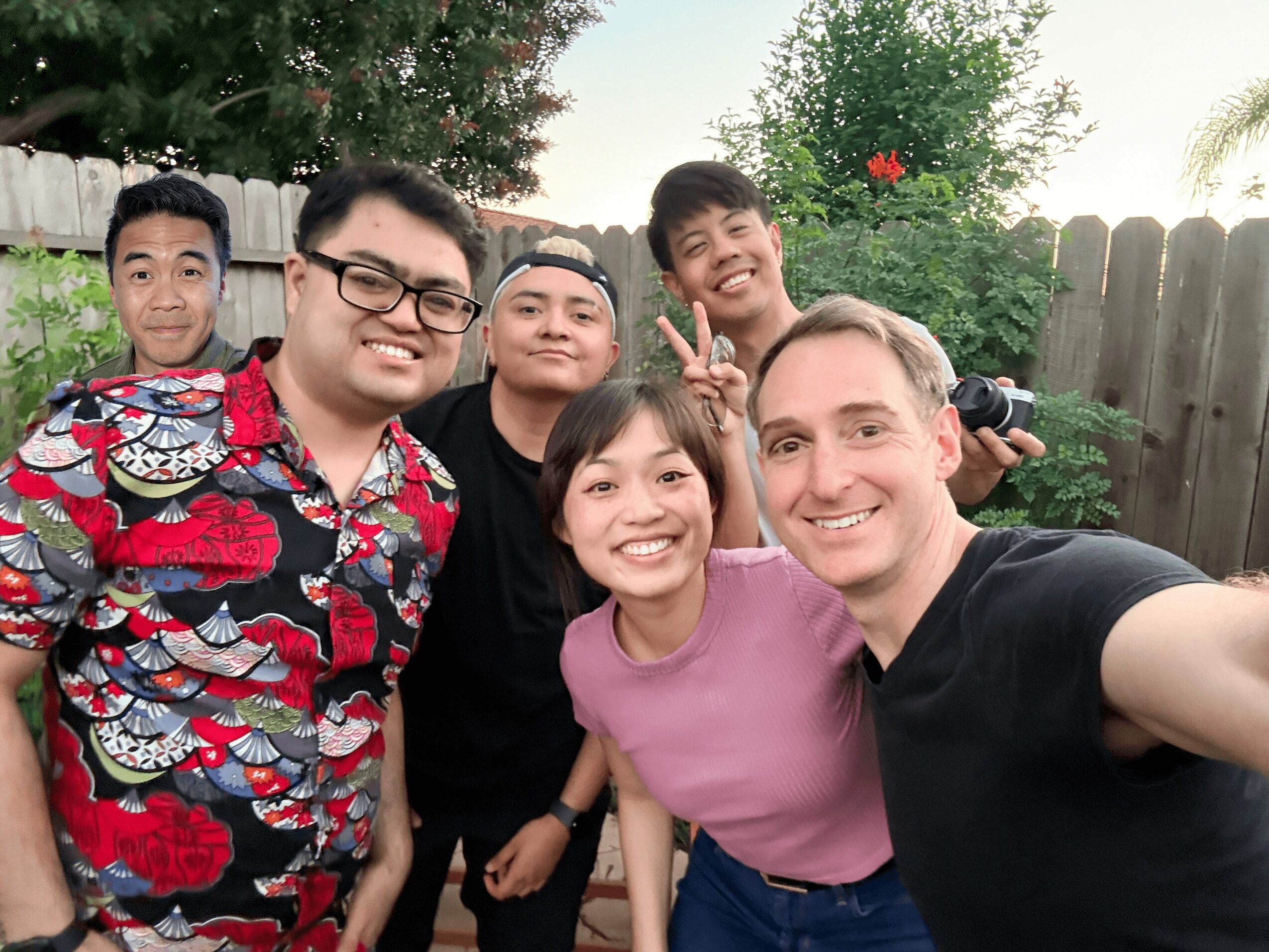
My name is Dennis Tran (he/him), and I’m a queer, partially blind, late-identified autistic ADHD Vietnamese American storyteller, speaker, and inclusion strategist based in Los Angeles.
My journey hasn’t been linear; it’s been shaped by survival, identity, and learning how to make meaning out of experiences that didn’t always make sense at the time. I grew up low-income in a household where disability, mental health, neurodivergence, and emotional expression weren’t fully understood or supported. My understanding of disability was first shaped by watching how my father, who was also disabled, was treated with distance and stigma, long before I had the language to name what I was witnessing or experiencing myself.
I was diagnosed with glaucoma as a teenager, at the age of 17, but it wasn’t until the late 20s, at the age of 27, that I was identified and diagnosed as autistic and eventually ADHD. That late diagnosis became a turning point. It gave me the language to understand myself. Still, it also forced me to question, challenge, and reevaluate everything I thought I knew, unlearning years of masking, survival, and internalized stigma, especially as I navigated queerness, culture, neurodivergence, and disability within AANHPI communities.
Even before I had the language for my identities, I was always drawn to creativity, innovation, and novelty, and I carried a strong sense of justice, especially around things that felt personal or rooted in lived experience. Looking back, that’s been a consistent throughline in my life. The work I do now isn’t random; it’s deeply aligned with who I’ve always been. Every role I’ve held across my multi-faceted career in public health, digital health, media, and nonprofit spaces has reflected this pull to create change, challenge systems, and build something better.
Over time, I realized the throughline in everything I was doing was storytelling, access, and inclusion. That realization shaped the work I do today: creating articles, resources, and toolkits that are among the first of their kind, centering disabled and neurodivergent AANHPI communities. As someone who has led and pioneered accessibility and inclusion in this space, my work is deeply informed by my lived experience and the multidimensional, intersectional identities I carry.
At the same time, that process of unlearning and self-discovery reconnected me to something I had long set aside, my passion for storytelling and the creative and performing arts. Even when I didn’t have the language or space to pursue it, it never left me. Every phase of my life has called me back to it.
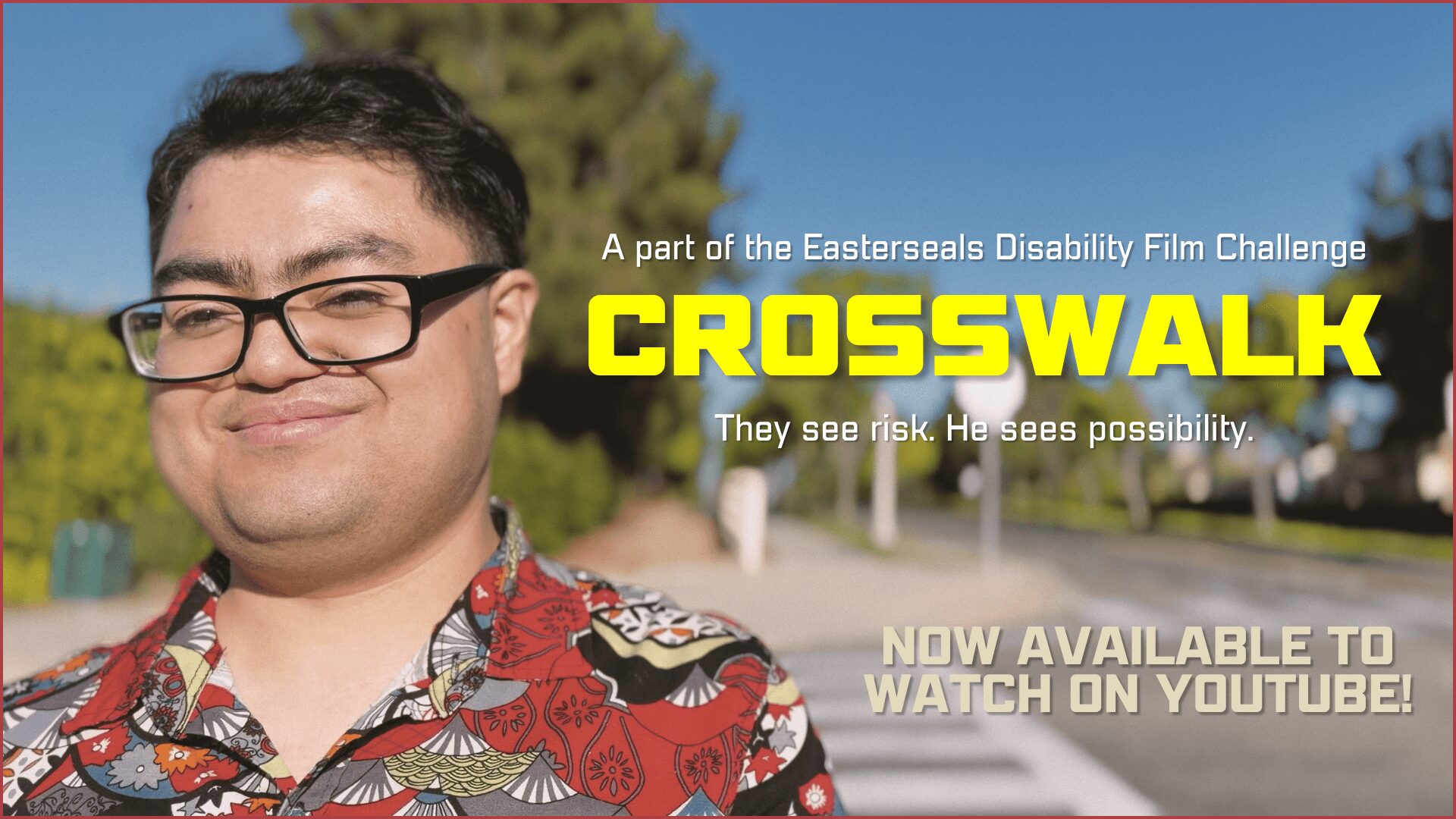
That led me to step more fully into creative work, including writing and starring in my debut short film Crosswalk, rooted in my own lived experiences navigating misunderstanding, disability, neurodivergence, cultures, and differences. It was a full-circle moment, becoming the representation I didn’t have growing up and creating the kind of stories I needed.
Going forward, I am looking forward to embracing my multihypenate self as I take on writing books, creating films, and acting building off of the work that I’ve done that had shaped me, telling stories to increase authentic representations and uplifting narrative from underrepresented stories within the AANHPI communities such as those who are disabled and neurodivergent.
At the core of everything I do is a simple intention: to create the spaces, stories, and systems I wish existed for people who have ever felt unseen, misunderstood, or like they had to navigate the world alone.
Can you talk to us a bit about the challenges and lessons you’ve learned along the way. Looking back would you say it’s been easy or smooth in retrospect?
It definitely hasn’t been a smooth road, and in many ways, the challenges are what shaped both my path and my purpose.
I grew up navigating systems that weren’t built with someone like me in mind, low-income, first-generation, queer, neurodivergent, and disabled, without the language or support to fully understand any of those identities at the time. A lot of my early life was rooted in survival, figuring things out on my own, internalizing pressure to push through, and adapting to environments that didn’t always feel safe or affirming as they weren’t even designed for people like me.
One of the biggest challenges was going through much of my life undiagnosed. While I knew I was visually impaired, I didn’t understand my autism and ADHD until much later. That meant years of masking, burnout, and being misunderstood in school, work, and relationships. Without the right language or accommodations, I often felt like I had to work twice as hard just to keep up.
There were also barriers in employment, navigating instability, rejection, and environments that lacked psychological safety and or understanding of my differences. At times, I questioned my worth and whether I would ever find a space where I truly belonged. Cultural stigma around disability, neurodivergence, and mental health within AANHPI communities added another layer, where silence and survival often made it harder to ask for help.
Unlearning internalized ableism and the belief that I had to do everything alone has been an ongoing process. Even stepping into storytelling and creative work came with challenges, such as imposter syndrome, limited access, and not always having the resources or community to bring ideas to life.
But those challenges also gave me clarity. They showed me what’s missing, and now, that’s the work I commit to: building more accessible, affirming spaces so others don’t have to navigate it alone.
Thanks for sharing that. So, maybe next you can tell us a bit more about your work?
I’m a storyteller, speaker, writer, and inclusion strategist working at the intersection of disability, neurodiversity, mental health, and AANHPI identity. My work bridges lived experience with systems change, helping organizations, media, and communities rethink what authentic inclusion and representation look like in practice.
I specialize in translating lived experience into accessible, impactful content and strategy. I’ve created national resource toolkits and campaigns, consulted on inclusive storytelling in children’s media, including contributing to Blue’s Clues & You!, and developed education and training materials that move organizations from awareness to action.
A big part of my storytelling work lives through my contributions to Cold Tea Collective, where I write and produce stories that center identity, mental health, and cultural narratives across the Asian diaspora. Through that platform, I’ve been able to amplify underrepresented voices, explore intersectional experiences, and help shift how our communities talk about disability, neurodivergence, belonging, and healing. Here, I created some of its first of its kind resources for the community!
I’m also deeply invested in youth and community-based education. Through the Fox Family Foundation’s Innovating Inclusion program, I’ve helped co-develop and facilitate a universal design curriculum that introduces students to accessibility, disability inclusion, and real-world problem-solving, creating space for the next generation to think critically about equity and impact.
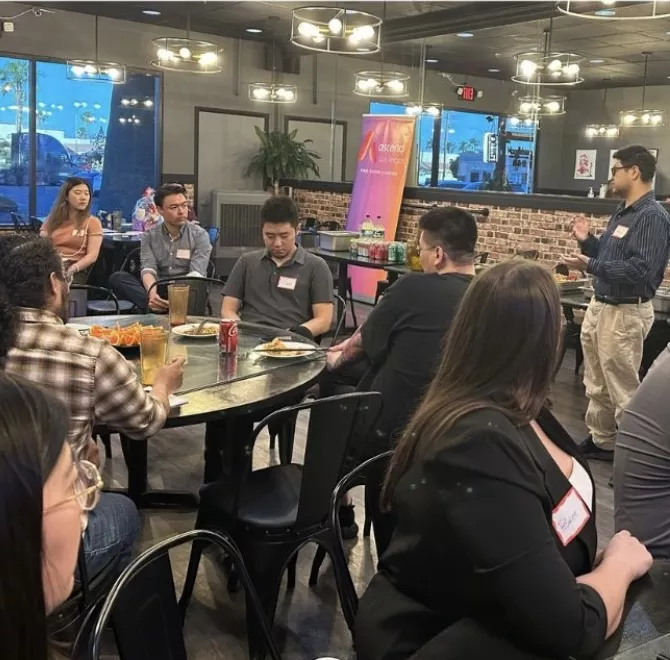
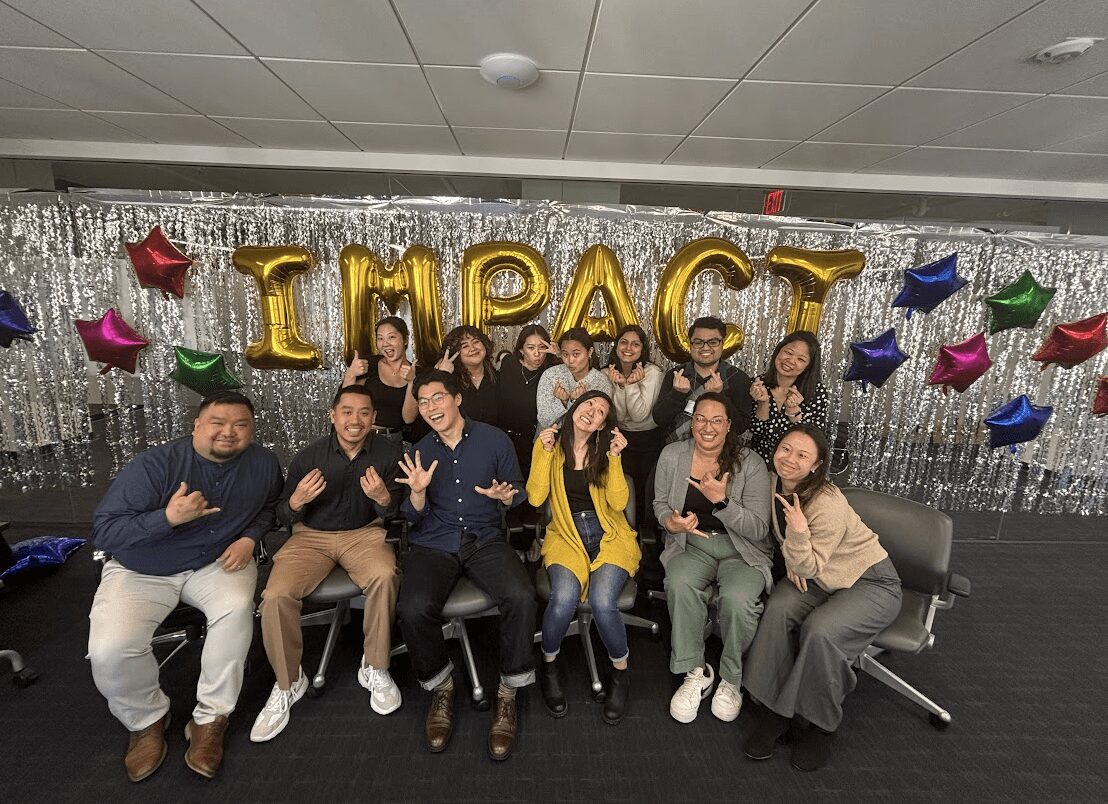
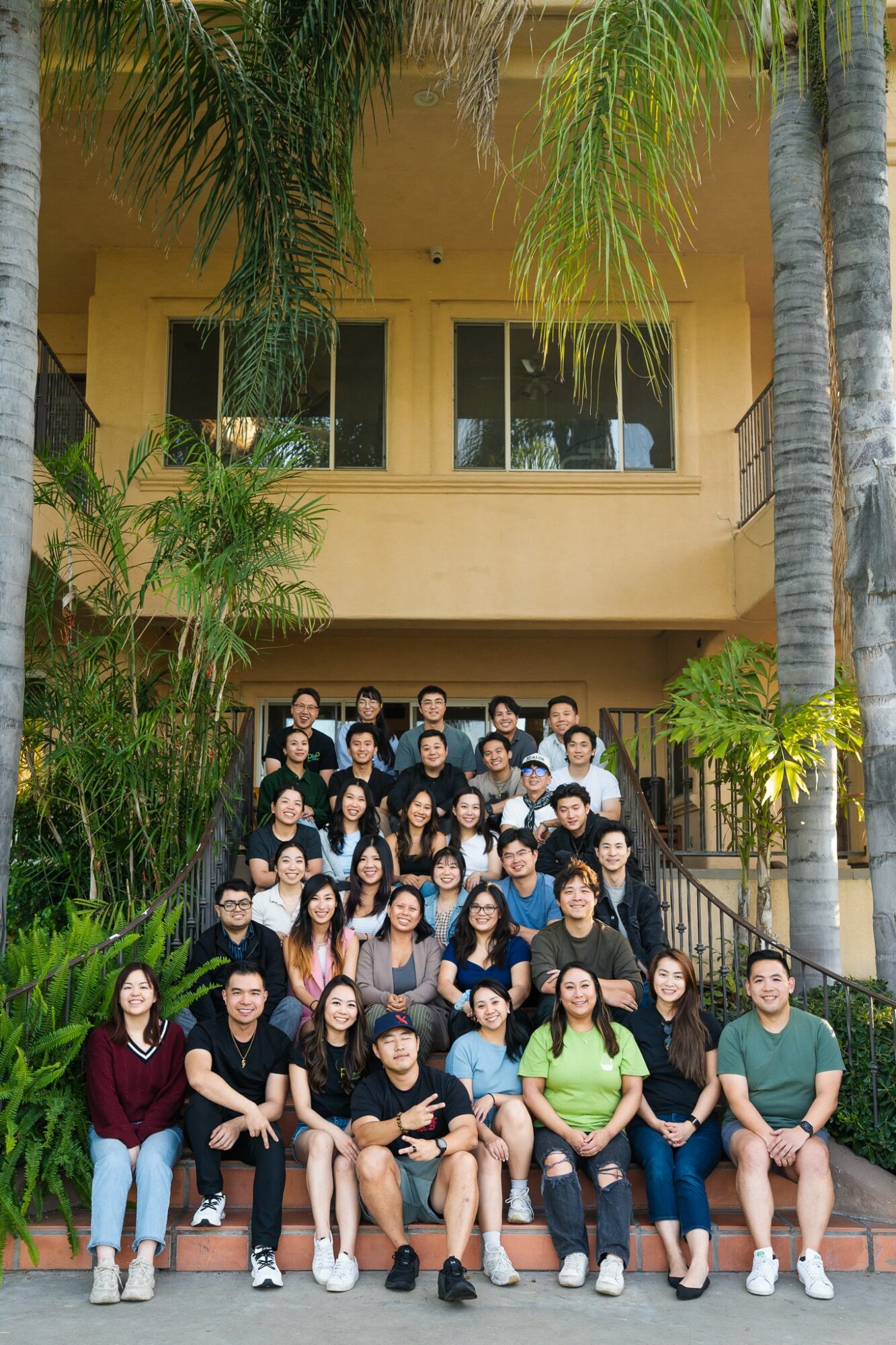
Alongside that, I’ve been involved in community work here in Los Angeles through volunteering with the Project by Project LA chapter, supporting efforts that uplift and invest in Asian American leadership and social impact. Our work brings together food, philanthropy, and community as we partner with nonprofit organizations to address key issues impacting AANHPI communities and host our annual Plate by Plate event to raise funds for our nonprofit beneficiary partner. This work keeps me grounded in community and reminds me that impact is both individual and collective.
Creatively, I’ve been stepping more fully into storytelling through writing, acting, and film. Writing and starring in Crosswalk was a pivotal moment for me, not just as a creative, but as someone reclaiming a part of myself I had long put aside. The story is deeply personal and reflects the nuances of disability, neurodivergence, differences, cultural identity, and survival.
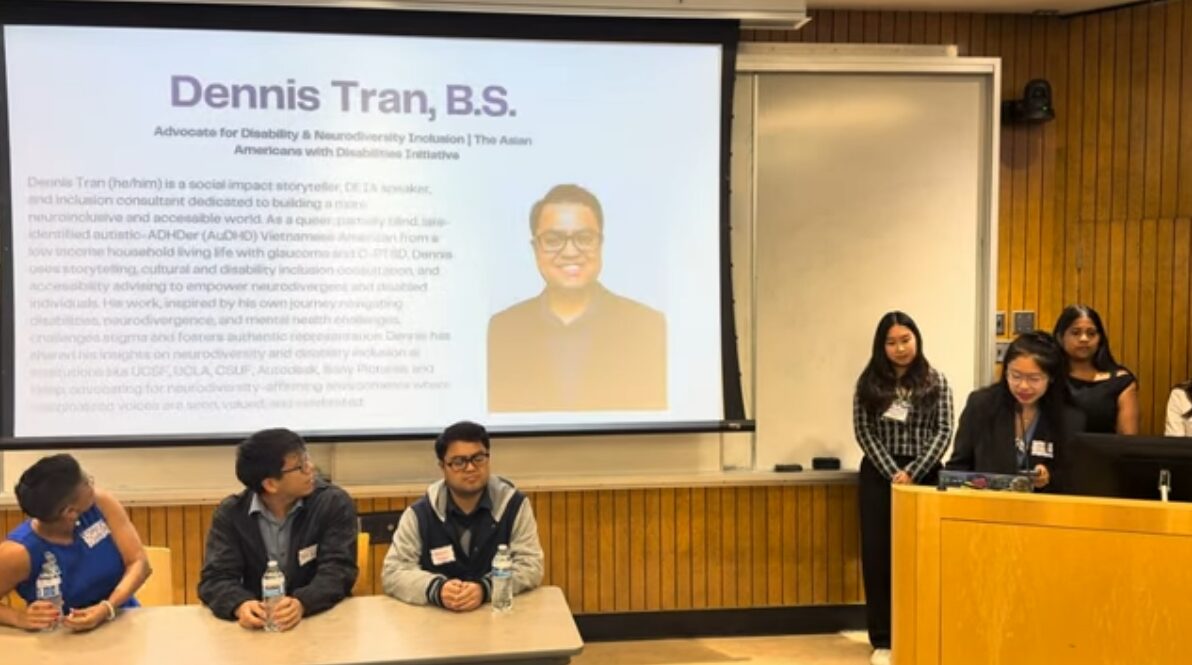
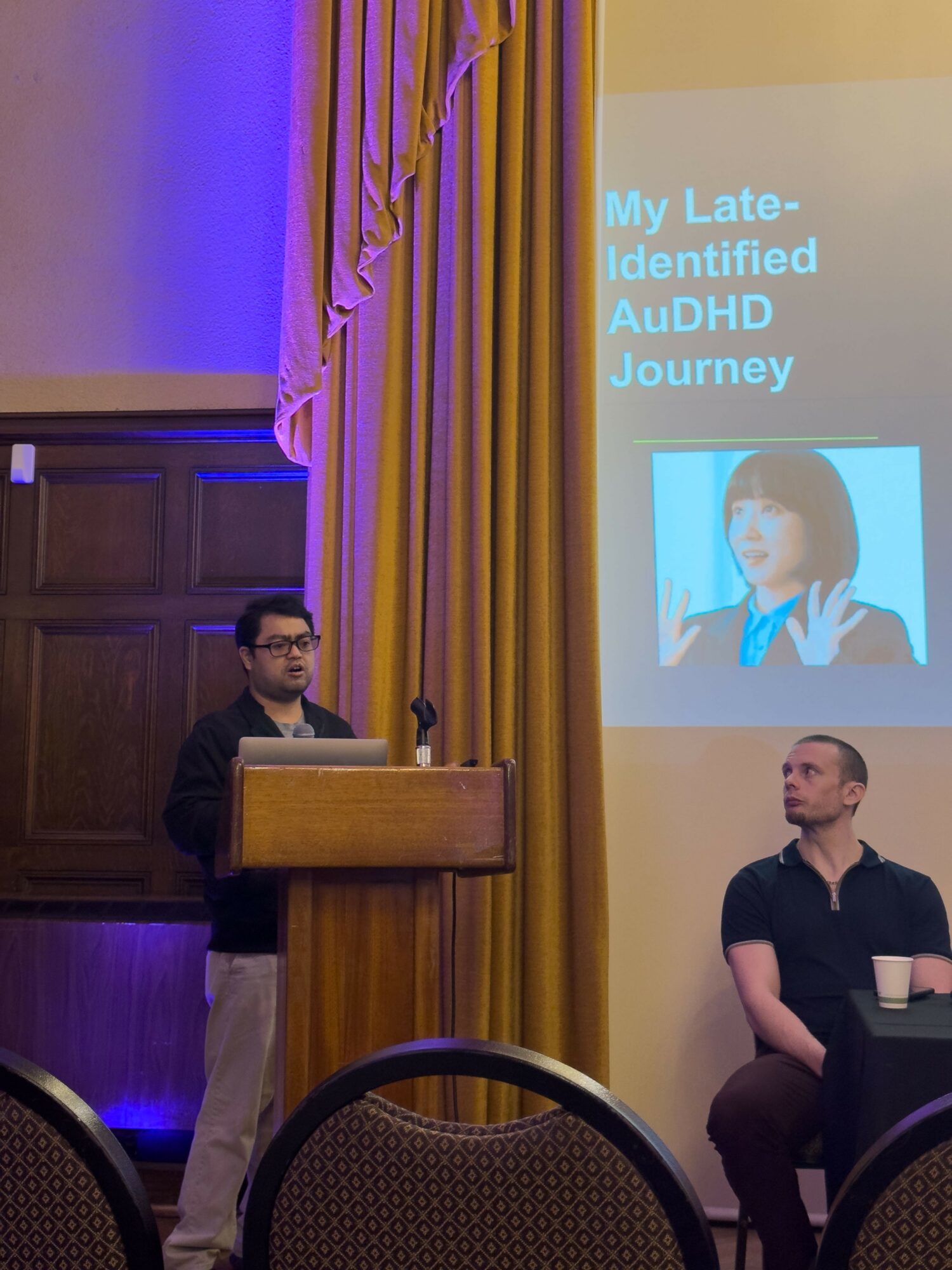
As a speaker, I’ve shared my work at institutions and organizations like UCLA, UCSF, Sony Pictures, and Autodesk, focusing on late-identified neurodivergence, cultural stigma, psychological safety, and storytelling as a tool for healing and change.
What I’m most proud of is the impact of creating spaces where people feel seen and understood, especially those who have been historically overlooked. What sets me apart is that I don’t just talk about inclusion, I build and co-create it from the inside out, bridging personal narrative with strategy, culture with systems, and storytelling with real-world application.
Risk taking is a topic that people have widely differing views on – we’d love to hear your thoughts.
I don’t see myself as a traditional risk-taker; I see myself as someone who takes necessary risks.
A lot of my life was shaped by survival, so I’ve always been thoughtful about stability. But some of the biggest shifts in my life came from moments where staying the same would’ve cost me more than change.
One of the biggest risks I took was stepping into my identity publicly in 2021 after 20+ years in silence, sharing my story as a late-identified autistic-ADHDer, as someone who is queer, partially blind, neurodivergent, and disabled, especially in spaces where those conversations aren’t always welcomed, such as in the AANHPI community, where it is still very heavily stigmatized. There’s vulnerability in that, but it also became the foundation of my work.
Another risk was moving away from a linear career path to build a portfolio career rooted in storytelling, consulting, and advocacy without a clear blueprint. I had to trust that my lived experience had value, even when it wasn’t always recognized in traditional ways. This was a necessary risk because I never held a 9-5 job and the odds was already stacked against me to begin with, especially up 85% of autistic individuals with a Bachelor’s Degree are either under-employed or unemployed. Because of this, I had to chart my own path.
Creatively, making Crosswalk was also a risk, since pursuing the arts was often seen as a risk due to its instability and how it’s not a real career in my own cultural upbringing. We created it in just four days with limited resources, but it reminded me that waiting for the “perfect” moment often means never starting.
What’s often not seen behind risk is safety, and for me, that safety came from friendship and community. I didn’t grow up with stability or a strong support system, so I had to build that from the ground up. Putting myself out there, finding aligned people, and cultivating spaces where I felt seen and supported gave me the foundation to take those risks. Building from one safe and affirming person and connection at a time.
My perspective on risk has shifted. I used to associate it with instability; now I see it as self-trust, grounded in community. Sometimes risk isn’t about taking a leap; it’s about choosing to take up space, to be seen, and to do something differently than what’s expected.
For me, risk isn’t about being fearless; it’s about being intentional and deciding that your voice, your story, and your well-being are worth the uncertainty.
Contact Info:
- Website: https://www.dennisvtran.com/
- Instagram: https://www.instagram.com/denvtran and https://www.instagram.com/crosswalk.film/
- Facebook: https://www.facebook.com/disabilityfilmchallenge/videos/27331760059747651/
- LinkedIn: https://www.linkedin.com/in/dennisvtran/
- Youtube: https://www.youtube.com/@AsianAuDHDerLifing and https://www.youtube.com/watch?v=jw3sC6vAITk
- Other: https://linktr.ee/dennisvtran
Popular
-

Portraits of the Valley
-
LA’s Most Inspiring Stories
-
Cedar Boschan on Elevating Black Music Rights and Driving Urgent Conversations Around Credit, Equity, and Artist Protection
-
Robin Olive on Building an Inclusive Performing Arts Movement and Expanding Opportunities for Every Student
-
Que Johnson on Building Brands That Last: From Visibility to True Market Authority
-
Christina Wren Steps Into the Director’s Chair to Tell Stories That Feel Like Home


