




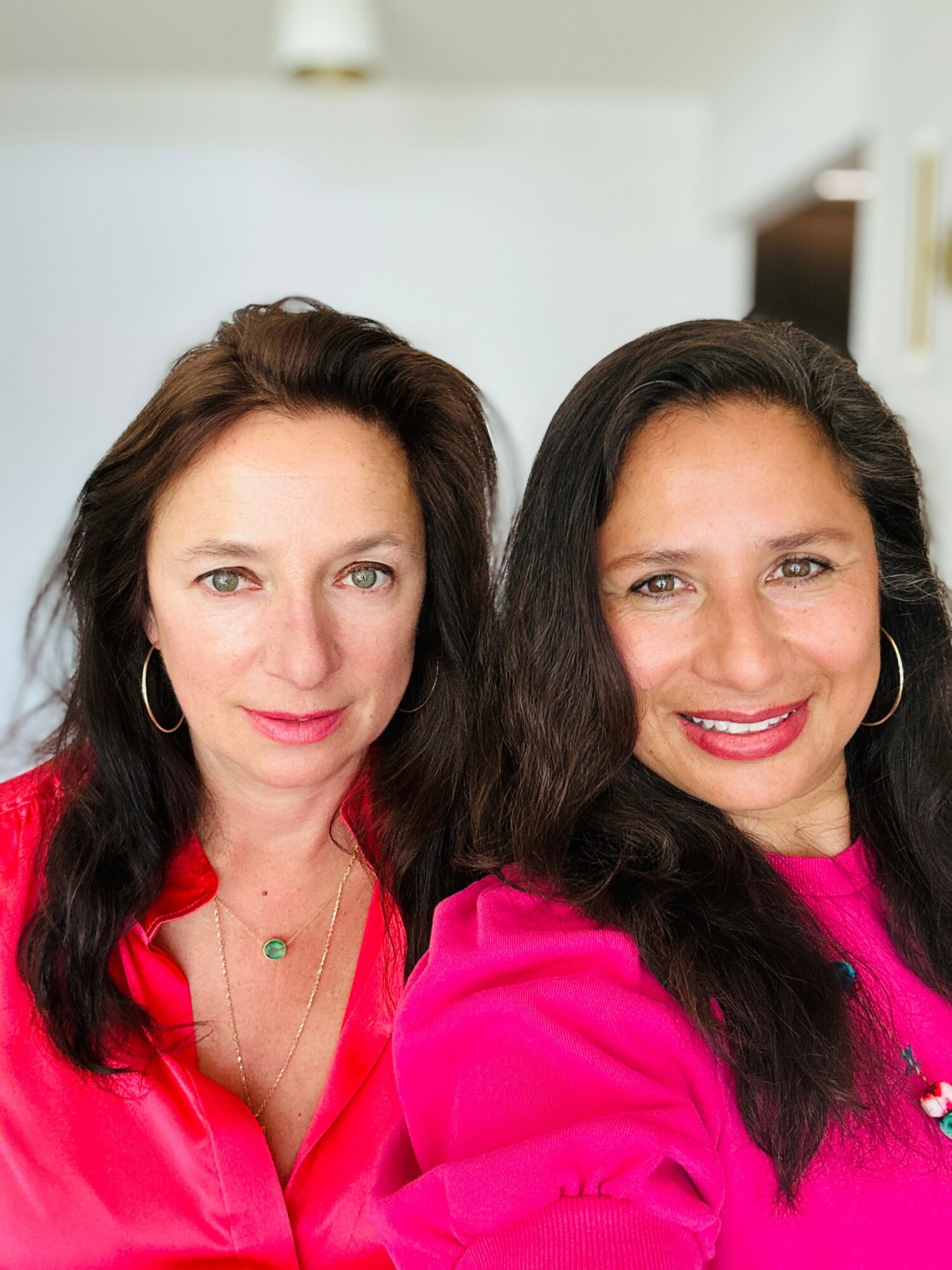
Today we’d like to introduce you to Delphine Hirsh And Reyna Hohagen.
Hi Delphine Hirsh and Reyna Hohagen, so excited to have you with us today. What can you tell us about your story?
In 2017, after googling “better period products,” we both tried menstrual cups which are toxin-free, can be worn safely for up to 12 hours, create no plastic waste, and – most importantly – the same cup can be used for 10 years. We were already in our 40s and had never heard of them before but couldn’t stop talking about them once we had. Where had they been all our lives?
At that time, we both had young daughters and wanted to make sure that we knew about the best, safest period products for our girls, and for our friends and their daughters too. Articles were starting to come out about toxins in disposable period products, and there wasn’t – and still isn’t – federal regulation about what ingredients are in those products.
Our experience with menstrual cups also made us realize their incredible cost-savings and we thought of how they could be of great benefit to everyone but especially low-resourced women and girls. We also started thinking about period poverty – the inability to afford/access period products – and realized that there is barely any public assistance for menstrual products in LA (or anywhere). We learned that in some other parts of the world, organizations were starting to use menstrual cups to help women and girls with great success. While not a lot of people were talking about these issues in 2017, we were inspired to start working here in LA to fight period poverty with cups – a product that increases self-sufficiency – and cup education.
We began creating partnerships with cup companies to get cups donated, and building relationships with community-embedded organizations. We founded The Flow to provide in-person, Spanish/English cup education and free cups to the people who could benefit from them the most but, at that time, were also the least likely to have heard of them.
Alright, so let’s dig a little deeper into the story – has it been an easy path overall and if not, what were the challenges you’ve had to overcome?
Most people really don’t think about how low-resourced women and girls manage their periods. (Answer: In the US, they use products for way too long, or use socks, toilet paper.) Or they think this isn’t an issue here in the US or a city like LA. They don’t realize that period poverty is a daily challenge for so many people here.
We estimate that period poverty affects about 500,000 women and girls in LA County, so about 1 out of 5 women and girls. Public assistance programs like SNAP, Calfresh, WIC don’t cover period products. All of this has serious consequences for the health, mental health, dignity, education and potential of low resourced women and girls which we think is an outrage.
The average woman has her period for 40 years and we’re half the population so it’s not exactly a niche issue: it’s a huge oversight that exists because of patriarchal cultural norms – there’s a lot of stigma around periods, and it’s the only basic need that’s gendered. But it’s also crazy because none of us would be here without periods! Periods are a normal biological function!
But in order to really address period poverty, people need to realize that it exists, and get comfortable thinking, talking and caring about it. So elevating this issue is a challenge and part of our work.
Also, when we started, most people hadn’t heard of menstrual cups and their benefits. Today, thanks to social media and people spending a lot of time at home during the pandemic, many more people are aware of them and more people use them. But even though menstrual cups have amazing long-term cost-savings and other benefits, most people can’t afford to just try one because the up-front cost is like $30 (which is why we provide them for free). There’s also a learning curve which is why people need education about them and support.
Also, menstrual health knowledge/education is not usually very comprehensive here (or anywhere) and there continues to be a lot of stigma/taboo around periods so there is work to be done in this lane. Still, it feels like younger people are more open about periods, and concerned about their menstrual health which is hopeful. Even some celebrities and influencers are talking about periods which really helps! We wish more of them would talk about period poverty and menstrual cups!
Thanks for sharing that. So, maybe next you can tell us a bit more about your work?
Today, The Flow, the nonprofit we founded back in 2017, is making a big impact across LA County. Over 25,000 women and girls have received free menstrual cups and an estimated 19,625 are regularly using them. Our programming with over 120 local community partners who uplift women and girls has cut period poverty in half among cup recipients. The 14,000 cups we distributed in the last 2 years alone will keep $11,000,000 in the pockets of low-income women and families over the next ten years, and avert 26 million disposable period products from landfills and the environment.
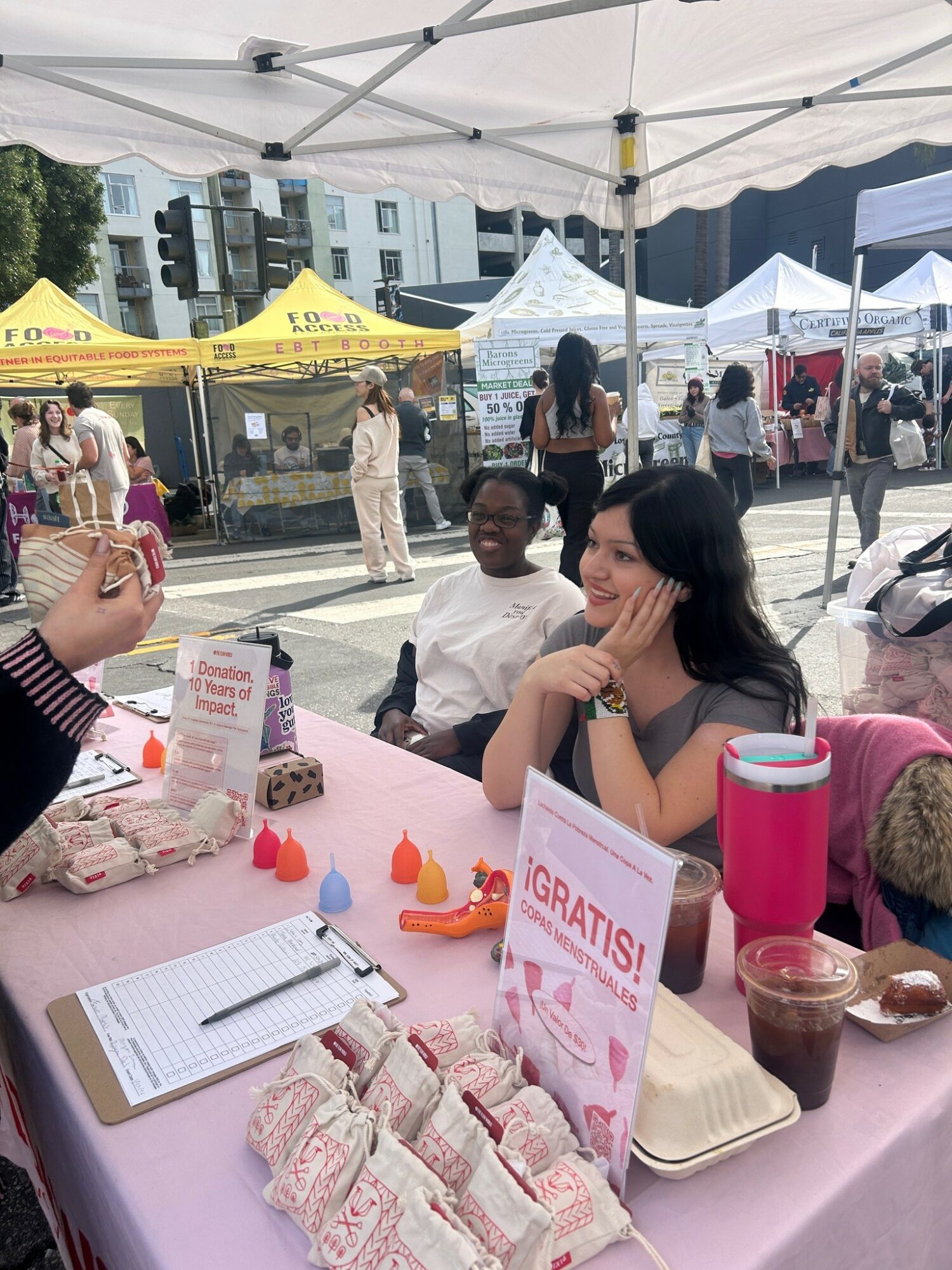
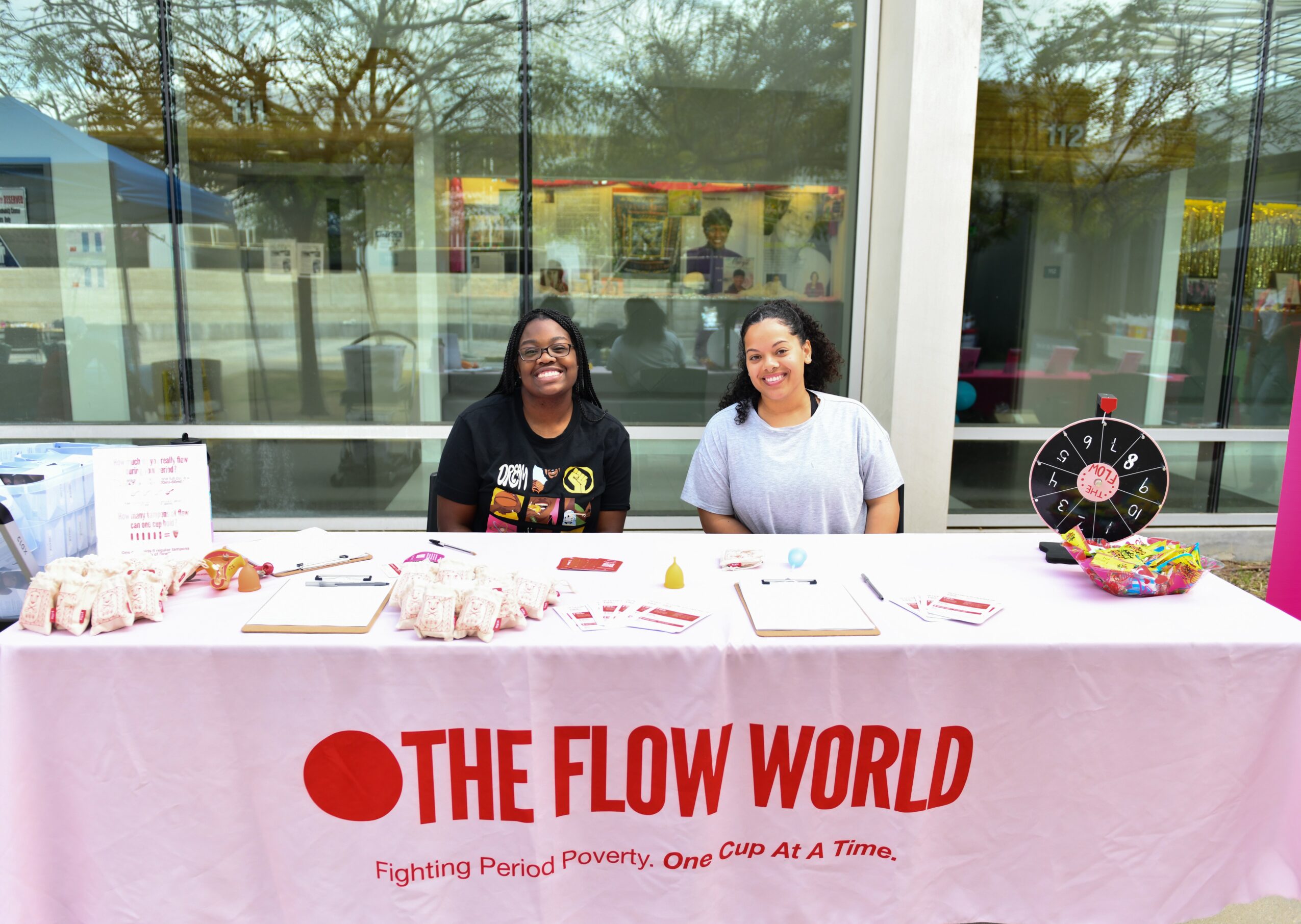
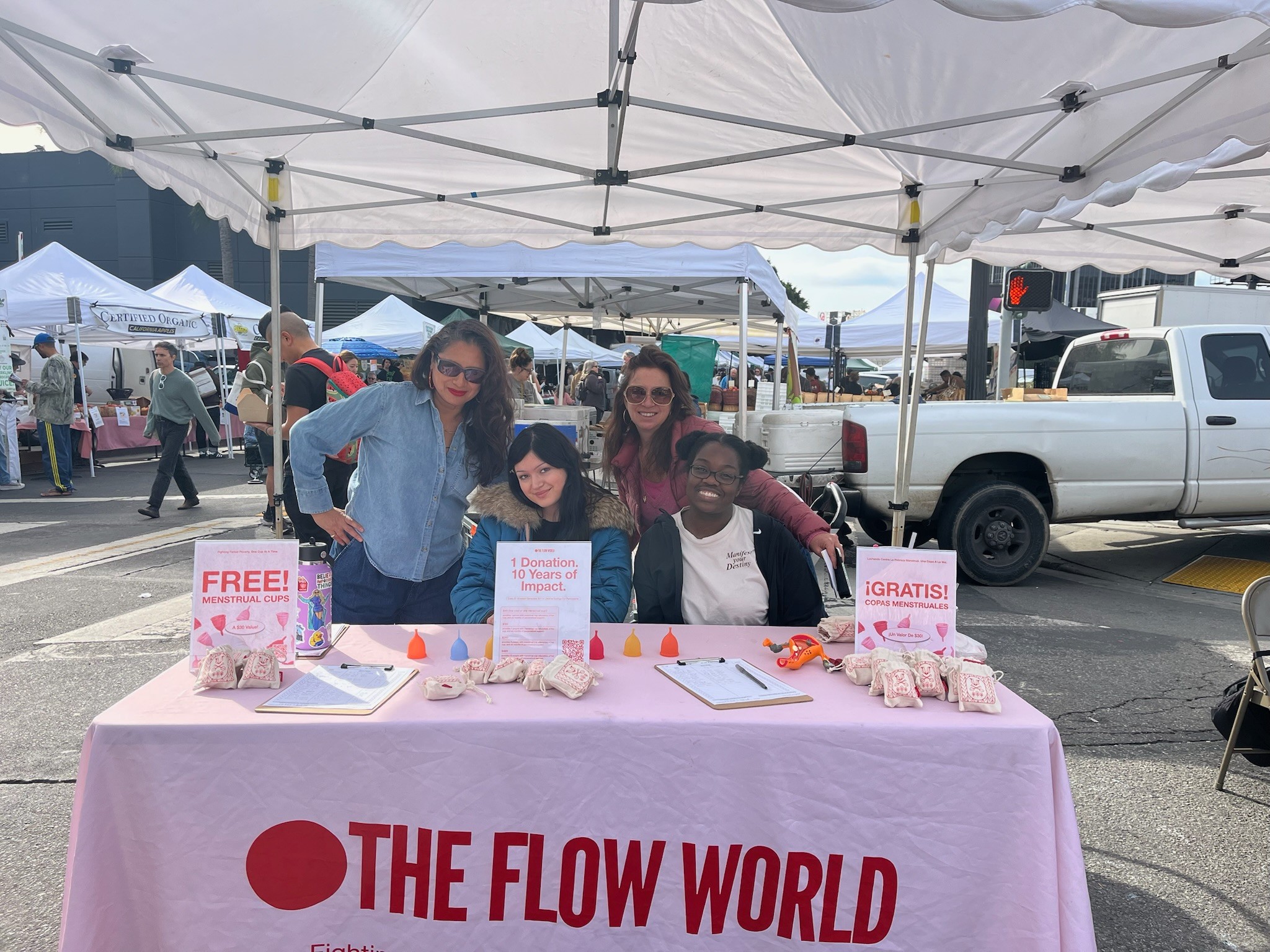
The Flow currently facilitates approximately 10 events per month across LA County led by our amazing Educators who create safe, welcoming spaces where participants learn what menstrual cups are, how to use them, and their benefits; engage in open dialogue about periods, stigma, and cultural norms; and receive a free menstrual cup. Many participants also take a cup for a family member or friend, and so many of them report sharing cup knowledge in their communities.
The Flow continues to be the only organization in LA County – and the entire US – fighting period poverty exclusively with menstrual cup education and distribution. There is still so much life-changing work to be done – and we can scale easily with more support – but we’re proud of what we’ve accomplished, and grateful to the foundations, individuals, and communities who join us in fighting period poverty in this empowering, sustainable way.
A recent quote from a resident at a transitional living facility sums it up: “It helped me to not worry if I had pads or tampons because I know I have my cup and there’s no shortage of something that’s reusable!”
What was your favorite childhood memory?
If you had told our childhood selves that someday we’d be spending a lot of time talking periods with strangers, we’d have been pretty surprised. Like…mortified. But it’s powerful, moving, sometimes hilarious, sometimes heartbreaking to be in so many conversations with women and girls about an experience so universal and human.
Contact Info:
- Website: https://www.theflowworld.org/
- Instagram: https://www.instagram.com/theflow.world/
Popular
-

Portraits of the Valley
-

LA’s Most Inspiring Stories
-
Robin Olive on Building an Inclusive Performing Arts Movement and Expanding Opportunities for Every Student
-
Que Johnson on Building Brands That Last: From Visibility to True Market Authority
-

Christina Wren Steps Into the Director’s Chair to Tell Stories That Feel Like Home
-

JordanL on ‘Breathe,’ Belief, and Building a Movement Beyond the Music


