




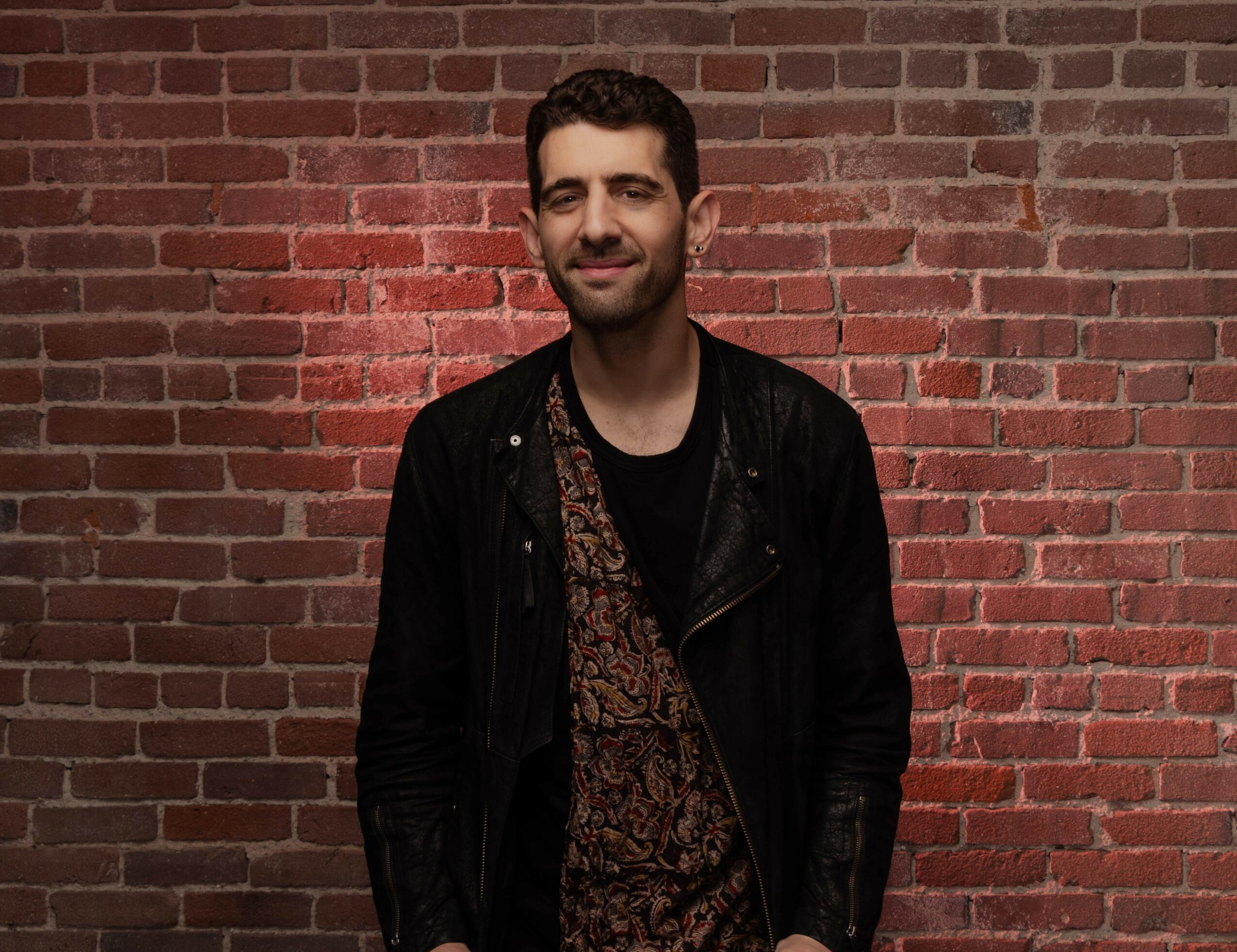
Today we’d like to introduce you to Colin Scully.
Hi Colin, please kick things off for us with an introduction to yourself and your story.
I grew up in Austin, Texas. I had a very hyperactive imagination and bounced off any wall in sight. My parents were very invested in getting me to drill down and focus on something, and I landed on movies at an early age.
I arrived in Los Angeles fifteen years ago, and after a couple of studio internships I got my first real job at Lightstorm Entertainment, working on the Avatar theme park. It seemed serendipitous at the time, and allowed me to brush up with the likes of James Cameron, and catch a glimpse of the rare Hollywood machine that actually powers unbridled, unchecked creativity. After a couple of years I segued to a development position at Energy Entertainment, a boutique management company, which was my first exposure to the greater Hollywood apparatus.
That set me up for eight years at Constantin Film, an international mini/major studio with a unique structure that’s like a Swiss-army knife of independent film models. I developed, financed, and produced everything from giant international franchise IP to scrappy European television.
I’m sure it wasn’t obstacle-free, but would you say the journey has been fairly smooth so far?
It has of course been challenging, for all the usual reasons. When you work inside the big creaky machine that is Hollywood, currently under siege from all sides, you start to understand the brittle scaffolding: temperamental industry which runs on creativity, that was consumed by tech oligarchs and behemoth consolidations which take on more and more debt, trapped in loops trying to generate the next billion-dollar franchise, under the pressures of a pandemic, strikes, a shifting attention economy, and a tapestry of self-inflicted wounds, ranging from federal malfeasance to corporate malpractice. All of this undermines both the economics and artistry of the profession, and the only guarantee is you will never control your own destiny. That’s the macro level.
At the micro level, I have certainly poured myself into projects at the expense of my mental health, and had my heart broken on several occasions. The Hollywood machine is crammed with crushing cogs and wheels and gears, like the clock tower in The Hunchback of Notre Dame, except to survive you have to Looney Tunes yourself into the machinations and smuggle, slither and grind your way to the top. No one stops to teach you that, but everyone learns it in their own way. After you get up enough times, you realize you can take the hits.
Thanks for sharing that. So, maybe next you can tell us a bit more about your work?
I’m a film producer by trade, and this year launched my own production banner, Honey Super, named after the beehive box which collects surplus honey. Currently I’m developing a slate of high-concept, genre-agnostic stories anchored in social and political themes, designed to capture or contextualize the sentiments of young people who are trying to make sense of a ruptured world. This includes some evocative science-fiction novels, a wonderfully subversive biopic on American empire, a feminine wilderness survival thriller, and a radical queer riff on John Carpenter. I also have a documentary in the works about the intersectional art, history and culture of the American borderlands.
People always debate the merits of the ‘theatrical experience’ but today, if you do not present your idea as an experience in and of itself, if you fail to conceive and develop a project as something exclusive to the medium, that unleashes the entirety of the language in a manner inaccessible on a phone or social media, and if you do not wow in every form it takes your pitch to worm its way through the system that unlocks film financing, you will not be taken seriously.
All my work is conceived for movie theaters. I’ve always liked world-building and world-creation, and I appreciate the large canvas of cinema. I spent ten years photographing landscapes, and my travels and lessons from that feed my work. Agnes Varda observed, “If you open people up, we’d find landscapes,” and I guess if I had a mantra it would be that. As much as I lean into my mind’s tendency for urban hustle and scattered thoughts, I also really like venturing into a big open space where it all shuts off. It’s no wonder I landed at an art form that lets you synthesize the chaos and peace.
I like art that inspires people to make more art while staying conscious of all the art that came before it. I like carrying all those things in tandem. I think it satisfies my brain’s relentless pursuit of patterns.
What do you like and dislike about the city?
I love Los Angeles’s anchorage to the desert, the mountains, and the oceans – all three bear particular significance for me. I love that this city is bursting with energy, and you can do anything, like see hundred-year-old movies in theaters, or see musicians whose tours pass through twice a year. But if you step out, you’re still immersed in California’s unique natural wonder. I love Los Angeles because you can be anyone you want. But I had to figure that out on my own, as did many of my friends. I think a lot of transplants go through those growing pains. But everywhere I look, there are phenomenal, undersung artists bursting with creativity, ready to push back against the broken systems and find new ways to tell their stories.
Contact Info:
- Website: https://honeysuper.film
- Instagram: https://www.instagram.com/colinscully/
- LinkedIn: https://www.linkedin.com/in/colin-scully-la/
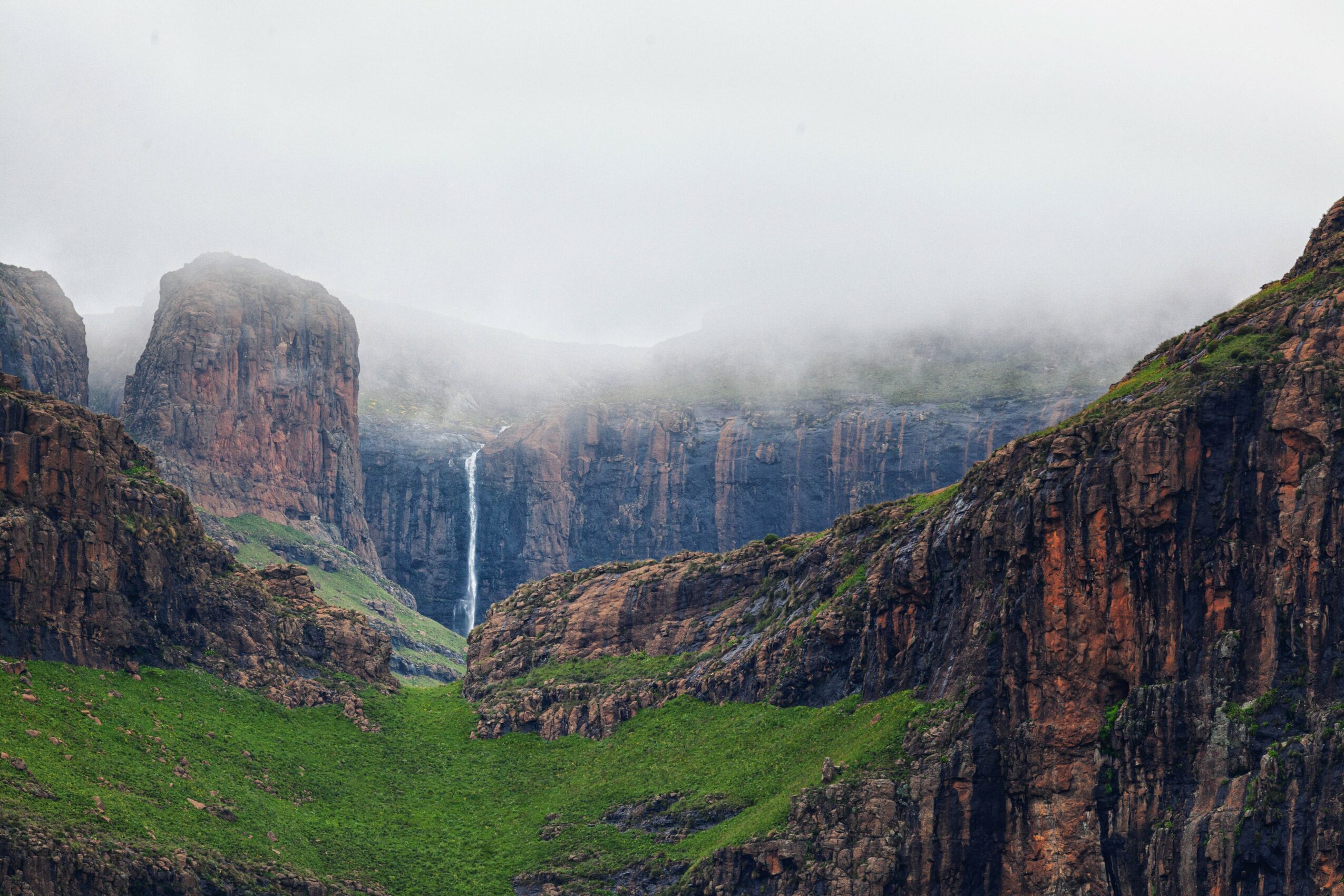
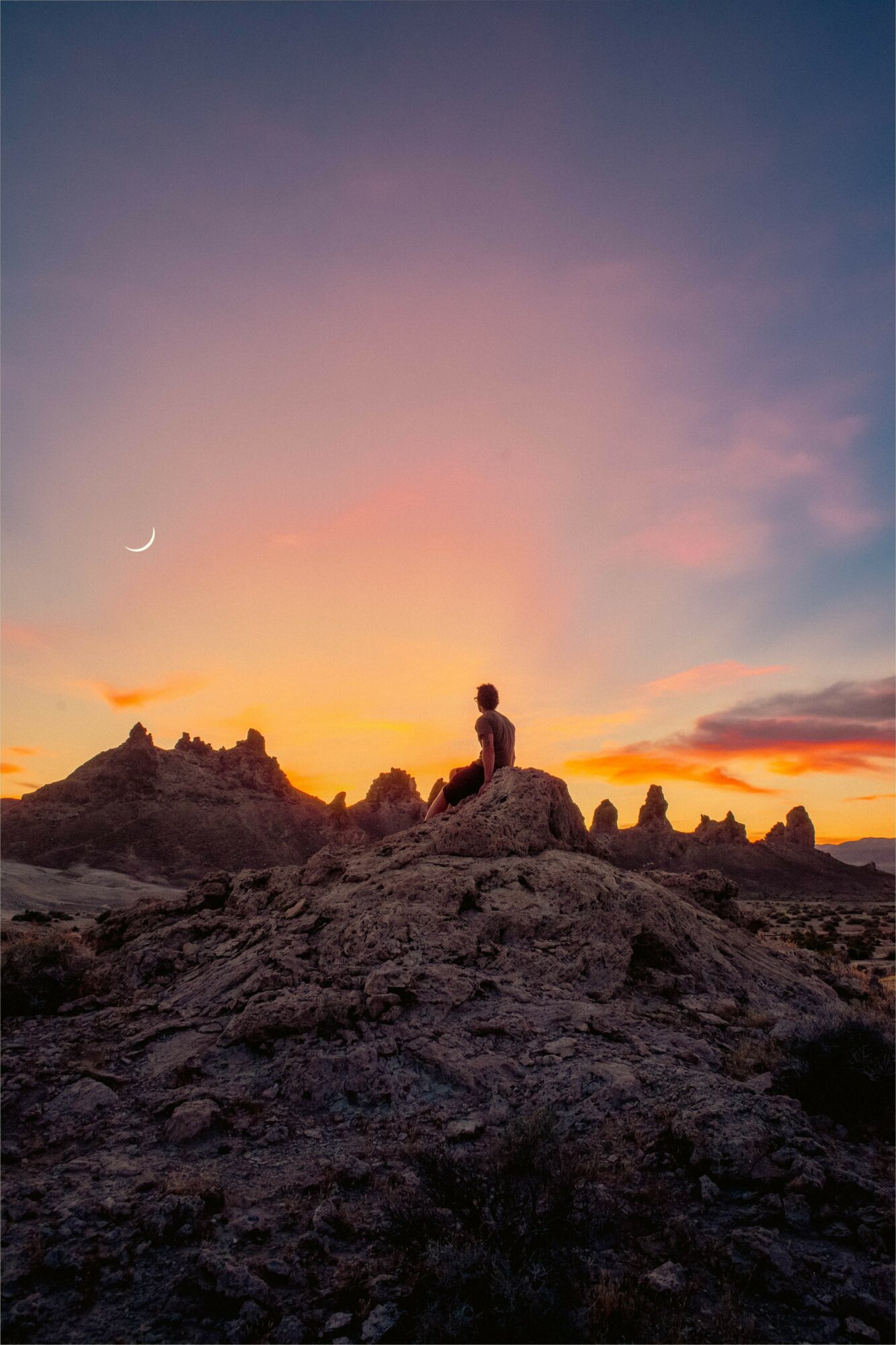
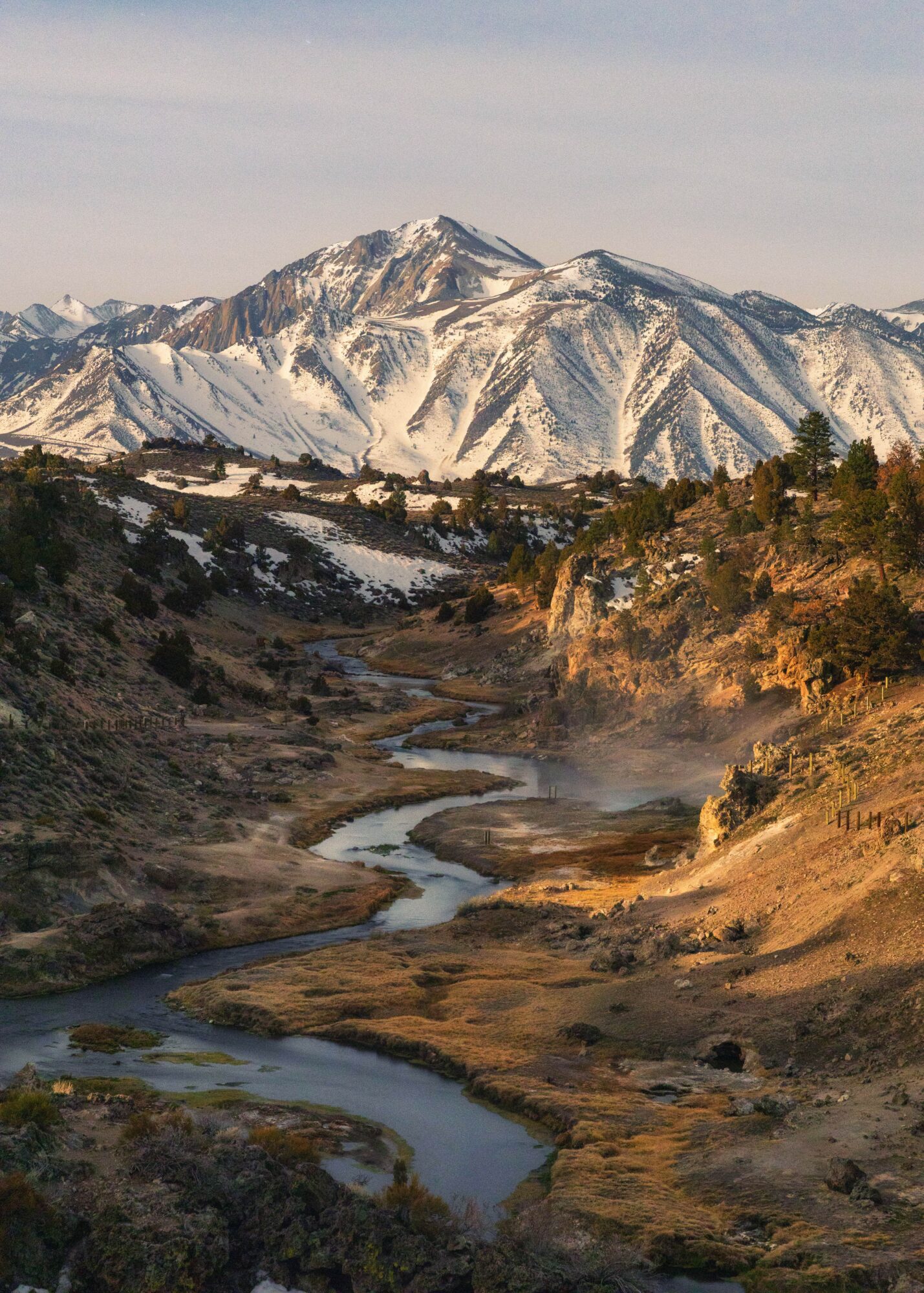
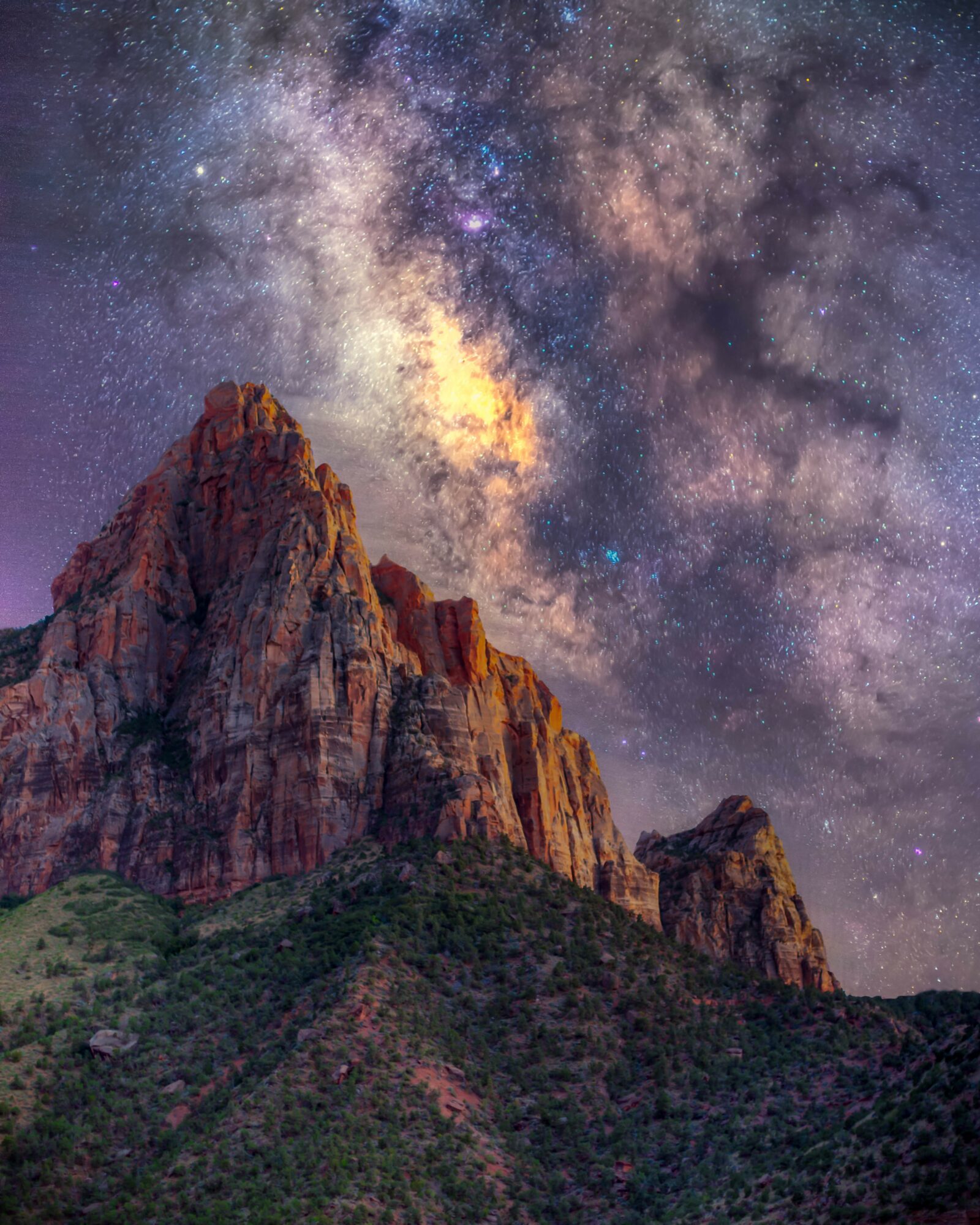
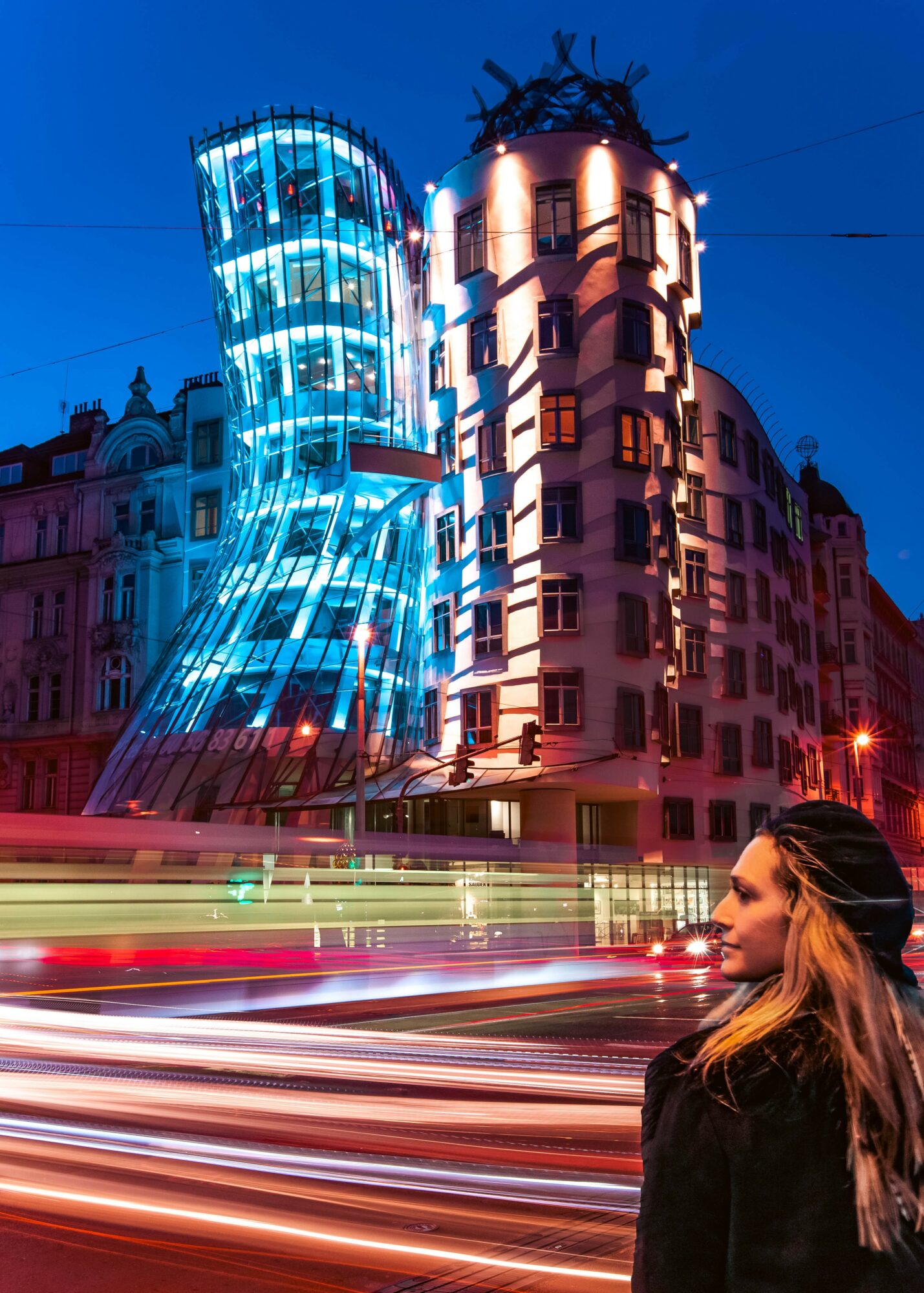
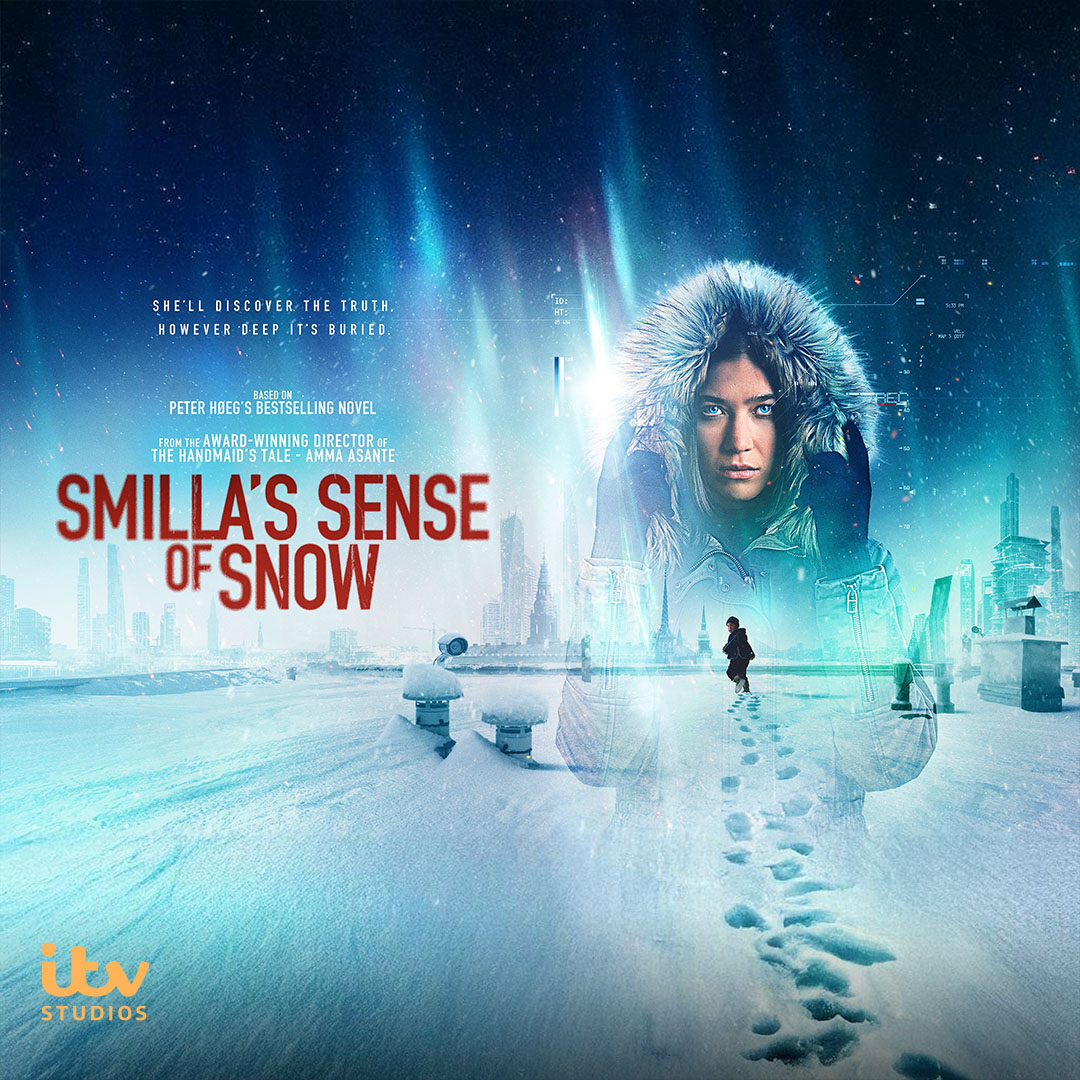
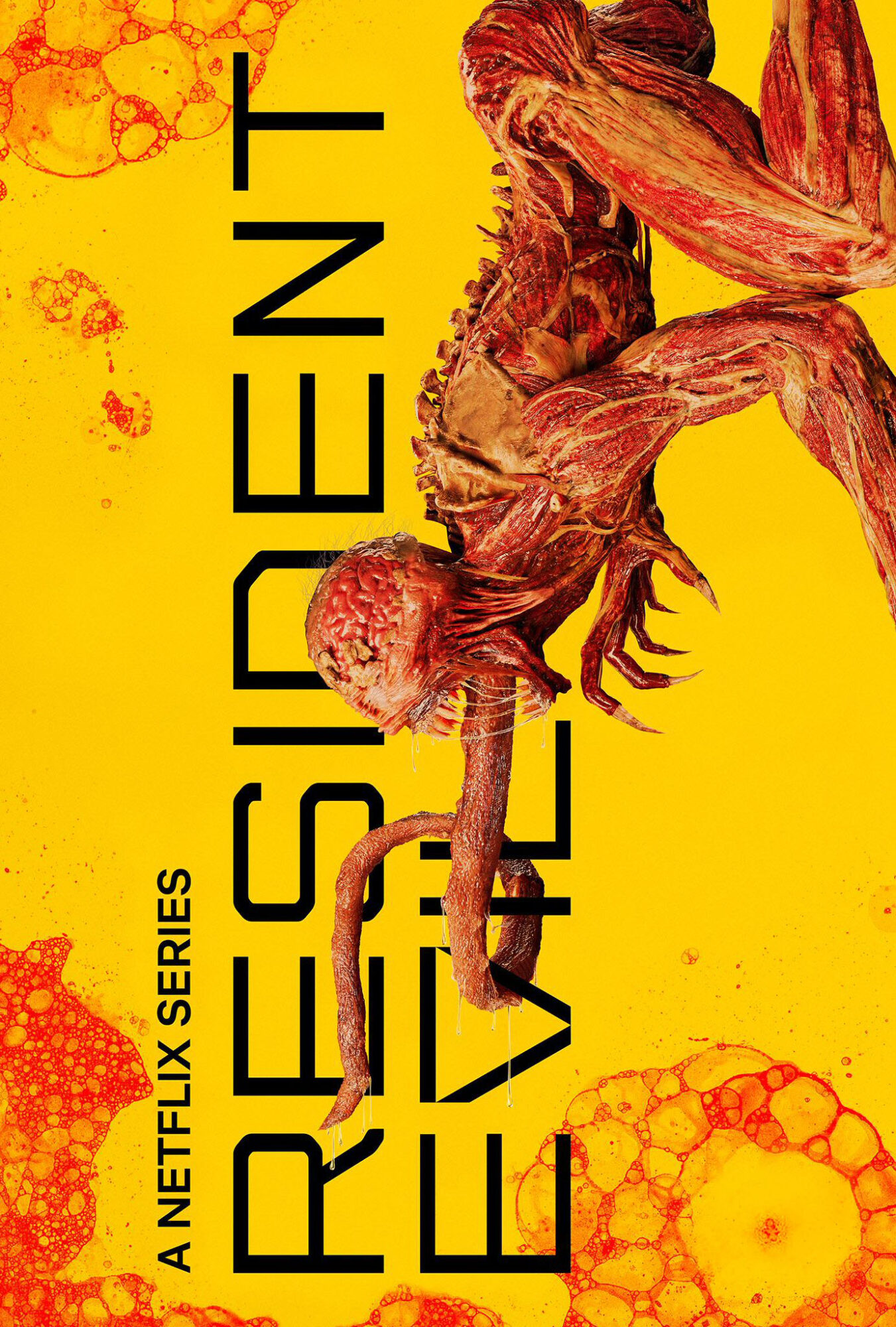
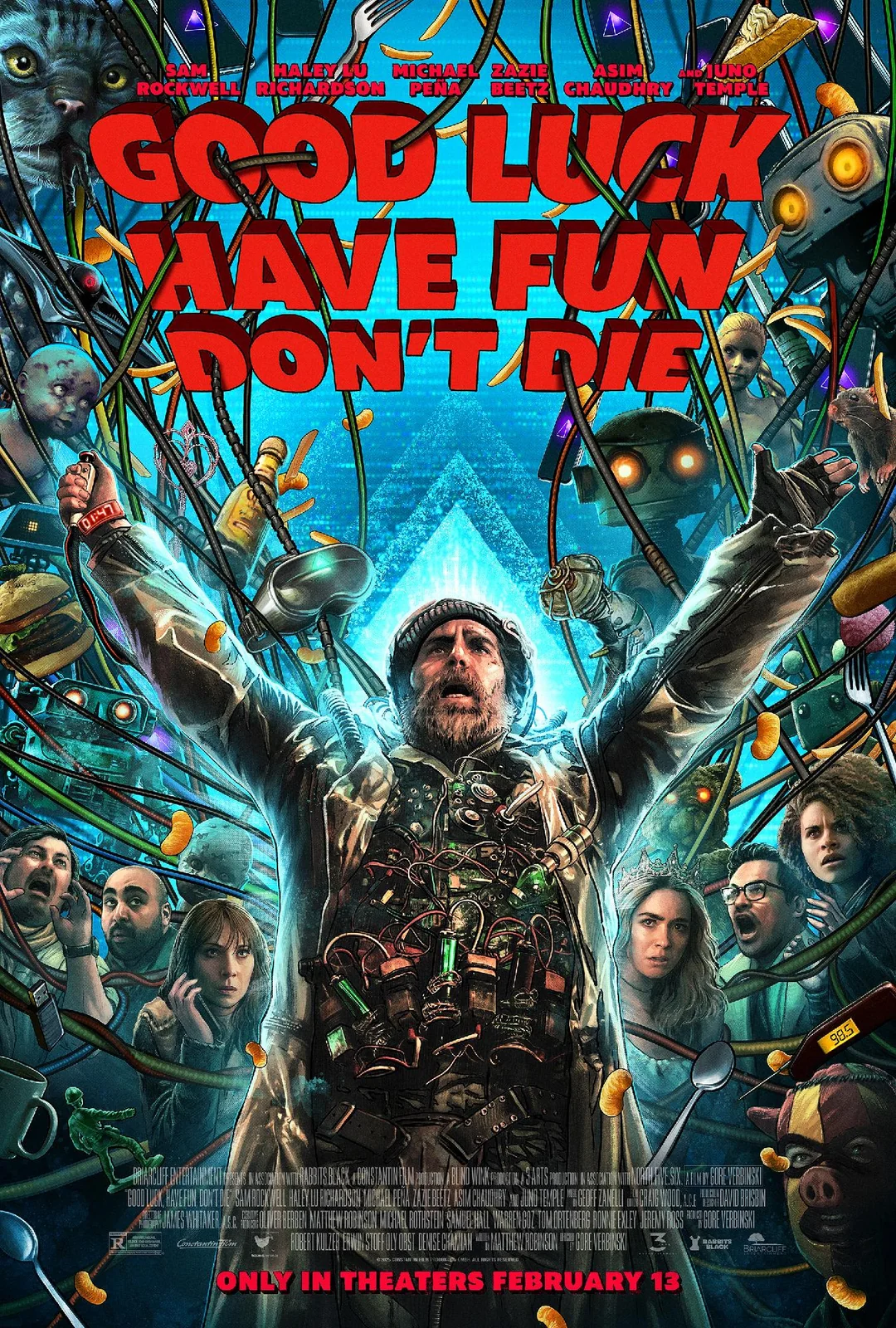
Image Credits
Select landscape/cityscape work my own photography. Smilla’s Sense of Snow is ITV, Resident Evil is Netflix, Good Luck Have Fun Don’t Die is Briarcliff.
Popular
-

Portraits of the Valley
-

LA’s Most Inspiring Stories
-

Robin Olive on Building an Inclusive Performing Arts Movement and Expanding Opportunities for Every Student
-

Que Johnson on Building Brands That Last: From Visibility to True Market Authority
-

Christina Wren Steps Into the Director’s Chair to Tell Stories That Feel Like Home
-
JordanL on ‘Breathe,’ Belief, and Building a Movement Beyond the Music


