




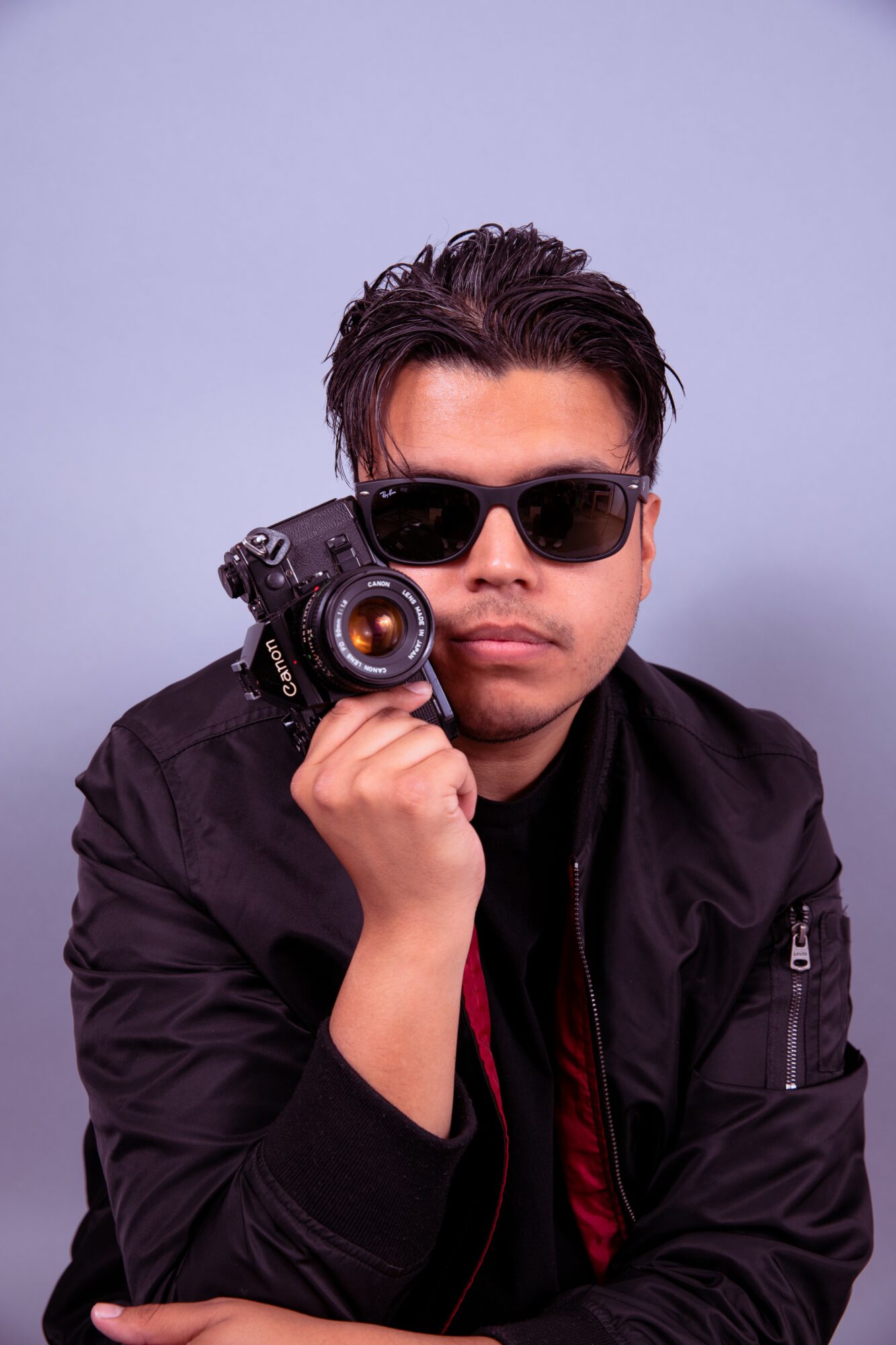
Today we’d like to introduce you to Christopher Cruz.
Hi Christopher, can you start by introducing yourself? We’d love to learn more about how you got to where you are today?
Hello, my name is Christopher Cruz, a Xicano photographer and I believe you are reaching out to talk about my photography and how my community has influenced my creative projects. Photography is the primary medium I use to get my socio-political views out into the world. I hold a B.A from the University of California, Davis. in Political Science and Public Service and English. Apart from my photography, I currently work as a program manager for a rapid rehousing program where we work to rapidly rehouse homeless families.
I think some backstory is necessary to go over before I jump into how I got into photography. When people ask me where I grew up I typically say the Eastside. I feel that it encompasses all of the communities that influenced my views and who I am today. Those communities that I spent the most time in are Boyle Heights, Montebello, East Los Angeles and these days I now include Lakewood.
I hold a deep pride for where I come from and where my family comes from. It influences every aspect of my life. We live in a time where our stories and collective history is under constant attack. We owe it to our ancestors not to forget their story and for the sake of posterity to resist all external forces that expect us to forget and assimilate.
I come from 4 generations of Angelenos just on my father’s side, beginning with my paternal-great-grandmother, born 1900, who immigrated to Los Angeles from Sonora, Mexico. On my mother’s side my maternal-grandparents settled in East Los Angeles after emigrating from Zacatecas, Mexico.
Early on I realized that my family’s history is cemented in the history of Los Angeles, particularly the Eastside. Starting with my paternal-great-grandmother, Ernestina Gomez Cruz, born 1900. She was one of the first vendors at Olvera Street and a picture of her can be found in the book, “Los Angeles’s Olvera Street” by William D. Estrada.. In addition to my great-grandmother I have spoken at length about my paternal-grandfather, Manuel Gomez Cruz. I touched on various aspects of his legacy in a Medium article, “My Grandfather: The Chicano Folk Artist of Boyle Heights and East L.A.”. My family recently donated a number of his works to Cal State LA’s Special Collections and Archives.
With that backstory provided and to make an already long story short, I took up photography as a way to preserve my family’s history. I started with my paternal-grandfather’s murals. In 2017 there were 3 still on display within East Los Angeles and Boyle Heights. Today 2 remain on display. I purchased a semi-professional camera in 2020 and started to photograph everything.
For a while I was fixated on photographing what most people would likely find mundane, and at that point-in-time, uninteresting to the vast majority of people. These images were often of store fronts, random people on the street, cars passing by, restaurants. This soon shifted to more personal street-portraits. I would see someone I thought looked interesting, stop them, and ask if I could take their portrait. Old, young, male, female, didn’t matter. Earlier I said these photographs were uninteresting when I took them because I knew their appreciation would take time to accrue. At that time I recognized that gentrification, redevelopment, and displacement can at times occur rapidly and aggressively and at other times we experience subtle, gradual changes that take a community years to notice. Both types cause harm to the community.
Photographers hold a lot of power when it comes to telling the story of a community. You’re telling the story of who lived there, what activities people were involved with, and how all of these things are in conversation with each other. While photographing my community I thought of it as a tool to shift the narrative of what is a Chicana/o. Too often in mainstream media the idea of a Chicana/o is strictly tied to the image of the Chola/o. I recall a Chicano studies class I took at UC Davis where the professor started the class by searching up the word “Chicano” on Google Images. The vast majority of the images that populated were of Chola/o imagery. But even prior to this course I had always felt that the general idea of “Chicano” did not mirror me or my friends and family. I thought I could use photography to get viewers to see that Chicanismo goes goes beyond the chola/o. For a while I mistakenly avoided photographing low-riders, chola/o presenting people. This changed because I recognized that I was doing a disservice in documenting my community. Going back to the socio-political nature of my photography, I realized that it’s the chola/o presenting people in my community that are targeted by the police and more often than not, the ones killed by the police. All of this is to say that my photography has gone through some changes. I’m constantly questioning what I’m shooting, why I’m shooting, and how I can best tell the story I want to tell with the images I’m creating.
I’m sure it wasn’t obstacle-free, but would you say the journey has been fairly smooth so far?
I haven’t encountered too many obstacles primarily because I have a full time job that pays my bills and helps fund my passion for photography. I think the only obstacles are the social media algorithms. I’ve had certain political themed posts result in low engagement.
Appreciate you sharing that. What else should we know about what you do?
I don’t have a specific image that I’m most proud of but I would say I’m most proud of the reaction and support I receive from my community. I’ve sold a number of photographic prints and silk screen prints that I created using my images. I’ve also been asked to do work for people (both paid and volunteered). I get really excited when I have an idea for something and the finished work resonates with others. That tells me that the propaganda is working.
What quality or characteristic do you feel is most important to your success?
Telling authentic stories that are not exploitative. If I’m going to share someone’s plight it’s going to be so that I can help shine a light on whatever injustice is happening to that person or family. I don’t want to tell people not to make money off of their work but I can say for certain that any money I’ve made selling photographs or prints goes right back into creating more in the form of camera gear, stickers, etc. Thankfully I work in a field that is soul-nourishing so I am able to sell my photographs and prints for fairly cheap.
Pricing:
- I usually sell my photographs and silk screen prints for around $30, give or take.
Contact Info:
- Website: https://new.express.adobe.com/webpage/FX29VLnh3Uz4o
- Instagram: https://www.instagram.com/eastlosheart/
- Other: https://medium.com/@EastLosHeart
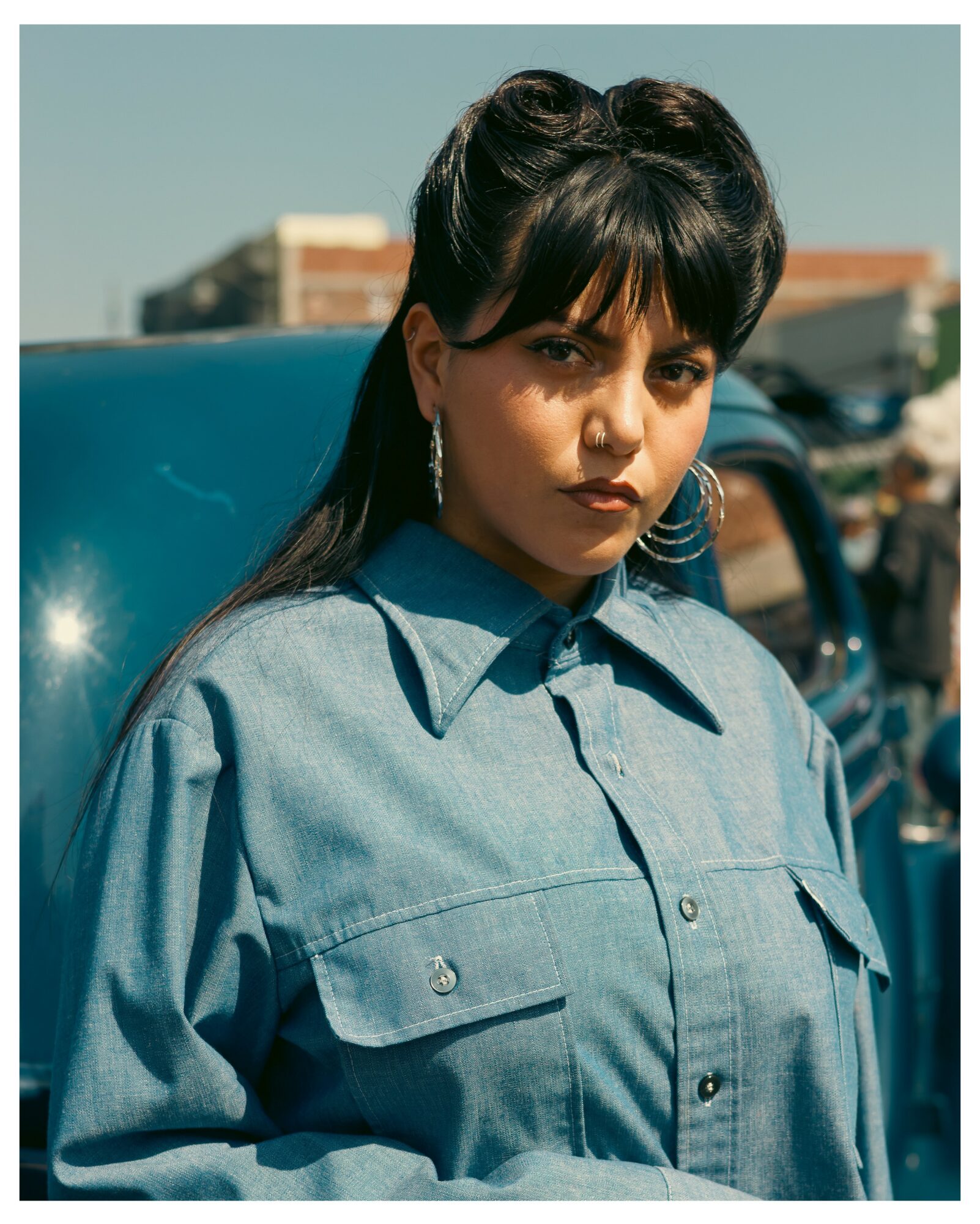
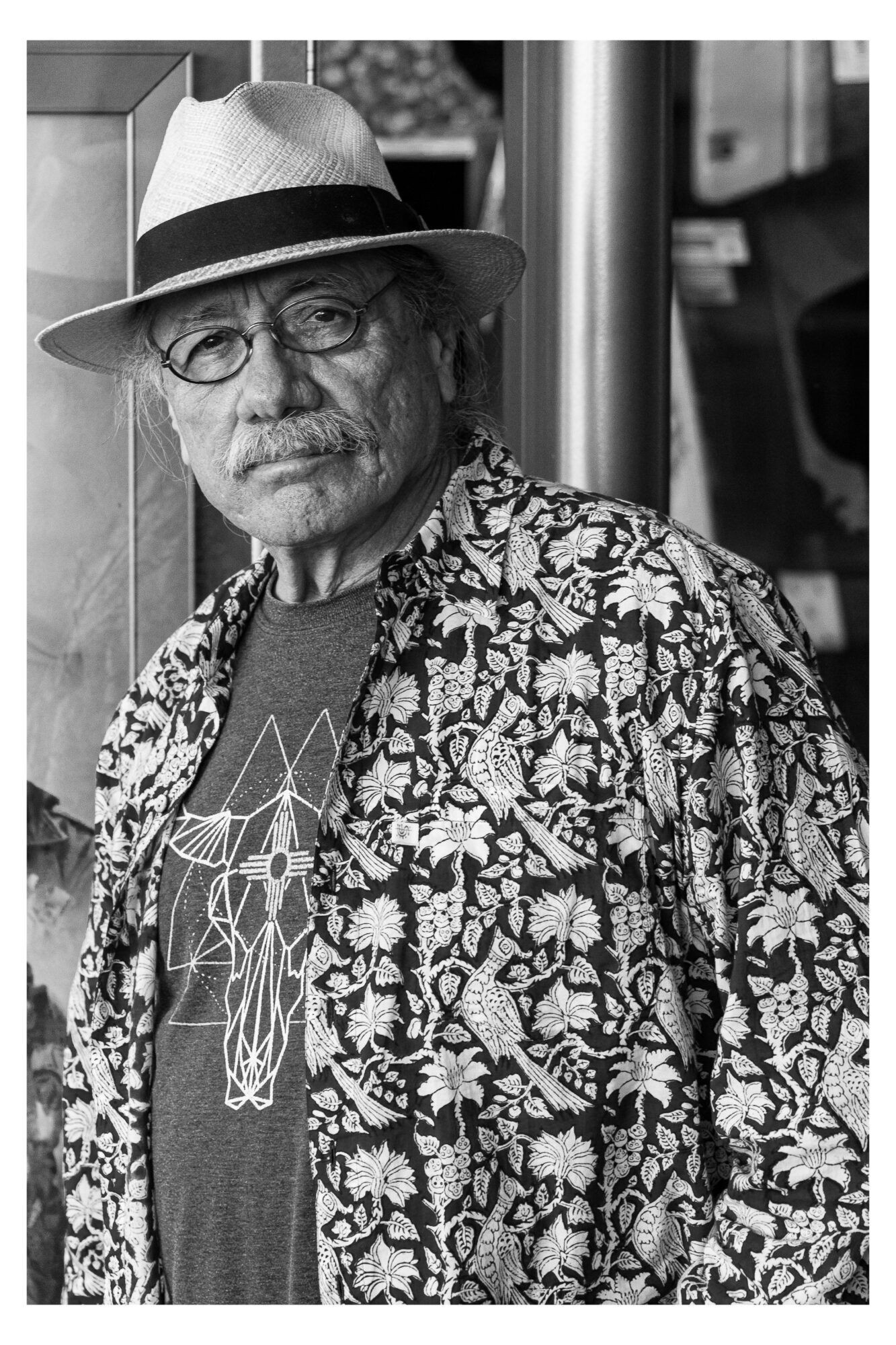
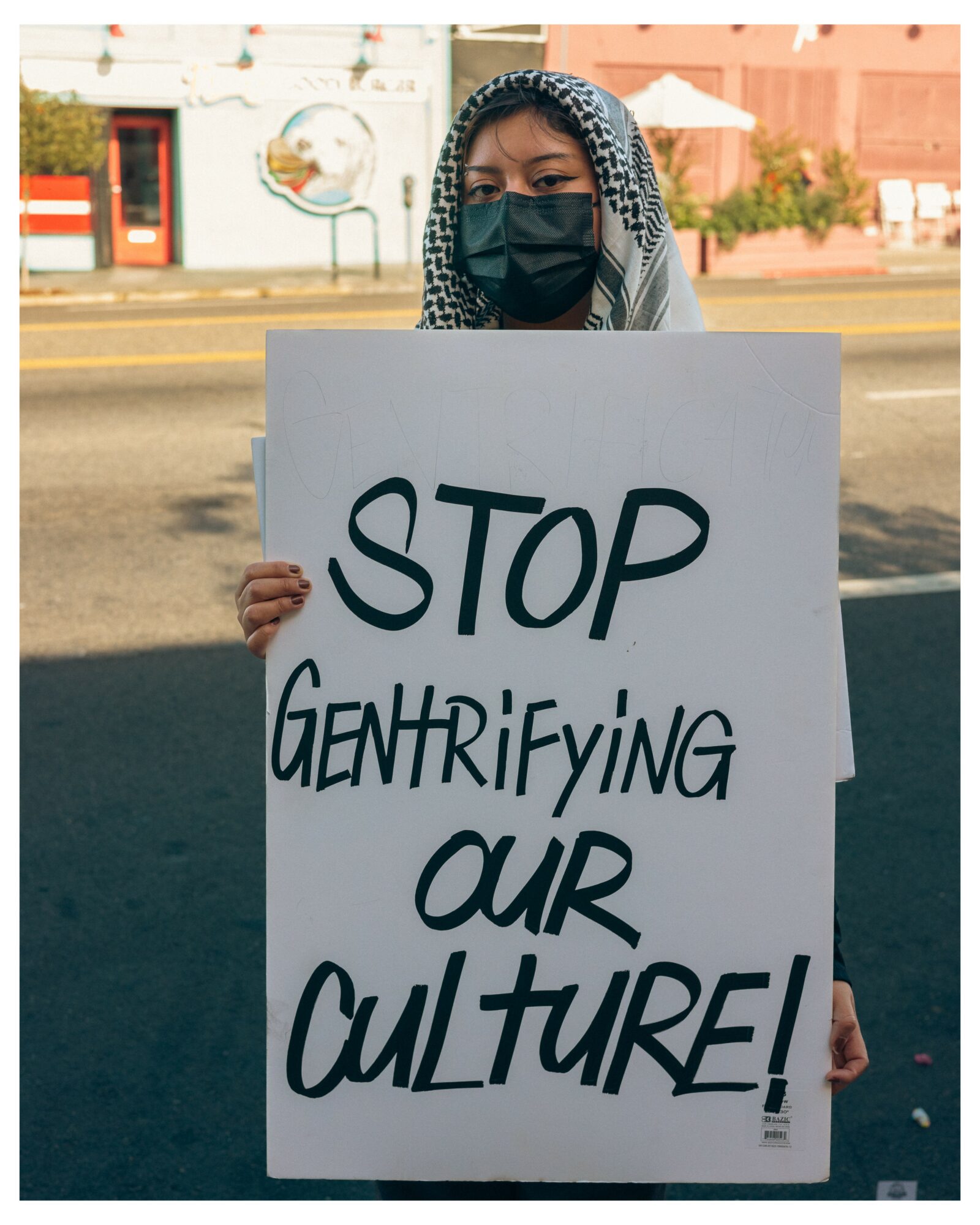
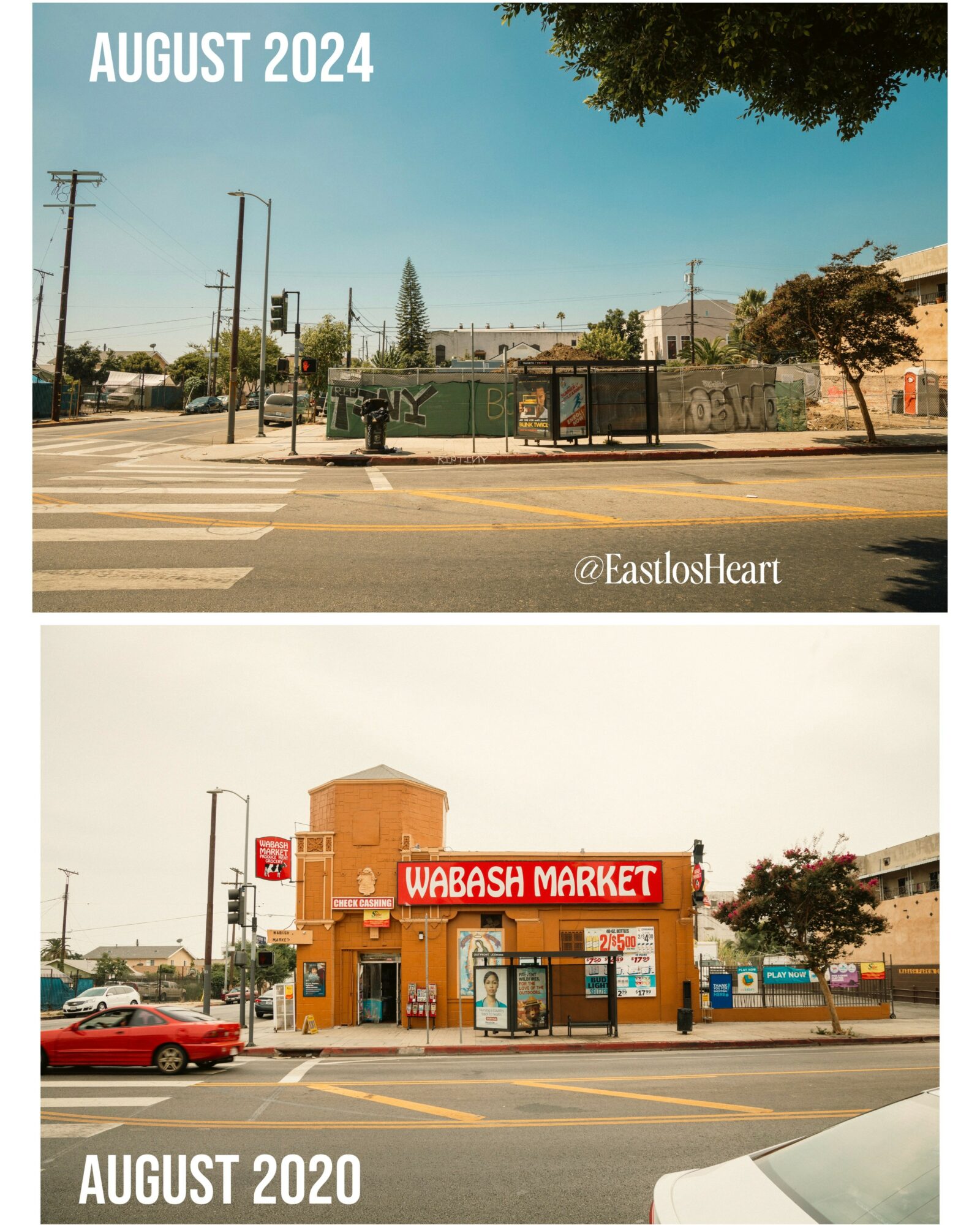
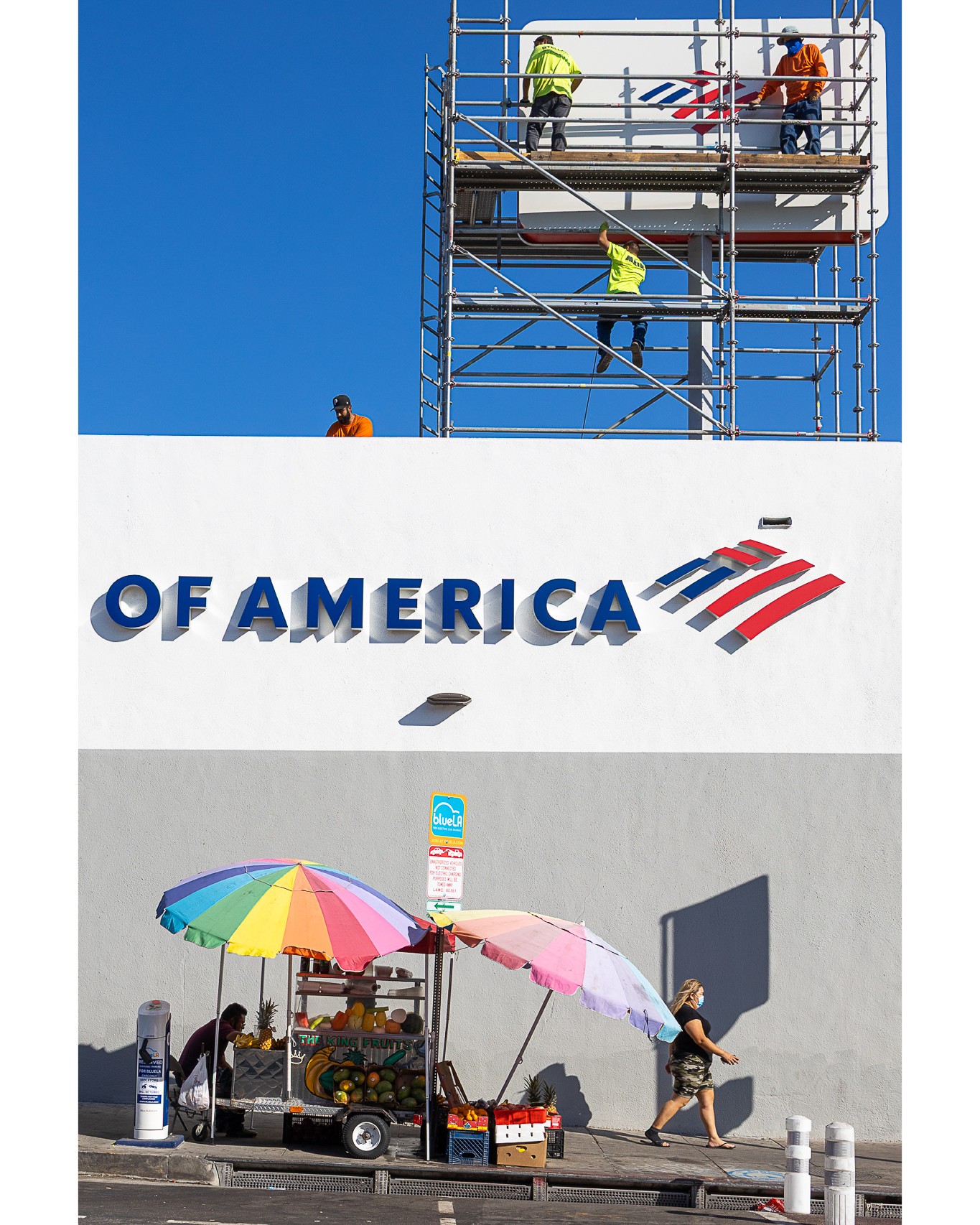
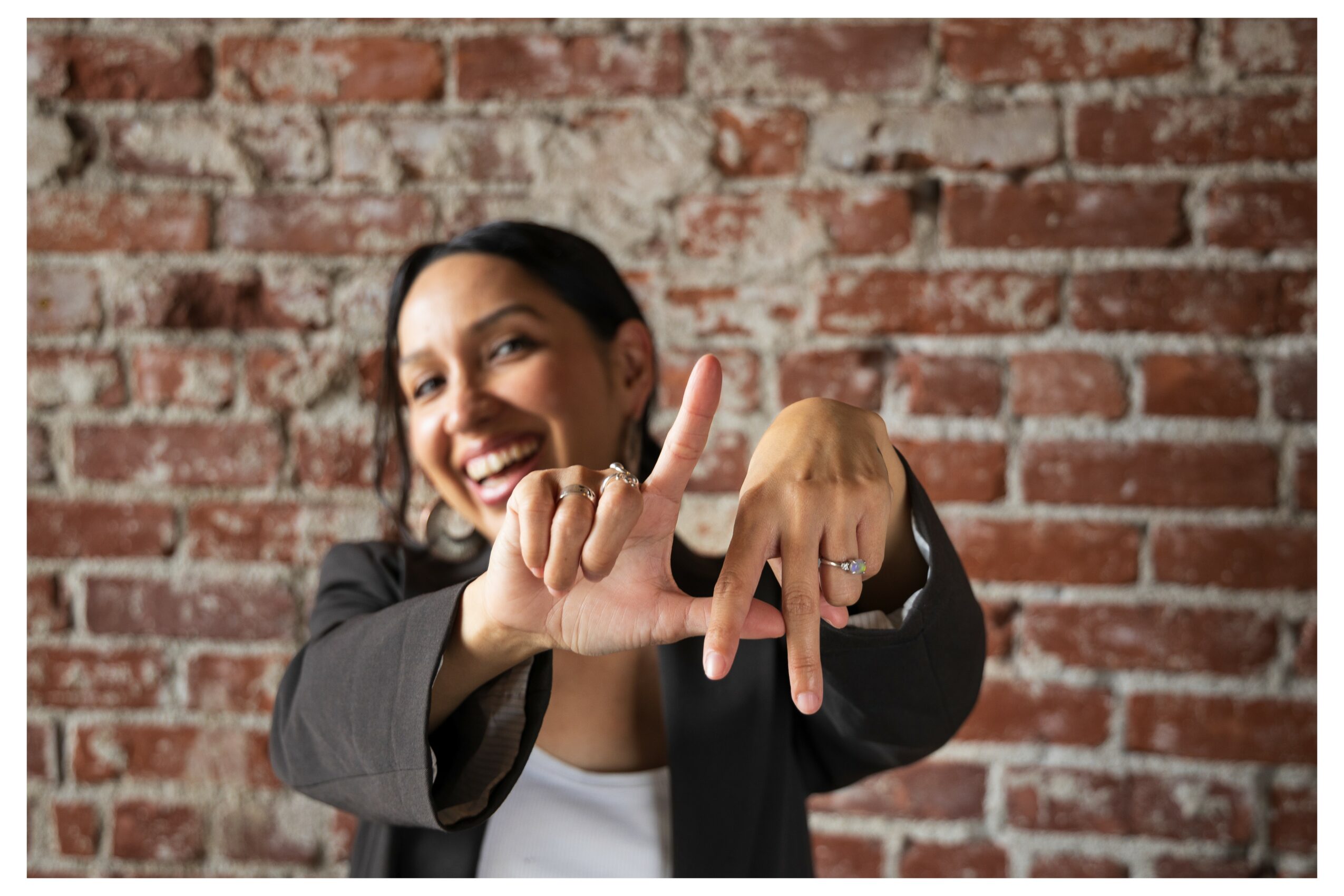
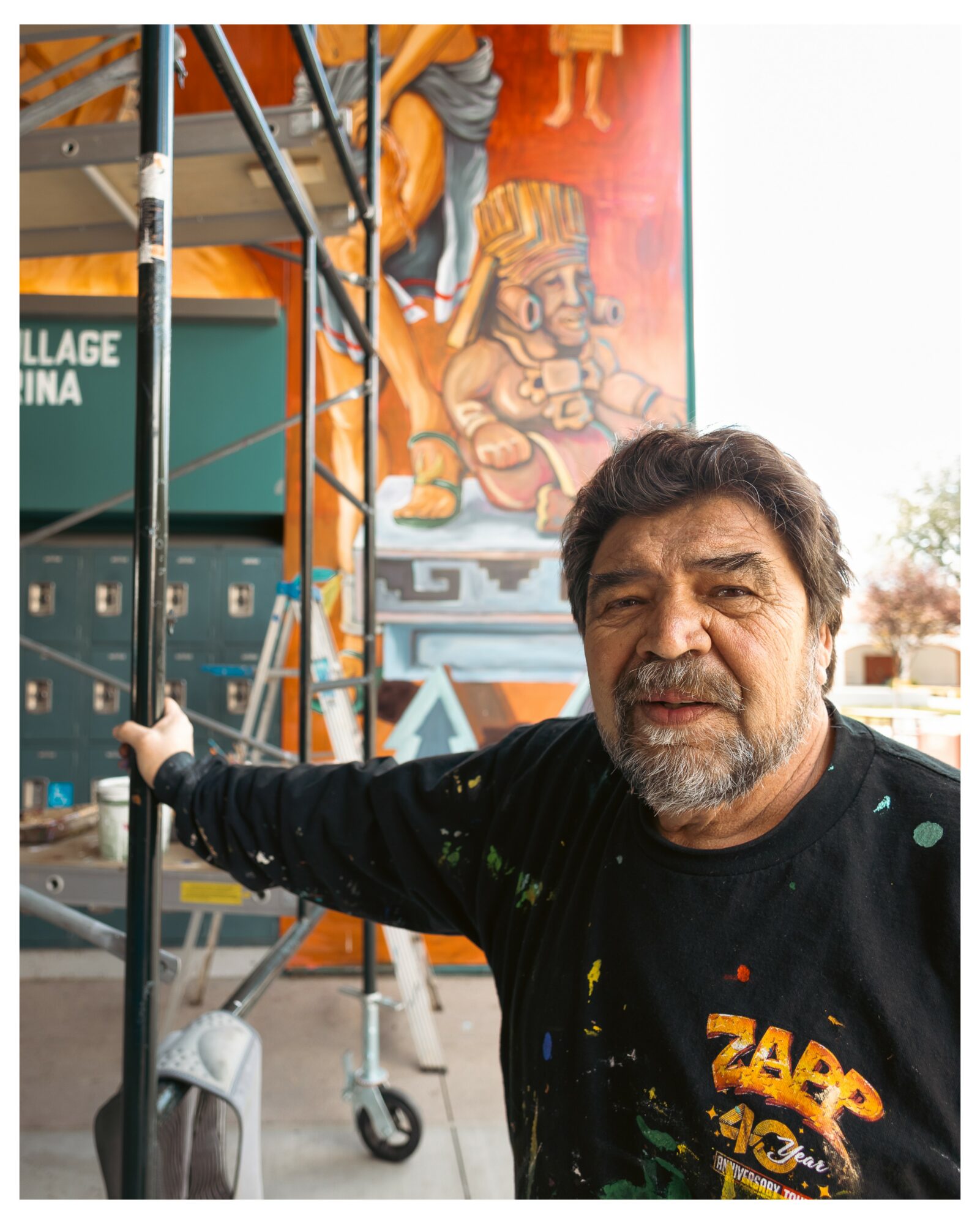
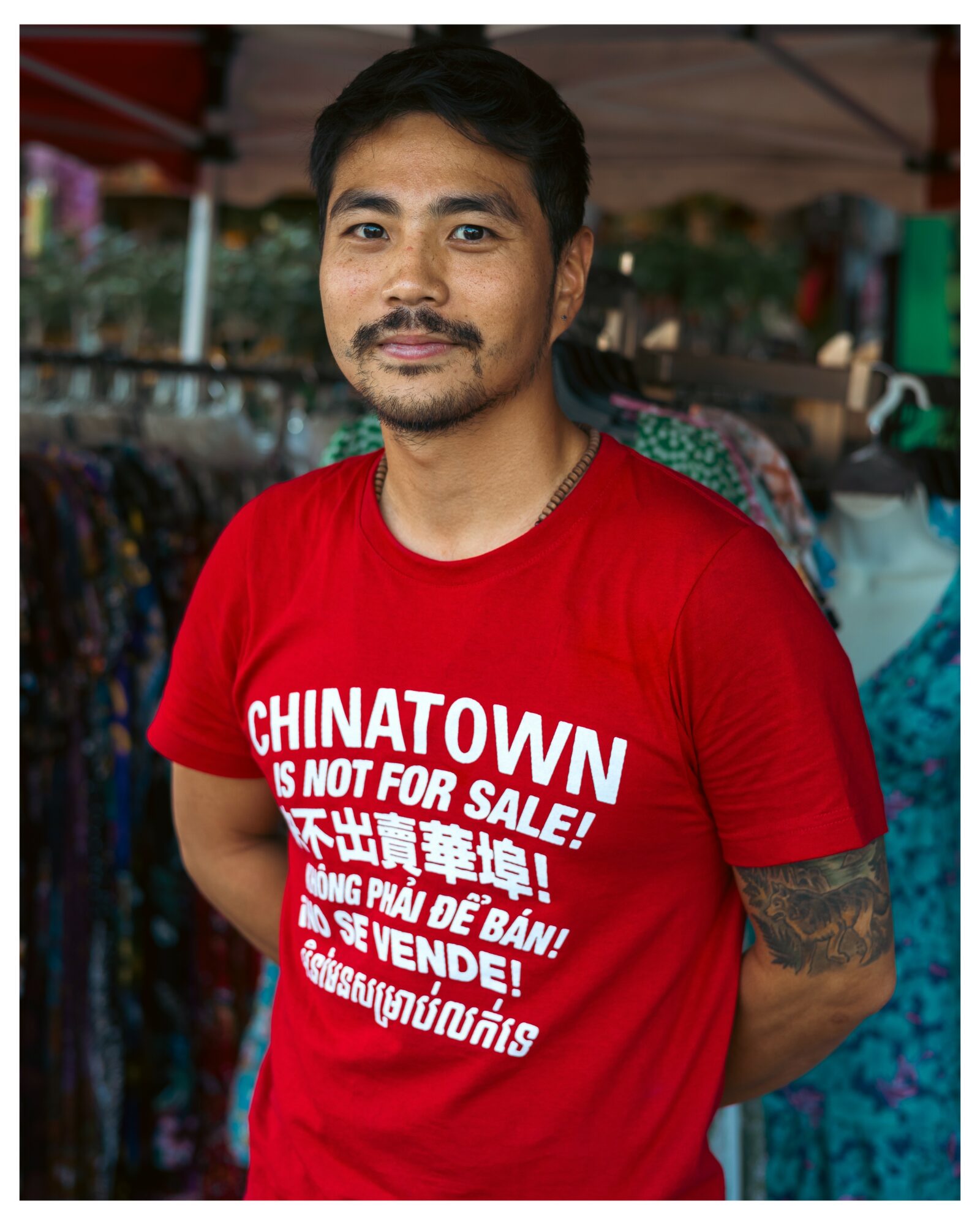
Image Credits
I took all of the images shared with you except the portrait of me. That was taken by Wendy Cubillo @Wendy.Cubillo on Instagram.
Popular
-

Portraits of the Valley
-

LA’s Most Inspiring Stories
-
Robin Olive on Building an Inclusive Performing Arts Movement and Expanding Opportunities for Every Student
-

Que Johnson on Building Brands That Last: From Visibility to True Market Authority
-
Christina Wren Steps Into the Director’s Chair to Tell Stories That Feel Like Home
-
JordanL on ‘Breathe,’ Belief, and Building a Movement Beyond the Music


