




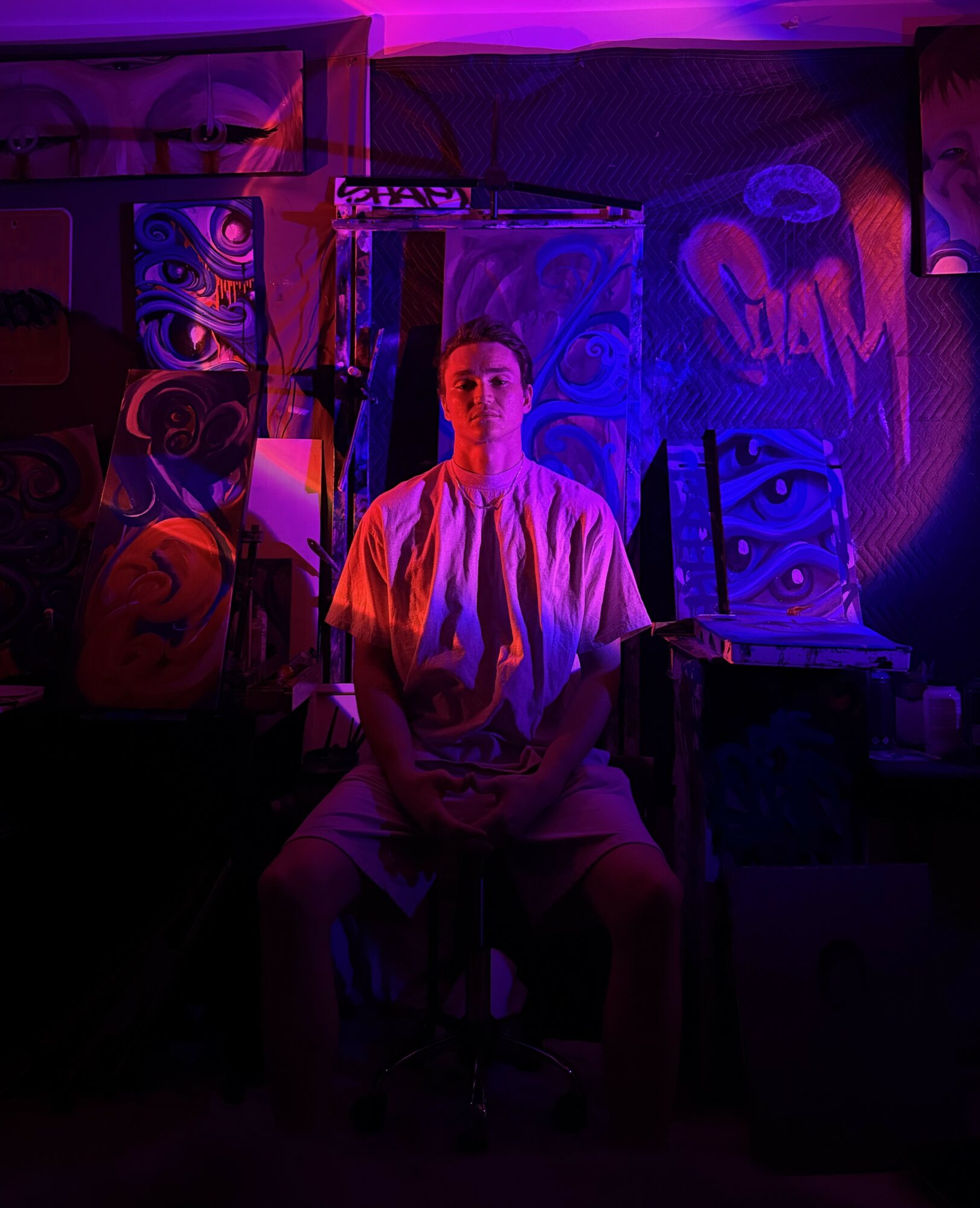
Today we’d like to introduce you to Chase Smith.
Hi chase, it’s an honor to have you on the platform. Thanks for taking the time to share your story with us – to start maybe you can share some of your backstory with our readers?
I’m a self-taught visual artist based in Long Beach, working under the name SHAM / Sham Labs. I started drawing before I had language for most of what I was feeling. For a long time, art was private — sketchbooks, loose pages, writing, symbols, things I made because I didn’t know where else to put the pressure.
Over time, that private work became a full visual world. Paintings, zines, street photography, process videos, handwritten text, and documented fragments of my life all started connecting into the same archive. I wasn’t trying to build a brand at first. I was trying to survive honestly enough that the work stayed real.
A recurring symbol in my paintings is an eye-like mark I call “The Watcher.” It represents self-awareness, surveillance, intuition, and the strange feeling of being both inside your life and outside of it, observing everything. That symbol became the center of my visual language because so much of my work deals with being seen, being judged, and still choosing to reveal yourself anyway.
Over the past year, I’ve taken that private world and made it public. Sham Labs has grown into a living archive of paintings, sketchbooks, writing, videos, and mythology built around survival, pressure, identity, fatherhood, recovery, and the need to keep going before life feels stable. I’ve built an audience by showing not just finished work, but the process, the mess, the uncertainty, and the discipline behind it.
Most recently, that work led to a residency opportunity with Black Book Gallery, which has been a major step in bringing Sham Labs from an online archive into a physical gallery environment. Seeing the work exist off-screen has been important to me because the scale, texture, and atmosphere of the pieces are a huge part of the experience. It is one thing to see the work digitally. It is another thing to stand in front of it and feel the weight of where it came from.
Where I am today is still the beginning, but it is no longer casual. I’m building Sham Labs into a recognizable body of work: emotionally honest, symbolic, process-driven, and rooted in the reality of trying to turn your life into something meaningful while you are still in the middle of it.
Can you talk to us a bit about the challenges and lessons you’ve learned along the way. Looking back would you say it’s been easy or smooth in retrospect?
No, it has not been a smooth road. A lot of my work comes from trying to build something meaningful during unstable seasons, not after them. I’ve dealt with financial pressure, personal loss, legal and family challenges, and the difficulty of turning an art practice into a real career without a traditional roadmap or safety net.
One of the hardest parts has been learning that being an artist does not stop at making the work. I’m also building the brand, running the website, making products, filming content, editing videos, writing copy, packaging orders, applying to opportunities, documenting the process, and learning how to turn attention into actual support. That part has been humbling because talent alone does not keep the lights on. You have to learn how to build the structure around the work.
At the same time, those challenges are what gave the work its honesty. I don’t make clean, decorative art because my path has not been clean or decorative. The pressure, uncertainty, grief, and responsibility became part of the visual language. The goal now is not to remove the chaos, but to refine it into something disciplined, recognizable, and useful to other people trying to keep going through their own version of it.
Can you tell our readers more about what you do and what you think sets you apart from others?
I make work about what it feels like to live under pressure and still try to become something. My practice moves between painting, drawing, zines, writing, street photography, and video documentation, but the center of it is always the same: turning internal chaos into something visible.
The Watcher is the symbol people usually recognize first. It is an eye-like figure that appears across my paintings and sketchbooks, but it is not just a logo. It represents the part of us that is always observing — the part that notices fear, survival, ambition, shame, intuition, and the strange feeling of watching yourself become someone in real time.
What sets my work apart is the way I treat the process as part of the final piece. The sketchbooks, the writing, the studio mess, the failures, the public documentation, the finished paintings — all of it belongs to the same world. I am not only trying to make individual artworks. I am building a mythology around survival, self-awareness, and the act of continuing anyway.
What I’m most proud of is that people can recognize the work now. Not just the symbol, but the emotional temperature of it. It feels alive because it comes from a real place.
What has been the most important lesson you’ve learned along your journey?
The most important lesson I’ve learned is that waiting to feel ready will steal your life quietly. Most people do not fail because they lack talent. They fail because they keep postponing the version of themselves that would actually take the risk.
I had to learn how to build while things were still unstable. While I was broke. While I was afraid. While I was figuring out how to be a father, an artist, a business, and a person at the same time. The chaos did not disappear first. I had to learn how to move inside it.
Art taught me that honesty is stronger than polish. The work people connect with most is usually not the piece where I tried to look impressive. It is the piece where I told the truth clearly enough that someone else could recognize themselves in it.
I’ve also learned that talent is only the entry fee. Discipline, consistency, communication, documentation, and the willingness to fail publicly matter just as much. Building an art career means learning how to create, share, sell, adapt, and still come back the next day.
The biggest lesson is this: you do not become ready first. You become ready by continuing.
Pricing:
- Original paintings: generally $300–$3,000+ depending on size, medium, and significance of the piece
- Limited prints: generally $20–$150 depending on size, edition, and finish
- Zines / artist books: generally $10–$40 depending on format and edition
- Sticker packs and smaller goods: generally $5–$25
- Commissions / murals: priced by scope, scale, materials, location, and timeline upon request
Contact Info:
- Website: https://artbysham.com/
- Instagram: https://instagram.com/sham.labs
- Youtube: https://www.youtube.com/@Artbysham
- Other: https://peoplesartist.org/chase-smith-M94U
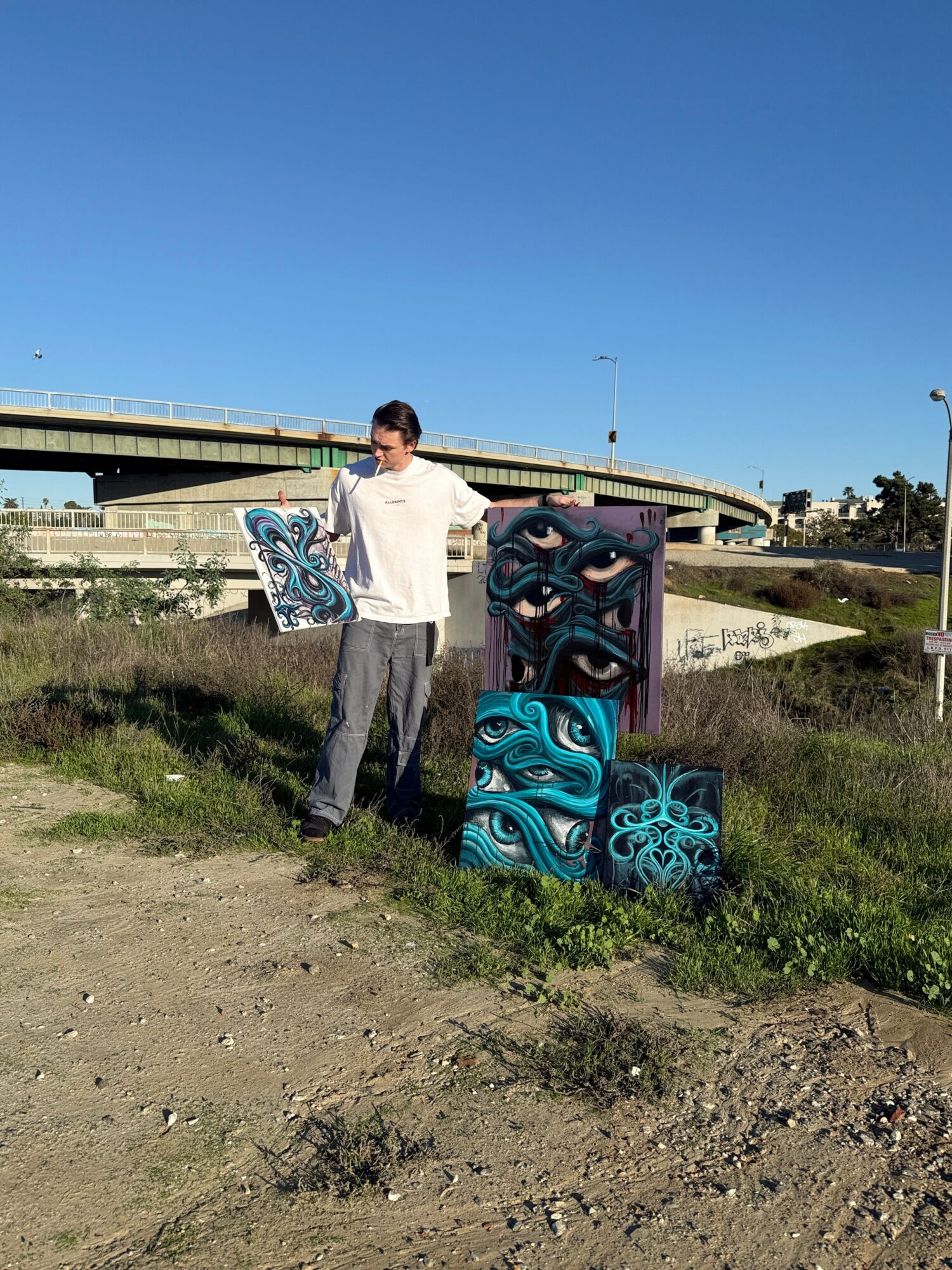
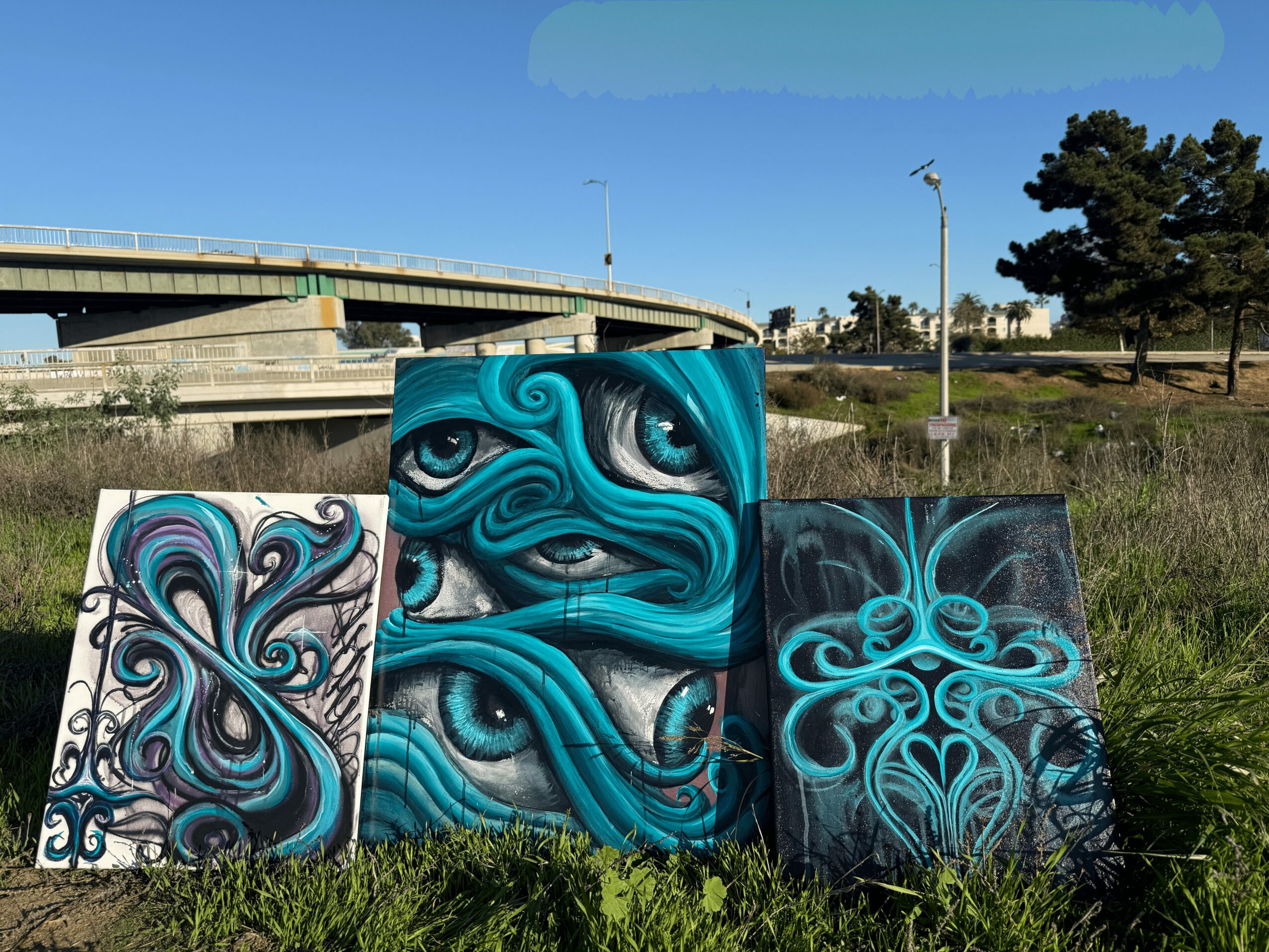
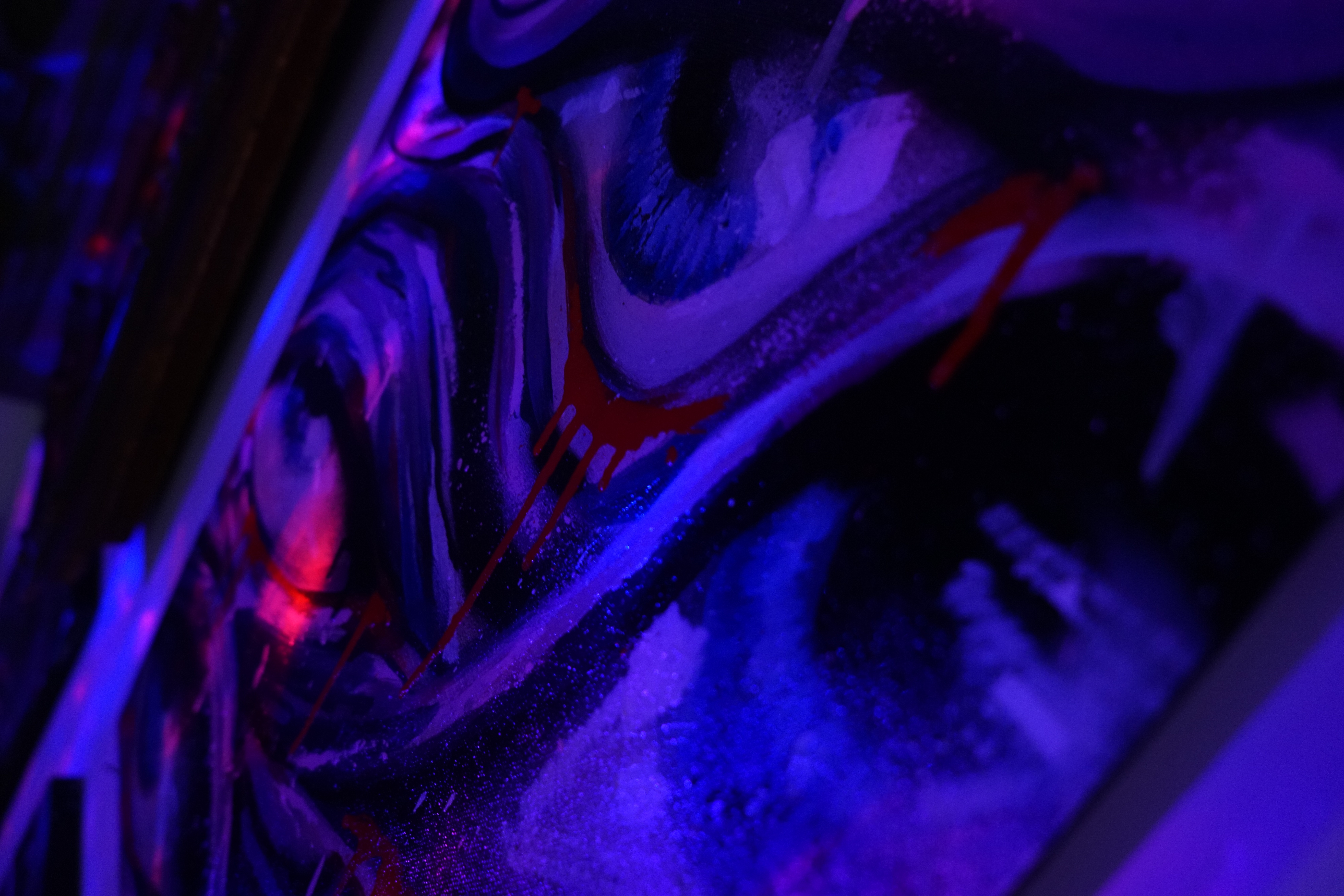
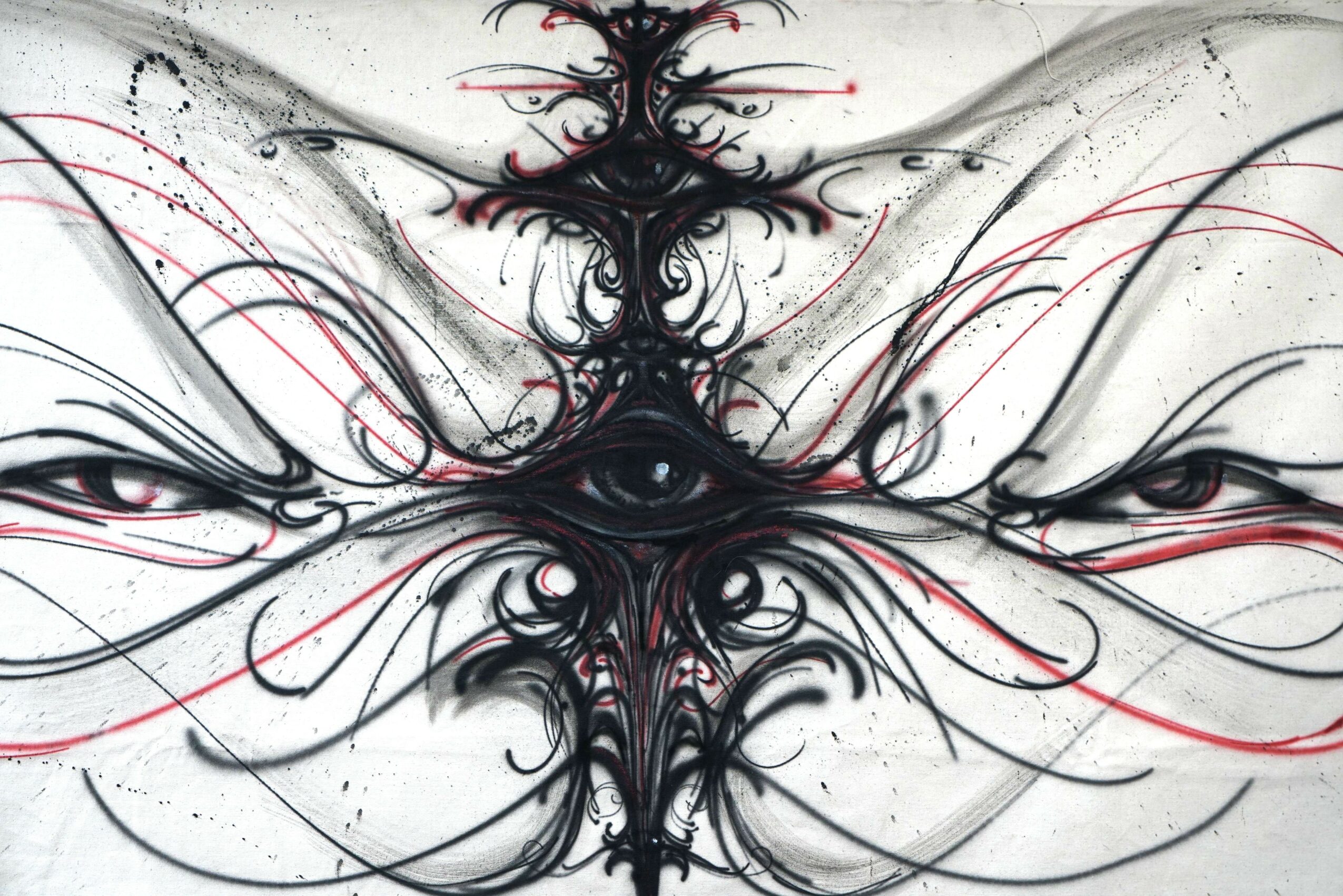
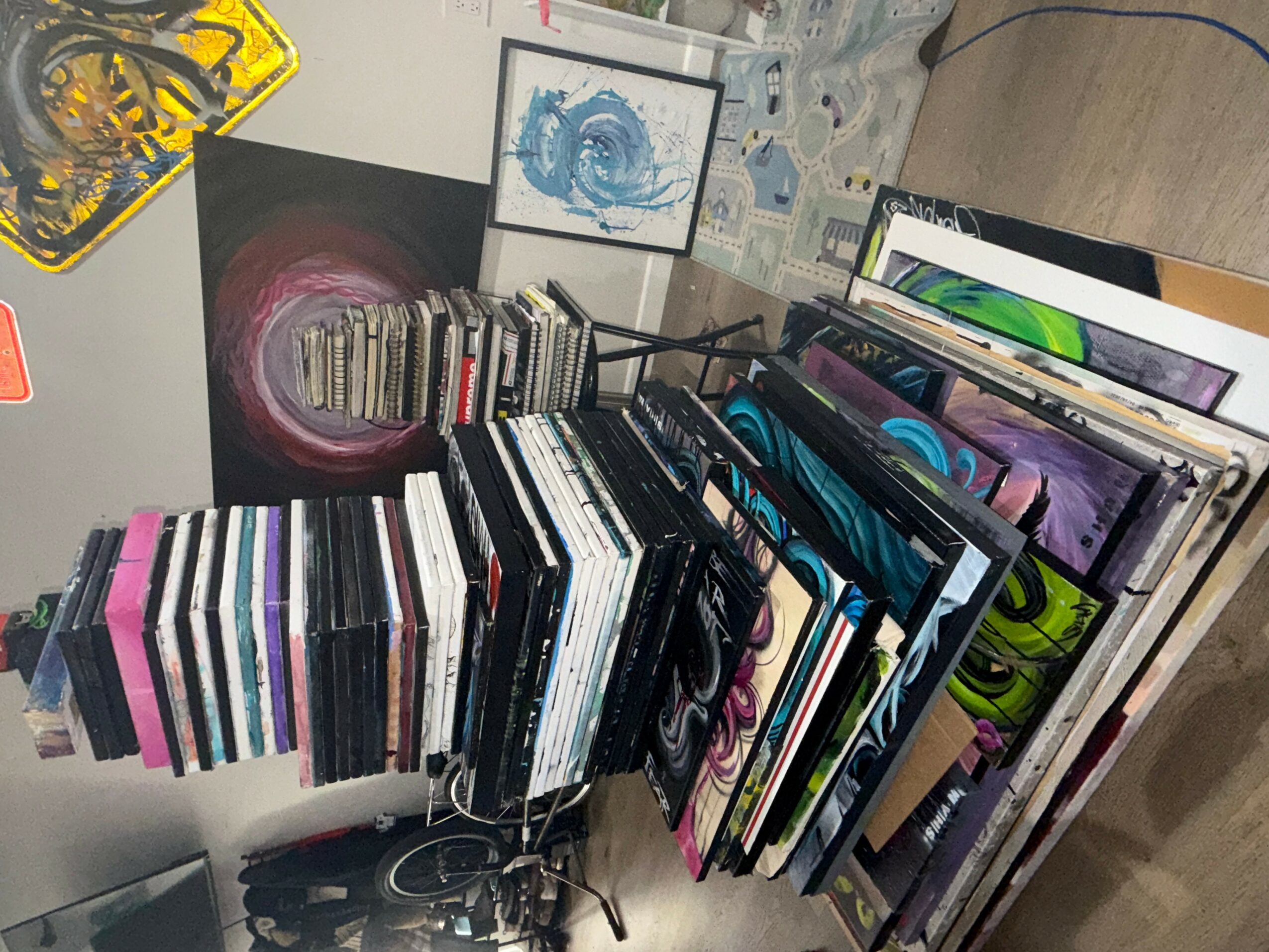
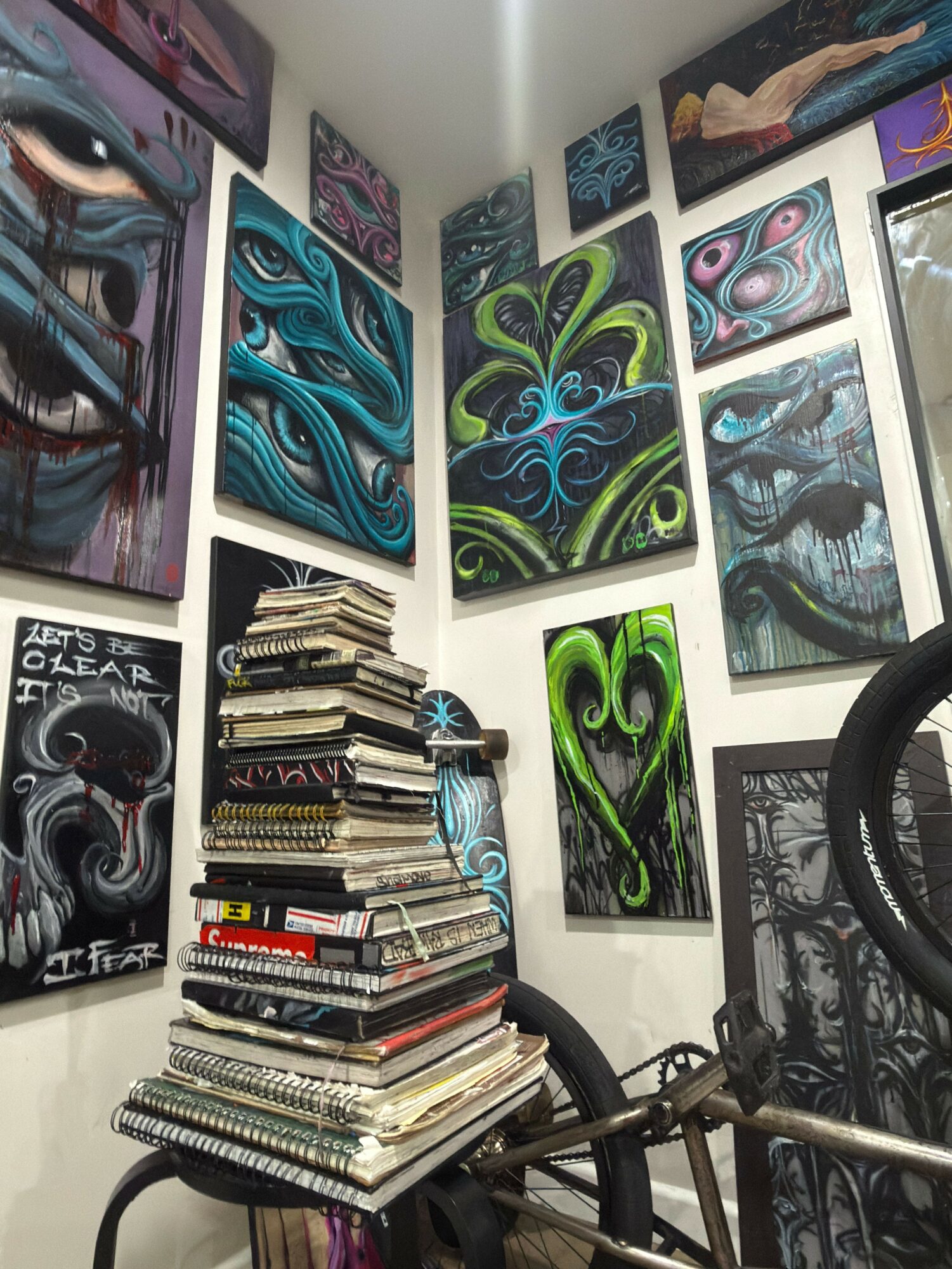
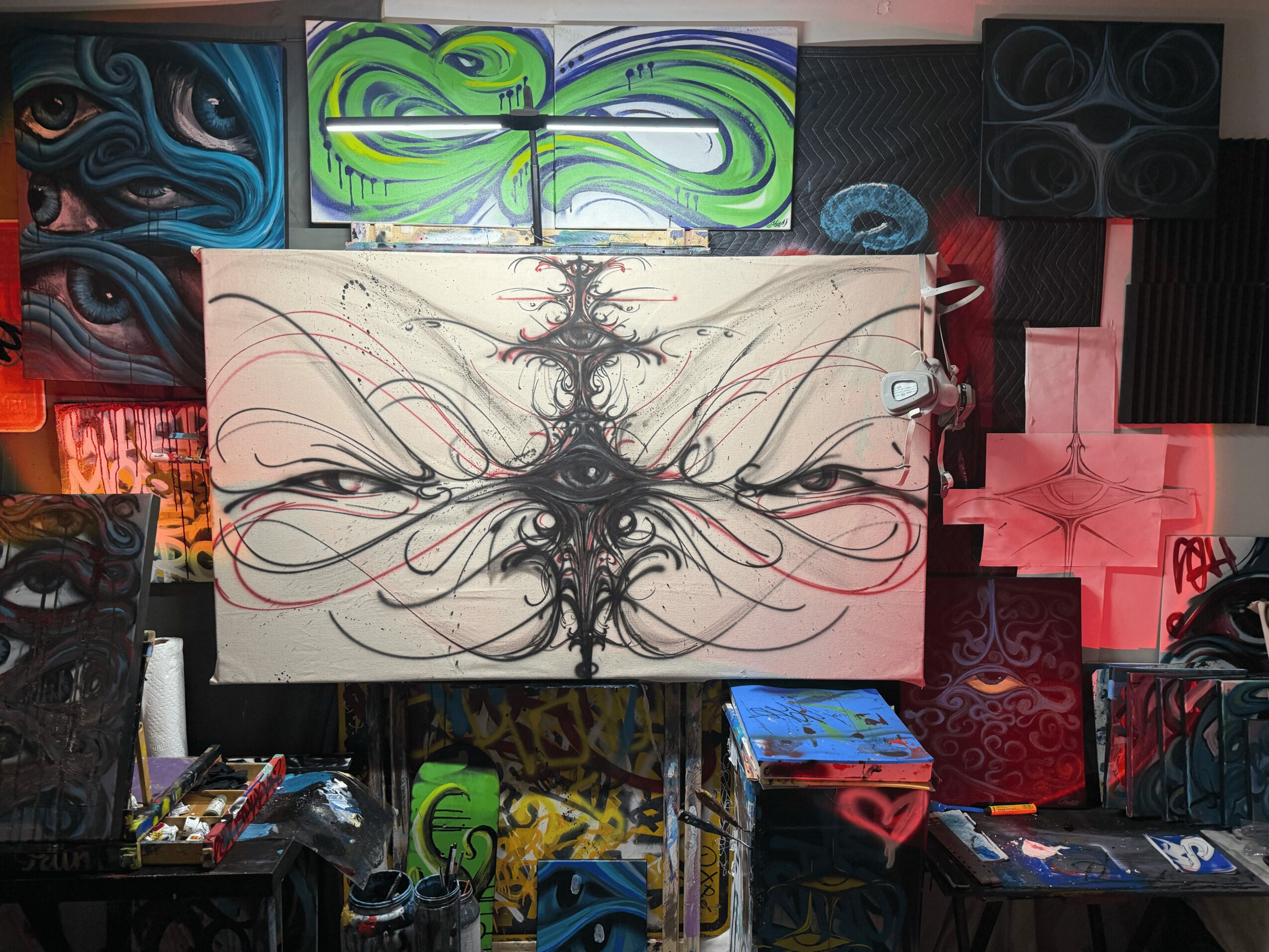
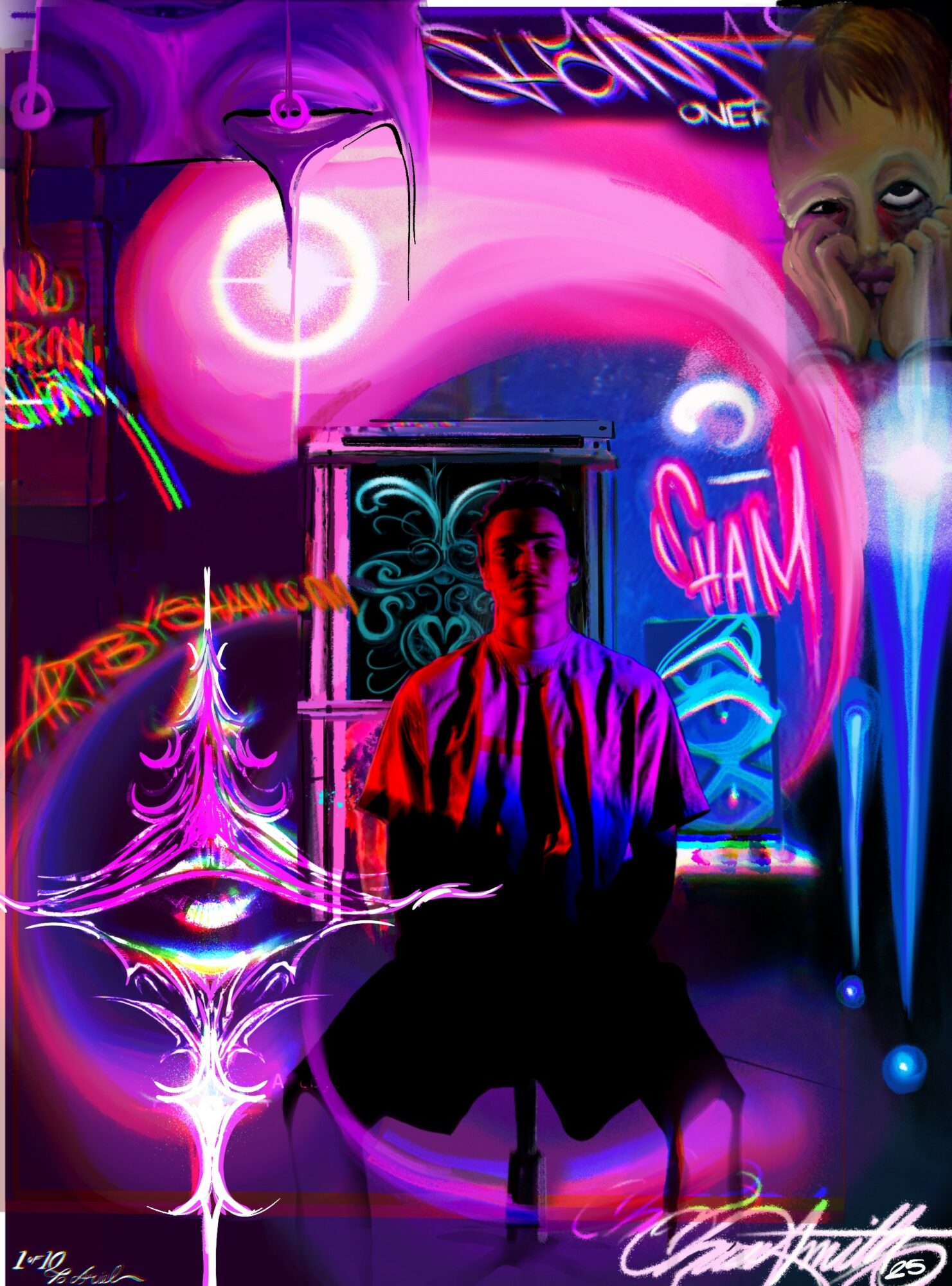
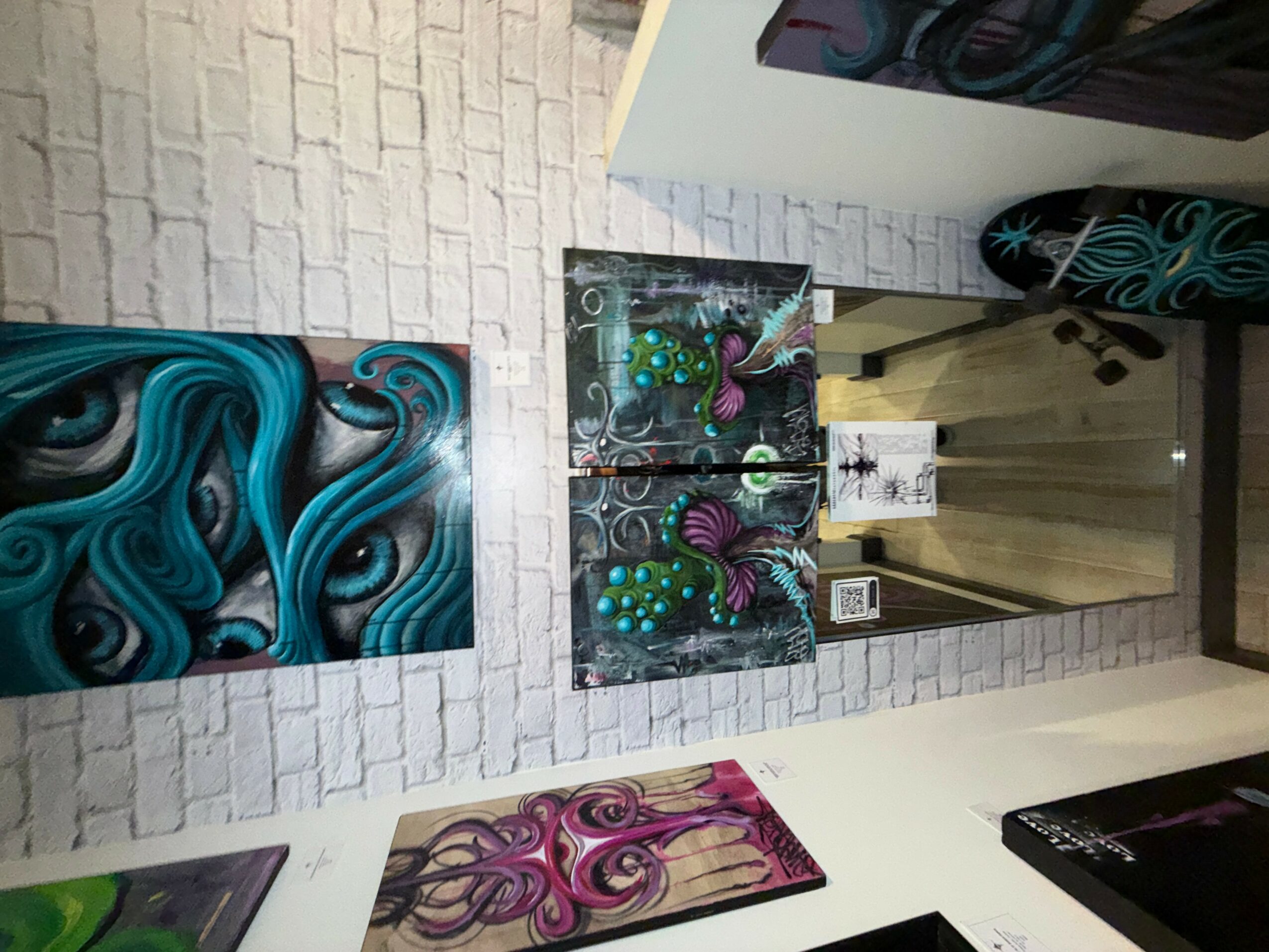
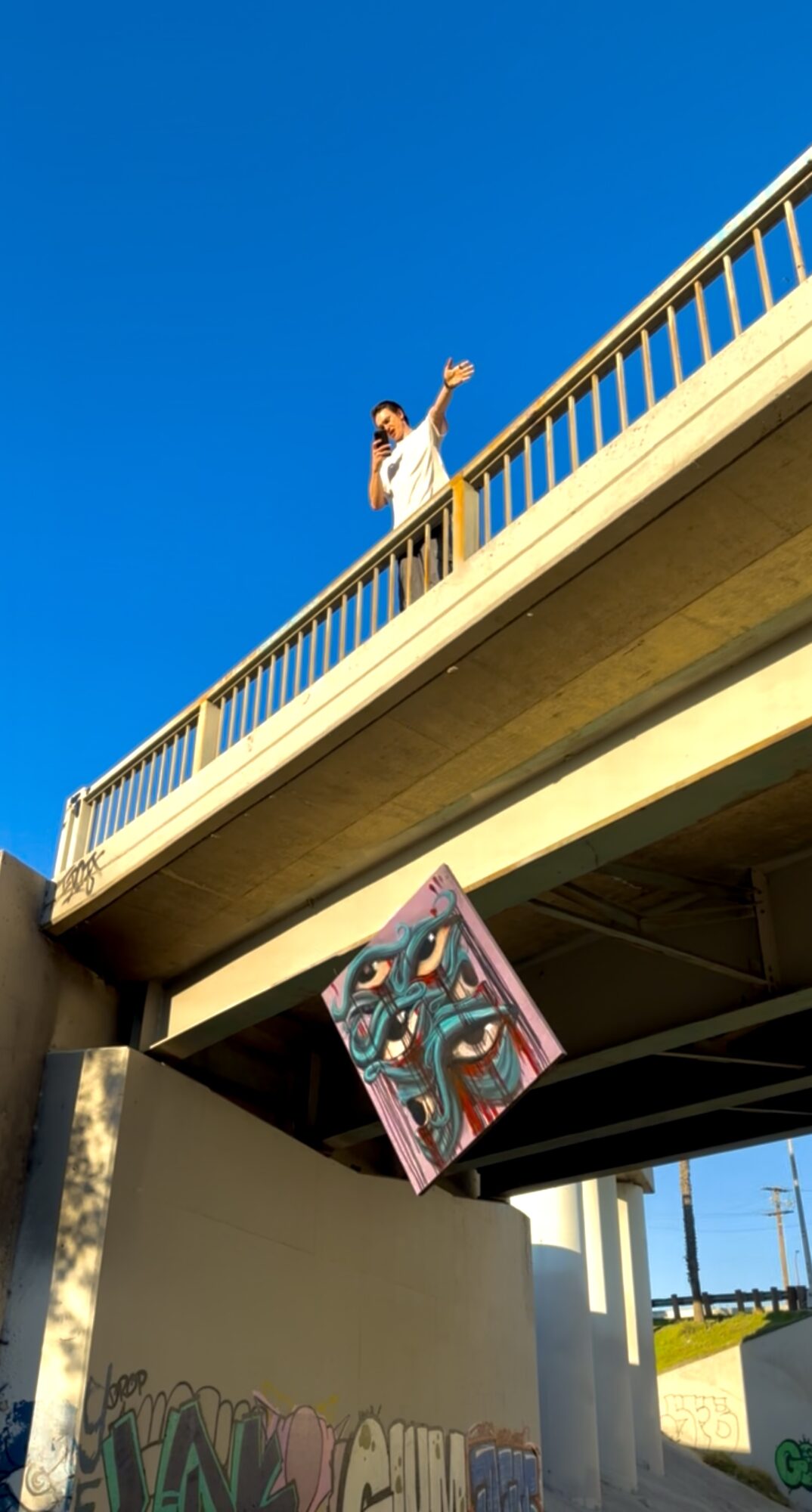
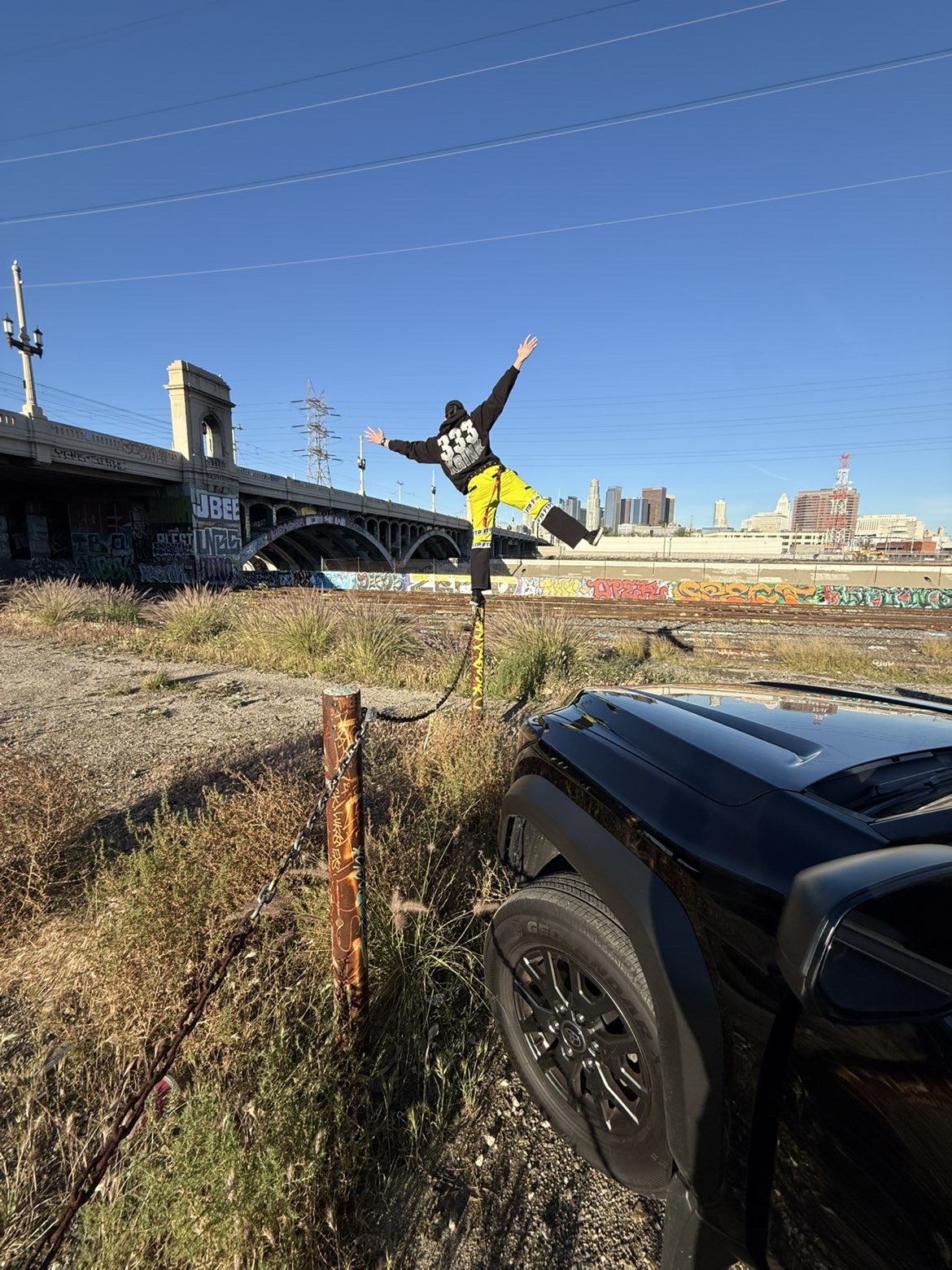
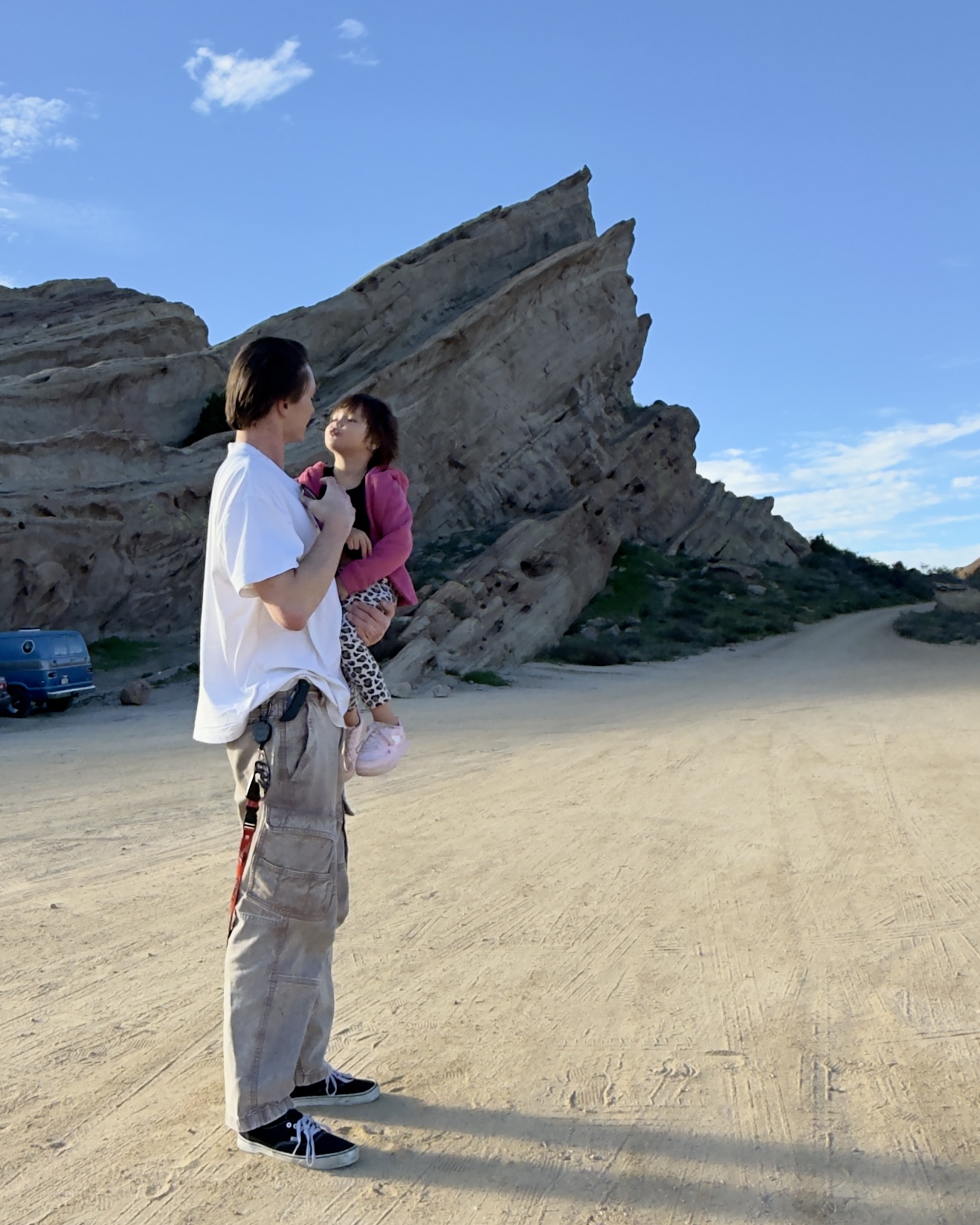
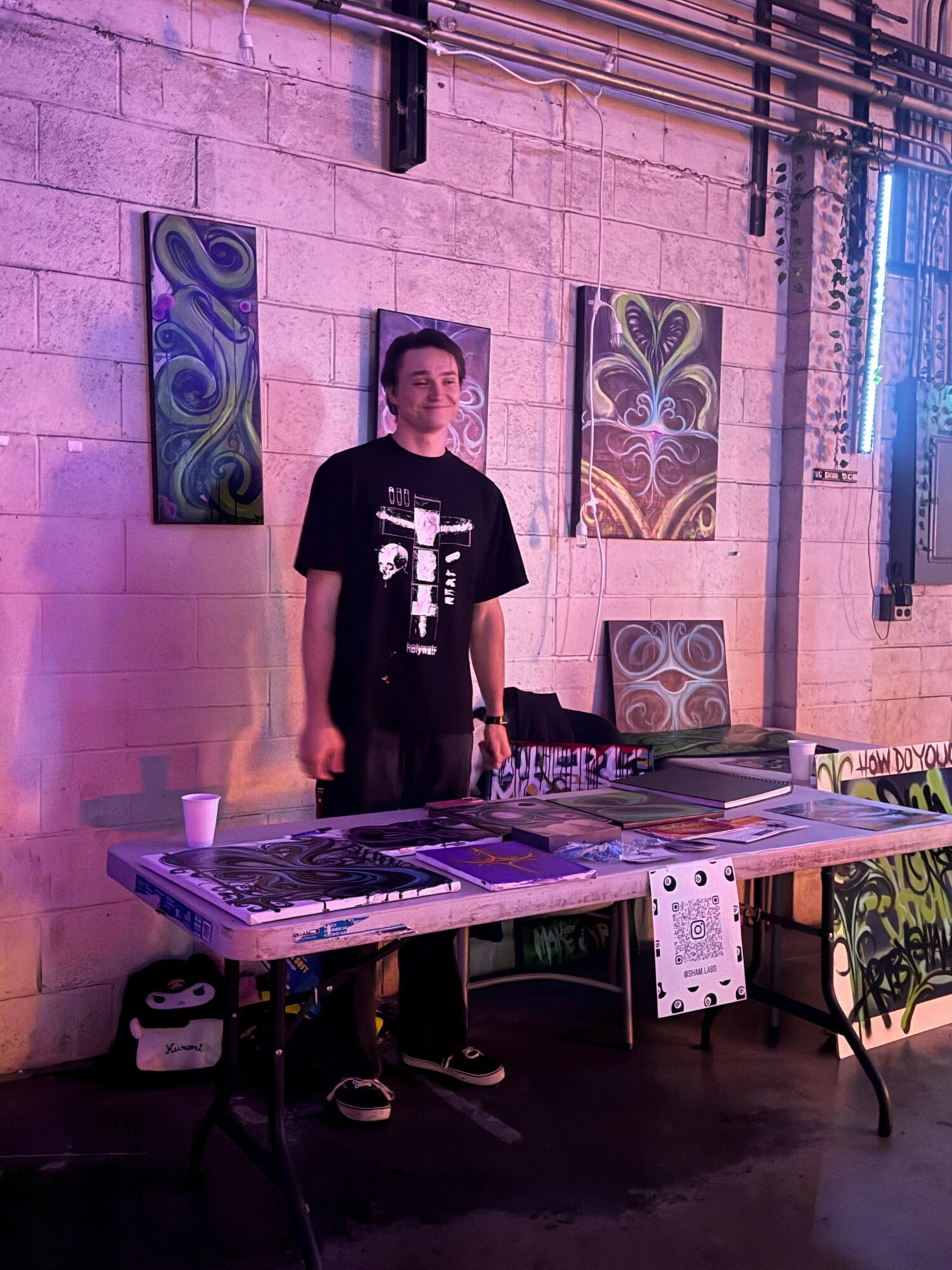
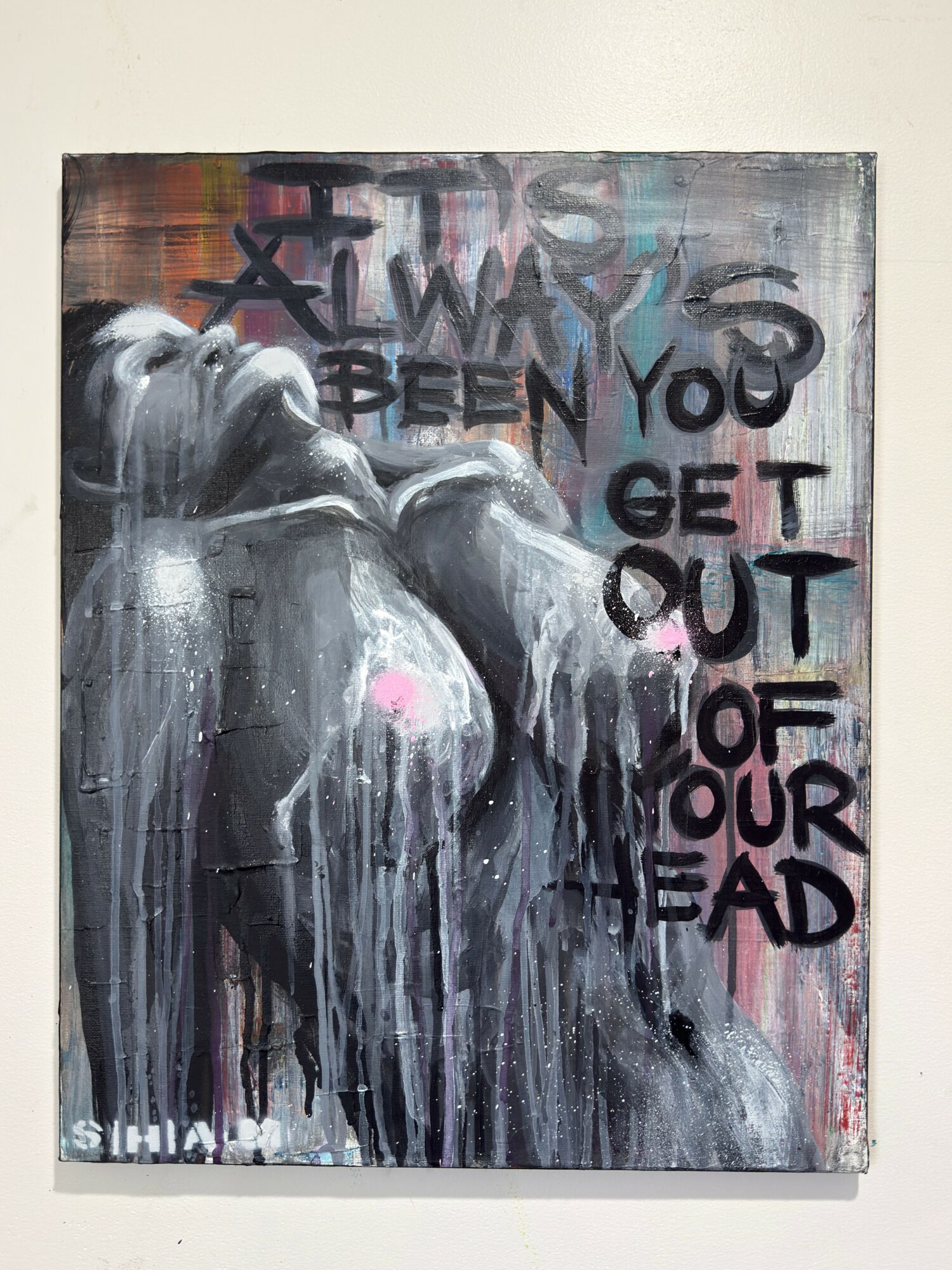
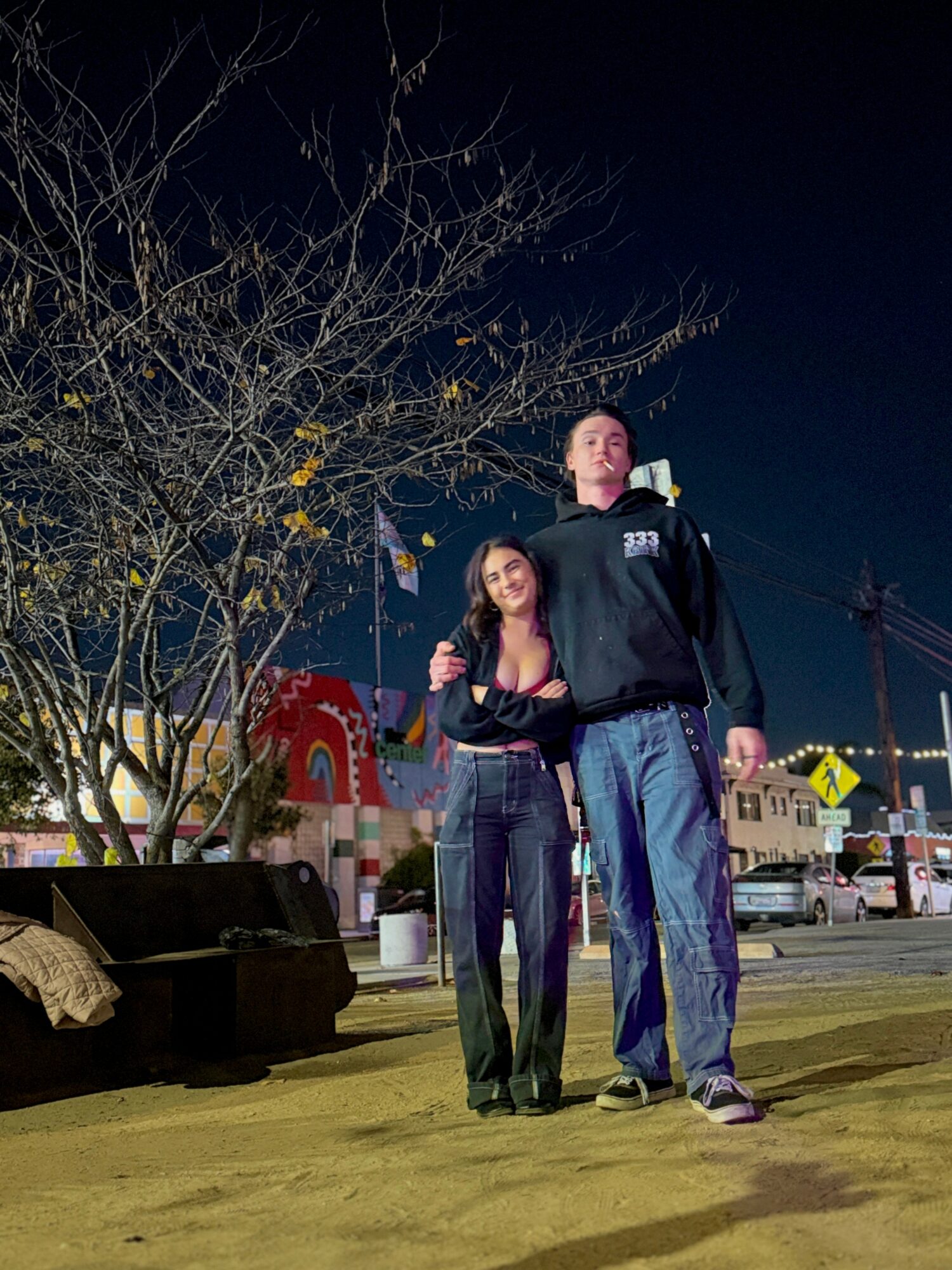
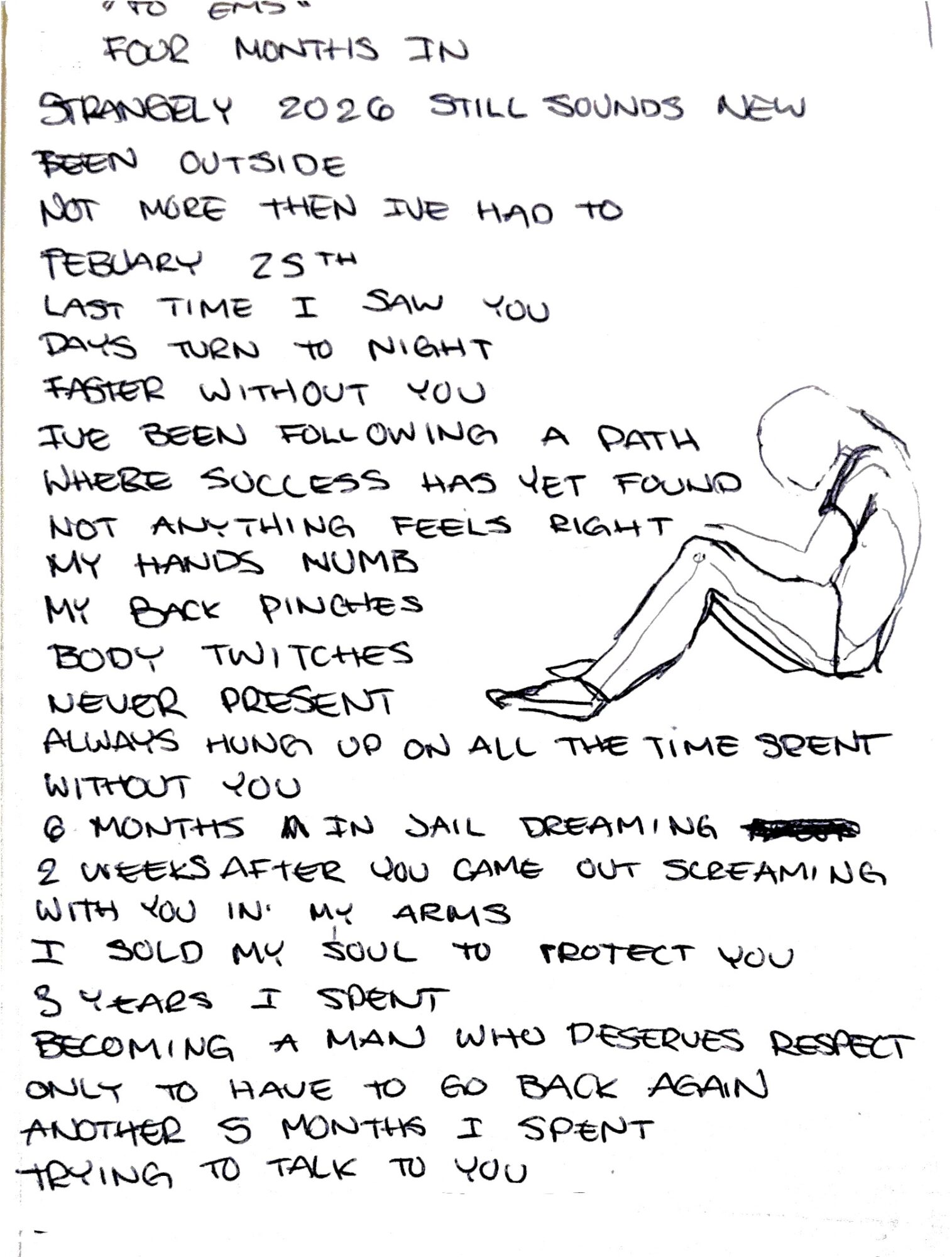
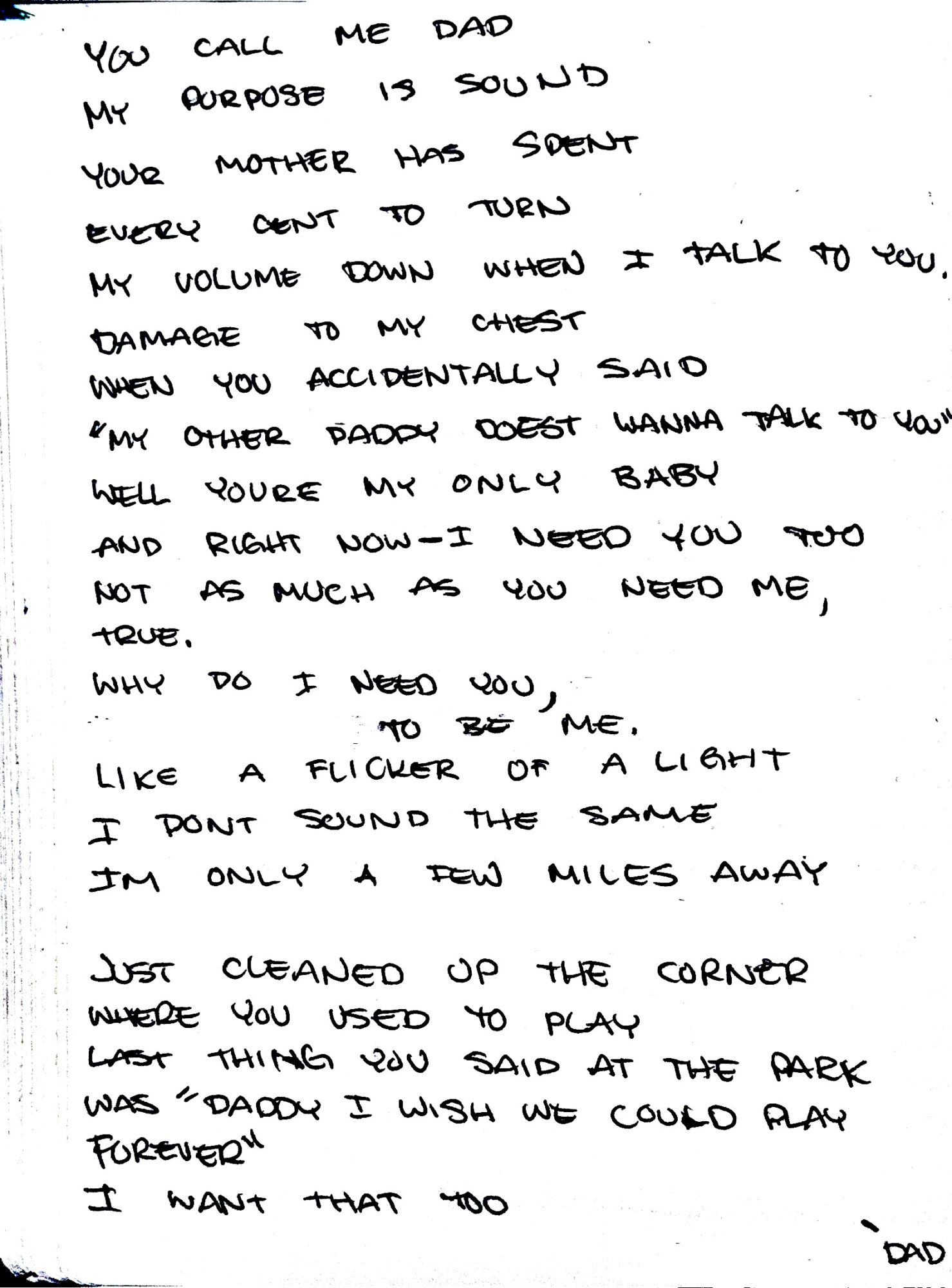
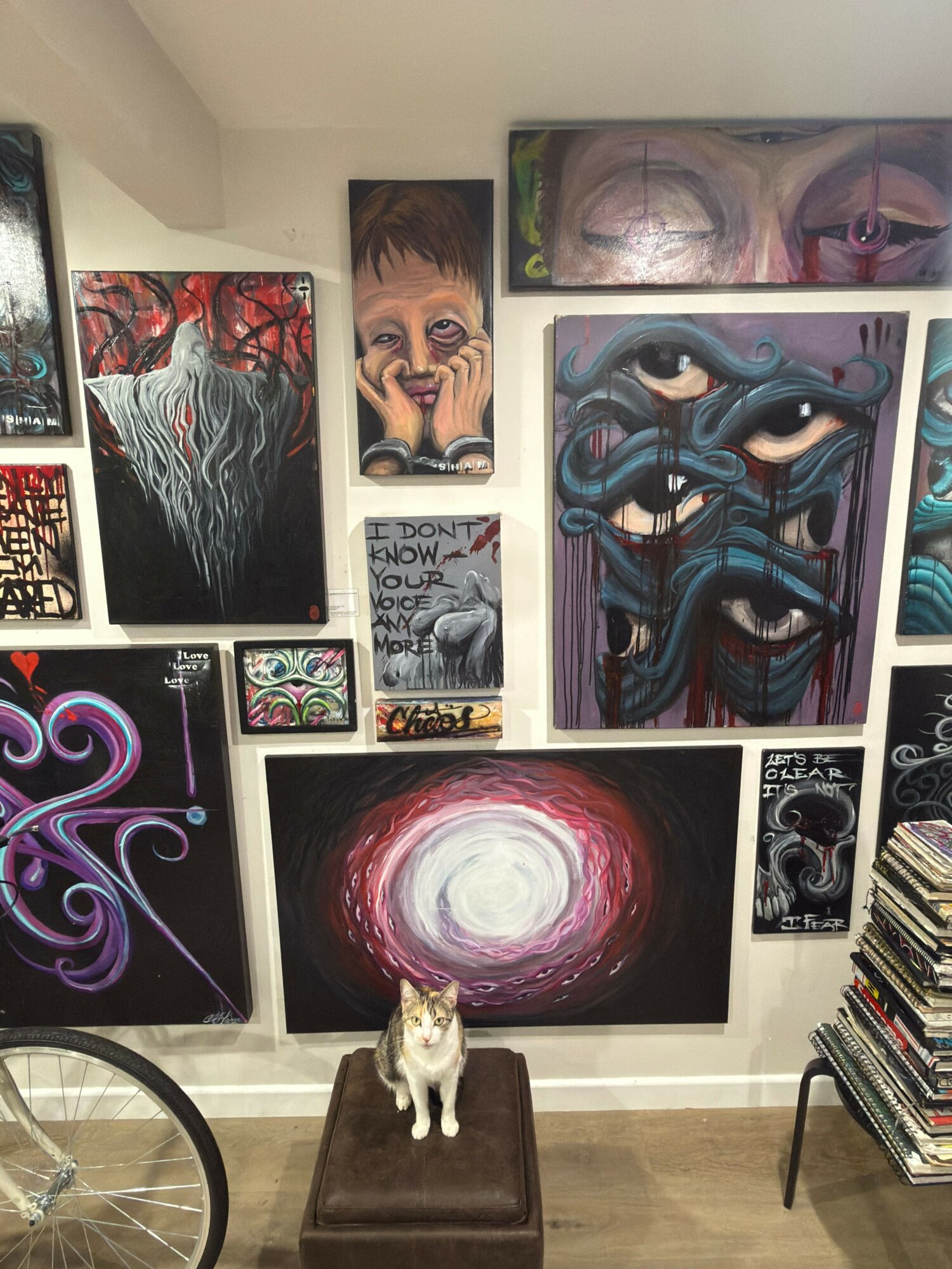
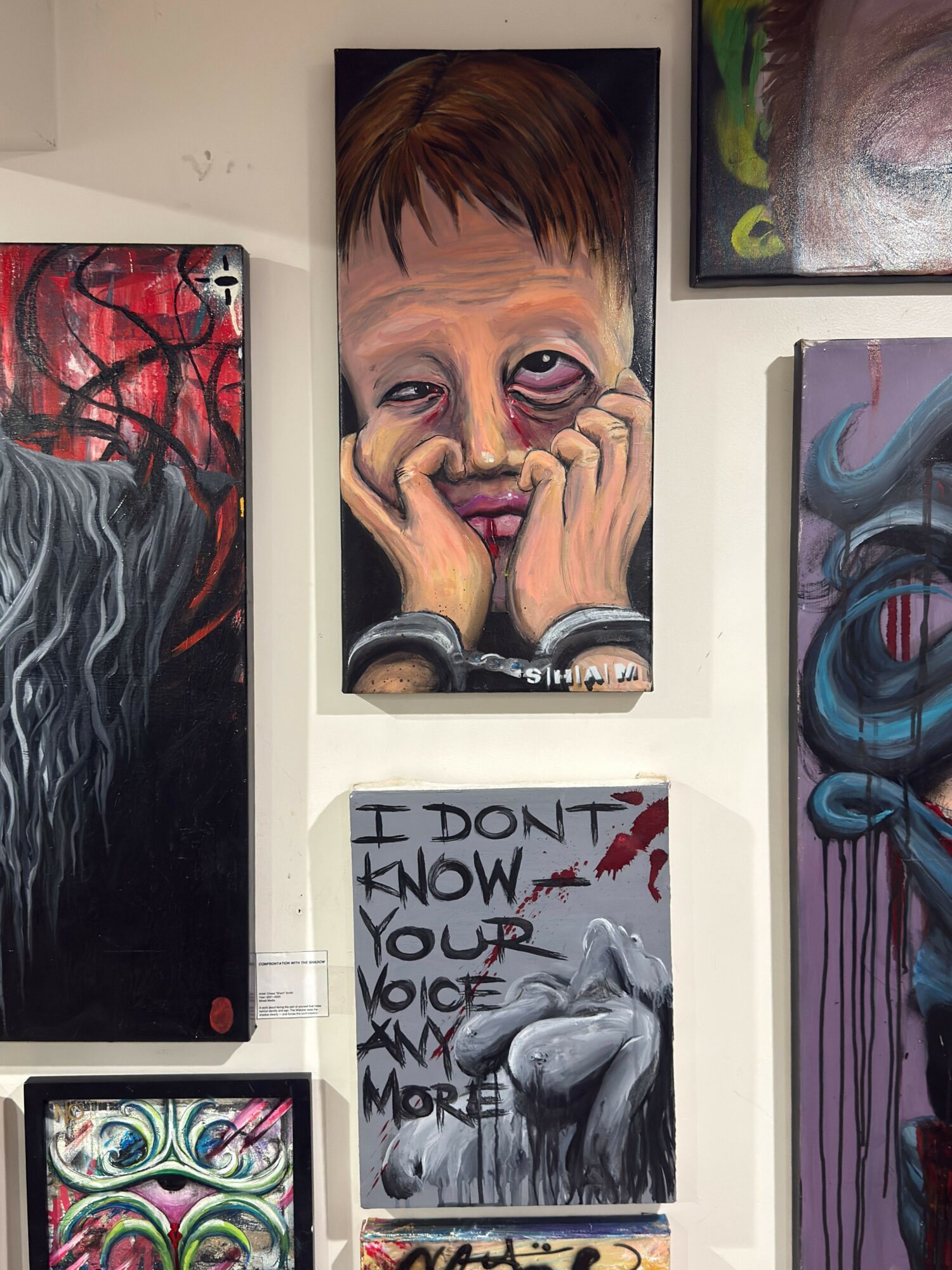
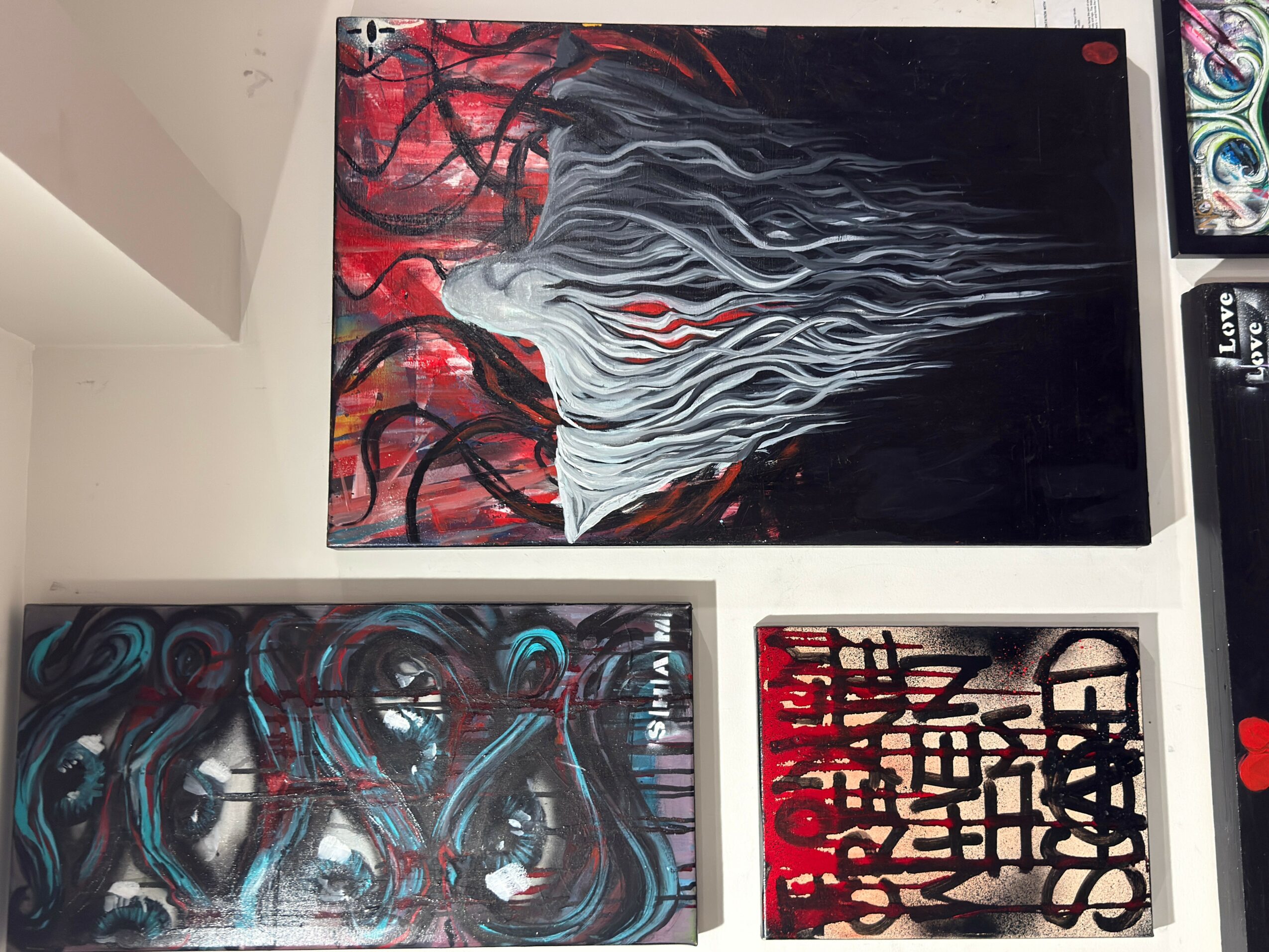
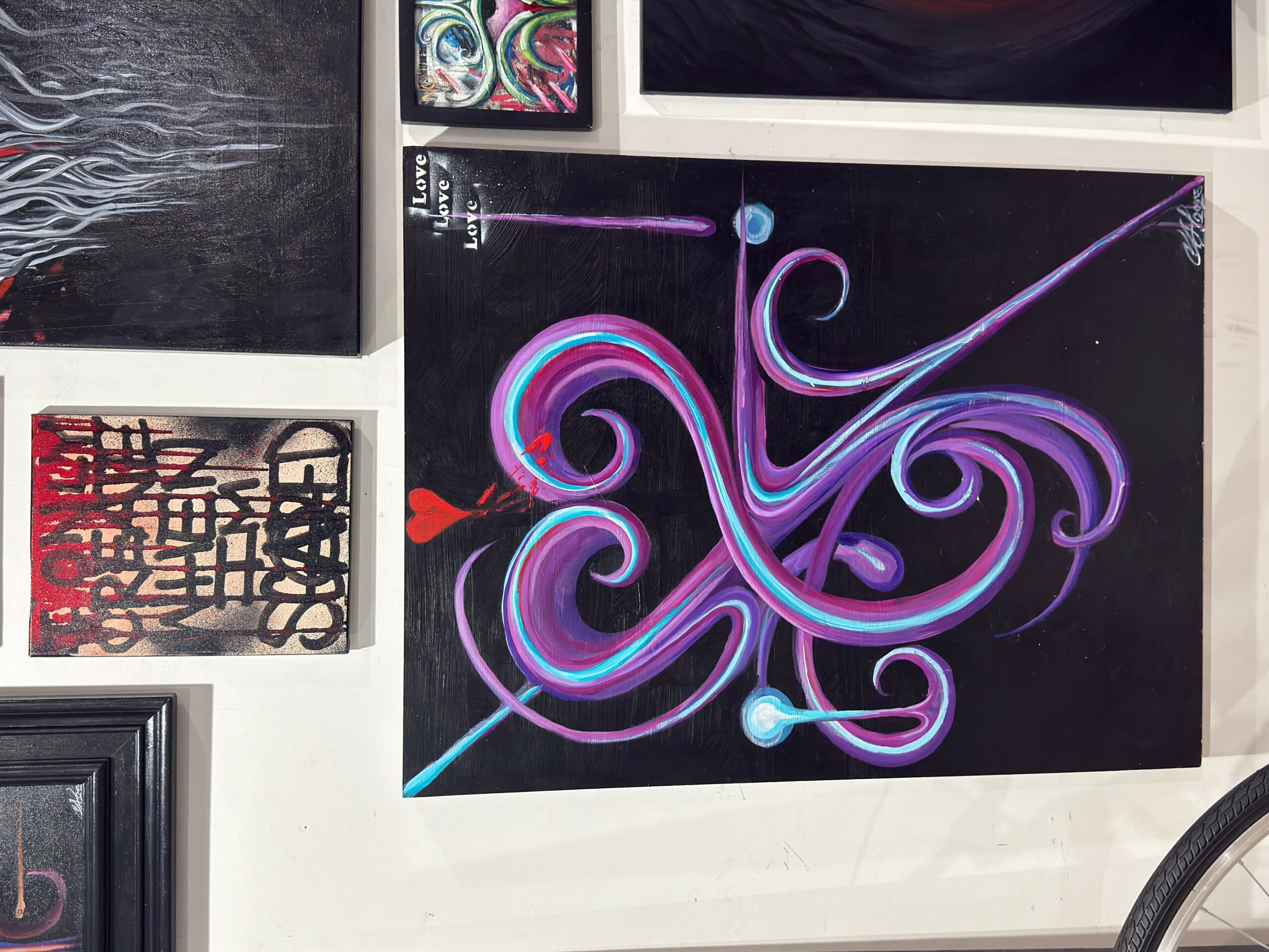
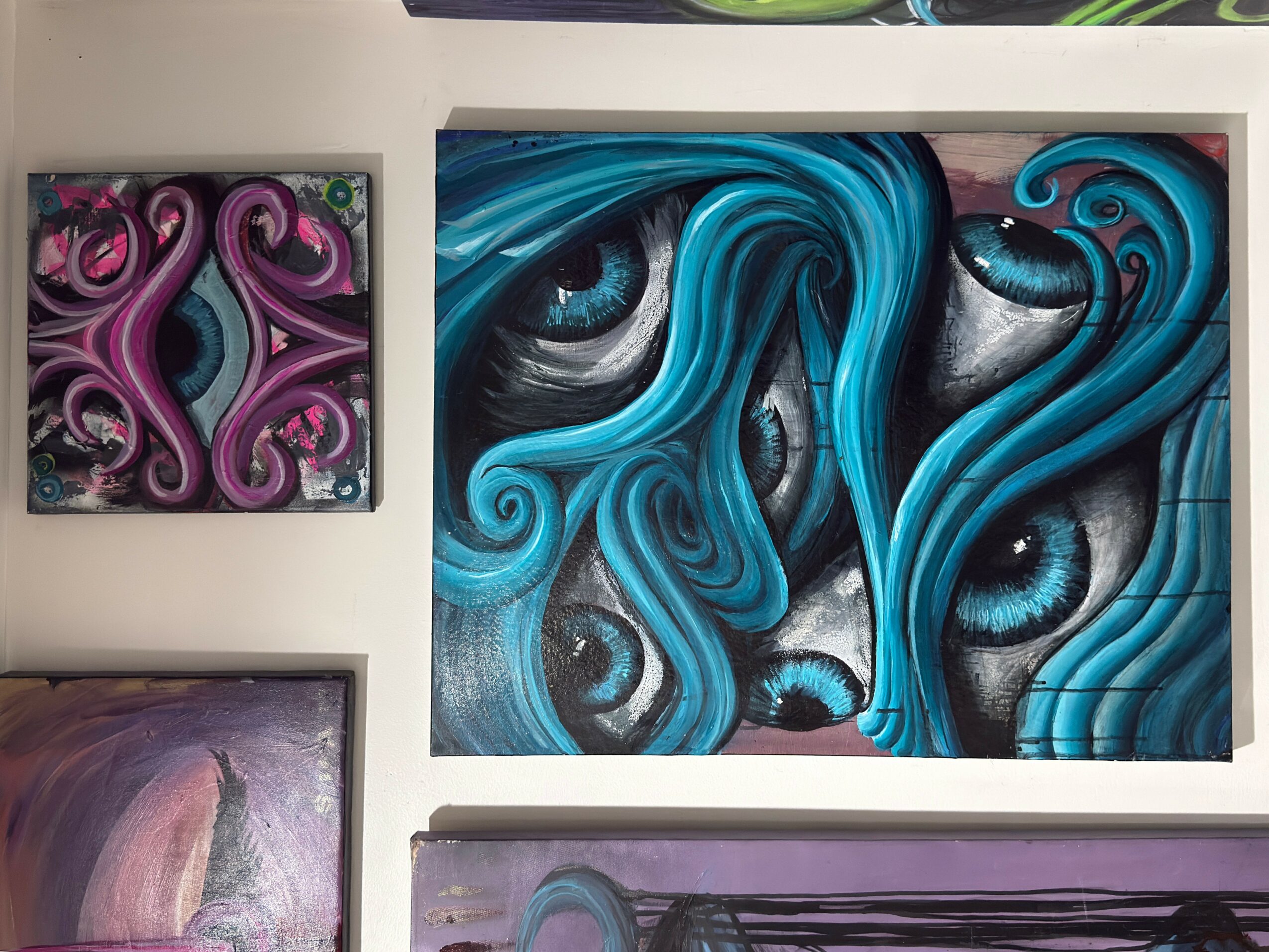
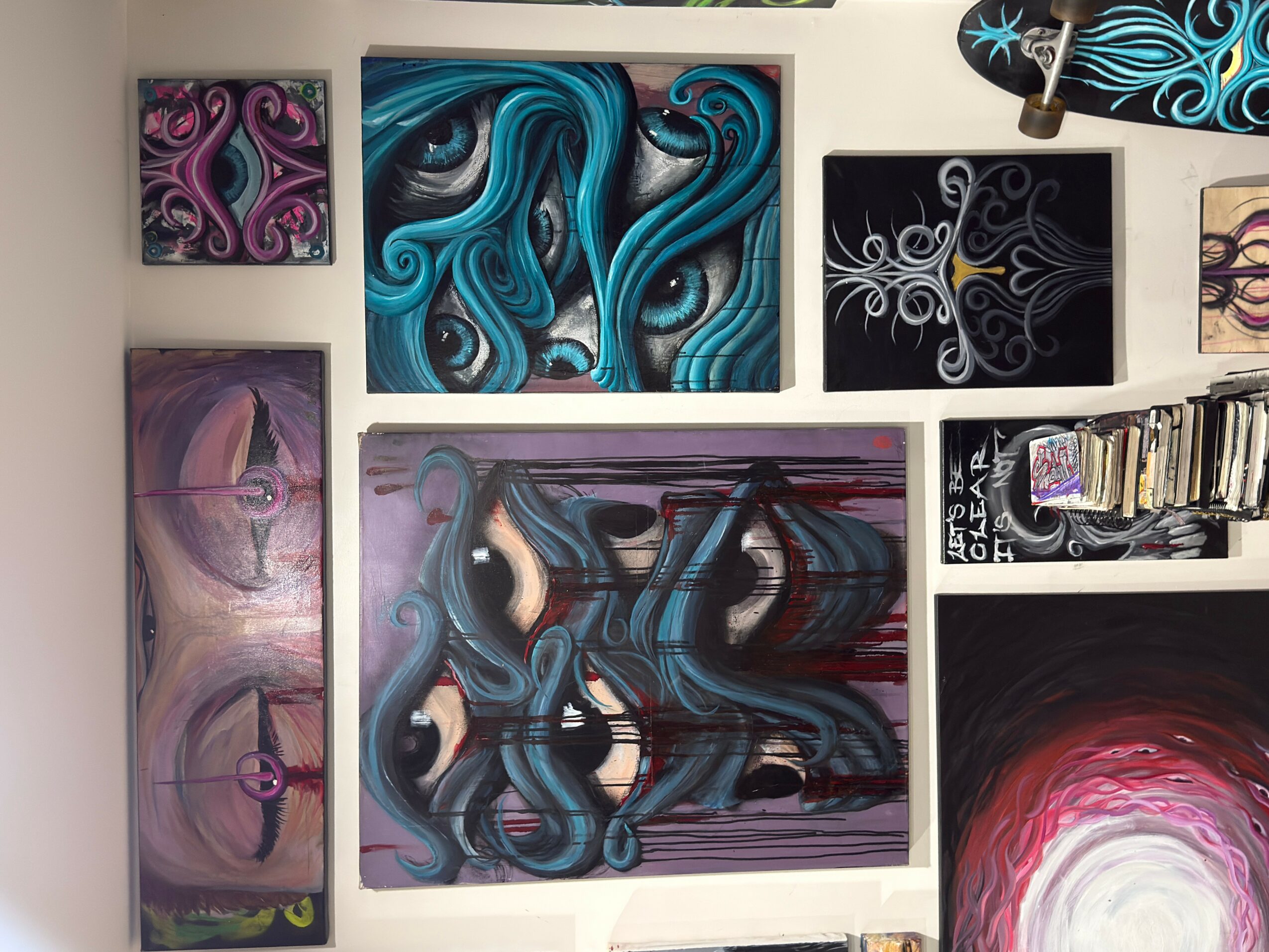
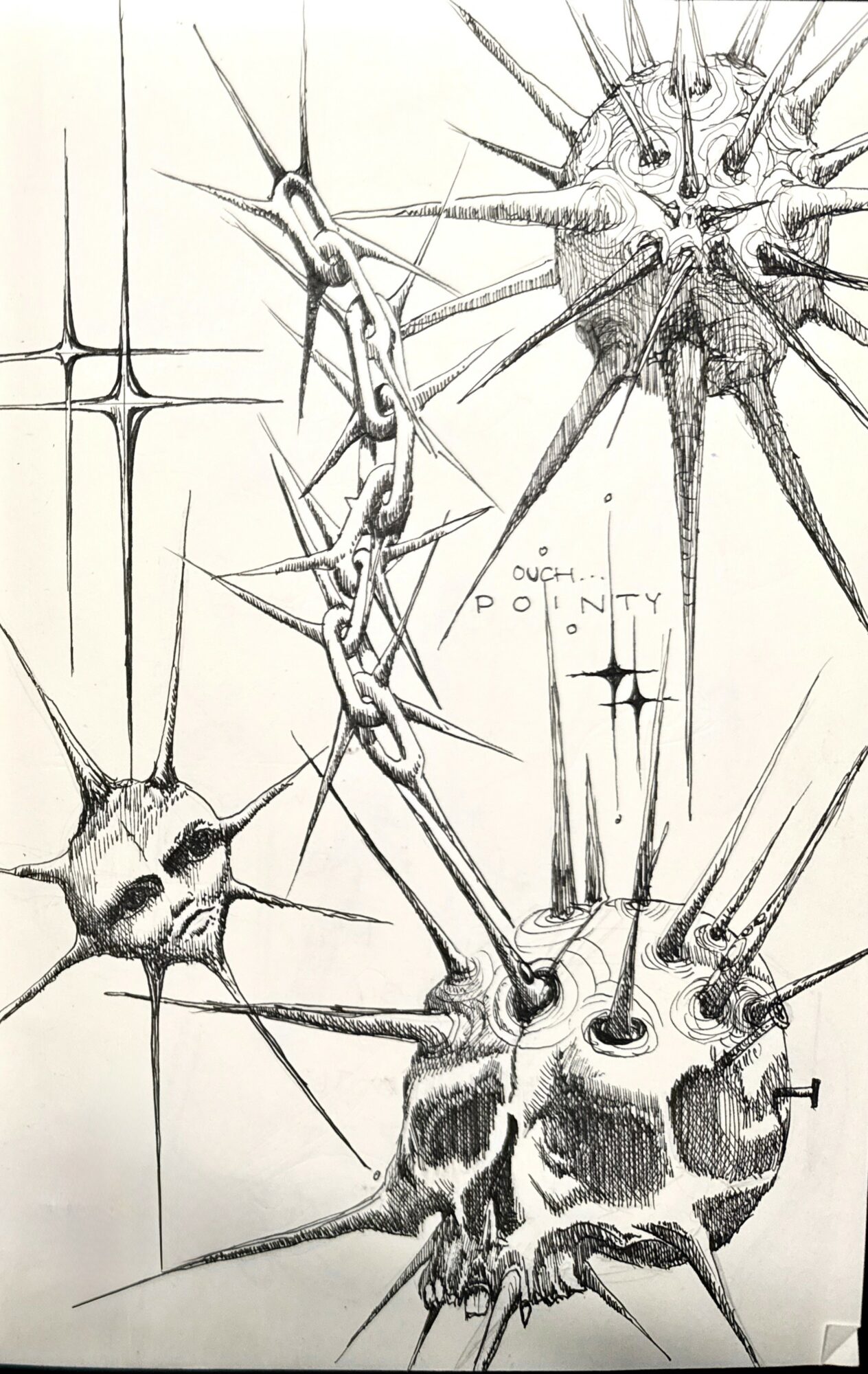
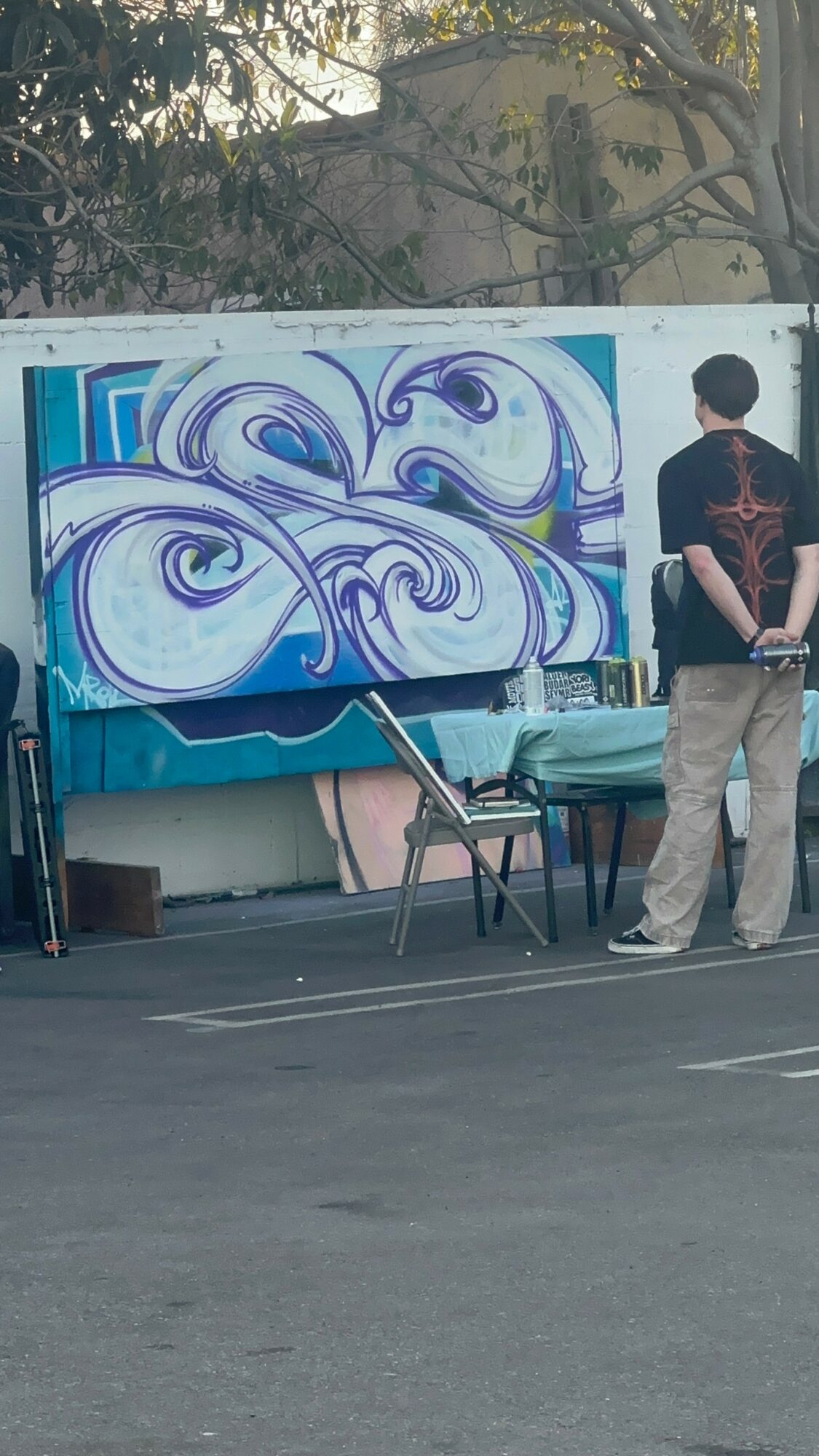
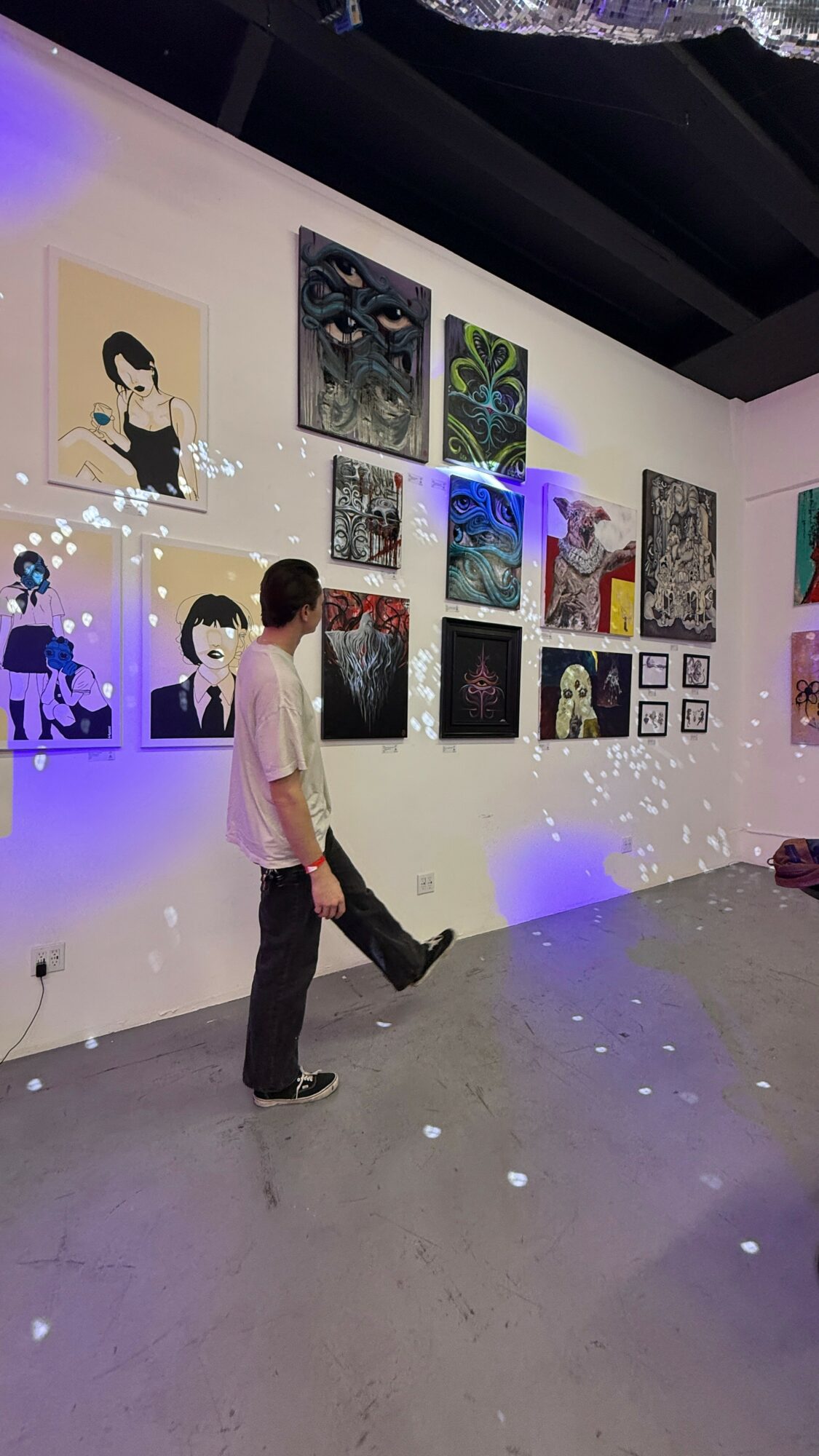
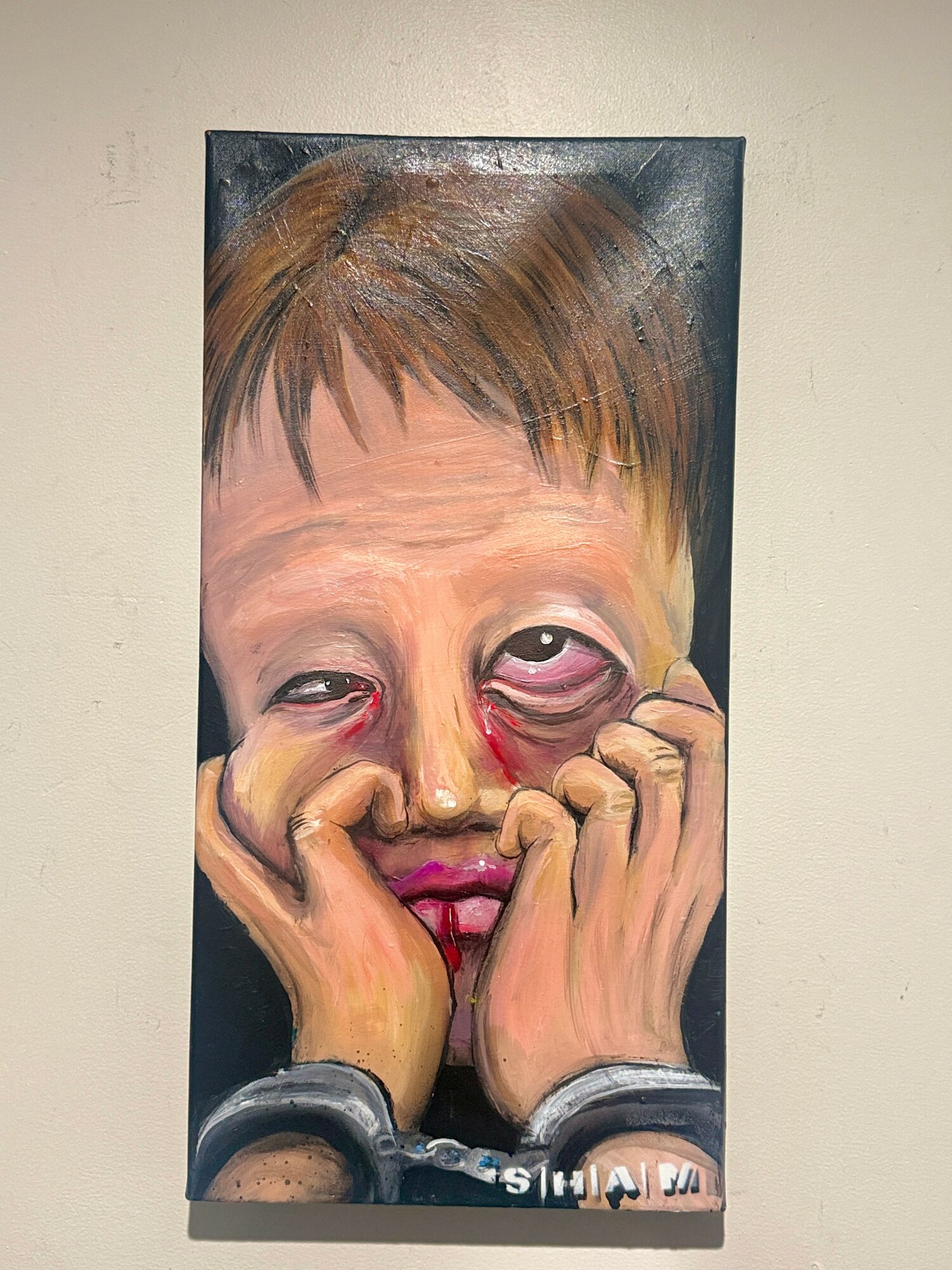
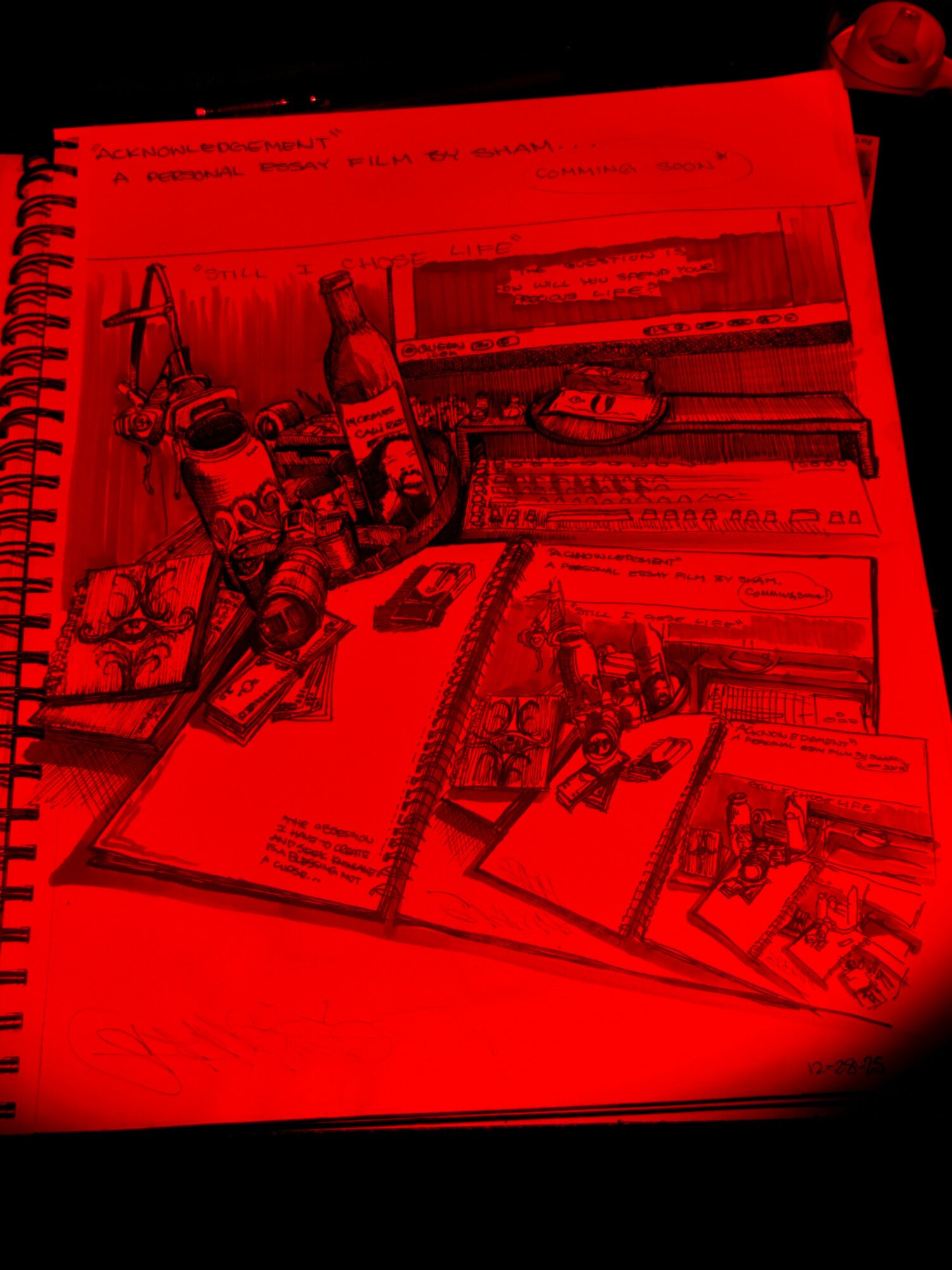
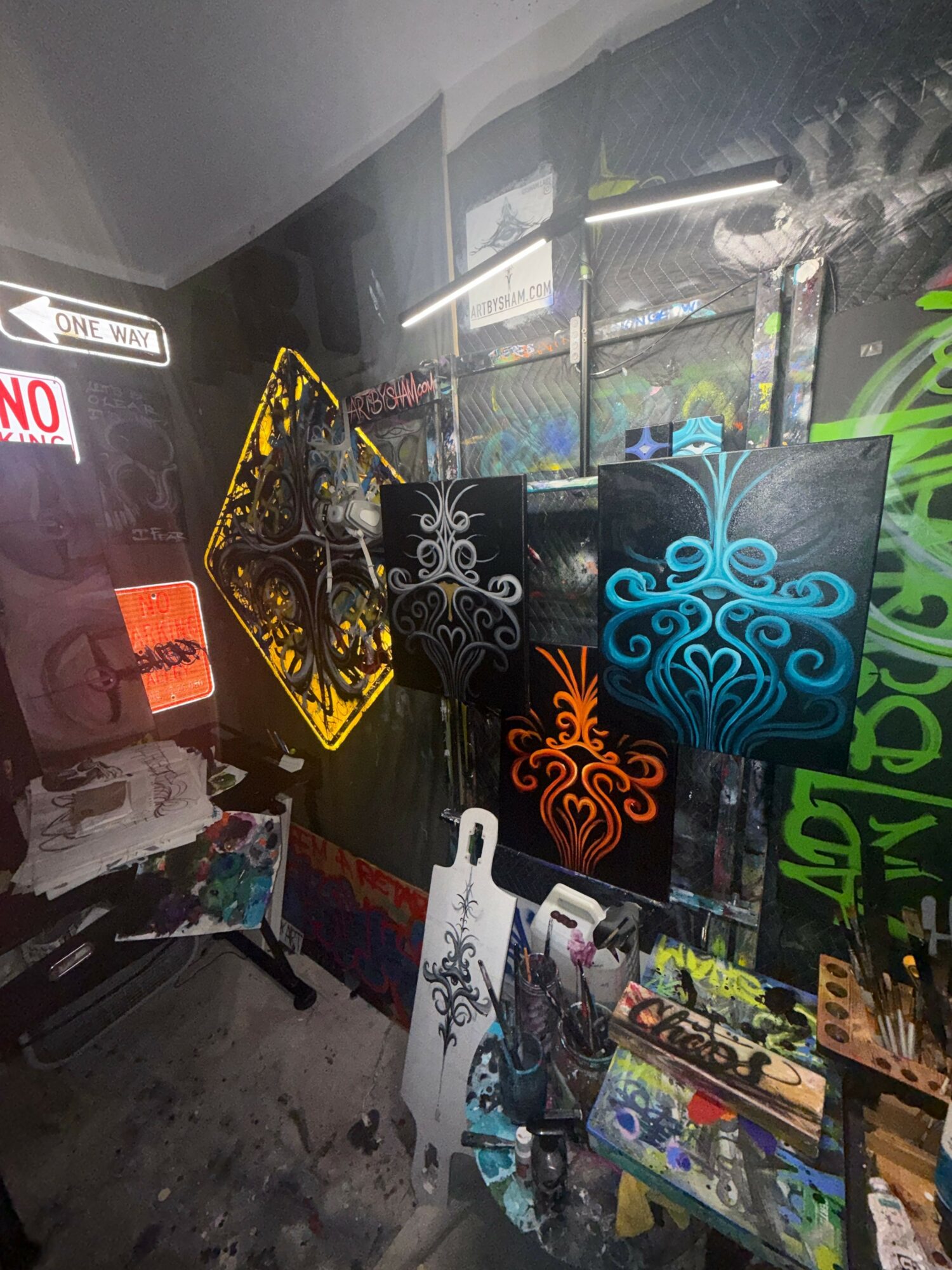
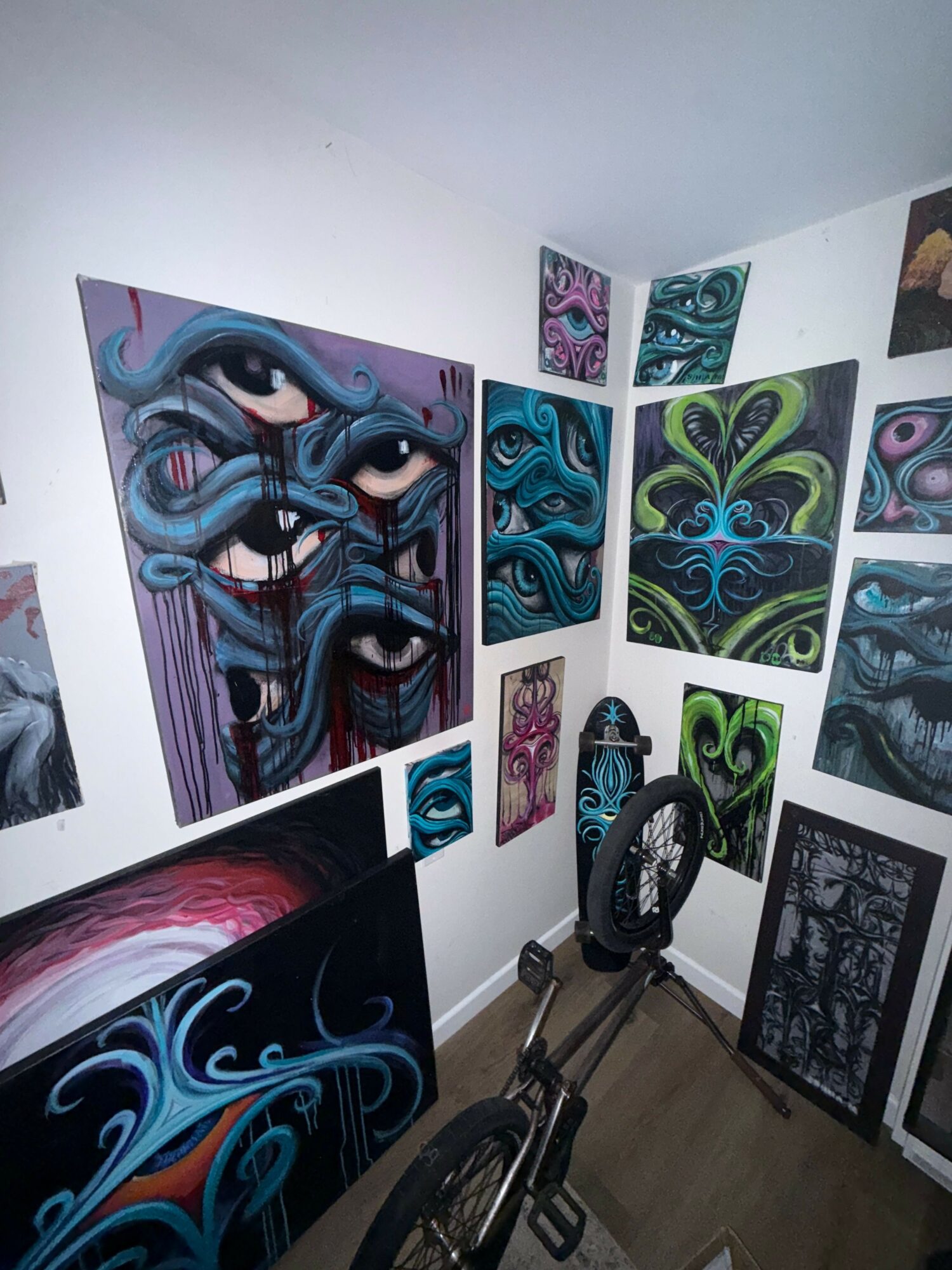
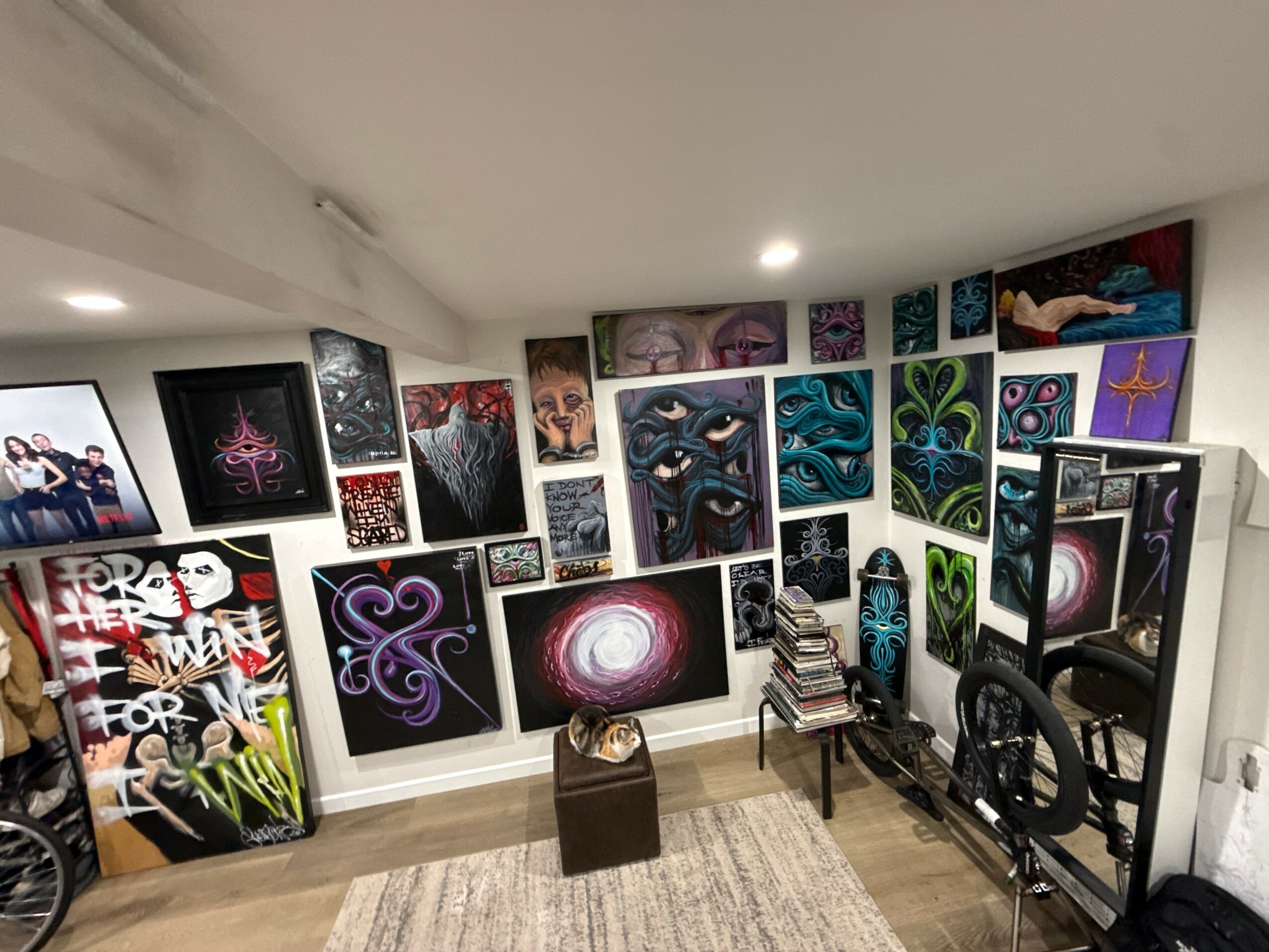
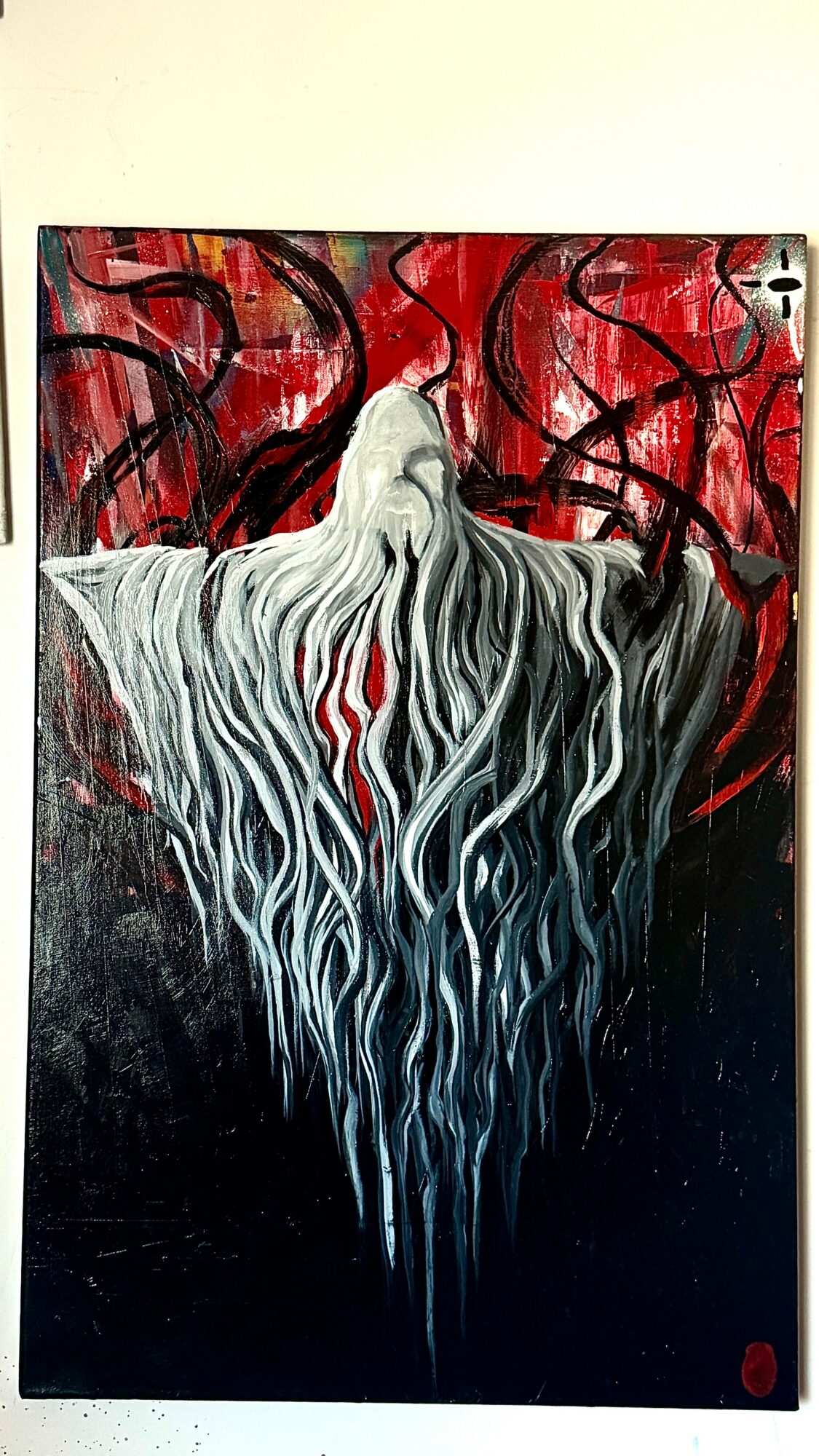
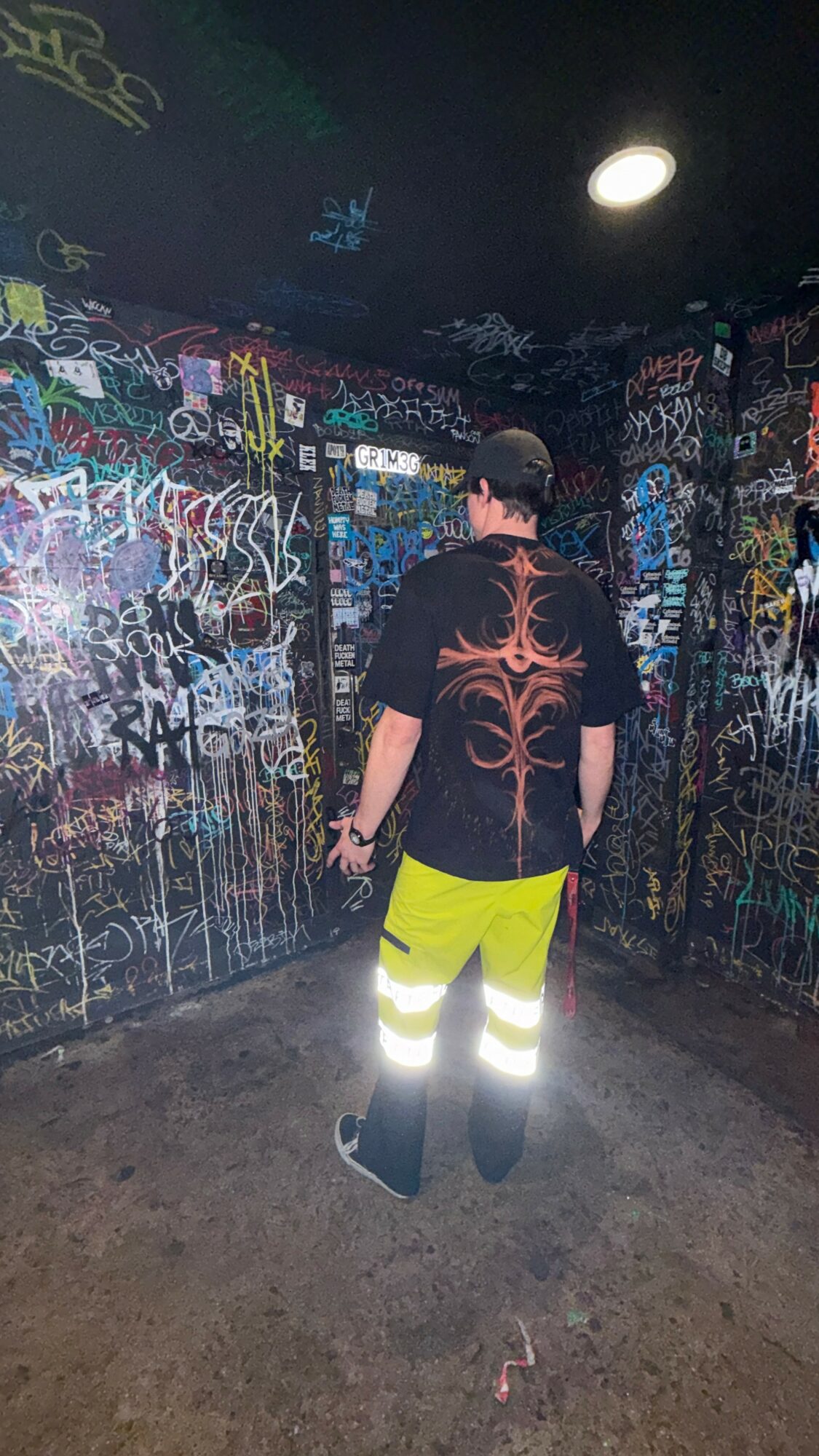
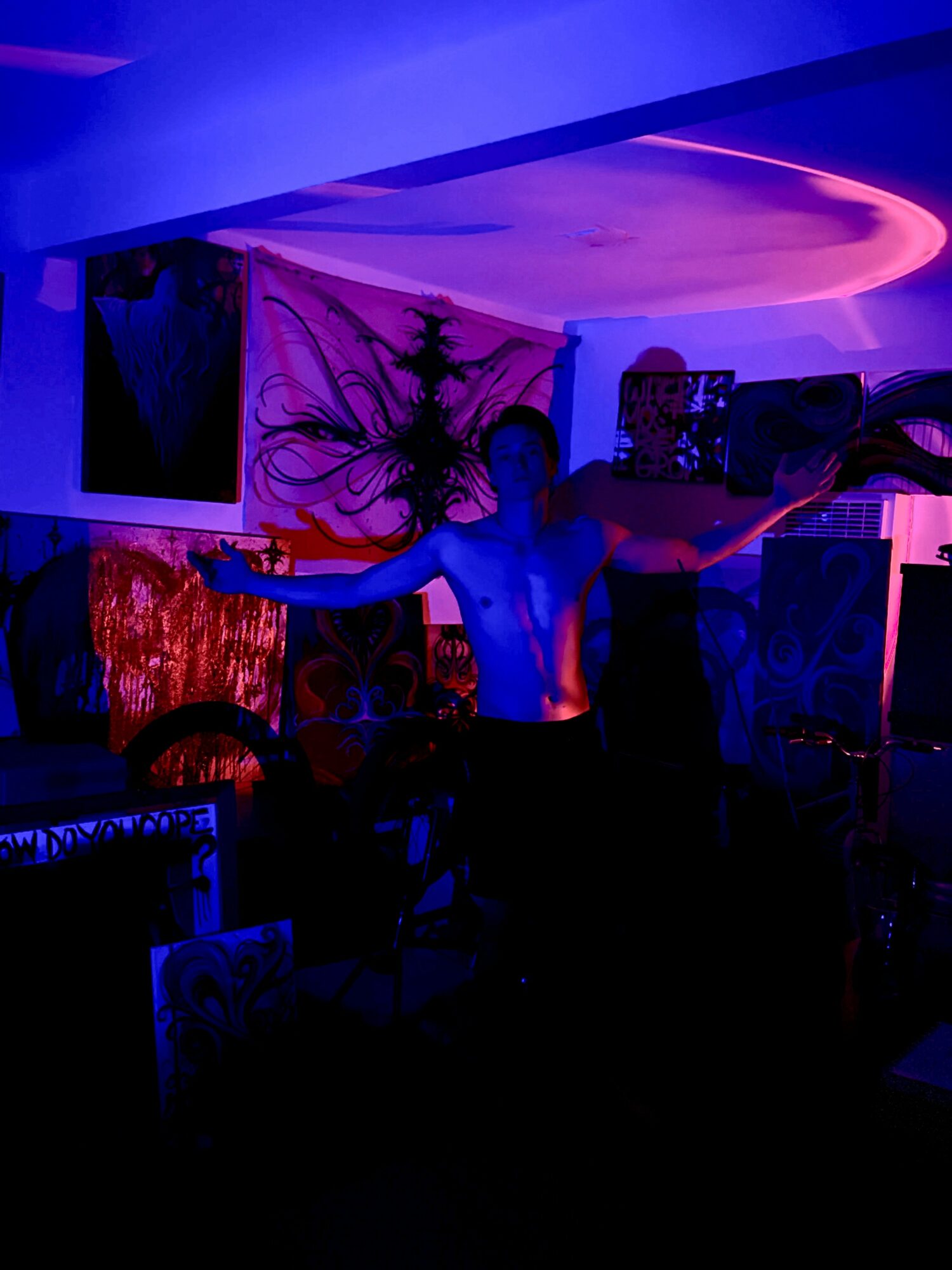
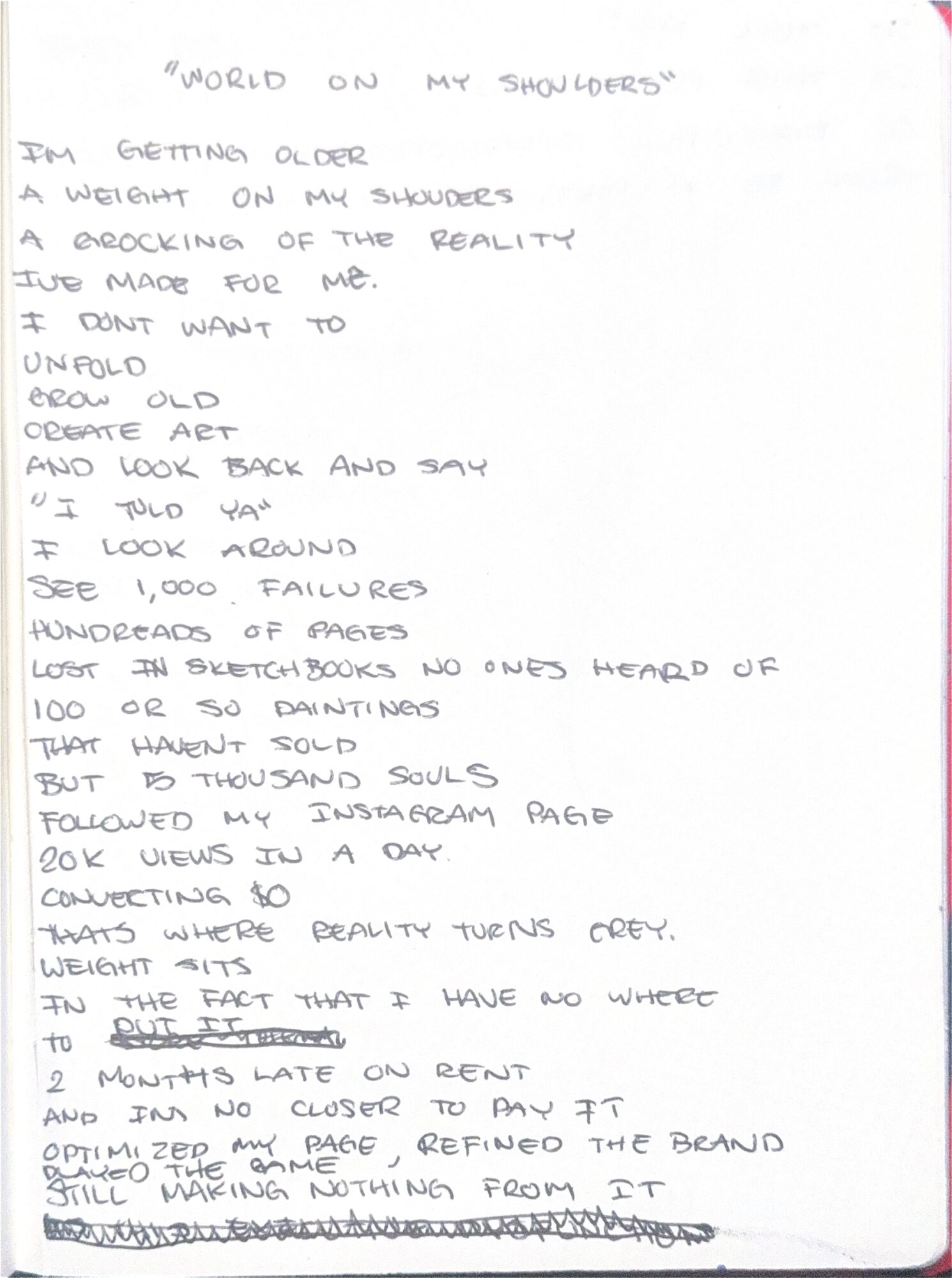
Image Credits
me
Popular
-

Portraits of the Valley
-

LA’s Most Inspiring Stories
-
Cedar Boschan on Elevating Black Music Rights and Driving Urgent Conversations Around Credit, Equity, and Artist Protection
-

Robin Olive on Building an Inclusive Performing Arts Movement and Expanding Opportunities for Every Student
-

Que Johnson on Building Brands That Last: From Visibility to True Market Authority
-

Christina Wren Steps Into the Director’s Chair to Tell Stories That Feel Like Home


