




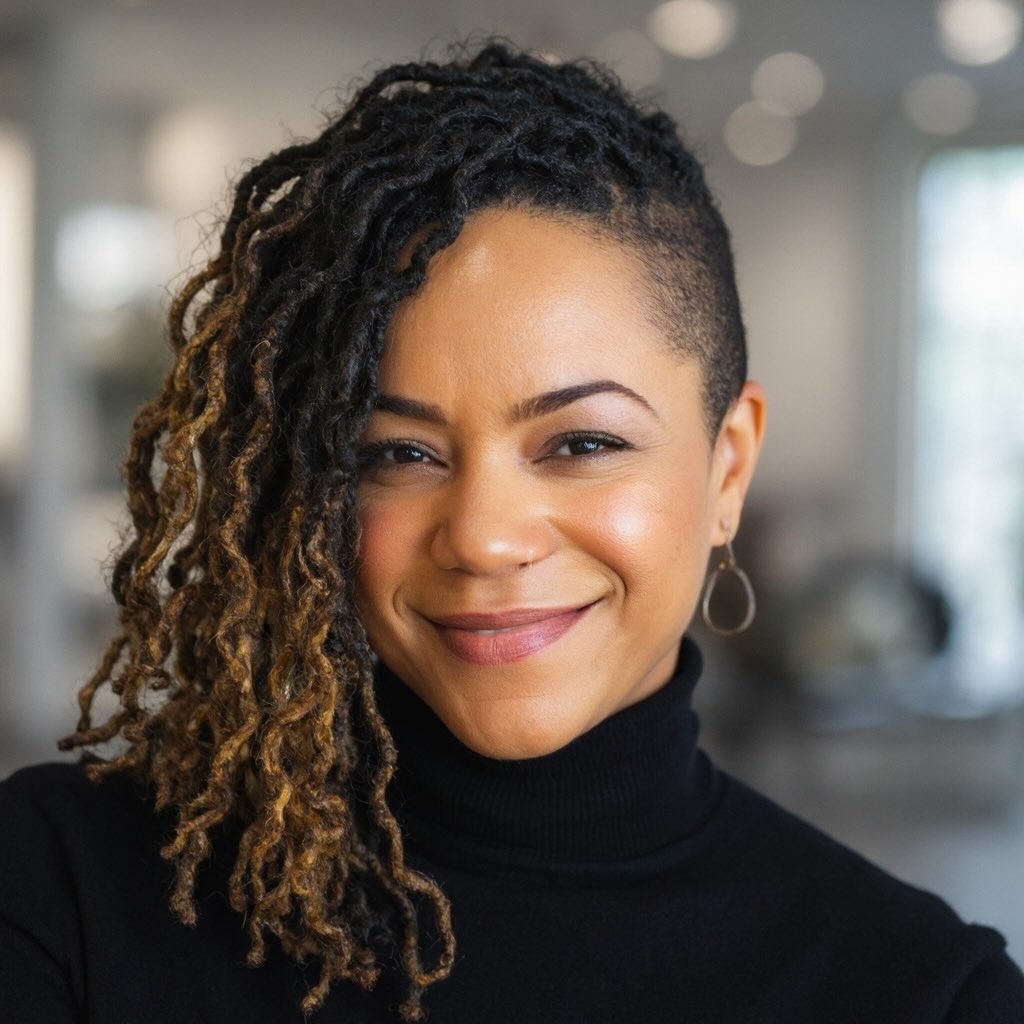
Today we’d like to introduce you to Chanté DeLoach, Psy.D..
Hi Chanté, thanks for joining us today. We’d love for you to start by introducing yourself.
My story really starts in the communities of urban Los Angeles, the Midwest and the small towns and bayous of the South, places that shaped me and taught me a lot about both struggle and strength. Growing up, I saw firsthand the impact of health inequities, social injustice, and unmet mental health needs. At the same time, I witnessed incredible resilience. When I took my first psychology classes, something clicked. Psychology gave me the language to make sense of what I’d been seeing all along: the pain, the healing, and the intergenerational strength that carries people and communities forward.
That early understanding has guided every step of my career. I followed a path that let me blend the science of psychology with the art of healing, working across roles and settings connected by a commitment to justice, wellness, and helping people thrive.
I’m the founder of luminesce psychological services, p.c., a boutique counseling, consulting, and wellness practice focused on whole-person healing. Through this work, I offer holistic services that support psychological wellbeing, healthy relationships, families, and organizations. In my private practice, I specialize in trauma and couples therapy, providing integrative, personalized care to individuals and communities that have often been traditionally underserved or overlooked by mainstream psychology and the wellness industry.
I also serve as Chair and Professor of Psychology at Santa Monica College, where I aim to lead with both vision and heart. Teaching has always been part of who I am even in my role as a therapist, and I’ve been fortunate to work with undergraduate and graduate students around the world. Before joining SMC, I directed a graduate trauma program and helped create a new doctoral specialization in International Psychology and Human Rights, work that deepened my belief in the power of education and global healing.
Each chapter of my journey and each role in which I serve has reinforced why I do this work and why I believe so deeply in the next generation of psychologists and changemakers.
Alright, so let’s dig a little deeper into the story – has it been an easy path overall and if not, what were the challenges you’ve had to overcome?
Has it been a smooth road? Not at all. I’ve learned that most roads in life aren’t direct or smooth. My path has certainly not been linear, but it has been rich with lessons and growth. Much of my work has required staying open to change and stepping into new challenges as they arise.
Like many psychologists, I didn’t come from a business background. So, building my own private practice, becoming licensed in multiple states, working internationally, and consulting with businesses and attorneys for change, both within and outside of systems, pushed me to develop skills far beyond my formal training. Serving clients while also running a business means wearing many hats, and that balancing act can be demanding. At the same time, my background in trauma and international mental health has helped me build meaningful community and organizational partnerships and navigate diverse cultural and professional spaces.
Carving a path across private practice, academia, consulting, and international psychology has often meant creating opportunities that didn’t already exist, particularly for Black women. It required trusting myself enough to step into new territory while standing on the shoulders of those who came before me. Early on, that felt both exciting and risky. Today, the challenges look different, but the commitment remains the same. I stay connected to the younger version of myself who entered this field in response to community need, and I continue to carry that purpose into every role I serve.
Thanks – so what else should our readers know about your work and what you’re currently focused on?
My work lives at the intersection of relationships, trauma, healing, and justice. I’m nationally recognized for my expertise in trauma and recovery, and I focus on the many ways trauma shows up: from childhood abuse and community violence to the psychological impacts of racism and immigration‑related stress.
In my clinical practice, I blend the science of psychology with culturally attuned, holistic care. I offer strengths‑based, liberation‑focused therapy to individuals, couples, and families, especially those from marginalized communities seeking to reclaim joy, wholeness, and self‑definition. I work with diverse clients embodying a range of identities from creative professionals in the entertainment industry, corporate executives, healthcare professionals, community activists, and thought leaders. I believe our ideas about love, relationships, and even our sense of self are often shaped by histories of harm and silence. Many people carry pain that has never been named, acknowledged, or held by others. My role is to walk alongside clients as they move toward balance, healing, and more affirming relationships.
Beyond my practice, I’m a speaker and educator known for conversations on racial trauma, gendered racism, and racial equity. I’ve published in leading journals and authored,<i> How We Practice Therapy Now</i>. I also collaborate with attorneys and healthcare professionals nationwide, providing trauma‑informed immigration and asylum evaluations that bring clarity and humanity to the process. My work also extends globally through community‑engaged trauma initiatives and consulting with organizations to build more equitable, socially just environments.
What I’m most proud of is the consistency of my mission: to center healing, justice, and humanity for marginalized people in everything I do. What sets me apart is the way I weave together research, clinical expertise, cultural context, and advocacy to support people and systems on their paths toward liberation.
Before we let you go, we’ve got to ask if you have any advice for those who are just starting out?
My biggest advice for new psychologists is to stay connected, stay growing, and stay true to yourself. Therapy work can be deeply meaningful, but it can also be isolating since so much of it happens one‑on‑one behind a closed door or computer screen. Community matters. Surround yourself with trusted colleagues, mentors, and people who help you stretch, stay accountable, and feel supported. Most of us don’t do our best work alone.
I also encourage new therapists to hold tight to their authenticity. In a time when so many professionals feel pressure to build a brand or stand out on social media, it’s easy to drift away from who you are and what brought you to this field in the first place. The work that truly transforms clients comes from a grounded, genuine place that is only yours. Staying connected to that will sustain you in this difficult work.
Contact Info:
- Website: www.drdeloach.com
- Instagram: @drcdeloach
- Facebook: https://www.facebook.com/profile.php?id=100066515718786
- Linkedin: https://www.linkedin.com/in/chant%C3%A9-deloach-b6778848/
- Other: https://www.psychologytoday.com/us/therapists/chante-d-deloach-los-angeles-ca/40797



Popular
-

Los Angeles Barea on Turning Green Superheroes into a Global Movement for Youth-Led Change
-

Trisha DuVivier on Bridging the Franchisor–Franchisee Divide with Workhero and “Franulate”
-

Portraits of the Valley
-

LA’s Most Inspiring Stories
-

Cedar Boschan on Elevating Black Music Rights and Driving Urgent Conversations Around Credit, Equity, and Artist Protection
-

Robin Olive on Building an Inclusive Performing Arts Movement and Expanding Opportunities for Every Student


