



Today we’d like to introduce you to Carolina Levi.
Hi Carolina, so excited to have you with us today. What can you tell us about your story?
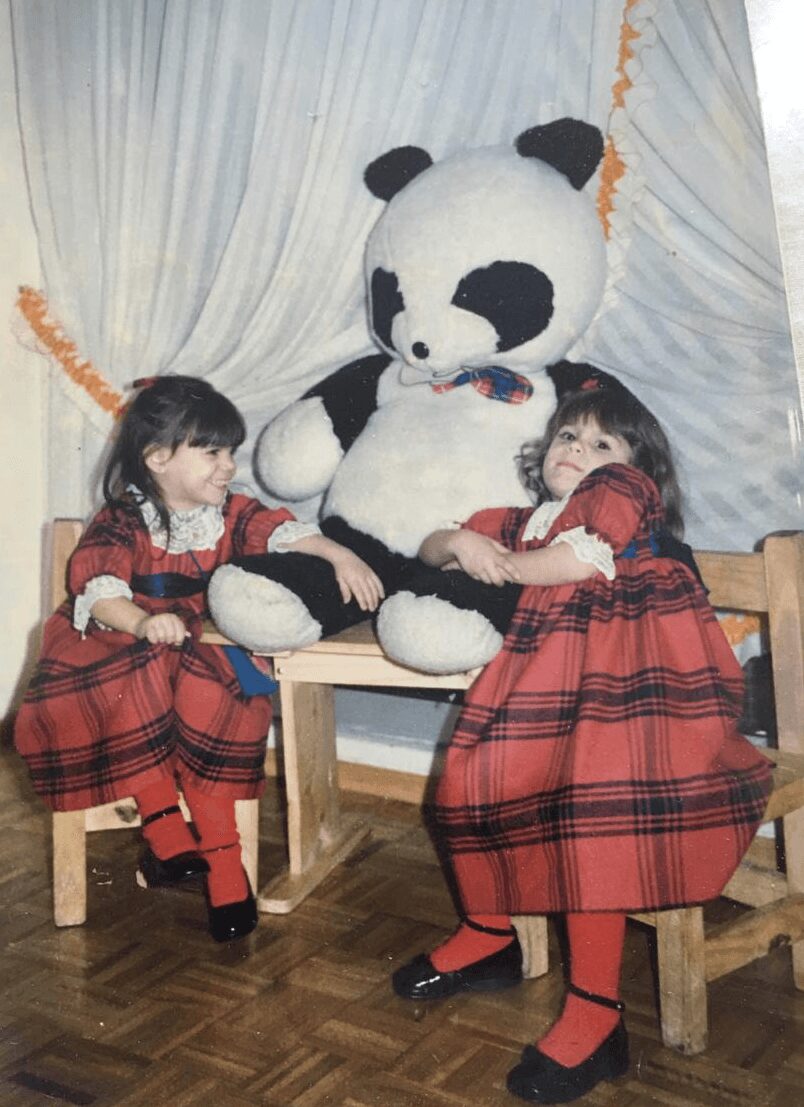
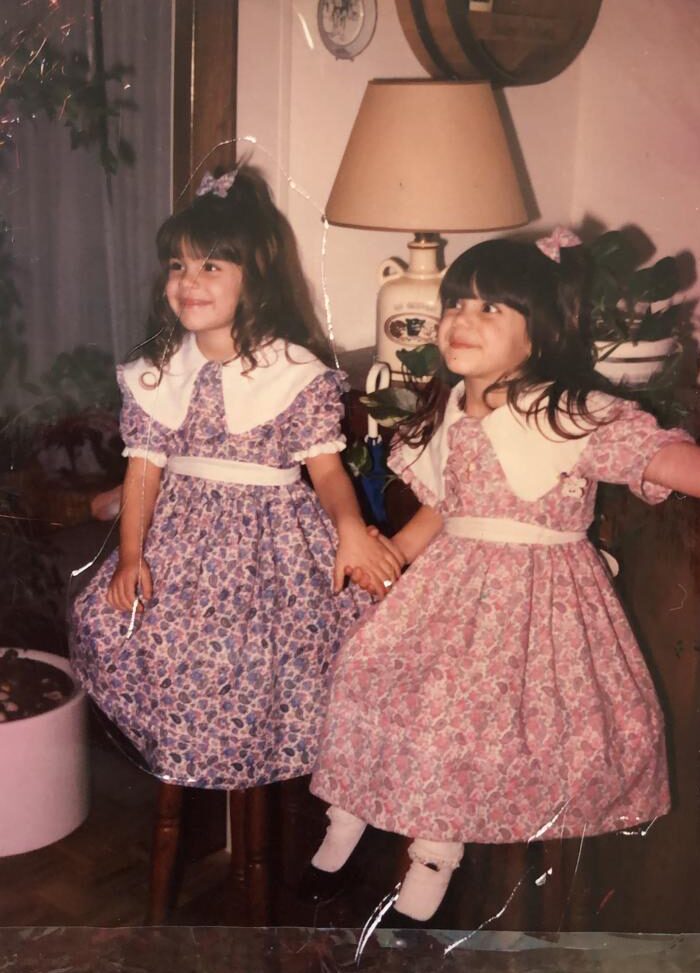
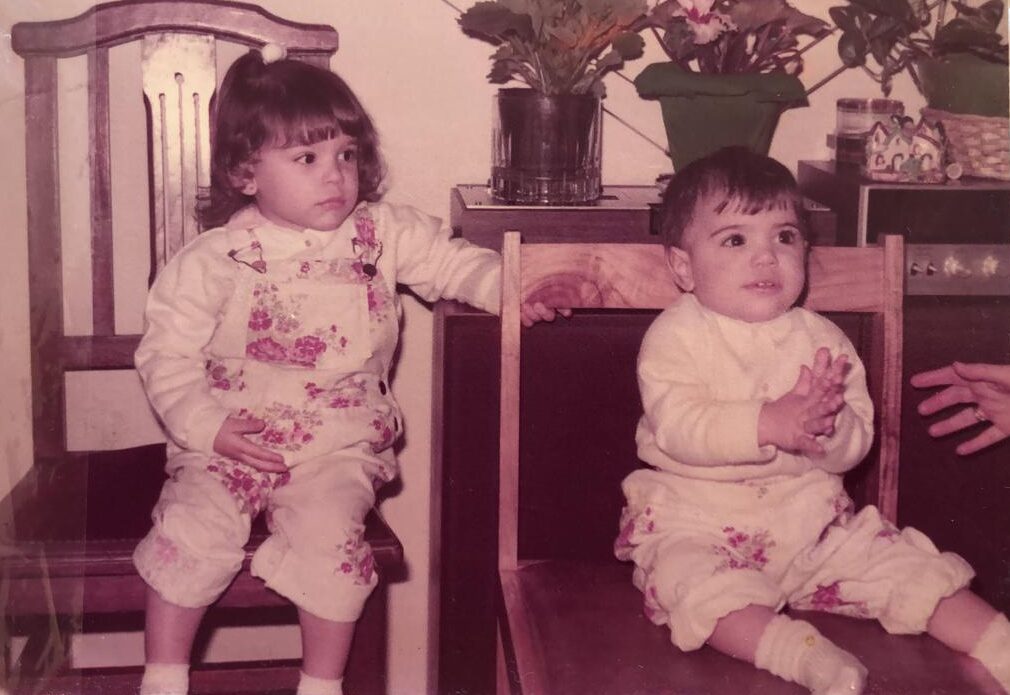
Growing up in Buenos Aires, my relationship with fashion began at home and at a very early age, watching my mother sew matching dresses for my sister and me on my grandmother’s Singer sewing machine. She is an incredibly classy, fashion-forward woman who taught me from the start how to dress — understanding body shapes, what flatters and what doesn’t, and how to show up appropriately for every occasion. That foundation stayed with me forever.
I was also always drawn to creativity and visual storytelling more broadly. I began as a painter, which gave me a deep sensitivity to color, light, and composition. That foundation led me naturally into interior design, where I learned how spaces, mood, and aesthetics shape emotion and experience. Over time, that creative curiosity expanded even further — into acting, TV hosting, and stand-up comedy. Each experience gave me a different understanding of performance, character, and how people express themselves visually and emotionally.
Eventually, all of those worlds naturally converged in costume design. It combined everything I loved: fashion, storytelling, psychology, and visual identity. I moved from Argentina to Europe, then New York, and eventually Los Angeles, building my career step by step while adapting to entirely new industries and cultures. The transition wasn’t always easy, but it pushed me to become more versatile and resourceful creatively.
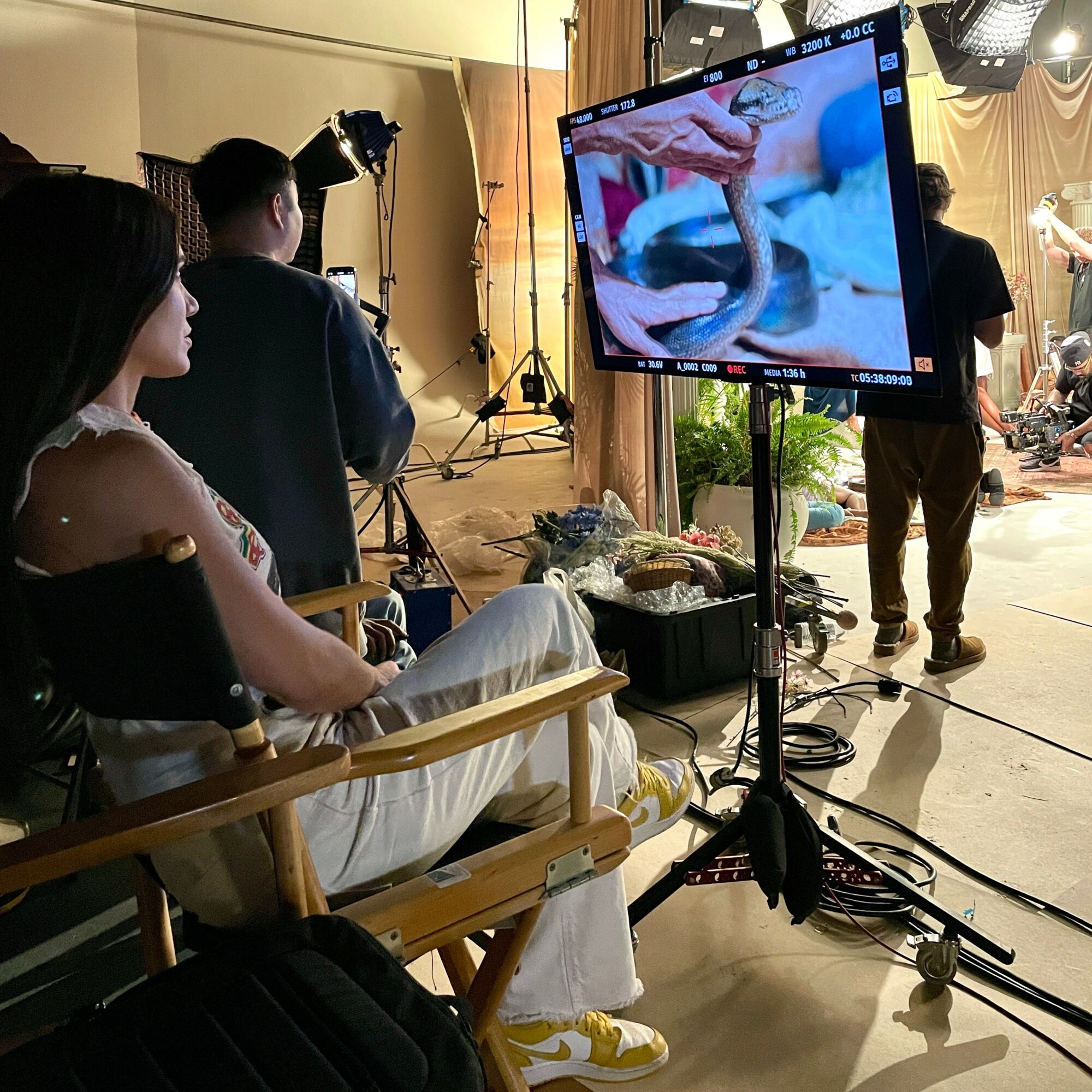
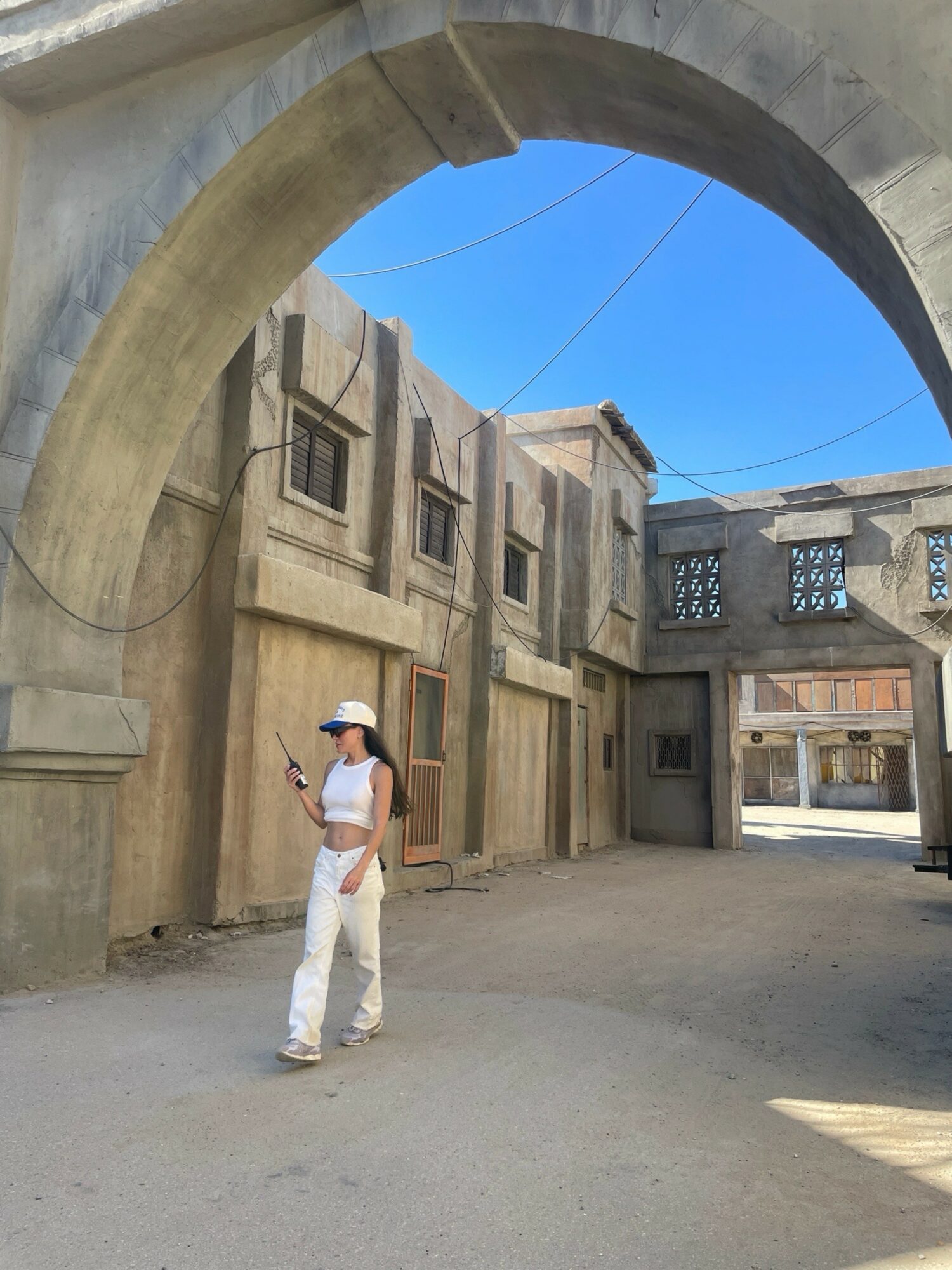
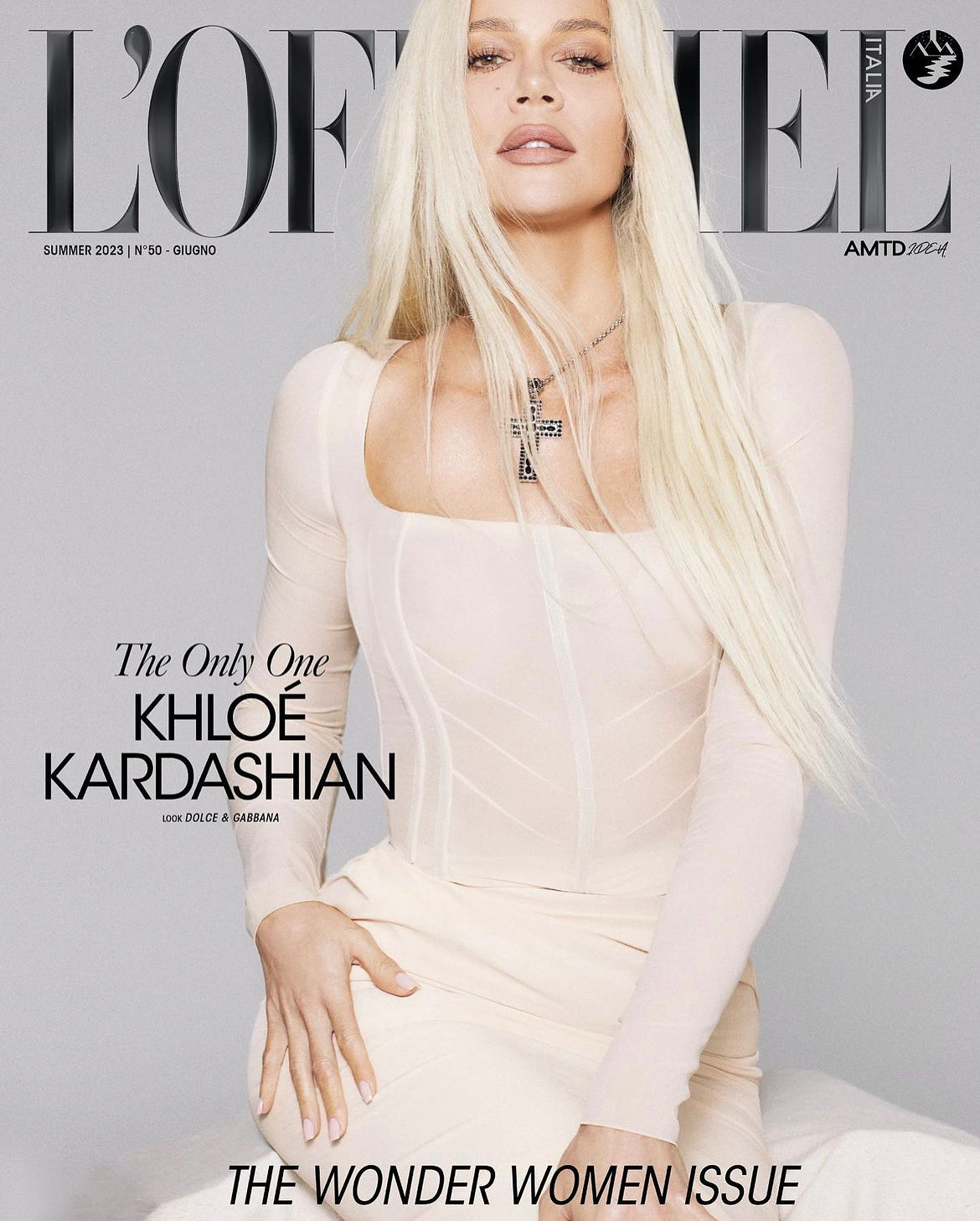
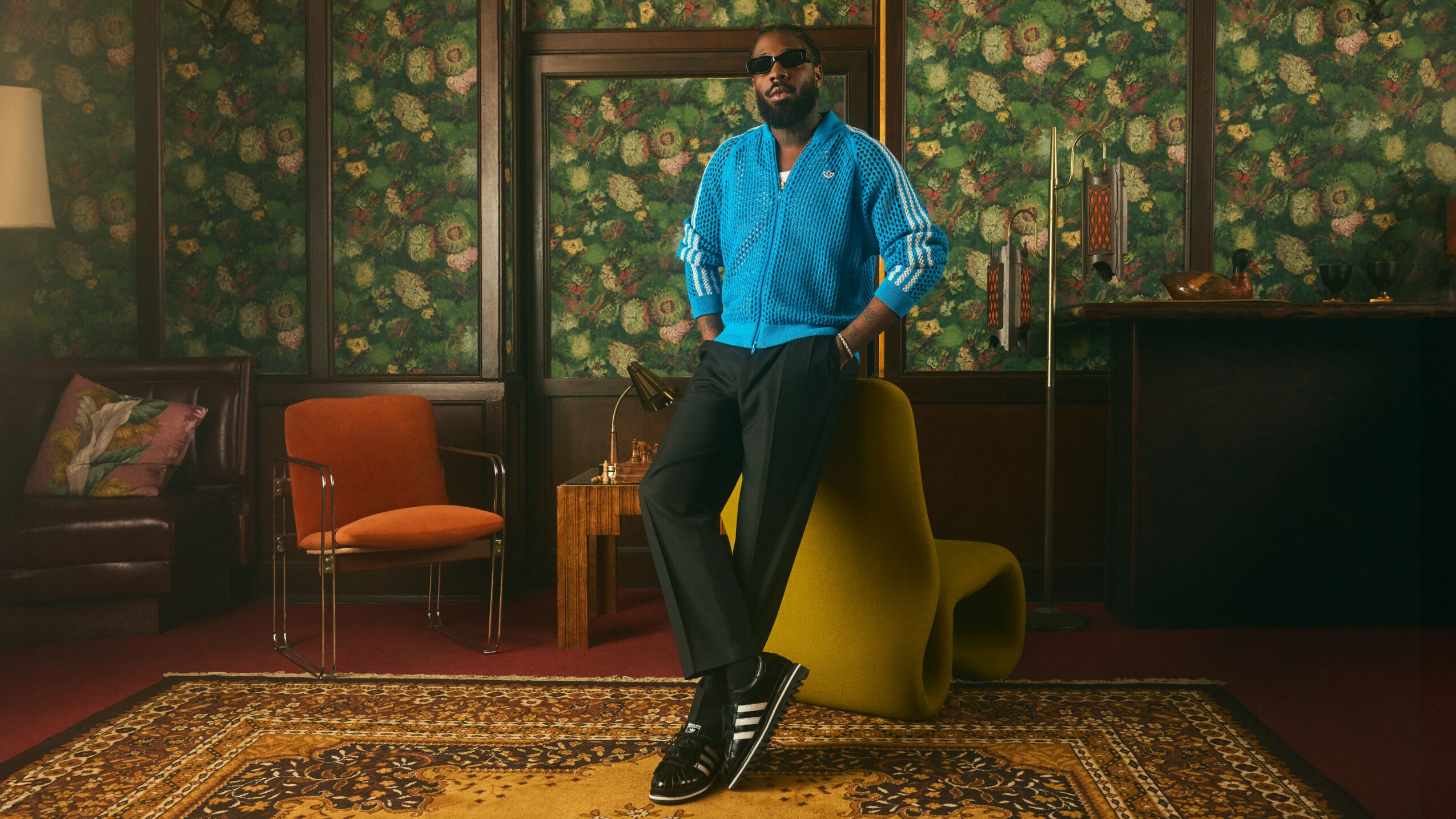
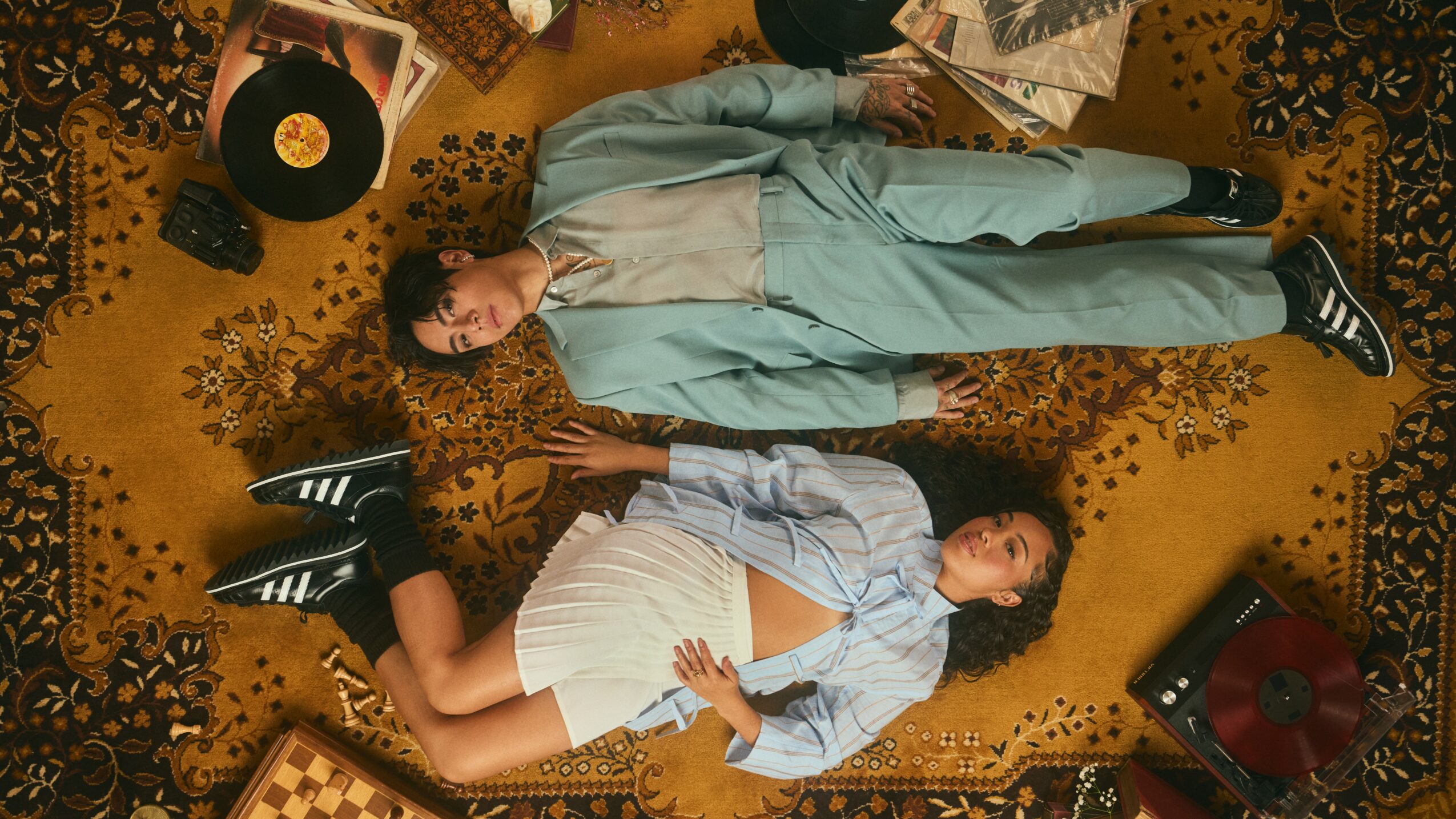
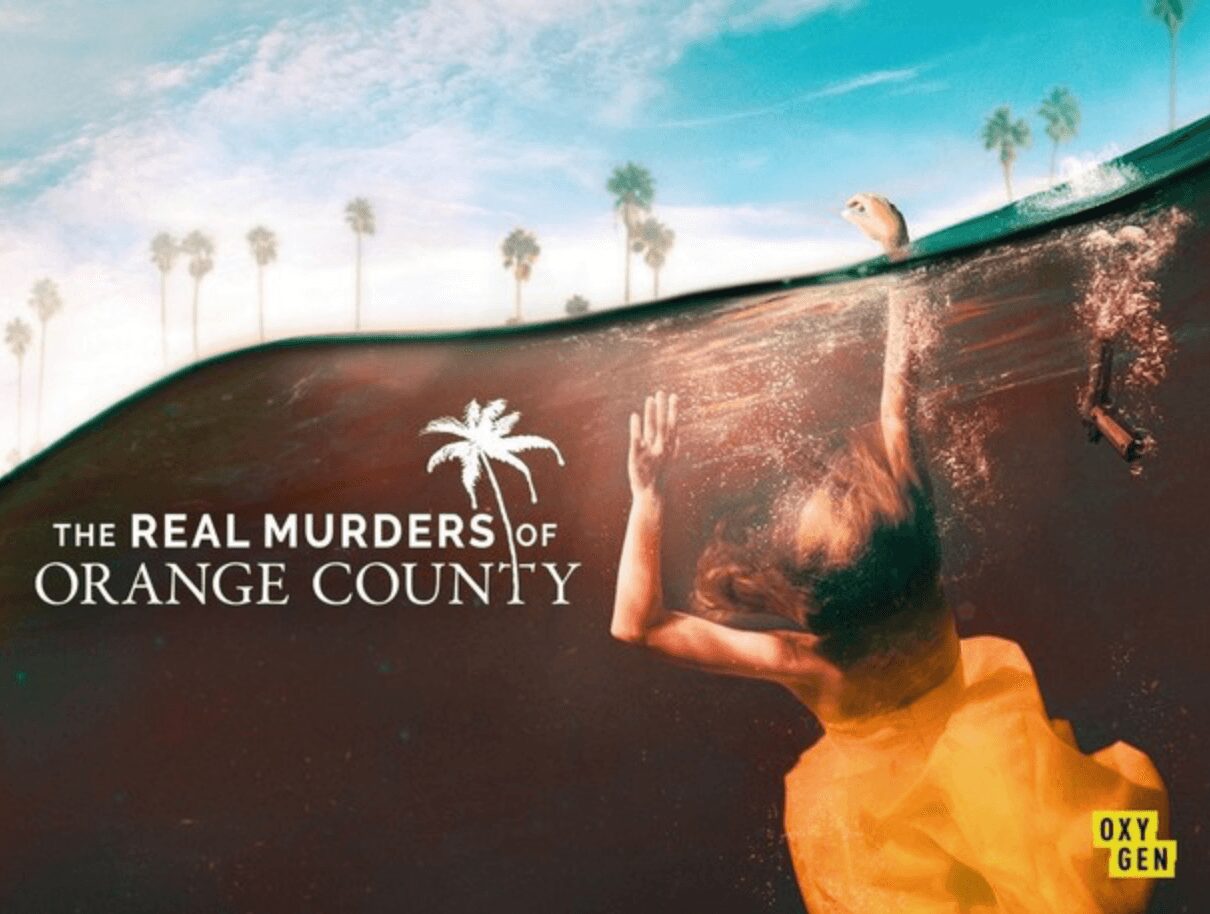
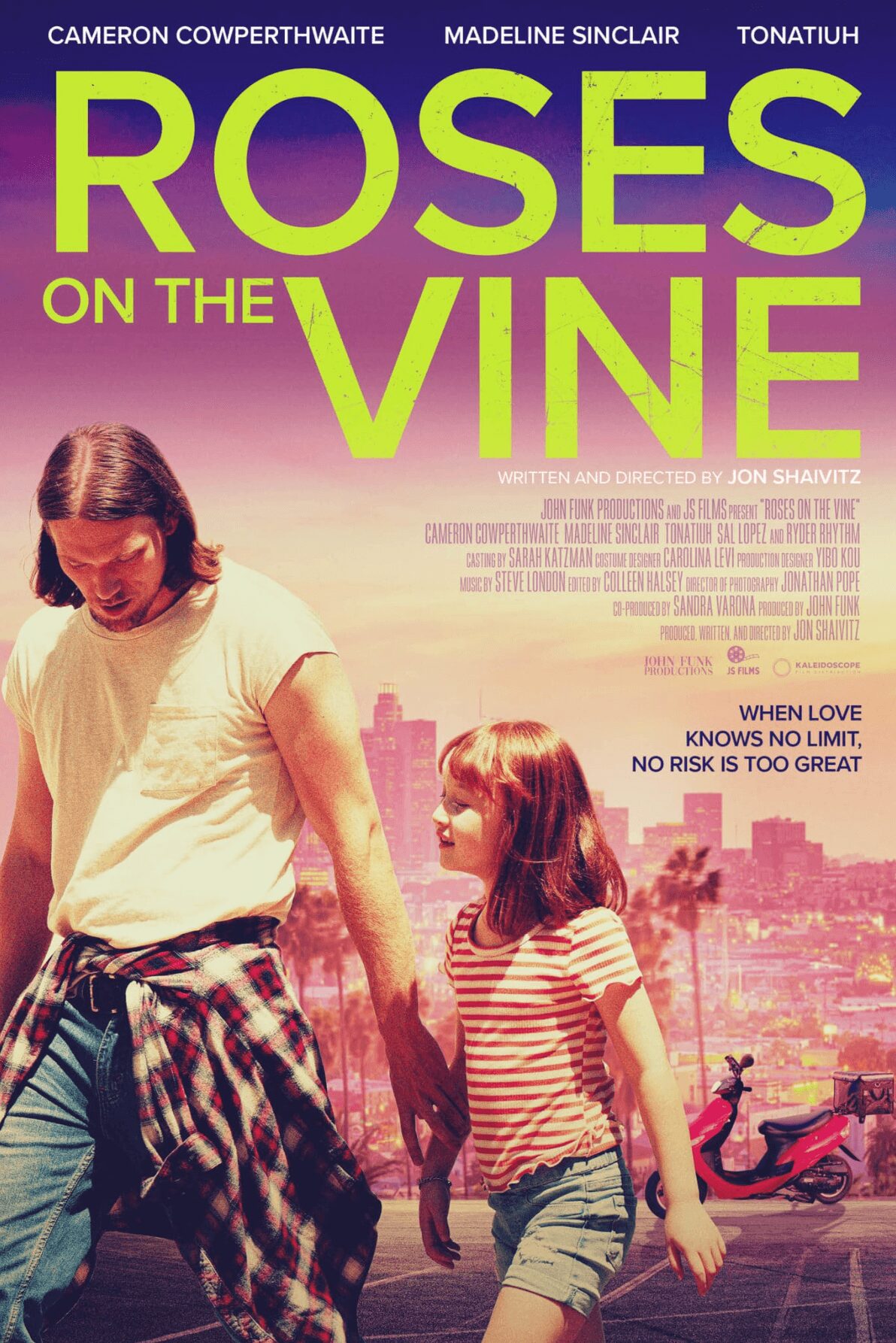
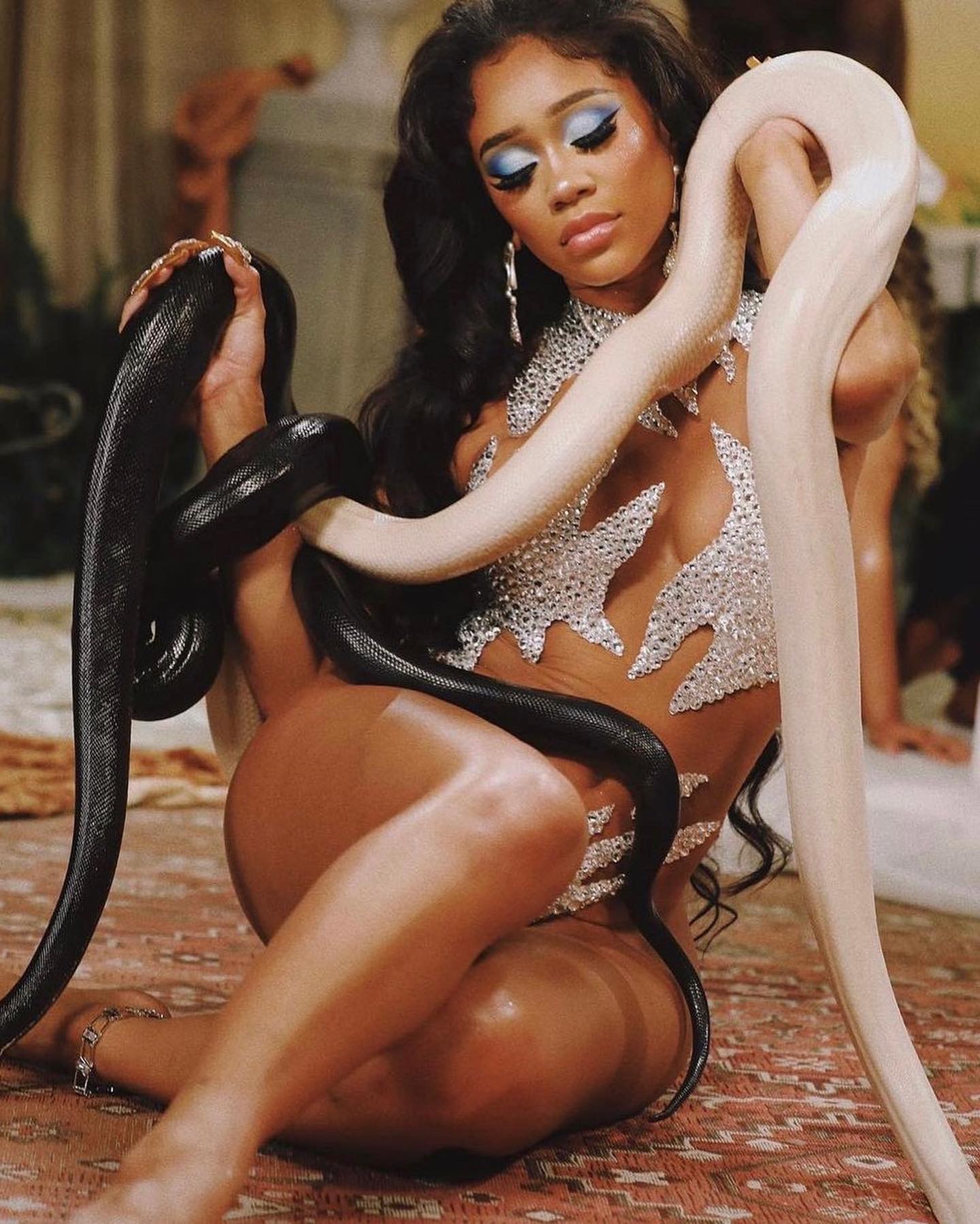
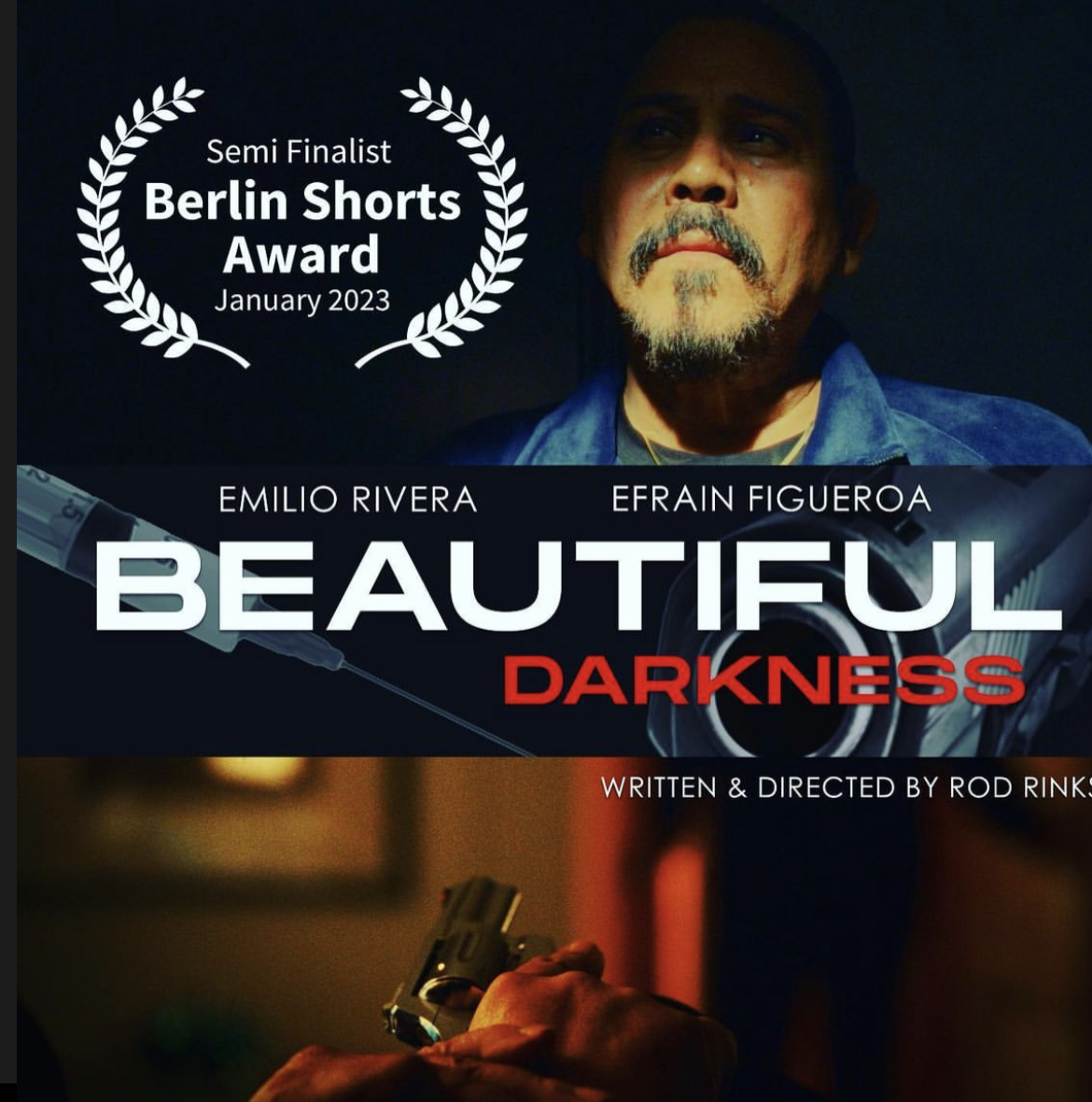
Today I’ve been based in Los Angeles for ten years, working as a costume designer and stylist across film, TV, commercials, music videos, editorial, and celebrity styling. I’ve worked on more than 100 productions and collaborated with brands and platforms including Netflix, Fox, Hulu, Apple TV, Amazon, Variety, Louis Vuitton, and Adidas, as well as talent such as Billie Eilish, Khloé Kardashian, and Travis Scott, among many others. My work is very story-driven — I love creating wardrobes that not only look beautiful on screen, but also help define character, tone, and emotion.
Looking back, every chapter connected. My mother taught me fashion. Painting taught me to see color and light. Interior design taught me aesthetics and space. Performing taught me character. Comedy taught me timing and human behavior. And costume design became the place where all of those experiences — and that little girl watching her mother sew — finally came together.
Alright, so let’s dig a little deeper into the story – has it been an easy path overall and if not, what were the challenges you’ve had to overcome?
Definitely not — and I wouldn’t trade the hard parts for anything, because they shaped everything.
Moving countries multiple times and rebuilding from scratch each time was probably the biggest test. Leaving Argentina, making my way through Europe, then New York, and eventually landing in Los Angeles meant constantly starting over — new connections, new cultures, new industry rules. Nobody hands you a map for that. You just figure it out as you go, and you develop a kind of resilience you didn’t know you had.
There was also the challenge of not fitting neatly into a box. I came from painting, then interior design, then the entertainment world as an actress, TV host, and stand-up comedian — and when I pivoted into costume design, people didn’t always know what to make of that journey. The industry likes categories. It’s comfortable with “she’s always been a costume designer.” My path was more eclectic, and I had to learn to own it rather than apologize for it. Now I see it as my greatest asset — that cross-disciplinary background gives me a perspective most people in this field simply don’t have.
And then there’s just the nature of the industry itself — the long hours, the impossible deadlines, the pressure of delivering something creative and beautiful while simultaneously solving a hundred logistical problems no one ever sees on screen. It’s glamorous from the outside, and genuinely fulfilling, but it demands everything from you.
What kept me going through all of it was passion — pure and simple. When you truly love what you do, you find a way. Every struggle taught me to adapt faster, communicate better, and trust my instincts more deeply. Looking back, I’m actually grateful for the difficult moments. They didn’t slow me down — they built me.
Alright, so let’s switch gears a bit and talk business. What should we know about your work?
What I love most about my work is the ability to create characters and their world through a visual language of clothing. Every project is different, and there’s something deeply satisfying about how a wardrobe can instantly communicate personality, emotion, status, or tension — without a single word of dialogue. For me, costume design is never just about fashion. It’s about building something that supports and elevates the entire world of a project.
Much of my work happens in fast-paced environments where creativity and problem-solving have to coexist. I work mostly on scripted productions, but also on music videos, commercials, editorials, and celebrity projects, and I’ve learned how to move quickly without ever losing a strong visual direction. I’m very detail-oriented, but I also understand the bigger picture — how every department connects, and how costume plays a role in that larger conversation.
What I think sets me apart is that my path was never traditional. Having a background in painting, interior design, acting, TV hosting, and stand-up comedy gave me an unusually deep understanding of people, character, and storytelling. I know what it feels like to be in front of the camera as well as behind it — and that perspective shapes everything about how I collaborate with talent, directors, and creative teams. I don’t just dress people. I think about who they are, how they move, and what their clothing needs to say about them before they ever speak their first line.
What I’m most proud of is building a body of work alongside some of the most talented people in this industry — people who inspire me and teach me something new every day. Starting over in different countries, different industries, and different cultures forced me to trust my instincts and develop a creative voice that is genuinely my own. My work has evolved naturally over the years, and through all of it, it has stayed true to who I am. That authenticity, I think, is what people feel when working together.
Where do you see things going in the next 5-10 years?
The entertainment industry is going through a massive transformation right now, and I find it genuinely exciting to be working through it in real time.
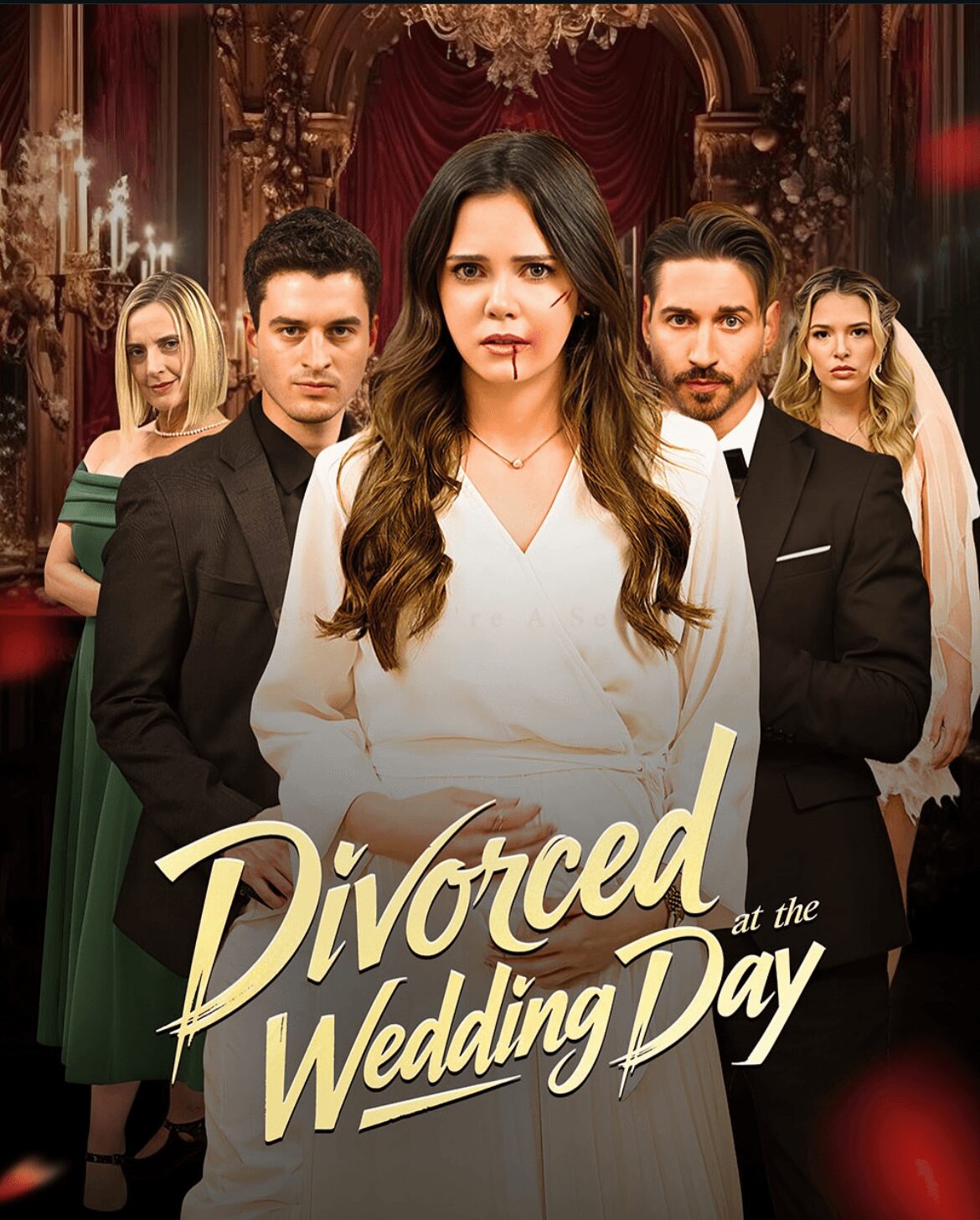
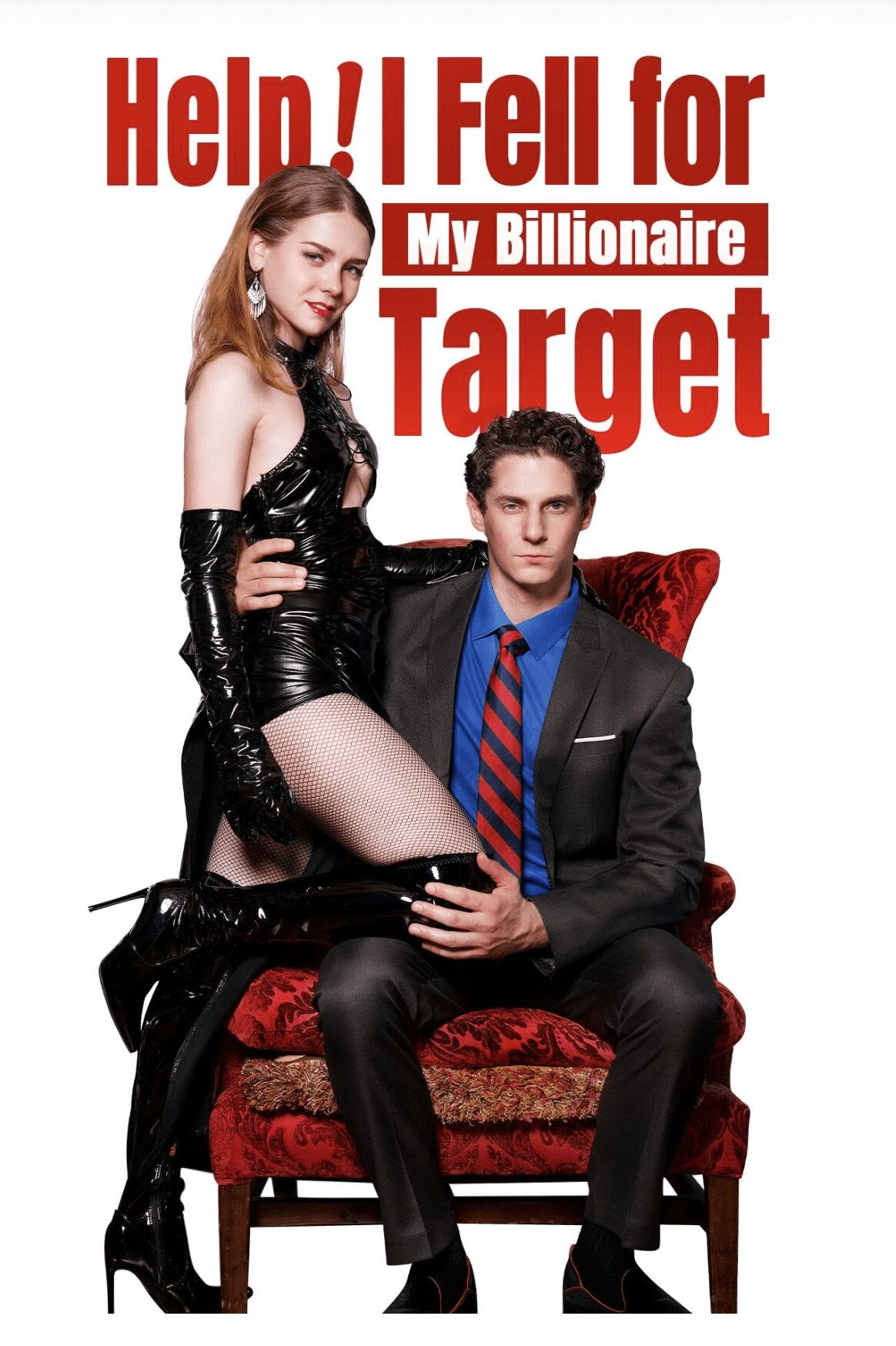
One of the biggest shifts is the explosion of vertical content and mobile-first storytelling. Platforms like DramaBox, ReelShort, and ShortMax, among others, are becoming incredibly successful and are fundamentally changing the way audiences consume entertainment. People want fast, emotionally driven stories they can watch directly from their phones — and that demand is growing rapidly worldwide. Over the next 5 to 10 years, I believe vertical series and short-form productions will become a major format within the industry.
From a costume design perspective, it’s a fascinating creative challenge. When episodes are designed to hook a viewer within seconds, every single detail has to be intentional and immediately impactful. The wardrobe carries even more weight in that context — it has to define character, emotion, and status in a split second, while still feeling cinematic and visually polished on a vertical screen. In many ways, styling becomes one of the most powerful storytelling tools available, because there simply isn’t time for anything else to do that work.
I also think the line between traditional film, fashion, social media, and digital entertainment will continue to blur. Audiences today connect deeply with aesthetics and visual identity, so wardrobe has become simultaneously a storytelling tool and a branding language — and that intersection is only going to grow.
What excites me most is that these platforms are creating real opportunities for creatives to experiment and reach global audiences faster than ever before. The industry is becoming more international and accessible. Adaptability, I think, will be one of the most valuable skills anyone in this business can have moving forward — and honestly, growing up in Argentina and building my career across multiple countries and industries, it’s something I’ve been training for my entire life, without even knowing it.
Contact Info:
- Website: https://www.carolinalevi.com
- Instagram: https://www.instagram.com/carolinalevi_
- Instagram: https://www.instagram.com/delmate
- IMDb: https://imdb.me/CarolinaLevi
- Other: https://shopmy.us/shop/carolinalevi
Popular
-

Maagic Collins on Building a Fearless Publishing Platform for Truth, Advocacy, and Underrepresented Voices
-
Los Angeles Barea on Turning Green Superheroes into a Global Movement for Youth-Led Change
-

Trisha DuVivier on Bridging the Franchisor–Franchisee Divide with Workhero and “Franulate”
-

Portraits of the Valley
-

LA’s Most Inspiring Stories
-
Cedar Boschan on Elevating Black Music Rights and Driving Urgent Conversations Around Credit, Equity, and Artist Protection


