




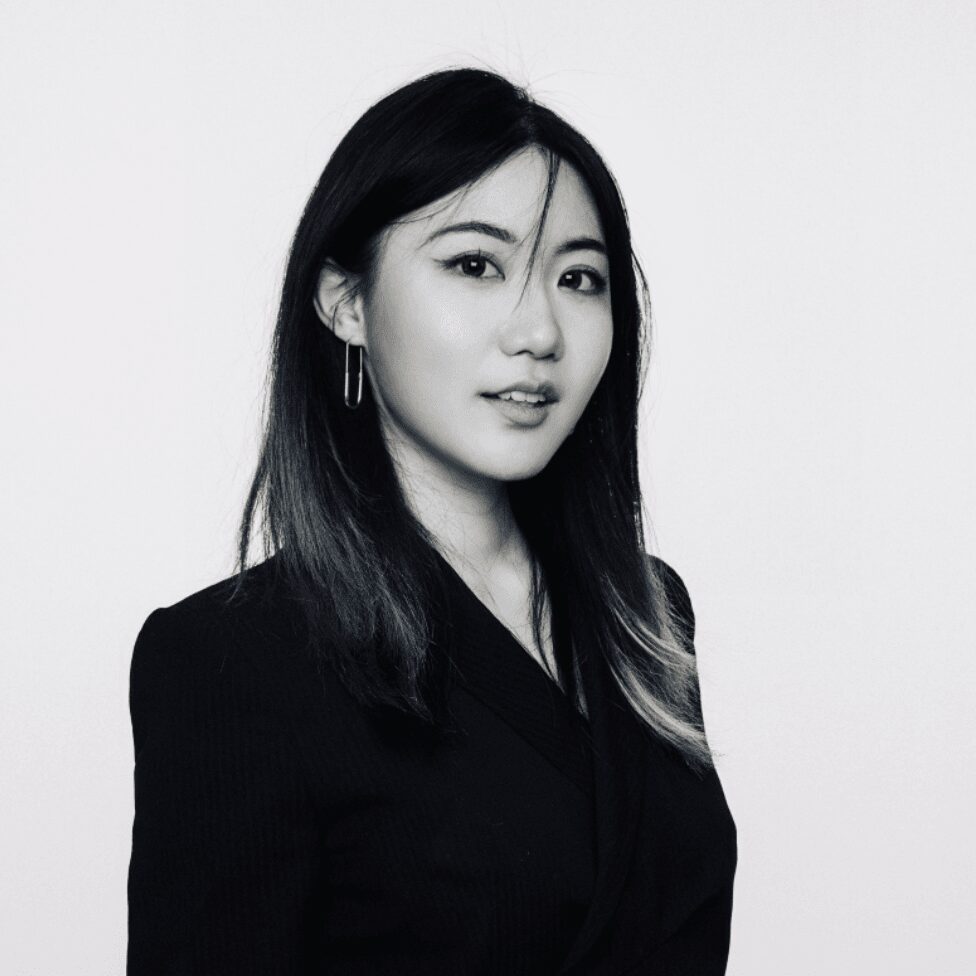
Today we’d like to introduce you to Camille Zhang
Camille, we appreciate you taking the time to share your story with us today. Where does your story begin?
I have been learning art since my childhood. I began to learn Chinese painting when I was 4 years old, and I have continued many painting concepts to this day. After I first learned about Design, I found my goal. I was born to love design with visual impact, which can make me excited constantly, so I came to ArtCenter College of Design to study graphic design.
I keep summing up my experience in the classroom and at work, combining the two and trying something new at the same time. After graduation, I chose to stay in the United States and worked and interred in different companies. After each trial, I gradually understood the complexity of the design industry, especially in the aspects of brand design, packaging and user experience. In the process, I not only accumulated a lot of project experience, but also shaped my own design philosophy – combining innovation and practicality to create works that are both visually striking and emotionally resonant.
Would you say it’s been a smooth road, and if not what are some of the biggest challenges you’ve faced along the way?
While my career has been rewarding, it hasn’t always been easy. As someone from a different country, I faced some language and cultural barriers early in my career. During my first working experience in the US, I had to constantly adapt to different ways of communication and teamwork. I often feel stressed because I am not familiar with the local design process, but because of this, it has taught me how to better work with people from different backgrounds and improved my ability to adapt in a multi-cultural environment.
Especially during the pandemic, I also worked as a freelancer for two companies while taking classes, so that I needed to stay awake during both working hours in China and class hours in the United States. I gradually developed my own working mode and communication mode with clients to earn back my sleep time.
As you know, we’re big fans of you and your work. For our readers who might not be as familiar what can you tell them about what you do?
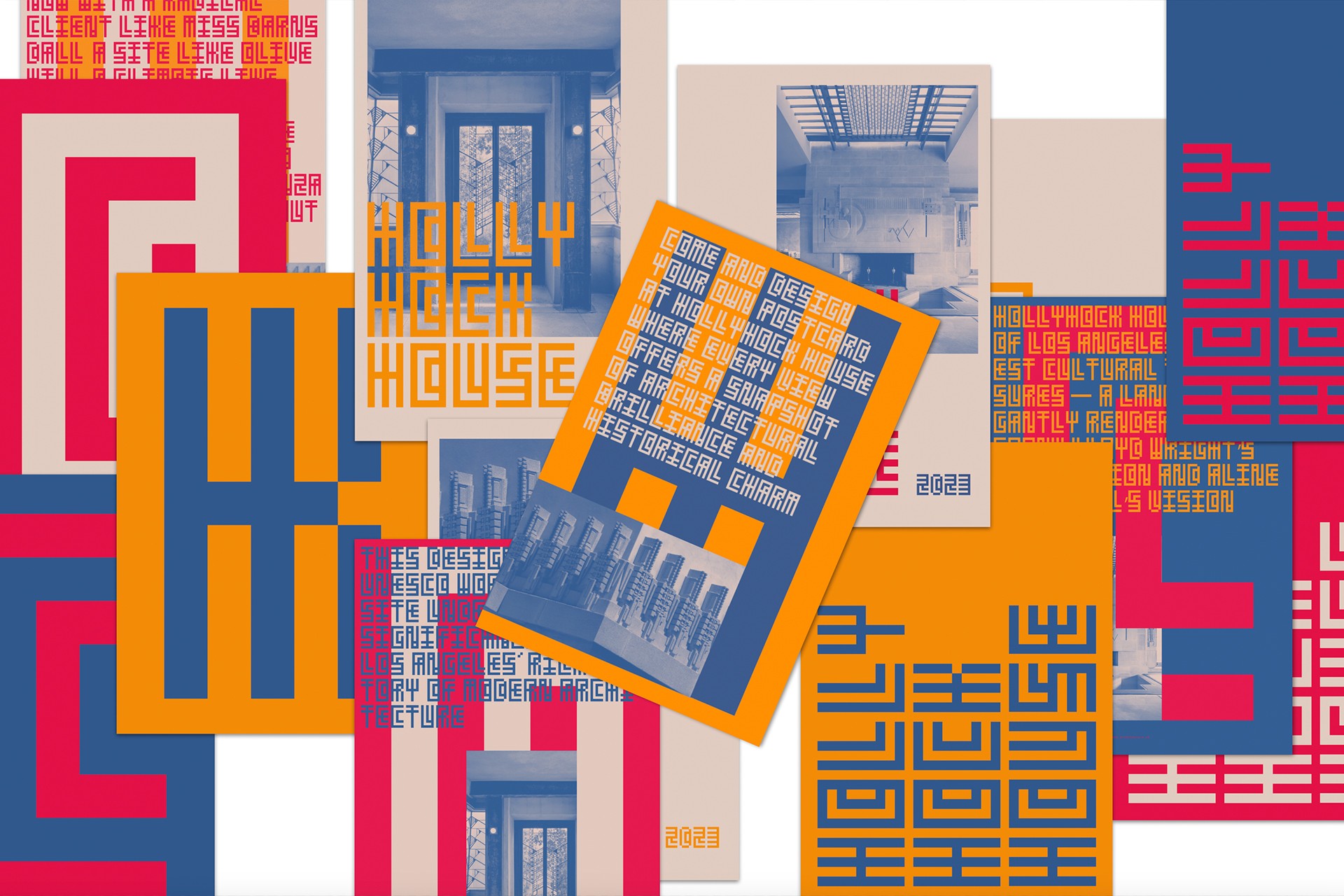
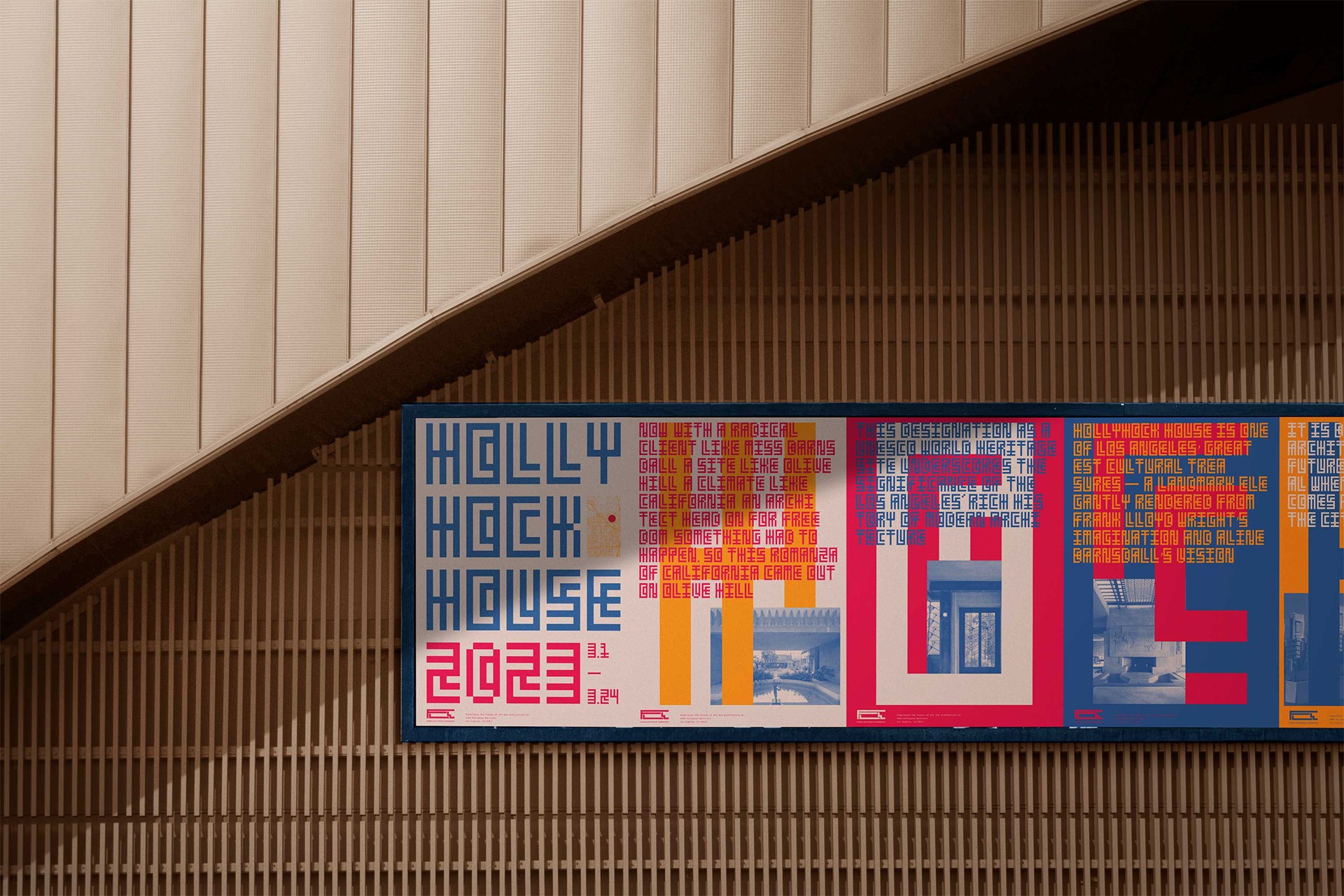
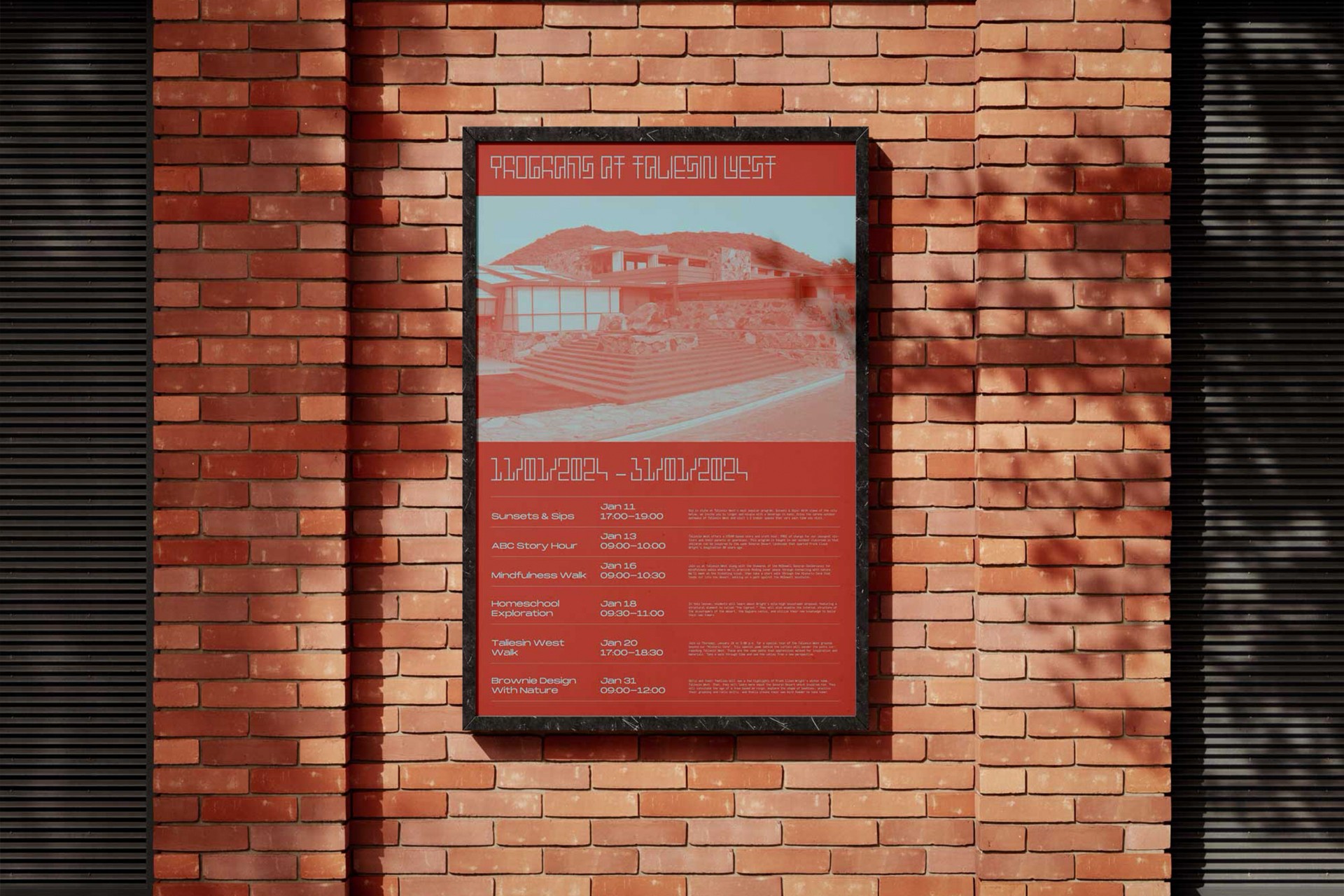
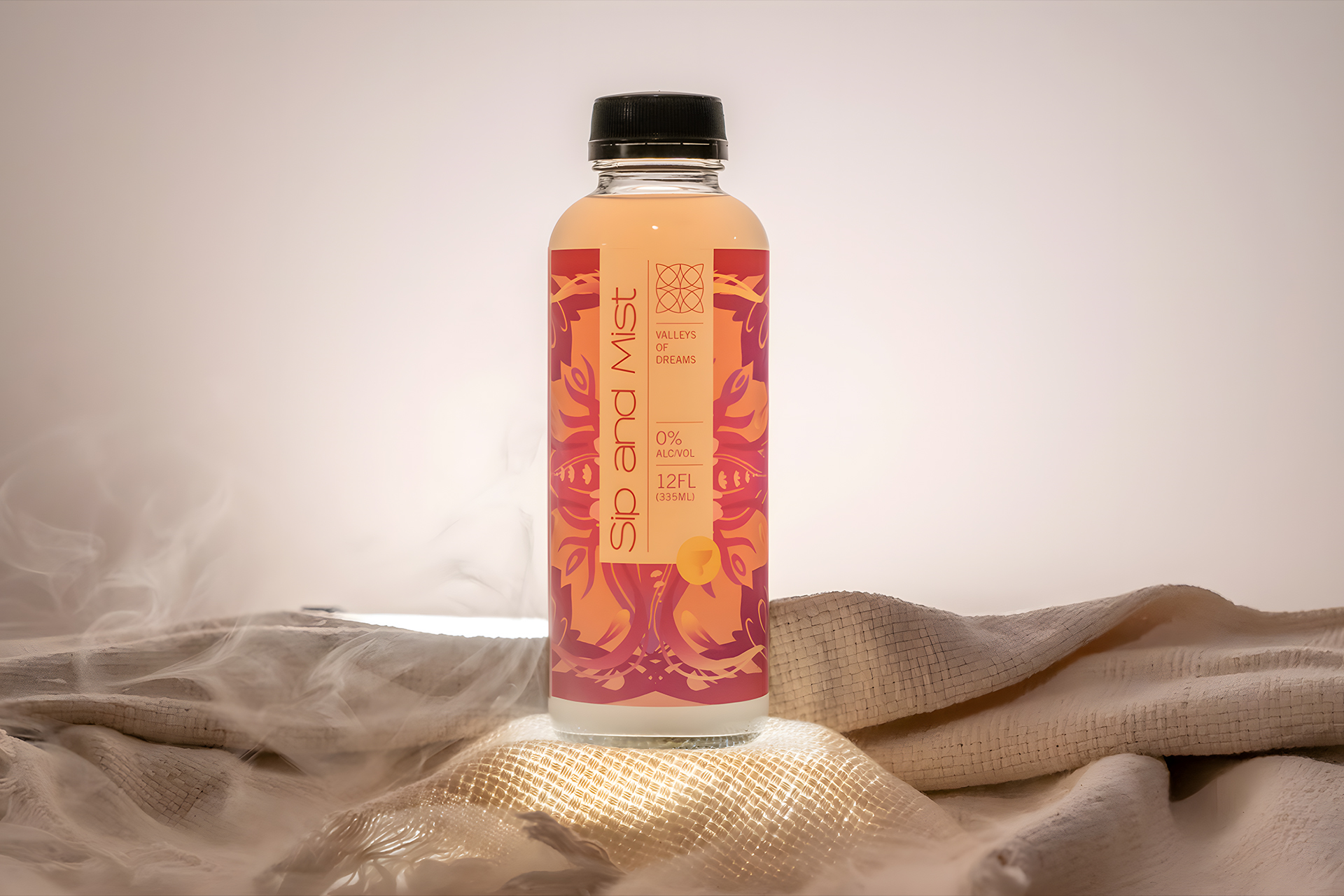
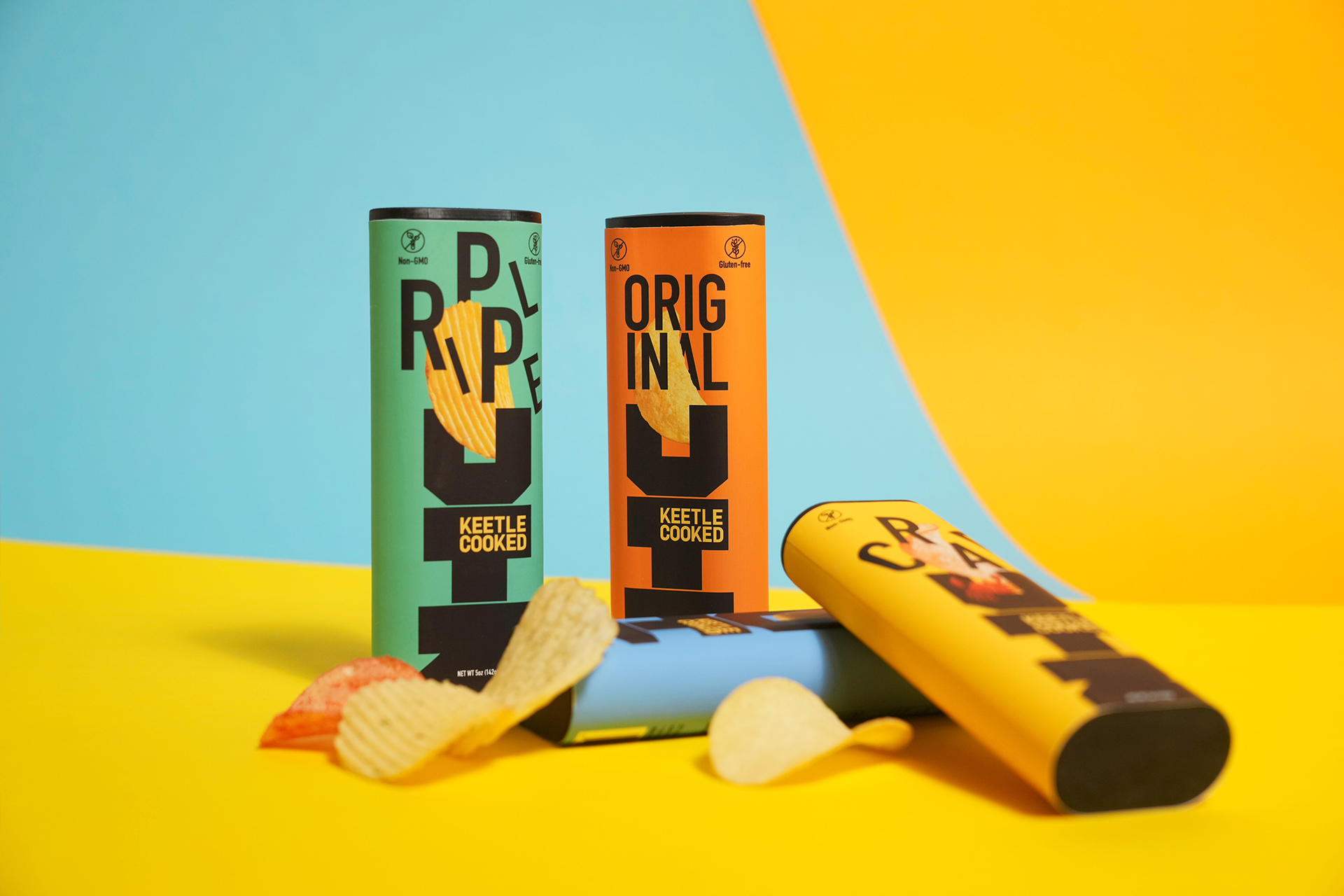
My areas of expertise include brand design, packaging design and mixed media creation. I am good at conveying brand stories and emotions through visuals, with concise and impactful design style. In particular, I pay special attention to the use of color. I think a good enough color combination can maximize the audience’s emotional connection, even if only 10% of the color can be modified to make a huge change in the picture. This concept can also be applied to a lot of designs. Especially in my award-winning project, The Hollyhock House. For this project, as an architectural design rich in history and culture, in order to create a new visual experience, I used colors to integrate modern design language with classic elements to create a multi-media brand design. These include typography, poster design, publication design, social media design, motion design, spatial design, interaction design, and film. What distinguishes my design is that I like to transform traditional graphic design into cross-field innovative applications, which allows me to maintain a unique perspective in my creation.
What sort of changes are you expecting over the next 5-10 years?
In the next five to 10 years, I think the design industry will embrace more diversity and technology development. With the continuous development of artificial intelligence and interactive technology, as designers are given more powerful tools, design will not only be a static visual representation, it will become more immersive, dynamic, and even able to personalize it according to user needs in real time. At the same time, brand design will also be more focused on sustainability and social responsibility, and designers need to pay more attention to environmental and social issues in order to create works with positive social impact.
In my opinion, the traditional design industry is facing a huge innovation, designers will not be confined to the framework of the media, but to the direction of cross-border, integration and innovation. They will work more with experts in technology, art and sociology to create more diverse solutions. This is not only an innovation of design tools, but also a new definition of design thinking and design mission.
Contact Info:
- Website: https://www.camillezhangdesign.com/
- LinkedIn: https://www.linkedin.com/in/camille-zhang-0006591b4/
Popular
-

Cedar Boschan on Elevating Black Music Rights and Driving Urgent Conversations Around Credit, Equity, and Artist Protection
-

Portraits of the Valley
-

LA’s Most Inspiring Stories
-

Robin Olive on Building an Inclusive Performing Arts Movement and Expanding Opportunities for Every Student
-

Que Johnson on Building Brands That Last: From Visibility to True Market Authority
-

Christina Wren Steps Into the Director’s Chair to Tell Stories That Feel Like Home


