




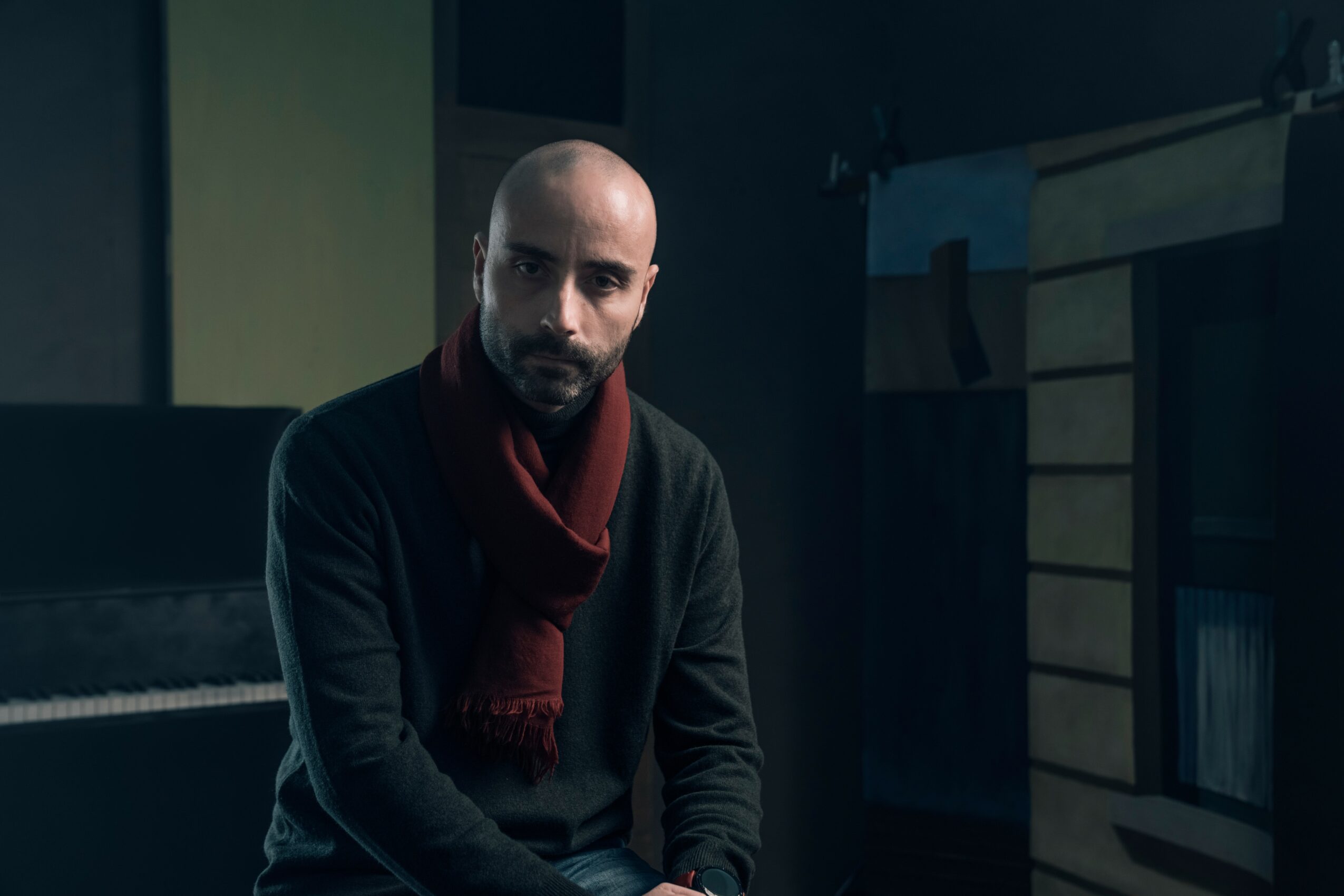
Today we’d like to introduce you to Andrés Gallego.
Hi Andrés, please kick things off for us with an introduction to yourself and your story.
I started working with photography around 2017, in a mostly self-taught way. At the beginning, photography was a way of exploring something that I felt inside but did not really know how to express with words. I have always been quite introspective, and the camera slowly became a tool that allowed me to externalize emotions, questions, and certain inner states.
My first steps were quite experimental. I was not interested in photography only as a way of documenting reality, but as a way of constructing images. Little by little, I began to create staged scenes and fictional spaces, almost like small visual narratives. Around 2019, I started developing my first personal projects more seriously, and that helped me define a line of work connected to identity, intimacy, memory, and the relationship between the individual and the spaces we inhabit.
A very important turning point came when I began to incorporate painting into my photographic process. Instead of using photography as a direct record of the world, I started building sets, painting backgrounds and creating physical spaces that were made specifically to be photographed. This allowed me to create a dialogue between photography and painting, not as two separate disciplines, but as two languages that could coexist within the same image.
Over time, my work became increasingly connected to artists such as Edward Hopper and Vilhelm Hammershøi, not only because of their visual atmosphere, but because of the way they deal with silence, solitude, interior spaces, and the tension between the private self and the social self. In many of my images, my wife appears as the main model, which also brings a very personal and intimate layer to the work.
Today, I continue to balance photography with my daily work and family life. I do not see photography only as a career, but as a necessary space of expression. The recognition my work has received has opened doors and allowed me to live experiences I am very grateful for, but I still try to approach each project from the same place where everything began: curiosity, honesty, and the need to create images that say something I could not express in any other way.
I’m sure it wasn’t obstacle-free, but would you say the journey has been fairly smooth so far?
Not entirely. I think any creative path has moments of doubt, uncertainty, and frustration. In my case, one of the main struggles has been learning to trust my own voice. Because I came to photography in a mostly self-taught way, there were many moments when I questioned whether what I was doing made sense, or whether my work had a place within a broader artistic context.
Another challenge has been balancing photography with my daily work and family life. My artistic practice has grown alongside other responsibilities, so time has always been something I have had to fight for. Many of my images require a long and physical process: building sets, painting backgrounds, preparing the lighting, working with the model, photographing, editing. It is not a quick way of making images, so it demands patience, organization, and a lot of commitment.
There is also an emotional side to it. My work often comes from very personal places: intimacy, silence, identity, vulnerability, the private self. That can be difficult, because creating images sometimes means confronting parts of yourself that are not always easy to explain or expose.
But I also think those struggles have shaped the work. They have made the process more honest. I have never felt that photography was only about producing images; for me, it has also been a way of understanding myself better. So even when the road has not been smooth, those difficulties have become part of the language of the work itself.
Alright, so let’s switch gears a bit and talk business. What should we know about your work?
My work is mainly based on staged photography. I build physical sets, paint backgrounds and create spaces specifically to be photographed. I am interested in images that exist somewhere between photography, painting, cinema and theatre — images that do not simply document reality, but construct a new one.
Over the last few years, my work has become especially connected to the dialogue between photography and painting. I have created series inspired by artists such as Edward Hopper and Vilhelm Hammershøi, not with the intention of simply copying their paintings, but of translating their atmospheres, silences and emotional tensions into a photographic language. I am interested in what happens when a painted image becomes a real space, when a fictional room is physically built, inhabited and then photographed.
I think my work is often recognized for its painterly quality, its use of light and color, and its quiet, introspective atmosphere. Many of my images deal with intimacy, identity, solitude, silence, and the relationship between the inner self and the spaces we inhabit. The scenes may look still or simple at first, but I like them to contain a certain emotional tension, something unresolved that the viewer can complete from their own experience.
One of the things I am most proud of is having built a personal language slowly and honestly, without following a conventional path. I began in a mostly self-taught way, and over time I have been able to bring together many of the things that move me: photography, painting, literature, scenography, light, and the construction of emotional spaces.
What sets my work apart, perhaps, is the fact that I do not treat photography only as the final act of taking a picture. For me, the image begins much earlier. It begins with the idea, the reference, the construction of the space, the painted elements, the choice of color, the way light will transform the scene, and the presence of the person who inhabits it. Many of my works also include my wife as the main model, which adds a very intimate and biographical layer to the images.
In that sense, my photographs are not found scenes, but built worlds. They are real spaces created to hold something emotional, something private, something that perhaps cannot be said directly. That is what interests me most: creating images that feel familiar and strange at the same time, quiet but emotionally charged, open enough for the viewer to enter and make them their own.
What matters most to you?
What matters most to me is being able to live and create from an honest place.
In my personal life, my family is the most important thing. They are my center and the place I always return to. My wife and my daughter give meaning and balance to everything I do, and in some way they are also silently present in my work. Many of my images speak about intimacy, domestic spaces, silence, vulnerability and the private self, so my personal life and my artistic world are inevitably connected.
As an artist, what matters most to me is not losing the reason why I started creating images. Photography began as a way to express things I could not easily say with words. I am an introverted person, and images allow me to externalize emotions, questions and inner states that would otherwise remain hidden.
Recognition is always welcome, of course, but it is not the center of the work. What really matters is that each image comes from a real need, from something honest. I want to keep building photographs that feel intimate, quiet and emotionally true, and that leave enough space for viewers to find their own meaning in them.
In the end, what matters most to me is balance: being present for my family, staying connected to myself, and creating work that still feels necessary.
Contact Info:
- Website: https://andresgallegophotography.com/
- Instagram: https://www.instagram.com/andresgallego_photography/
- Youtube: https://www.youtube.com/@andresgallego5082
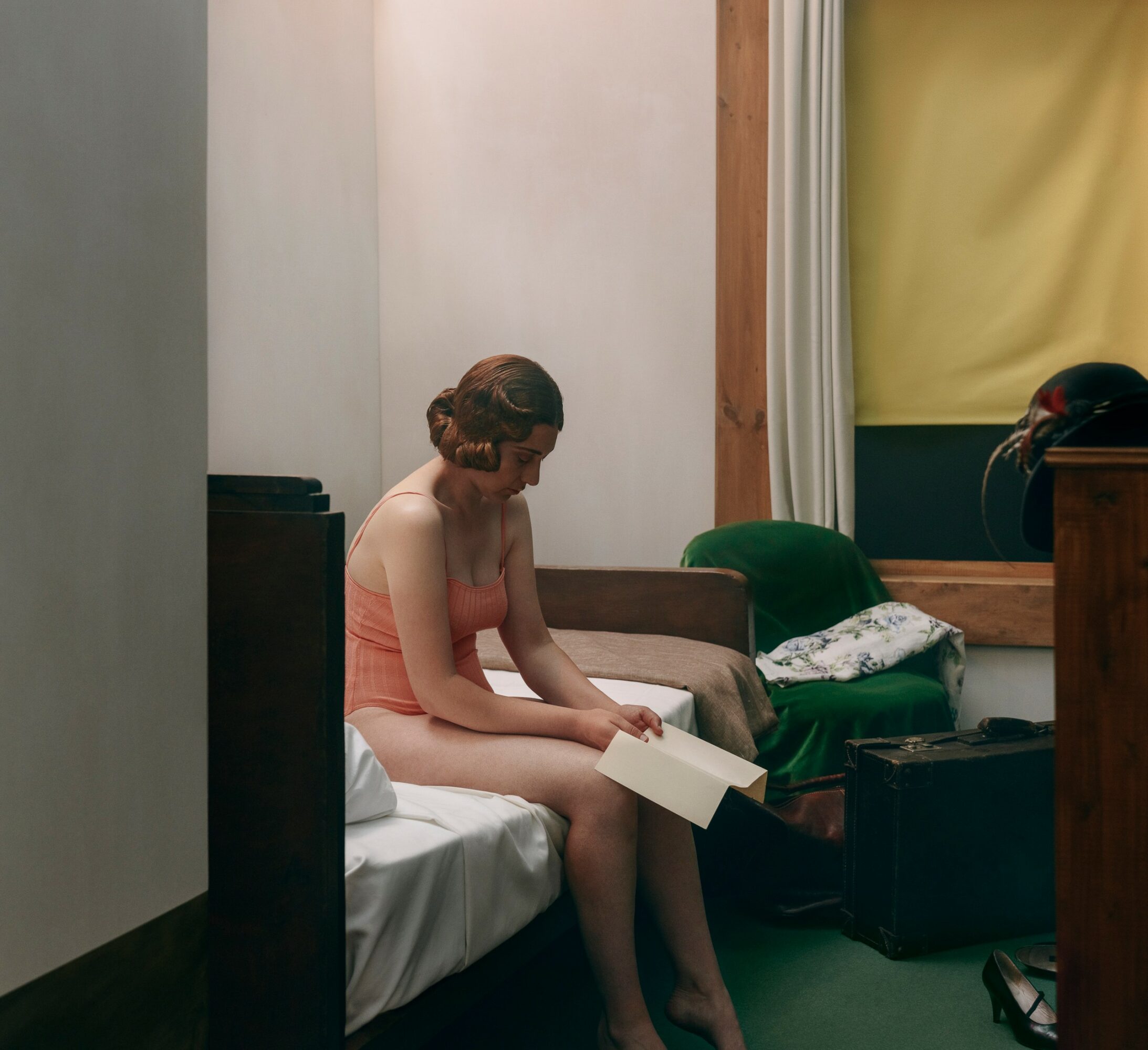
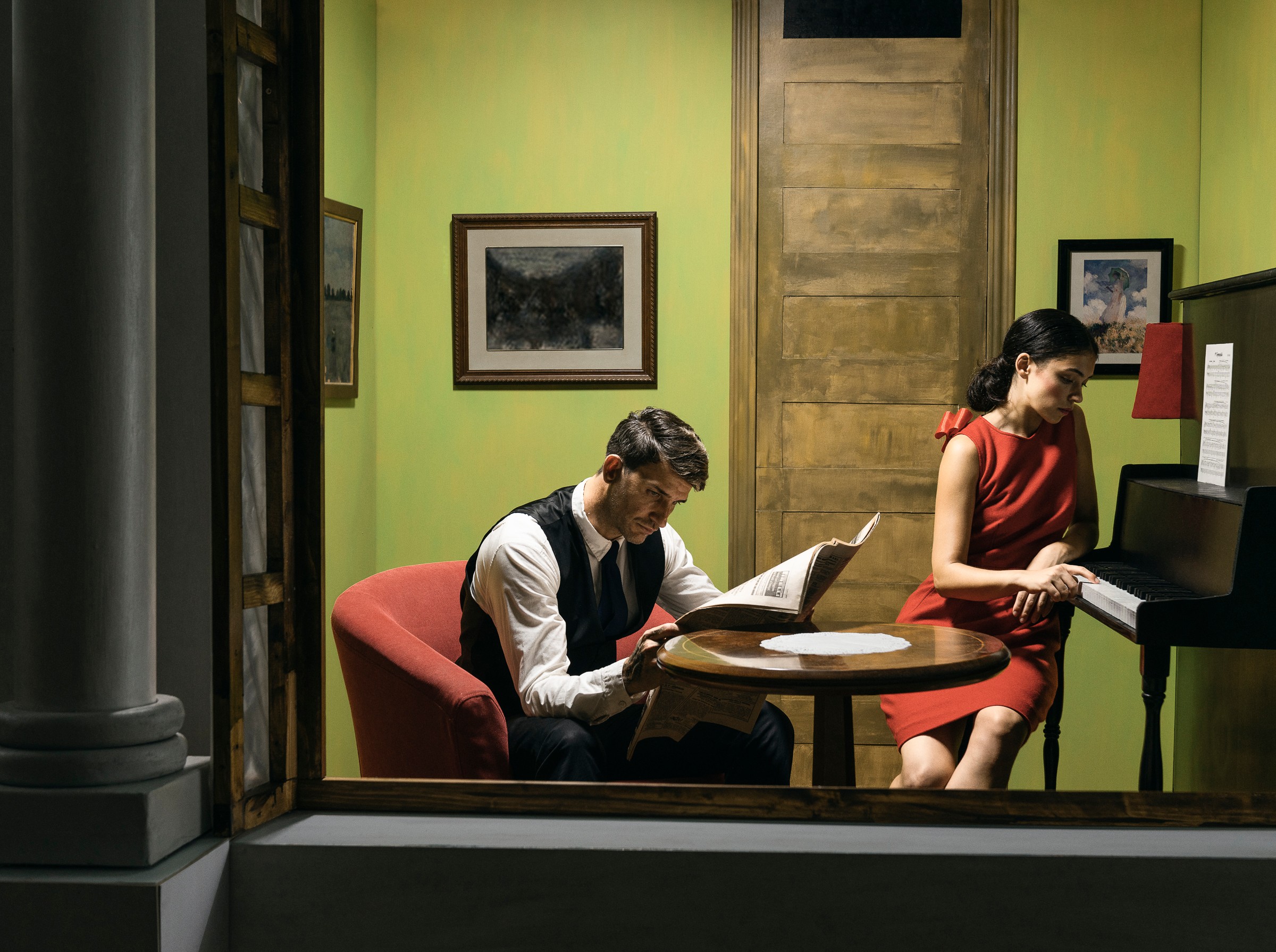
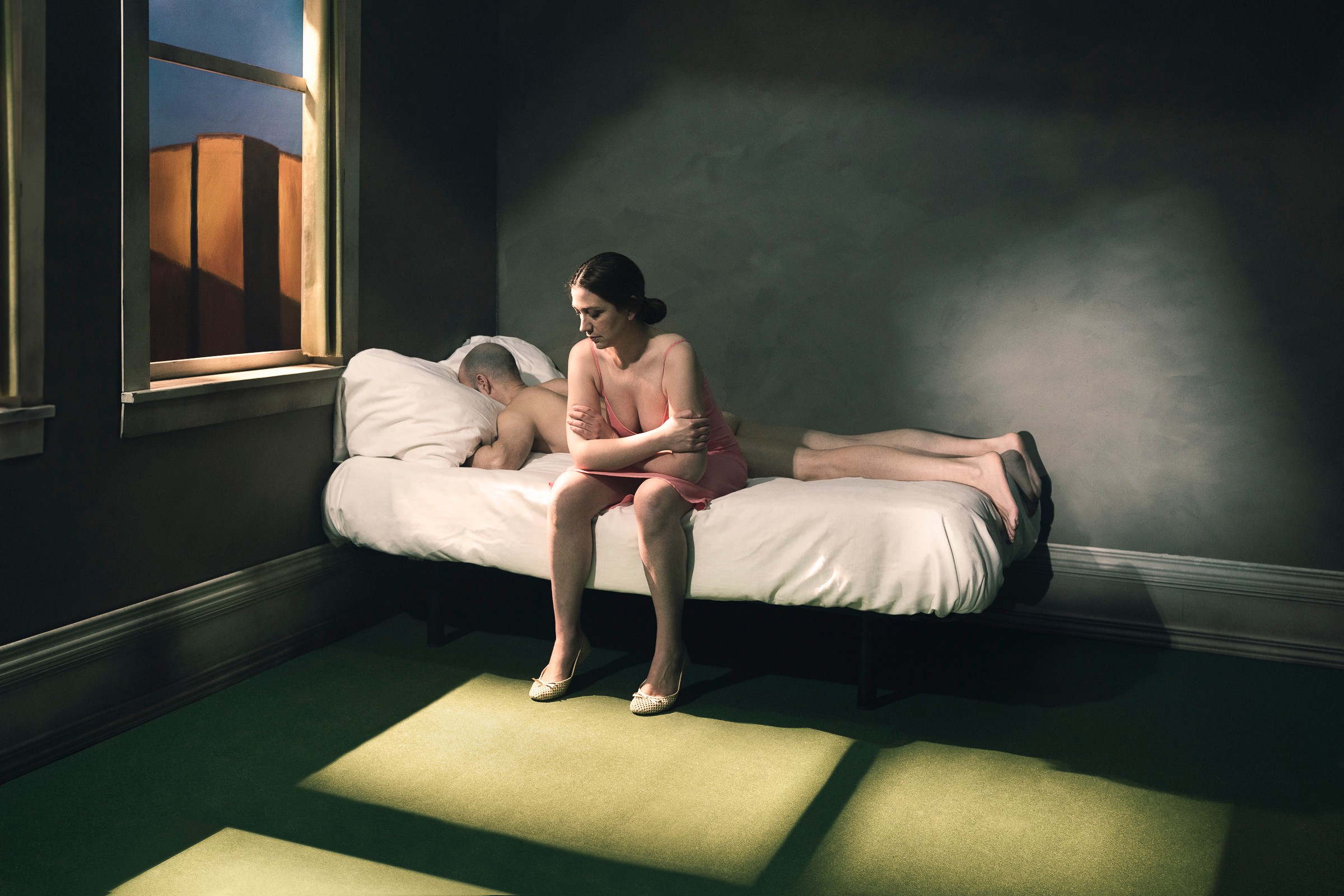
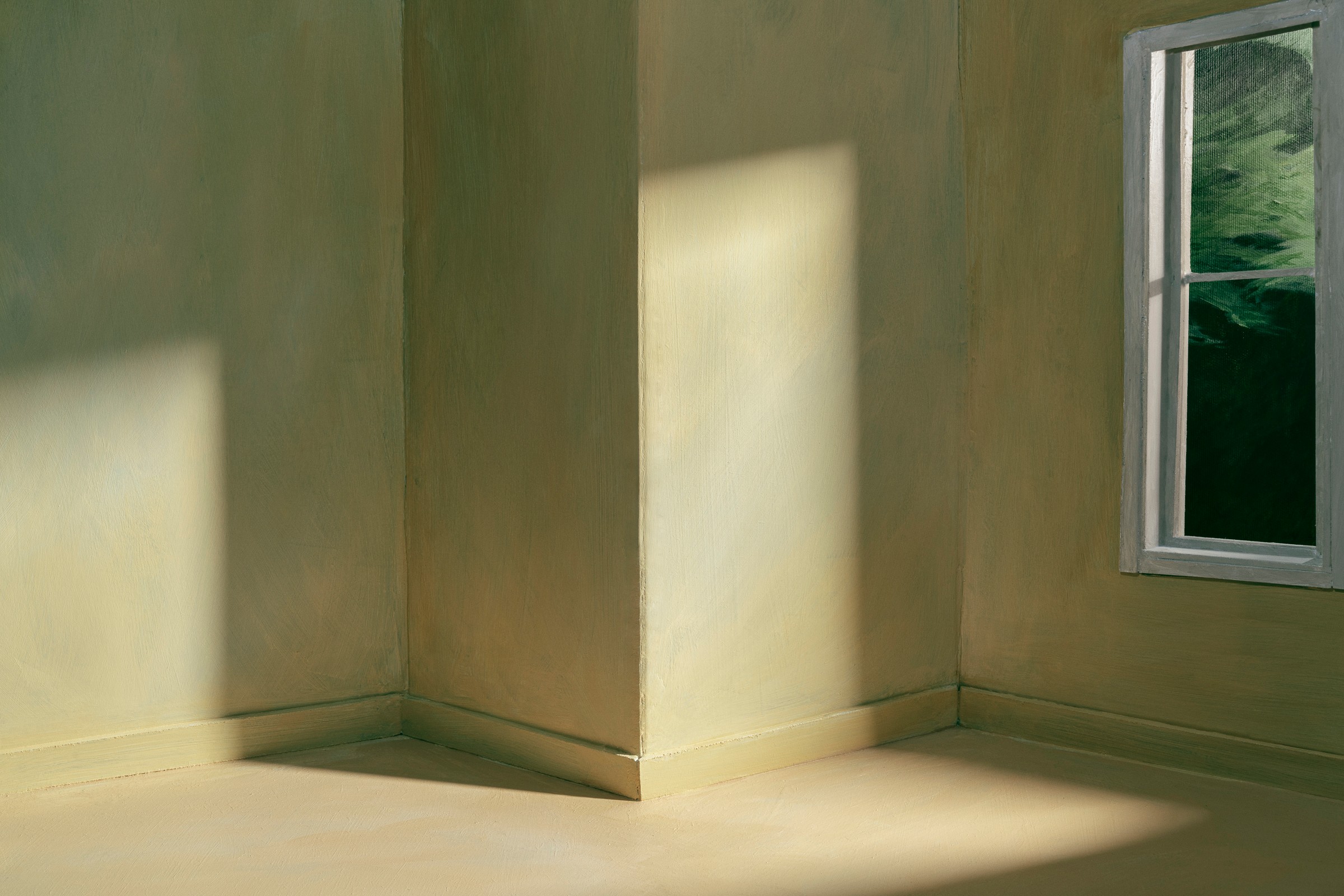
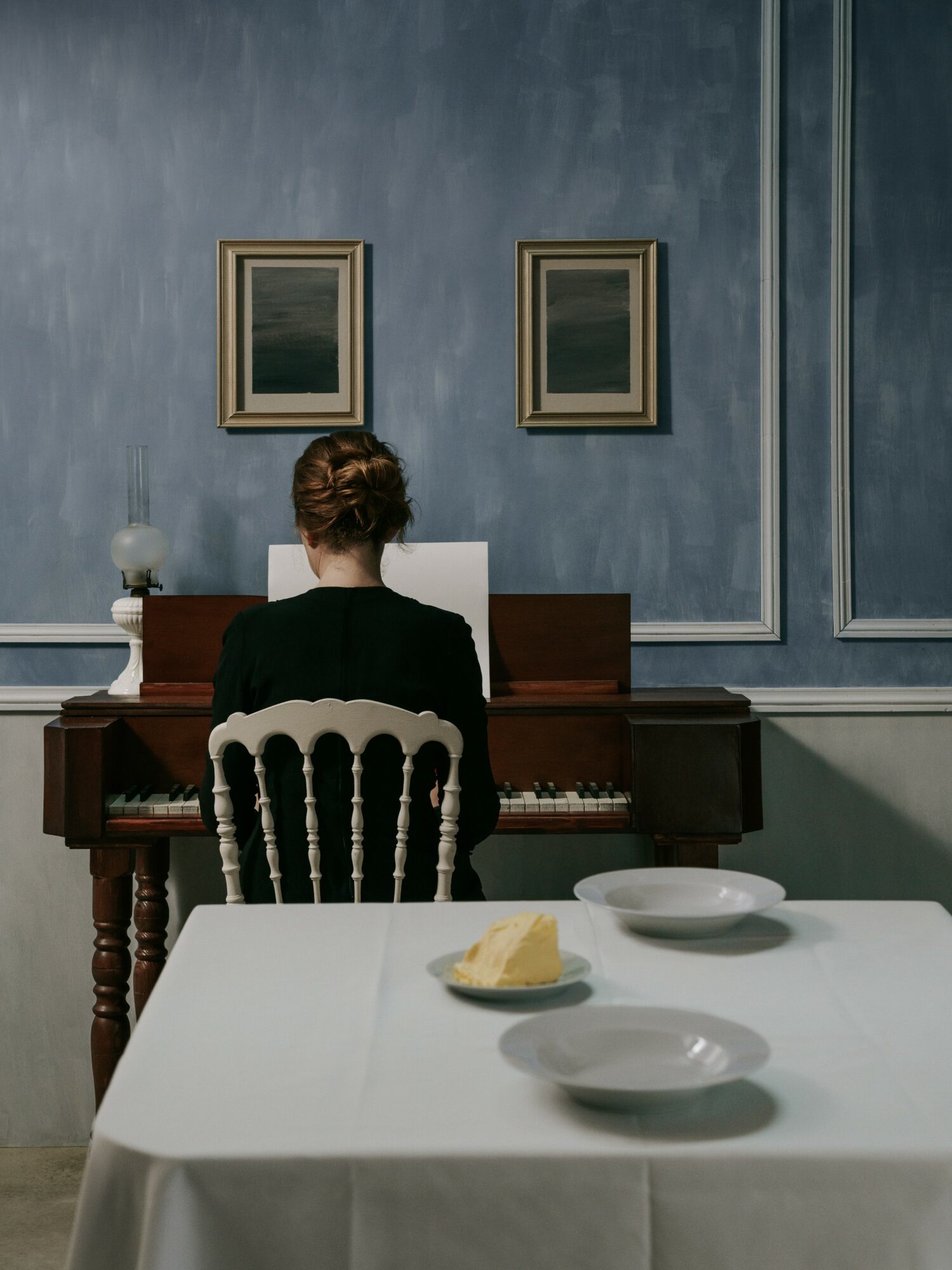
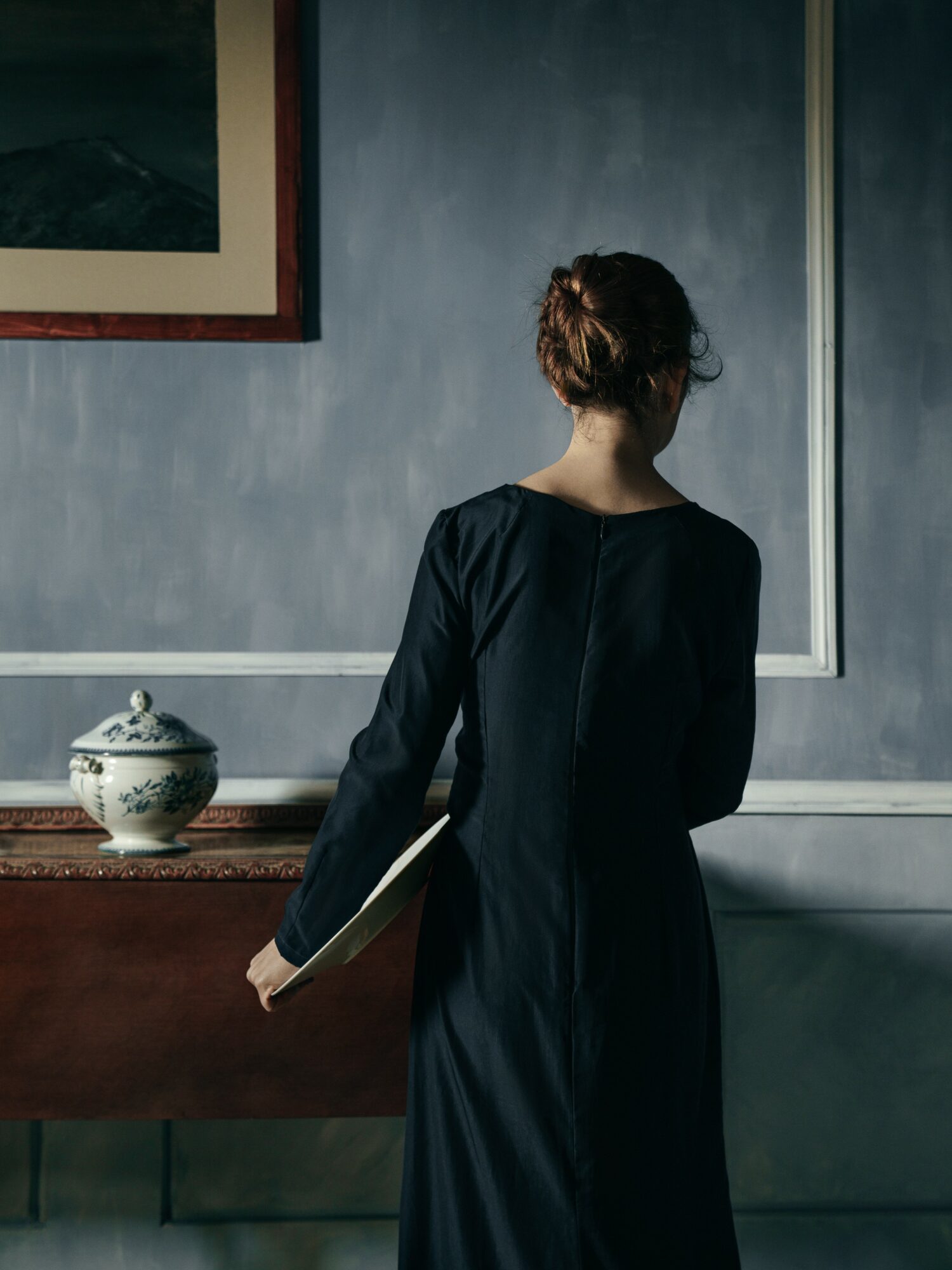
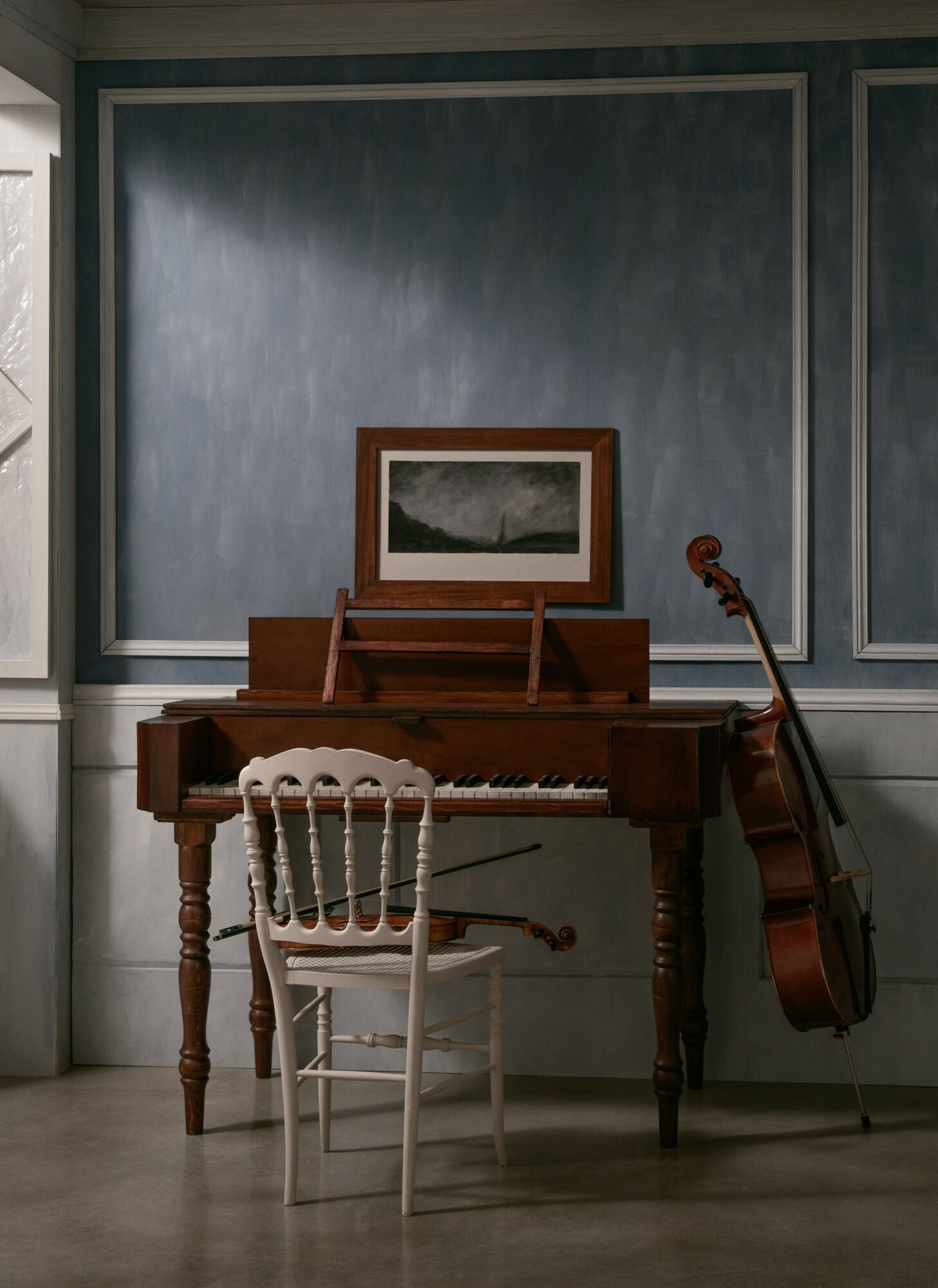
Image Credits
Andrés Gallego
Popular
-

Portraits of the Valley
-

LA’s Most Inspiring Stories
-

Robin Olive on Building an Inclusive Performing Arts Movement and Expanding Opportunities for Every Student
-

Que Johnson on Building Brands That Last: From Visibility to True Market Authority
-

Christina Wren Steps Into the Director’s Chair to Tell Stories That Feel Like Home
-

JordanL on ‘Breathe,’ Belief, and Building a Movement Beyond the Music


