




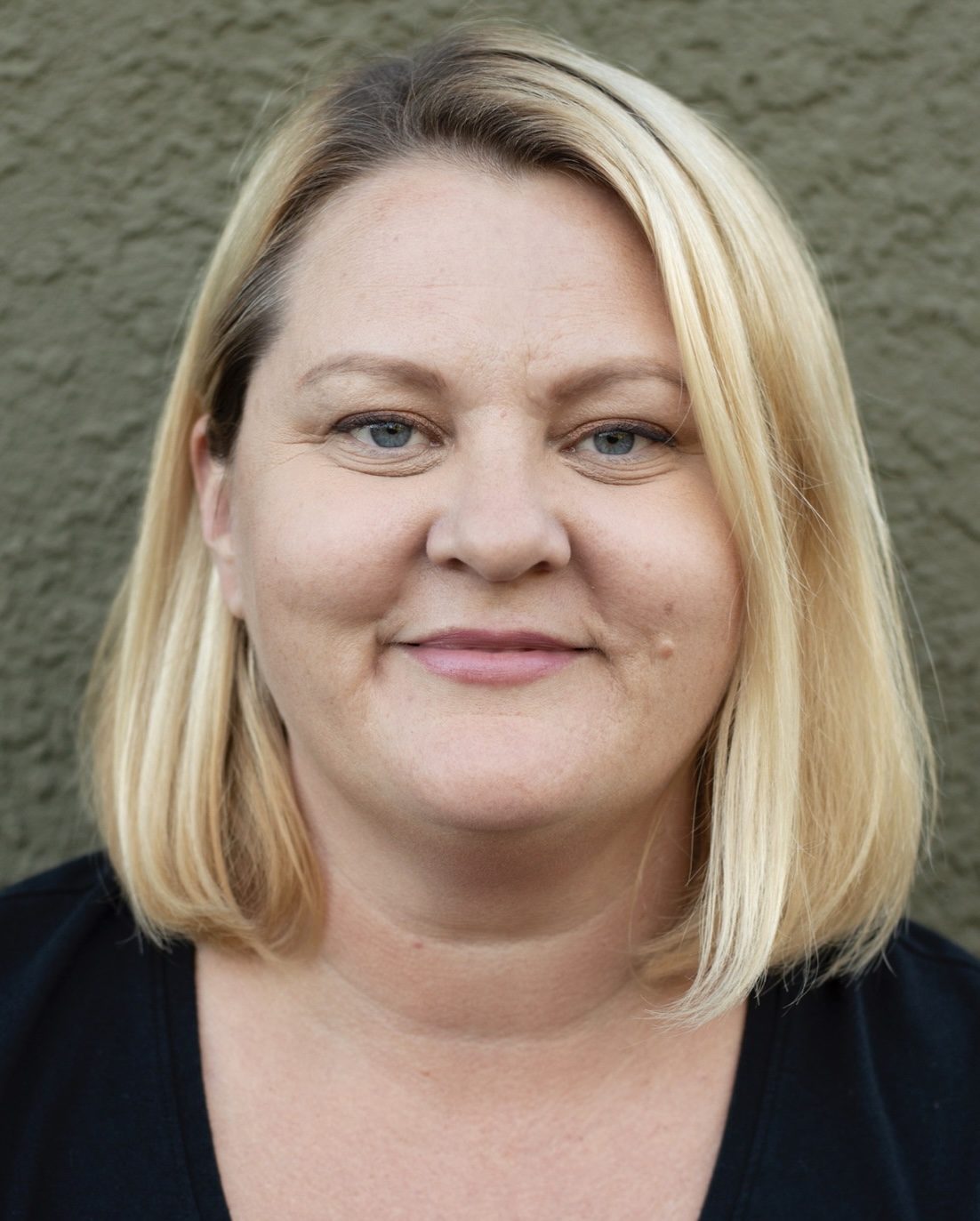
 Today we’d like to introduce you to Amber Cromwell.
Hi Amber, thanks for sharing your story with us. To start, maybe you can tell our readers some of your backstory.
I can say that I have always felt like an artist and it wasn’t until much later that I realized I have been using art as therapy my whole life, well before I knew about the the field of art therapy. I feel lucky that I had an avenue to process my big feelings and persistent anxiety as a young person. The first art form I fell in love was dance. Dance is what brought me to Los Angeles. I did decent, things were starting to happen for me, but then a series of knee injuries stopped that in its tracks. I felt like it was time to go back to school and figure out a career path for myself. I pursued Art Education with a social justice framework, and I considered psychology. When I heard the words Art Therapy… a light bulb went off for me. It felt like a great way to transfer my skills in a way that I could be in service to others, something that felt really important to me. I could think back to my mentors that taught me how to express myself through art and I wanted to do that for others.
Alright, so let’s dig a little deeper into the story – has it been an easy path overall and if not, what were the challenges you’ve had to overcome?
As I mentioned before, art therapy came to me as a second career. I was shattered when injury prevented me from a career in dance. I never considered higher education and entering back into academia was incredibly intimidating for me. Financially, it’s been a struggle. I didn’t think I was made for that world and I still struggle with that inner critique today. I was only 18 years old when I moved to Los Angeles, and I was absolutely clueless. Coming from a small rural town in Ohio and learning about the complex social issues in LA has been quite a journey. Anyone working in the field of mental health will tell you it’s been a bumpy road. It’s a field that requires constant training and it’s a field that doesn’t always have the “thanks you’s” we need to keep going. There are many hoops to jump through to become licensed.
Appreciate you sharing that. What else should we know about what you do?
When I transferred to Loyola Marymount University for undergraduate studies I fell in love with the mission of the university. Specifically the commitment to social justice. I had the opportunity to pursue training and education while offering care in historically under resourced communities. It has completely shaped my career endeavors. One of the things that I bring to the field of art therapy is a wide range of experience within different populations. I have had the experience of working within the department of Mental health, providing individual and family therapy to families in urgent stages of crisis. I worked within the setting of residential treatment for adults and children with complex clinical presentations. Many years of this work gave me the clinical “chops” to start my own private practice where I provide art therapy to adults.
My commitment to community work hasn’t stopped and is such and enriching part of the work I do. I have been granted the opportunity to work with young people of all ages and abilities and their families within a variety of settings, including Los Angeles and surrounding area school districts, Cedars-Sinai Medical Center, Incarcerated individuals and their families, and a host of other non-profit organizations. I love LMU so much I haven’t left since graduating ten years ago. I am currently a supervisor in the Helen B Landgarten Art Therapy Clinic. HBL Clinic’s mission is to serve the community by offering a spectrum of clinical art therapy interventions to underserved children and families who have experienced trauma or are facing serious obstacles in life. I am also excited about a new endeavor with my long-time colleague and friend, Dr. Jessica Bianchi. We have created a consulting business to provide art-based social and emotional strategies to support student mental health, strengthen relationships, and create positive school communities and learning environments.
What sort of changes are you expecting over the next 5-10 years?
I have big hopes for the field of art therapy and my place in it. We are hit right now with a tsunami of mental health needs in young people and adults alike and we continue to see injustices within many communities across our city, our country, and all over the world. Many art therapists have called for action to become more socially responsible and I hope to be a part of that conversation. In the next few years I hope that Recipes for Connection, my consulting business with Dr. Bianchi, will be an agent of change for California and beyond.
Contact Info:
- Website: www.amberlcromwell.com www.recipesforconnection.com
- Instagram: @amberarttherapy


Popular
-

Robin Olive on Building an Inclusive Performing Arts Movement and Expanding Opportunities for Every Student
-

Portraits of the Valley
-

LA’s Most Inspiring Stories
-

Que Johnson on Building Brands That Last: From Visibility to True Market Authority
-

Christina Wren Steps Into the Director’s Chair to Tell Stories That Feel Like Home
-

JordanL on ‘Breathe,’ Belief, and Building a Movement Beyond the Music


