




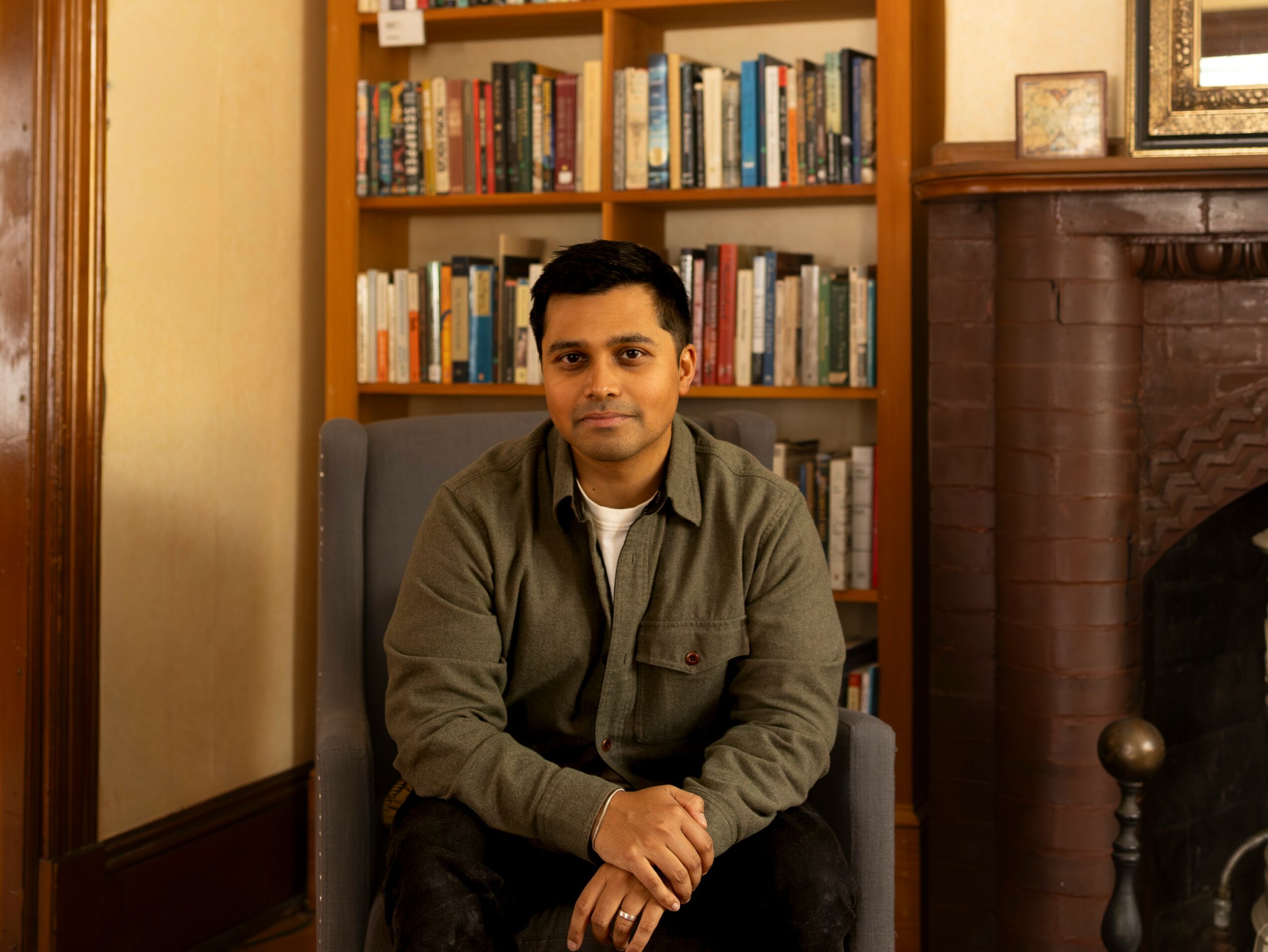
Today we’d like to introduce you to Yash Bhutada.
Hi Yash, thanks for sharing your story with us. To start, maybe you can tell our readers some of your backstory.
My family was the first of our lineage to immigrate to the United States from India. With no nearby extended family and limited familiarity of U.S. systems, we had to forge our own paths to build community and access support. I grew up watching my family rely on neighbors, cultural groups, and community associations for both social connection and to navigate personal challenges in housing, healthcare, and other complex systems.
I didn’t have the language back then, but now I know we were engaging in mutual aid, caregiving, and community organizing as a daily way of life.
In college, I became involved with student organizing, leading efforts to create awareness of social and political issues among my South Asian community as well as writing columns about human rights issues for papers and magazines. I proceeded to volunteer and consult for community-based organizations throughout my professional life. But consistently, I kept seeing these organizations having to do more with less, and I wanted to know what could be possible if organizations had more resources to scale their impact. This led me into a decade of work focused on designing technology and services across sectors. Whether I was building with immigrants, mass trauma survivors, patients with chronic conditions, or frontline workers, I saw a consistent throughline: when someone faced a crisis, they were routinely left to rely on their own informal networks to fill the gaps that institutions could not meet. This meant that those most marginalized or vulnerable disproportionately suffered.
These experiences shaped my theory of change. I’ve seen how communities will inevitably care for their people but often lack the infrastructure that makes that care visible, accessible, and sustainable. Thus, I built makeContact—civic digital infrastructure that eases the burden of coordinating everyday caregiving, mutual aid, and collective response already happening in our neighborhoods.
Would you say it’s been a smooth road, and if not what are some of the biggest challenges you’ve faced along the way?
The biggest challenge I’ve faced with makeContact has been balancing the tension of co-creating an accessible platform designed for the most vulnerable, while building a sustainable business model that allows the platform to exist and evolve over the long-term.
As a civic technology platform, we have real operating costs. We need to research, build, and evolve secure tech and infrastructure that continues to meet communities’ needs. We need to offer technical support to Organizers coordinating support, as well as for Community Members seeking it.
We’re a for-profit social enterprise at the moment. We don’t want to take up funds from the nonprofits on the ground doing the hard community-based work, and we need to compete with the short-term commercial tools available to them. At the same time, we know that traditional investment-backed technology can create a capitalist spiral of unchecked expectations of growth. We’ve heard from many Organizers that they, too, care about this tension—they’re disillusioned by commercial products that initially promise to support them. These are the same companies that take on more investment and inevitably design their product for higher paying customers, ultimately leaving Organizers feeling abandoned by them.
I’ve spent a large portion of my career consulting on and even teaching about building sustainable business models. But practicing the craft beyond the theory is existential—how do you build ethically, in a community-centric way against the backdrop of capitalism?
Great, so let’s talk business. Can you tell our readers more about what you do and what you think sets you apart from others?
makeContact is a civic tech organization building digital infrastructure to help local communities better self-organize and exchange care. Our platform provides dedicated tools for Organizers—mutual aid groups, nonprofits, CBOs, community centers, and service providers—to share services, coordinate resources, and understand emerging community needs in real time.
This comes at a time when Organizers are enduring sweeping budget cuts and heightened demand for their services against an increasingly fragmented landscape of social services. makeContact’s mission is to help these coordinators and providers amplify their efforts by reducing administrative burden and strengthening their ability to collaborate with each other to better respond to their communities.
As a civic technologist, I’m connecting my skills in service design and community-based research to create technology that empowers local communities to build together and care for one another. I’m proud that our process for developing makeContact has remained grounded in centering the most vulnerable communities from concept through launch. Having worked in several tech and product roles in corporate settings, I have observed how tech will prioritize short-term wins by consistently prioritizing majority or high profit target groups, but we made an intentional choice to build with those often excluded. We have now collaborated with over a hundred organizations, community leaders, and vulnerable community members to design the system of care we are reimagining.
As we launch pilots across the country, we want to hear from Organizers and Community Members interested in building a better digital infrastructure for their neighborhoods—whether you’re offering support, looking to get involved in your community, or seeking services and resources, makeContact is designed for communities exchanging care at large.
We’d love to hear about how you think about risk taking?
For most of my life, I’ve been risk-averse. I grew up in a family seeking stability, and I accepted my role in that dynamic, pursuing risks only if everything else felt stable. I spent over a decade working in corporate jobs, a symbol of stability, but while there I desperately tried to bend systems and processes to more meaningfully serve people. I made dents, but I was often left jaded by office politics and a resistance to changing the status quo. Even the most well intentioned spaces seemed to get defunded in lieu of the bottom line.
While seeking a reprieve from my concessions toward stability, I doubled-down on my passions outside of work. After hours and on my weekends, I wrote fiction, remained politically engaged, and got involved in my community. These pursuits would consume my thoughts. I loved writing fiction, so I wrote a novel. I observed process breakdowns in my community, so I started to interview, diagram, and prototype out new futures as a side project. I eventually proved to myself that I cared enough about these passions to start taking actions toward a future that better represented how I wanted to spend my time.
To better pursue these side quests, I learned to better protect my time, too. I took on contract work instead of full-time employment. I took “career sabbaticals” by creating a budget and giving myself a runway to pursue them. These calculated risks felt de-risked that way. For my latest “project”—makeContact—however, I’m well past my runway and timeline, and I don’t think I can call it a career sabbatical anymore. I’ve come to embrace the risk of being a full-time social enterprise entrepreneur and fiction writer, and the lack of structure and top-down direction that come with it.
In a hard pivot from the structured, salaried lifestyle, these new full-time pursuits would have sounded impossible to a past version of myself. But I’ve since learned to trust myself and chase these glimpses of insatiable curiosity and passion. I’ve accepted that the journey of pursuing longing against the backdrop of a world that has no guarantees feels worth it for the experience alone.
Contact Info:
- Website: https://www.yashbhutada.com
- Instagram: @yashbwrites
- LinkedIn: https://www.linkedin.com/in/yashbhutada
- Other: https://www.helpmakecontact.com
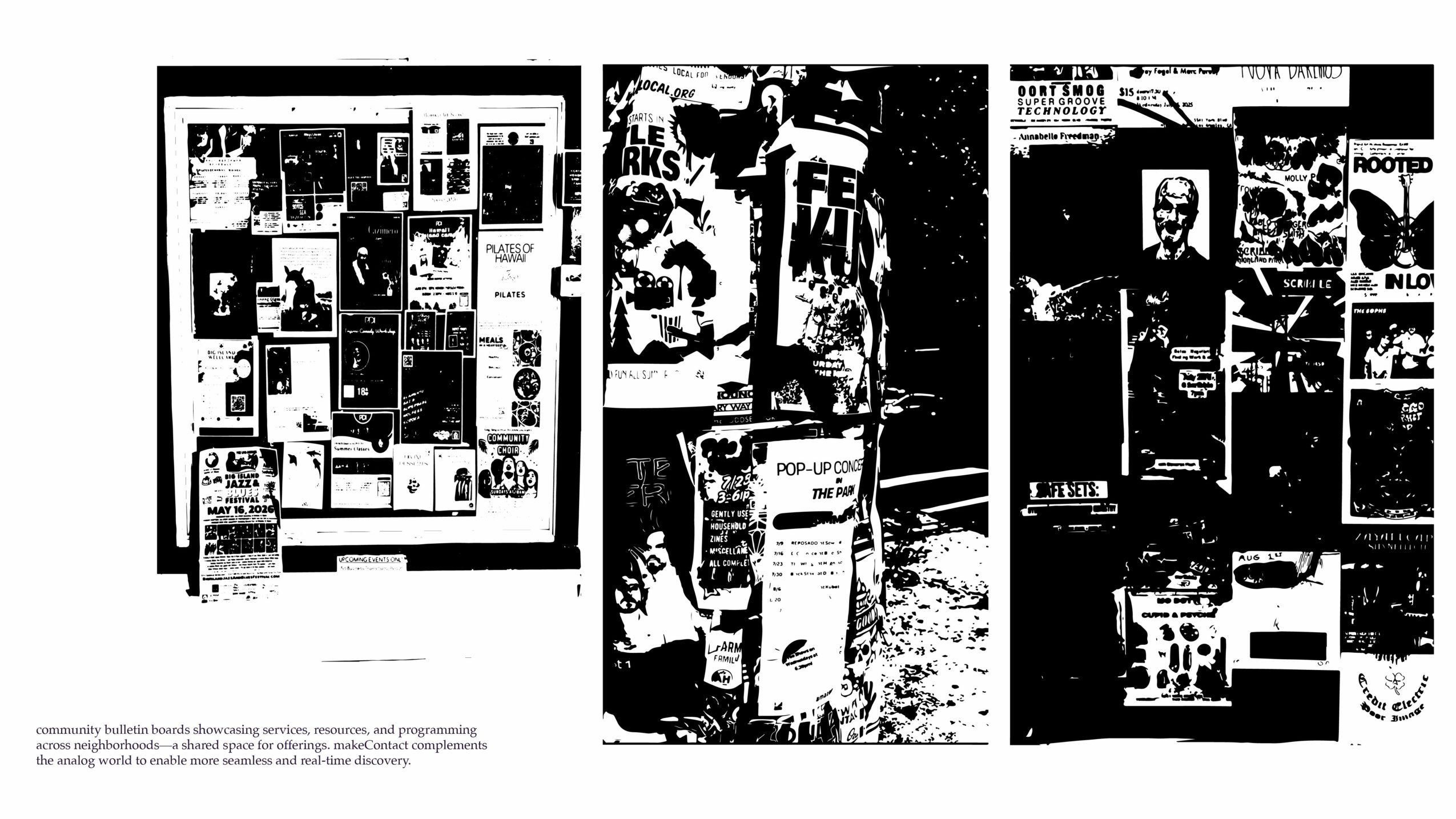
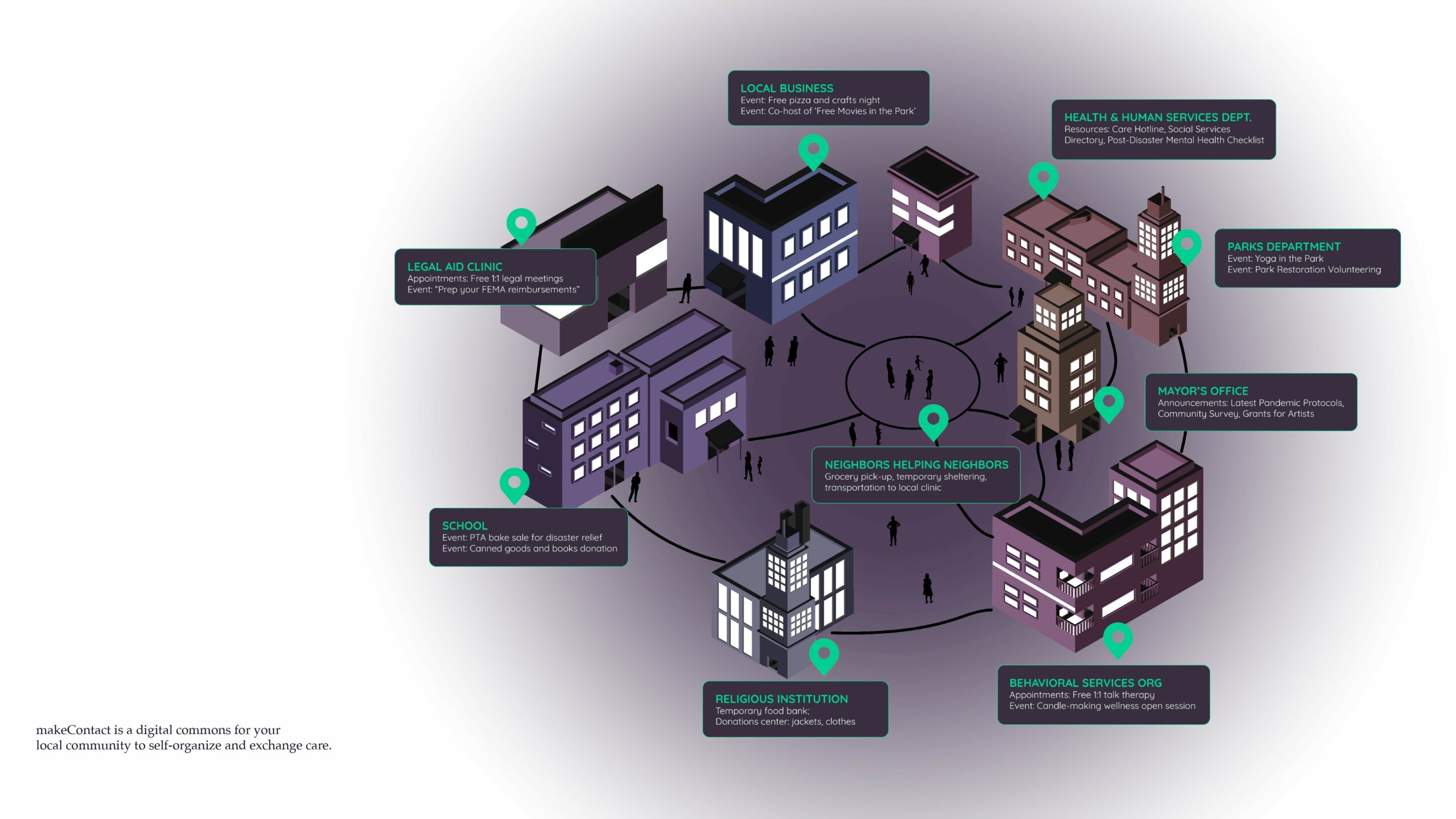
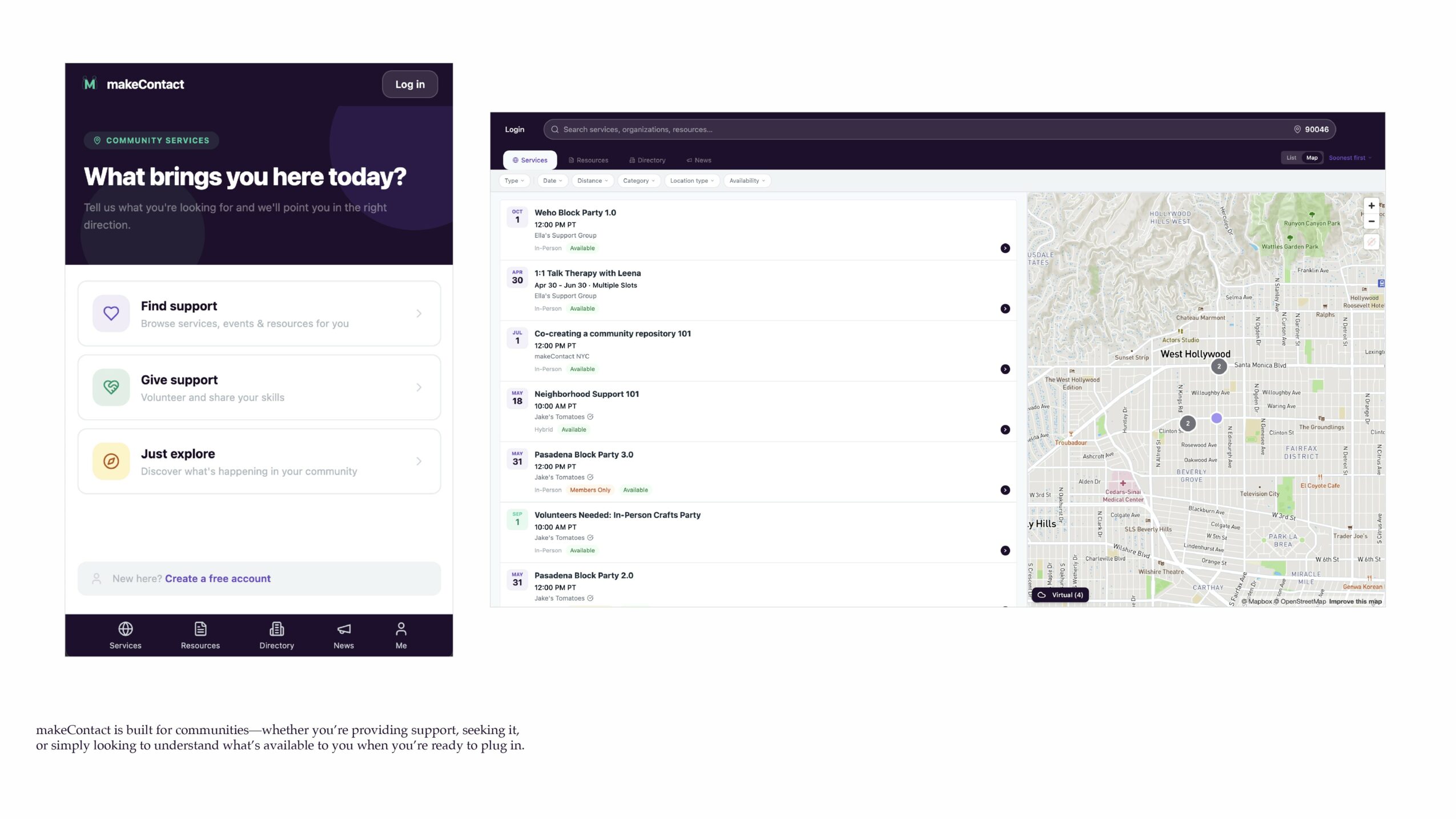
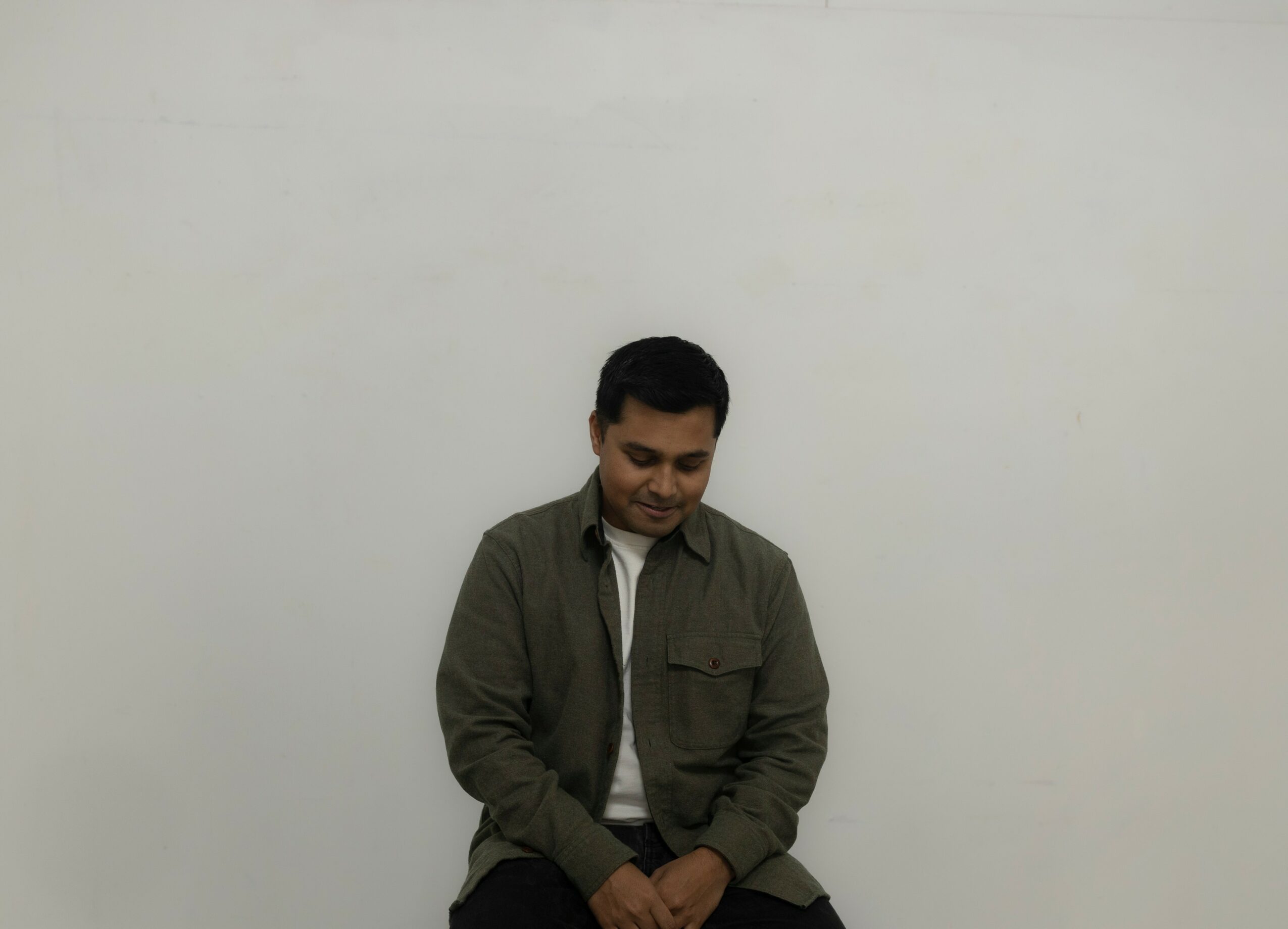

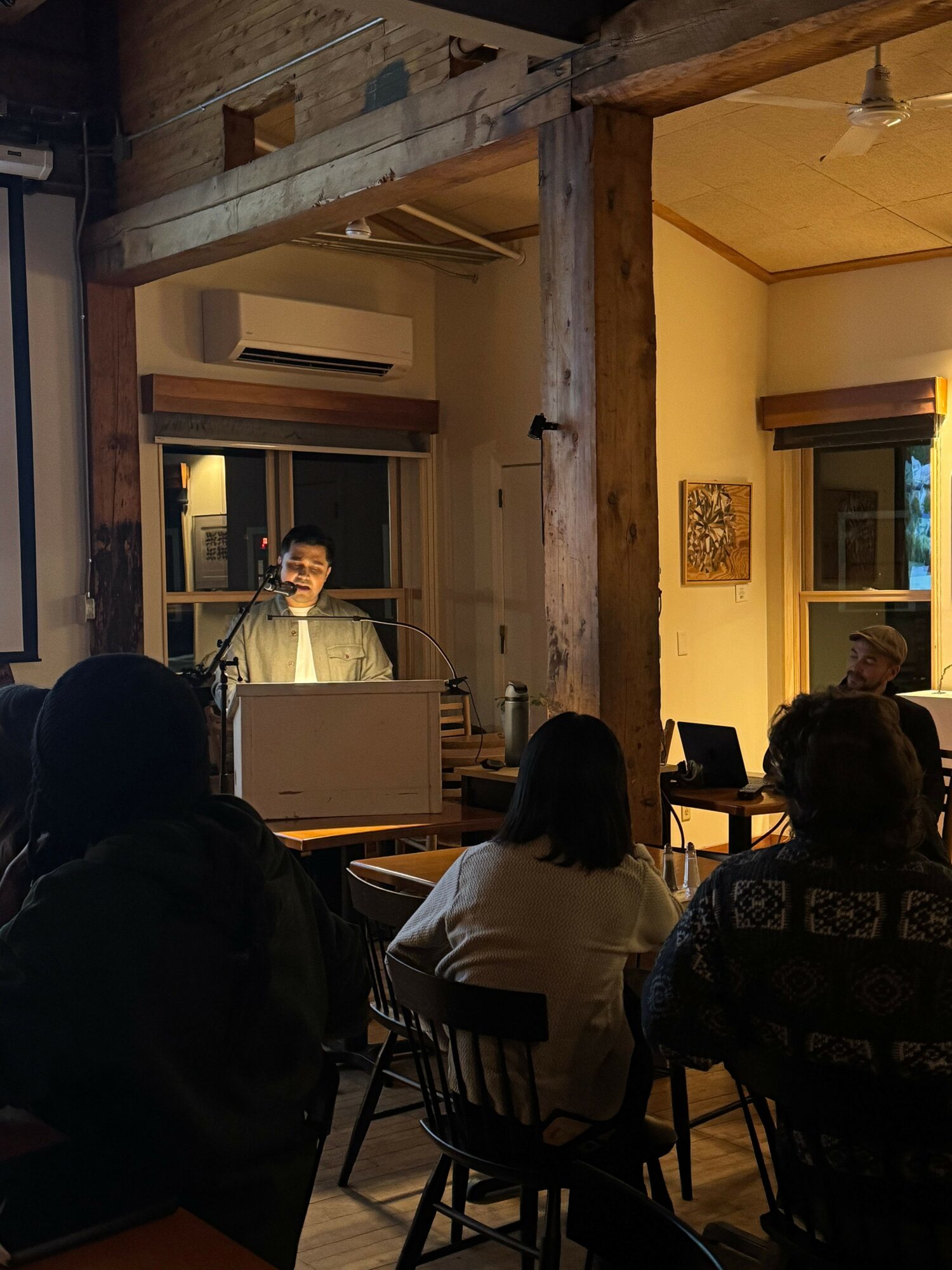
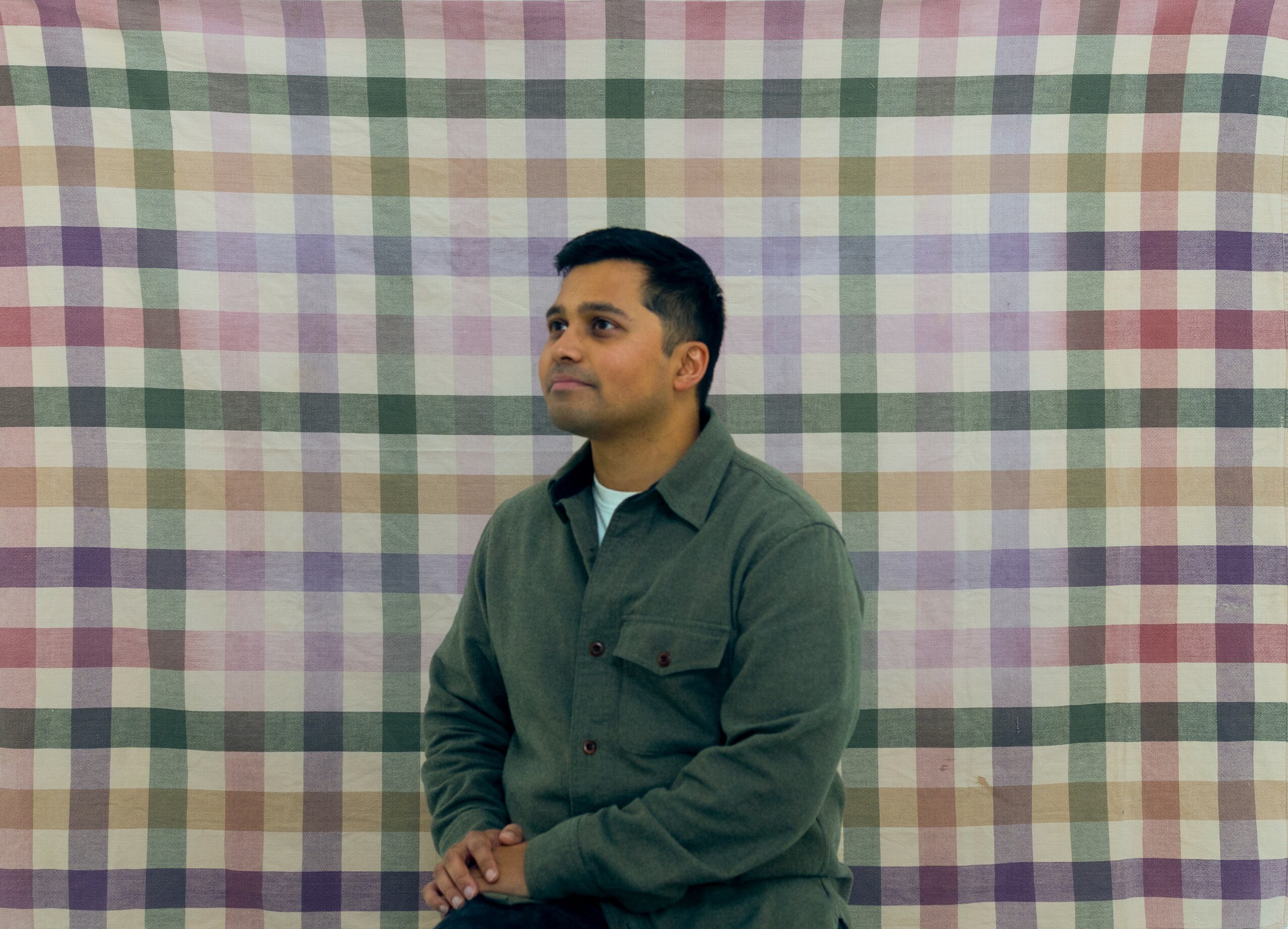
Image Credits
Headshot: Photo taken by Mike Harrington (@squallionmonochrome)
Popular
-

Portraits of the Valley
-

LA’s Most Inspiring Stories
-

Robin Olive on Building an Inclusive Performing Arts Movement and Expanding Opportunities for Every Student
-

Que Johnson on Building Brands That Last: From Visibility to True Market Authority
-

Christina Wren Steps Into the Director’s Chair to Tell Stories That Feel Like Home
-

JordanL on ‘Breathe,’ Belief, and Building a Movement Beyond the Music


