




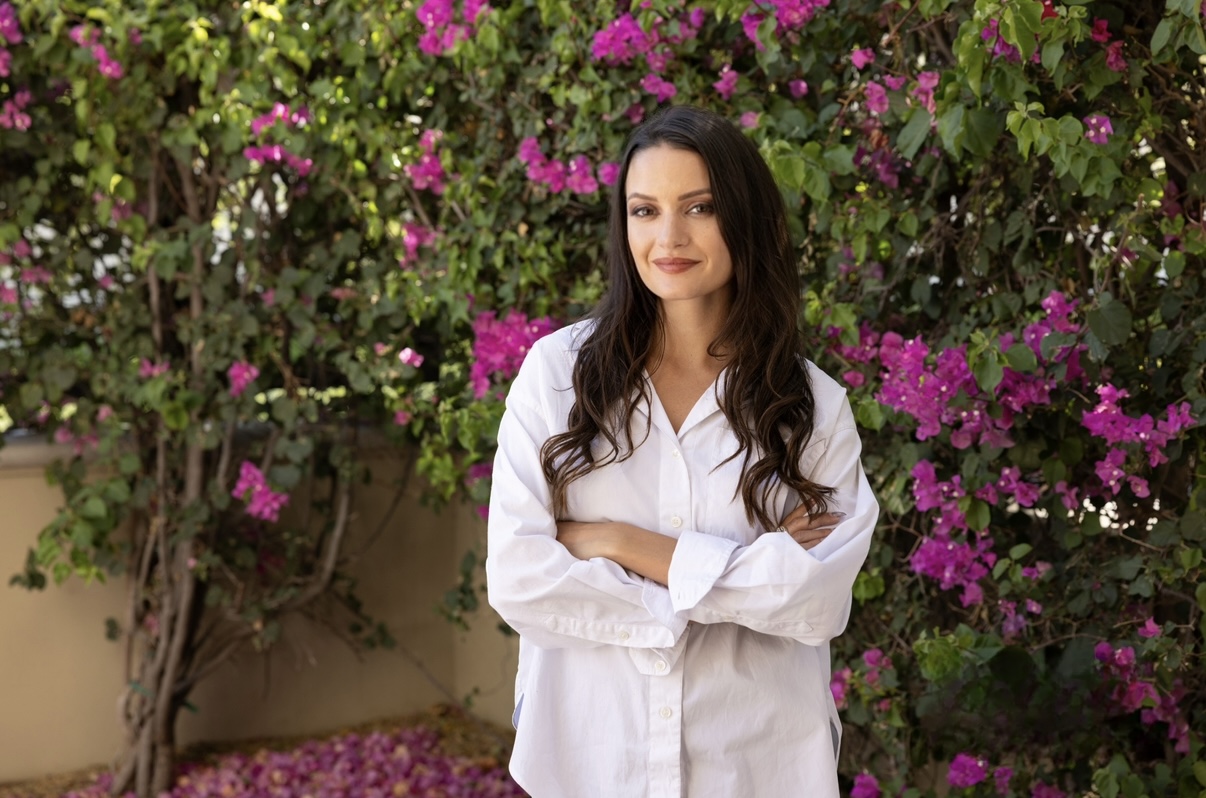
Today we’d like to introduce you to Tessa Santarpia.
Hi Tessa, it’s an honor to have you on the platform. Thanks for taking the time to share your story with us – to start maybe you can share some of your backstory with our readers?
My journey started in the traditional healthcare world. I worked in physician offices and later pursued my Master’s in Healthcare Administration and Strategy at Columbia University because I genuinely wanted to help improve the system and make healthcare more human-centered, preventative, and connected. But the deeper I got into the field, the more I saw the gaps – especially when it came to mental health, stress, and the way we relate to ourselves as human beings.
At the same time, I was navigating my own internal struggles. Nothing severe enough to warrant a diagnosis, but enough to feel disconnected from myself – low-grade anxiety, periods of depression, burnout, digital overstimulation, pressure around identity and achievement, and a lingering feeling that something was “off” despite doing everything I was supposed to do. Even when I stepped into entrepreneurship, I faced a huge amount of self-doubt, uncertainty, financial stress, and delays.
That tension led me down a much more unconventional path. I became deeply interested in nervous system regulation, meditation, breathwork, somatic healing practices, mindfulness, and eventually plant medicine. I realized that, like me, people are not broken; they are simply dysregulated, disconnected, overwhelmed, and adapting to environments that are out of alignment with how humans are designed to live.
Over time, I started envisioning a different kind of health and wellness model: one that blends modern science and technology with time-tested human practices that restore connection to self, others, and the natural world. That vision eventually became Santaia.
Santaia was built as a response to modern disconnection. Our mission is to help people better understand themselves instead of immediately pathologizing themselves. We focus heavily on nervous system health, behavioral rewiring, identity, emotional resilience, and creating sustainable change through both insight and embodied practice.
What makes the journey even more meaningful is that I’m building this alongside my mother, who is a neuropsychologist, and my sister, who comes from an engineering and sustainability background. Santaia reflects all of us – science, systems thinking, healing, human connection, and a belief that people should have access to tools that are grounded and deeply human.
Personally, one of the biggest lessons through this process has been learning how to embrace being multidimensional – especially as a woman and founder. I spent years feeling like I had to fit into one identity or choose between science and spirituality, ambition and softness, structure and intuition. Building Santaia has been a process of integrating those parts rather than suppressing them.
I’m sure it wasn’t obstacle-free, but would you say the journey has been fairly smooth so far?
It definitely has not been a smooth road. One of the biggest struggles was realizing that, even though I was succeeding on paper, I felt deeply out of alignment with myself. I had spent years believing there was only one acceptable path – traditional healthcare, corporate achievement, external validation – and while I still value those experiences, I started recognizing that I was disconnecting from parts of myself in the process.
A lot of my anxiety and dissatisfaction came from trying to force myself into identities that didn’t fully fit. I think many people experience that quietly. You can look functional and high-achieving externally while internally feeling disconnected, creatively suppressed, chronically stressed, or unsure who you really are outside of productivity and expectations.
The transition into entrepreneurship brought an entirely new layer of challenges. Building something mission-driven from the ground up is emotionally, mentally, and financially demanding. There were periods of intense uncertainty, setbacks, delays, imposter syndrome, and moments where I questioned whether I was capable of bringing such a big vision to life. When you’re creating something unconventional, there’s not always a clear roadmap or immediate external validation.
There were also challenges that came with stepping outside of more traditional expectations – especially as a woman building a company in a space that blends science, wellness, technology, and human connection. Entrepreneurship can feel incredibly isolating at times, and there were moments where I questioned whether I needed to fit into a more conventional mold to be taken seriously.
Over time, I’ve learned that some of the most meaningful ideas come from people willing to bridge different worlds rather than stay inside one category. That process taught me a lot about trusting my own perspective, even when the path wasn’t linear or immediately understood by others.
Ironically, many of the challenges I experienced became the foundation for what we now teach through Santaia – through understanding the nervous system, building self-awareness, regulating stress, reconnecting with purpose, and creating space for people to become more fully themselves instead of constantly performing who they think they’re supposed to be.
Appreciate you sharing that. What should we know about Santaia?
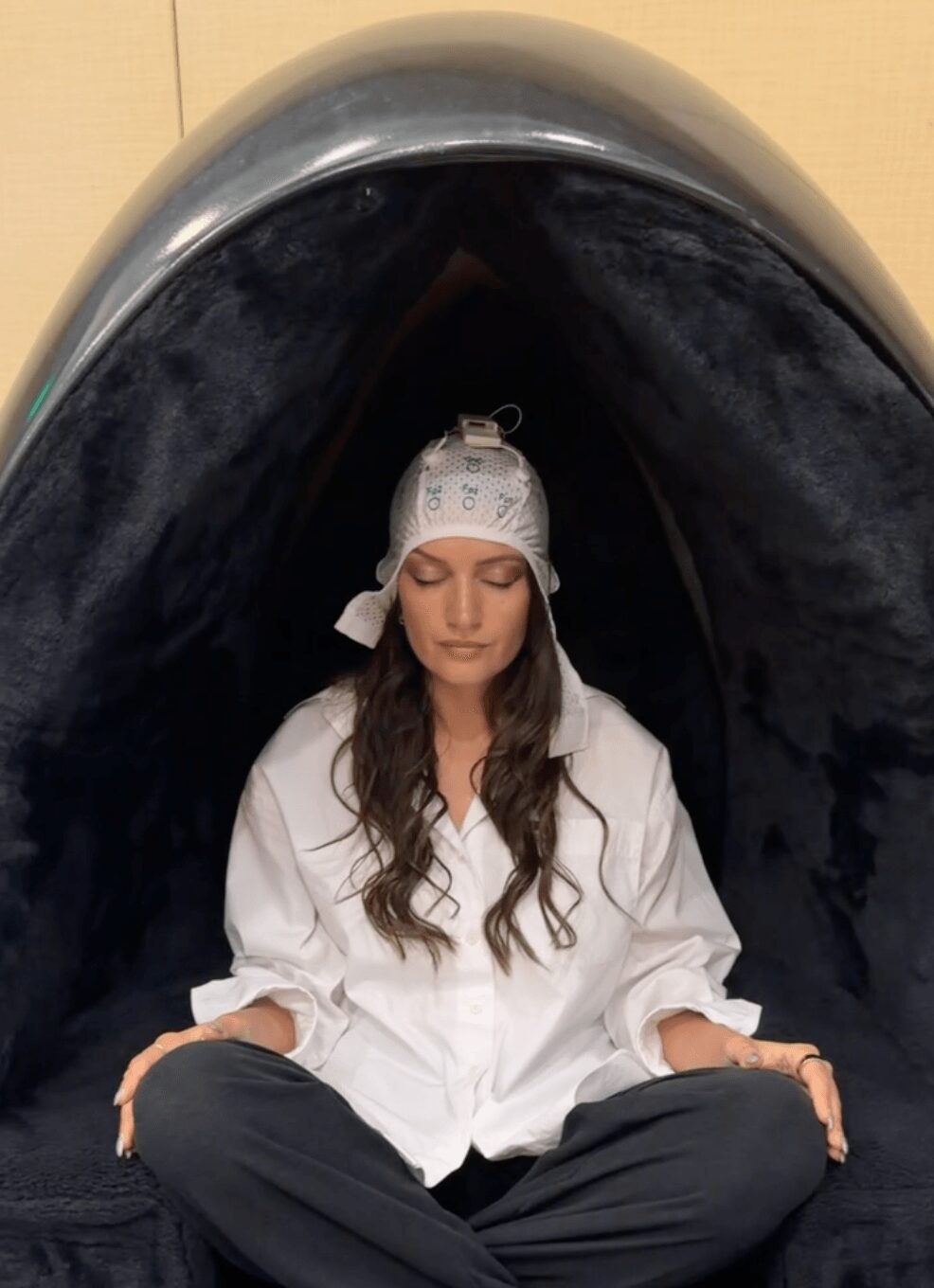
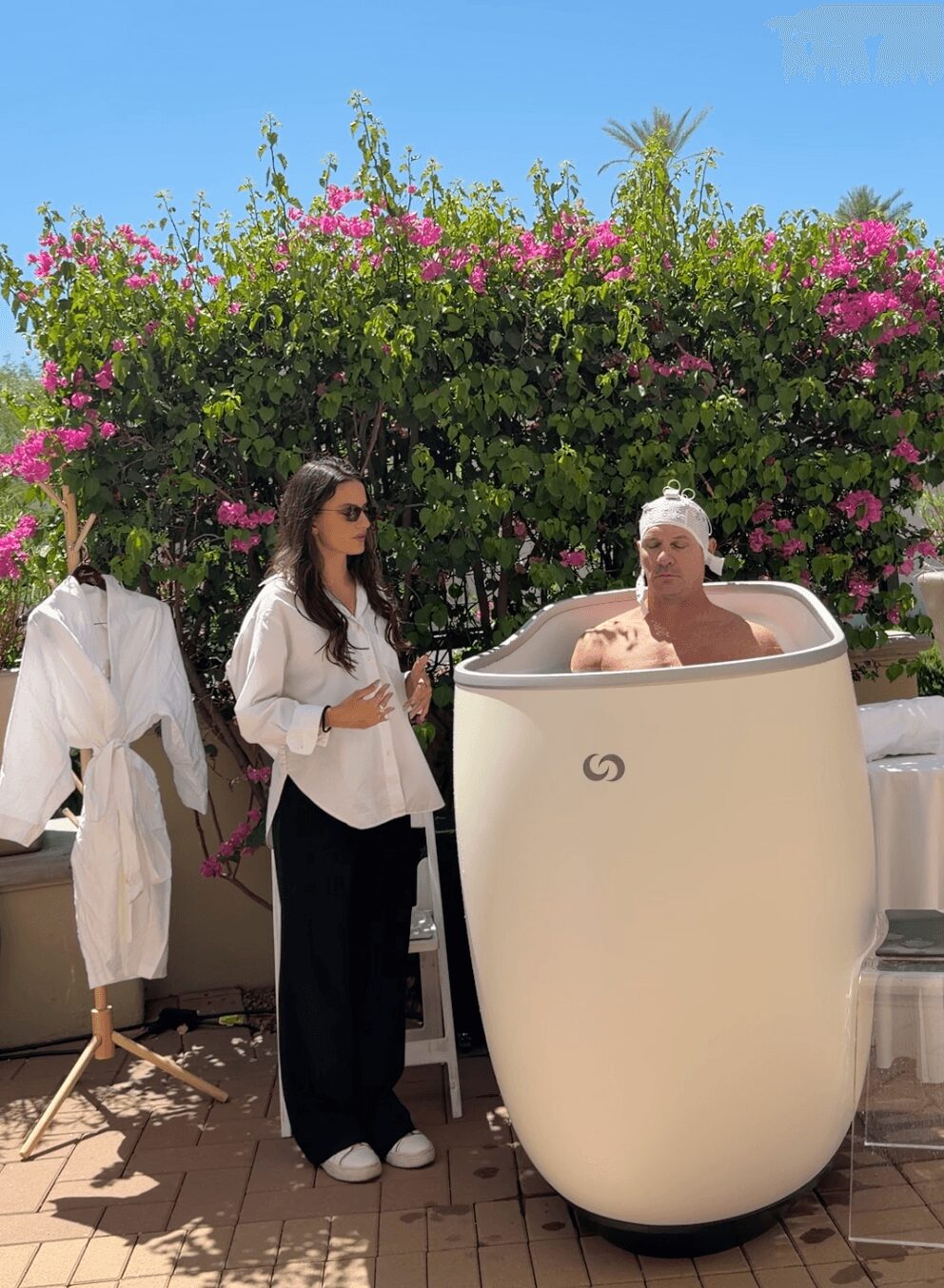
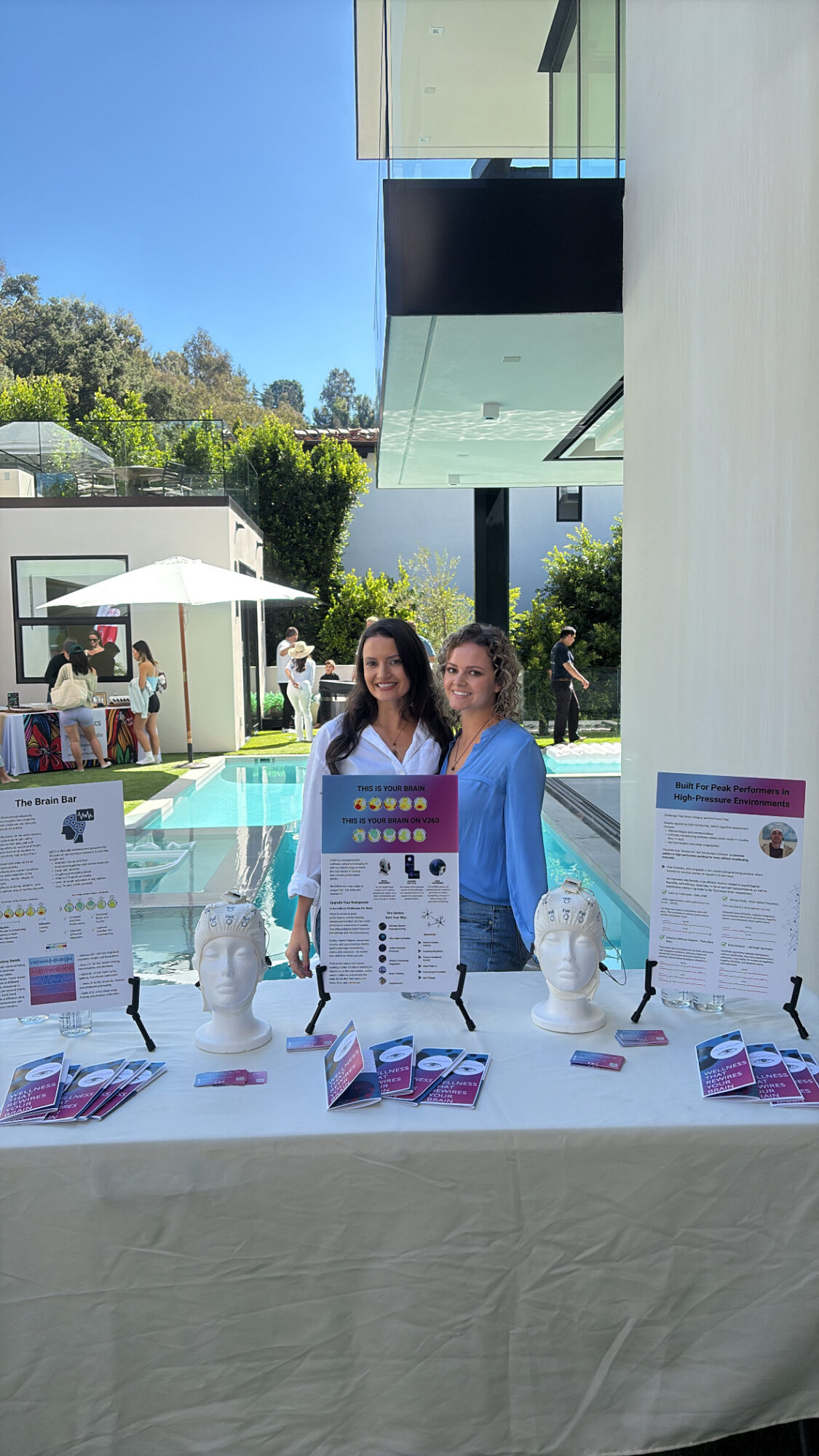
Santaia is a neuroscience-informed wellness and performance company focused on helping people better understand themselves through the lens of nervous system health, behavioral patterns, emotional resilience, and human connection. We blend modern tools like non-invasive brain mapping and behavioral insights with more embodied practices such as breathwork, mindfulness, meditation, and community-based experiences.
At its core, the company was built in response to what we see as a growing epidemic of disconnection – from ourselves, from others, from nature, and from the way humans are biologically designed to live. So many people today are chronically stressed, overstimulated, anxious, burned out, and constantly “on,” yet still feel unfulfilled or disconnected from meaning and purpose.
What sets Santaia apart is that we don’t approach people as problems to fix. We focus on helping people understand the patterns behind how they think, feel, behave, and respond to stress so they can create more awareness, regulation, and intentional change. Our work is less about labeling people and more about creating the conditions for people to reconnect with themselves in a new way.
We also intentionally bridge worlds that are often kept separate – neuroscience and holistic wellness, data and intuition, modern technology and ancient human practices. We believe those approaches can work together rather than compete with one another.
One of the things I’m most proud of is that Santaia feels deeply human. Even as we build technology and scalable systems, we never want to lose the emotional, relational, and community aspect of healing and transformation. The company was also built alongside my mother, a neuropsychologist, and my sister, who comes from an engineering and sustainability background, so there’s a strong foundation of both science and systems thinking woven into the brand.
Ultimately, we want readers to know that wellness is not just about optimizing productivity or “fixing” symptoms – it’s about creating a life that feels more connected, aligned, regulated, and meaningful. Our goal is to help people feel more at home within themselves while giving them practical tools to navigate modern life with greater awareness and resilience.
If you had to, what characteristic of yours would you give the most credit to?
I think one of the most important qualities has been the willingness to imagine a different future instead of simply accepting the way things are. A lot of the ideas behind Santaia came from looking at modern life, mental health, stress, and disconnection and asking, “What if we approached this differently?” I’ve always been driven by the belief that systems can evolve, and that people deserve more connected, human-centered ways of living and healing.
The second piece is resilience and persistence. Building something unconventional means there are many moments where logic, fear, setbacks, financial stress, or outside opinions can make you question whether to continue. Entrepreneurship has stretched me in every possible way, and there were definitely moments where it would have been easier to quit or choose a more predictable path.
But I’ve learned that meaningful things often take far longer, require far more uncertainty, and demand much more personal growth than people realize from the outside. Sometimes success is less about having unwavering confidence and more about continuing to move forward even when things feel unclear.
Pricing:
- Community wellness events & group experiences: typically $30–50
- Non-invasive brain mapping experiences + foundational wellness programming: approximately $400–500
- Personalized coaching, performance optimization, and immersive wellness programs: starting around $1,200+ depending on level of support and customization
Contact Info:
- Website: https://www.santaia.health
- Instagram: https://www.instagram.com/santaia.health
- LinkedIn: https://www.linkedin.com/company/santaia
- Other: https://www.tiktok.com/@santaia.health
Popular
-

Portraits of the Valley
-

LA’s Most Inspiring Stories
-

Robin Olive on Building an Inclusive Performing Arts Movement and Expanding Opportunities for Every Student
-

Que Johnson on Building Brands That Last: From Visibility to True Market Authority
-

Christina Wren Steps Into the Director’s Chair to Tell Stories That Feel Like Home
-

JordanL on ‘Breathe,’ Belief, and Building a Movement Beyond the Music


