




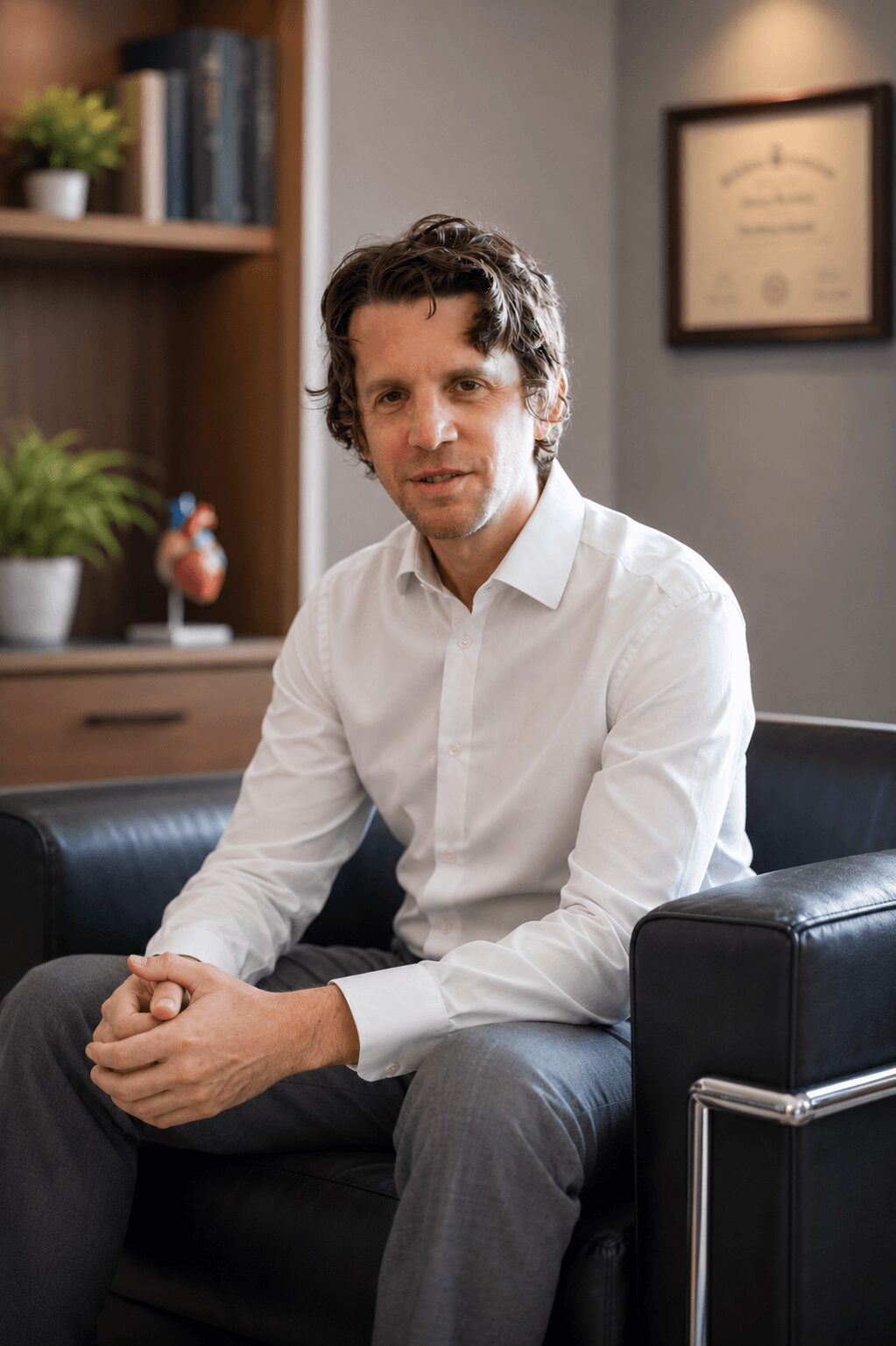
Today we’d like to introduce you to Ryan Klass.
Hi Ryan, we’d love for you to start by introducing yourself.
My health journey began in my late 20s after years of recurrent, unexplained abdominal pain that progressively became debilitating. At this time in my life, I was mostly just skateboarding, drinking beer, and traveling with my friends. However, the abdominal pain grew worse, which led me to the emergency room at UCLA, where I was told I likely had recurrent gastritis and GERD and that there was no clear cure—only long-term management. At the time, the pain was constant and overwhelming, and after years of searching for answers through conventional channels, I realized I would need to become deeply involved in understanding my own condition. I went to over 120 different practitioners in the LA area and studied medicine 8–12 hours a day for the next 5 years. I then later started experimenting on my own gut microbiome, trying to figure out what approaches might actually help. It was a long process of trial and error, with plenty of setbacks and unexpected consequences along the way. This led me to discovering anomalies, which led me to reversing my own disease and getting to meet some of the most prolific scientists and doctors on the planet. It also led me to helping scientists discover cures for many modern diseases, as well as reversing my own friend’s daughter’s severe autism. I am now an Integrative Health Practitioner, Integrative Health Coach, scientific writer, and a microbiome and chronic disease researcher.
After years of searching for answers, I eventually moved to Ventura, where I worked with an integrative physician who identified signs of SIBO (small intestinal bacterial overgrowth). SIBO is when the bacteria that are supposed to be in the large intestine move into the small intestine, which can become increasingly painful due to the bloating and distension. What stood out most to me, however, was the presence of extremely elevated levels of harmful bacteria that had overgrown in my gut, which can drive inflammation and contribute to a wide range of symptoms. One of the main bacteria identified in my testing was the pathogenic Klebsiella species, which appeared to be present at unusually high levels and, I later found out, leaked into my blood. So I took matters into my own hands and would read journals for 12 hours a day, only stopping to eat. I eventually found two bacterial strains that could reverse the SIBO. I tried it, and it worked. Excited by the results, I shared my findings with my physician, though the response was fairly muted. The more I researched, the more I realized just how powerful the microbiome truly was. I learned that a large portion of the body’s immune activity and histamine signaling is centered in the gut, that the microbiome communicates constantly with the brain through the gut-brain axis, and that it plays a major role in the production and regulation of neurotransmitters such as serotonin. I also had a doctor who acted as a guru/mentor/friend for me, named Dr. DV at CCIM Health. We would have these 2-hour-long conversations, and he is a friend to this day. It also became increasingly clear to me that many chronic disease processes seemed to have some component of gut dysfunction woven into them. I began to believe that if we could better understand and influence the microbiome, we might be able to ease a tremendous amount of human suffering. At some point, I realized this was no longer just a personal health journey—it had become one of the great challenges and purposes of my life. That was the moment I decided to put everything I had into it.
Around that same time, while visiting Erewhon, I came across a probiotic product containing 100 trillion CFU and 36 different strains—far more diverse than most products I had encountered at the time. Intrigued, I reached out to the company’s founder, Erika Gilmandinova. She was a young, 28-year-old, 5’0″ Russian girl. She was also a model, a dancer, and a very charismatic person with exuberant energy. She also won the Entrepreneur of the Year Award that year and Woman Entrepreneur of the Year Award the next year. She started the company with her Italian husband, Dario. Based on our back-and-forth emails, they ended up hiring me as one of the health coaches for their website. The health coaches you could choose from on their site were me, Erika, or the nutritionist for the San Francisco 49ers, because the 49ers were taking their product at the time. They would take the kefir before practice. This was huge for me, as I was a big 49ers fan. I told my family and friends to bet on the 49ers because I thought their product was so good. They ended up making it to the first overtime in Super Bowl history.
Shortly after that, she told me that an elite lawyer had messaged her and told her that, after ten years of having gut issues and going from doctor to doctor—probably seeing some of the best doctors in LA—he finally healed his gut issues by taking the Kefirlab product. He was a lawyer for one of the world’s richest men, as well as a lot of A-list celebrities and rappers. So I was surprised he could not find a doctor who could help him with his issues. She wanted me to help explain to him why the kefir helped him so quickly. So, for the next 6 months, I was teaching one of the world’s richest men’s lawyers about the gut, medicine, where farts come from, and more. Coincidentally, I had just graduated from the Institute for Integrative Nutrition, which meant he was really my first-ever client.
I was still having a lot of anxiety around this time, so I went to see an amazing somatic therapist named Rose Sher. She told me about a doctor she saw at an autism conference who worked with the microbiome, so she wrote the name down on a piece of paper, and that was Dr. Sabine Hazan. So I messaged her on Instagram, saying that I was working with this lawyer. This was during the pandemic, when everything was chaotic in the medical world.
She ended up calling me in the middle of the day, and I picked up. She asked me what my background was, and I said I was a screenwriting major from CSUN. She looked at me weirdly, but then I told her that I had also just graduated from IIN, the Institute for Integrative Nutrition. I quickly became a huge fan as I learned more about her. I realized that she was on the same mission as me. It turns out that while I was living in Ventura, her laboratory was right across the street from me, although I had no idea who she was at the time. Not only that, but we both found out that we were both using our own microbiomes to experiment on. She later sent me an article about how she reversed severe autism symptoms in a 19-year-old. He was nonverbal, banging his head on the wall, and had toe fungus. She specialized in FMTs (microbiome transplants). So she gave the kid an FMT, and a couple of months later, he said his first words, which were “mama” and “papa.” A couple of months after that, she texted me saying that he went to prom with a girl. She’s also published and has run more than 300 clinical trials and studies for pharma over the past 30 years. In her early years, she was a gastroenterologist at Beverly Hills Hospital and made history by being the first female accepted into the University of Florida for gastroenterology. Both of her sisters are also award-winning doctors. Recently, she reversed autism in identical twins, getting them both to speak again at the same time, which won her the ACG award. There is a 5% chance of winning one of these awards, and doctors from all around the world enter this competition. She has won it twice. When I first met her, she had 13k followers on Instagram. I told her she needed to “ferment her following” if she wanted to get our ideologies across. Today, she has over a million followers. I love her and would take a bullet for her. That’s how important I think she is to the world.
So my first job as a person in the health industry was to try and convince this lawyer to tell one of his clients, who is one of the wealthiest people in the world, to go to Ventura so we could put stool up his bottom to reverse the chronic disease he had. He also had a son with autism, so we wanted to help reverse his kid’s autism symptoms, too, if we could. I was also hoping that he would maybe donate millions of dollars so we could reverse more diseases, since we were finding a lot of correlations and ways to treat other diseases as well. This was all a shock to me, too, by the way, because all of this happened in the span of 3–4 weeks—from Kefirlab, to the 49ers, to the lawyer, and Dr. Hazan.
After this, I went to meet her in person at her lab, Progenabiome, in Ventura, CA, where they were doing some of the most cutting-edge research in medicine in the world. I still didn’t know at the time that she was one of the most famous scientists in the world. When I got there, Novak Djokovic’s doctor was in her office. Djokovic is a Serbian professional tennis player widely regarded as one of the greatest of all time, but I did not know who he was. I got to meet his doctor, though, who flew in from Serbia just to meet Dr. Hazan. He was very nice. Her laboratory/doctor’s office was huge—about the size of a CVS.
So after this, I started doing studies with Dr. Hazan. One of my first studies with her was comparing the microbiomes of coyotes to dogs to see which had more anxiety. I spent two years waking up at six in the morning and going up into the mountains to hang out with a pack of coyotes, waiting for them to poop so I could collect it and study their microbiome. I watched a pack of six coyotes play with each other and observed them daily, although I never saw any of them poop. It’s also dangerous to go out into the middle of six coyotes and collect their feces because they are very territorial. At one point, one of the coyotes was about three feet away from me, but did not see me. When it finally did, it jumped back in surprise and hurried to the other side of the fence. Eventually, it seemed like they got comfortable with me being there. I would wave and smile at them each morning. Then one day, which felt like a special day for some reason, I looked up into the mountains, and a coyote was defecating while staring me directly in the eyes. Then the next day, a second coyote defecated, but I did not have a collection vial for either day, so I couldn’t collect them.
Another study involved testing the microbiomes of people in a town near the North Pole called Svalbard, Norway, where it’s dark for six months out of the year, so I could see what no sunlight does to the gut. They also mostly only eat reindeer and mushrooms. I reached out to a bunch of scientists at the university and hospital in Svalbard and asked them if they could send their stools from where Santa Claus lives to Ventura, CA. A lady who was a scientist there, studying the microbiome of glaciers, responded, and we are working out the logistics today.
After this, I attended the 1st International School of Gut Microbiota in Digestive Disease (2024) in Italy. At the end of a lecture, they said there was a 7-year-old girl with stage 4 cancer whom they were about to give up on because it seemed hopeless. So, as a Hail Mary, they gave the kid an FMT. A week later, she was doing so well that she was discharged from the hospital and allowed to go home. Both doctors said “amazing” at the same time before ending the lecture. I immediately told Dr. Hazan this. Later, she had a patient sent to her who was an old farmer with a 28 cm cancerous tumor on his neck who was refusing chemo. So she tried the FMT on him, and it worked. The tumor shrank, and he is still alive today. She also had similar results with dementia and Parkinson’s patients. The dementia patient couldn’t remember his wife’s name or birthday. Then, 3 months post-FMT, he was correcting Dr. Hazan on his charts and was out playing golf with his friends.
Two quick stories with her: one night, I was texting her late at night. I said goodnight, and she replied, “Goodnight, busy day tomorrow.” I thought maybe she was giving a talk or was busy with patients. The next day, I turned on the TV, and she was talking to Senator Ron Johnson at the Supreme Court in front of hundreds of people. She rolled a list of all the clinical trials she’s done off the table, and it hit the floor. Her hair was covering her face, and she texted me saying she looked like the singer Sia. Another story is that I sent her an article, and she texted me back “busy,” with a photograph of an audience with two balconies full of people, lights, and flashes, with her on stage. In front of her was Dr. Malhotra, England’s number one cardiologist, and sitting a foot away from her on the right was RFK Jr. They were giving a talk together, and she stopped to take a photograph of the audience for me.
I then went to the Malibu Microbiome Meeting at a private vineyard in Malibu. The tickets were $1,200, but since Dr. Hazan was running it, she let me in for $120. I was definitely the youngest person there by about 20 years. 250 of the best doctors/PhDs in the world flew in from around the world to attend, including Dr. Sheldon Jordan, Dr. Larry Weiss, and Dr. Goodenowe. I sat in the back, eating pizza and drinking wine because I didn’t want to make myself look stupid in front of any of the doctors. I ended up sitting next to Dr. Hazan’s husband, Dr. Steinberg, who was the cardiologist who did the autopsy for Michael Jackson. I told him about an invention where you could connect MIDI cables from synthesizers to plants so you could hear the plants sing. I remember he looked at me strangely.
At the meeting, I also met Dr. Goodenowe, PhD, who was speaking at the event. Dr. Goodenowe is one of the top neuroscientists and inventors of our time. He invented a revolutionary ion cyclotron resonance mass spectrometry (ICR-MS) technology in 1999, which he patented and utilized to create comprehensive, high-resolution metabolomic profiles of human blood. This technology is designed to detect, analyze, and measure thousands of small-molecule metabolites, specifically focusing on plasmalogen lipids, to identify early biochemical deviations—or “prodromes”—of various diseases. He also saved his own dad’s life, was the founder of the company Prodrome Sciences, and the author of Breaking Alzheimer’s. He also believes that we shouldn’t make fun of biological immortality because he thinks he has figured it out, and I believe him. He presented an amazing case that day about how he reversed a kid who was having 100 seizures a day.
I also met Dr. Larry Weiss, the owner of Symbiome, which is a skincare product that Kate Hudson uses. He told me how he would go to the Amazon and live with a tribe where it was impossible for them to get acne. So he took some of the plants and microbes from around that area and created his product. Separate from the meeting, I also got to meet Dr. Ghalili, who Forbes rated Beverly Hills’ number one regenerative doctor. I got to teach him my protocol for autism, and I was talking to him the day before he went to speak to the president about the health of Americans.
A year later, I met ER nurse Ryan Moyst, who had been working at the ER in Skid Row for 27 years. He was working closely with Dr. Newman, who worked the night shift there. She had also just opened, in my opinion, one of the best neurology clinics in LA: Newman Lifecare. The two of them had been working closely with Dr. Goodenowe for over two years, trying to help his daughter, Brooke, who had severe autism, POTS, and cerebral palsy. Moyst would even go up and give speeches with Goodenowe at his conferences on ways to improve plasmalogen intake.
Through extensive neurological and metabolic interventions, including plasmalogens and other targeted therapies, Brooke had already made remarkable progress. When they first began this journey, she was largely nonverbal, highly agitated, moaning aggressively for much of the day, and deeply uncomfortable. Over time, however, she had improved to the point where the moaning had greatly decreased, she had developed some language, and there were clear signs of cognitive and emotional progress. Despite these major neurological gains, Brooke continued to struggle with severe constipation and significant gastrointestinal symptoms. Ryan asked me to evaluate her microbiome and help create a targeted gut-focused plan. After reviewing her testing and symptoms, I developed a protocol aimed at calming gut inflammation, improving microbial balance, and reducing potential contributors to neuroinflammation.
Over the following months, her gastrointestinal symptoms appeared to calm significantly. At the same time, Ryan and his family began noticing further neurological and behavioral changes. Brooke seemed more engaged with the world around her, her critical thinking appeared to improve, and, most strikingly, she began showing signs of a developing social conscience and awareness of other people in ways they had never previously observed. She also started telling jokes, a sign her nervous system was calming down, and started hugging and cuddling with her dad on a daily basis because she had never been able to show affection before. It appeared that the gastrointestinal interventions, when combined with the neurological therapies already in place, may have helped accelerate her overall progress.
So today, I am still working with Dr. Sabine Hazan. I told her about lactoferrin (and, interestingly, how it’s found in the tears of animals like koala bears and cows). She then ran a clinical trial on it and entered it into the ACG awards. It is now one of the supplements on her site, and we are using it as well to help reverse autism symptoms. She is currently mapping out every other disease as well. All day, every day, for the past 5 years, I have been sending her text messages telling her everything I know about integrative medicine and compounds I find that can save lives, and it has paid off, since her mission is my mission. I also have the ER nurses at Skid Row Hospital on my protocol as well to help optimize their immunity, since there are a lot of pathogens and viruses there. I am excited to see where the future leads.
You can find my article I did for the Kefirlab website on my website under Blogs at www.ryanklass.com
Would you say it’s been a smooth road, and if not what are some of the biggest challenges you’ve faced along the way?
The first five years of my disease, I had no idea what was going on. I would be in 10-out-of-10 pain throughout the day. For about 5 years, every time I ate, I would be in major pain. There was a year or two where I could barely walk or speak, and I thought I was going to die. One of the most dangerous bacterial species was in my blood by the trillions. I went to over 100 different practitioners, including a Peruvian energy healer in Beverly Hills who works at Cedars-Sinai helping people with their diseases, and we are still friends to this day. I did everything from acupuncture to somatic therapy. I saw a bunch of gastroenterologists. All of them missed the bacterial overgrowth that leaked into my blood via leaky gut. I also did HBOT, float tanks, and more.
The UCLA emergency room told me I was going to have my disease for the rest of my life, which at the time was unbearable. I went to court early on to try to get on disability. I got denied because they didn’t know much about the gut. I remember telling the judge it felt like I was in an episode of The Twilight Zone.
Also, because I was working so hard on my gut and studying 12 hours a day, I ignored this spot next to my nose that turned out to be basal cell carcinoma. It was so close to my eye that they were considering taking out my tear duct and replacing it with an artificial one, but luckily, I was able to get a skin graft instead. I also had yellow rashes on my chest. I remember three doctors helping me get up off the table because I was so weak.
For 5 years, they kept telling me to take PPIs (proton pump inhibitors), which made me feel like trash. One doctor even yelled at me in front of the waiting room to take them. Later, I found out Dr. Hazan was the one who ran the clinical trials for them and put them on the market. She told me they would not have helped me.
Alright, so let’s switch gears a bit and talk business. What should we know?
Essentially, I specialize in issues from an Integrative, alternative angle. When a lot of doctors can’t help, they go to me. I specialize in the gut microbiome and use it to help with various diseases. A lot of diseases start in the gut, so if you know how to map it out and use it as your guide, you can help, not just with stomach issues, but a lot of other issues in the body as well. What sets me apart from others is that I have been through all the diseases myself, so I have these built-in sensitivities now that let me know if a supplement is working or not. Most other doctors prescribe supplements/medication/modalities based on objectivity. I subjectively know how those supplements would work as I have tried a lot of them on myself. I am proud that I can see results in people with diseases that were previously thought to be untreatable.
Are there any apps, books, podcasts, blogs or other resources you think our readers should check out?
Books:
Wizards of the Upper Amazon: The Story of Manuel Córdova-Rios — by F. Bruce Lamb
It’s a true story about a guy who gets kidnapped by the Amahuaca tribe in the Amazon jungle. At first, they torture him, but then, after taking ayahuasca with them over and over again, he later becomes one of their shamans. I believe they would all have visions together with the ayahuasca, so they could tell where in the jungle the animals were, so they could hunt them. He finally escapes two years later.
Black Elk Speaks
The story of the Native American named Black Elk, who was one of the cousins of Whitehorse in the North Dakota region. At 14 years old, he collapsed into a coma for two days. In the coma, he has these extraordinary hallucinations, including a horse shooting lightning bolts out of its nose. Then his ancestors come to him and tell him that he needs to save the village and that it’s up to him to protect them from the cowboys. He later goes on to have these visions where he could tell if any of the enemy cowboys were coming to attack them two days ahead of time, and he would then warn his tribe to move to protect them. He also starts to be able to tell the future. He starts to accurately predict when someone in the tribe is about to move somewhere else, among other things. I remember at the end of the book he goes up on a mountain because they want him to speak to the ancestors, so he goes to the edge of the cliff, and it starts raining only when he’s up there. Then it stops when he leaves, and they said it was during the dry season when it never rains.
Going Solo: Roald Dahl Autobiography
It’s about Roald Dahl’s time in the war before he wrote all those books like Charlie and the Chocolate Factory and Matilda. He almost dies hundreds of times. It’s incredible. In the book, he’s one of the pilots in the British army who has to fight against the Germans, but they’re so outnumbered that it got to the point where they wouldn’t even talk to each other at the base because they knew they were about to die. Every time they’d go up in the sky, they would be outnumbered by an unreasonable amount, like 4 to 15, or 2 to 10, or 5 to 17, yet somehow he survived every time. I find it incredible that the books he wrote even exist, considering how close he came to dying for so many years. There is also a part where he accidentally flies out into “No Man’s Land” because the people at the base told him the wrong directions. He ends up running out of gas and crashes his plane. He crawls out from the fire and wreckage. They find him a day later and bring him to the hospital. He goes completely blind for the first couple of months. When he finally gains eyesight again, the first thing he sees is his nurse leaning over him, who would later become his wife.
Conquest of the Useless — by Werner Herzog
This is the journal that Werner Herzog kept with him while he was filming the movie Fitzcarraldo, about carrying a giant ship over a mountain, back before CGI or anything. I like these stories of people doing impossible things and surviving to tell them. This is another story where he almost died tons of times while making it. There were a couple of times when they almost crashed the plane because they could barely see out the window. There’s a border war going on, some of them get shot by arrows by neighboring tribes, they crash their ship multiple times, are constantly in need of medical attention, almost die from various diseases, there are snakes and tarantulas in their room every night, the main star quits halfway through, and Mick Jagger has to help drive people around the jungle. He was only 38 years old, too.
Insight Timer
It’s this app that I have that rewards you and tells you how many days in a row you’ve meditated. I only do 20 minutes a day, but the benefits are pretty significant. I’m almost to day 100 right now, and it’s on the front screen of my phone and tells me if I haven’t practiced yet. It’s got these little bells that I like that ring every five minutes during the session, and there are also live meditations that make it feel like you’re doing it with someone. There are other features, but I mostly use these ones.
EWG
A great company and a great app that tells you what foods are toxic or have toxic chemicals or pesticides in them, and gives each food item a rating based on how good or bad it is.
Yoga Nidra
On my phone, it just says Relax as the name of the app, but I think it’s just called Yoga Nidra or something like that. Essentially, it’s a guy who walks you through a 25-minute yoga nidra with a waterfall in the background. It’s a very simple app, but I like it.
Pulsetto
It’s a vagus nerve stimulator. I’ve got the device that it comes with, and you put it around your neck and it kind of just buzzes your vagus nerve. I like it. It seems to work, and it’s pretty powerful
Pricing:
- $150 per hour for video consult
Contact Info:
- Website: https://ryanklass.com
- Instagram: https://www.instagram.com/thescientificintegrative/
- LinkedIn: https://www.linkedin.com/in/ryan-klass-438384b6/
- Youtube: https://www.youtube.com/@TheScientificIntegrative
- Yelp: https://www.yelp.com/biz/the-scientific-integrative-calabasas?utm_campaign=www_business_share_popup&utm_medium=copy_link&utm_source=(direct)
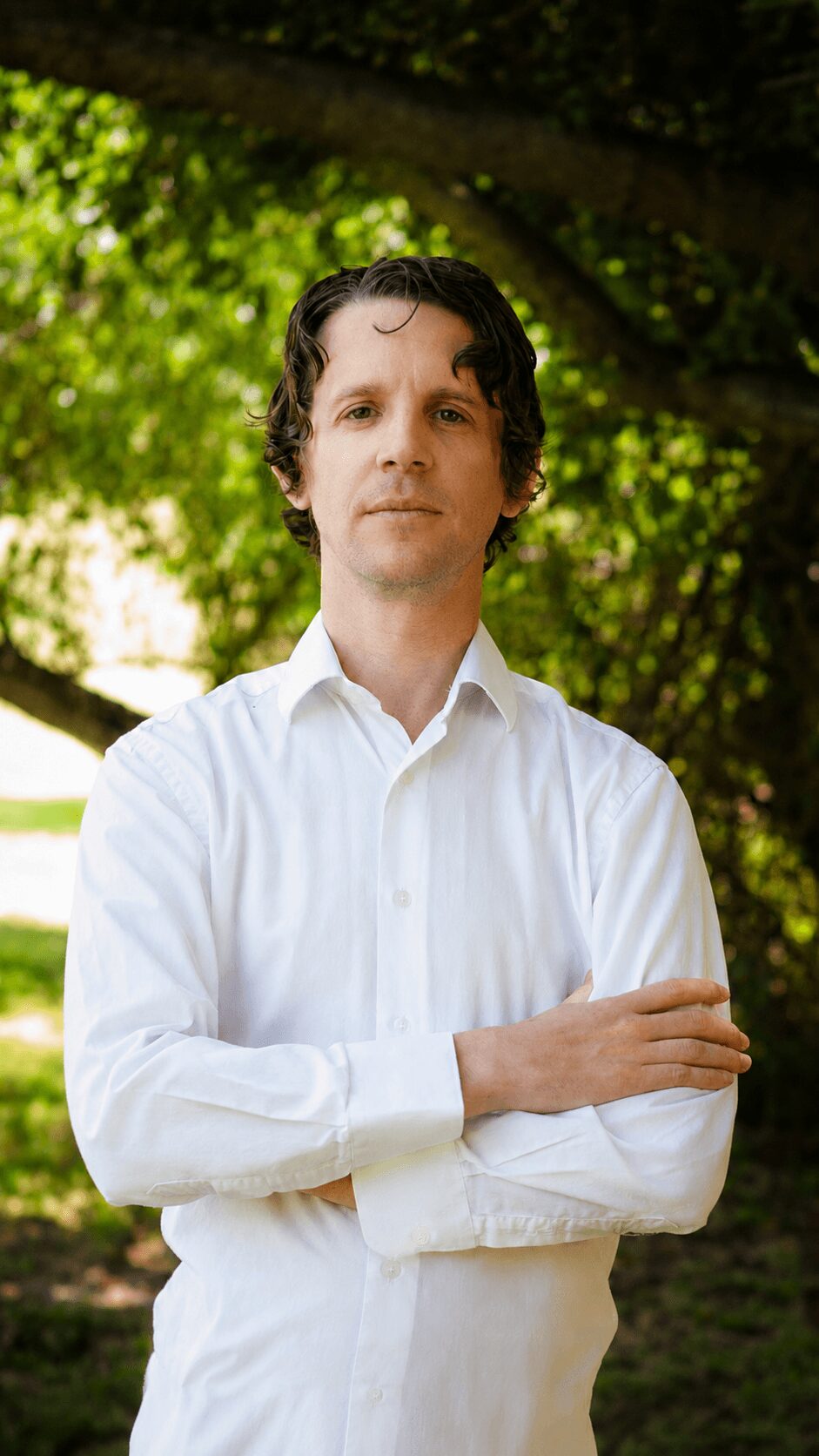
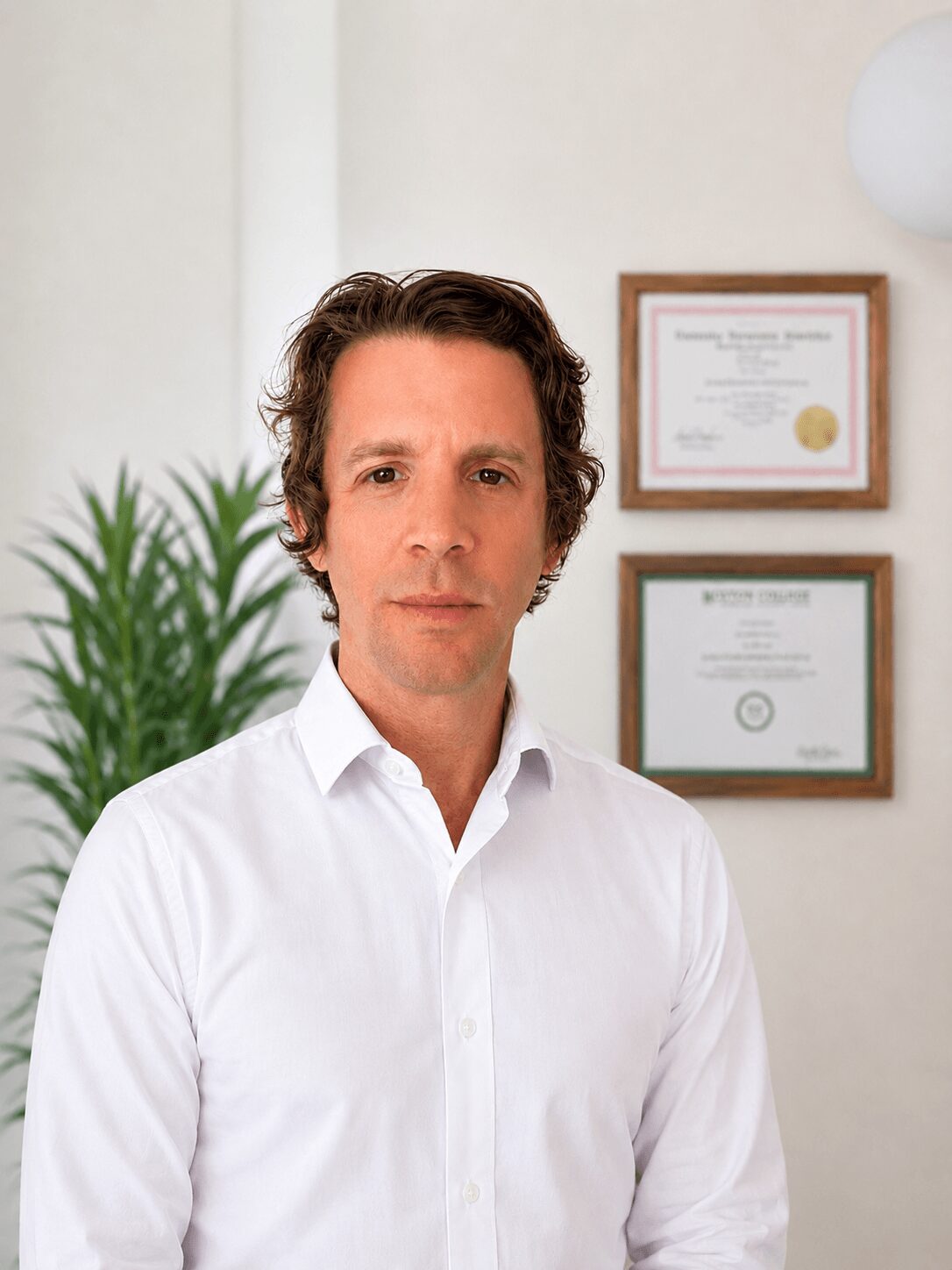
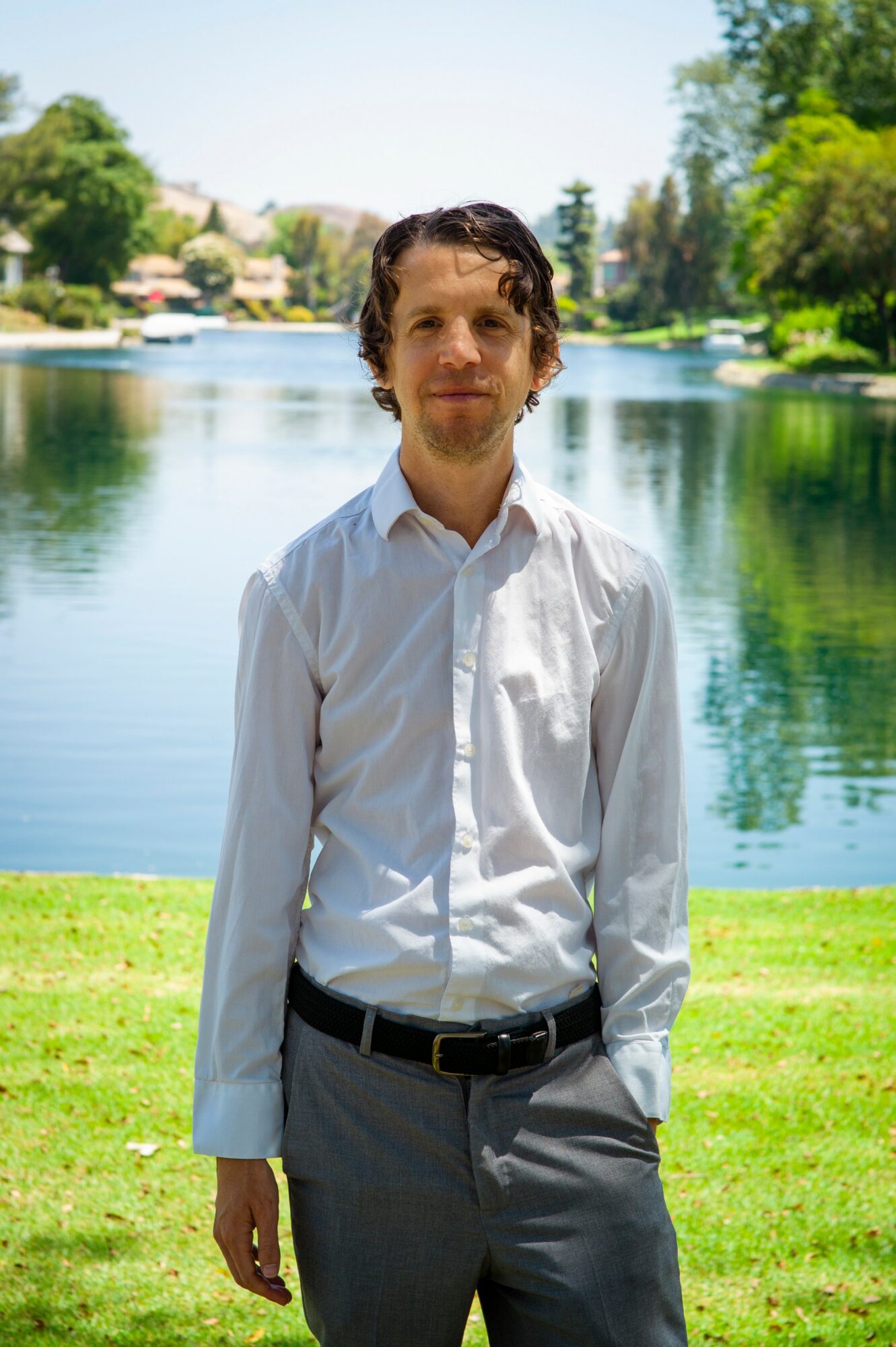
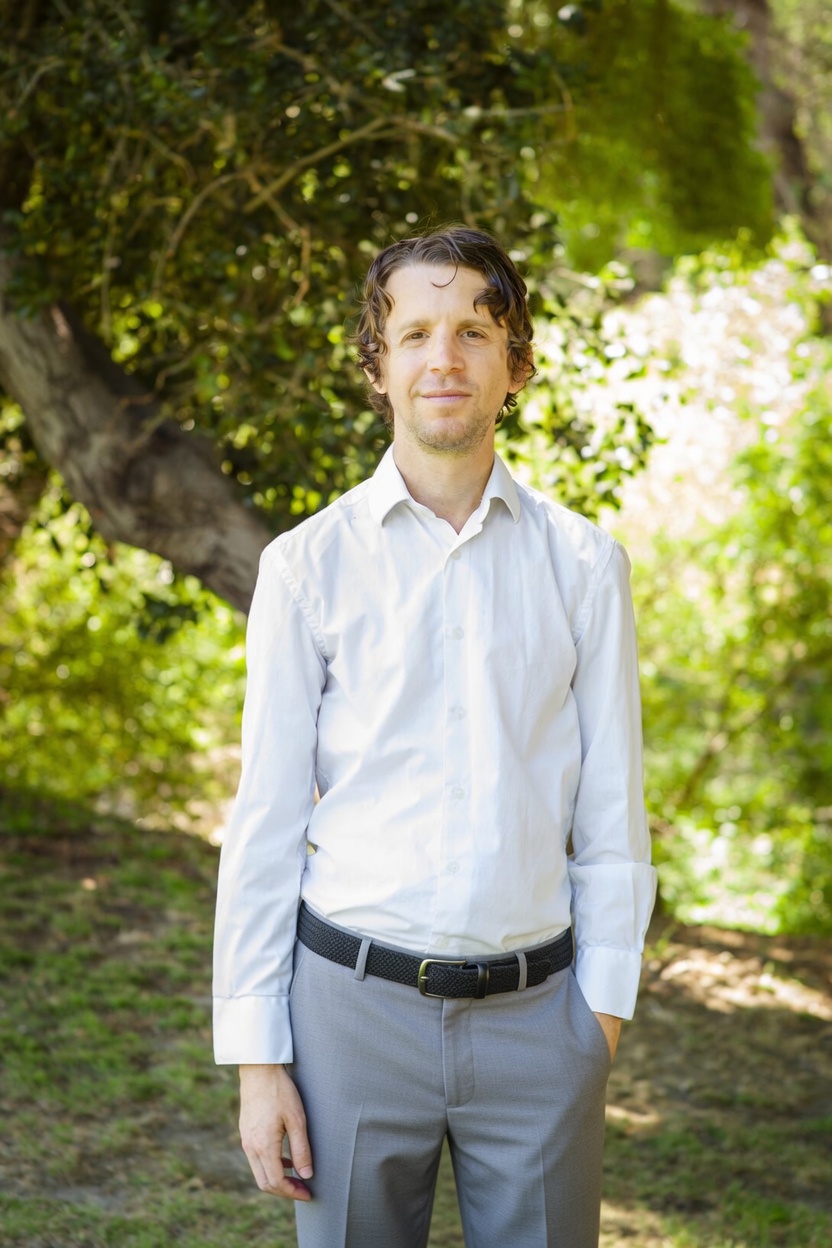
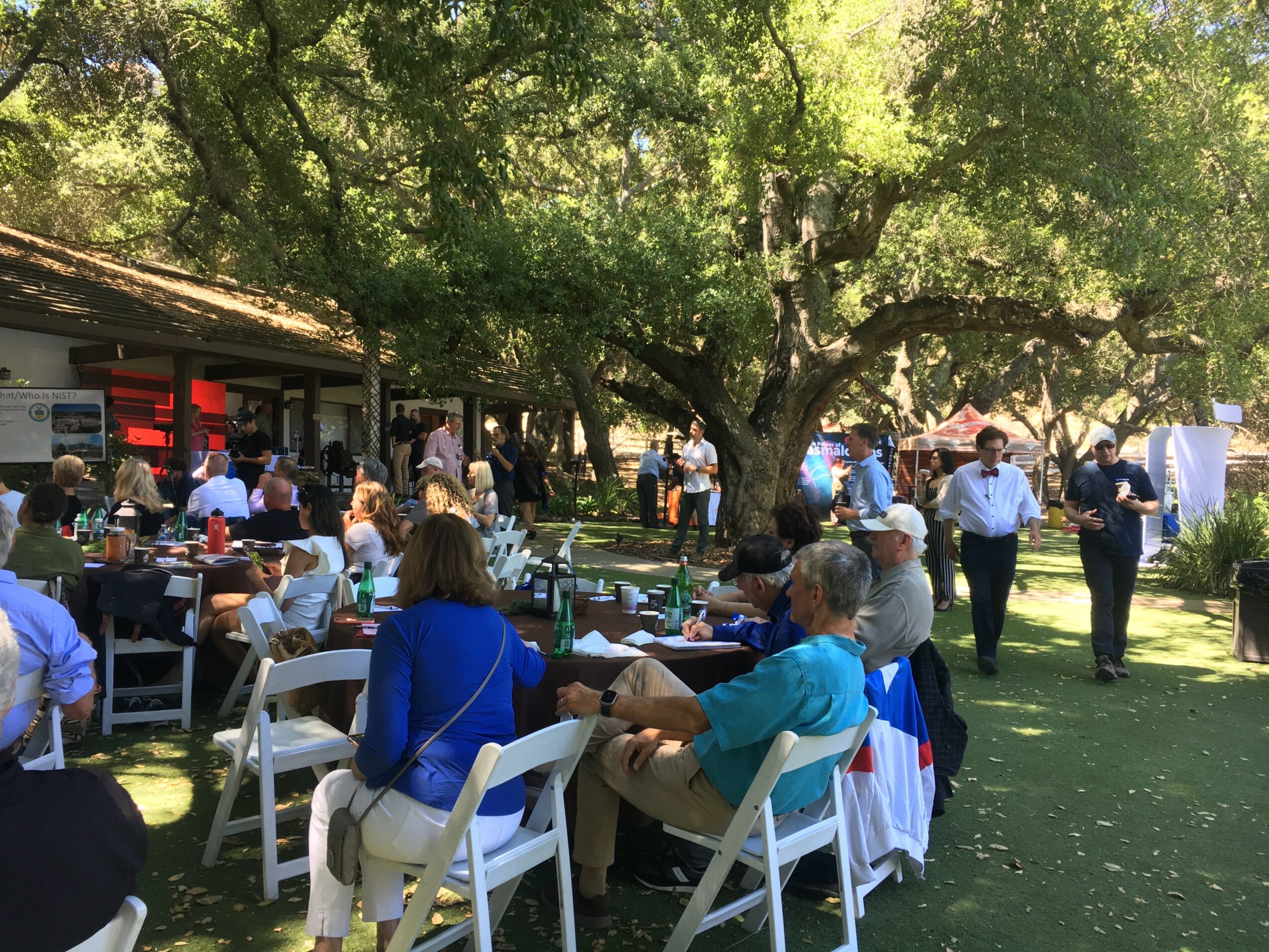
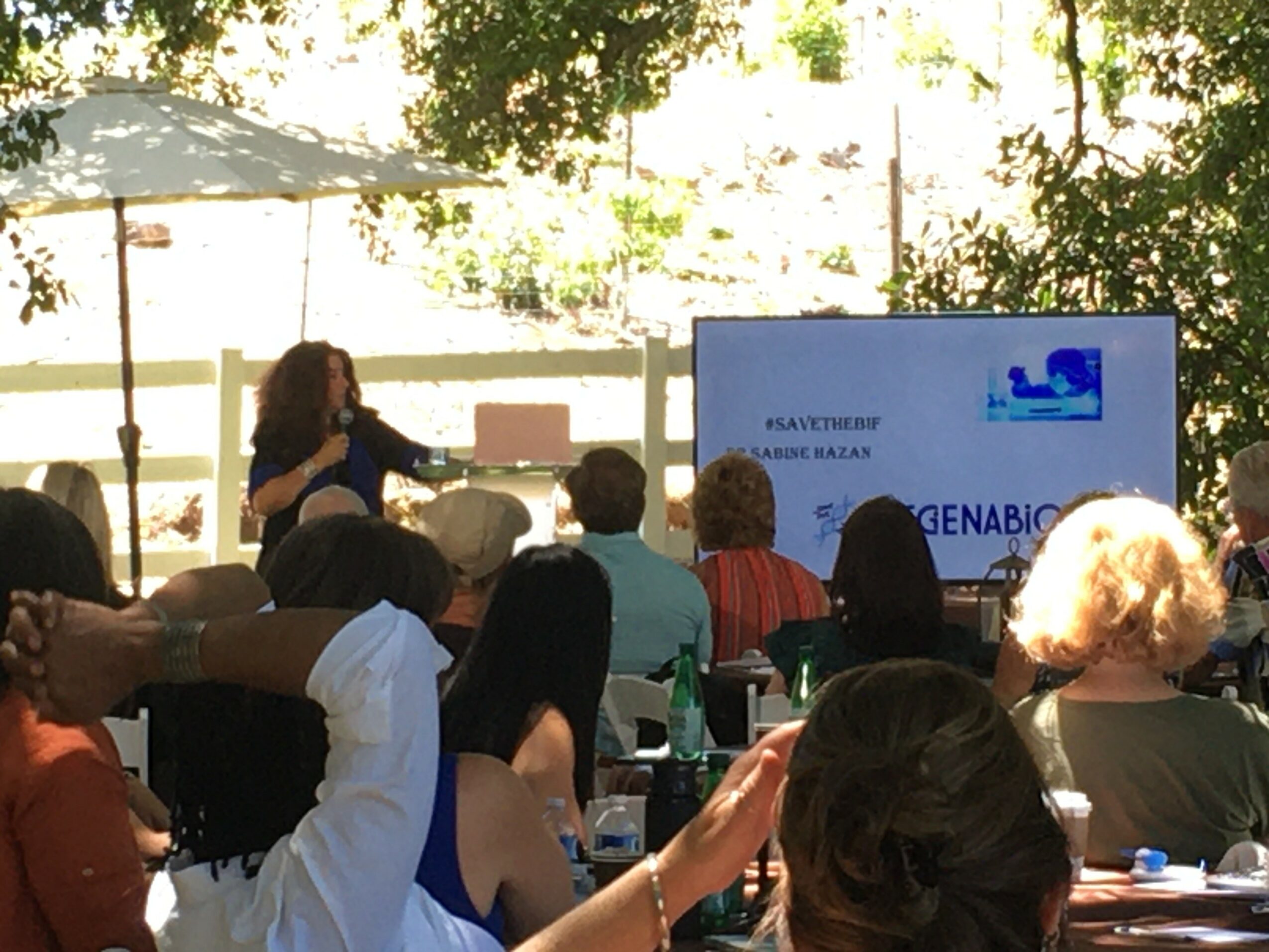
Image Credits
Professional photos taken by William Carroll. The images taken at the Malibu Microbiome Meeting 2024 were taken by Ryan Klass.
Popular
-
Maagic Collins on Building a Fearless Publishing Platform for Truth, Advocacy, and Underrepresented Voices
-
Los Angeles Barea on Turning Green Superheroes into a Global Movement for Youth-Led Change
-

Trisha DuVivier on Bridging the Franchisor–Franchisee Divide with Workhero and “Franulate”
-

Portraits of the Valley
-

LA’s Most Inspiring Stories
-
Cedar Boschan on Elevating Black Music Rights and Driving Urgent Conversations Around Credit, Equity, and Artist Protection


