



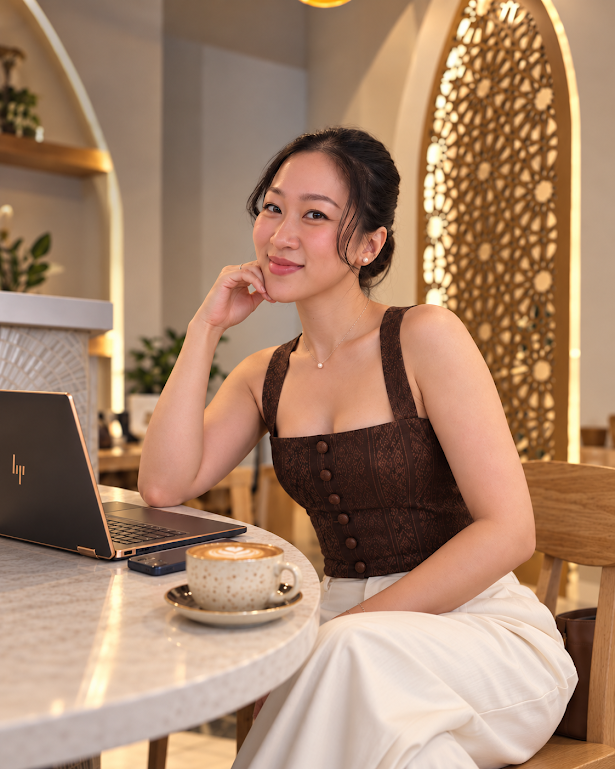
Today we’d like to introduce you to Pearl Ruktawan Yuttawongs.
Pearl Ruktawan, we appreciate you taking the time to share your story with us today. Where does your story begin?
I grew up around clothing, culture, and creativity because of my family business, The Phukaw. My mom started the business in 2008 at the Fairfax and Melrose Trading Post in Los Angeles, selling Thai tribal clothing and accessories. The name “The Phukaw” means “the mountain,” which connected naturally to the tribal pieces we carried at the time, many of which came from communities in the mountainous regions of Thailand. What started as a Sunday market booth eventually became a storefront, and I grew up helping with everything like setting up displays, working with customers, styling brides, attending cultural events, and watching my mom create and put together looks. That was probably my first real introduction to fashion.
As I got older, I started looking at Thai clothing a little differently. I loved the traditional pieces, but I also wanted to see those fabrics, textures, and details used in a more modern way — something that could still feel connected to Thai culture but fit naturally into everyday life. That was when I started sketching around 2016. I experimented with Thai silk, cotton, and woven fabrics in more modern silhouettes and eventually produced some of my first designs, including the Shero Top, which became one of the pieces I was most proud of from that early period.
Then my life moved in several different directions. I became a flight attendant, moved to Texas, completed my bachelor’s degree, started graduate school, and focused on other parts of my life and career. Designing slowly became something I kept thinking about instead of something I was actively doing. For many years, I told myself I would come back to it once I had everything figured out — the collection, the website, the photos, the production. I think I spent years waiting for the perfect time to come back to it, and at some point, I realized there probably wasn’t going to be one. So, Era One is really my return to that part of myself, but with a much clearer direction than I had before. This time, I’m building it more intentionally and sharing the process as it happens — what I’m keeping, what I’m changing, what I’ve learned, and what the brand becomes from here. And I’m currently developing the first pieces for Era One’s return and working toward a 2027 relaunch.
Alright, so let’s dig a little deeper into the story – has it been an easy path overall and if not, what were the challenges you’ve had to overcome?
It has not been a smooth road for me. One of the biggest challenges has been balancing the vision with what’s realistically wearable, producible, and accessible. Thai silk is beautiful, but making every piece in 100% silk can drive the price up fast. I want Era One to feel elevated, but I don’t want Thai materials to make the clothes so precious that people are afraid to actually wear them. That’s made me stop thinking about traditional fabric only in the way it’s always been used. I’m exploring Thai woven patterns, prints, silk blends, cottons, and pairing traditional textiles with other fabrics, so the cultural identity is still there but the garment works in real life. Sourcing has probably been the hardest part. Even after years of being around Thai clothing, finding the right fabric, construction, and production partner for a modern fashion brand is a completely different world from sourcing traditional attire. There’s been a lot of trial and error.
Time has been the other challenge. Era One has had to exist alongside my full-time job as a flight attendant and graduate school, so there were stretches when I just didn’t have the capacity to give it the attention I wanted. But I think those years actually helped clarify the brand. I’m much more selective now. I think about how a piece moves, where someone would realistically wear it, how it can be styled, and whether it truly feels like Era One, rather than making something just because it looks beautiful.
Appreciate you sharing that. What should we know about Era One Design?
Era One is centered on modern pieces influenced by Thai textiles and design, with an emphasis on elegance, femininity, and presence.
I’m not trying to recreate traditional Thai attire. I’m taking the materials, textures, and patterns I grew up around and putting them into pieces you’d actually wear now, like a halter top with tailored trousers, a jumpsuit for dinner, or a structured top that works with what’s already in your closet. When I picture someone wearing Era One, I picture a person who’s confident but doesn’t need to be loud about it. The clothes can be feminine and sexy and still feel refined. When they walk into a room, people notice, and it feels natural.
The name comes from that same feeling. To me, Era One is about stepping into your era and being the most confident version of yourself. It’s kind of like saying, “this is your era, and you’re number one in it.” Not in an arrogant way, just really self-assured. I always come back to a few phrases when I think about the brand, like made for presence, quietly unforgettable, and designed to be remembered.
One of the things I’m most proud of is being able to take something deeply connected to my background and interpret it in a way that doesn’t require the wearer to be Thai to appreciate it. One of my earliest goals as a designer was to create timeless pieces from materials like Thai silk and Thai cotton that people of different cultures could experience in everyday life. That idea is still at the center of Era One today.
For the brand’s return, I’m developing the Ruktawan Jumpsuit, the Panida Halter, and the Wiriya Top. Earlier designs like the Shero Top are still an important part of Era One’s history, and they may come back later in a more limited or evolved form.
What sets Era One apart is that the Thai influence is not treated as a theme or costume. It is part of the material language of the brand, but the final pieces are meant to feel modern, wearable, and relevant in many different settings.
What sort of changes are you expecting over the next 5-10 years?
I think people are becoming a lot more intentional about what they buy. There are so many options now, especially online, that a brand has to offer more than just something that looks nice. People want to know what makes a piece different, where it came from, how it was made, and whether it’s actually worth spending money on. We’ll probably see more independent brands build communities around the process instead of only showing the finished product. Social media lets people follow a brand from the first sketch to sampling, production, and the final piece, and that kind of transparency creates a different relationship between the designer and the customer.
Technology is going to play a much bigger role too, especially with AI changing how people discover products, shop, and even come up with ideas. But I think that makes originality and a strong point of view even more important. If everyone has access to the same tools, the story, craftsmanship, culture, and identity behind a brand become even more valuable. For Era One, that makes me even more interested in creating pieces that have a reason to exist. I don’t want to just follow whatever’s trending. I want to make things people actually connect with and keep wearing for years.
Pricing:
- Entry pieces expected to begin around $80–$120
- Pricing will vary depending on fabric, construction, and level of detail
- Thai silk, structured, and limited designs will be priced higher
- Final pricing will be announced closer to the 2027 relaunch
Contact Info:
- Instagram: https://www.instagram.com/eraone.design/
- Facebook: https://www.facebook.com/eraonedesign/
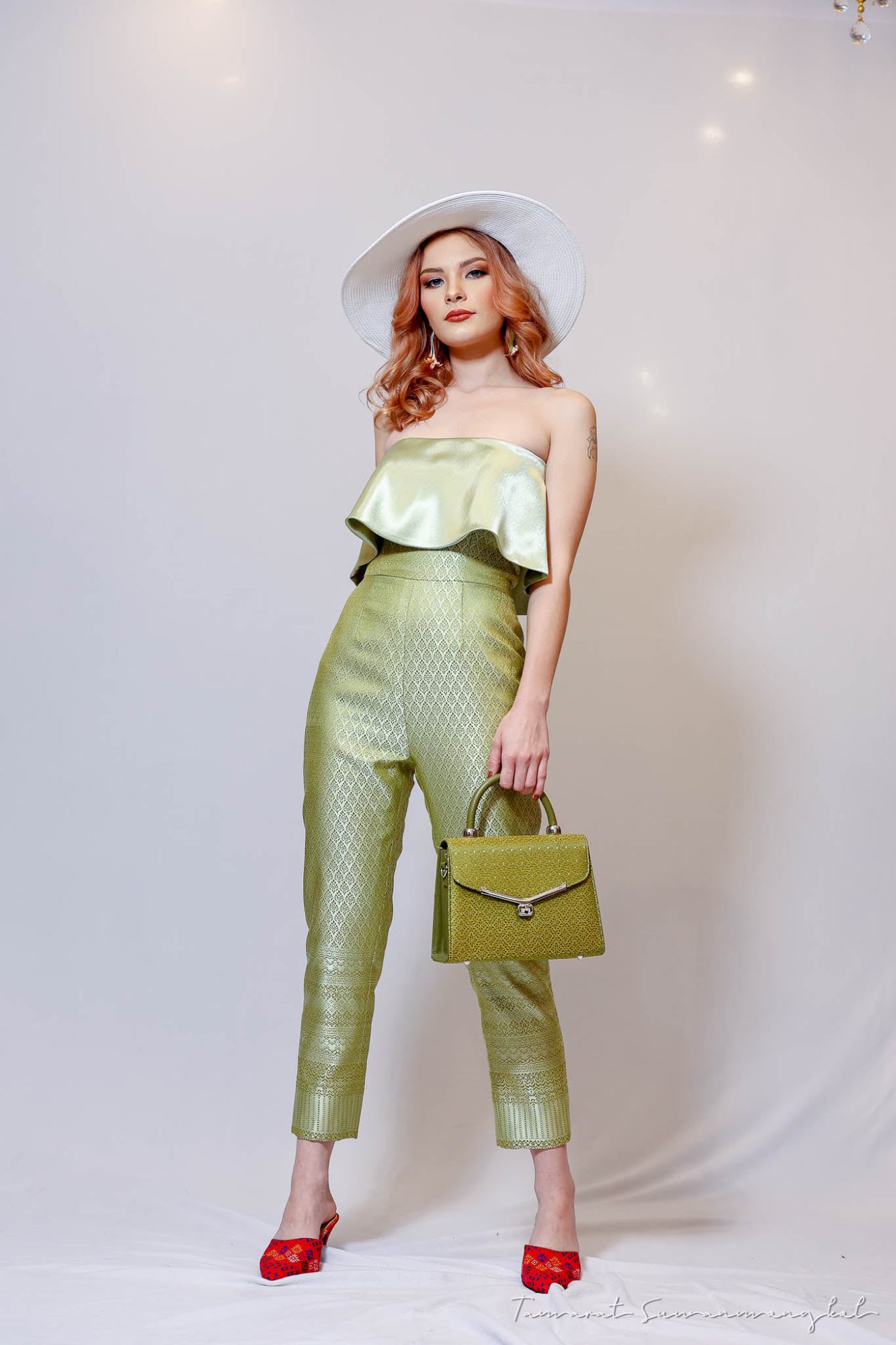
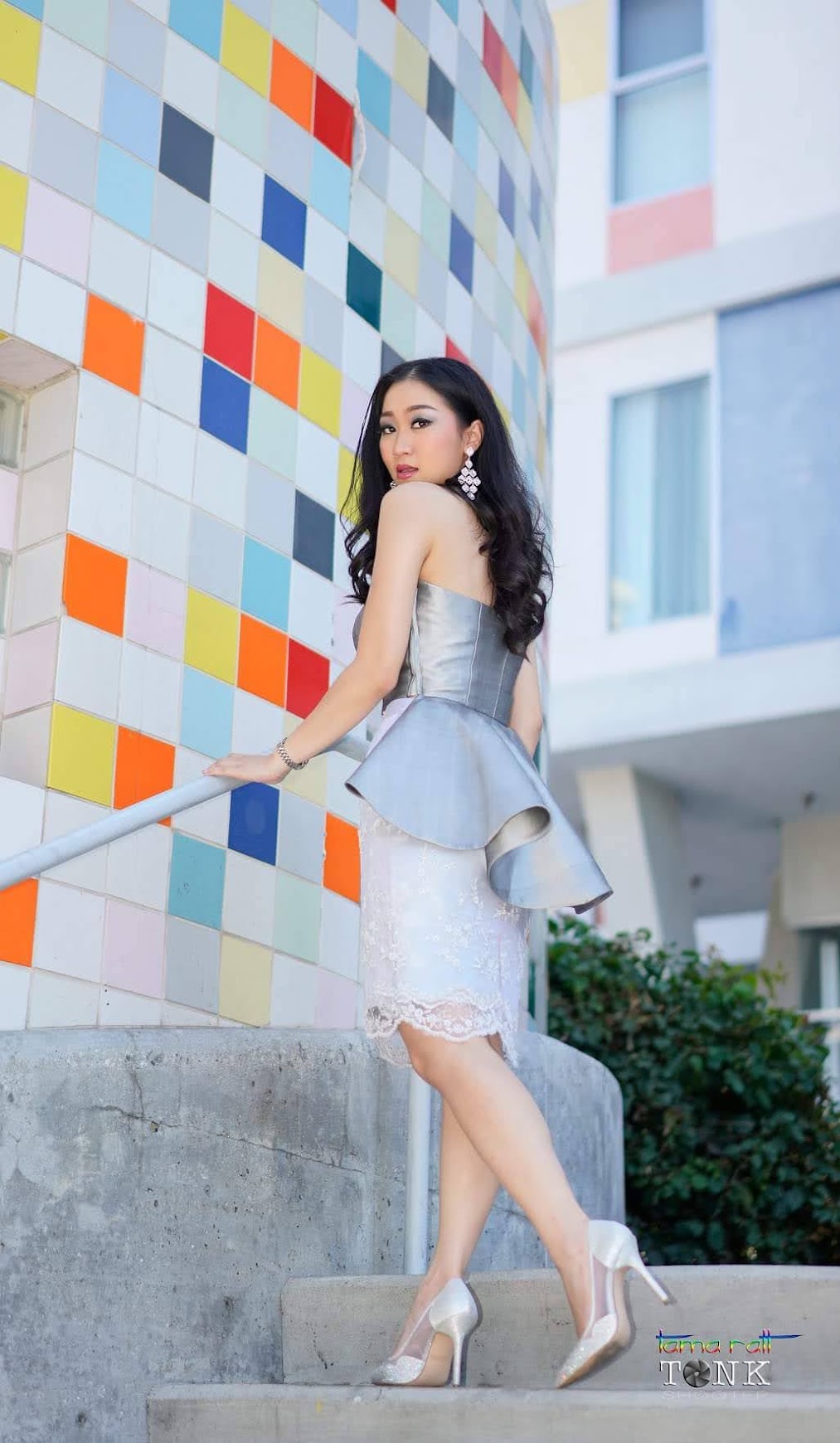
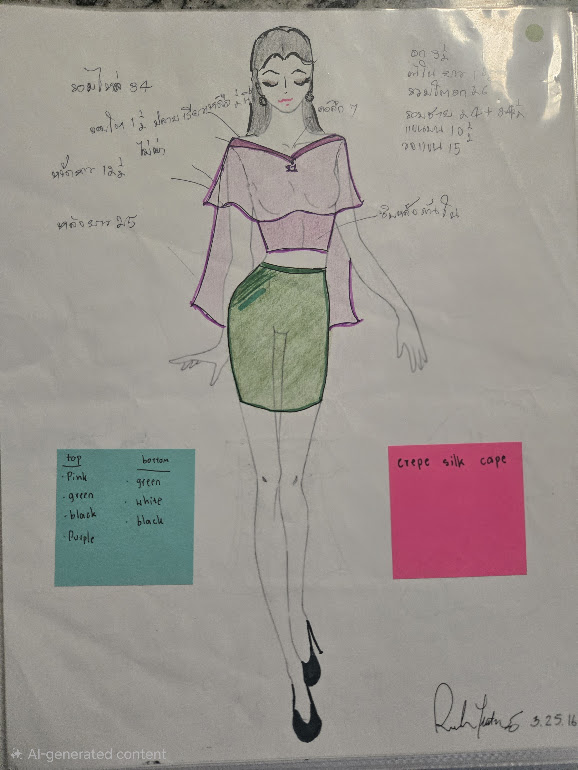
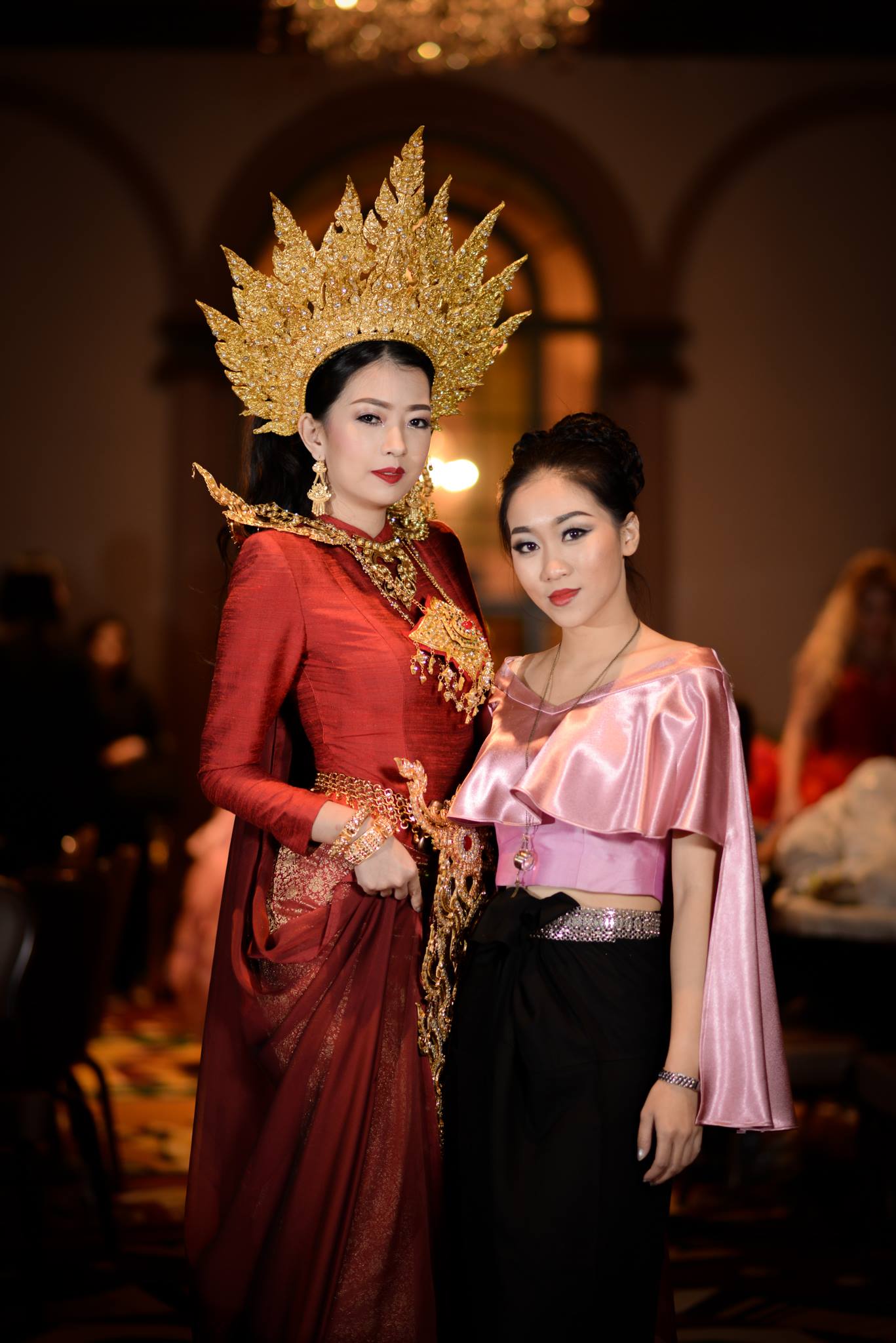
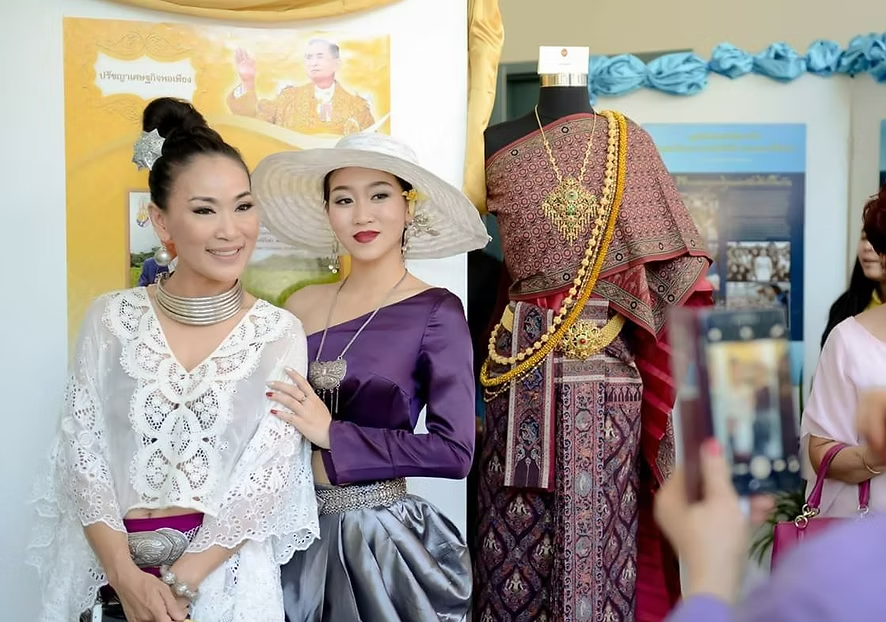
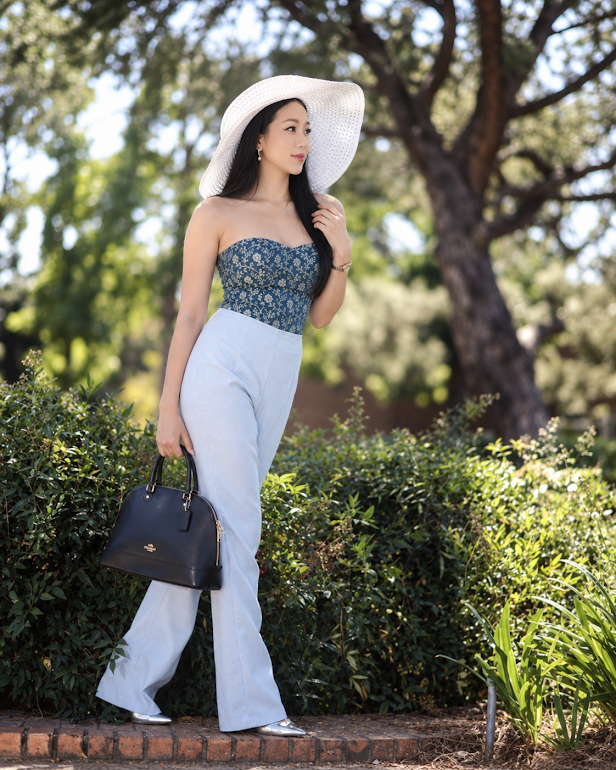
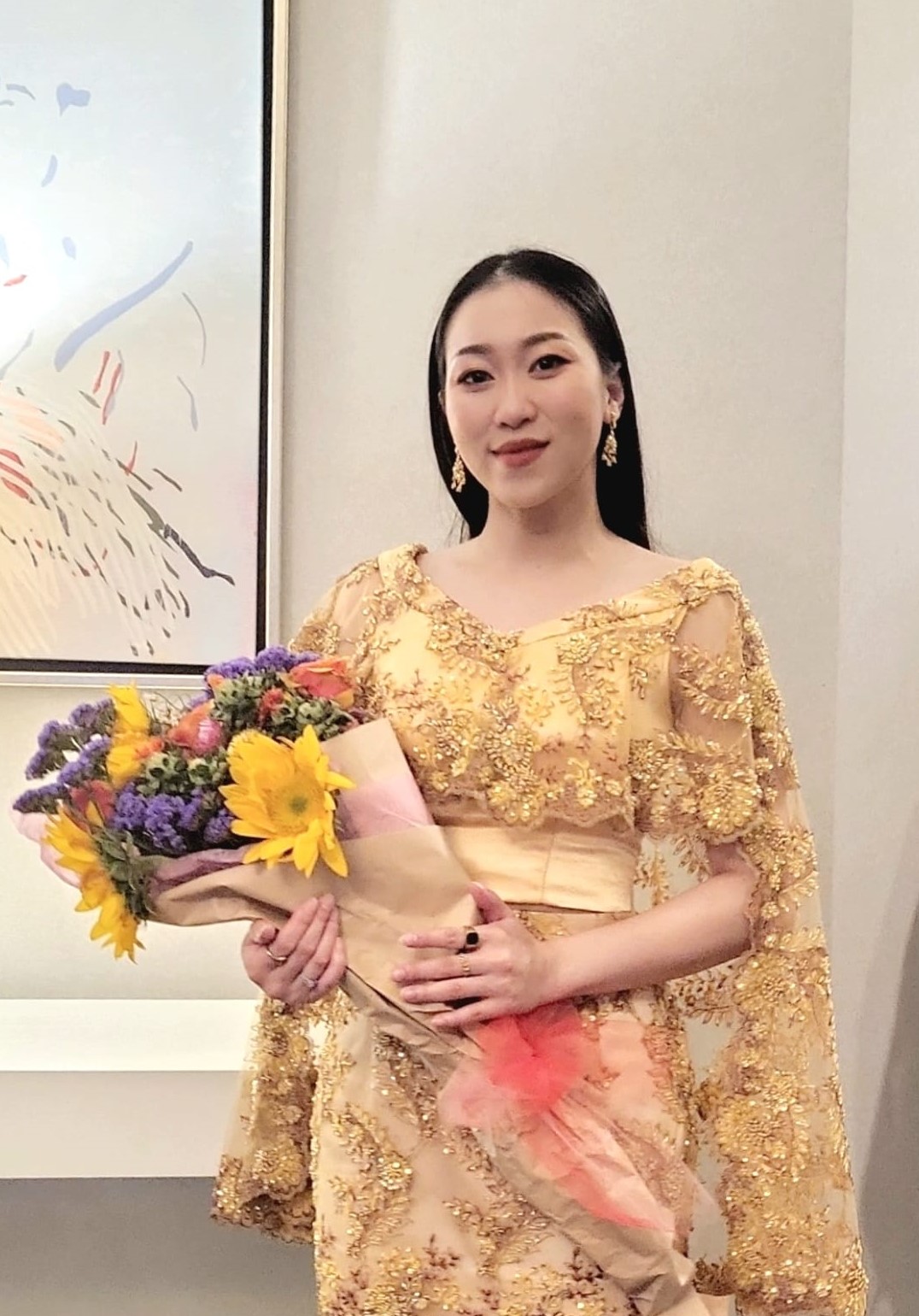
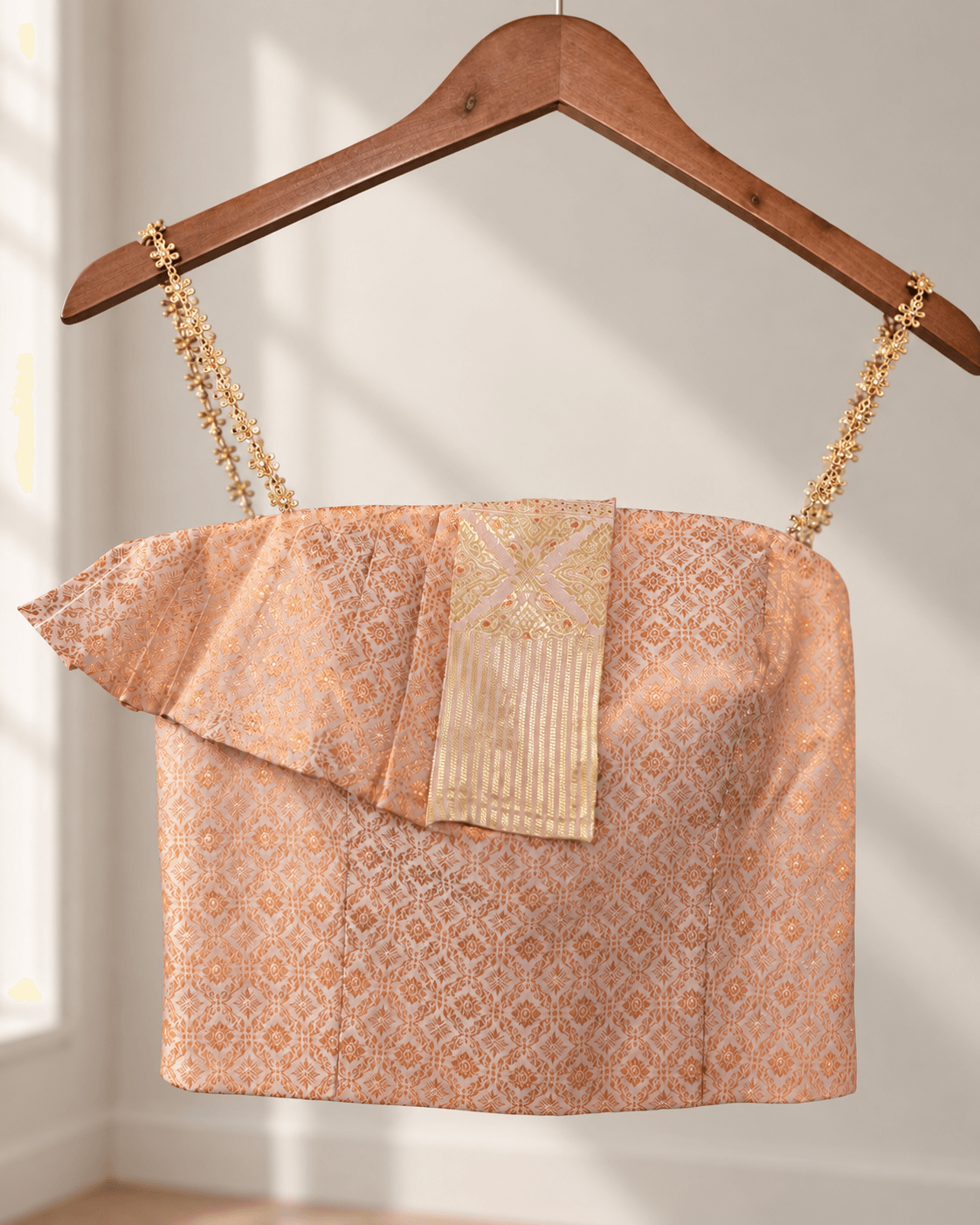
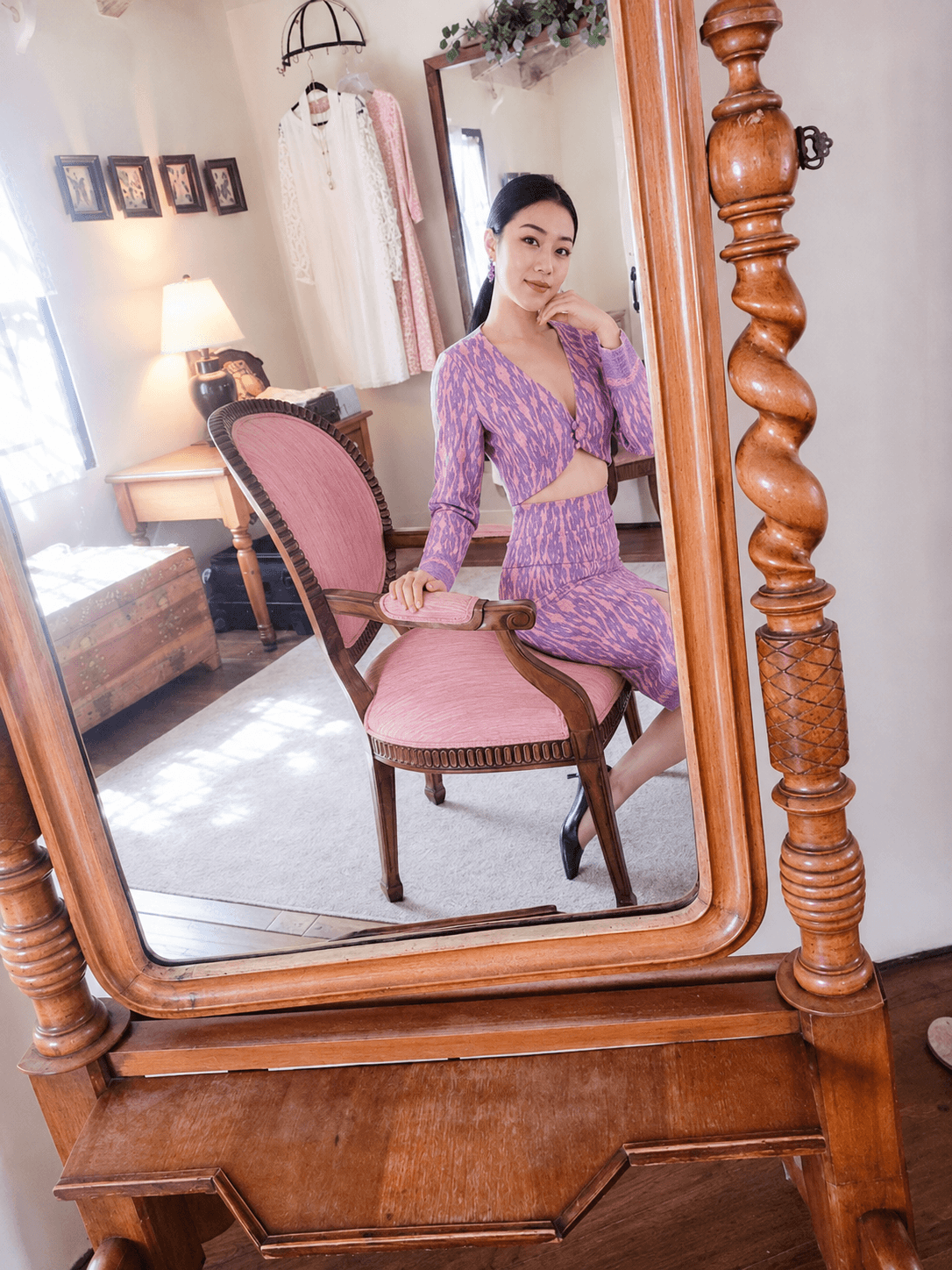
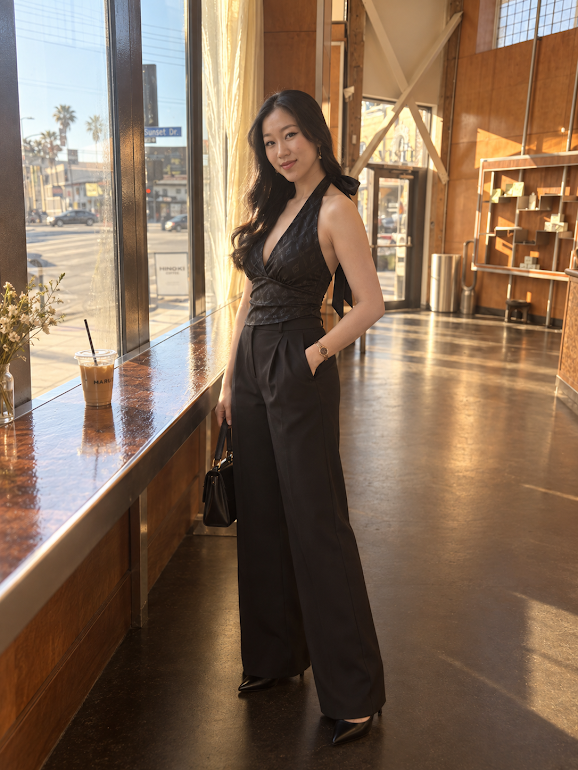
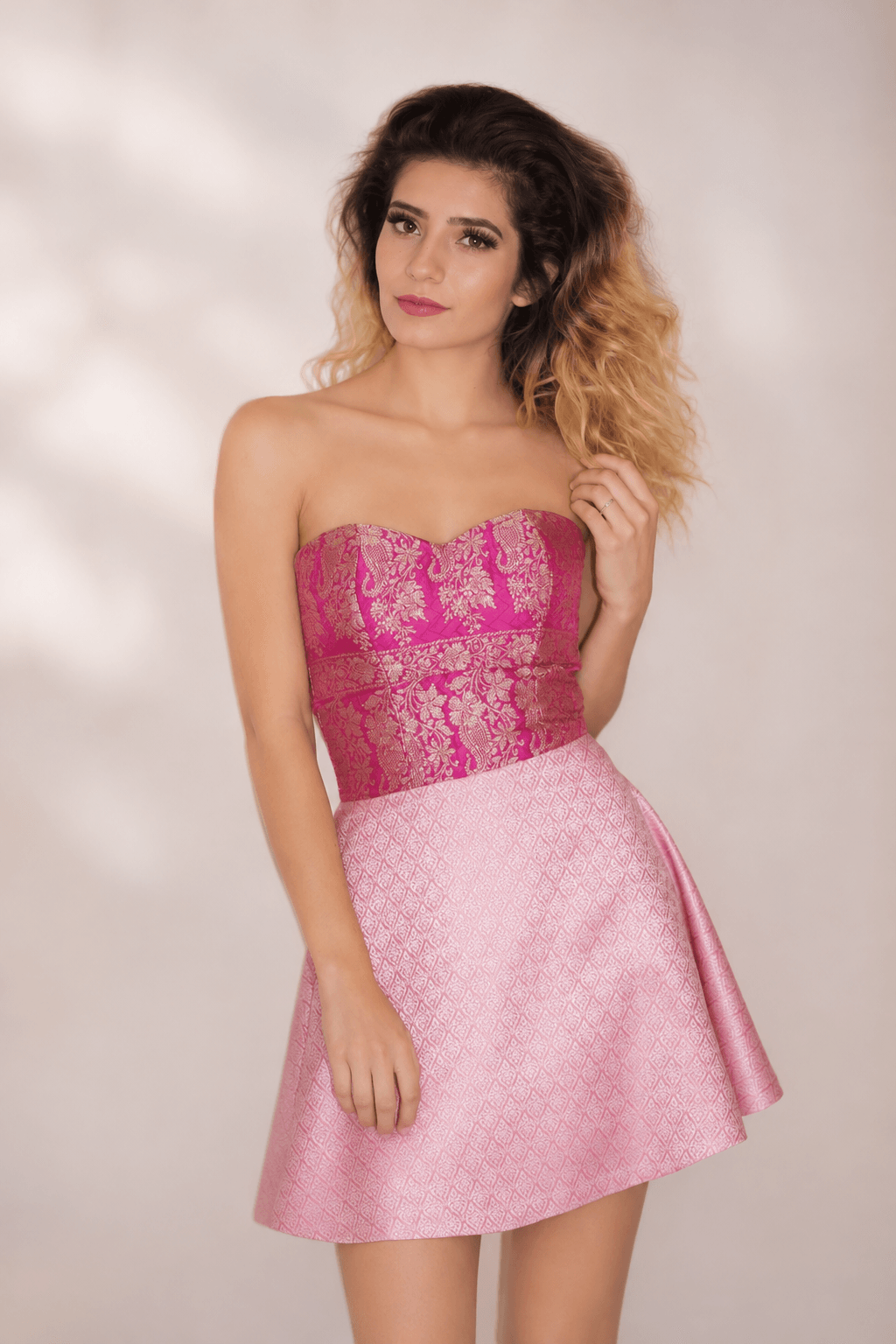
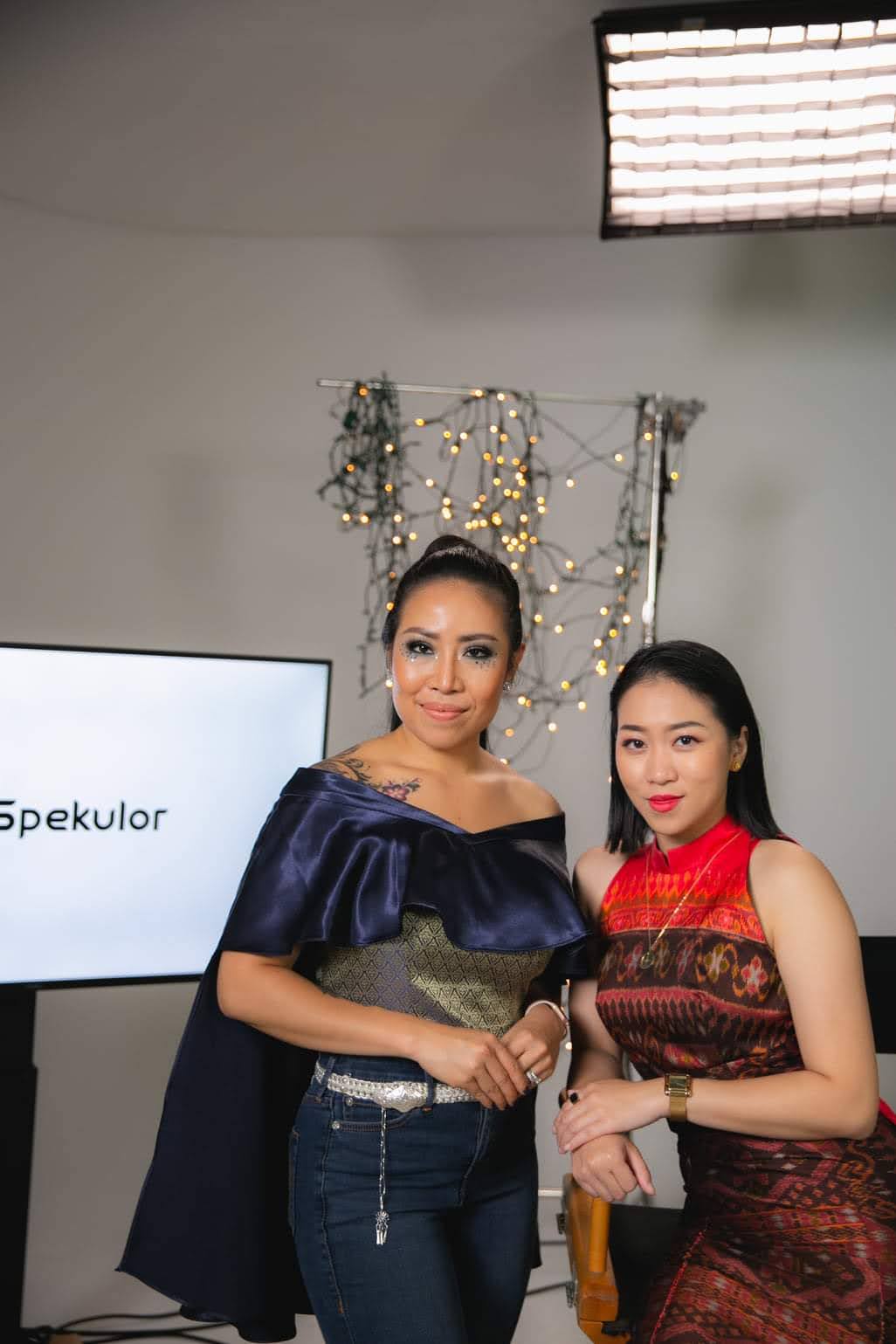
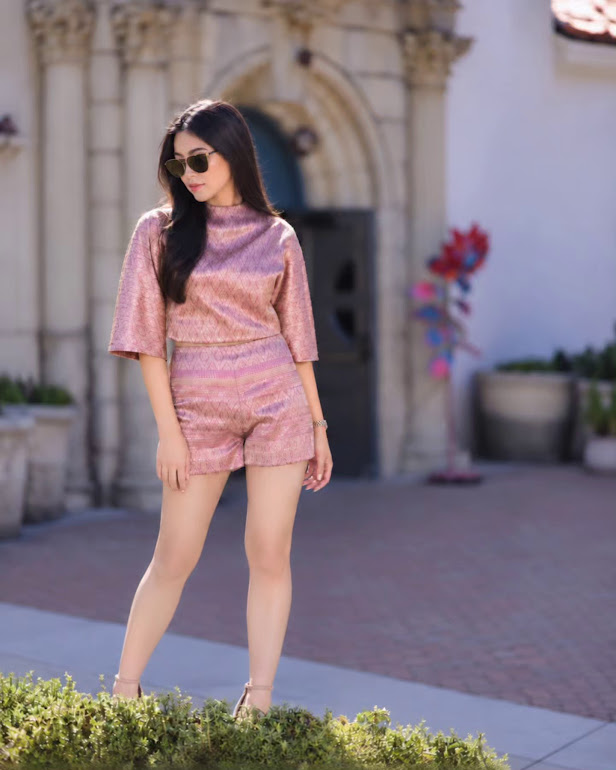
Image Credits
Tamarat Suwanmongkol (Tonk Shooter)
Act Vinai
Korakosh
Popular
-

Portraits of the Valley
-

LA’s Most Inspiring Stories
-

Mason Ewing Is Bringing a World of His Imagination to Life Through Film
-

Dr. NanaEfua Afoh-Manin Is Rethinking What It Means to Be Healthy, Not Just Healed
-

Greg Hex Is Turning the Everyday Kitchen Knife Into a Modern Design Object
-

Rick Norris Learned That Building a Successful Business Means Building a Life You Actually Want to Live


