




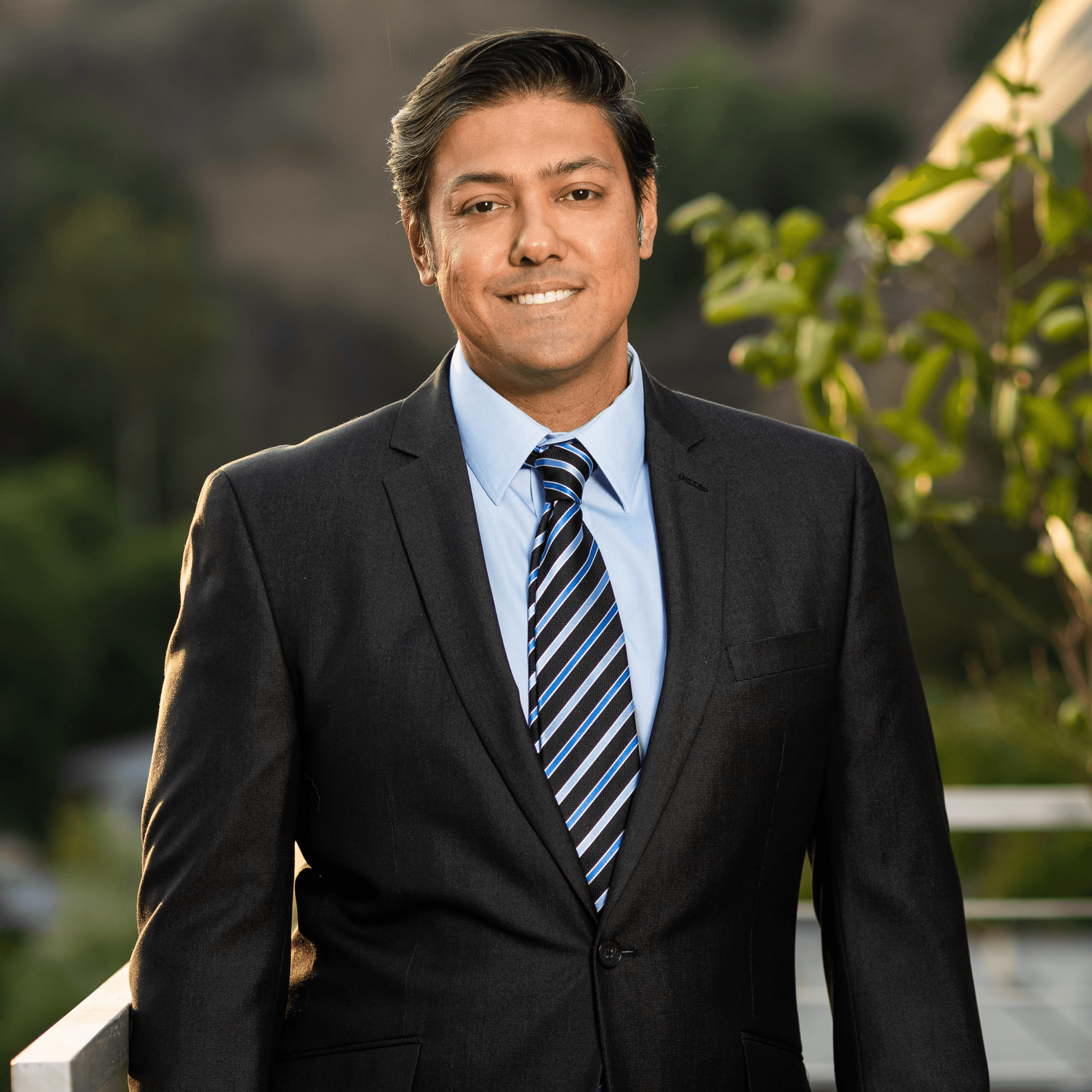
Today we’d like to introduce you to Nirav Desai.
Hi Nirav, it’s an honor to have you on the platform. Thanks for taking the time to share your story with us – to start maybe you can share some of your backstory with our readers?
I bought my first stock at 16. I didn’t buy it on a tip. I wanted to understand how the market worked, and reading about it in the newspaper wasn’t enough. That curiosity stayed with me, but it took a few detours to become a career.
My first career was in technology. I earned a master’s degree in computer science at USC and then worked in engineering and data analytics. Around the same time, I started buying rental properties. Over the next several years I bought 18 long-term rentals across the country, so I’ve had my share of leaky roofs and nightmare tenants. In 2006 I was lucky enough to sell 16 of them near the peak of the housing market, shortly before it crashed.
A few months later, in December 2006, my father died. I was about to fly home to help my parents with their retirement planning, and hours before the trip my uncle called to tell me he was gone. I had planned to sit down with my dad and go over his assets and devise an estate plan. Instead I spent the next several months cleaning up his estate.
My father was a responsible man. He had simply never adjusted his plan as his life changed. I found a life insurance policy that was nearly worthless, a tax setup that worked against him, a mix of blue-chip stocks and penny stocks, a dozen bank accounts with small balances, and no will, so everything went through probate. While we were still grieving, salespeople started calling my mother with “free advice” that came with high-fee funds attached. We were lucky there was enough money to absorb the mistakes. Many families don’t have that cushion.
That experience changed the direction of my life. In 2008 I went back to school at UCLA Anderson for an MBA in finance and real estate, and in 2012, two years after graduating, I started Qubera Wealth Management.
I wanted to build the kind of firm I wish my parents had found: one that charges a clear fee, takes no commissions, and is legally required to put the client first. The name comes from Kubera, the Hindu god of wealth and the guardian of it. Protecting what people have already earned is a big part of my job, so the name fit.
The same year, I started a blog called Keep Calm and Invest to explain markets in plain English. I’m still writing it 14 years later. Today, from our offices in Pasadena, Qubera works with more than 85 households across 18 states. Most of my clients fall into four groups: tech professionals with stock compensation, physicians, business owners getting ready to sell, and longtime landlords who are tired of being landlords. Each group has its own rules and its own expensive mistakes, so I built a separate website for each one, like rsuplanning.com for tech employees and 1031exchangeplan.com for rental owners.
Most of what I enjoy outside of work comes down to time and patience. Gardening taught me that first. You put seeds in the ground, water them, and then wait, sometimes for weeks before you see anything at all. Nothing grows faster because you check on it every morning, and digging something up to see how it’s doing only sets it back. A garden rewards you for showing up consistently and leaving it alone the rest of the time.
Wine runs on the same clock. A good bottle can take years to reach its best, and there’s no way to rush it. That’s a big part of why I love Paso Robles. I own short-term rentals there, which gives me a good excuse to spend time in wine country and taste what years of patience can produce.
Even my watches follow the rule. I’ve always loved wearing automatic watches. There’s something elegant about a machine with no battery that runs entirely on the small, steady movements of your wrist. Wear it every day and it keeps running. Leave it in a drawer and it stops.
I think about all three when I talk with clients about money. Wealth gets built the same way: steady effort, plenty of time, and the discipline to leave things alone when every instinct says to dig them up and check.
My favorite thing, though, is traveling with my family. We have a timeshare in Kauai and spend a week there every year, and it has become the trip our kids look forward to most. We only get about 18 summers with them before they’re off living their own lives, and we’re already close to halfway through. So we try to make each one count. Two of our favorite trips have been walking through the ancient city of Petra in Jordan and visiting family in Australia.
Would you say it’s been a smooth road, and if not what are some of the biggest challenges you’ve faced along the way?
Not even close. The hardest part came first, and it was personal. Losing my father and then sorting out his finances while my family grieved was the most difficult stretch of my life. It also gave me the reason I do this work. I think about it every time a new client sends me a stack of old statements.
The second challenge was the industry itself. A large share of financial services still makes its money by selling products. I chose to be fee-only from day one, which meant I earned nothing from commissions and grew through referrals and my writing. That road was slower at the start. It also meant every client knew exactly what they were paying me and why, and never had to wonder whose interests I was serving.
I’ve also lived through my share of financial storms. I graduated right into the dot-com bust, and then came the 2008 financial crisis. Both taught me the same lesson: risk rarely shows up where you’re looking for it.
In 2001, many tech workers lost their jobs and their stock options at the same time, because both depended on the same company. In 2008, investments that were supposed to move in different directions all fell together, and loans dried up right when people needed cash.
That’s why I test every plan against the bad years as well as the average ones. It’s why I push tech clients to spread their wealth beyond their employer’s stock, and why I want every family to have enough cash set aside that they never have to sell investments at the bottom.
Those lessons come back every time markets turn. In early 2020, COVID shut the economy down almost overnight and stocks fell more than 30 percent in about a month. I spent those weeks on the phone with clients, helping them stay invested instead of selling in a panic. I’ve also walked clients through 2022, when stocks and bonds fell together, and more scary headlines than I can count. Those are the weeks that test an advisor. My main job in a bad month is to help clients stay the course, and that only works if they trusted me long before the bad month arrived.
Finally, running a small firm meant wearing a lot of hats. For years I was the advisor, the researcher, the writer, and sometimes the IT department. My computer science background helped. I built many of my own tools, from tax calculators to a dashboard that tracks how expensive the stock market is. Automation saved me many hours every week, but eventually the firm grew past what one person could do well. This year I hired a second advisor. We work as a team, so every client has two people who know their plan, and I have more time for the complex cases.
We’ve been impressed with Qubera Wealth Management Inc., but for folks who might not be as familiar, what can you share with them about what you do and what sets you apart from others?
I help people make big money decisions that usually come with a deadline. A software engineer with 75 percent of her net worth in one company’s stock. A new doctor at UCLA has three different retirement plans and no idea which ones to use. A business owner about to sell to a private equity firm. A retiree who was a few days from signing a sale on a rental he bought in 1987.
That last one is my favorite example. He had owned a Los Angeles rental for decades, the rent was stuck at 2008 levels, and he was ready to accept an all-cash offer. He didn’t know the sale would trigger over $150,000 in federal and California taxes. Luckily, he called me before he signed. We set up a 1031 exchange before closing and moved the money into multiple professionally managed apartment communities. He put off the entire tax bill, stopped taking calls from tenants, and his projected income more than doubled.
The work I’m most proud of uses tax strategies that most people, and many advisors, have never heard of.
One client’s company was bought by a private equity firm, which forced him to sell $2.5 million of stock in a single year. The tax bill came to more than $1 million. We used four tax strategies together that year and cut that bill by over $450,000. Those savings came from tools that rarely come up in a typical meeting with a financial advisor.
Qualified Small Business Stock rules can erase the federal tax on millions of dollars of gain when someone sells shares in a qualifying company. Opportunity Zone funds let you delay the tax on a gain by reinvesting it, and if you hold long enough, the fund’s growth can be tax-free. Oil and gas investments can create a large deduction in the year you invest. Exchange funds let you trade a big block of one company’s stock for a diversified fund without selling it. I set these up and give my client’s CPA the paperwork they need to report it on the tax return.
A few things set my practice apart. I’m a fee-only fiduciary, so I earn no commissions and my only incentive is my client’s result. I think like an engineer, which means I build models and read the actual plan documents before I give an answer. I’ve been a landlord myself, so I know what a tired rental feels like. And when a client calls, they reach someone who knows their plan. There’s no call center and no rotating associate.
Client examples are real engagements with details changed to protect privacy. Results are not typical or guaranteed. A 1031 exchange defers tax and does not erase it. The real estate, Opportunity Zone, oil and gas, and exchange fund investments described here are generally illiquid, often limited to accredited investors, carry risk, and can lose value.
Do you have recommendations for books, apps, blogs, etc?
One of my favorite recent books is How to Get Rich in American History by historian Joseph Moore. He looks back at 300 years of American money advice, from Benjamin Franklin to today’s online gurus, and tests what actually worked. It’s funny and well researched, and it shows how often the money rules that “everyone knows” have changed. That’s a good reminder for any investor to stay humble and stick to a plan. I lean on history the same way in my own writing. When markets get scary, looking back at how similar moments played out is one of the best ways to stay calm and stick to a plan.
We’re a small firm, two advisors, so technology is a big part of how we work. Our scheduling, client records, and much of our paperwork run on automations I built myself, which is where my computer science background comes in handy. We also use AI tools for research and analysis, and then we review and decide everything ourselves. All of this frees up hours we would otherwise spend on busywork. We spend that time on the parts of the job that need a person: reading a client’s plan documents, running their numbers, and answering the phone when they call.
Pricing:
- • First consultation: free, 30 minutes, no sales pitch
- • Hourly advice: $350 per hour
- • Comprehensive financial plan: $1,600 to $7,500 one-time, based on complexity
- • Ongoing wealth management, as a yearly percentage of assets we manage: 1.25% on the first $500,000, 1.00% from $500,000 to $1 million, 0.75% from $1 million to $5 million, and 0.50% above $5 million
- • No commissions of any kind. Accounts I advise on but don’t manage, like an employer 401(k) or unvested RSUs, carry no management fee. • Full fee details are in our Form ADV at quberawealth.com
Contact Info:
- Website: https://quberawealth.com
- Instagram: https://rsuplanning.com/
- Facebook: https://physicianfinancialplan.com/
- LinkedIn: https://www.linkedin.com/in/niravqwm/
- Twitter: https://1031exchangeplan.com/
- Youtube: https://sellingtoprivateequity.com/
- Other: https://keepcalmandinvest.com

Popular
-

Portraits of the Valley
-

LA’s Most Inspiring Stories
-

Mason Ewing Is Bringing a World of His Imagination to Life Through Film
-

Dr. NanaEfua Afoh-Manin Is Rethinking What It Means to Be Healthy, Not Just Healed
-

Greg Hex Is Turning the Everyday Kitchen Knife Into a Modern Design Object
-

Rick Norris Learned That Building a Successful Business Means Building a Life You Actually Want to Live


