





Today we’d like to introduce you to Nicole Palladino.
Hi Nicole, so excited to have you on the platform. So before we get into questions about your work-life, maybe you can bring our readers up to speed on your story and how you got to where you are today?
How Bee Catchers Began — and Where We Are Today
Bee Catchers was born at the intersection of science, conservation, and a deep respect for life—and it is proudly a female-owned and operated conservation business.
Through my academic path, I became a conservation biologist with a focused interest in honeybees. What I quickly discovered was troubling: despite their essential role in agriculture and ecosystem health, bees were routinely being killed as “pests.” At the time, most removal practices were antiquated, destructive, and driven by fear rather than understanding. Yet bees are not only vital pollinators—they are master pollinators, keystone species that support food systems, biodiversity, and environmental balance.
Determined to do better, I founded Bee Catchers to challenge those practices and to prove that humane, science-based solutions were not only possible, but practical and accessible. As a woman building a business in a field historically dominated by extermination models rather than conservation, the mission was clear: protect life, educate communities, and provide real-world solutions people can afford.
Education has always been a core part of that mission. Over the years, I have taught and spoken to students from some of the youngest learners—children in the single digits—all the way through college-level classrooms, helping to build early awareness and scientific understanding of pollinators. Whether working with schools, community programs, or academic settings, the goal has always been the same: to replace fear with knowledge and to instill respect for the vital role bees play in our world.
Bee Catchers was established with a simple but powerful goal: to save bees through live removal and relocation while educating the public about their critical importance. Over time, we invested deeply in understanding bee behavior, colony dynamics, pheromone signaling, and structural biology—developing techniques that allow entire colonies to be removed alive rather than destroyed.
A common misconception is that live bee removal is prohibitively expensive. In reality, our services are often comparable to—or more affordable than—traditional pest control, especially when considering the long-term costs of extermination, repeat infestations, structural damage, and environmental impact. We believe people should never feel forced to choose between doing the right thing and what they can afford.
Although honeybees are still not fully protected by law, and many companies continue to kill them, public awareness has shifted dramatically. Education has been one of our greatest tools. Today, far more people understand that bees are not a nuisance—they are essential partners in our food supply and ecosystem health.
For more than 25 years, Bee Catchers has operated as a conservation-first organization. Every colony we rescue is relocated and donated through nonprofit channels to responsible beekeepers, farmers, and land stewards. Our rescued bees have gone on to pollinate crops throughout Central California, supporting agriculture at every scale.
We also assist urban beekeepers, help replenish colonies lost to winter or disease, and support communities seeking sustainable coexistence with pollinators. Our work spans residential, commercial, and industrial properties, and no project is too small—or too complex—when it comes to protecting life.
Bee Catchers is more than a service—it is a movement rooted in science, ethics, education, and accessibility. As a female-owned conservation business, we are proud to make humane bee removal both affordable and widely available, ensuring that protecting our master pollinators is a choice open to everyone.
Can you talk to us a bit about the challenges and lessons you’ve learned along the way. Looking back would you say it’s been easy or smooth in retrospect?
Trust wasn’t demanded—it was built, one job at a time.
Like any meaningful work rooted in change, the road has not always been smooth—and that has been part of the growth.
One of the earliest challenges was changing long-standing perceptions about bees themselves. For decades, the default response to a bee encounter was extermination. Even today, many people still reach for a pest control company that will spray poisons without understanding the broader consequences. Those toxins don’t simply disappear—they become airborne, enter soil and water systems, and affect other pollinators, wildlife, and human health. Shifting that mindset has required patience, education, and consistency.
Another challenge was simply navigating industries and job sites that are traditionally male-dominated, particularly in commercial and industrial settings. It was never about ego or gender—it was about trust. Early on, it took time for my education, experience, and conservation-based approach to be fully understood. I focused on doing the work thoroughly and correctly, letting results speak louder than assumptions.
Over time, that consistency paid off. Today, Bee Catchers is fortunate to be considered one of the most trusted and respected go-to resources by a wide range of companies, trades, property managers, and agricultural partners. That level of respect is deeply rewarding, not only on a personal level, but because it reflects how far conservation-based practices have come.
Environmental challenges have also shaped the journey. Climate shifts, unpredictable weather patterns, emerging diseases, and colony collapse events have all impacted bee populations over the years. These factors require constant learning, adaptability, and collaboration to ensure colonies are relocated responsibly and sustainably.
Perhaps the greatest ongoing challenge is that bees are still not fully protected by law. However, each obstacle has reinforced why education and ethical action matter. Progress often happens quietly—one colony, one conversation, one decision at a time.
The path has not always been easy, but it has been incredibly meaningful. Seeing trust grow across industries and communities has been one of the most rewarding outcomes of the work.
Great, so let’s talk business. Can you tell our readers more about what you do and what you think sets you apart from others?
Bee Catchers is a conservation-driven, female-owned bee rescue and relocation company specializing in live honeybee removal. Our work is rooted in science, ethics, education, and long-term solutions rather than temporary fixes.
What sets us apart is our commitment to treating bees as the essential master pollinators they are—not as pests. We remove and relocate entire colonies alive, neutralize pheromones to prevent re-infestation, and ensure bees are placed in environments where they can continue to thrive. All rescued colonies are relocated through nonprofit channels to responsible beekeepers, farmers, and land stewards who rely on healthy pollination.
We service a large geographic area, covering all of Los Angeles County, Northern Orange County, and Ventura County, and handle residential, commercial, agricultural, and industrial properties. No job is too big or too small.
In addition to live bee removal, we specialize in full honeycomb and colony removals from any structure. When bees have established hives inside walls, roofs, soffits, or other building cavities, removing the bees alone is not enough. Leftover honeycomb and larvae can melt, leak, decay, and ferment, as honey naturally attracts moisture. This can lead to odors, structural damage, and secondary infestations, since remaining comb becomes a food source for pests and rodents. Proper, complete removal is critical.
Our process includes post-removal treatments using safe, natural, and eco-friendly methods that do not harm people, animals, soil, or the environment. These treatments are used specifically to neutralize pheromones, which is a crucial step in preventing new colonies from being drawn back to the same location.
We provide start-to-finish solutions, including full structural repairs such as roofing, siding, drywall, stucco, and fencing, eliminating the need for multiple contractors. All of our work is backed by clear guarantees, and we are always available to support our clients before, during, and after the job.
Another important distinction is that we do not outsource any of our work. Every project is handled directly by our trained team. Bee Catchers is fully state-licensed, bonded, and insured, ensuring safety, accountability, and compliance on every job.
Bee Catchers is also known for its commitment to education and accessibility. We believe protecting pollinators should never feel out of reach. In many cases, our services are comparable to or more affordable than traditional pest control, especially when long-term costs are considered. Over the years, we have taught students ranging from young children to college-level learners, spoken to communities, and worked alongside professionals across many trades to increase awareness of pollinators and their role in our food systems.
In addition to honeybees, we also safely handle yellow jackets, carpenter bees, and wasps, using species-appropriate methods based on safety and location.
What we are most proud of, brand-wise, is trust. After more than 25 years, Bee Catchers has become a respected, go-to resource for homeowners, contractors, property managers, farmers, and conservation-minded organizations. That trust was earned through consistency, integrity, education, and results.
What we want readers to know is simple:
There is a better way to coexist with bees. Humane, science-based removal using environmentally responsible methods is effective, affordable, and beneficial for people, pollinators, and the planet.
Is there anyone you’d like to thank or give credit to?
There are many people who deserve recognition for the growth and success of Bee Catchers, and this work has never been done in isolation.
Along the way, I was fortunate to learn from exceptional professors whose passion for biology, ecology, and conservation helped shape my scientific foundation and approach to ethical problem-solving. Their guidance instilled the importance of curiosity, evidence-based decision making, and respect for the natural world—principles that still guide the business today.
One of the most meaningful influences was an early mentor who has since passed away, a pioneer in live bee removal and the owner of one of the original bee removal companies in the region. His business had been operating for nearly 50 years, and his depth of knowledge, integrity, and genuine love for bees left a lasting impression on me.
After his passing, his wife courageously ran the company on her own for about a year. Carrying the business while navigating loss was exhausting, and eventually she reached out to share that she was ready to step back. She told me she couldn’t think of a better person to carry on his legacy. Soon after, we were given the opportunity to purchase and merge the company into Bee Catchers, not simply as an acquisition, but as a way to preserve the history, relationships, and values he built while helping guide the evolution of live bee removal toward more humane, conservation-based practices. Being entrusted with that legacy was both an honor and a responsibility that continues to influence how we operate.
Beekeepers, farmers, and agricultural partners have also played a vital role by accepting relocated colonies, collaborating on pollination efforts, and sharing real-world insight that helps ensure rescued bees are given meaningful second lives.
Clients and industry partners—homeowners, contractors, property managers, and tradespeople—have been powerful advocates as well. Many began with uncertainty or hesitation and became supporters of live removal and education-based solutions, helping conservation practices become more widely accepted.
Interestingly, some of the greatest lessons came from resistance. Moments of skepticism or misunderstanding challenged me to learn more, communicate better, and push harder to provide education and transparency. Those challenges ultimately strengthened both the business and my voice as an educator and advocate.
Bee Catchers exists because of this collective effort—mentors, collaborators, clients, and even challenges all playing a role. I am deeply grateful to everyone who has helped shape the path and supported a shared belief that there is always a better, more respectful way to coexist with bees
Pricing:
- Because every situation is different, pricing can vary depending on access, structure type, and the size of the colony. That said, we’re always happy to provide general guidance so people know what to expect.
- Simple, accessible removals—such as bees in trees, irrigation boxes, or meter boxes—often fall within a lower, straightforward price range. Yellow jacket, wasp, and carpenter bee services are also typically priced based on location and severity and can often be resolved quickly.
- More involved situations, such as established colonies inside walls, roofs, or other structures, require full honeycomb and hive removal, cleaning, pheromone neutralization, and sometimes repairs. These projects are priced on a per-job basis, as no two structural removals are ever exactly the same.
Contact Info:
- Website: https://www.beecatcherssocal.com
- Instagram: https://www.facebook.com/BeeCatchersInc?mibextid=wwXIfr&mibextid=wwXIfr
- Facebook: https://www.facebook.com/BeeCatchersInc?mibextid=wwXIfr&mibextid=wwXIfr
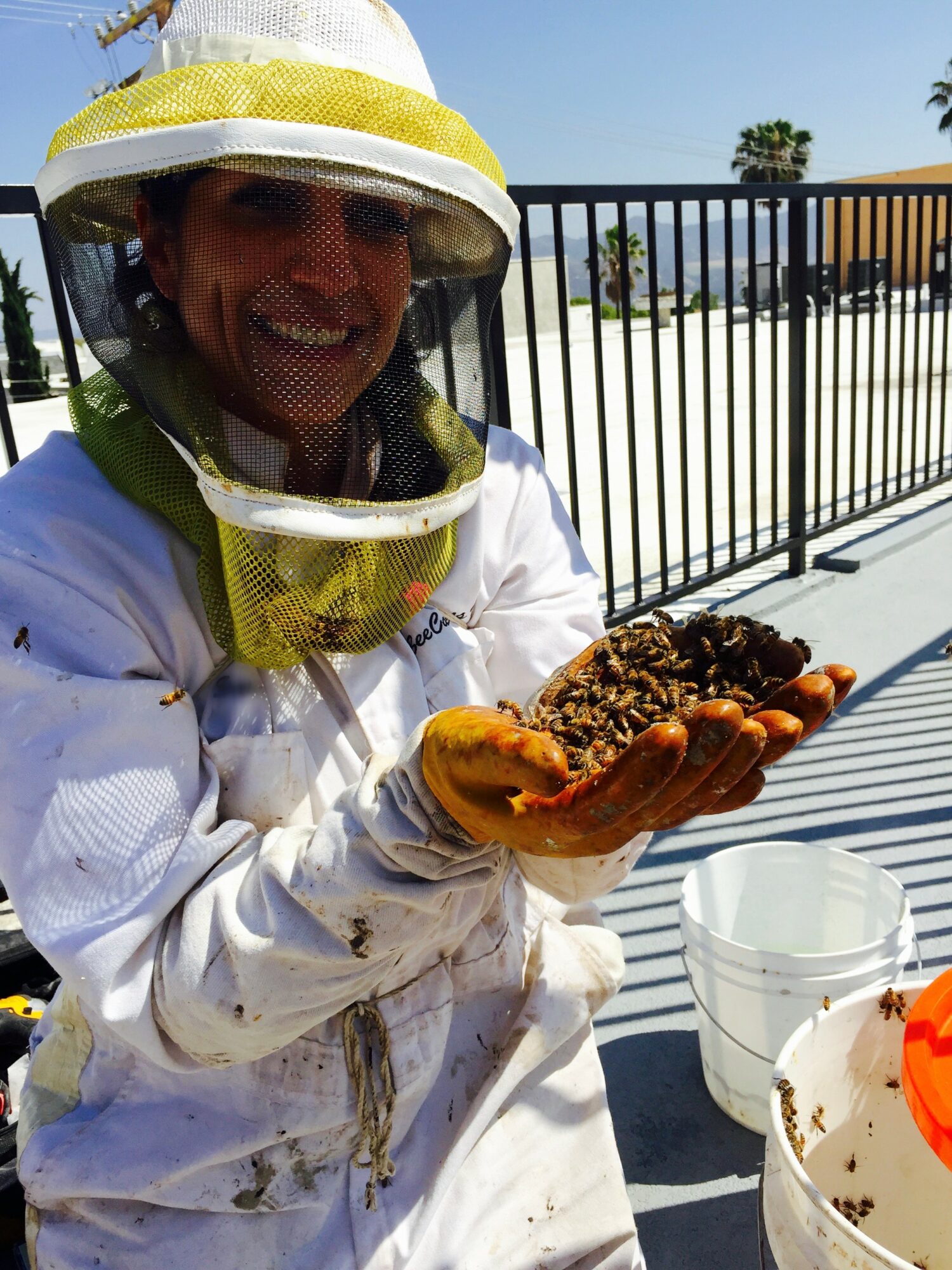
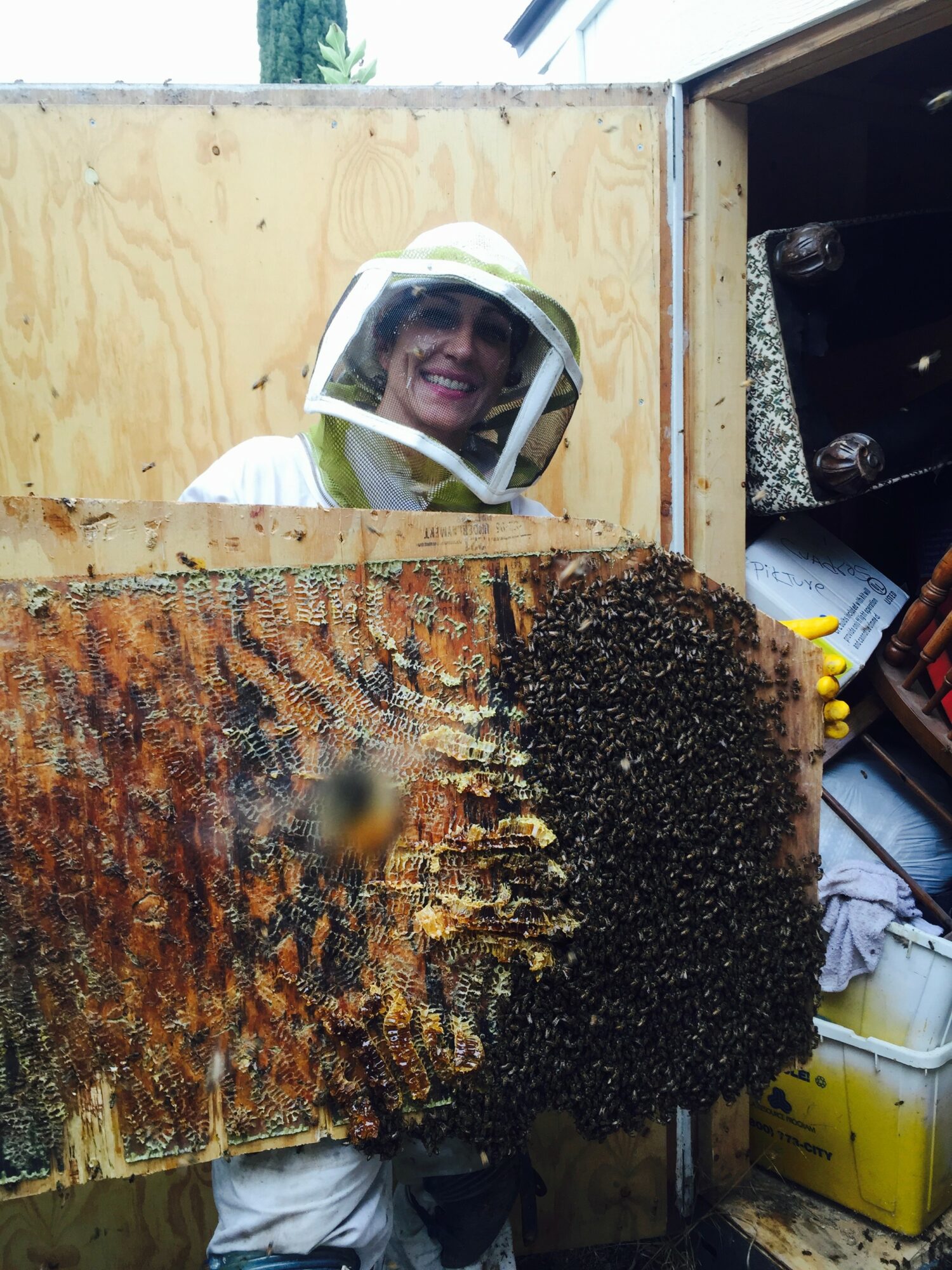
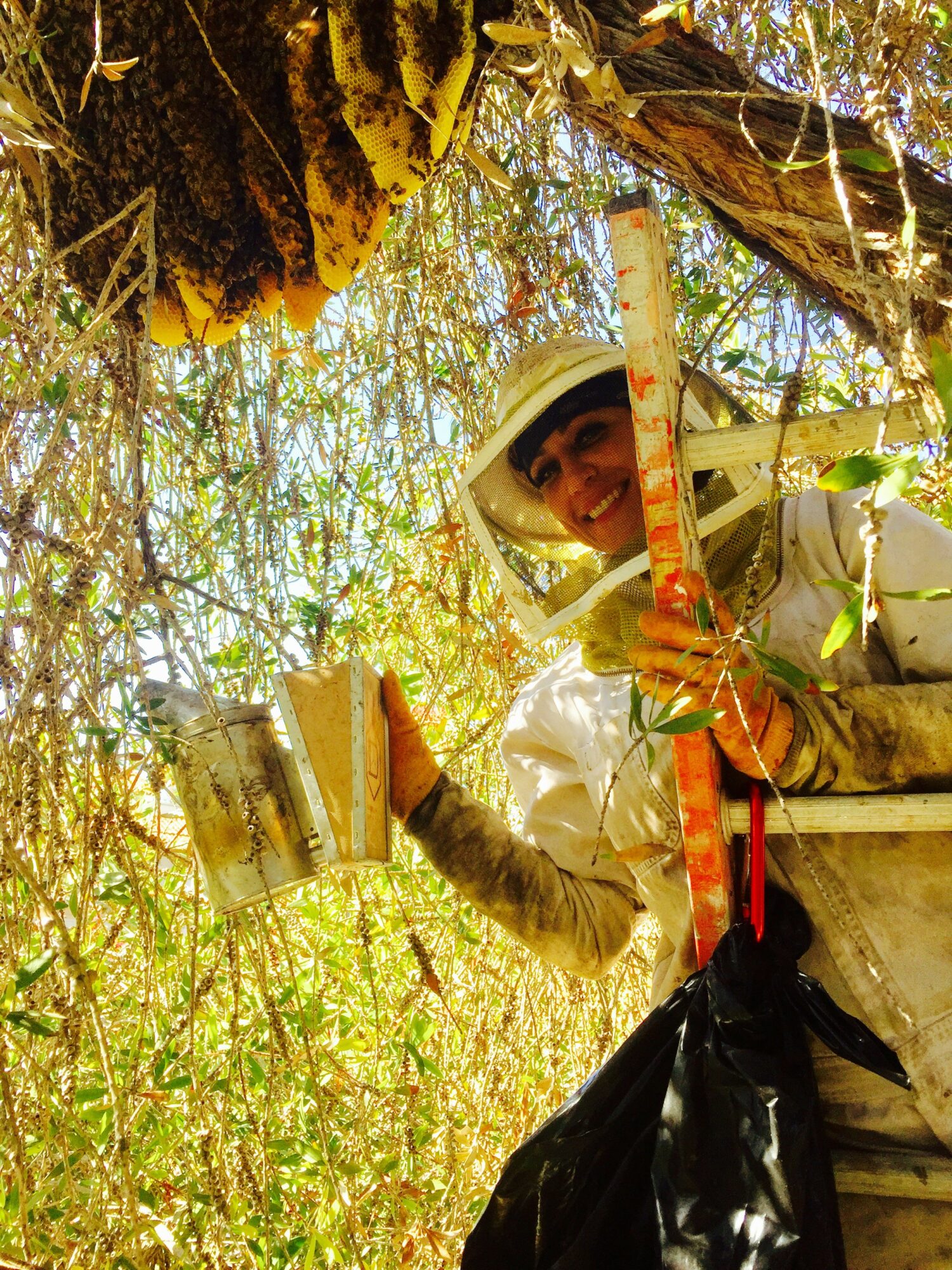
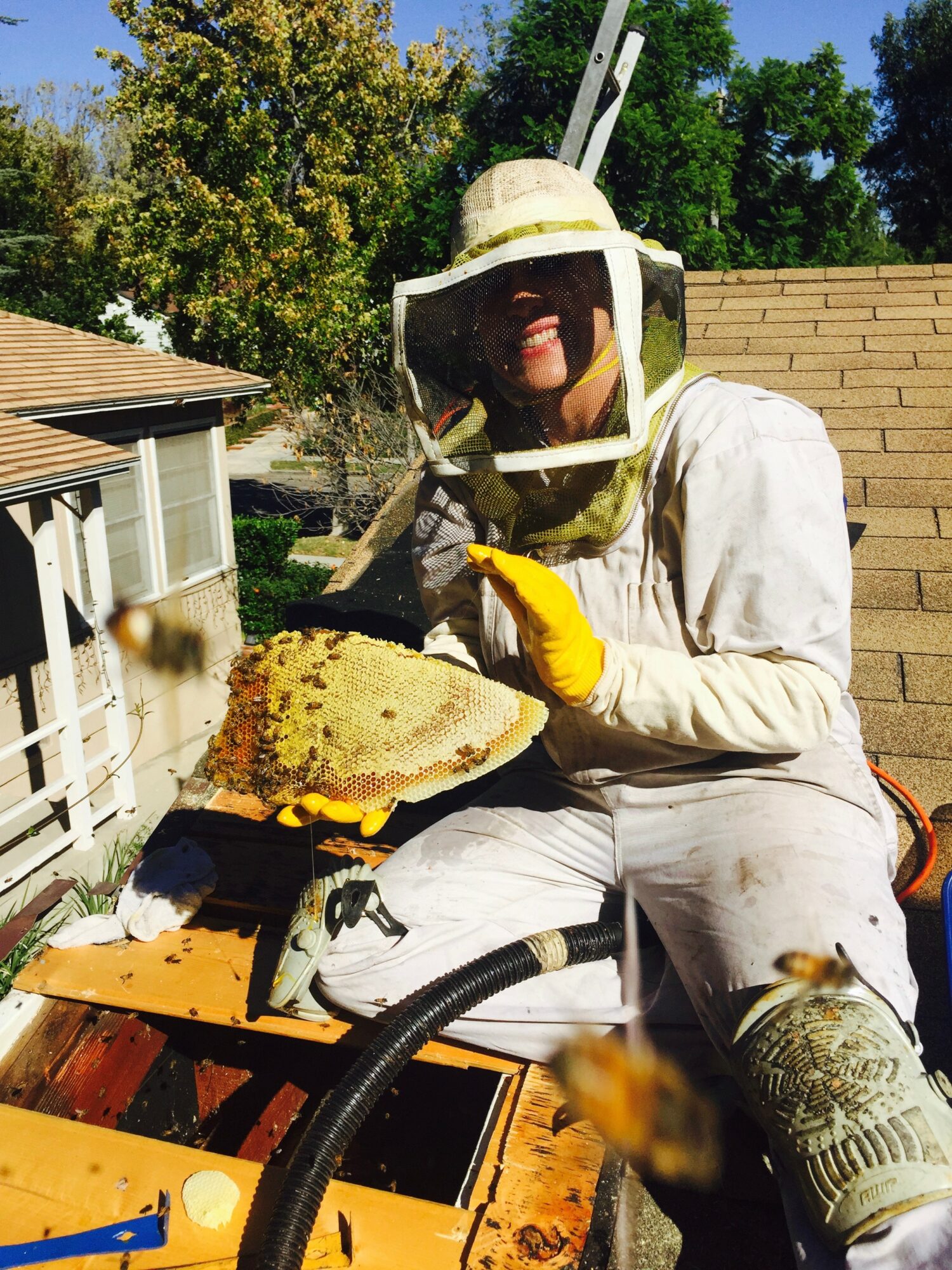
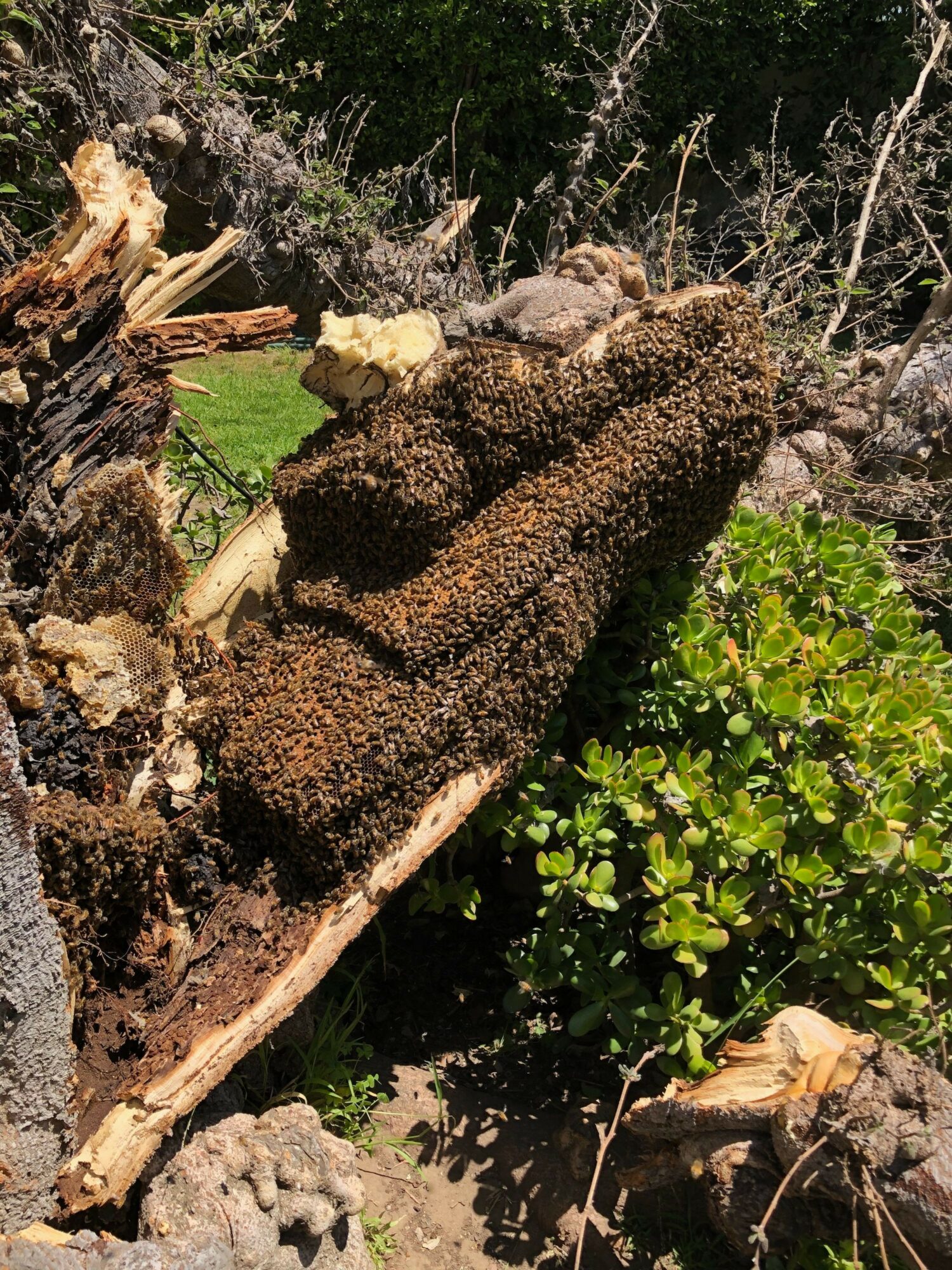
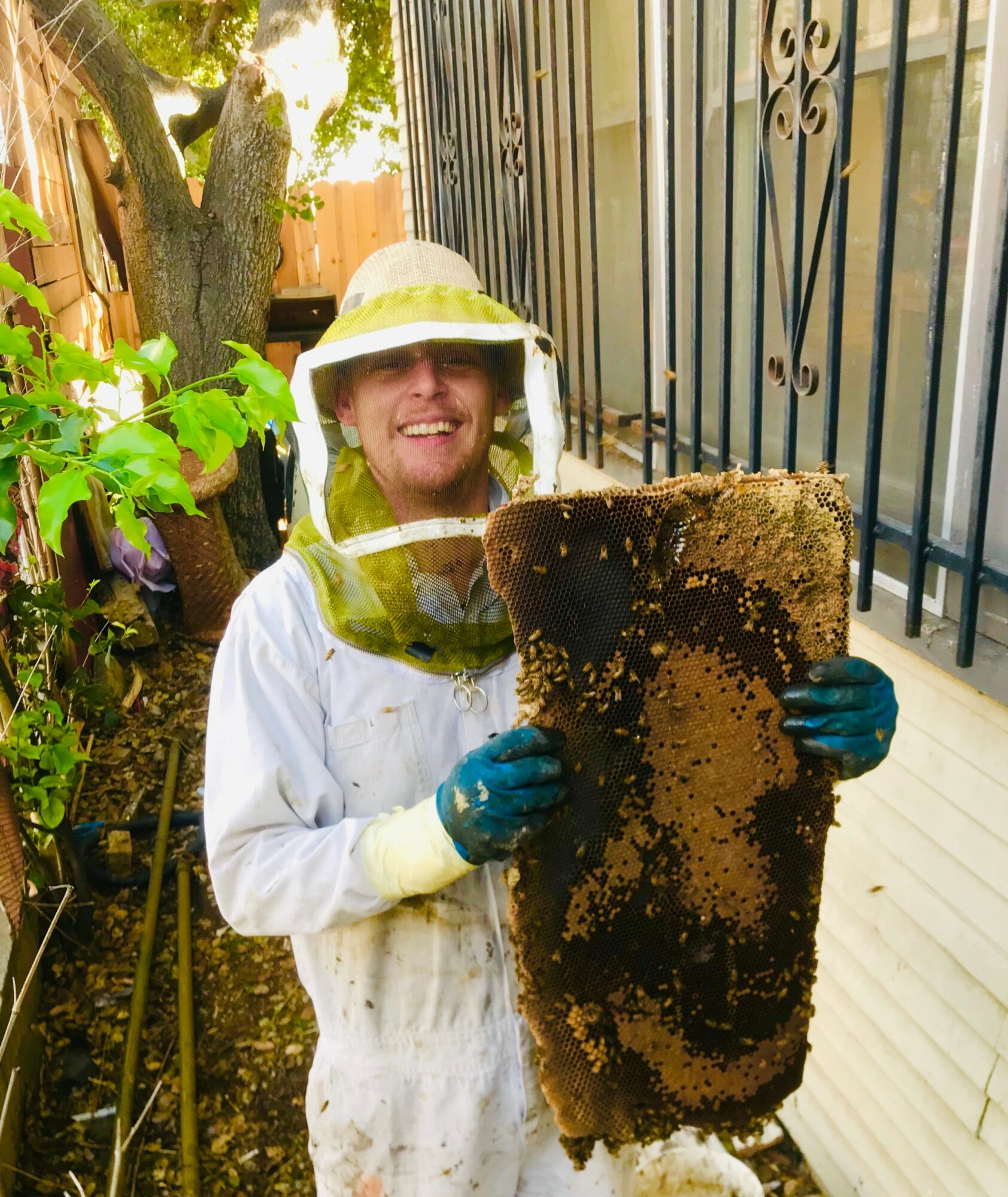
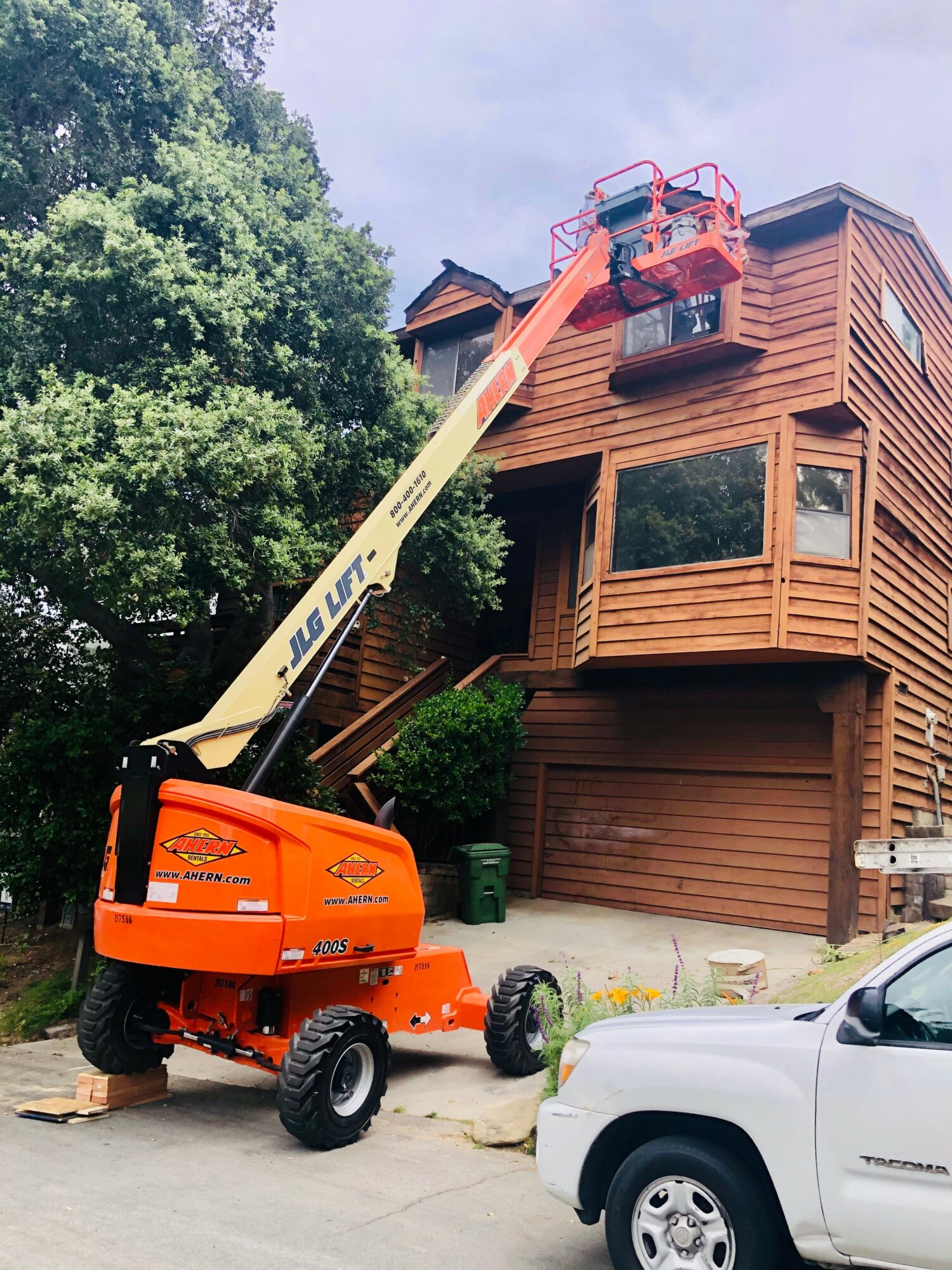
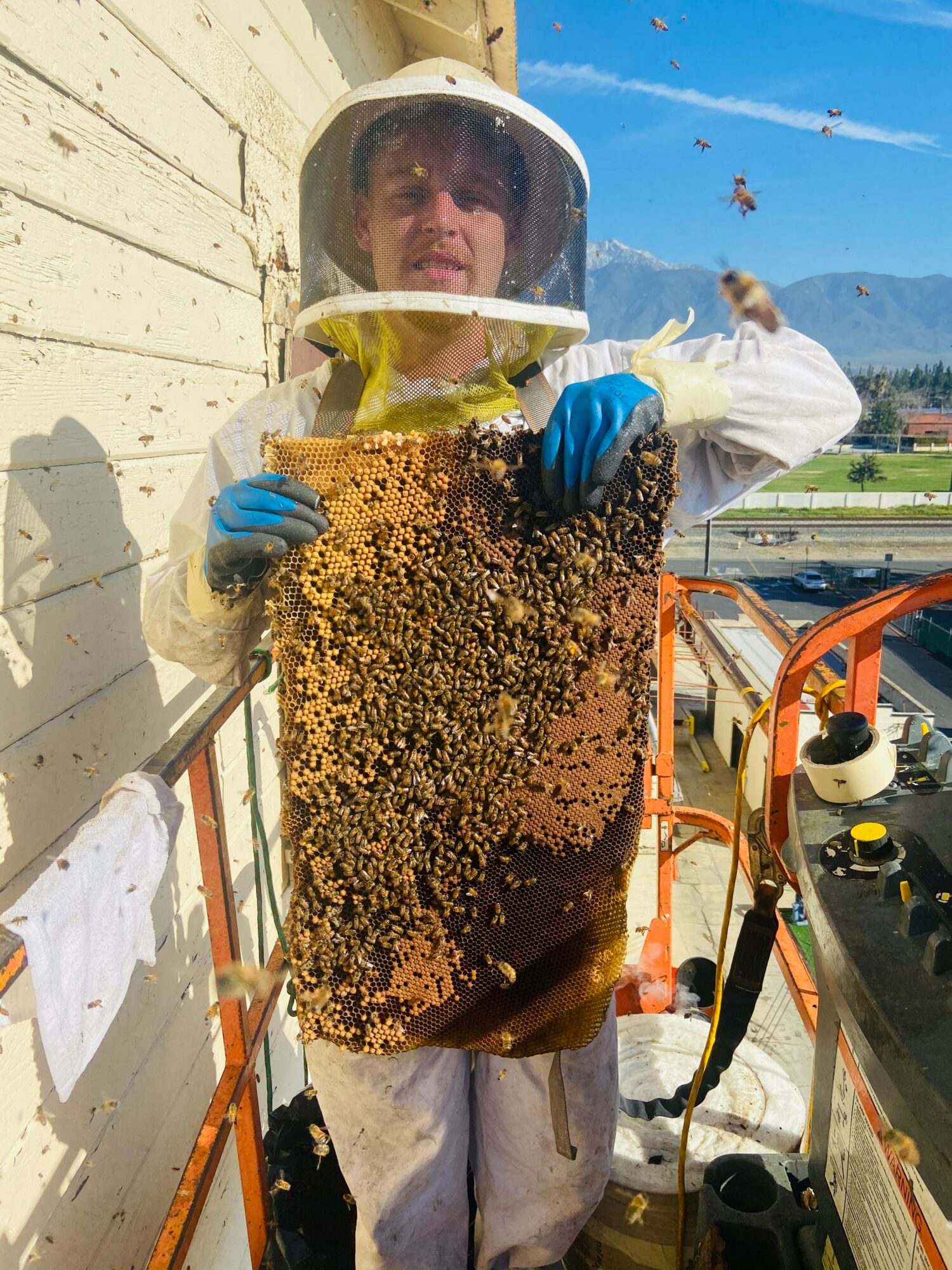
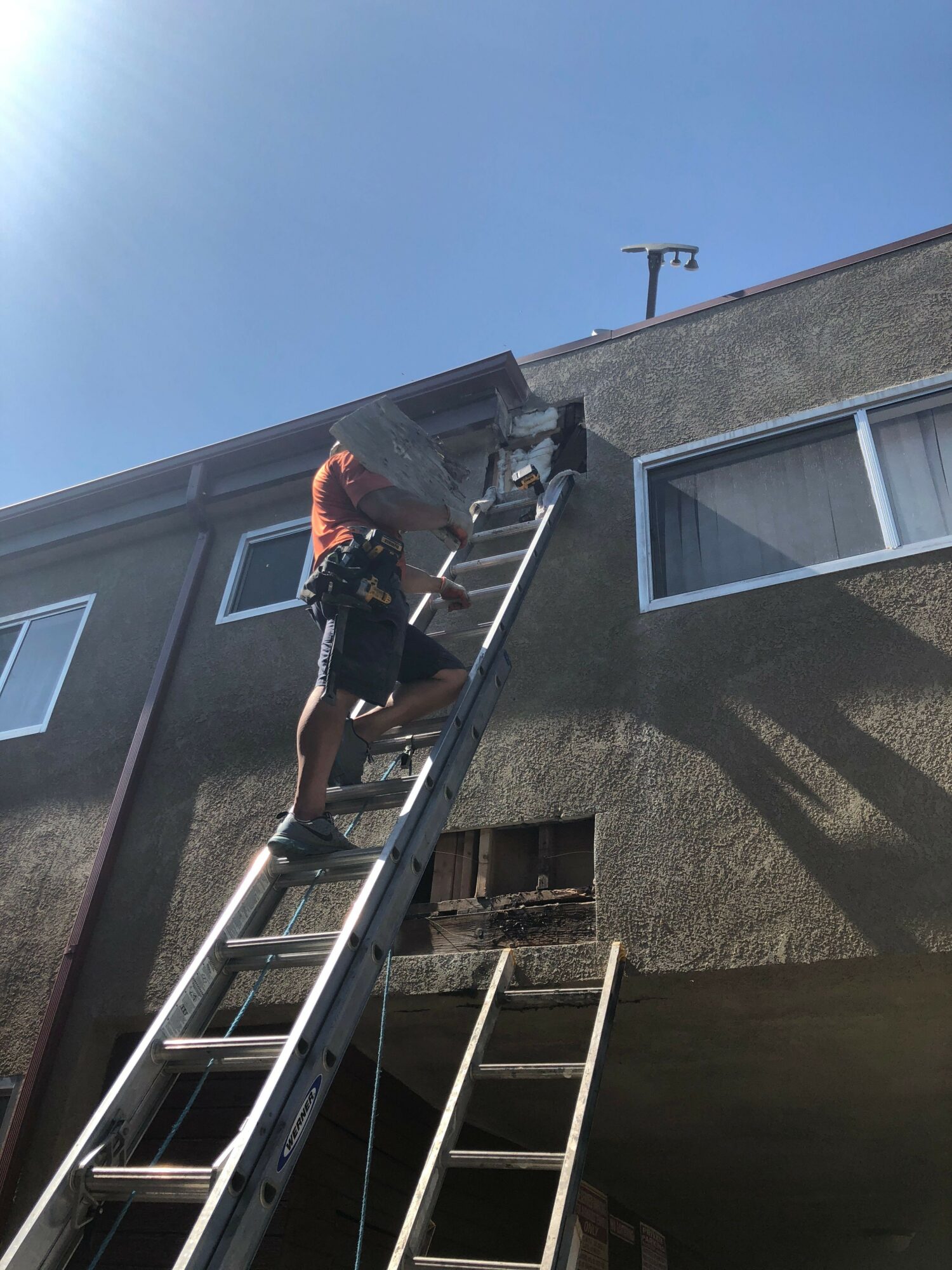
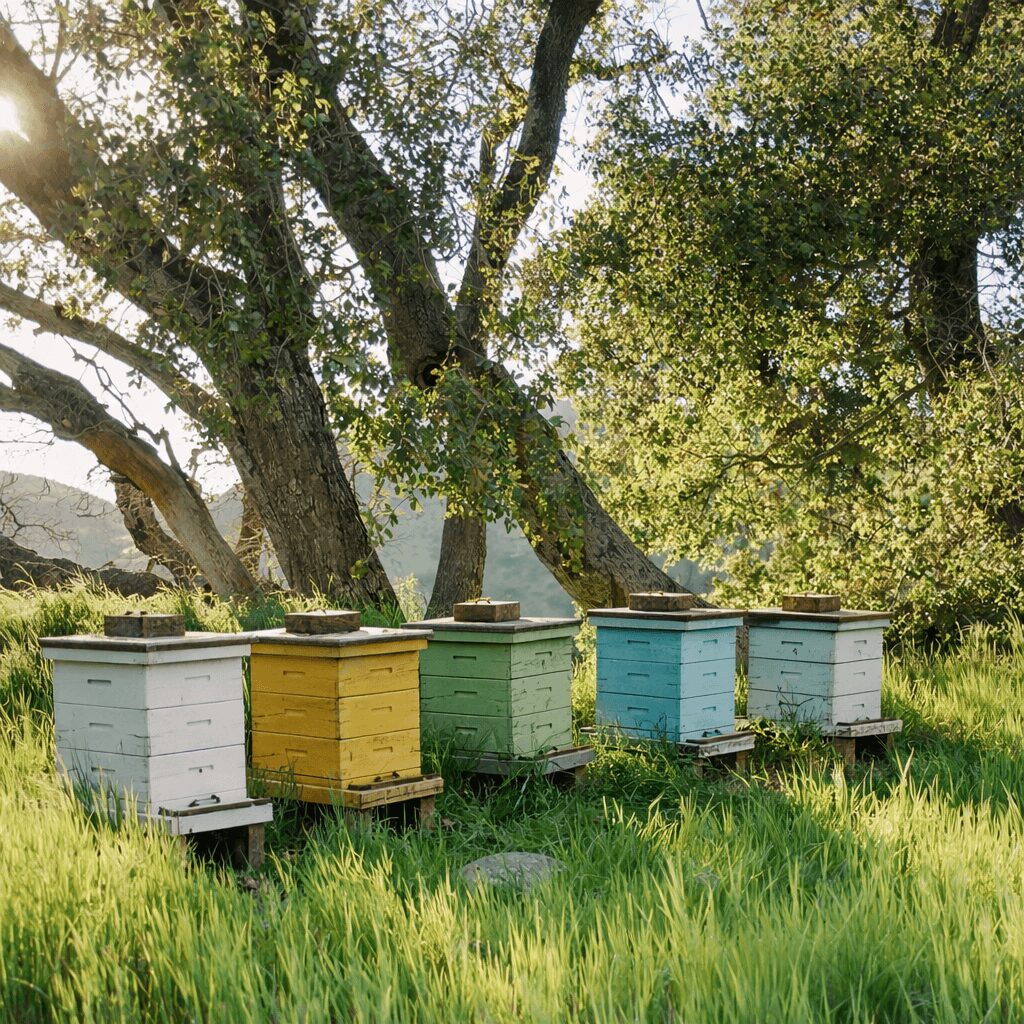


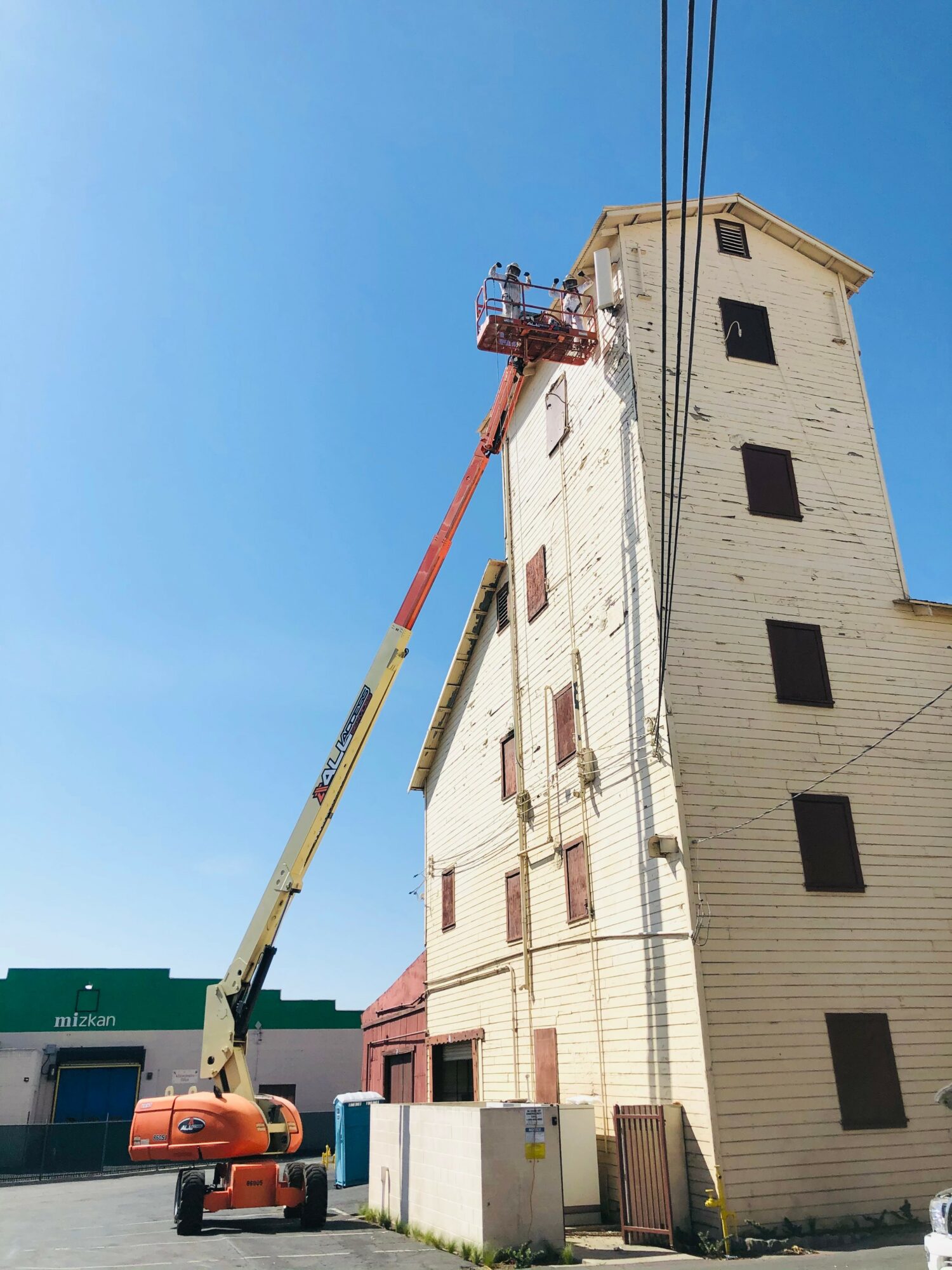
Image Credits
Nicole Palladino
Sean Medina
Thomas Allston
Popular
-

Portraits of the Valley
-

LA’s Most Inspiring Stories
-

Rick Norris Learned That Building a Successful Business Means Building a Life You Actually Want to Live
-

How Olivia Rush Turned Survival Into a Mission to Help Others Keep Going
-

How Bibi Goldstein Is Helping Entrepreneurs Reclaim Their Time by Embracing the Power of Delegation
-

Victoria Hasson is Redefining Voice Coaching Through Community and Collaboration


