




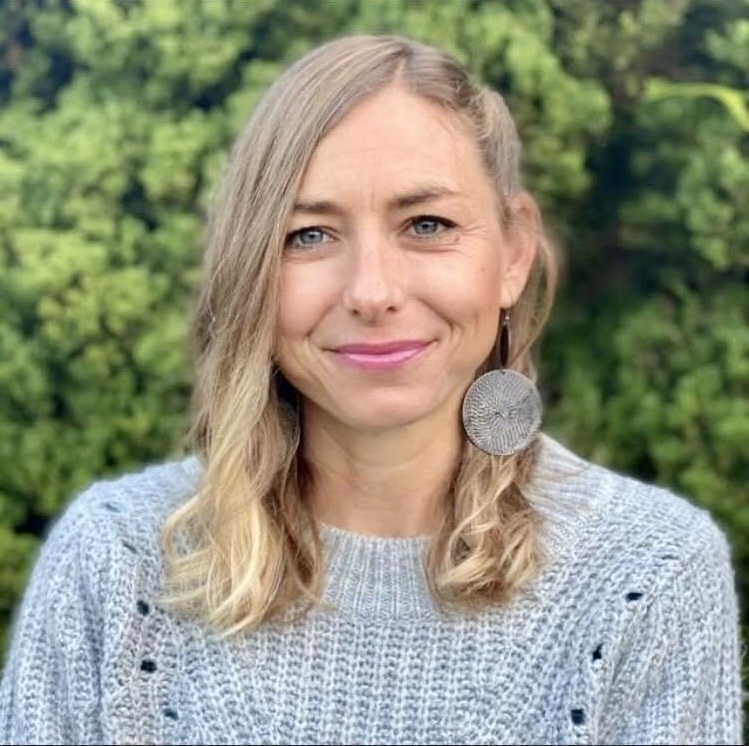
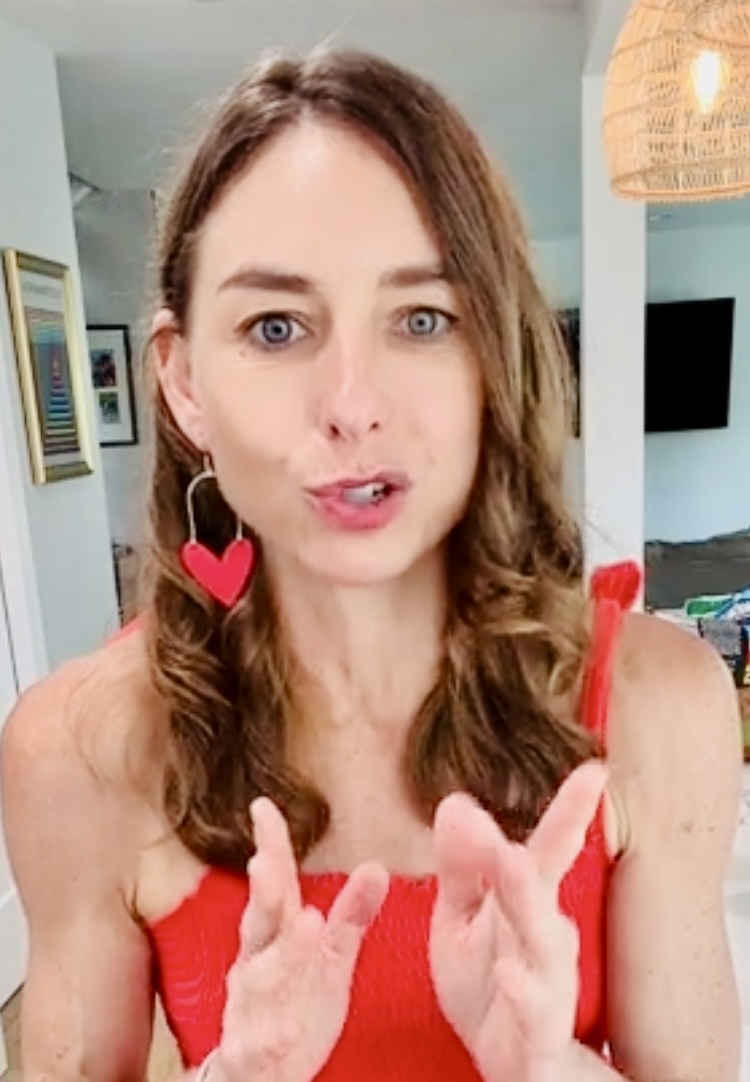
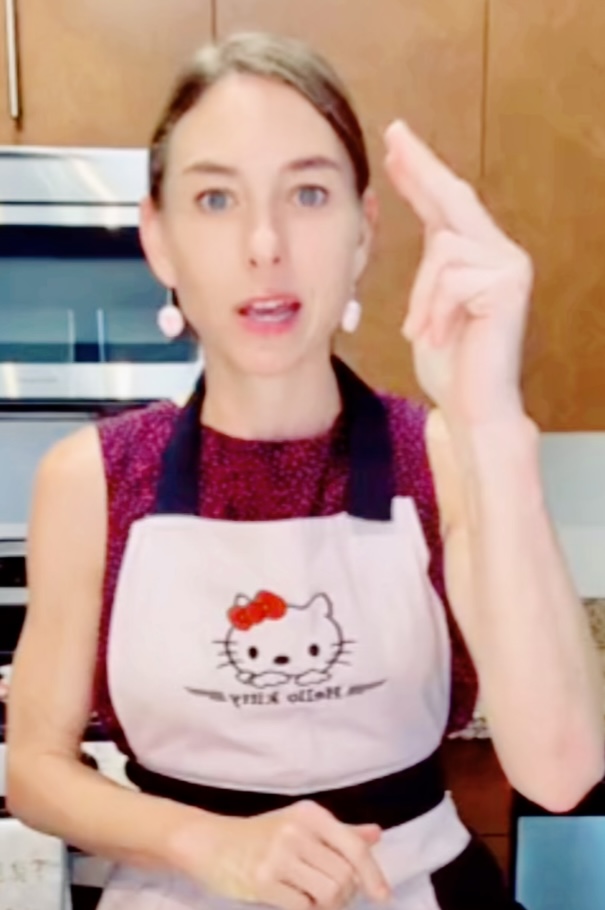
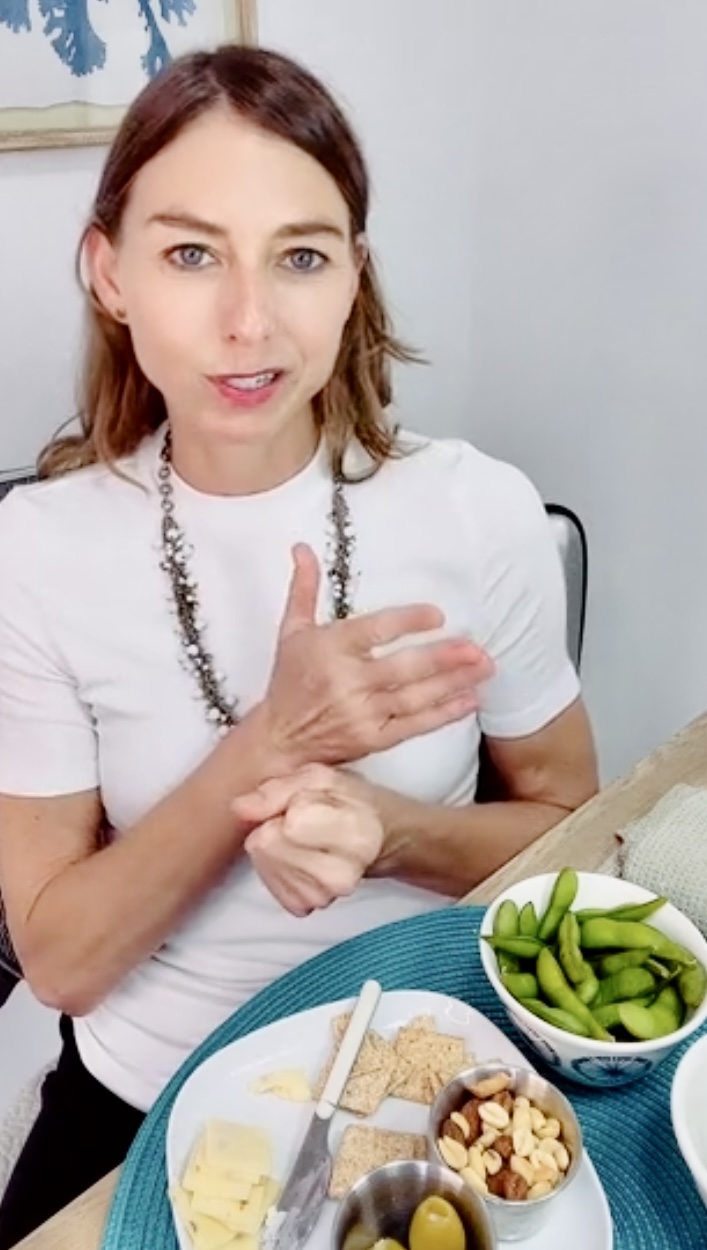
Today we’d like to introduce you to Libby Supan.
Hi Libby, we’re thrilled to have a chance to learn your story today. So, before we get into specifics, maybe you can briefly walk us through how you got to where you are today?
I’m a Licensed Marriage and Family Therapist and Certified Intuitive Eating Counselor specializing in eating disorders, disordered eating, and body image concerns. I got into this work because I knew firsthand how exhausting and isolating it feels to struggle with food and your body for years while trying to find the “right” help. I spent over 20 years dealing with disordered eating, food obsession, guilt, restriction, binge eating, and constantly feeling at war with myself.
What stayed with me most from those years was how hard it was to find support that actually helped. A lot of what I encountered focused on rules, control, surface-level behaviors, or approaches that completely missed what was happening underneath. I remember thinking over and over, “There has to be another way.”
That experience shaped everything about how I work today. I wanted to become the kind of support I needed so desperately during those years I was struggling. I didn’t want other people spending years feeling broken, ashamed, or trapped in cycles that nobody around them really understood.
As I recovered, I became fascinated by how much the brain impacts our relationship with food, body image, anxiety, and compulsive behaviors. I became especially interested in neuroplasticity and the brain’s ability to change and create new patterns over time. A lot of the work I do now is rooted in helping clients retrain the thoughts, behaviors, emotional responses, and nervous system patterns that keep them stuck. I often think of recovery as a form of brain retraining, not just “stopping behaviors.”
I also knew early on that I wanted to take a different approach than what I was seeing from many clinicians and people in the food and body space. My work is anti-diet, anti-fatphobia, and rooted in helping people build trust with themselves again instead of relying on more control, shame, or fear.
Today, I work with therapy and coaching clients who struggle with eating disorders, binge eating, chronic dieting, body image concerns, and food obsession. I also spend a lot of time educating through social media and other platforms because I want these conversations to feel more accessible, honest, and less stigmatized.
Building this business has been challenging, meaningful, and deeply personal. Every time someone tells me they finally feel understood or hopeful for the first time in years, it reminds me exactly why I started doing this work.
Can you talk to us a bit about the challenges and lessons you’ve learned along the way. Looking back would you say it’s been easy or smooth in retrospect?
It definitely has not been a smooth road. Building a business in the mental health space, especially in a niche like eating disorders and anti-diet work, has been much harder than I expected. A big challenge has been balancing being a therapist with also having to become a marketer, content creator, business owner, and entrepreneur. Most clinicians are trained to help people, not necessarily how to build a business or consistently market themselves online.
Another challenge has been working in a field where a lot of harmful messaging is still normalized. Diet culture is everywhere, and many people don’t even realize how deeply their thoughts about food and body image are being shaped by it. Sometimes my work involves helping people unlearn things they’ve believed for decades, and that can take time. It can also be difficult because anti-diet and weight-inclusive approaches are still misunderstood by many people, even within healthcare.
Personally, one of the hardest parts has been the emotional side of entrepreneurship. I think people often underestimate how vulnerable it is to put yourself online, share your story, and build something so personal. There have been periods where I’ve questioned myself, felt burned out, or wondered if I was doing enough. I’ve invested a lot of time, energy, and money into growing my business, and there have definitely been moments where it felt discouraging or isolating.
At the same time, those challenges have pushed me to grow a lot, both professionally and personally. I’ve learned how important persistence, adaptability, and authenticity are. I’ve also learned that the work I do is about much more than food. It’s about helping people reconnect with themselves, trust themselves again, and build lives that feel bigger than constantly thinking about food or their bodies.
The moments that make it all worth it are when clients tell me things like, “I finally feel free,” or “I never thought my brain could feel this different.” Those moments remind me why I stayed committed to this work even when the road has been difficult.
As you know, we’re big fans of Libby Supan, LMFT. For our readers who might not be as familiar what can you tell them about the brand?
My practice specializes in eating disorders, disordered eating, binge eating, chronic dieting, and body image concerns. I work with teens and adults through both therapy and coaching, and my approach is rooted in intuitive eating, nervous system regulation, neuroplasticity, and helping people understand the deeper emotional and cognitive patterns driving their behaviors.
A lot of my clients come to me after years, sometimes decades, of feeling consumed by food thoughts, shame, guilt, binge eating, or feeling like they’ve “failed” at dieting over and over again. Many of them are high functioning in other areas of life, but internally feel exhausted and trapped in cycles they can’t seem to break.
What probably sets me apart most is that I approach this work from both professional training and lived experience. I understand firsthand how convincing and consuming eating disorder thoughts can feel, and I also know recovery is possible because I’ve lived it myself. That combination allows me to connect with clients in a way that often feels more human, relatable, and grounded than traditional approaches they may have experienced before.
I also tend to approach recovery differently than many people in the food and body space. I think a lot about the brain, conditioning, and neuroplasticity. I often explain recovery to clients as a form of brain retraining. Over time, people can create new neural pathways, new emotional responses, and new behaviors around food, body image, and self-worth. That perspective tends to help people feel less broken and more hopeful about change.
My work is anti-diet, anti-fatphobia, and weight-inclusive. I focus heavily on helping clients move away from fear, control, and shame-based approaches and toward flexibility, trust, and emotional safety around food and their bodies. I’m also very honest with clients that this work is difficult, but I believe people are capable of healing in ways they often can’t yet imagine for themselves.
In addition to therapy and coaching, I spend a lot of time creating educational content through social media, podcasts, trainings, and community education because I want these conversations to feel more accessible and less stigmatized. I’m proud that my brand has become a place where many people feel deeply understood, sometimes for the first time.
More than anything, I want people to know that recovery is possible, even for the people who feel hopeless or who have struggled for years. A huge part of my mission is helping people realize they do not have to spend the rest of their lives consumed by food and body thoughts.
How do you define success?
I think my definition of success has changed a lot over time. Earlier in life, and honestly even earlier in business, I probably defined success more externally through achievement, productivity, income, growth, or feeling like I had to constantly prove myself.
Now, I define success much more by alignment and impact. Success to me is creating a life and business that feels meaningful, sustainable, and authentic to who I am. It’s being able to do work that genuinely helps people while also staying connected to myself outside of work.
In my field specifically, success is seeing someone who once felt completely consumed by food, body image, or shame begin to feel present in their life again. It’s hearing a client say they went out to dinner without spiraling afterward, or that they finally experienced mental quiet around food for the first time in years. Those moments may sound small to someone outside this field, but they can completely change someone’s quality of life.
I also think success is having the courage to do work that goes against a lot of societal messaging. Anti-diet and weight-inclusive work can challenge deeply ingrained beliefs, and I’m proud to have built a practice that stays grounded in those values even when it would sometimes be easier not to.
Personally, I want success to include balance, relationships, health, creativity, and community, not just work. After spending so many years struggling myself, I think real success is being able to experience more freedom, peace, connection, and fulfillment in everyday life.
Contact Info:
- Website: https://www.libbysupan.com
- Instagram: https://www.instagram.com/foodfreedomwithlibby/
- Facebook: https://www.facebook.com/libby.supan
- Other: https://www.tiktok.com/@foodfreedoomwithlibby
Popular
-

Portraits of the Valley
-

LA’s Most Inspiring Stories
-

Robin Olive on Building an Inclusive Performing Arts Movement and Expanding Opportunities for Every Student
-

Que Johnson on Building Brands That Last: From Visibility to True Market Authority
-

Christina Wren Steps Into the Director’s Chair to Tell Stories That Feel Like Home
-

JordanL on ‘Breathe,’ Belief, and Building a Movement Beyond the Music


