




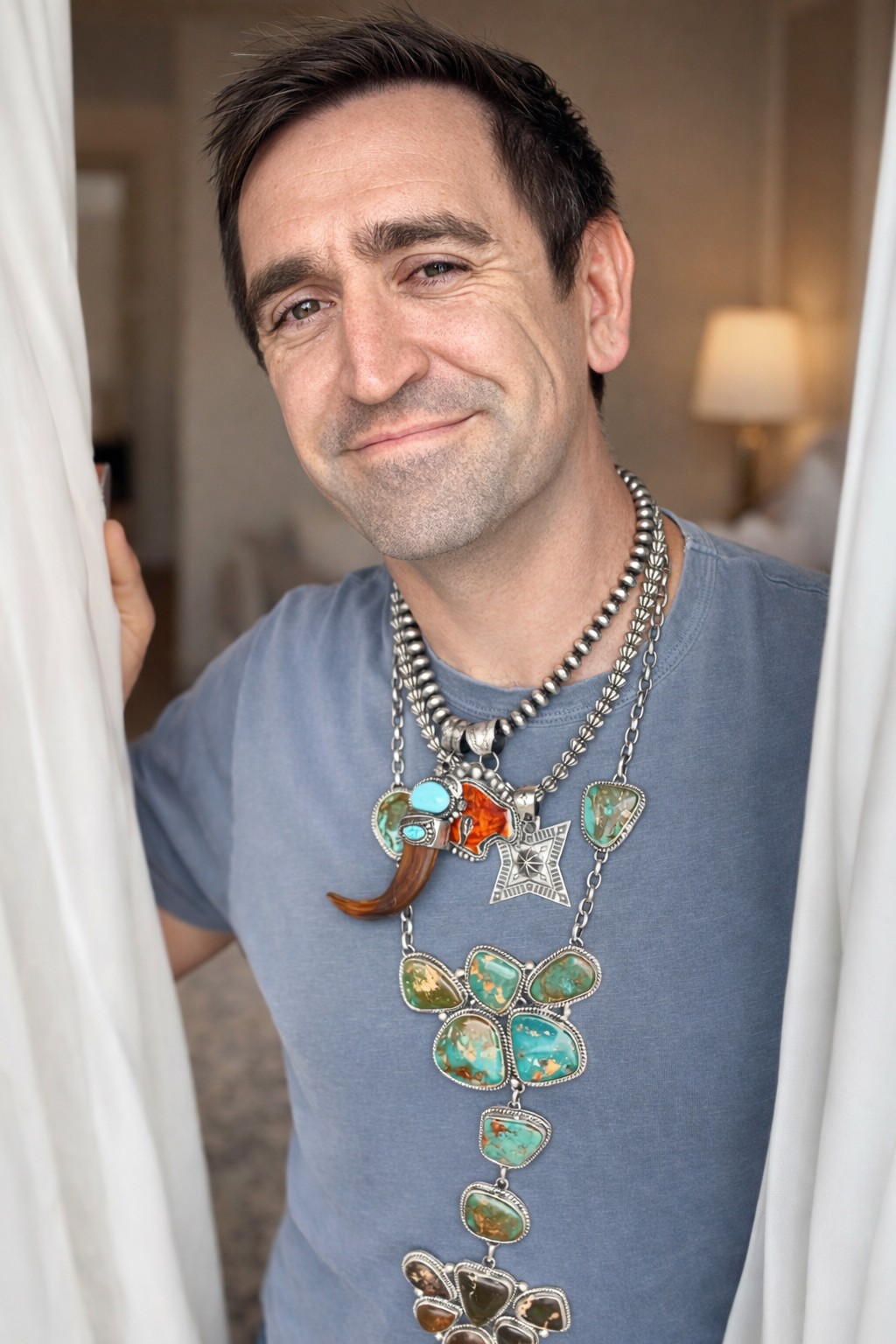
Today we’d like to introduce you to Eric Ruyak.
Hi Eric, please kick things off for us with an introduction to yourself and your story.
Hespera actually started in a pretty scrappy way. I was designing jewelry myself and selling it at local farmers markets. It was very much the classic small creative business story—me at a table with pieces I had designed, figuring things out as I went and slowly building a following.
Things took a very unexpected turn when one of my designs, the Gemfire Ring, ended up gaining a lot of attention with fans of Game of Thrones. The ring struck a chord with people and quickly developed a cult following online. What started as a small independent design suddenly had fans all over the world.
That momentum helped push Hespera far beyond those early market days. Over time the brand expanded into retail and eventually our designs were carried in more than 3,000 stores worldwide, which was surreal considering the company had started with me selling jewelry at a folding table.
As the business evolved, so did my personal fascination with gemstones—especially turquoise. The deeper I went into the world of natural turquoise, the mines, and the history of Southwestern jewelry, the more I realized how extraordinary and misunderstood the material really is. Stones from classic Nevada turquoise mines like Royston, for example, have incredible color and matrix patterns that collectors recognize immediately.
That fascination has become a major part of what Hespera is today. While we still design and create jewelry, we’re also focused on sourcing exceptional stones, working with talented artists, and helping collectors understand the beauty and history behind turquoise from important American mines.
In many ways the company has come full circle—from designing pieces at farmers markets to building a brand and community centered around remarkable gemstones and the stories behind them
Alright, so let’s dig a little deeper into the story – has it been an easy path overall and if not, what were the challenges you’ve had to overcome?
It definitely hasn’t been a smooth road. Like most creative businesses, the early years were a mix of excitement, chaos, and a lot of trial and error. When Hespera first started I was designing jewelry and selling it at farmers markets, so everything—from design and production to packing orders and customer service—was happening at once. You learn very quickly how many things can go wrong when you’re running a business yourself.
When the Gemfire Ring suddenly took off with fans of Game of Thrones, that created a completely different challenge. The demand exploded almost overnight, which is exciting, but it also meant figuring out manufacturing, scaling production, and building a real business much faster than I ever expected. Growing into a company that was eventually carried in thousands of stores worldwide came with a steep learning curve.
The jewelry industry itself can also be complicated. Sourcing quality materials, maintaining consistent craftsmanship, and navigating the realities of global manufacturing all take a lot of patience and persistence.
More recently, as I’ve focused more on turquoise, I’ve seen another challenge: the market is incredibly confusing for consumers. There’s a lot of treated or imitation material out there, and many people simply haven’t been taught how to recognize truly exceptional stones. Part of what we try to do with Hespera today is help educate collectors about natural turquoise, the history of American turquoise mines, and why certain stones—like those from classic Nevada deposits such as Royston turquoise—are so valued.
In the end, the struggles have also been the most valuable part of the process. Every stage—from farmers markets to global retail to building a collector-focused turquoise brand—has forced me to learn something new about the craft, the materials, and the people who love them
Appreciate you sharing that. What should we know about Hespera Jewelry Company?
Hespera is a jewelry brand and turquoise specialist built around a deep appreciation for exceptional gemstones and the history behind them. While we design and curate jewelry, a big part of what we do today is connecting collectors directly with remarkable stones from important turquoise mines and the artists who work with them.
One of the things that makes Hespera unique is that we were among the first companies in our field to embrace live-stream shopping, and we’ve grown into the largest livestream turquoise and gemstone company in our space. Through our live shows we’re able to interact directly with collectors in real time—showing stones up close, explaining where they come from, and answering questions about quality, rarity, and history. It’s a much more transparent and engaging way to buy gemstones than the traditional jewelry model.
Expertise is also a huge part of what sets us apart. Turquoise is one of the most misunderstood gemstones in the market, and there’s a massive difference between treated commercial material and truly exceptional natural stones. Our team focuses specifically on natural turquoise from historic American mines, and we spend a lot of time educating collectors about what makes different stones special. Material from mines like Royston turquoise in Nevada, for example, has a completely different character—beautiful blue-green color and dramatic matrix patterns that collectors instantly recognize.
I’m especially proud of the community that has grown around Hespera. What started with me selling jewelry designs at farmers markets eventually grew into a brand whose pieces were carried in over 3,000 stores worldwide, and today we’ve evolved into a hub for collectors who share a fascination with turquoise and fine gemstones.
What I want readers to know about Hespera is that we take the material seriously. Turquoise is one of the oldest gemstones in human history, and when you see a truly great stone you realize it deserves the same respect as any other collectible gem.
One of the things I always tell people is that turquoise isn’t just a color—it’s a place. Every mine has its own personality, its own history, and its own look. Once you start learning the mines, you never see turquoise the same way again.
Do you have recommendations for books, apps, blogs, etc?
Honestly, most jewelry-specific content isn’t that useful — it tends to recycle the same ideas.
I get more out of watching how luxury fashion evolves through platforms like Business of Fashion and Vogue Runway, and then translating that into materials like turquoise and silver.
The real advantage for us comes from live selling on Palmstreet — it’s basically real-time market research. You immediately see what people respond to and can adapt fast, which is something most traditional brands can’t do. Because of this we can gather real time feedback, integrate it into design and production, and sometimes as soon as that very day come back with new product assortments based on that. It’s pretty unreal.
On a personal note, anything Jay Shetty or Mel Robins gets me right where I live – I love them both,
Pricing:
- We’re not priced to compete with mass-produced jewelry — and we’re not trying to be. Most of our pieces land between a few hundred and a few thousand dollars depending on materials, but the real difference is in how they’re made and sourced. When you’re working with natural stones, small-batch production, and actual craftsmanship, pricing becomes a reflection of that — not just a number.
Contact Info:
- Website: https://WWW.HESPERA.COM
- Instagram: @hespera
- Facebook: https://www.facebook.com/HesperaDesigns
- Other: https://palmstreet.app/u/Hespera
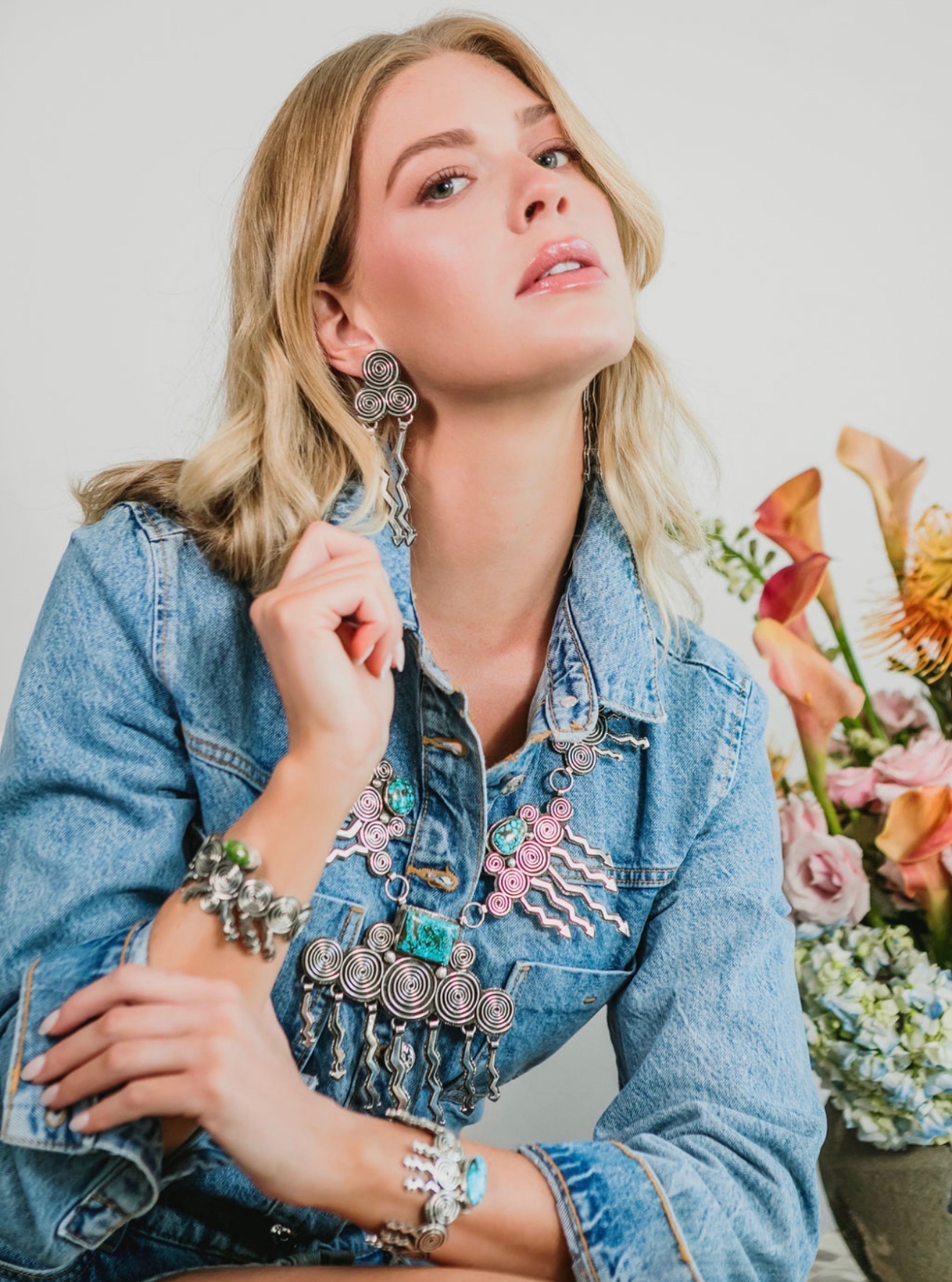
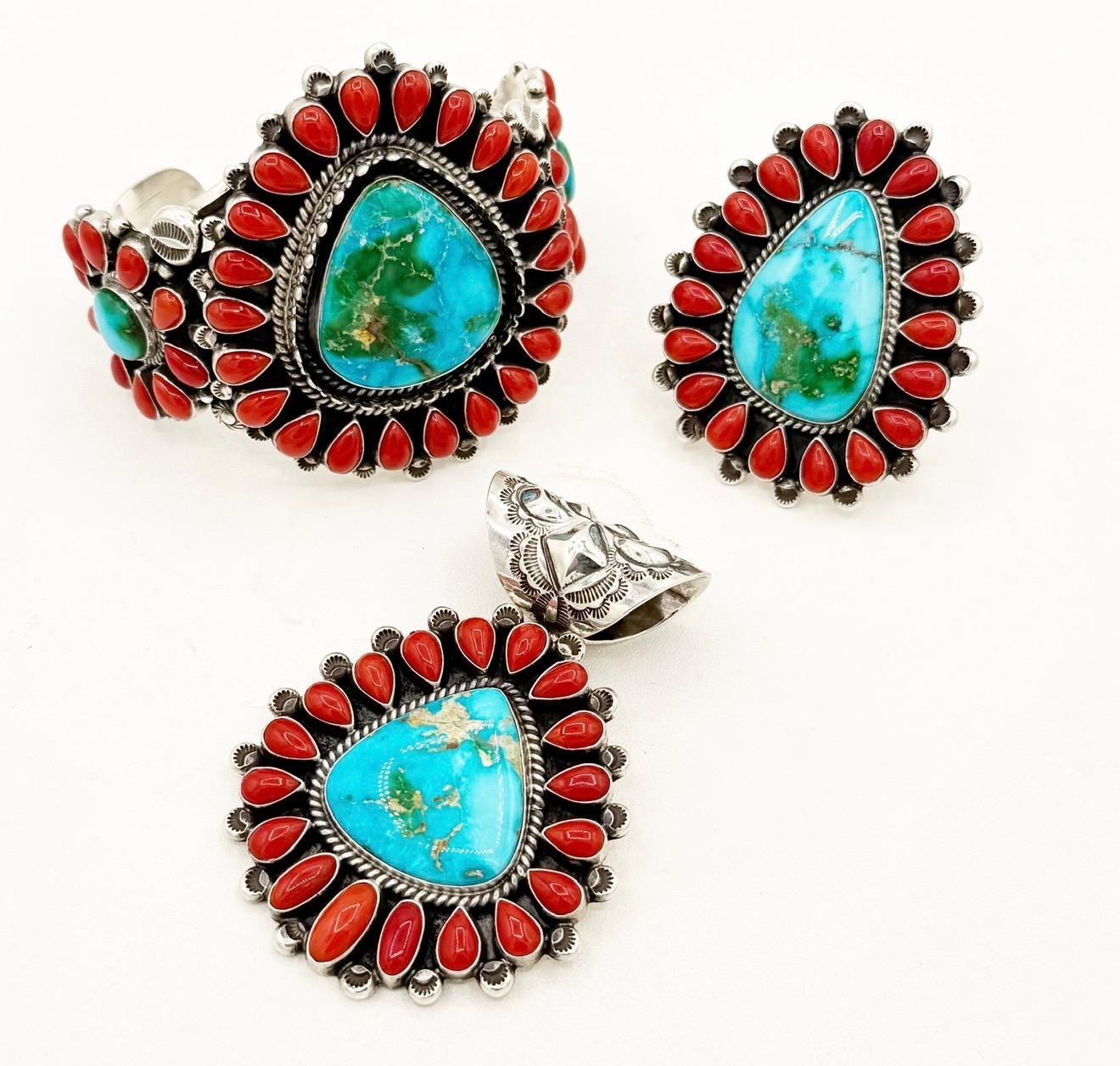

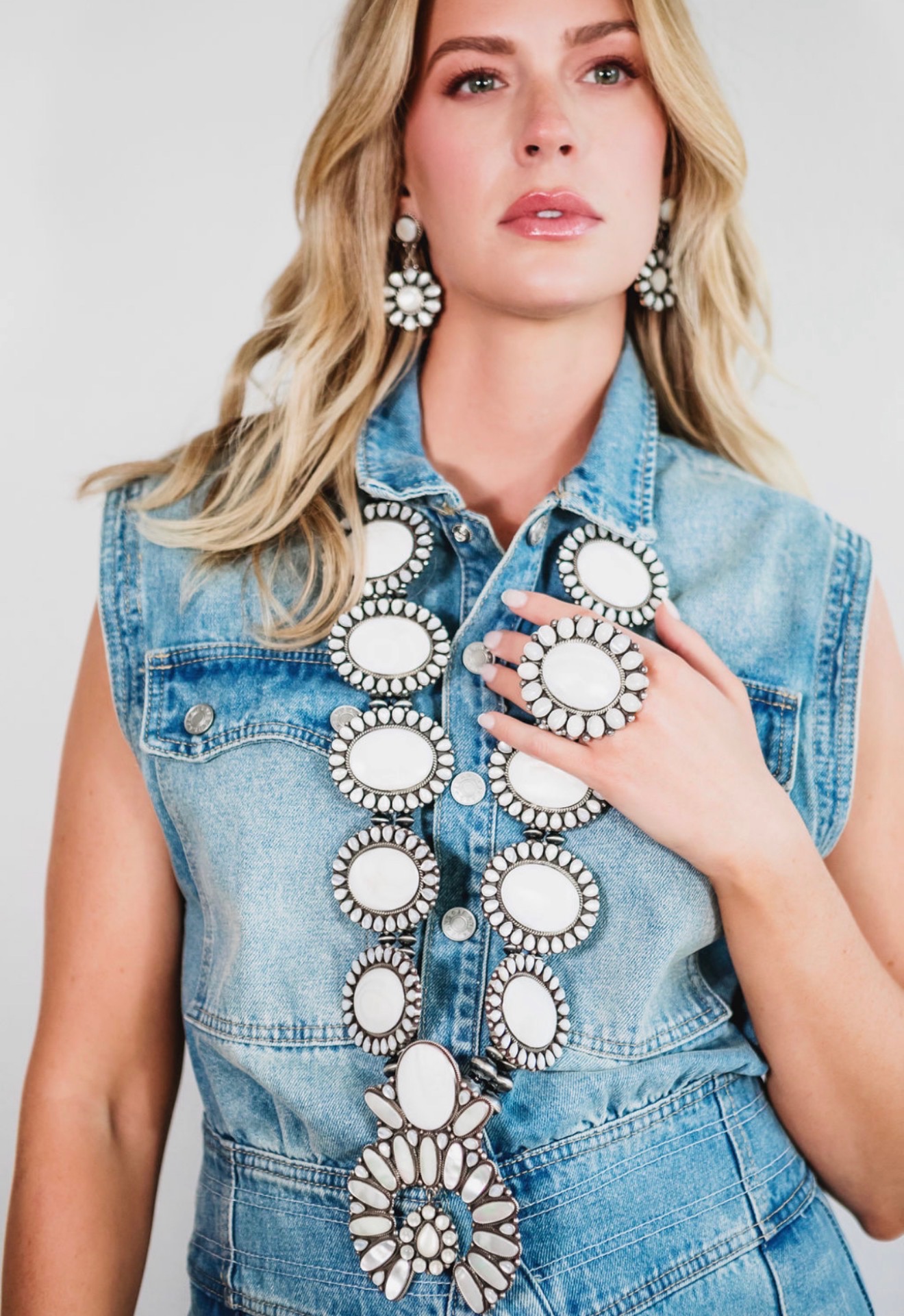
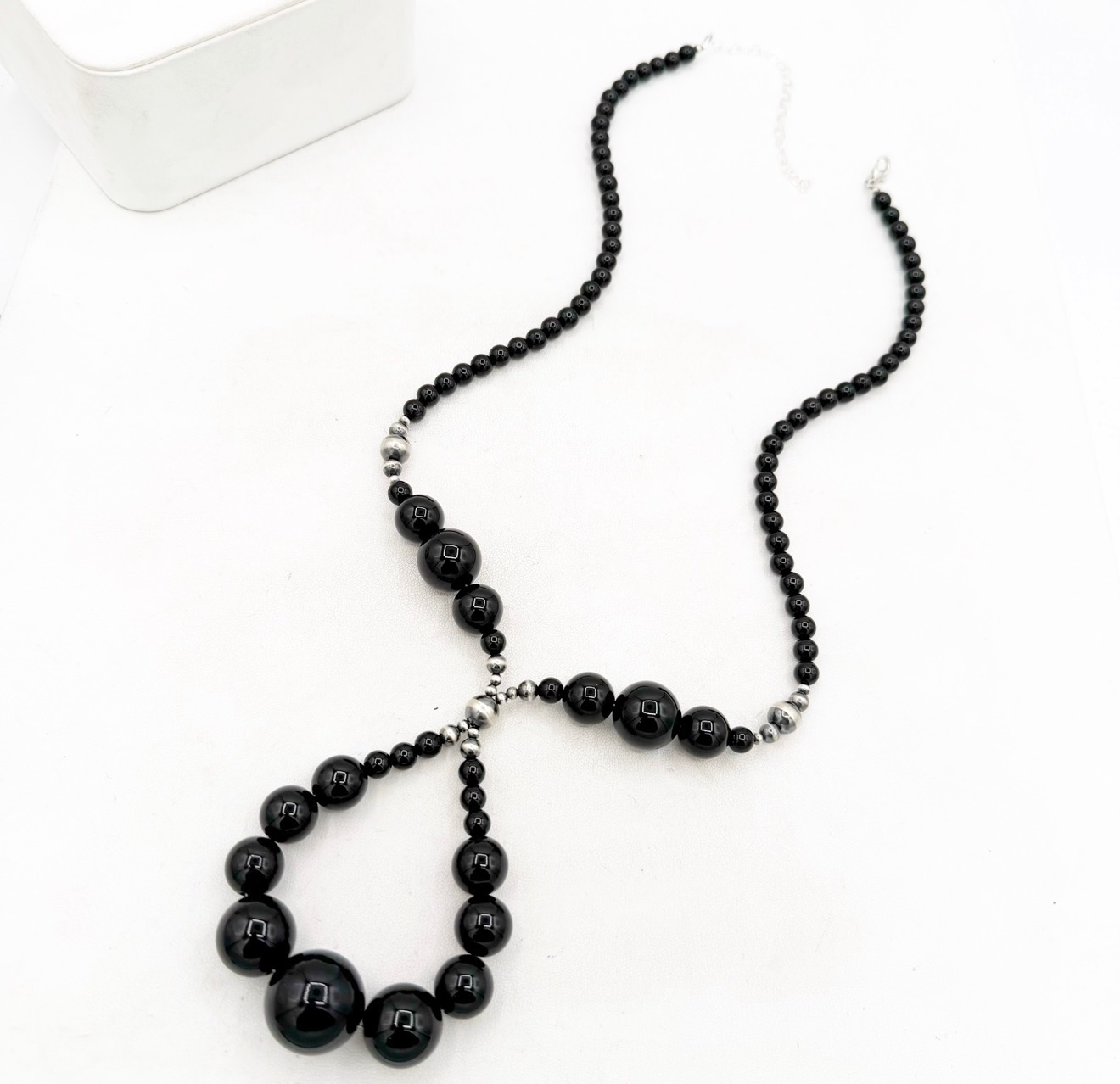
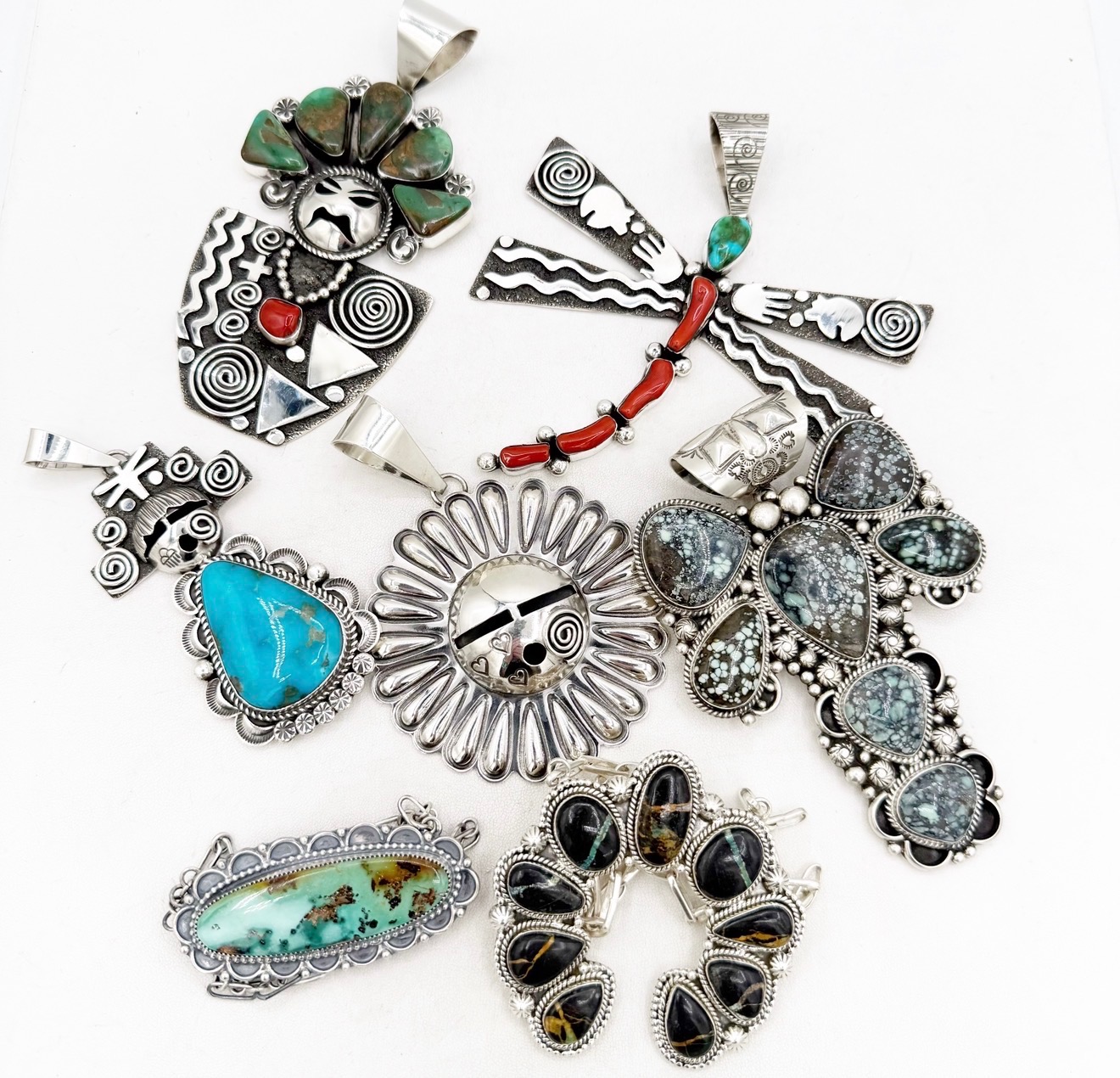
Image Credits
Photographer for images with models – Traci Ling
Popular
-

Portraits of the Valley
-

LA’s Most Inspiring Stories
-

Robin Olive on Building an Inclusive Performing Arts Movement and Expanding Opportunities for Every Student
-

Que Johnson on Building Brands That Last: From Visibility to True Market Authority
-

Christina Wren Steps Into the Director’s Chair to Tell Stories That Feel Like Home
-

JordanL on ‘Breathe,’ Belief, and Building a Movement Beyond the Music


