




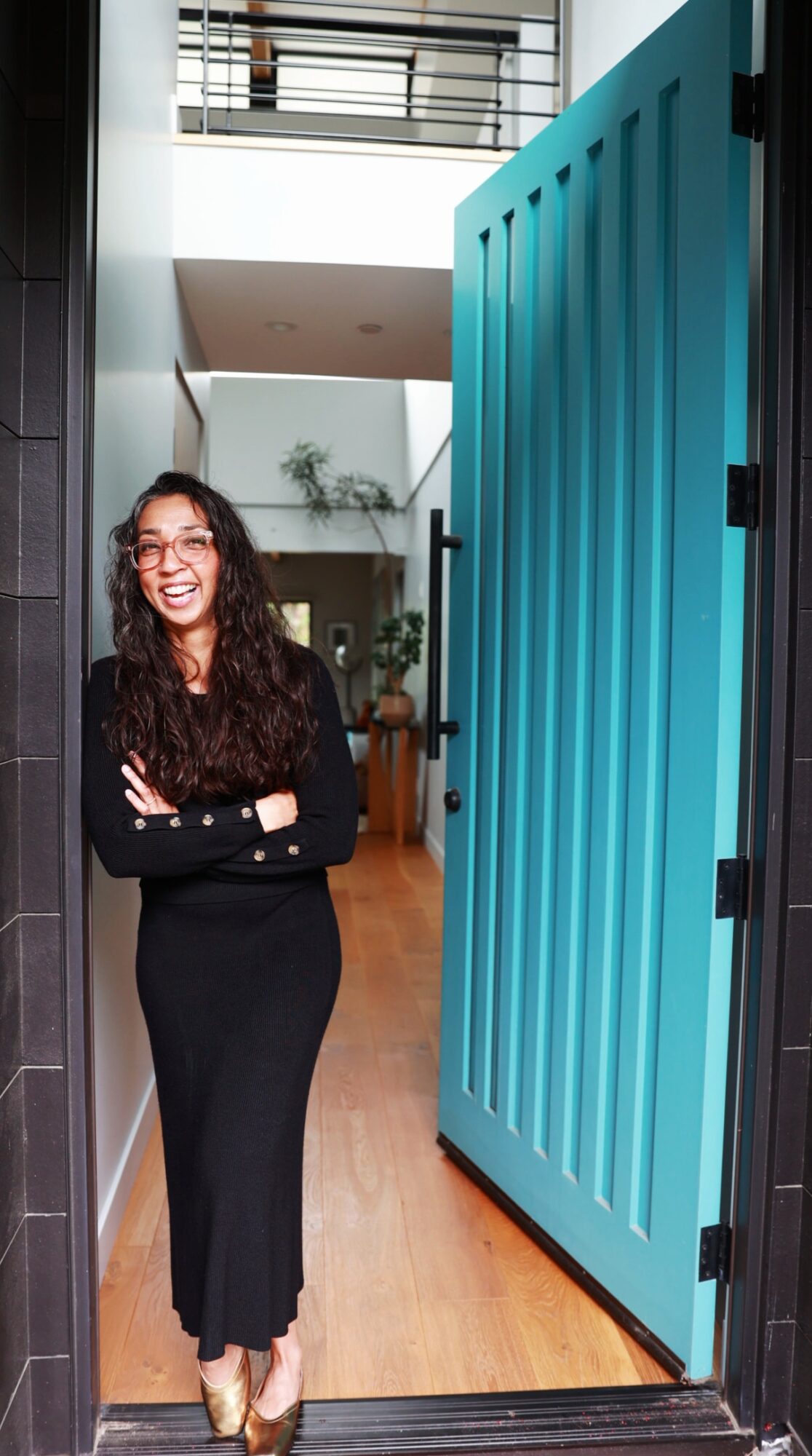
Today we’d like to introduce you to Angana Shah.
Hi Angana Shah, we’d love for you to start by introducing yourself.
I was born in Chicago to immigrant parents who worked tirelessly to give my brother and I a better life. They moved us to the suburbs hoping for more stability and better schools, but what came with that was far less diversity than we’d known before. My dad worked in manufacturing, and my mom in healthcare—jobs that demanded everything from them, not just as parents but as pillars for extended family back home. We were always loved, but life was a series of transitions, and the world didn’t always make it easy for my parents.
To give us a better life, my parents moved us to the suburbs which was predominantly a middle-class conservative community and no matter how hard we tried to assimilate, we never quite felt like we belonged. As kids, we wondered why my parents never seemed to push back against racism, why they never stood up for themselves the way we thought they should but as we got older, we realized they were in survival mode. They didn’t have the time, the energy, or the bandwidth to fight battles they knew they weren’t going to win.
What I was always grateful for was how my parents treated my brother and I as equals. My dad, in particular, instilled independence, grit and common sense in us. If there was a project to tackle—fixing the sump pump, installing tiles or putting together an irrigation system —he always treated us like we were capable. We were always a team, all four of us. Looking back, I realize how much I loved solving problems, fixing things, and understanding how things worked. We moved a lot growing up because my parents were always chasing stability for us while also trying to carve out space for their own parents and siblings. Every time we settled somewhere new, I found my brother and I exploring the new houses in the neighborhood that were under construction. We would spend hours playing in them, scavenging scraps to build forts, imagining what those spaces would become.
By seventh grade, I had an idea that I wanted to design things but didn’t know what that would look like. I loved art, and my parents encouraged me to pursue something creative that would also let me support myself. My dad, who worked in the door and hardware manufacturing industry, warned me that architecture, construction and engineering were fields dominated by males—and that my journey wouldn’t be easy, much like his. He was right, like he always is.
I chose to go to college in Ohio (Miami University) because I fell in love with the idea of a beautiful rural campus, with a direct program into architecture, and it was still close to my family. I had no idea what I was getting into. I arrived at college as a naive 19-year-old, ready to take on the world—and completely unprepared for what awaited me. Even though I’d grown up in a predominately white community, my high school had been diverse in every sense: racially and socioeconomically. College was a shock. I did not expect to arrive to a place where people still hung confederate flags in front of their homes.
College had so many firsts for me but having to navigate them without my parents around was really rough. The hardest thing from those four years wasn’t just the academic challenges—it was the social ones. Something I remember vividly was how things played out after the attacks on 9/11/01. The racism I’d experienced before was nothing compared to what came after. People were scared, and in the small town where I lived, ignorance took over. There was so much unfamiliarity with people who looked like me that we were all grouped into one category. Prior to 9/11 the racism paralleled what I saw happening to my parents but after, it was all out hate. I remember once being at the local grocery store, I was not allowed to check out because I did not have two forms of identification. I left empty handed and it was apparent what was going on but I was so powerless. I had no allies or advocates.
Throughout the four years I called my parents over and over, begging to come home. My parent’s response was simple: “This was your choice. You have to find a way to persevere. If you can do this, you can do anything.” And they were right, again.
As an architecture student, we poured our hearts into our projects, only to be told again and again that our work was sub par at best. The critiques were brutal but that was the process in architecture school, almost like an initiation of sorts. Then came my senior year, and the final project before graduation. We stood in front of a jury of professors, students, and outside architects after many sleepless nights. When I finished presenting to the room of what seemed like 50 people, I felt a wave of relief—until the critiques started. I could feel the tears welling up, and then one of the male architects turned to me and said, “If you don’t have the b*lls for this profession, you should get out.” I excused myself from the room, recomposed myself and continued with my critique. That moment in the jury room wasn’t just criticism—it was a test. And while I cried in the hallway, I also knew, I worked really hard to get to that point and I deserved to be there.
After college, the job market was brutal—we were still in the post-9/11 economy. I took whatever I could find back in Chicago. Resumes weren’t digital yet; you mailed them, called, or walked into firms hoping for an opportunity. I was lucky or what I thought at the time to land a job in the city, but this too was a test. I was one of three women in the office of many men—we were either in HR or lower-level architectural interns with very little autonomy —and we were constantly demeaned, harassed and put in very uncomfortable positions. When I finally reported the treatment that we were all enduring, I was immediately let go without cause.
Over the following decade, I approached my career with a heightened sense of intention and purpose. After completing graduate school at the University of Chicago – Illinois, I made a deliberate decision to work exclusively with women, allowing me to build the skills, confidence, and perspective necessary to more effectively navigate and advocate within our industry.
Alongside my professional work, I remained deeply committed to community engagement, actively volunteering with nonprofit organizations focused on youth education. My involvement included groups such as Asha for Education, Cabrini Green Tutoring, School on Wheels, Architecture for Humanity, and Dramatic Results.
Today, I am honored to serve as Chair of the Building and Grounds Committee at my children’s school, continuing my dedication to both education and community development.
In 2012, I obtained my professional license in Illinois after relocating to California. In 2021, I subsequently earned my California license, having persevered through two prior unsuccessful attempts—each occurring shortly before the births of my daughters. To note, there are approximately 116,000 active licensed architects in the US and about 21,000 in California, of which only about 2,100 are women of color. Soon after I studied to receive my California Naturalist certification because I also believe that healthy and sustainable outdoor spaces are equally important in our current environment and I truly wanted to be able to help people understand that it is all connected. Achieving licensure in California marked an important milestone and reinforced my commitment to advancing my career. With this accomplishment, I recognized that the next logical step was to establish my own practice.
I’m sure it wasn’t obstacle-free, but would you say the journey has been fairly smooth so far?
One struggle that’s always stayed with me is being a woman of color in a field where I wasn’t and still at times am not always taken seriously. Construction requires a certain mindset, and I’ve had to work twice as hard to earn the respect of tradespeople and engineers—not just to prove I understand architecture, but to show I understand how things are actually built. It’s about learning to believe in yourself so fiercely that others can’t help but believe in you too. And while this struggle felt particularly pronounced in architecture, I’ve learned it’s true in most industries dominated by men.
Was my journey smooth? It depends on who you ask. If I look at the challenges young people face today, I’d say my path was smooth because my goals were attainable, even with the challenges that I faced. But at the time, it felt like climbing an uphill battle every single day. I’m not diminishing my journey—I’m recognizing the privilege I have now that’s allowed me to do what I love.
These days, the people who reach out to me most are women. Women who want to work with another woman, knowing I’ll respect their voices, their concerns, and advocate for them throughout the entire design and construction process. It’s taught me how important it is to create that space—for them, and for the next generation – especially my daughters. The greatest advantage working for myself has been that I am present in my girls’ lives and they get to be a part of mine.
We’ve been impressed with A4A Studio, but for folks who might not be as familiar, what can you share with them about what you do and what sets you apart from others?
My business is called A4A Studio, which stands for Architecture for All. The name came to me when I realized my vision wasn’t just about making architecture more accessible—it was about education.
For a few years, I volunteered and sat on the board of an organization, Dramatic Results, which worked with GATE-tested kids from low-income families in the Long Beach Unified School District. The program, funded by a federal grant, aimed to change how kids learn by incorporating project-based education. I taught there weekly with a focus on architecture, and what struck me most was what these kids perceived as “good” design. The spaces they engaged in, in their built environment were so generic and lacked basic things that improve quality of life. Architecture should evoke emotion, should inspire creativity, but these kids had never experienced that. They’d lost the joy of creativity and thinking “outside of the box” because they’d never been given the chance to feel it. That’s when I decided what the vision for my business would be.
Here’s how the process works:
I work in both residential and commercial architecture and love the opportunities to help non-profit organizations. My process is simple. My job is to be your advocate and to educate.
We start with an initial meeting on-site to discuss your goals, your budget, and what you envision for your space. Then we do a feasibility study/schematic design, where we look at everything from zoning and setbacks to FAR (floor area ratio) to make sure your project is even possible. Often, I ask clients to get bids early on so we can see what the project will roughly cost, and we adjust the budget accordingly.
If the client decides to move forward, we dive into design development to refine the vision. Once that’s complete, I work with engineers, get the drawings up to code, then move to permit drawings for submission to the local jurisdiction. After approval, we create construction and bid drawings, and I help with the bidding process to ensure the bids are clear, accurate, and aligned with the needs of the client.
Once the contractor is selected, I stay with the client from beginning to end to make sure the house is built exactly as planned and with the goal of staying on budget.
What sets me apart: I’m great at listening, and I’m not afraid to have hard, honest conversations about the difference between needs and wants. My job is never to pressure people into a box or agenda, but to help them make smart decisions aligned with their long-term goals. I love nature and believe that outdoor spaces are equally important as indoor. That is also a factor we consider initial process.
Sometimes that means I only work one phase of a project (feasibility study or schematic design) with a client because they don’t have funds to continue with the construction. And that’s okay—I’ve educated them to make decisions that serve them now, with the hope they’ll return when they’re ready to achieve their full vision.
Are there any important lessons you’ve learned that you can share with us?
I’ve always been an authentic person—often way too idealistic. Through experience, I’ve learned that the world isn’t always black and white. Early in my career, I was told those qualities would hold me back—that success meant climbing the corporate ladder, keeping my head down and focusing only on the bottom line. But I’ve come to see that’s not the case at all. Integrity and honesty are much more important to me than only making money.
My previous jobs and life experiences have allowed me to be the person I am today. And of course, I am still a work in progress. However, my mission will always be to help people see what they can afford and how we can still create spaces that transform their quality of life. Along the way, I’ve made it my purpose to empower women and girls —helping them learn to advocate for themselves, their needs, and their vision in and outside of architecture.
Contact Info:
- Website: https://www.a4astudio.com
- Instagram: https://www.instagram.com/a4astudio/
- LinkedIn: https://www.linkedin.com/in/angana-shah-pathak-ncarb-leed-ap-california-naturalist-5777b97
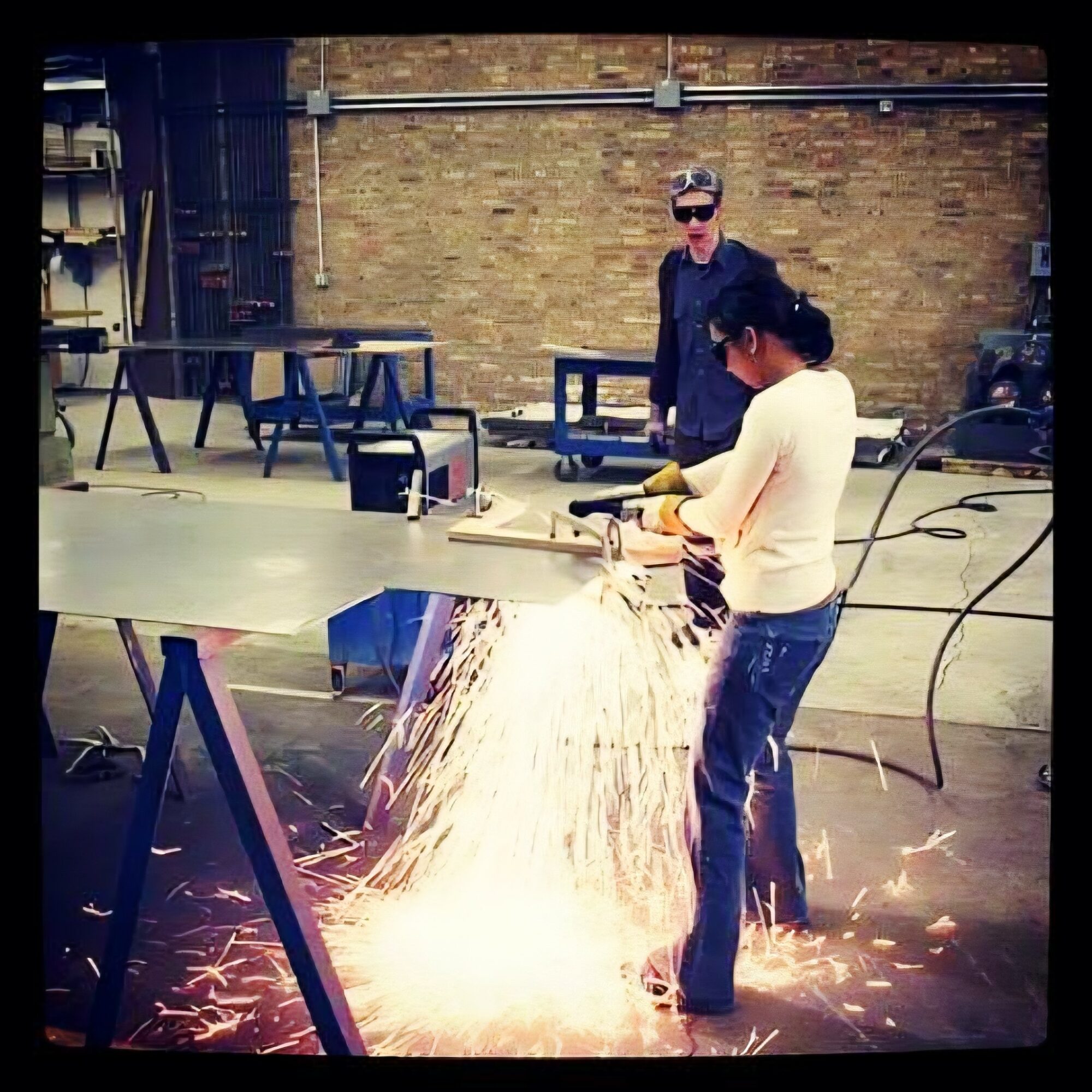
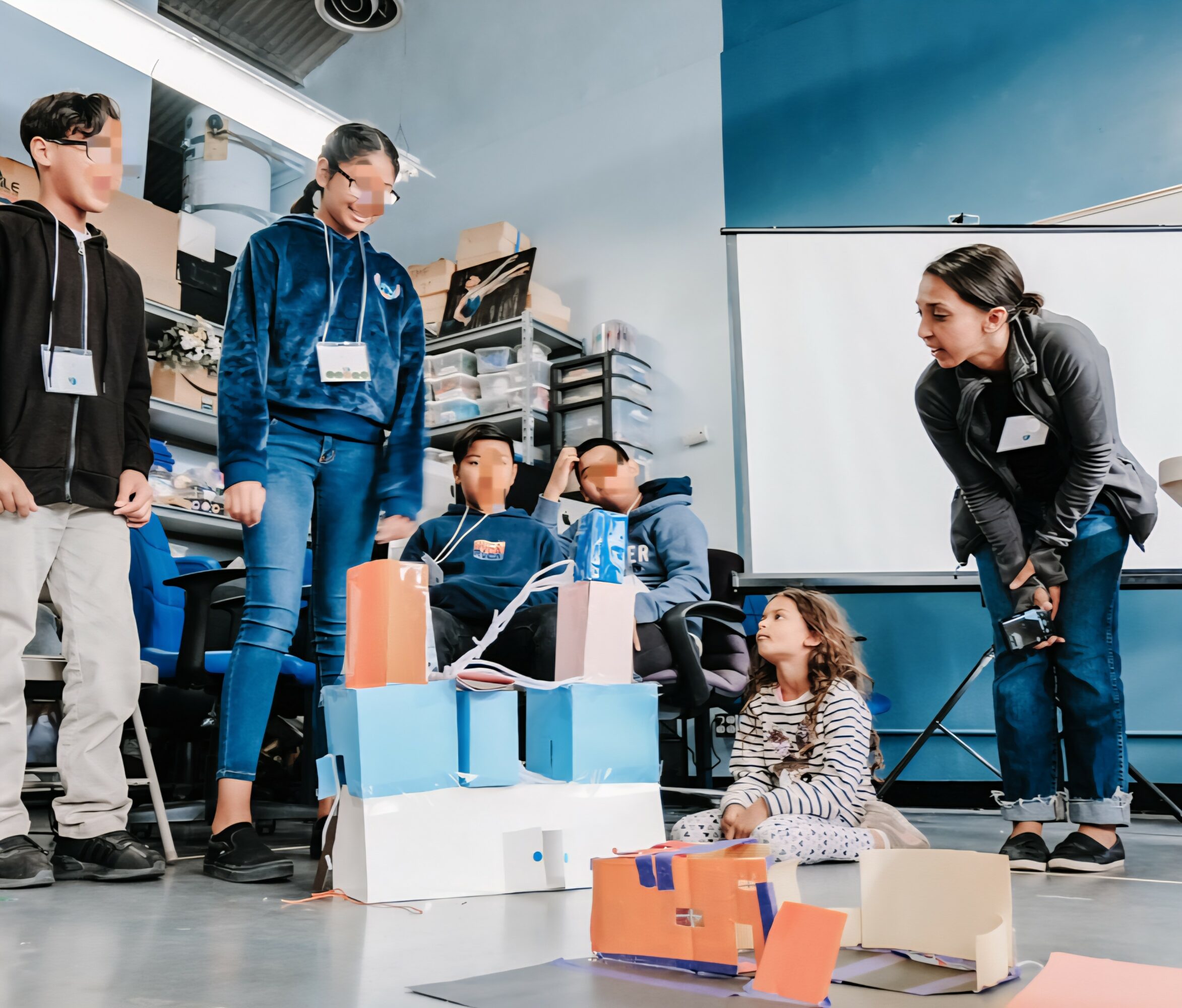
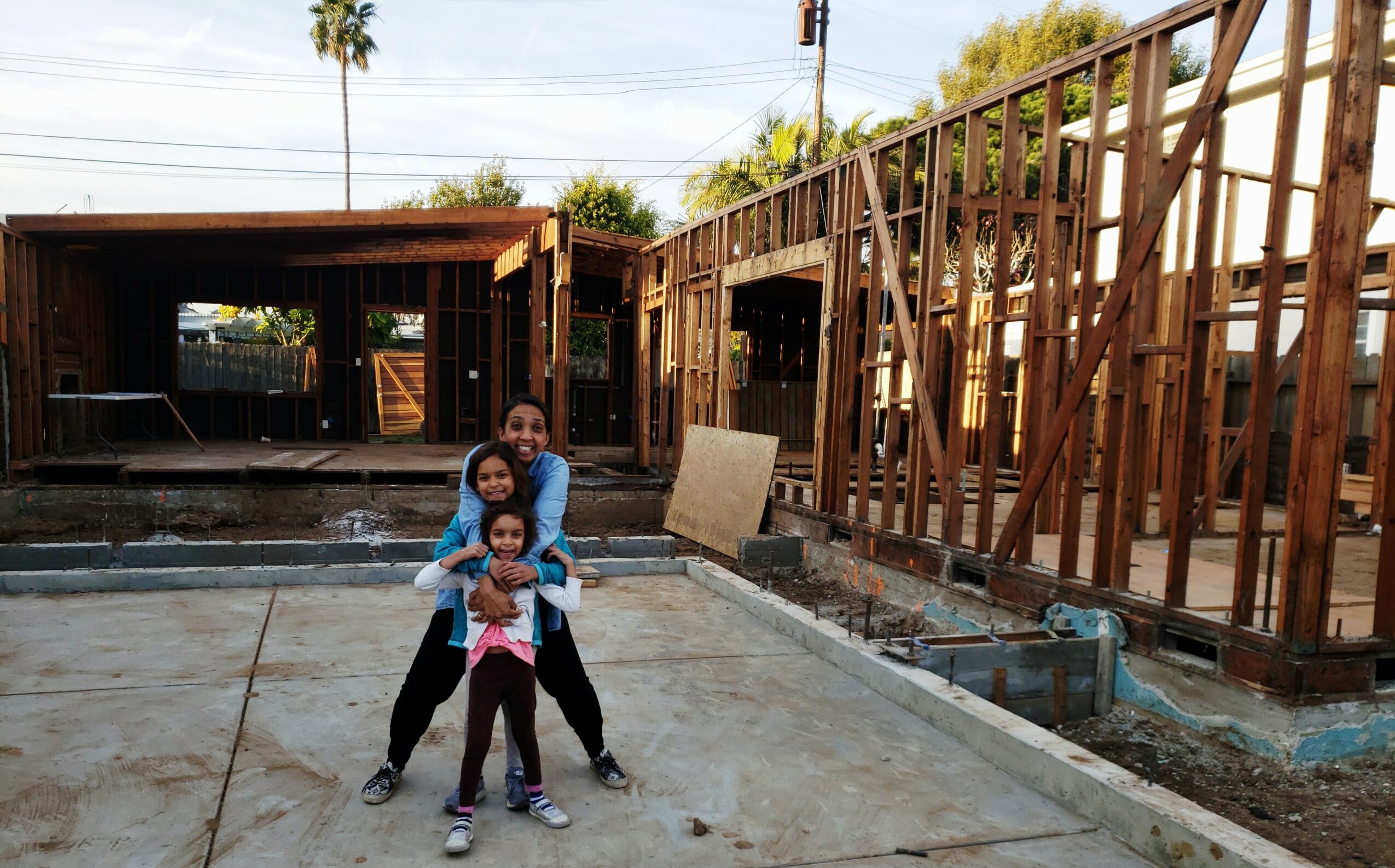
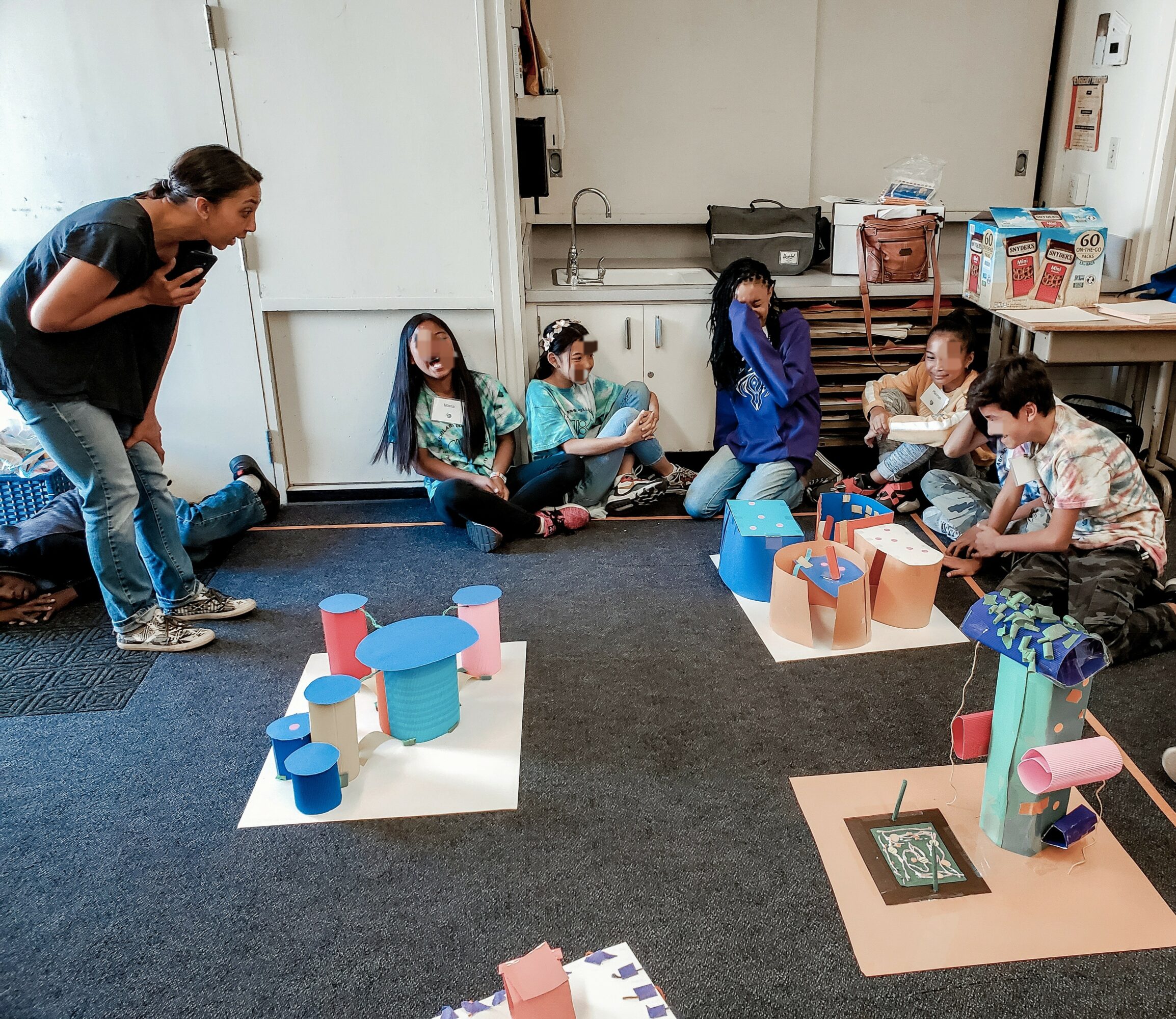
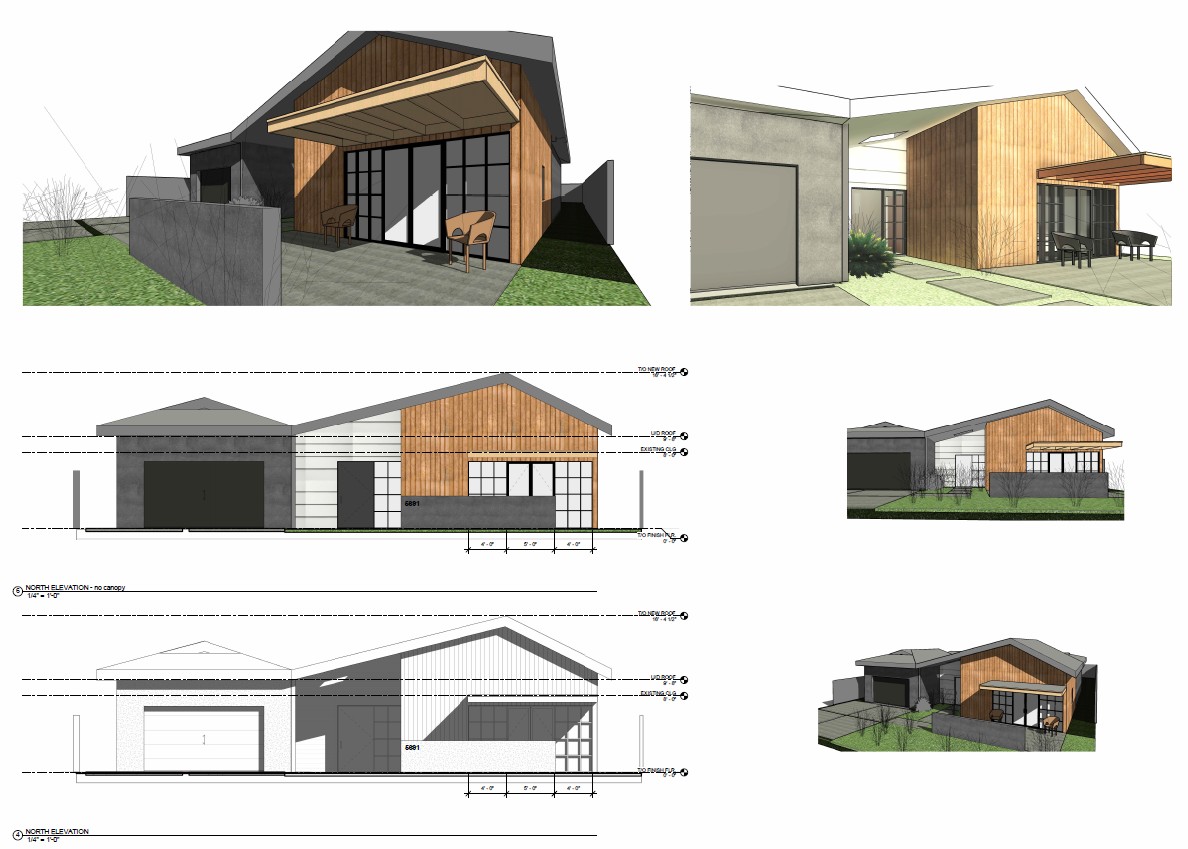
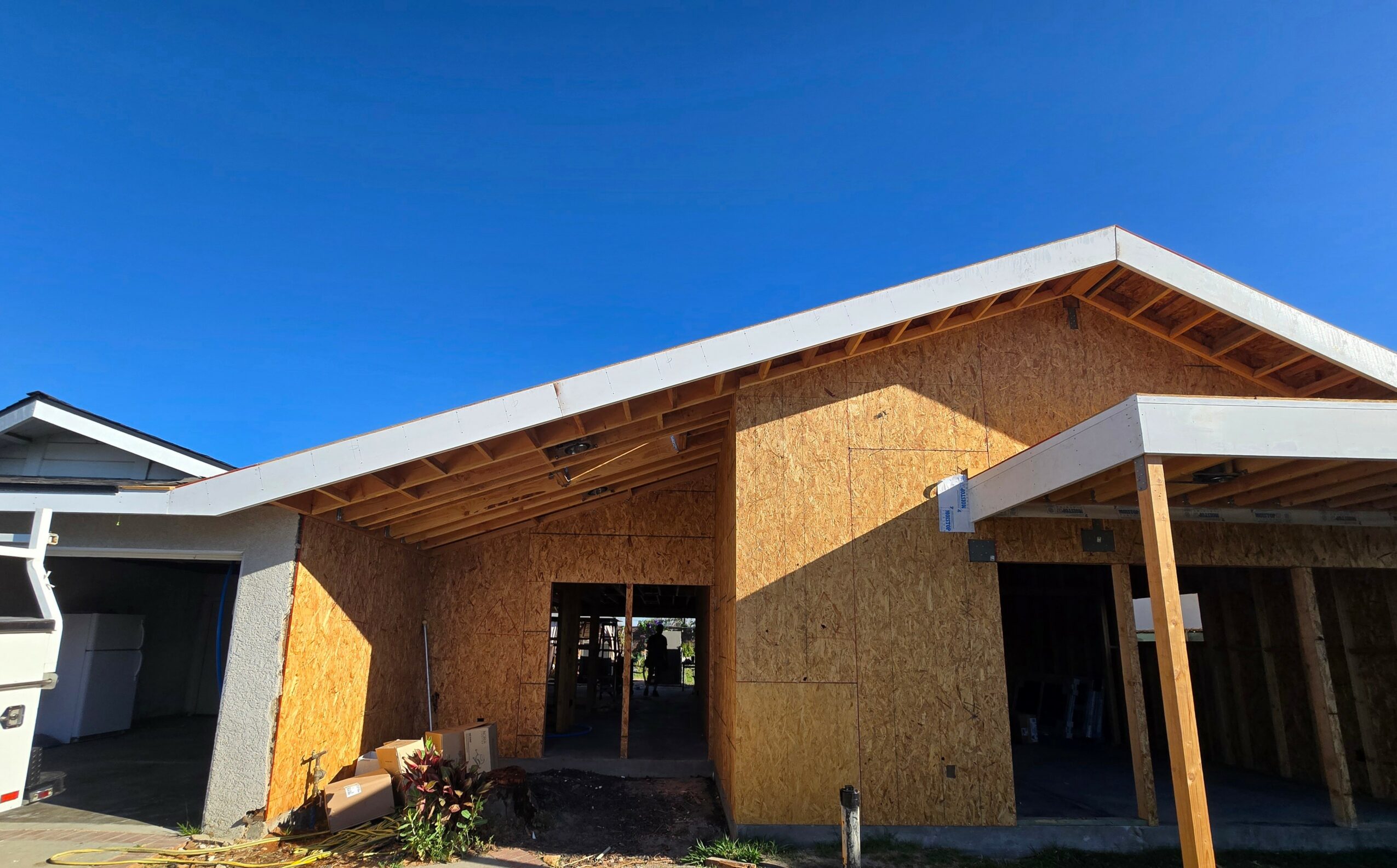
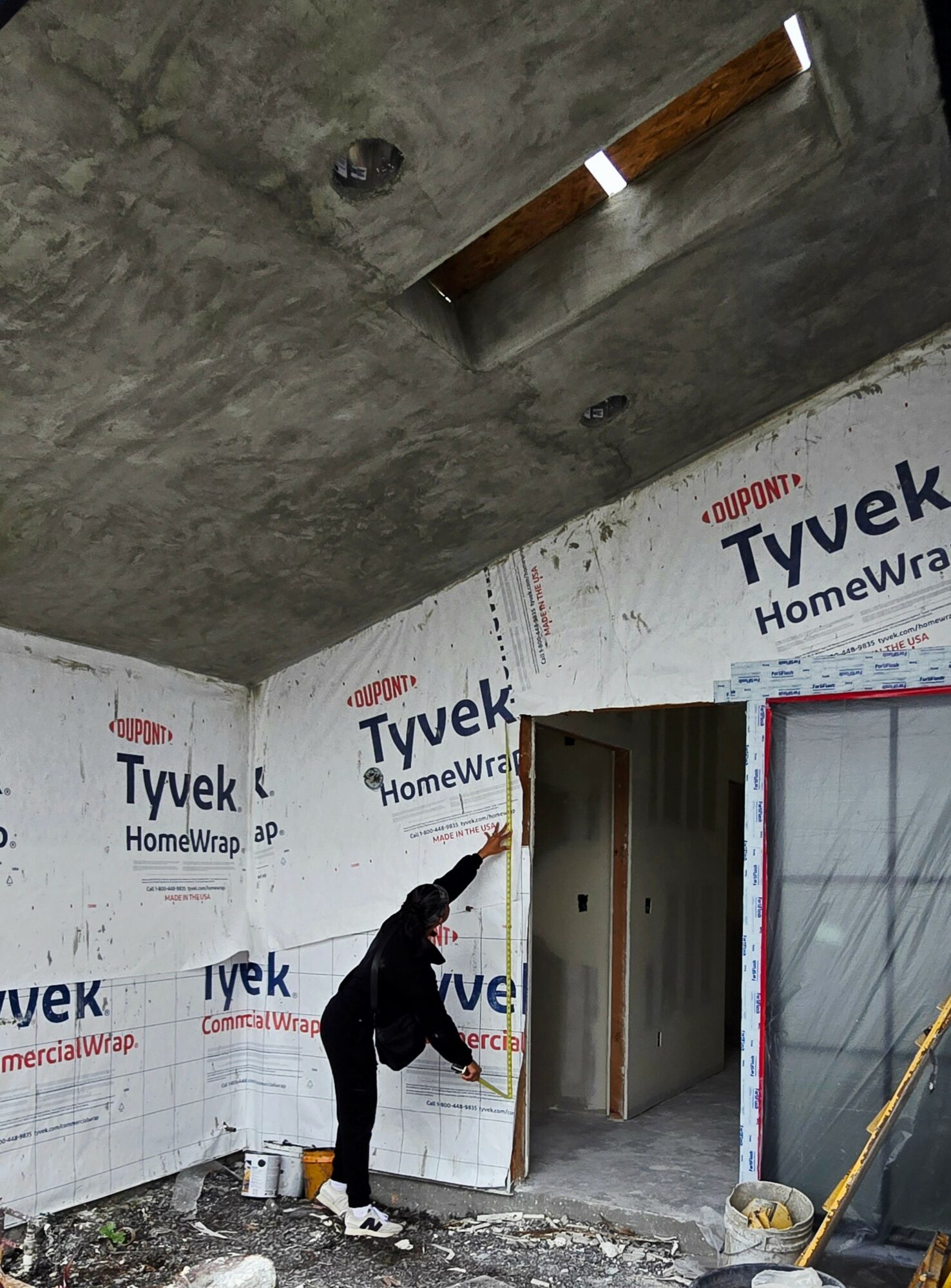
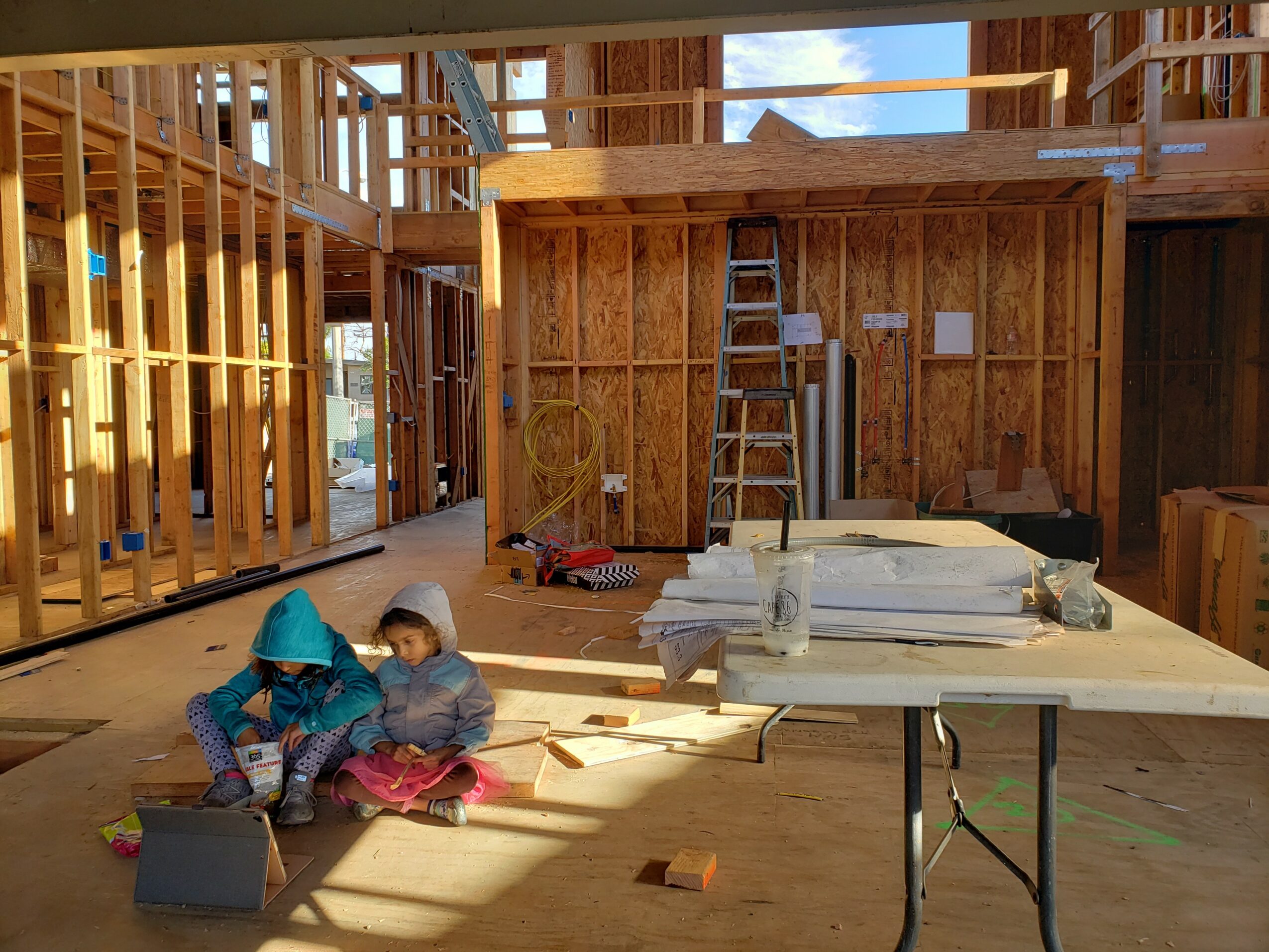
Image Credits
Emily Beth Photography (personal picture only)
Dramatic Results for volunteer pictures
Popular
-

Maagic Collins on Building a Fearless Publishing Platform for Truth, Advocacy, and Underrepresented Voices
-
Los Angeles Barea on Turning Green Superheroes into a Global Movement for Youth-Led Change
-

Trisha DuVivier on Bridging the Franchisor–Franchisee Divide with Workhero and “Franulate”
-

Portraits of the Valley
-

LA’s Most Inspiring Stories
-

Cedar Boschan on Elevating Black Music Rights and Driving Urgent Conversations Around Credit, Equity, and Artist Protection


