




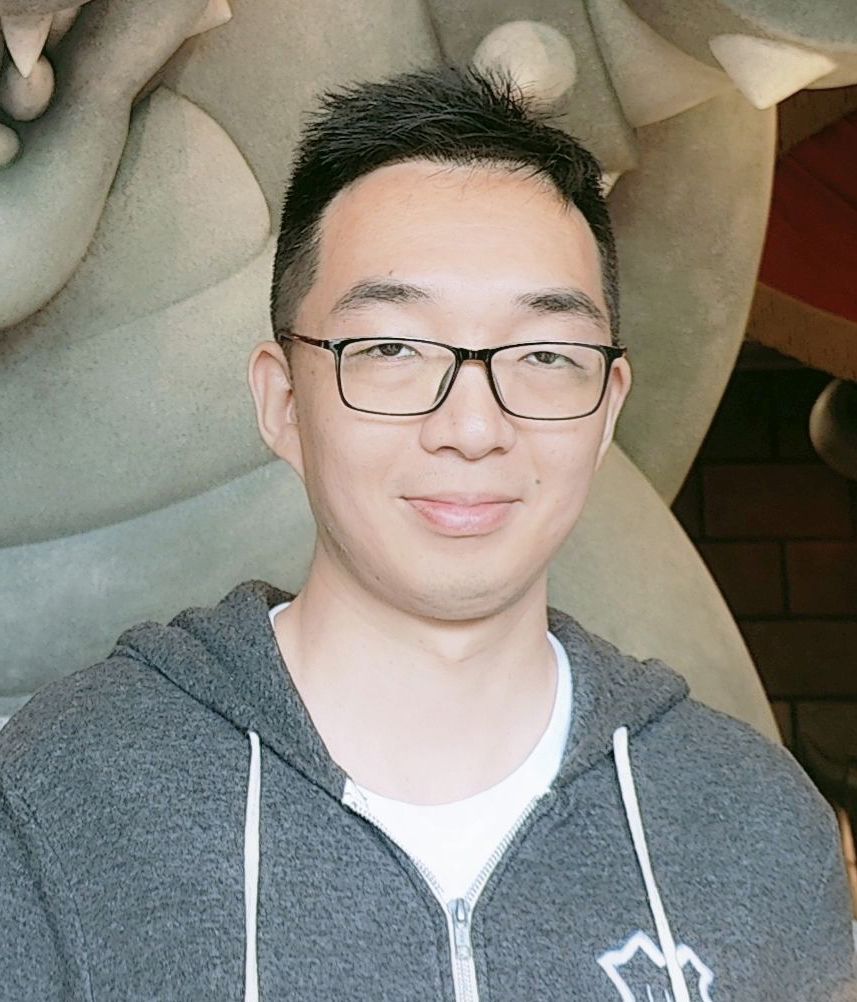
Today we’d like to introduce you to Yan Shu
Hi Yan, we’d love for you to start by introducing yourself.
Bridging Cultures and Craft in Los Angeles’ Game Art Scene
Born in 1988 in Shanghai, China, Shu Yan’s artistic journey has taken him across the globe, culminating in his impactful presence in Los Angeles, where he is redefining the boundaries of digital game art. A graduate of France’s prestigious Conservatoire national des arts et métiers (CNAM)- Established in 1794 during the French revolution, Yan has built an art career contributing to world-renowned titles such as League of Legends and Borderlands 3. His portfolio reflects a unique synthesis of Eastern aesthetics and Western methodologies, an intersection that has become his hallmark.
A Global Art Odyssey
Shu’s career began in Shanghai, where he honed his skills as a concept artist at Virtuos Games and Spicy Horse Games. His early work on cross-platform projects like Akaneiro: Demon Hunters kindled his passion for storytelling through digital mediums. This drive led him to France, where he pursued a master’s degree and expanded his artistic repertoire. At Dontnod Studio in Paris, he blended VFX and concept art, fostering a multidisciplinary approach that would later define his artistic identity.
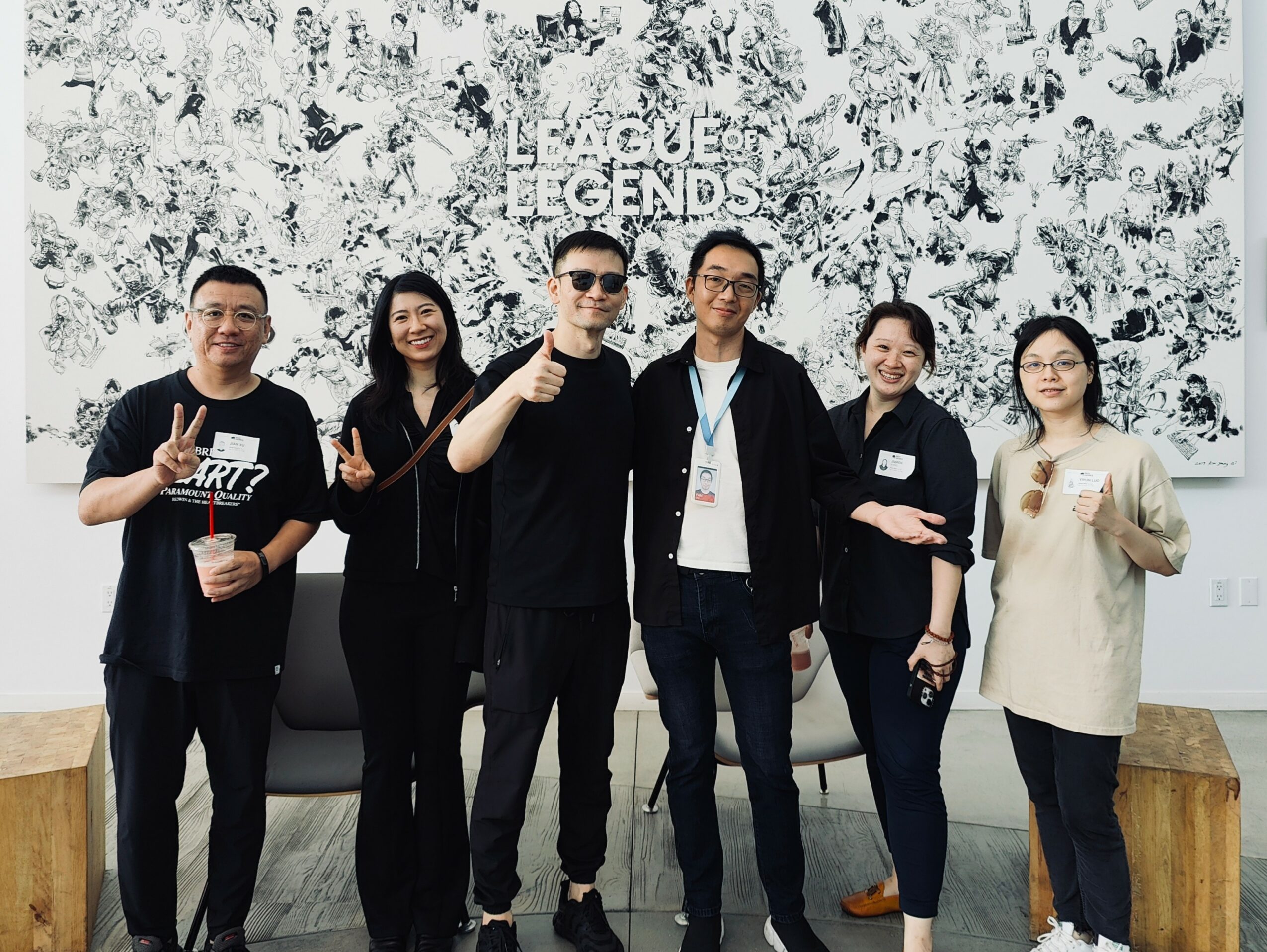
Further stints in Canada at Ubisoft and Gearbox Software saw him working on celebrated titles like Borderlands 3, where he explored VFX techniques that balanced storytelling and technical artistry. Eventually, Shu transitioned to Los Angeles, joining Riot Games as a senior artist and head of the VFX art team for League of Legends. This role allowed him to return to his roots in concept art, infusing his work with both technical precision and emotive resonance.
The Art of Cultural Fusion
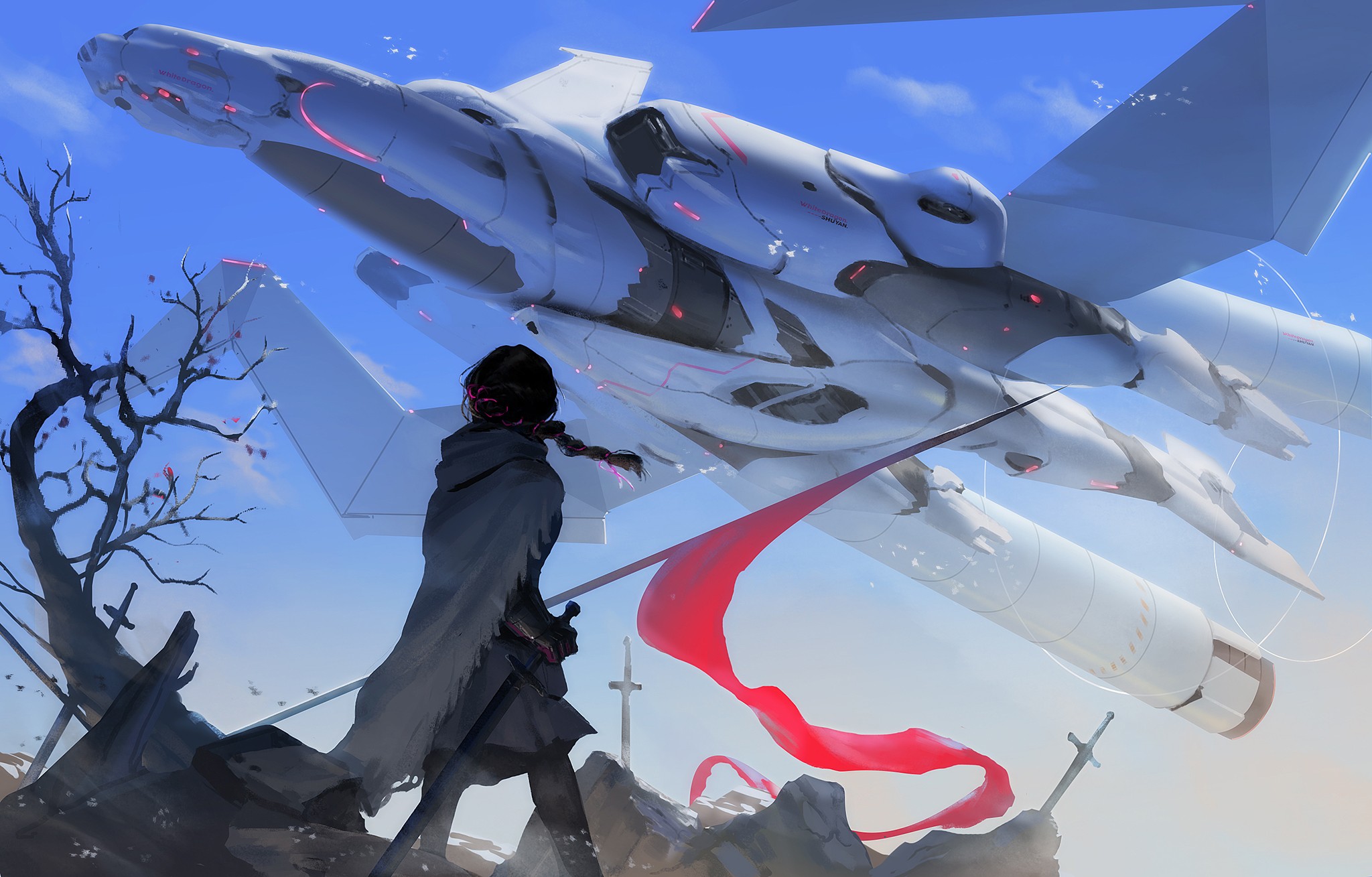
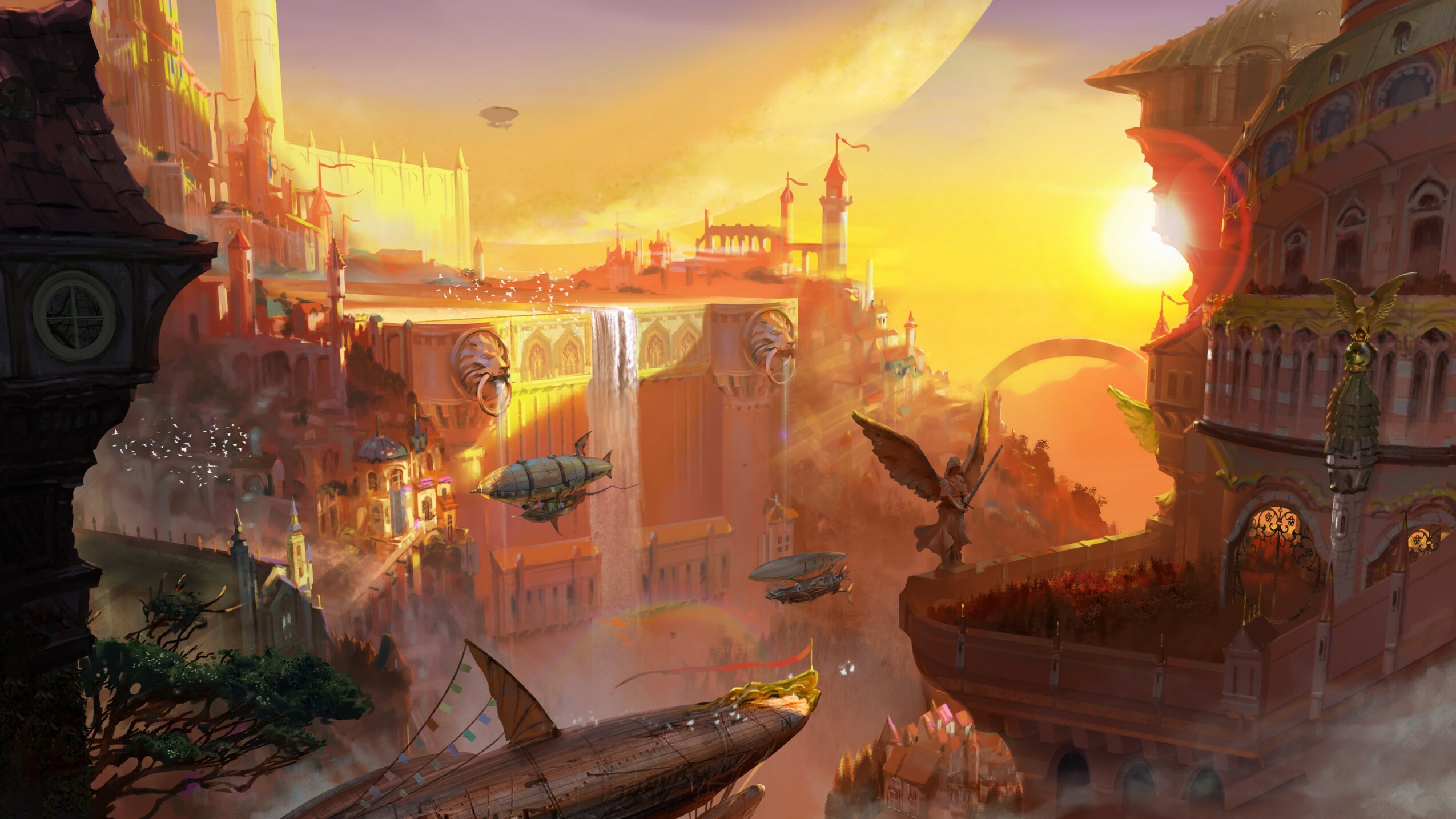
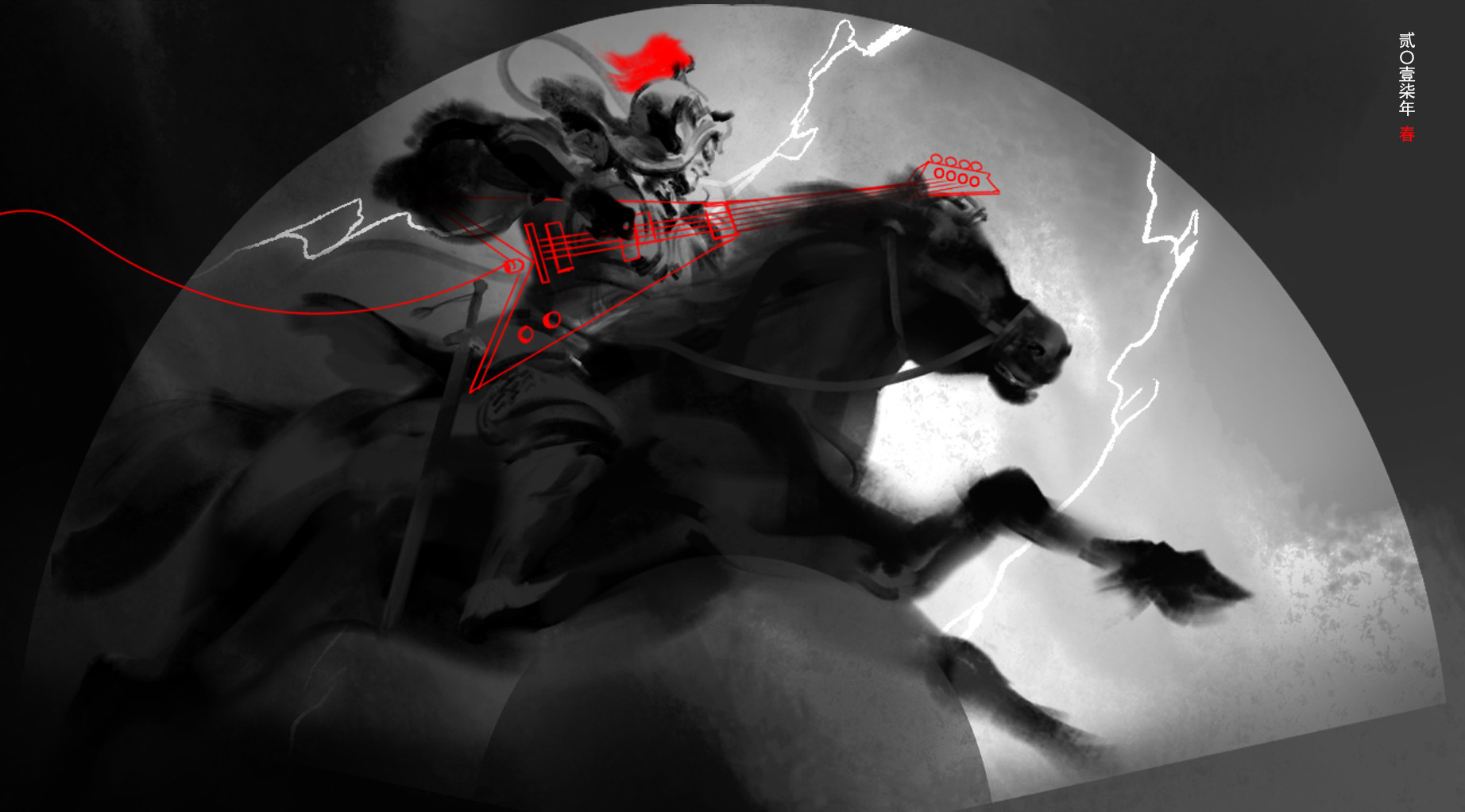
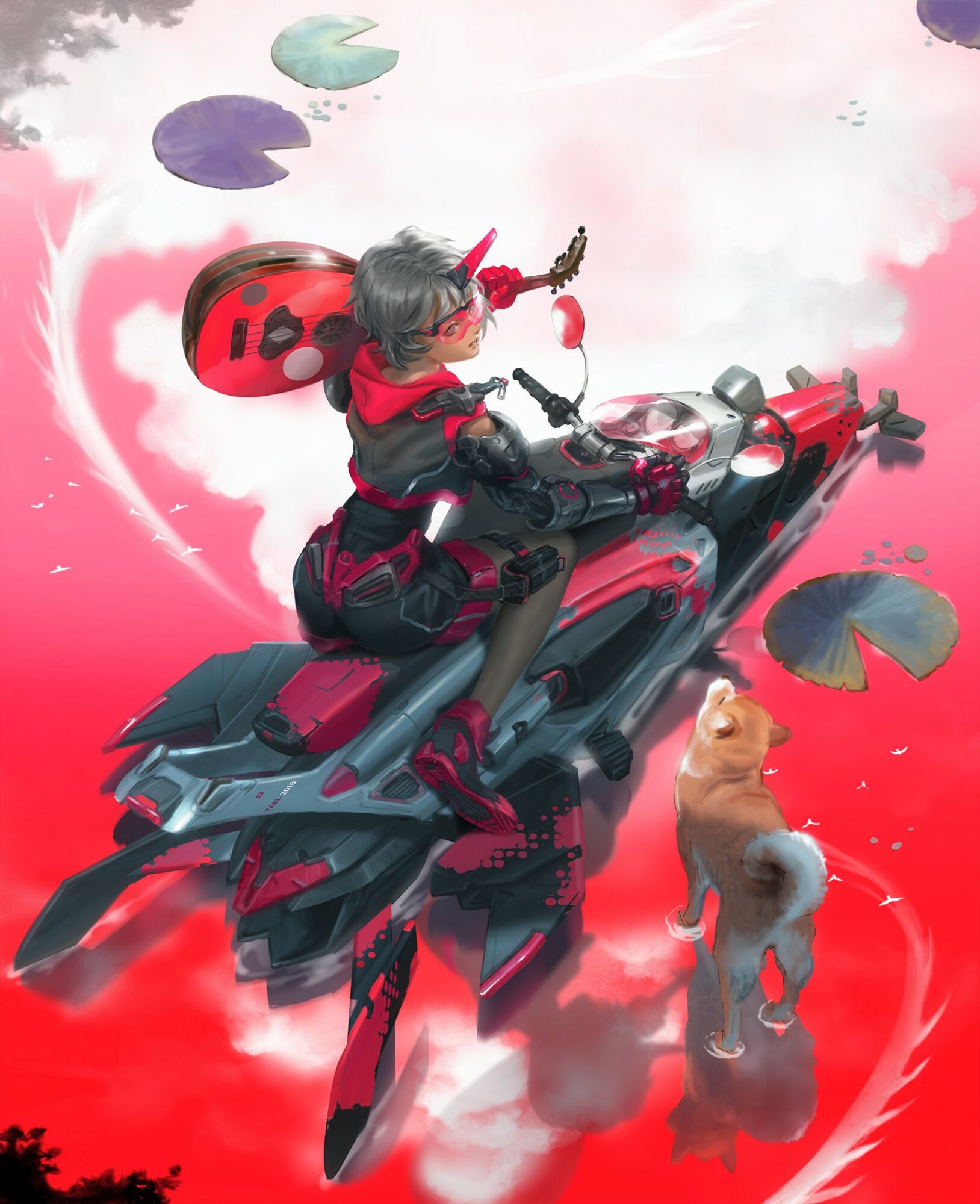
Shu’s work is characterized by a seamless blending of artistic traditions. From the majestic grace of Chinese ink painting to the intricate storytelling of Western game art, his creations evoke emotions of serenity, wonder, and a touch of Wabi-sabi—a Japanese philosophy of embracing imperfection. His signature pieces, such as Chaser of the White Dragon and City of Astrya, embody this cultural dialogue, presenting fantastical landscapes and narratives that transcend borders.
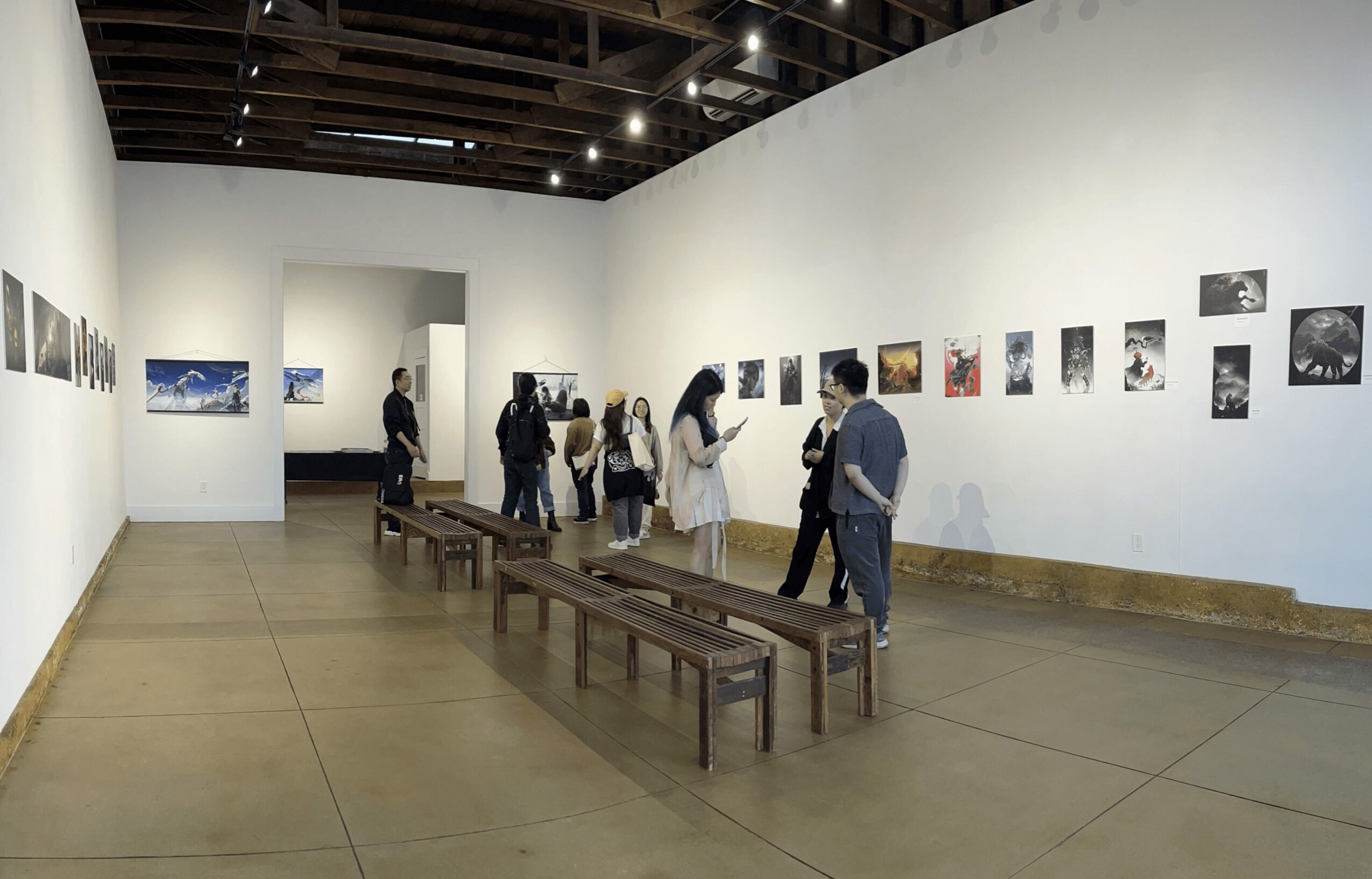
Currently live in Los Angeles, Yan continues to explore these themes, hosting exhibitions that connect global audiences to his multicultural vision. His recent solo showcase, “The Pathseeker Beyond the Horizon,” held at Gallery Nucleus in Alhambra, (https://www.gallerynucleus.com/events/1039?more_info=1) highlighted works that reflect his journey—from Shanghai to Paris, Quebec, and finally LA. Pieces like Chaser of the White Dragon, inspired by his first overseas journey, and City of Astrya, a nod to his time in France, exemplify his ability to turn personal milestones into universal stories. This solo exhibition also been continued by a second encore exhibition in Beijing, Central Academy of Fine Arts: the top art academy under the direct charge of the Ministry of Education of China, then a third exhibition “Dimensional Steps” with arts forcusing on his works during 2014 to 2018 at START Los Angeles Gallery(2270 Venice Blvd)(https://www.startlosangeles.com/mysterious-al).
Inspiring the Next Generation
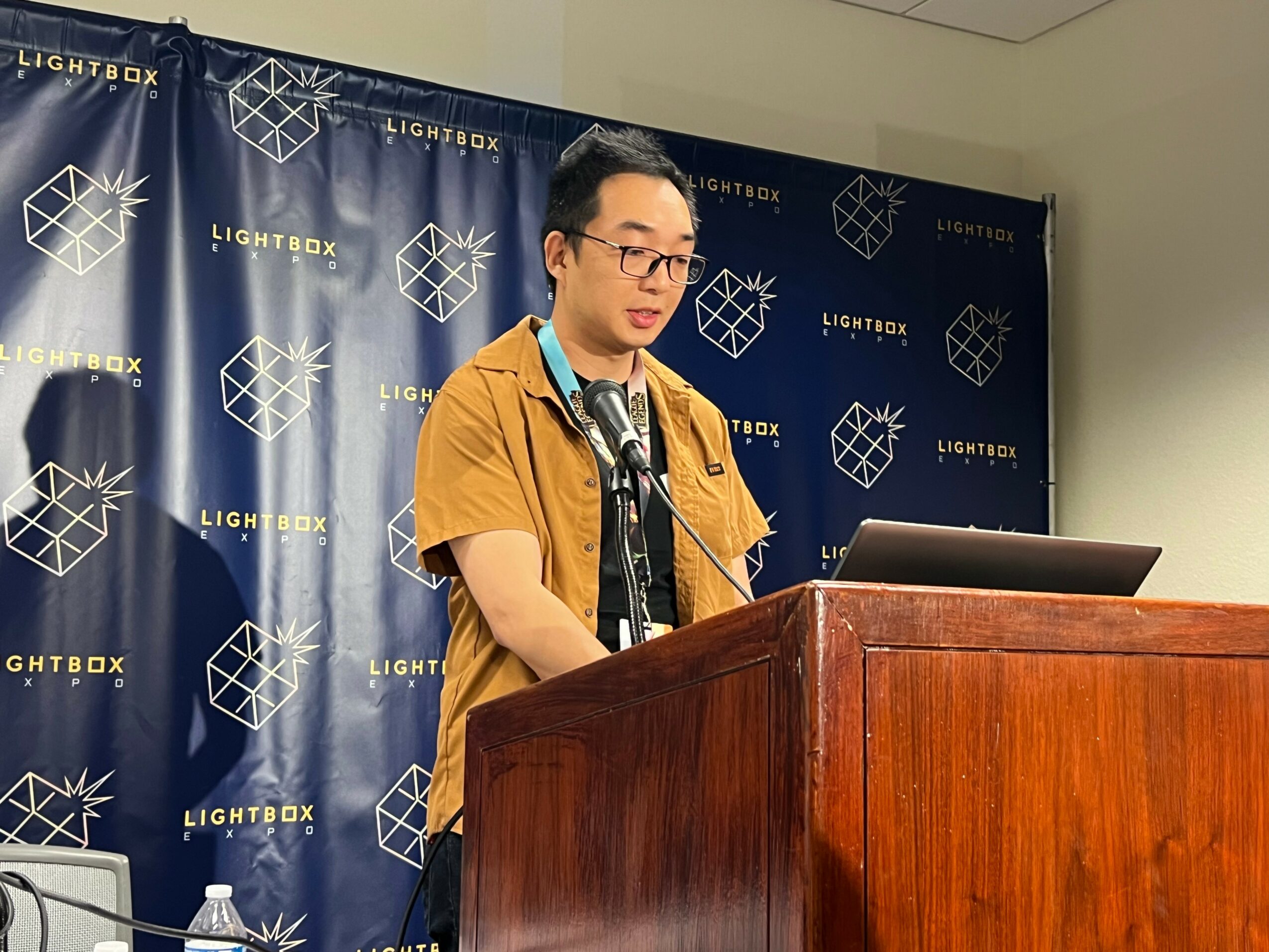
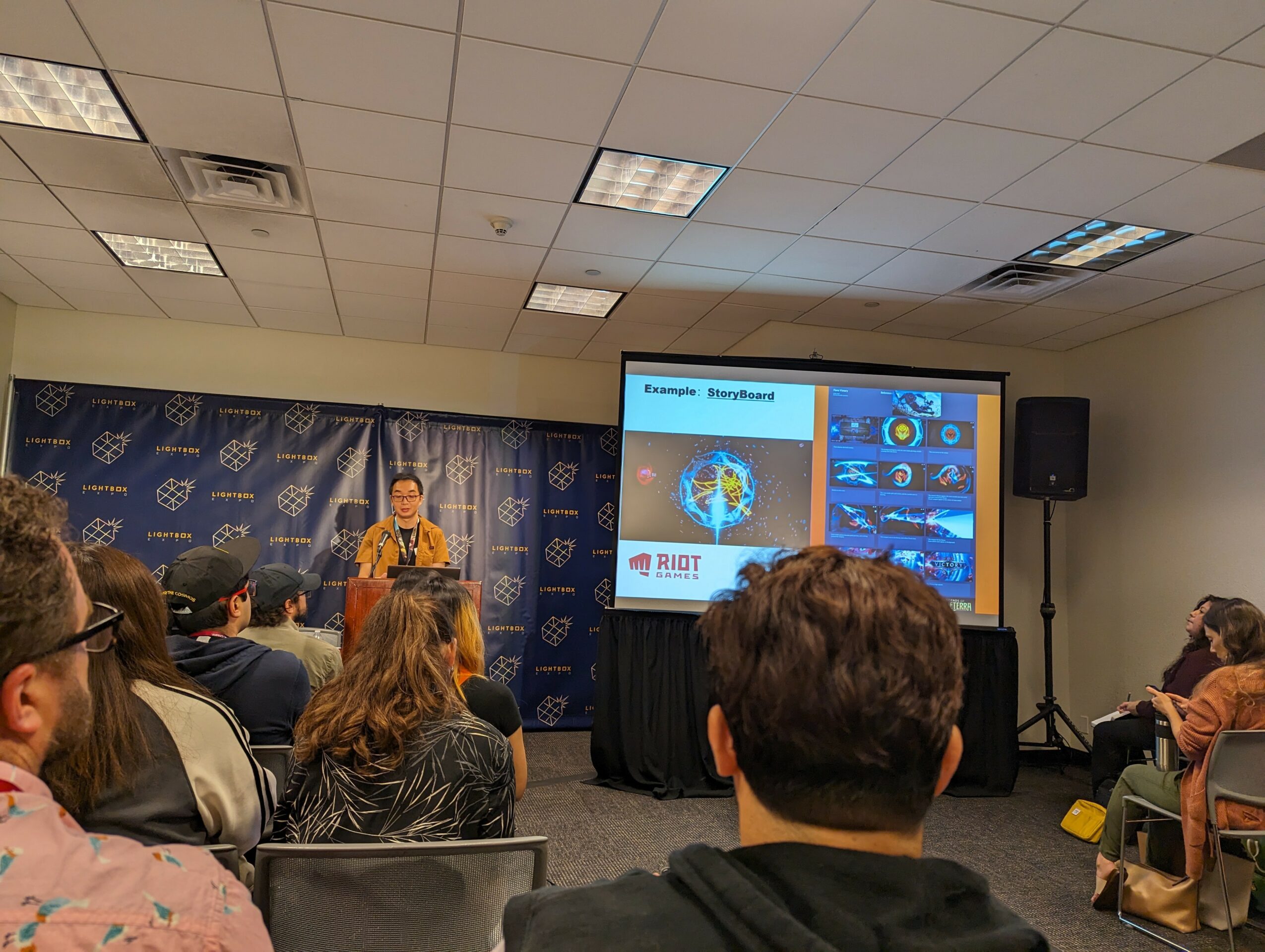
As a sought-after speaker and judge at international conferences, including Lightbox Expo and The Rookie Awards, as well as presntation in Los Angeles art schools like Gnomon (https://www.gnomon.edu/news-and-events/events/spotlight-on-tech-art-insights-from-blizzard-riot-santa-monica-studio/) Shu shares his insights with aspiring artists. He emphasizes the importance of balancing technical expertise with emotional depth, encouraging artists to craft player-centered experiences that resonate beyond the screen.
Yan’s work not only enriches the gaming industry but also serves as a bridge between cultures, showcasing the power of art to unite diverse perspectives. His journey is a testament to the transformative potential of global exploration, artistic innovation, and cultural exchange, making him a luminary in Los Angeles’ vibrant artistic community.
Now, Yan started his new adnventure in Tencent America in Playa Vista and once again working on a phenomenal title “Honnor of Kings”, as art principal, deliver the joy to global audience from Los Angeles, with his more than 15 years video game art experience.
Can you talk to us a bit about the challenges and lessons you’ve learned along the way. Looking back would you say it’s been easy or smooth in retrospect?
The journey began with a leap to France, a country famed for its artistic legacy. Studying at CNAM in France, Yan navigated the challenges of a new language and a different way of life. He was homesick for Shanghai’s bustling streets and his family & Friends, but he found solace in art and the friendships he built in the ateliers of France. Saying goodbye to those friends when his studies ended was the first of many painful farewells.
Canada came next, where Yan joined the gaming giant Ubisoft. Halifax and Quebec city’s icy winters (the opposite of Shanghai weather) mirrored his internal struggle to adapt to yet another culture. The challenges of settling in—a new language to learn and a community to navigate—tested his resilience. Yet, Shu thrived, contributing to projects like Borderlands 3, while embracing a blend of different aesthetics in his craft.
The United States offered another chapter in Shu’s global odyssey. Moving to Los Angeles to work with Riot Games, Shu found himself immersed in the pulsating heart of the entertainment industry. Yet, life in L.A. presented its own hurdles. Among them was the infamous driving test—an ordeal he would fail six times before finally tasting success. Each failure was a blow, but it also symbolized Yan’s steadfast refusal to give up.
Thanks – so what else should our readers know about your work and what you’re currently focused on?
What do you do, and what do you specialize in?
I am a digital artist and art director specializing in crafting immersive visual experiences for video games. My focus spans concept art, VFX design, and artistic direction, blending traditional techniques with cutting-edge digital tools. Over the years, I’ve contributed to iconic titles like League of Legends and Borderlands 3, as well as the global sensation Honor of Kings. My work combines narrative depth and visual storytelling, emphasizing player immersion and emotional resonance.
What are you known for?
I am known for integrating diverse artistic traditions into my creations. By harmonizing the intricate elegance of Eastern aesthetics with the narrative-driven methodologies of Western game art, my work stands as a bridge between cultures. Signature personal art pieces like Chaser of the White Dragon and City of Astrya exemplify this fusion, captivating audiences with their evocative worlds and stories.
Additionally, my leadership experience in craft, for example Riot Games, has allowed me to shape not only visuals but also the creative culture of the teams I’ve worked with. I’m recognized for fostering multidisciplinary collaboration, ensuring technical excellence aligns seamlessly with artistic vision.
What are you most proud of?
I am most proud of my journey itself—the challenges I’ve overcome and the cultural tapestry I’ve woven into my work. From failing my driving test six times before succeeding in Los Angeles to adapting to life and work across four countries, these experiences have enriched my art and perspective.
Professionally, my solo exhibitions, including The Pathseeker Beyond the Horizon and Dimensional Steps, have been milestones. They represent the culmination of years of growth, resilience, and exploration, as well as my ability to transform personal milestones into universal narratives.
What sets you apart from others?
What sets me apart is my ability to merge technical precision with emotional depth while drawing from a truly global perspective. Having lived and worked in China, France, Canada, and the U.S., I bring a multifaceted understanding of art and culture to my work. This global journey, along with my background in both traditional and digital art forms, allows me to craft visuals that resonate across cultures and platforms.
My dedication to mentoring aspiring artists and contributing to the broader creative community also distinguishes me. Whether through speaking at events like Lightbox Expo or sharing insights at art institutions like Gnomon, I’m passionate about inspiring others to push boundaries and embrace their unique voices.
In essence, my work reflects a lifelong pursuit of connection—between people, cultures, and the boundless possibilities of art.
Do you have recommendations for books, apps, blogs, etc?
Osamu Tezuka’s Phoenix is more than just my favorite manga—it’s a guiding philosophy that profoundly influences how I approach life, my career, my art, and my relationships.
A Story of Cycles and Continuity
At its core, Phoenix explores the interconnectedness of life, the cyclical nature of existence, and humanity’s relentless pursuit of meaning across time. This thematic depth has shaped my worldview. It’s a constant reminder that our actions, big or small, ripple outward, leaving imprints on the world and the people around us.
Impact on My Art
The way Tezuka masterfully weaves timeless narratives with intricate, emotive visuals has inspired me to strive for the same balance in my work. Whether designing a fantastical landscape or crafting a character’s story arc, I aim to infuse my art with layers of meaning that resonate emotionally and intellectually. Like Tezuka’s work, I want my creations to spark curiosity, empathy, and reflection, inviting audiences to see beyond the surface.
For example, my piece Chaser of the White Dragon echoes the themes of Phoenix, symbolizing the pursuit of eternal truths and the personal sacrifices we make in that journey. The idea that art can serve as a bridge between the fleeting and the eternal is a concept I internalized from Tezuka’s storytelling.
Influence on My Career
Phoenix also taught me the value of perseverance and evolution. Each chapter of life and career, much like Tezuka’s narrative arcs, is part of a greater whole. The manga’s characters often face insurmountable odds yet find ways to adapt and grow, which mirrors my journey of moving across continents, adapting to new cultures, and overcoming challenges—whether learning new languages or new culture.
This mindset pushes me to see challenges as opportunities to evolve, rather than as setbacks. It encourages me to continually expand my creative horizons, from blending Eastern and Western aesthetics to embracing new mediums and techniques.
How I Treat People
One of the most powerful lessons from Phoenix is the intrinsic value of compassion. The manga emphasizes humanity’s shared struggles and aspirations, teaching me to approach others with empathy and understanding. In collaborative environments, whether leading a team or mentoring aspiring artists, I strive to create a space where everyone feels valued and supported.
A Holistic Vision of the World
Tezuka’s exploration of the eternal versus the ephemeral profoundly shapes how I see the world. It reminds me that while we are each small in the grand timeline of existence, our lives are filled with moments of profound beauty and connection. This inspires me to create art that captures these fleeting moments, preserving them in ways that transcend time and resonate with diverse audiences.
In many ways, Phoenix is not just a story I admire—it’s a philosophy that underpins how I live, create, and connect with others. It continually reminds me that art, like life, is about seeking meaning, embracing imperfection, and striving to leave a positive impact on the world.
Contact Info:
- Website: https://www.artstation.com/mad_jojo
- Instagram: https://www.instagram.com/mad_jojoshuyan/
- Facebook: https://www.facebook.com/yan.shu.372/
Popular
-

Los Angeles Barea on Turning Green Superheroes into a Global Movement for Youth-Led Change
-

Trisha DuVivier on Bridging the Franchisor–Franchisee Divide with Workhero and “Franulate”
-

Portraits of the Valley
-

LA’s Most Inspiring Stories
-

Cedar Boschan on Elevating Black Music Rights and Driving Urgent Conversations Around Credit, Equity, and Artist Protection
-

Robin Olive on Building an Inclusive Performing Arts Movement and Expanding Opportunities for Every Student


