




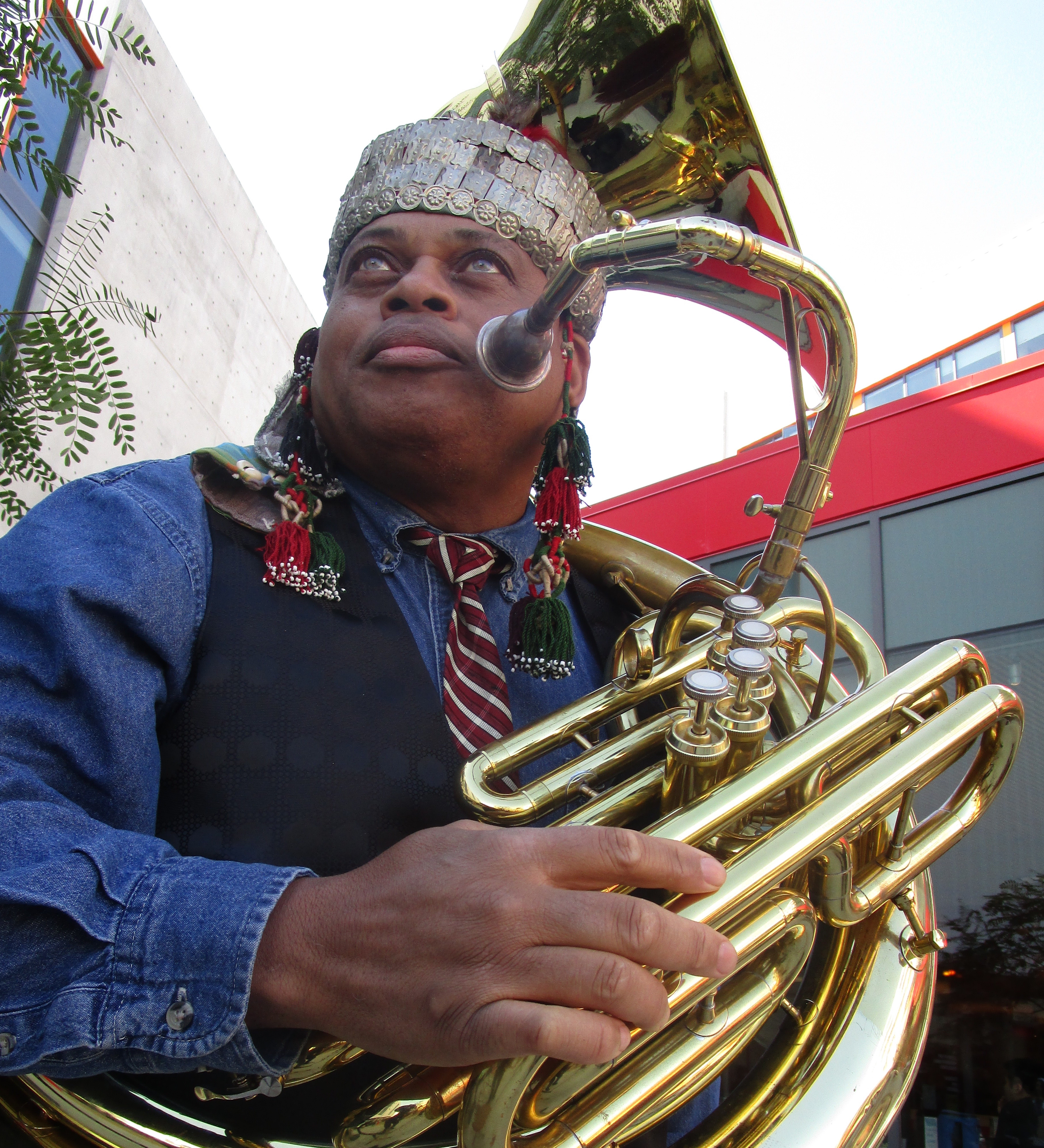
Today we’d like to introduce you to William Roper.
Alright, so thank you so much for sharing your story and insight with our readers. To kick things off, can you tell us a bit about how you got started?
I started an instrument in the third grade. I started because my guardian at the time, who was one of my grand aunts, wanted me and my sister to play instruments. She really wanted me to play trumpet because she was a fan of Louis Armstrong. But I chose the flute. She wasn’t the kind of guardian that made you do what she wanted to do. So I played the flute for about a year, that didn’t work out, so I switched to the trumpet. I was fine with the trumpet, but when I got to junior high school, I was introduced to the tuba. That is a story in itself, that I won’t go into here. Suffice it to say that once I started on the tuba, I didn’t care about the trumpet any longer. The tuba and I got along from the very beginning.
That relationship determined the course of my life for many years to come. However, after my first year at conservatory, I had to set it aside. I felt very strongly that I needed to expand my horizons. Also, I came to realize that the world, especially this country, is populated by many, many very fine tuba players. And more importantly, that there are very few jobs for tuba players. I was a classical tuba player. So I set it aside and learned how to live without the tuba. That lasted a little while, I’d say about a year. In that time, I re-examined things and I listened to a lot of tuba of players. I determined that playing tuba was really a thing that I like to do. And also that, if necessary, and it was, I could be competitive on the instrument. So, I went back to it. I also went back to school. But I didn’t go back as the performance major that I had been before. I figured if I was going get a degree, I should get it in something that had an almost guaranteed income, something not as chancy as a performance degree.
After that, I worked hard, kept an open mind, didn’t limit who I played with and five decades later I’m still playing. And making money at it.
Alright, so let’s dig a little deeper into the story – has it been an easy path overall and if not, what were the challenges you’ve had to overcome?
No, it has not been a smooth road. There have been many obstacles along the way. But hardly any of them are worth talking about without talking about the major one. And that is racism. Racism is alive and well in the United States. In the middle of my life, it was almost possible to make an argument that racism for the most part no longer existed. That was a lie, but people could make an inspired argument that it had been eradicated. It’s hardly possible to say that in 2025.
America is about money. Most of the world is about money. You have to make money to be able to do what you want to do. To make money, unless you have a printing press or are born rich, you have to be employable. To be employable, you have to have, to some degree, an education. For groups of people in this country, those groups mainly being defined by race, skin color, and also economic standing, getting an education and gaining employment is extremely limited. The opportunities are extremely restricted. The cliché that they have to work harder, fight harder, be twice as good, is true.
That’s an obstacle. That’s a major obstacle. In fact, it’s so bad in this country that sometimes it isn’t even possible to have the opportunity to engage in that extra effort – just to get an education, just to get a job, just to get an interview, just to get an audition. That’s the real and big struggle here, in the US of A, that I had, that my cohort had, and that we have. If you think it’s not true, just look around you. There are plenty of illegal immigrants here in this country. And they are not all brown. But that’s who’s targeted. They’re not even asked for ID. They just need to be brown. That’s an obstacle. That is the obstacle/challenges. Racism. And it has been the obstacle for the entire history of this country.
Can you tell our readers more about what you do and what you think sets you apart from others?
I am a multi-disciplinary artist performing primarily on tuba and primitive aerophones. I’ve toured the two Americas, Europe and Japan as soloist and with jazz and classical ensembles. I am represented on 60+ recordings with artists such as Yusef Lateef, Wadada Leo Smith, Anthony Braxton, Elton John, Esa Pekka Salonen and on motion picture scores. I’ve released 15 recordings as leader/co-leader. I have received commissions from the Asian Pacific Islander Cultural Center, Koan Quartet, SASSAS, USC Kade Institute, Eastside Arts Initiative, Arts Council Tokyo, NewMusicUSA and others.
I compose works in traditional structures as well as real time compositions. My performance specialty is extemporaneous spoken word within a musical context. I will often speak a solo instead of playing one. The challenge is to integrate the words into the specific context of the music, without knowing in advance what the words are.
Collaboration has been a major part of my practice. Collaboration requires an artist to be open to the ideas of others, to be willing to learn and maybe most importantly, to compromise. In collaboration it becomes clear that my idea is not necessarily the best idea for the piece. Sometimes I just have to let a good idea go. I’ve collaborated with other artists on works in dance, theatre and video.
As a visual artist, my mediums are painting, assemblage and documentary video. I’ve exhibited in the U.S. and Europe.
I’ve held residencies at institutions in California, Germany and Japan. I have received awards from the NEA, California Arts Council, LADCA, Durfee Foundation and others.
We’d love to hear about how you think about risk taking?
I think that almost any kind of performing is risktaking. After all, you are putting yourself in front of an audience. That audience is not necessarily on your side. Even if they are, they may turn against you. There are degrees of risktaking in performance. If part of your practice is to say something about the political life of your country, your state, your city, then you are risking all kinds of things. Particularly if you’re not “preaching to the choir.” You are risking alienating that audience that is in front of you. You are risking people reacting to you very strongly after the performance. You are risking losing work in the future. Once playing other people’s music was no longer enough for me, I had to figure out what is important. That done, I began incorporating those ideas into my work. That was risky. I did it anyway. I am more willing to take these kinds of risks now. The truth is, I am entering the winter of my life. I have less to lose now than I did before.
Contact Info:
- Website: https://www.roperarts.com
- Instagram: https://www.instagram.com/woltonmyo/
- Facebook: https://www.facebook.com/william.roper.522/
- Youtube: https://www.youtube.com/@cignusolar/featured
- Other: https://vimeo.com/user2250250
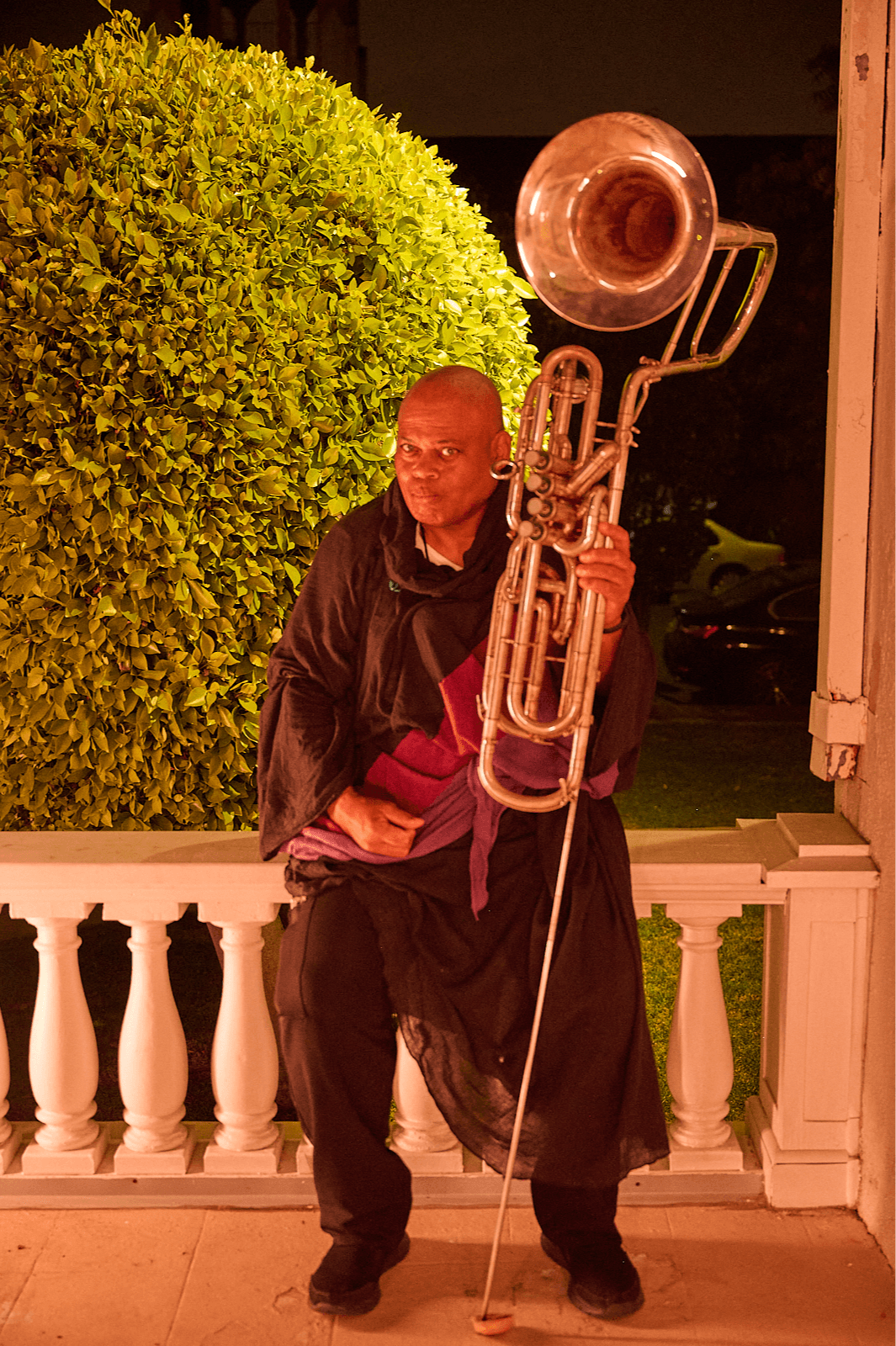
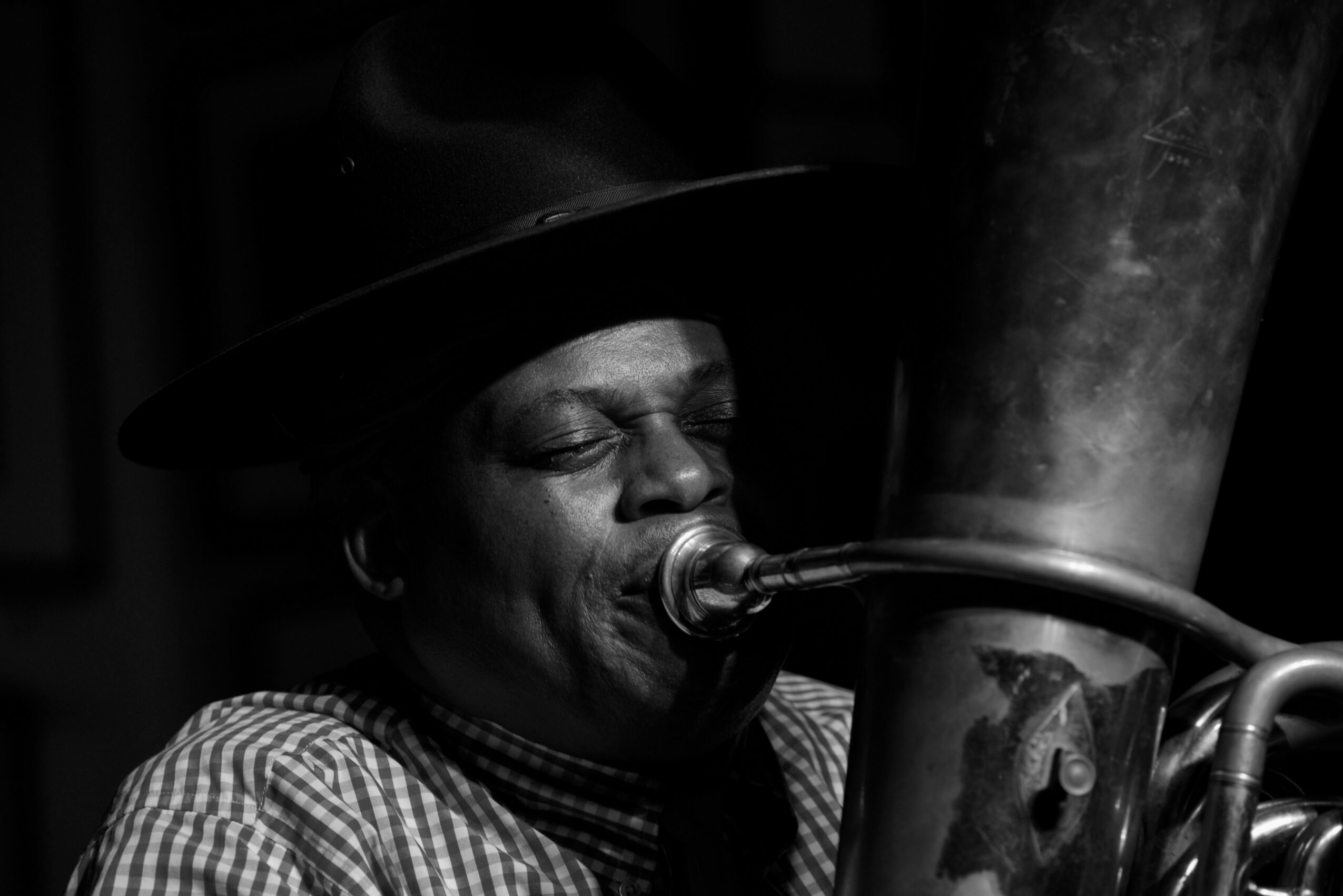
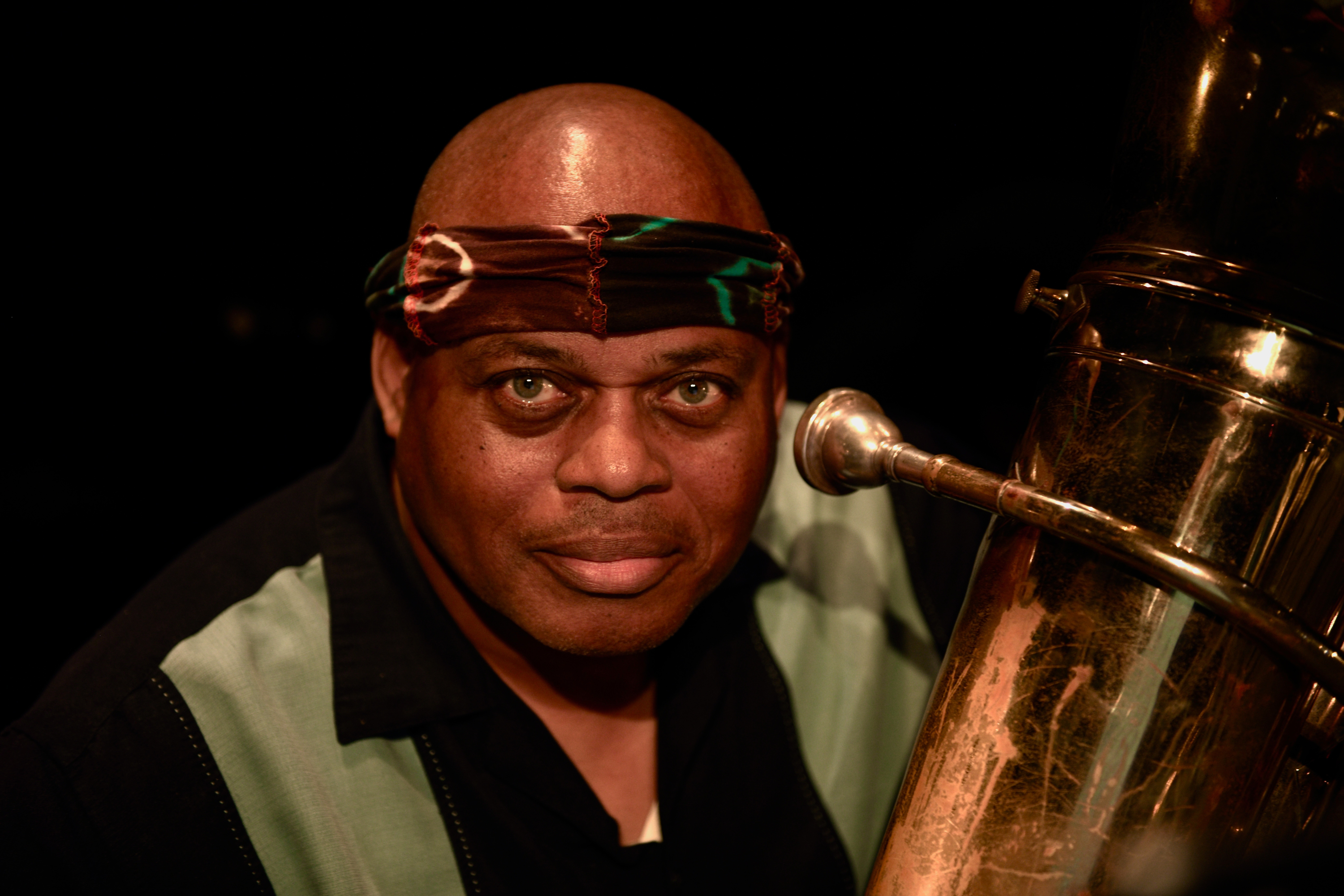
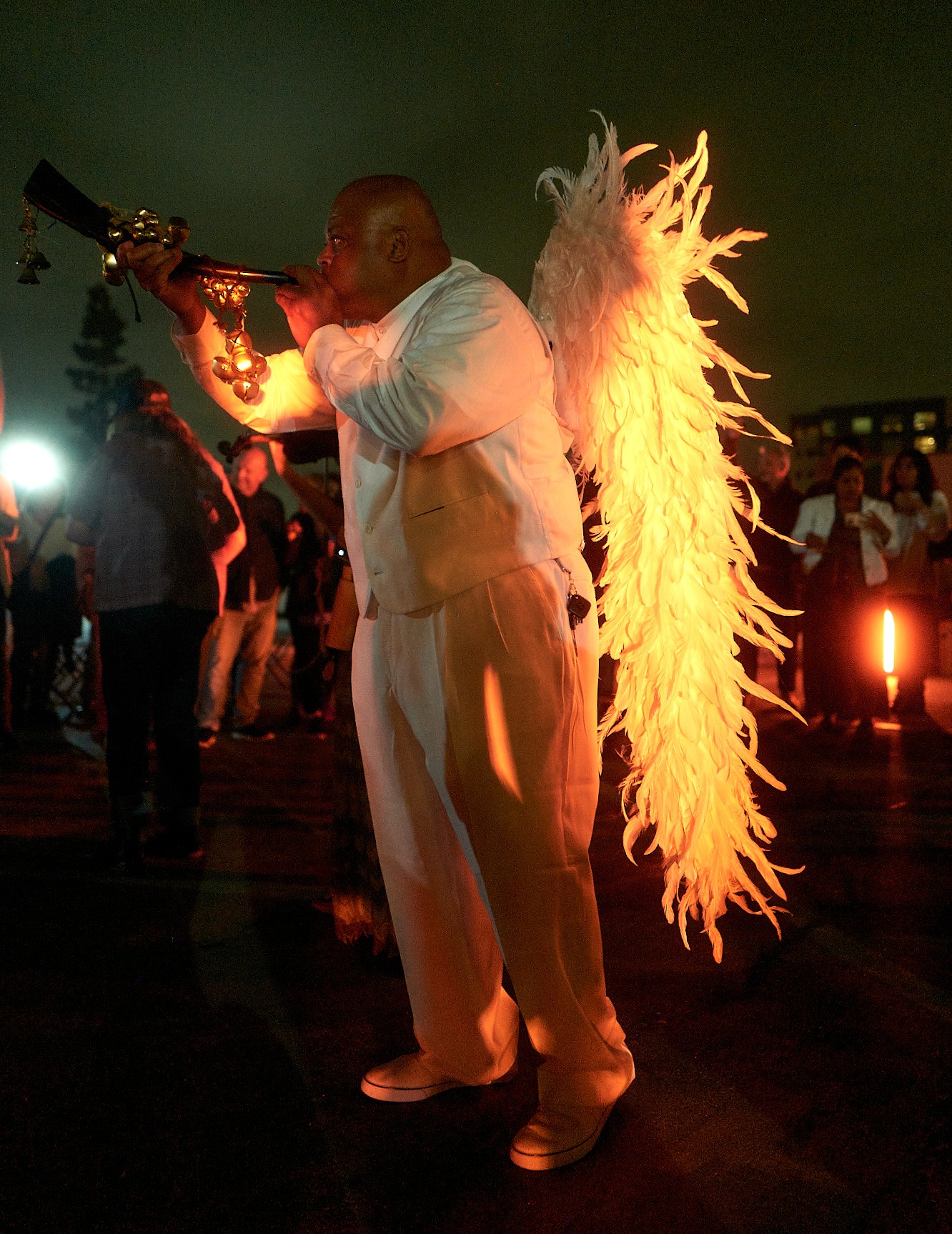
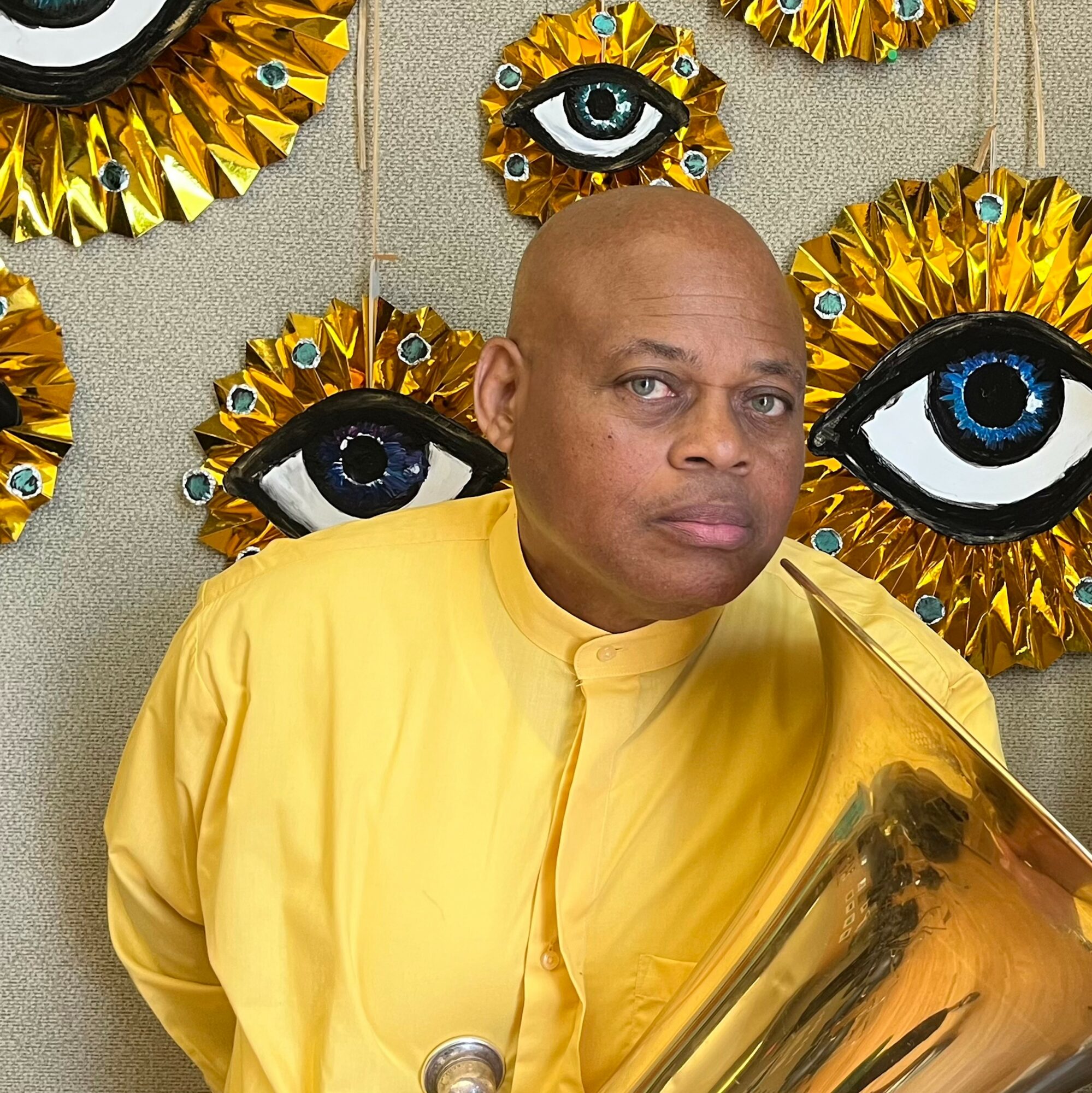
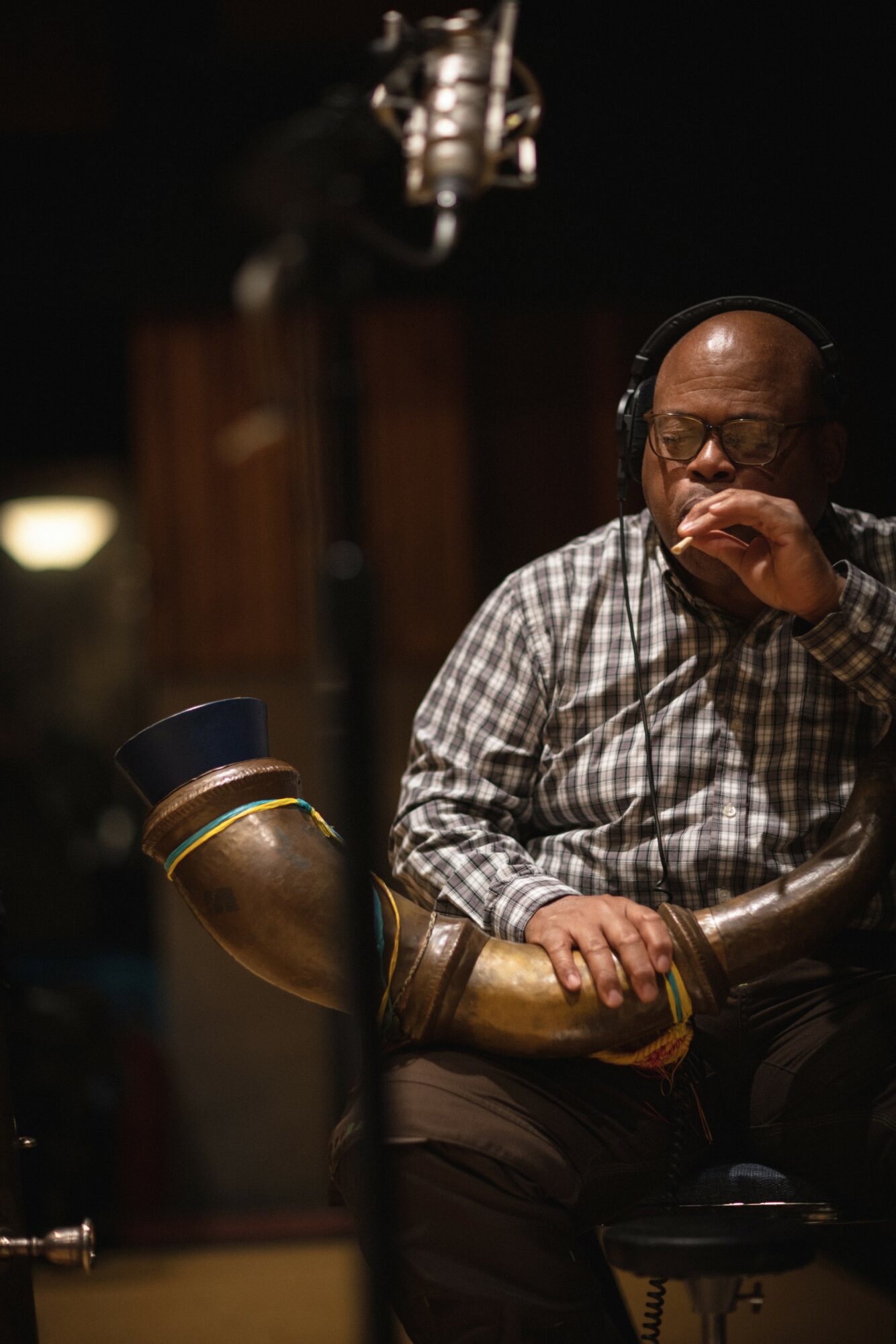
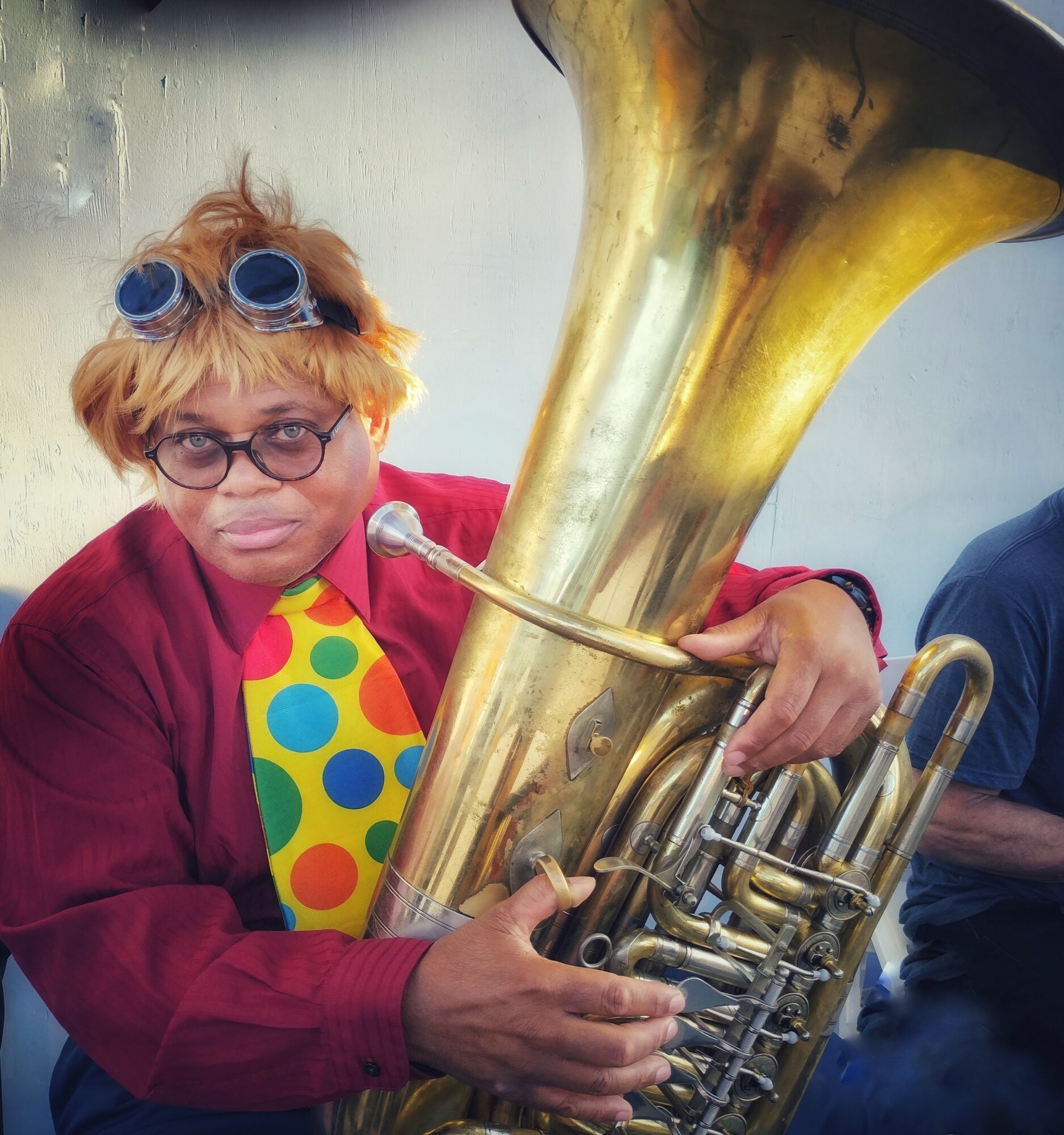
Image Credits
1. Rush Valera
2. Chuck Koton
3. Eron Rauch
4. Chuck Koton
5. Sean Deckert
6. Kim Lee Kahn
7. Brian Bixby
8. Alan Busteed
Popular
-

Jolana Nika on Redefining Modern Connection Through Intentional, Real-Life Experiences
-

What did suffering teach you that success never could?
-

Who saw you clearly before you could see yourself?
-

Who taught you the most about work?
-

Is the public version of you the real you?
-

What are the biggest lies your industry tells itself?


